
In a detective story, we usually expect an answer to bring the characters closer to controlling the situation. But suspense takes a different form when knowledge gives them a responsibility they never asked for, or reveals that the people they rely on may be the source of danger.
This is the link between our choices: discovering a secret affects a character's decisions, relationships and chances of survival. The routes to that discovery vary, from a supernatural ability and lost memories to noticing contradictions and deliberately invading other people's privacy.
All five works are complete, and we present them without a ranking. We mean the comics themselves: these are reading recommendations, limited to the beginnings of their stories to protect their surprises.
See No Evil: What Do You Do With Information Whose Source You Cannot Explain?
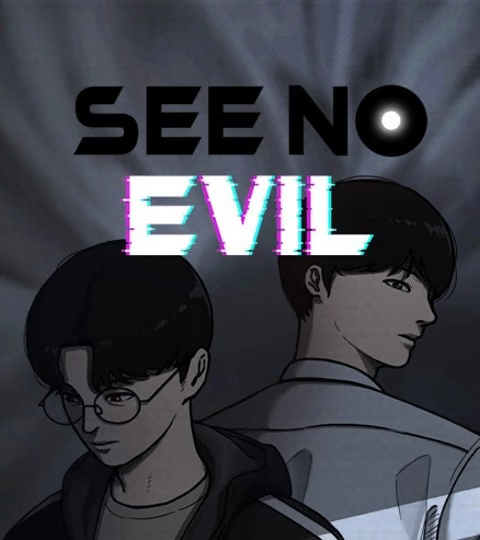
A university student can read minds, but prefers to keep what he knows to himself and continue living quietly. That choice becomes more complicated when he reads another student's mind and finds something that makes him suspect the student of killing someone.
We place See No Evil first because it presents the dilemma of knowledge directly. Access to other people's thoughts gives its protagonist information that is difficult to obtain, but also confronts him with the problem of acting on it. How can he explain his suspicions? And how far can he continue interacting normally with someone whose possible actions frighten him?
The appeal comes from the gap between the conversation on the surface and what reaches the protagonist through his ability. Ordinary words can acquire a disturbing meaning when one participant knows something the other does not expect him to know.
We recommend it to readers who enjoy psychological confrontations and secrets that interfere with everyday relationships. Its premise particularly suits anyone interested in what a character will do with information after discovering it.
PIGPEN: Searching for Yourself Among People You Do Not Know Whether to Trust
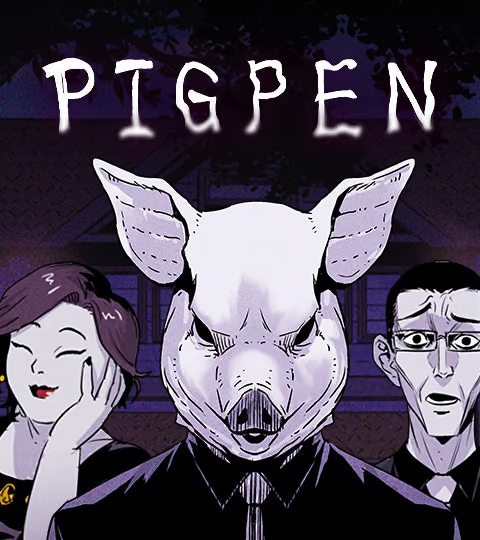
A young man wakes on a beach with no memory of who he is or how he arrived. A family welcomes him into their home, but his attempt to understand the place and its inhabitants raises increasingly troubling questions about what is happening.
What sets PIGPEN apart in this selection is its protagonist's lack of a safe point of reference. He needs other people to provide an explanation, yet does not know enough to judge whether they are telling the truth. Even the question of his identity depends on what those around him choose to reveal or conceal.
We see memory loss serving the suspense through this uneasy dependence: the person who might help you understand your situation may be involved in the mystery themselves. Gathering information becomes a matter of choosing whom to believe, and every choice carries a risk.
This recommendation is for readers who prefer psychological mysteries that unsettle their trust in places and characters. It asks for a willingness to live with unanswered questions while reading; piecing together the picture is an essential part of the experience.
Delusion: A Painting Commission That Is Difficult to Separate From Danger
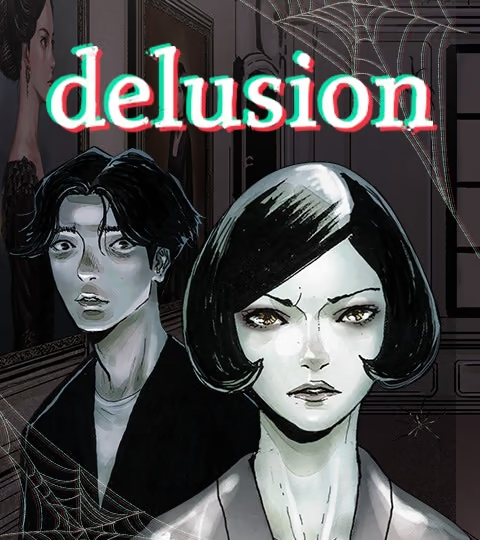
In 1935, a painter struggling financially accepts a commission to paint a reclusive woman. He finds a contradiction between her youthful appearance and the elderly likeness she asks him to paint, then discovers a warning concerning the completion of the portrait.
Delusion gives curiosity a clear professional reason. The painter must look at the woman commissioning the work and understand what she wants, while the details surrounding her make him question the nature of the assignment. The job he is supposed to carry out draws him towards questions he might be safer avoiding.
We also choose it because its mood differs from the rest of the list. The historical setting, the reclusive woman and the requested portrait allow a mystery to unfold gradually, making the relationship between appearance and truth part of the story's foundation.
We recommend it to fans of Gothic horror, old secrets and slowly building tension. It is best approached with limited knowledge of its characters' backgrounds; wondering about the meaning of what is told and what is seen is part of its appeal.
Following Eunju: When an Intruder Confuses Information With Closeness

Minjun creates a fake account so that he can follow Eunju, the girl he likes. He uses what she posts about her life and movements to move near her, then discovers that knowing her account has not given him a real understanding of what she is living through.
We recommend Following Eunju while drawing attention to its starting point: what Minjun does is an invasion of privacy, and the story derives some of its tension from his deliberate move from digital surveillance to physical proximity.
This beginning adds an important difference to the list. While others encounter secrets without planning to, Minjun actively seeks information about another person, then makes decisions based on it that affect both their lives. This lets us read its suspense through the lens of excessive confidence in our ability to understand people from what they choose to post.
It suits readers interested in psychological stories about stalking, privacy and troubled relationships. It includes themes of sexual violence and child abuse and is classified for adults, which directly affects its suitability for the reader.
Rotten: Having a Way to Discover Danger Does Not Mean Having Protection
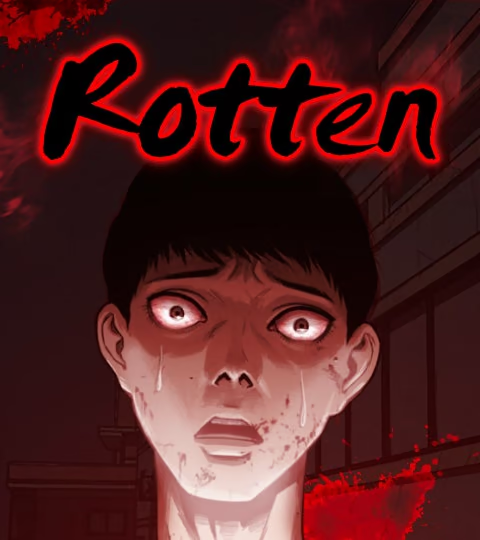
Jaeshin sees the dead, while Officer Han can sense evil through smell. Their search for a missing friend, alongside stunt performer Yuhyeon, leads them into a network of concealment and violence.
Rotten combines an investigation with supernatural elements that give its characters unusual ways to detect what others hide. We see this as a good fit for our list's central question: what is the value of being able to discover danger if dealing with it takes more than simply knowing about it?
The search for the missing person also gives them a personal reason to continue. There is someone the protagonists want to reach, and that relationship pushes them forward into a case that expands before them. Curiosity is therefore linked to a tangible goal, and the answers affect their next step.
This is a suitable choice for readers who prefer a mixture of crime and supernatural horror, and a group pursuing a shared investigation. Its violence and crimes place it closer to dark suspense.
Where Should You Start Reading?
Our first choice is See No Evil if you want a clear dilemma from the outset: disturbing knowledge that forces its holder to make a decision. If you prefer a mystery that makes it difficult to trust your surroundings, turn to PIGPEN.
For a historical atmosphere and gradual revelations, we recommend Delusion. Following Eunju offers an entry point through digital surveillance and crossing boundaries, while Rotten suits readers looking for an investigation shared by characters with different abilities.
The comparison between See No Evil and Following Eunju deserves particular attention: the first gives its protagonist an ability that reveals what he never sought to know, while the second begins with someone deliberately gaining access to another person's life. The different routes to the secret make each character's responsibility for becoming involved a different question, even when the consequences similarly increase the danger.
All lists and recommendations