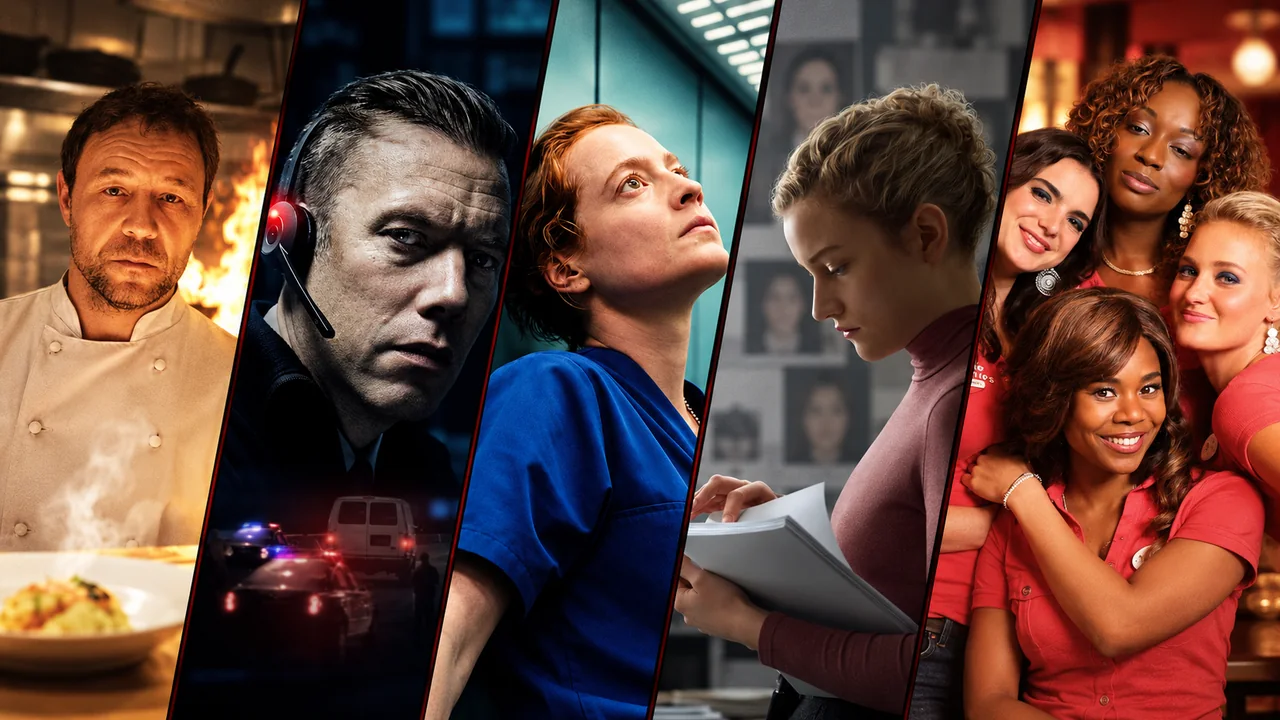
A new task arrives before the previous one is finished. One person needs help, another awaits an explanation for a delay, while the employee is expected to keep working with the same focus and composure. Cinema can build an entire suspenseful experience out of this gap between what is required and what is possible, especially when the consequences of falling short extend beyond a note from the manager.
We have brought together films whose main action takes place during a workday or shift, with professional duties and responsibilities directly shaping the conflict. Their sources of pressure vary: too many requests, incomplete information, limited time, difficulty speaking up, the effort to protect others, and finally the encounter with something expertise cannot explain.
We present them in no order of preference, because each choice gives this exhausting day a different form, from social drama to thrillers and horror.
Viewing guidance: This list is intended for adults aged 18 and over; the nature of the content varies between films.
Boiling Point (2021): When Everyone Falls Behind the Next Moment
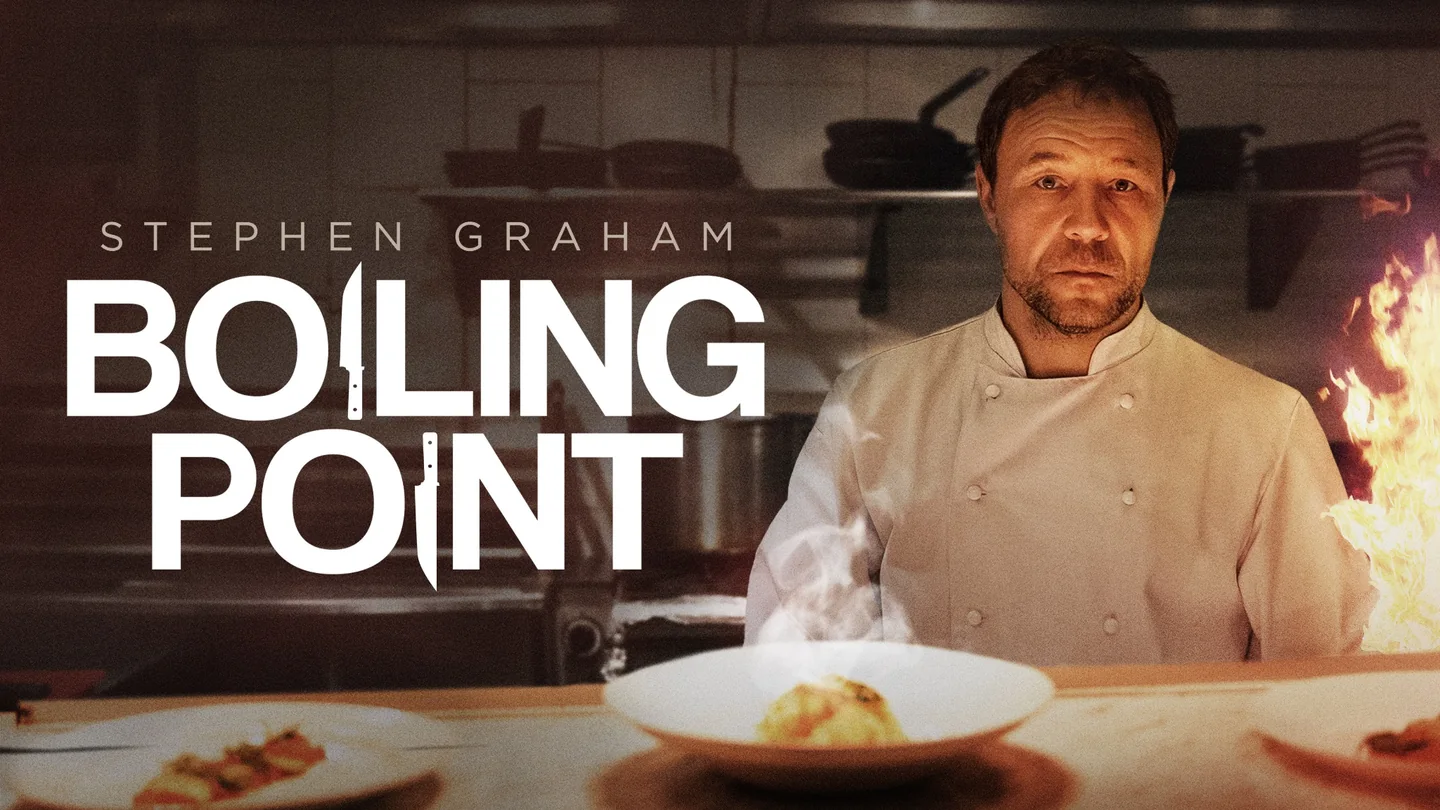
Before dishes become meals that reach the tables, they pass through a chain of decisions, coordination and waiting. Boiling Point places us inside this chain on a busy night at a London restaurant, where head chef Andy Jones tries to manage his team as personal troubles become entangled with service problems and pressure from customers and management.
The film was shot in a continuous take, a choice that serves the nature of restaurant work. The camera moves between people who each need a response from someone else, making us feel how disruption travels: a small delay in one area puts pressure on another, then returns to the kitchen as a more urgent demand. Time keeps running even when we want to give a character the chance to catch their breath.
We place it at the beginning of the list because it offers the clearest picture of pressure caused by accumulating tasks. It also leaves room to hold Andy accountable; the exhaustion of the person in charge affects the team that depends on him. We recommend it to anyone who enjoys sustained tension and relationships revealed under collective pressure, with the expectation of an experience crowded with interruptions and emotional flare-ups.
We mean the film released in 2021, rather than the television series that followed.
The Guilty (2018): Heavy Responsibility, Information Through a Headset
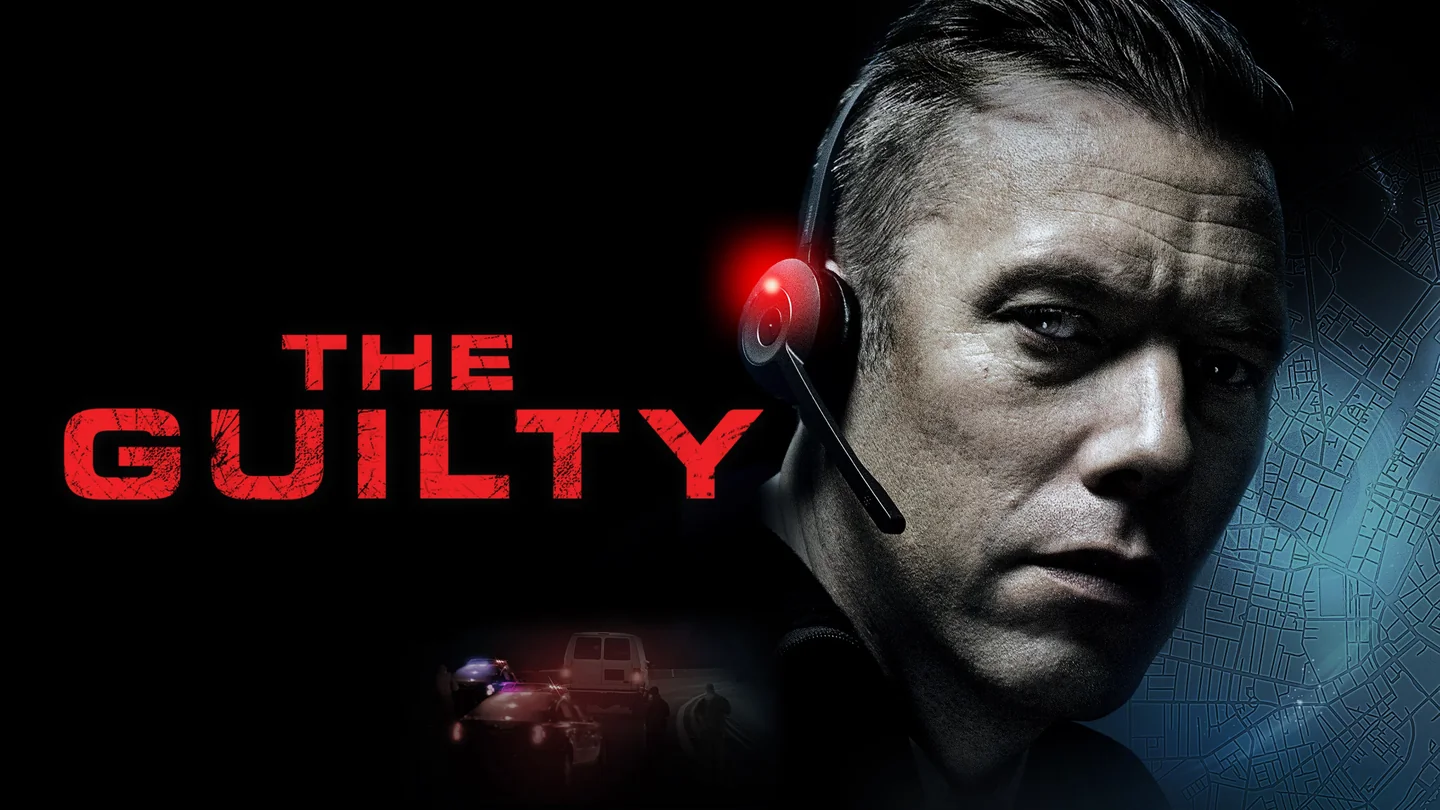
Asger sits at an emergency telephone while the event he is trying to intervene in unfolds far away. A police officer temporarily assigned to answering calls, he speaks with a woman who appears to be in danger and tries to help without the freedom to move or see what is happening.
We recommend the Danish original, which builds its suspense from the distance between what Asger hears and what he can verify. Sound carries an essential narrative burden: hesitant words, surrounding noise, and a call that may drop just when a piece of information becomes necessary. The viewer helps assemble the situation and feels the urgency to act despite the incomplete picture.
The pressure here differs from Boiling Point. There is less movement around the main character, while his interpretation of the information reaching him becomes more consequential. For us, this is the film's appeal: it combines the urgency of providing help with the need to establish the facts, two demands that are difficult to reconcile when someone feels time is running out.
Start here if you prefer concentrated suspense and films that use dialogue and sound to keep your attention fixed on a small space.
Late Shift (2025): When Time Becomes Part of Care
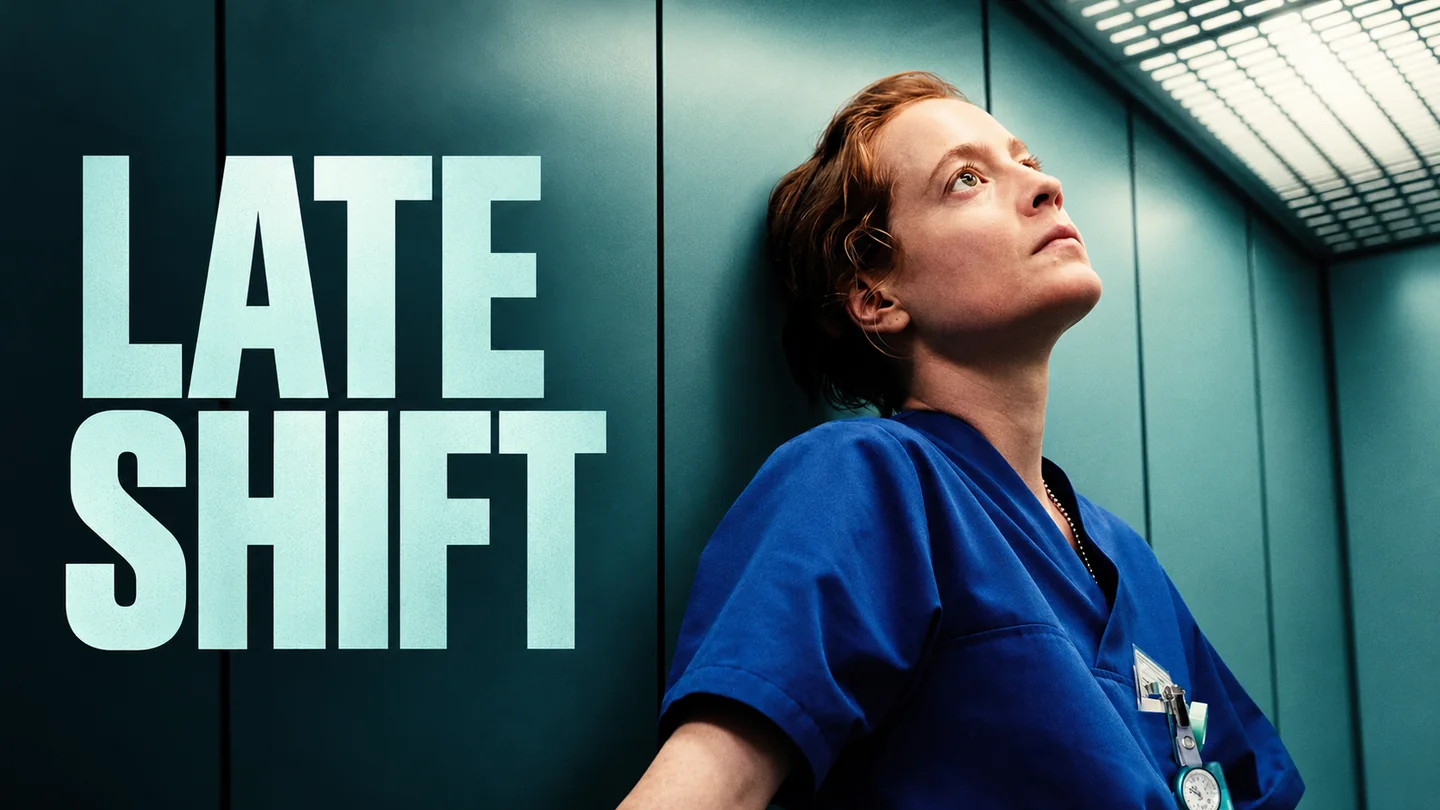
Floria works as a nurse on a surgical ward suffering from a shortage of staff. She knows her profession and practices it with care, but the shift brings more simultaneous needs than the available time allows: monitoring patients, responding to new developments, and handling demands that all deserve attention.
What interests us in choosing Late Shift is the conflict between the quality of care and the speed of moving to the next task. One patient may need an explanation or reassurance while another waits for practical help. Every minute Floria gives one person affects the time she can devote to someone else, lending increasing weight to everyday decisions.
This experience offers a different way to understand professional competence. The skill is there, as is the desire to do the job well; the shift reveals the limits of what one person can accomplish when needs keep growing. We see this as one of the choices most closely connected to the idea of depletion, because responsibility continues even after the ability to bear it has begun to fade.
It suits anyone looking for drama close to the human experience of work, and willing to face tension arising from patients' vulnerability and the weight of caring for them.
The Assistant (2019): A Seemingly Quiet Day Within a Power Imbalance
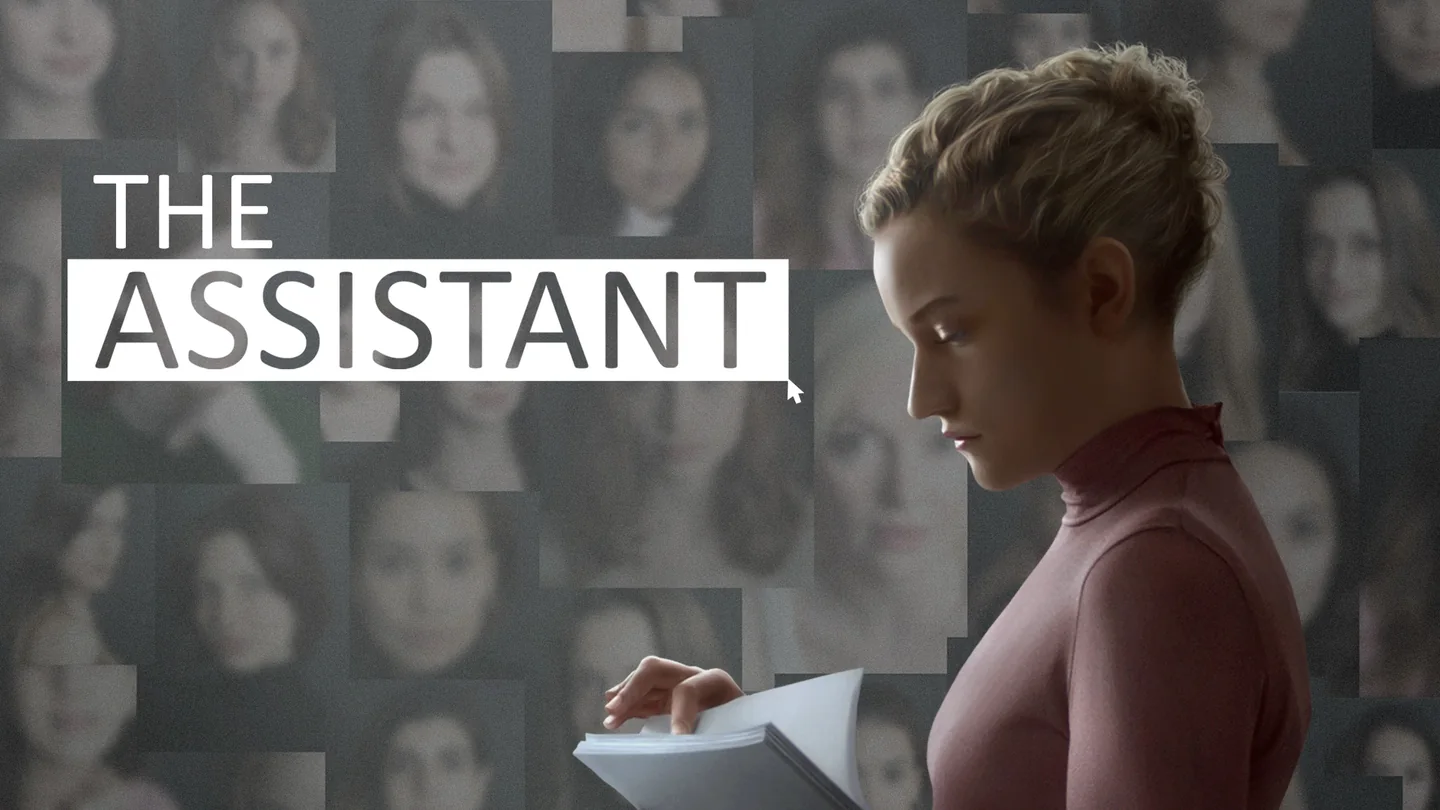
Jane begins her day at a film production company with the duties of a junior assistant: making coffee, organizing papers and answering calls. She hopes for a future in the industry and tries to learn the rules of the workplace and protect her opportunity, while the details of her day reveal an environment permeated by abuse.
The Assistant uses small, repeated tasks to build a sense of power. Who answers? Who waits? And who is asked to deal with the consequences of someone higher up's behavior? These relationships give routine duties meaning beyond their apparent simplicity, placing Jane in a position where she learns how much she can say and the potential cost of objecting.
We choose it because it adds a pressure that is difficult to express openly. In a restaurant or hospital, the urgent need seems clear; here, the character must understand what is happening inside a system that encourages her to keep working and adapt to its rules.
Its pace is measured, relying on observation and silence more than loud escalation. We recommend it to anyone interested in institutional drama and power relationships, particularly when everyday details become a way to understand what a workplace permits and what it overlooks.
Support the Girls (2018): The Manager Trying to Be There for Everyone
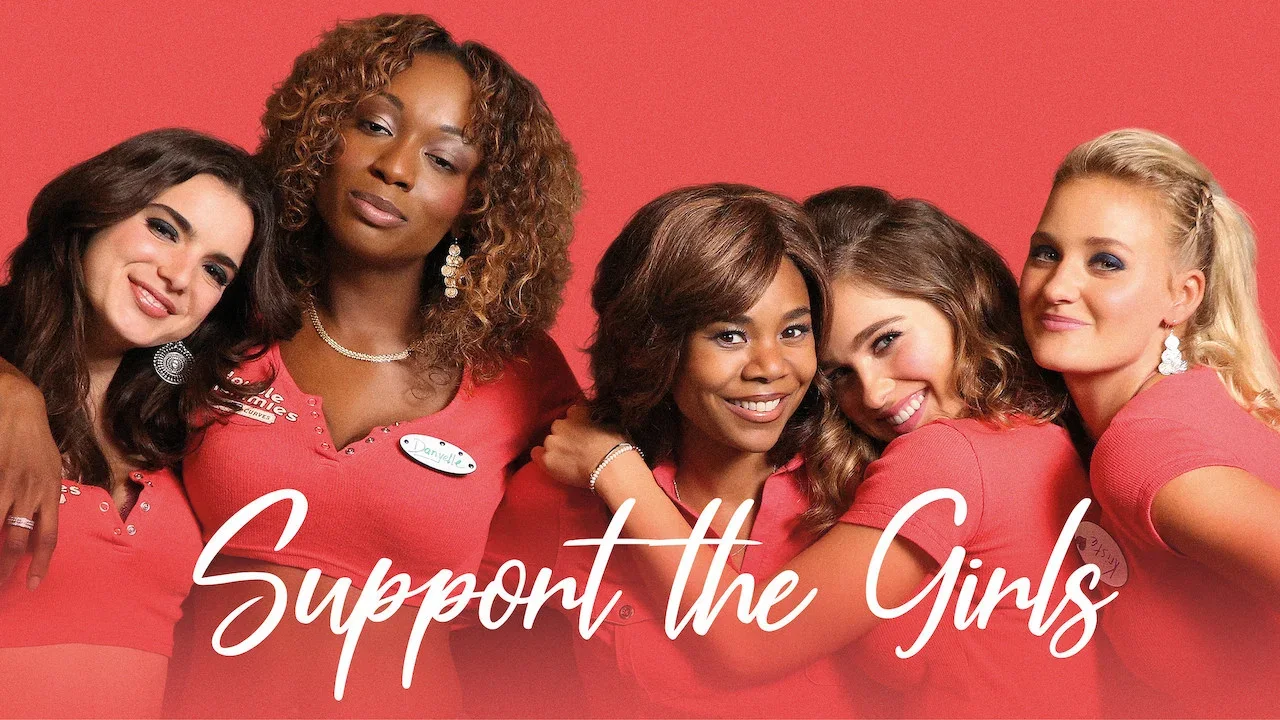
Lisa manages a sports bar and, over an exhausting day, tries to deal with customers and the owner while supporting the women who work there and depend on her. Her responsibilities are divided between keeping the service running and the needs of people whose relationship with her cannot easily be reduced to a shift schedule.
Support the Girls makes room for the emotional labor that accompanies management: listening, calming disputes, containing frustration and trying to keep the team together. These tasks consume attention and energy even when they seem less visible than serving orders or organizing the space.
Its comic and social tone allows us to see warmth and fun amid the difficulties. We like its presence in this selection because a workday can contain real solidarity while remaining exhausting and unfair. Lisa also raises a question about the limits of responsibility: how much can a manager bear when she tries to compensate for a workplace's problems through her personal care for its employees?
This is a suitable choice for viewers who prefer characters, relationships and everyday drama, and want to approach exhaustion through an experience that gives warmth and frustration room to coexist.
The Autopsy of Jane Doe (2016): Professional Expertise Faces the Unexplainable
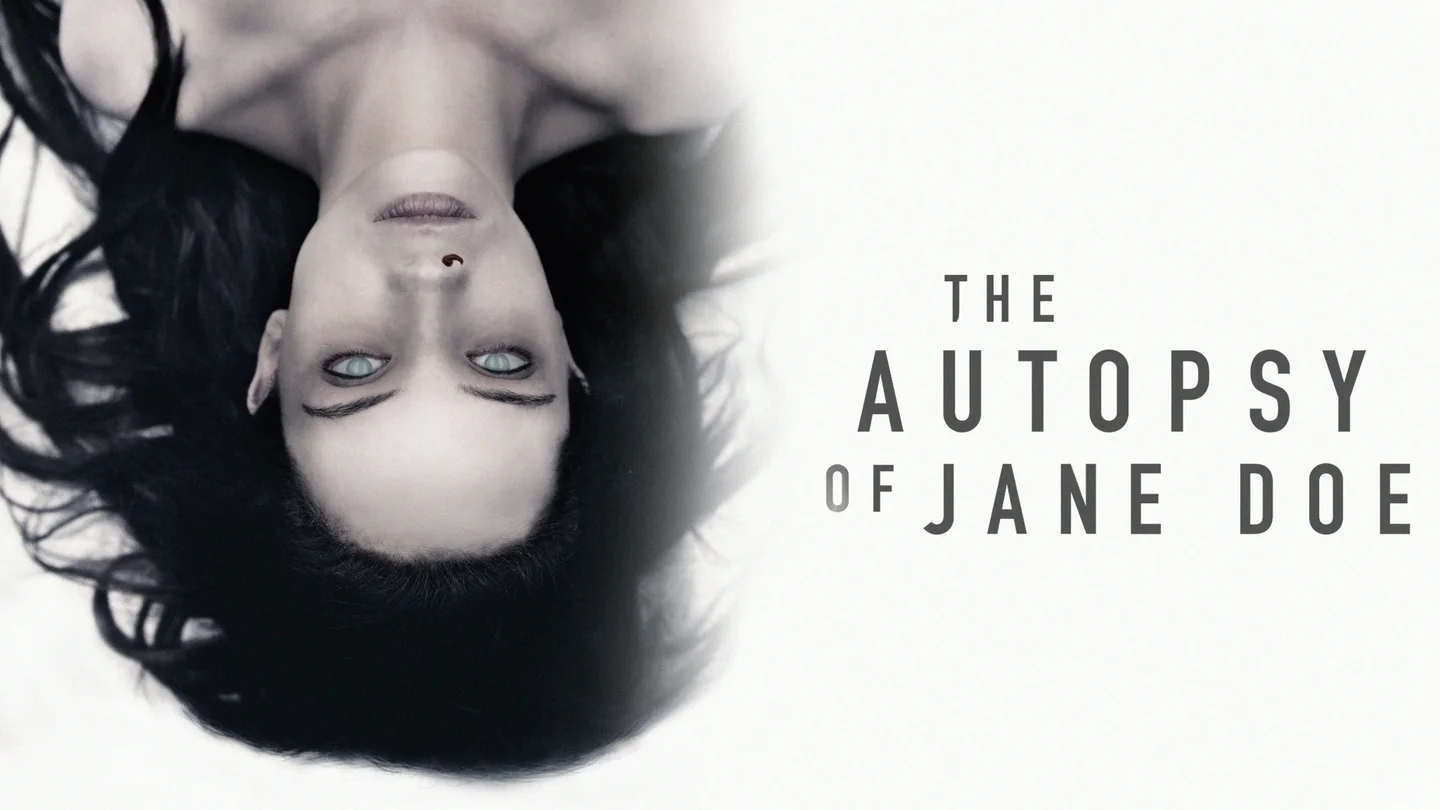
A father and son who work in a morgue receive the body of an unidentified woman to examine overnight. The assignment begins within familiar territory: procedures, examination and an attempt to explain what happened. As the work progresses, discoveries accumulate that make carrying out the task increasingly unsettling.
We end our selection with this film because the profession itself gives the horror a way to develop. The autopsy proceeds step by step, and each finding is supposed to help explain the case. An unsettling space opens when the knowledge available makes it harder to explain what lies before the two characters.
For us, the father and son relationship adds an important layer to the situation; they share work and expertise passed from one to the other, and the danger tests their ability to rely on that knowledge. The pressure of the shift reaches a point where continuing the examination becomes a heavy decision in a place that is supposed to be familiar.
We recommend it to fans of confined horror and gradually unfolding mystery. It includes explicit autopsy scenes and bodily injuries, a factor that matters when choosing what to watch.
Which Film Should We Start With?
Our first choice as an entry into the subject is Boiling Point, because it makes the transfer of pressure between team members clear and tangible. If you prefer following a crisis through information and possibilities, turn to The Guilty.
For a drama of care and the limits of human capacity, we recommend Late Shift, while The Assistant suits anyone wanting to reflect on the effect of power within a seemingly ordinary day. Support the Girls pays more attention to a team's bonds and the demands of supporting it, while The Autopsy of Jane Doe takes the responsibility to finish the job into the realm of horror.
The jobs and experiences differ, but these characters share a familiar situation: someone is still expecting something of them while their energy to respond is fading.
All lists and recommendations