
A teacher might see a gifted program as an extra opportunity; a child might hear it as a judgment on how smart they are. A line from an interview might sound like a detail worth airing, then change what the audience takes from the entire story.
We chose six series in which an ethical test begins with a familiar task: selecting a pupil, defending a client, or writing a statement. What they share is the distance between the people who get to make a decision and the people who will live with its consequences. We present them in no particular order.
Abbott Elementary (Season One, 2021–2022)
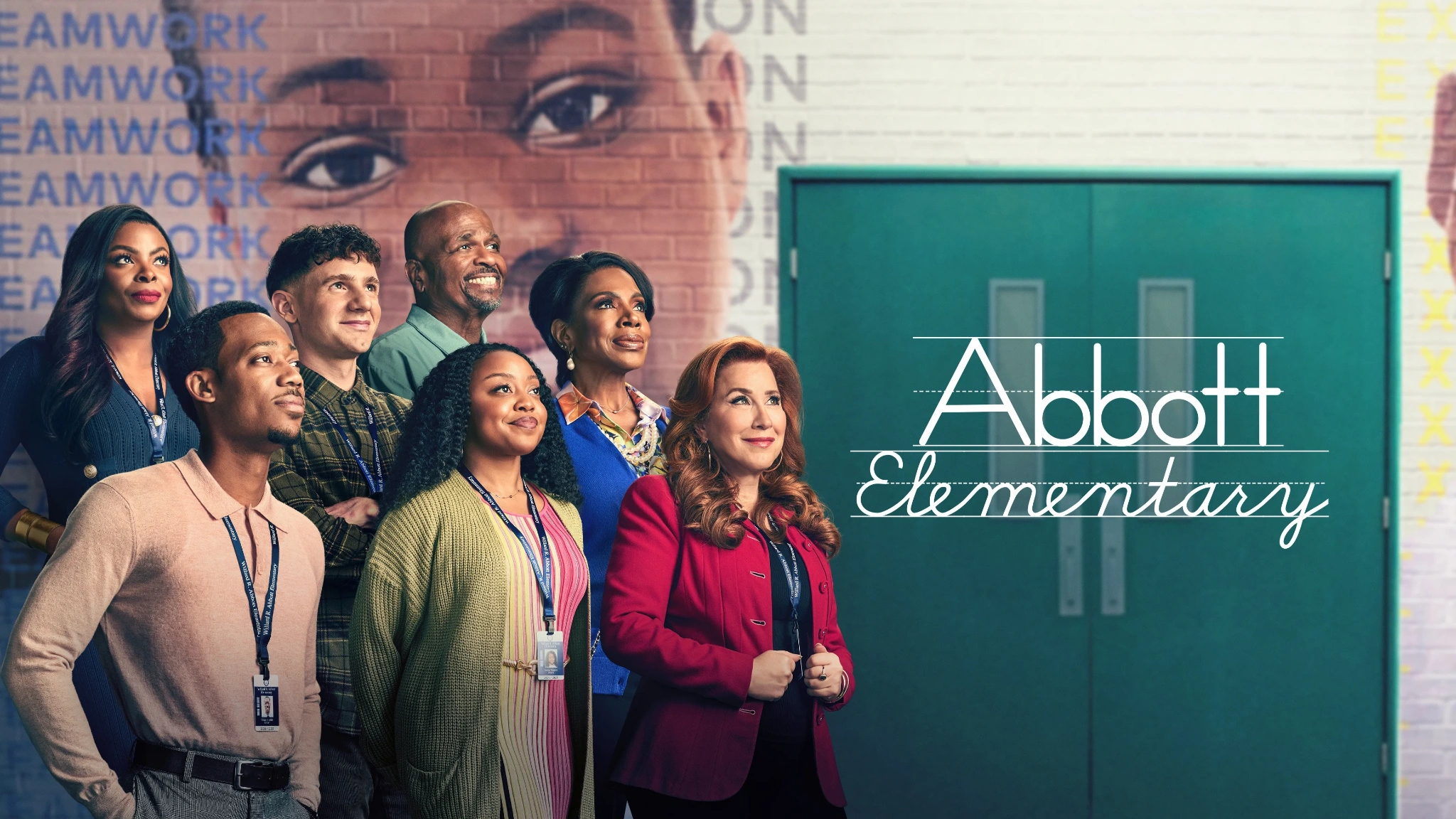
Janine persuades the principal of her Philadelphia public school to start a gifted program led by her colleague Jacob. She wants pupils who finish their assignments quickly to have something that challenges them. Before long, the program draws the attention of the children who weren’t selected.
The series moves from an arithmetic problem that loses Janine’s pupils’ attention to a library where their classmates watch eggs hatch. One child tells Janine he’s smart too and asks whether he can join. The show’s light touch and precision come together in that question: the adults are talking about an extra activity, while the child is trying to understand what the selection says about him. This is our pick for anyone who wants a comedy that finds a question about fairness in the details of an ordinary school day.
Extraordinary Attorney Woo (2022)

Attorney Woo Young-woo and her colleague Min-woo represent a company that accuses a competitor of copying technology used in its ATMs. Min-woo focuses on building a winning argument, while Woo tries to verify the account their client has asked them to defend.
The case begins with a sales demonstration of technology meant to detect tampering with the way cash is counted. The attorney then has to find a way to check the seller’s claims. The tension comes from that distinction: Woo might know how to make an argument sound convincing in court, but she still has to decide whether she believes it herself. We recommend the series to viewers who enjoy a different case from episode to episode while their consequences accumulate for the attorney handling them.
The Newsreader (Season One, 2021)
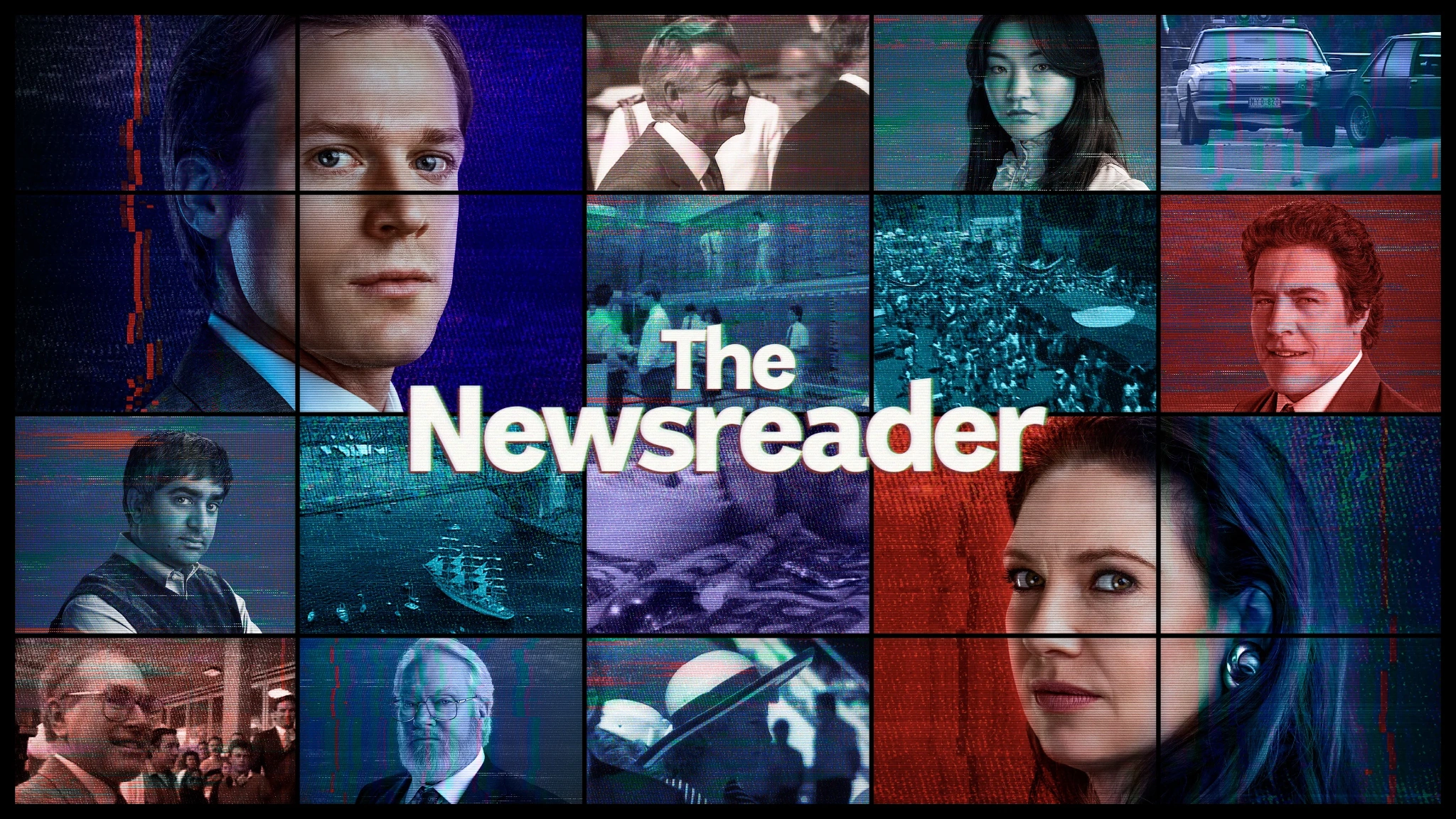
In an Australian newsroom in 1986, reporter Dale Jennings interviews a mother living with HIV. Dale wants to tell the story of how her family’s life has changed, while the news director sees a chance to draw viewers with an allegation the team hasn’t verified.
As the series moves from filming the interview to reviewing the footage before broadcast, we see how a decision about a single sentence can change what the report is about. The woman is describing her own experience, but the choice of what makes it to the screen can direct the audience’s attention toward people who took no part in the interview. If you’re interested in how news is made, the most tense scene here happens before the anchor goes on air.
Line of Duty (Season One, 2012)
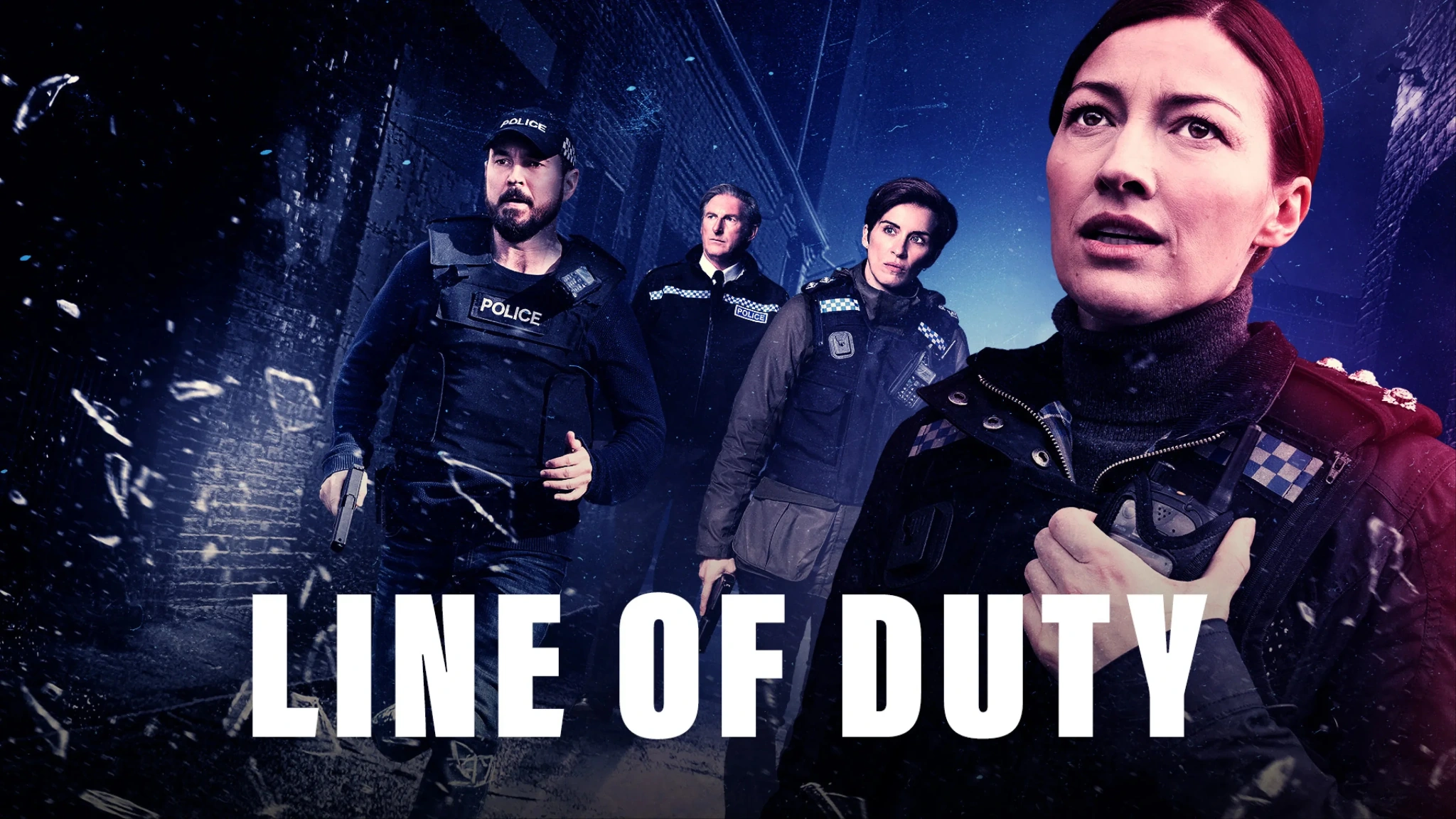
After a man is killed in a counterterrorism operation, the team leader pressures the officers to agree on an account that absolves them of responsibility. Steve Arnott refuses to go along with it and moves to an anticorruption unit. There he finds himself investigating Tony Gates, an officer celebrated by the force for his results.
We see Gates receive an award, then give his account in front of a recorder. Between the two scenes, the performance figures that earned him recognition become a reason to ask how he achieved them. We recommend the first season to anyone who enjoys investigations where a detail in a statement can shift the balance of an interview. The stakes are personal, too: Arnott has to decide what loyalty means when it’s a fellow officer under investigation.
Chernobyl (2019)
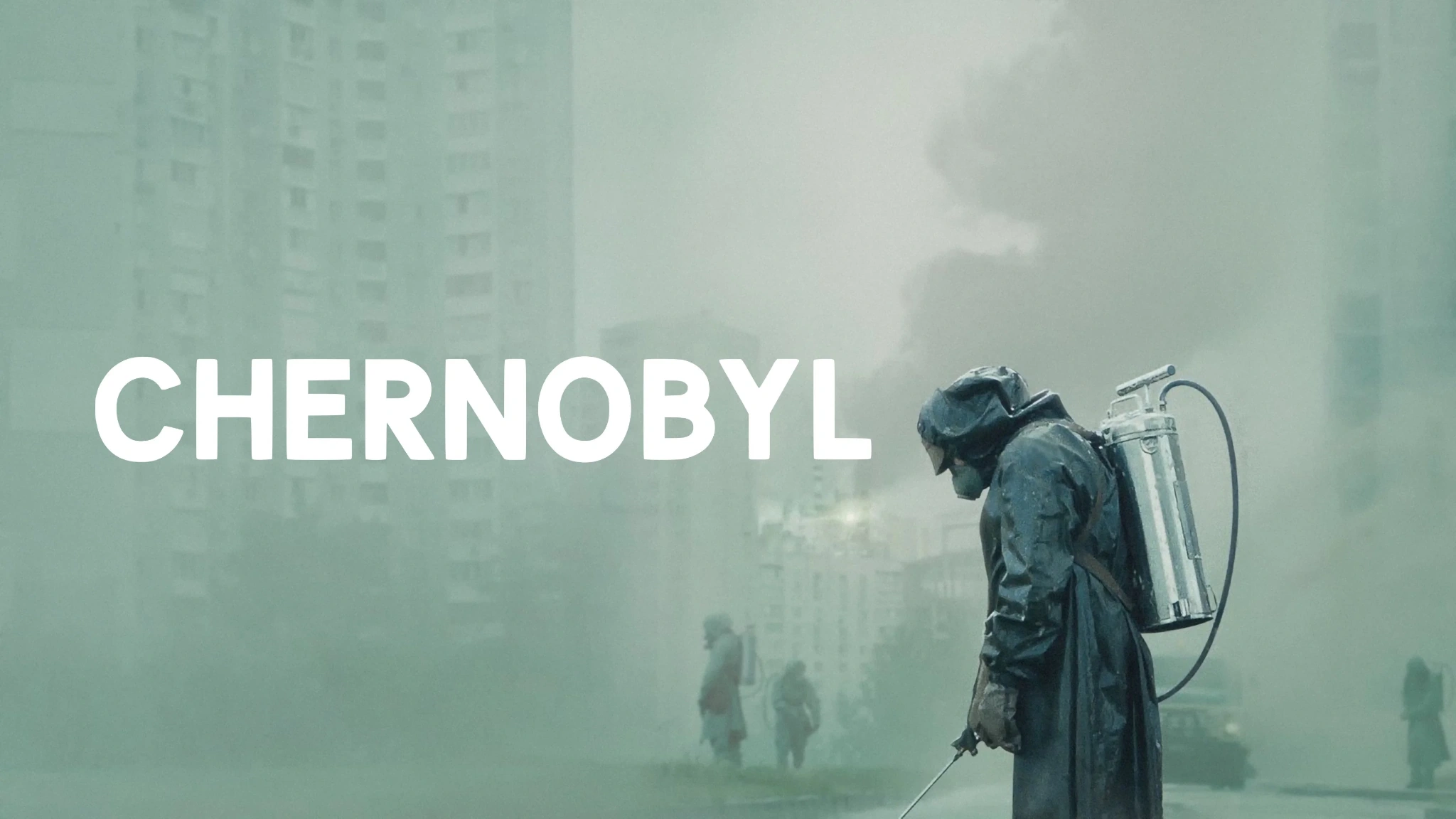
After the reactor explodes, a radiation meter hits the highest reading it can register. The viewer knows the instrument’s limit, then hears that number used to reassure officials. At a later meeting, scientist Valery Legasov tries to explain why the reading can’t tell them how serious the danger is.
Giving us that information early changes the impact of the meeting. We know what the report left out, and at the scene we see people getting on with their jobs without knowing what they’re being exposed to. We recommend this miniseries to anyone who enjoys suspense built on an imbalance of knowledge. One person has grounds to issue a warning, another has the power to act, and between them are people whose safety depends on the information getting through.
Severance (Season One, 2022)
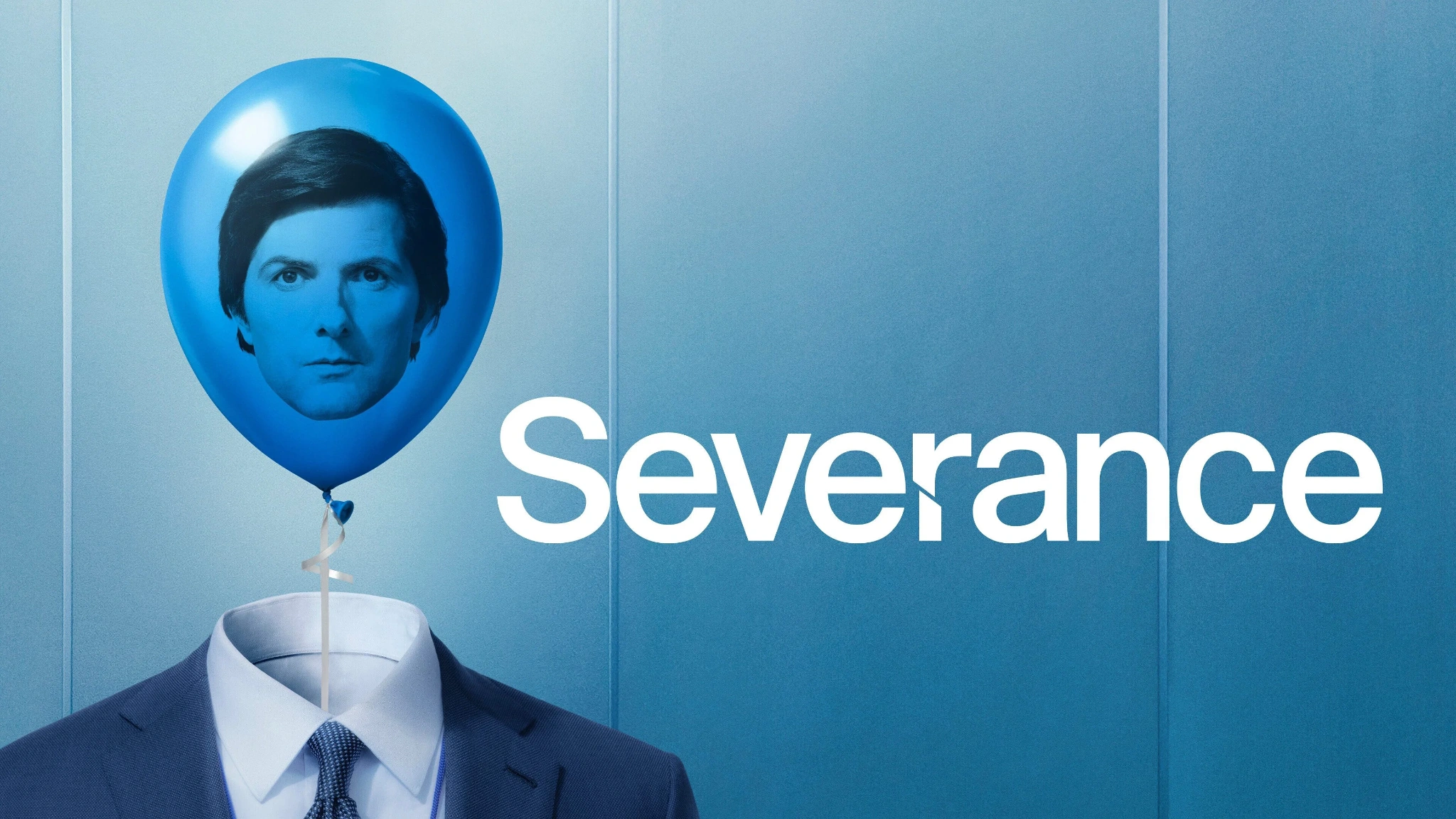
Helly wakes up on a conference table and can’t remember her name. We see her from above while a voice on a speaker asks her to answer questions. The voice belongs to Mark, who has just been promoted and put in charge of welcoming her to Lumon, where employees’ memories at work are separated from their memories outside it.
The first shot puts us in Helly’s position: she’s asked to cooperate before she knows where she is. Mark’s job is to explain a procedure she agreed to outside the office and now can’t remember. This leads to the question that sets this choice apart: if the employee who lives through the workday wants to quit, who gets to accept her resignation? The season suits science fiction fans who like a familiar procedure made strange enough to make them think about it again.
Start with Abbott Elementary if you want a comedy with short episodes, or Line of Duty for a season-long investigation. The Newsreader and Chernobyl also make a pair worth watching: the first follows the danger of airing information before checking it; the second follows the danger of delaying a warning until all the information is in.
All lists and recommendations