The review
A simple premise that allows endless disorder
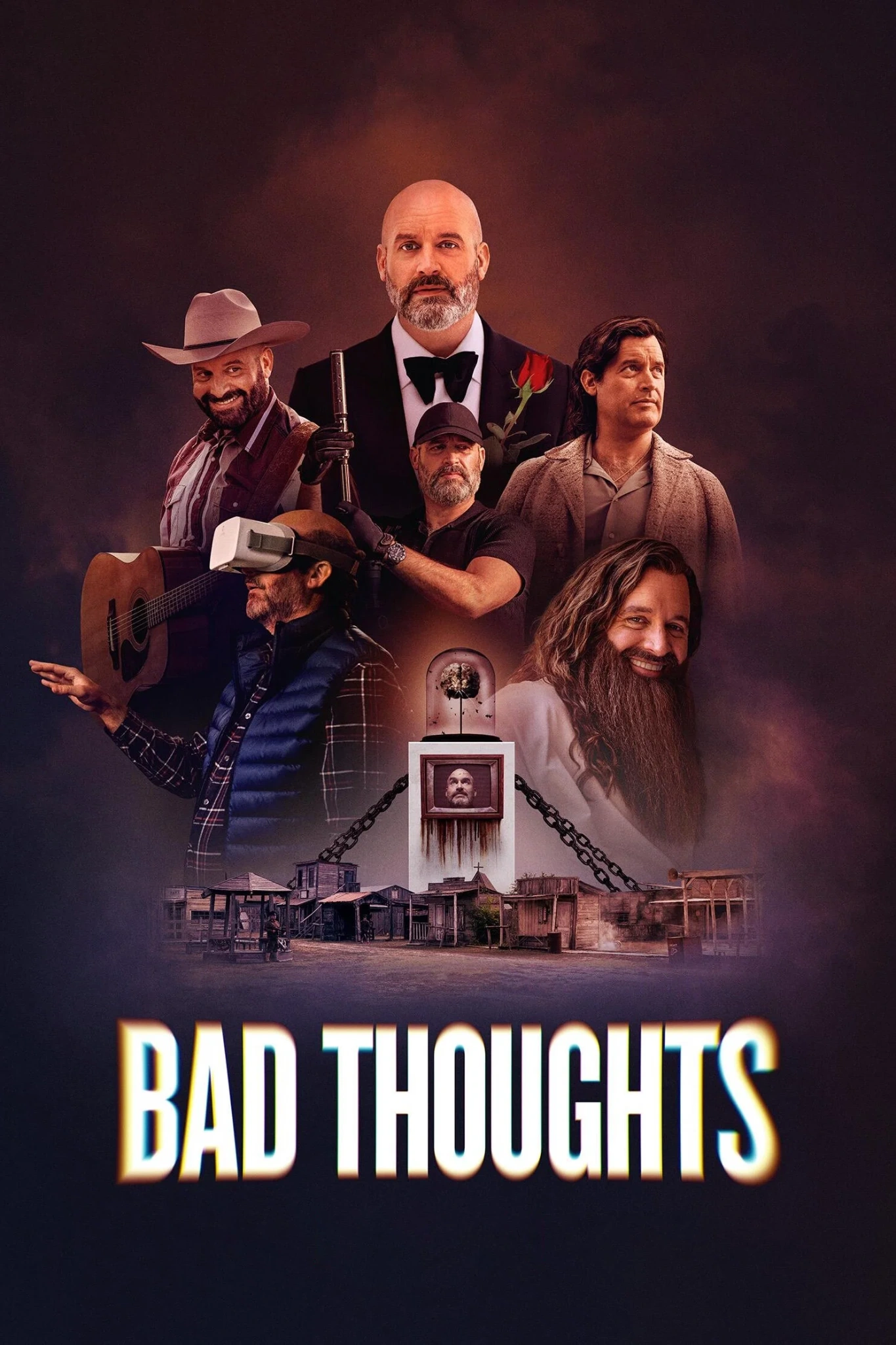
Bad Thoughts turns disturbing impulses, unspoken desires and embarrassing social situations into independent comedy sketches. Some satirize human relationships, others target fame, work and social restrictions, while others rely on absurd situations that need no grand message to make an impact.
This structure gives Tom Segura considerable room to try different kinds of comedy without having to connect them through a conventional plot. We may move from a spy film parody to a story with a dramatic tone, then to a seemingly ordinary social encounter before it becomes a series of irrational actions.
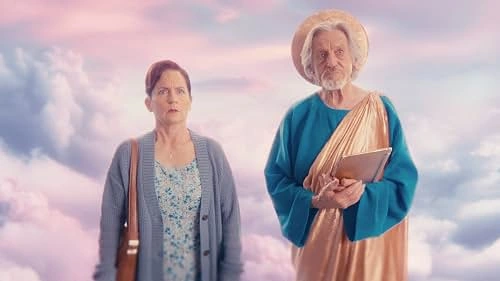
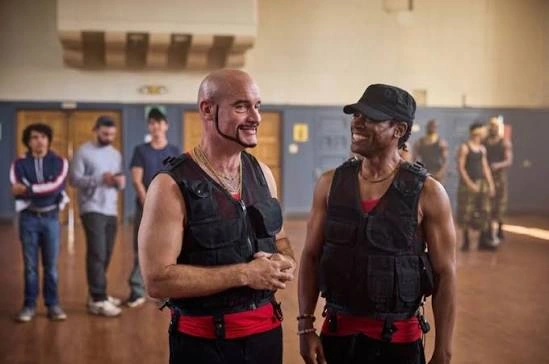
The series does not always settle for a quick joke. Some stories extend across several parts, stopping at moments that invite a return in a later episode. We sometimes follow the development of a situation itself rather than simply await disconnected jokes.
The success of this approach depends on the screenplay's ability to develop the idea. When every escalation adds another surprise, exaggeration becomes part of the comic construction. When the same embarrassment returns in similar forms, the sketch's length begins to consume the original joke's effect.
Here the series' true nature emerges: it does not try to satisfy every taste, but wagers on the viewer's willingness to enter a world where logical limits deliberately recede and the characters' outward seriousness produces maximum absurdity.
Season one: when surprise mattered more than the joke itself
The first season has an important advantage: we enter its stories without knowing what form their endings will take. A sketch may begin with a familiar action film image before its suggestion of heroism collapses because of an utterly ridiculous incident. A simple social scene can become an escalating crisis merely because someone refuses to acknowledge a mistake.
The premise's ingenuity appears in the spy film parody, which adopts a serious appearance resembling an expensive feature before undermining that seriousness with an embarrassing detail. The humor comes not just from the incident, but from the distance between our expectations of the genre and what actually happens.
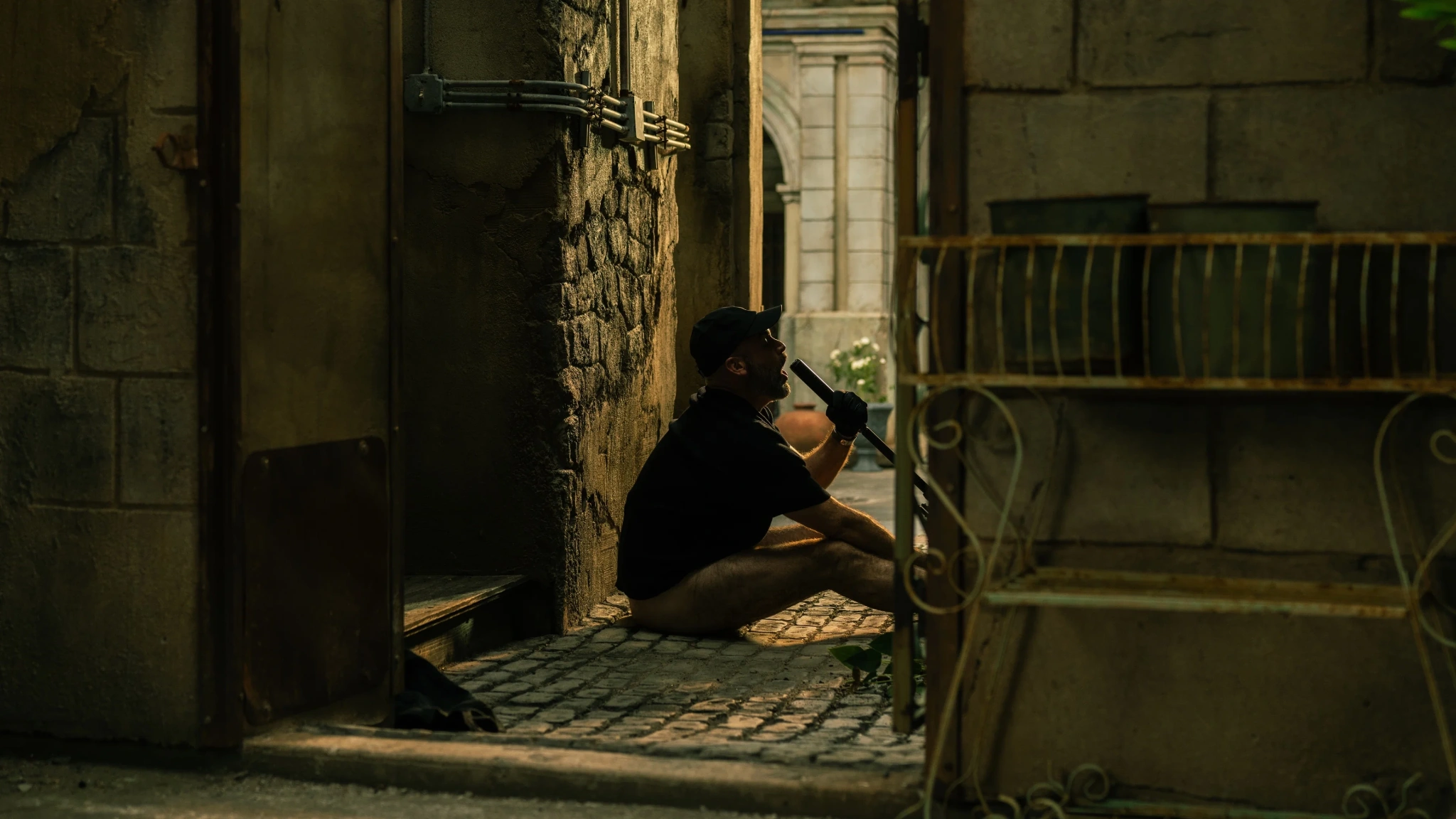
The story of country singer Rex Henley illustrates the series' capacity for satire with substance. Fame and wealth separate him from the everyday experiences that once inspired him. Instead of addressing this crisis normally, he adopts absurd, extreme behavior to recover his connection to that world. The idea goes beyond an odd shock, satirizing an artist who wants to retain the image of an ordinary person after losing contact with the life that made him successful.
The three part Cyrus story also benefits from adding stranger developments with each return. The pleasure does not necessarily lie in the original joke's strength, but in wondering how far the situation can go and how the series will find an exit from the chaos it has created.
Not every sketch is equally strong. Some exhaust their premise early, then continue relying on repetition or physical exaggeration. The first season is therefore more convincing when it gives the absurd situation a clear dramatic reason, however ridiculous, and less successful when visual surprise becomes the only objective.
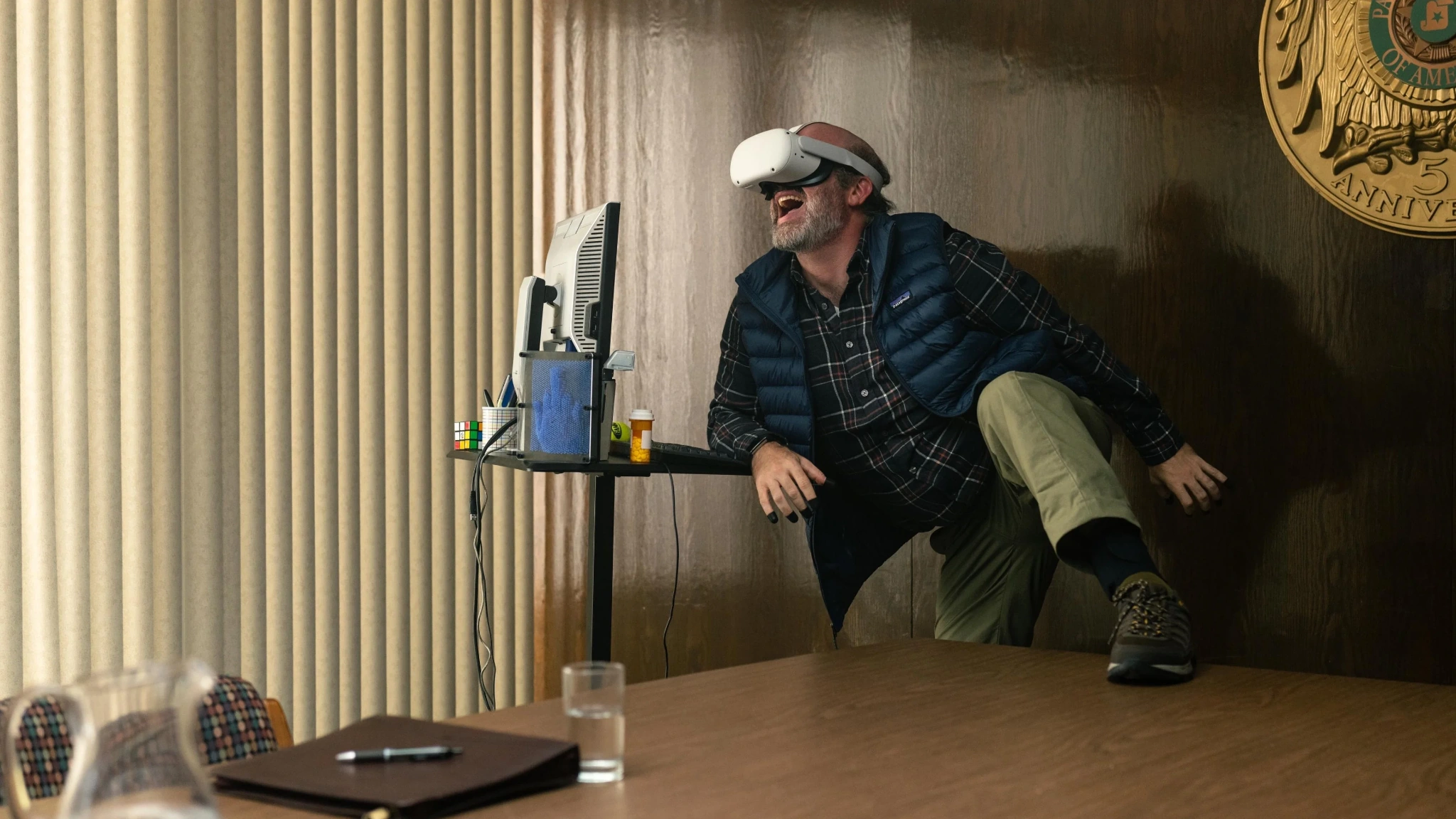
Nevertheless, the first experiment's vitality is difficult to deny. Constant movement between genres and approaches gives it unexpected energy, preparing viewers to enter the next story even when the previous one has not entirely succeeded.
Shock and embarrassment: when does daring become intelligent comedy?
Bad Thoughts clearly depends on what might be described as comedy of embarrassment and transgression. It places characters in situations they do not want to confront, then pushes them toward worse decisions instead of acknowledging the problem or withdrawing.
In one situation aboard an aircraft, a comedian faces people angered by some of his jokes. Instead of discussing their objections, his persistent attempts to evade confrontation become the source of humor. This works because the character does more than face embarrassment: his response reveals something of his fear and weakness.
Other stories concern socially unacceptable words or workplace tension caused by a remark one person considers ordinary and another finds offensive. The series has an opportunity to satirize miscommunication and fear of social embarrassment, but does not always develop it sufficiently.
There is a considerable difference between using a shocking joke to expose a contradiction in human behavior and expecting laughter simply from showing something unfamiliar or embarrassing. In some passages, particularly those relying on coarse sexual references or repellent bodily situations, the joke becomes clear before the scene ends, yet the series continues escalating it without another comic contradiction.
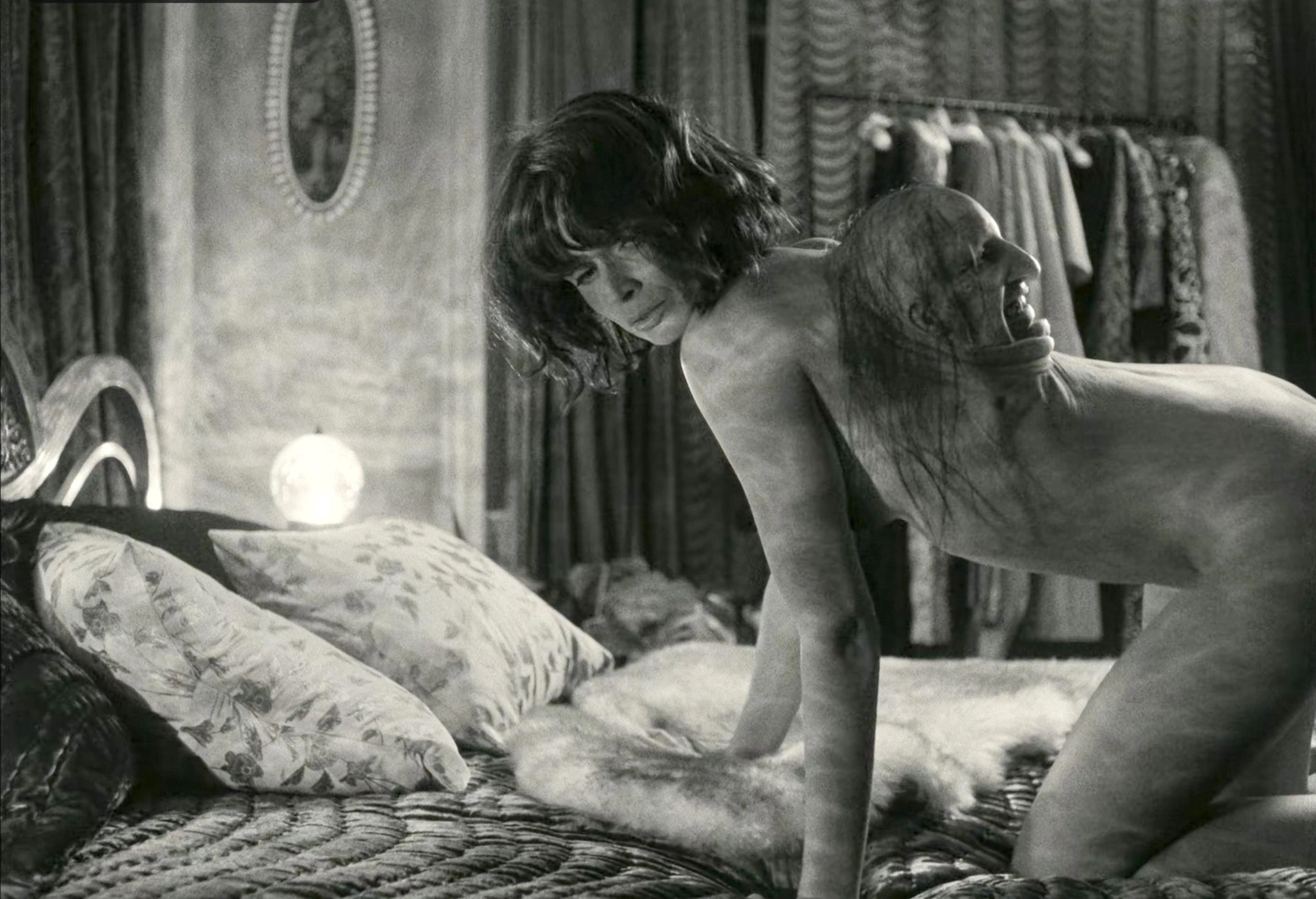
Comedy need not offer a profound social message every time. Pure absurdity can be extremely funny. Yet even the most ridiculous joke needs appropriate timing, a convincing reaction within its world and an ending that differs from its beginning.
This is one of Bad Thoughts' central paradoxes: when it makes us laugh at a character's behavior, it is more intelligent than when it merely tries to embarrass us as viewers.
Season two: more madness or the same trick again?
Moving into season two, the series largely retains its basic identity. Tom Segura still plays characters who face familiar situations before events veer into absurdity, and the comedy continues to depend on escalation, embarrassment and defying expectations.
The most notable difference is that viewers now understand the game. In season one, an unexpected direction was one source of laughter; in season two, we are already waiting for an ordinary situation to become a comic disaster.
Examples include a man who takes a substance that gradually costs him control over his behavior, a traveler whose anger erupts as exhausting airport procedures pile up, and a story about filming a romantic scene under the supervision of an intimacy coordinator.
These premises address different subjects but share a mechanism: someone tries to behave normally in an increasingly strange situation until it slips out of their control.
Some situations feel more energetic when they draw on frustrations viewers can readily recognize. A story involving a trip booked through a ride service app, for example, benefits from turning a small everyday encounter between strangers into an absurd confrontation. The starting point need not be particularly extreme because the premise itself is close to the audience's experience.
Other stories offer stranger situations, from fertility clinics to unusual confrontations and characters whose behavior is entirely removed from familiar logic. This gives the season a variety of settings and subjects, although it does not necessarily produce an equivalent variety in comic construction.
On the positive side, many passages in season two maintain a quick pace, leaving little room for boredom. Less convincingly, some sketches rely on a trick already familiar from season one without sufficiently developing the route to the surprise.
We therefore do not think season two loses the series' personality, but neither does it open a new direction to the extent it could have. It offers another helping of familiar comedy through enjoyable situations of varying strength, while losing some of the discovery that gave the beginning its distinctive impact.
Tom Segura: a serious performance in the most ridiculous situations
Tom Segura remains the most prominent element of the entire experience. He is more than an actor playing several characters: he is the creative personality around whom most stories revolve, through both his comic choices and his way of performing absurd situations.
One of his strengths is his striking seriousness about silliness. He does not always need to signal that he is telling a joke; he often maintains a calm, steady expression, as though everything around him were entirely normal. The contradiction between serious performance and an unreasonable situation produces some of the funniest moments.
His commitment to physical comedy also stands out, as does his willingness to present himself in embarrassing or exaggerated forms, using costumes, changes in appearance and ways of speaking to serve different characters. He does not seem intent on protecting his image as an actor or comedian from ridicule, an important quality in a work built around breaking expectations.

His constant presence, however, creates another challenge. In some sketches we feel that we are truly watching a new character; others seem like different versions of Tom Segura himself, retaining the same sarcastic tone regardless of appearance or context.
This is particularly noticeable in the passages where he speaks directly about the subjects the episodes address. These help clarify the nature of the series but are not always as strong as the filmed stories, because his familiar personality remains more prominent than the fictional characters.
The series also benefits from guest actors including Dan Stevens, Rachel Bloom and Shea Whigham, with Luke Wilson joining in season two. Their appearances give some stories different faces and reduce the experience's total dependence on its lead.
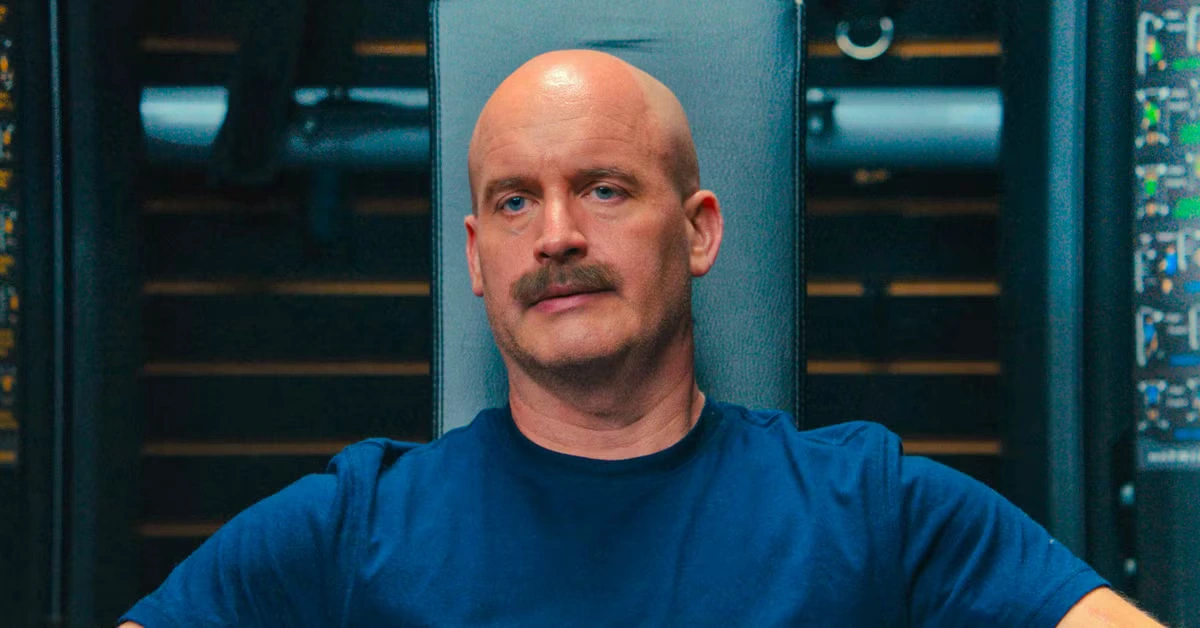
Overall, we consider Segura's performance one of the main reasons some limited premises remain watchable. He has enough timing and commitment to lift a scene even when the writing is less intelligent than we expect.
Cinematic production gives the absurdity another dimension
One of the clearest distinctions between Bad Thoughts and many sketch comedy programs is that it does not look like a collection of jokes filmed by the simplest means available. There is evident care in presenting the stories through different cinematic forms, even when the final result is extremely silly.
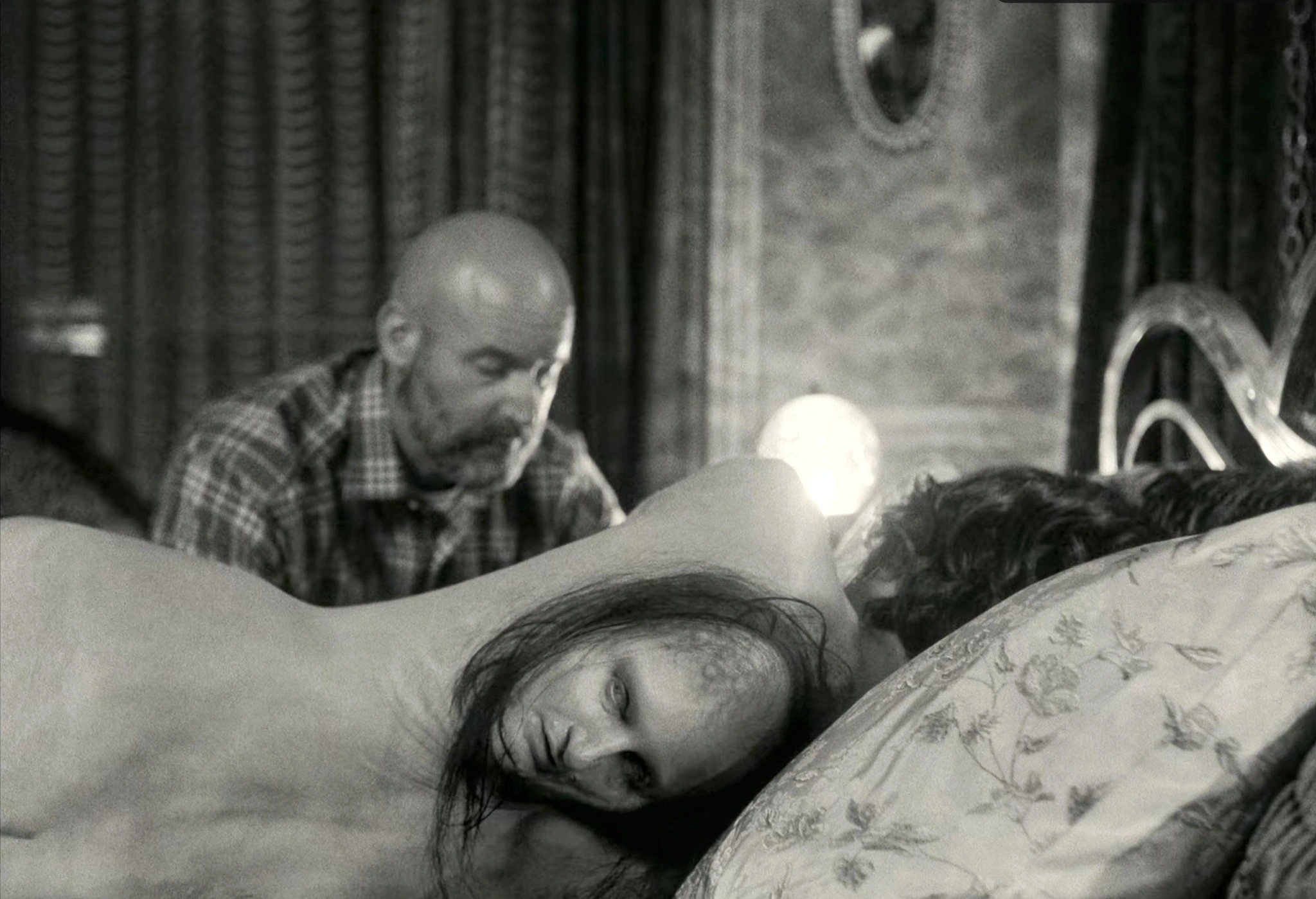
There are parodies of action and spy films, horror and fantasy, and passages borrowing the appearance of art cinema, including black and white photography and the presentation of serious film trailers. These choices help each story feel closer to a short film with its own visual world.
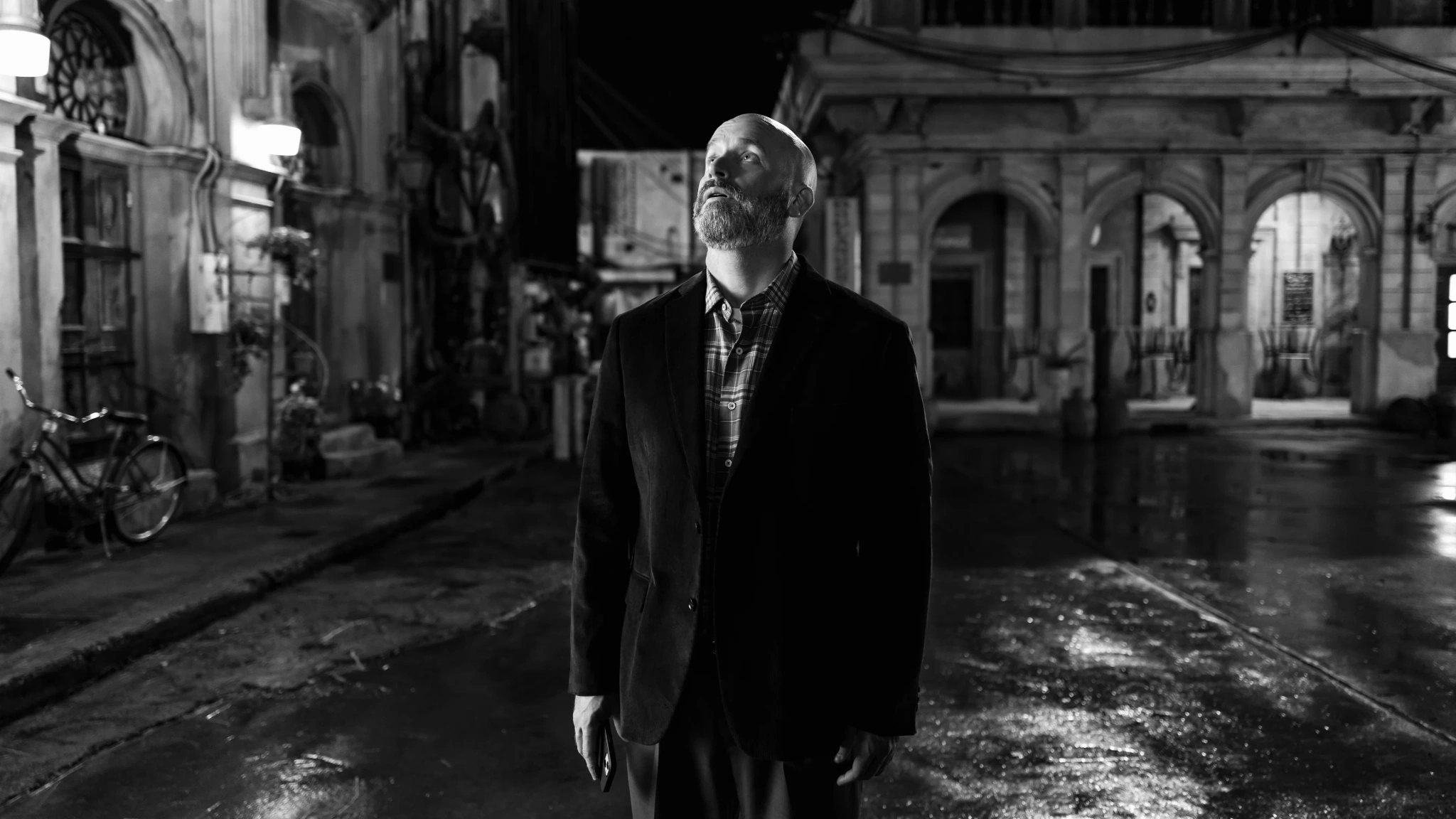
The direction uses details to create a particular expectation before breaking it. The more convincing a scene looks as part of a familiar film genre, the more effective the contradiction when its seriousness collapses.
Sound effects and production details play a similar role. In the spy film parodies, for example, the precise timing of a sound accompanying an embarrassing situation becomes part of the joke's construction, rather than a background addition.
This care gives the series a distinctive character: the images often look more serious and lavish than the subject they present. The contradiction is intended to be comic, treating the most trivial situations as though they were momentous cinematic events.
The quality of the execution cannot always remedy a weak original premise. A scene may be visually accomplished and full of detail while the joke underlying it remains limited. We should distinguish admiration for how a sketch is made from how successfully it makes us laugh.
Nevertheless, this visual variety is one reason watching both seasons is a richer experience than watching a comedy show that relies on dialogue alone.
Pacing: when should the joke end?
One notable decision in Bad Thoughts is to give some sketches more room than a conventional brief joke, even dividing some between different episodes. This allows gradual escalation and new layers of misunderstanding or absurd decisions.
The approach works when each extension gives new meaning to what came before, as in sketches whose crisis develops from a simple situation into an impossible outcome to predict. It is less effective when the extension merely repeats the same premise with a greater dose of exaggeration.
This explains the unevenness of some longer stories, including those involving workplace conflicts or sexual embarrassment. Sustaining the tension can multiply the laughter, or exhaust it if nothing essential changes within the scene.
Parts of season two maintain a more concise pace, but the season does not entirely overcome its reliance on repeated escalation.
In our view, the best version of this comedy does not always need to be more daring. It needs to recognize the moment when a joke has reached its greatest effect. Sometimes an early ending is funnier than another surprise that offers only more of the same idea.
Final verdict
Final verdict: daring comedy that knows its audience
After watching both seasons, we think Bad Thoughts' strength lies less in offering comedy for everyone than in having a clear identity and committing wholeheartedly to its strange ideas. The variety of stories, cinematic production, Tom Segura's presence and the ability to turn simple everyday situations into absurd disasters all give the series clear entertainment value. Some sketches also offer real satire of fame, fear of embarrassment and the nature of social relationships. At the same time, we cannot ignore the uneven stories, the passages that rely more on shock than writing, or the repetition that becomes more apparent in season two. These reservations do not erase the series' considerable success in delivering its chosen experience. It does not promise gentle comedy or profound psychological drama, but a satirical, unpredictable world in which exaggeration is a fundamental part of the pleasure. We therefore consider it a very good choice for fans of daring dark and absurd comedy, particularly those who enjoy embarrassing situations and jokes that test the limits of conventional taste. Viewers who prefer gentle humor or are troubled by coarse sexual content and repellent situations will find it unsuitable. Our rating for the first two seasons of Bad Thoughts: 8 out of 10.
Your turn
Our question to you remains: does Bad Thoughts draw its strength from daring to cross taboos, or are its most successful moments those that turn embarrassing situations into intelligent satire of human behavior?
AUDIENCE VOTE
Do you agree with the MB rating?
Choose once from this browser. You can change your answer at any time.