The review
An apocalypse designed as a thought experiment
The screenplay is not structured like a conventional end-of-the-world story. It extends two questions across the season: what if salvation required losing the self, and what if collective happiness were the true danger?
The world, the catastrophe, the alien force and humanity itself are largely functional elements used to test Carol. This concentration is the writing's greatest strength because it creates psychological precision, and its central limitation because a vast premise remains tied to one perspective.
Carol is difficult and deeply human
The series refuses to polish Carol into an easy hero. She is harsh, selfish, isolated and frequently difficult to like. At the same time, those qualities are inseparable from a deeply human history of loss and fear.
Her rejection of the Hive Mind grows from Helen's loss, a history of coercive attempts to change her sexuality and a powerful fear of being absorbed into a compulsory group. Her written phrase, “Wants to CHANGE ME”, is the psychological summary of the season. Resistance is bodily and historical before it becomes philosophical.
A huge idea with limited movement
The season's plot can be summarized as Carol trying to remain herself in a world that no longer permits individuality. Yet nine episodes contain a relatively small number of decisive developments, repeatedly returning to conversations with the Hive Mind, attempts to understand it and Carol's uncertainty.
The meditative rhythm is sometimes courageous and sometimes simply repetitive. The material could be compressed to six episodes without losing its meaning, creating the sensation of a small amount of food surrounded by a great deal of bread.
The Hive Mind is ethically gray and dramatically narrow
Treating the Hive Mind as one voice, one will and one personality is symbolically intelligent. Dramatically, it means most encounters return to the same confrontation in new forms. Even Zosia, despite a different body, remains an extension of the same entity.
Its morality is more interesting than simple villainy. It refuses to kill the living but feeds on the dead, and it cannot understand ownership or boundaries. Its danger is not conscious cruelty, but a system incapable of recognizing why individuality matters.
The relationship with Zosia divides the season
Carol's emotional relationship with Zosia tests whether the Hive can be resisted from inside. It exposes Carol's loneliness and creates a compelling contradiction: the most determined opponent becomes emotionally complicit with the thing she rejects.
The transition, however, is too quick for the scale of the earlier hostility. Either Carol's defenses needed more time to erode or the initial rejection needed to be less absolute. Without that preparation, the change can feel imposed by the ending rather than produced by psychology.
Manousos forces the final choice
Manousos immediately restores dramatic energy. He is extreme, unempathetic and morally suspect, yet remains the only character who sees the Hive Mind as an absolute enemy. That consistency exposes Carol's contradictions and forces her to choose.
His question is intentionally unbearable: can genocide be justified if the alternative is the erasure of humanity? The series does not seek a comfortable answer, but uses him to prove that preserving identity can also demand monstrous decisions.
Carol chooses herself, whatever the cost
The finale reveals no scientific solution and no transformative secret about the Hive. Its decisive change is internal: Carol chooses herself, even if the cost could be the whole world. A nuclear weapon becomes preferable to the disappearance of identity.
Philosophically, the choice succeeds because the screenplay refuses to equate happiness with humanity or offer a safe compromise. Dramatically, it leaves a practical question for the future: does this premise contain enough changing story for several seasons?
Final verdict
Final verdict
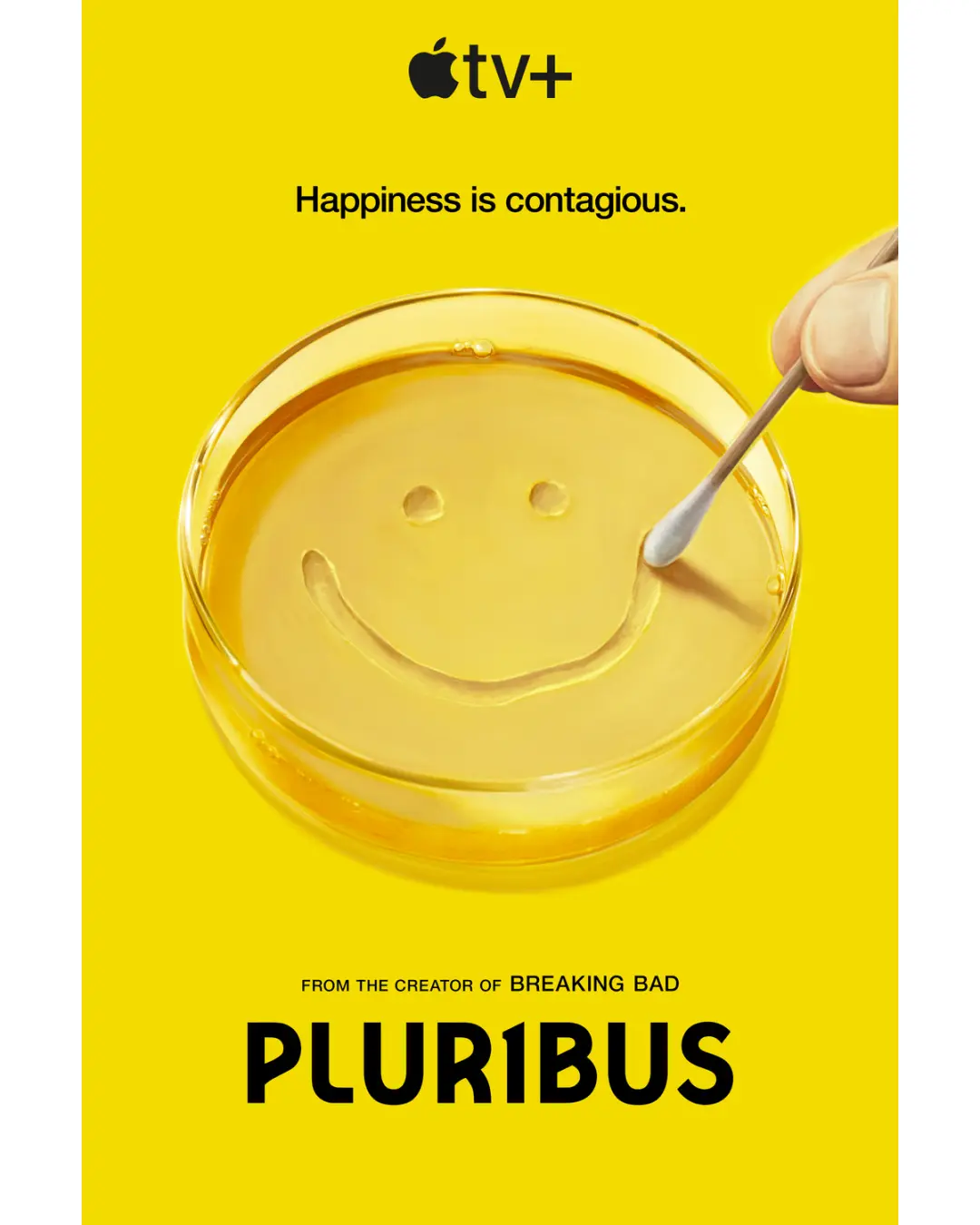
Pluribus does not try to please everyone or deliver conventional entertainment. It is a series about loss, identity and the danger of easy happiness. The pacing can become repetitive, the emotional turn is not fully convincing and the world is used too narrowly, but when the drama succeeds, it succeeds with real depth. Its question remains difficult to ignore: would you rather be happy, or remain yourself?
AUDIENCE VOTE
Do you agree with the MB rating?
Choose once from this browser. You can change your answer at any time.