The review
Two parallel narratives, one slow beginning
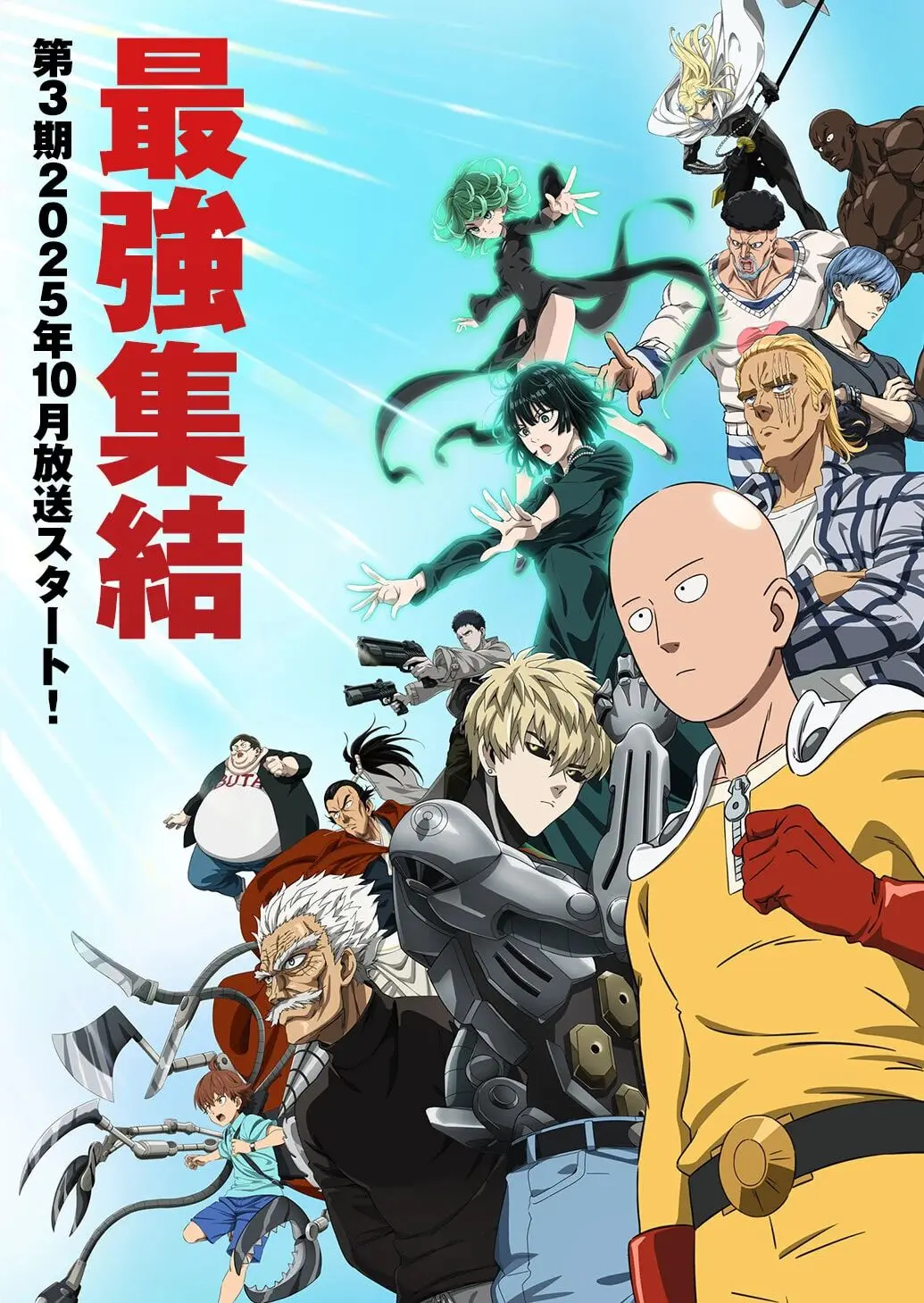
The season alternates between the S-Class rescue mission and Garou's attempt to become a perfect monster. On paper, the contrast is excellent. In practice, the first half stalls in meetings, repeated planning and long scenes at Saitama's apartment that do little for plot or character. Comedy once built on sharp contradiction now too often feels like filler.
Garou carries the dramatic burden
Garou is the one consistently developing figure. He refuses to harm an innocent child, clashes with monsters instead of simply joining them and embodies the damage produced by a morally confused hero system. His desire to become ‘absolute evil’ is less a destination than a defense against an identity he cannot settle.
That strength also exposes the imbalance: a nominally secondary character carries the season while Saitama, Genos, Fubuki and Bang wait for the plot to reach them. When Saitama finally defeats Orochi with one blow, the gag works, but it also underlines that his only decisive action is the ending itself.
The raid finally reveals the cast's potential
Once the S-Class heroes enter the hideout, the writing improves sharply. Individual episodes reveal different powers, philosophies and histories, justifying the heroes' status even when the fights cannot fully visualize it. The arc contains fertile ideas about corrupted institutions, social monsterization and Garou's critique of absolute good, but the pacing prevents those themes from landing together.
Direction and animation without a shared pulse
The visual problem is not constant low quality but alarming inconsistency. Static conversations, dragged PNG-like figures and fights with little physical movement coexist with genuinely strong episodes. The result resembles material assembled by teams working under different assumptions, without one directorial rhythm governing the whole.
Episodes eight and nine show what might have been: smoother animation, readable choreography, impact frames and convincing weight, particularly in Flashy Flash's ninja confrontation. The voice cast remains consistently excellent. Garou's performance communicates conflict and the S-Class heroes sound authoritative even when the image cannot match them.
Final verdict
Final verdict
Part one of Season 3 is a catalogue of missed opportunities. It owns excellent characters, complex ideas and a promising arc, yet slow pacing, confused priorities, the disappearance of its protagonist and inconsistent execution leave the season far below its potential. The story survives; the presentation rarely lets it soar.
AUDIENCE VOTE
Do you agree with the MB rating?
Choose once from this browser. You can change your answer at any time.