The review
The first spiral keeps the promise
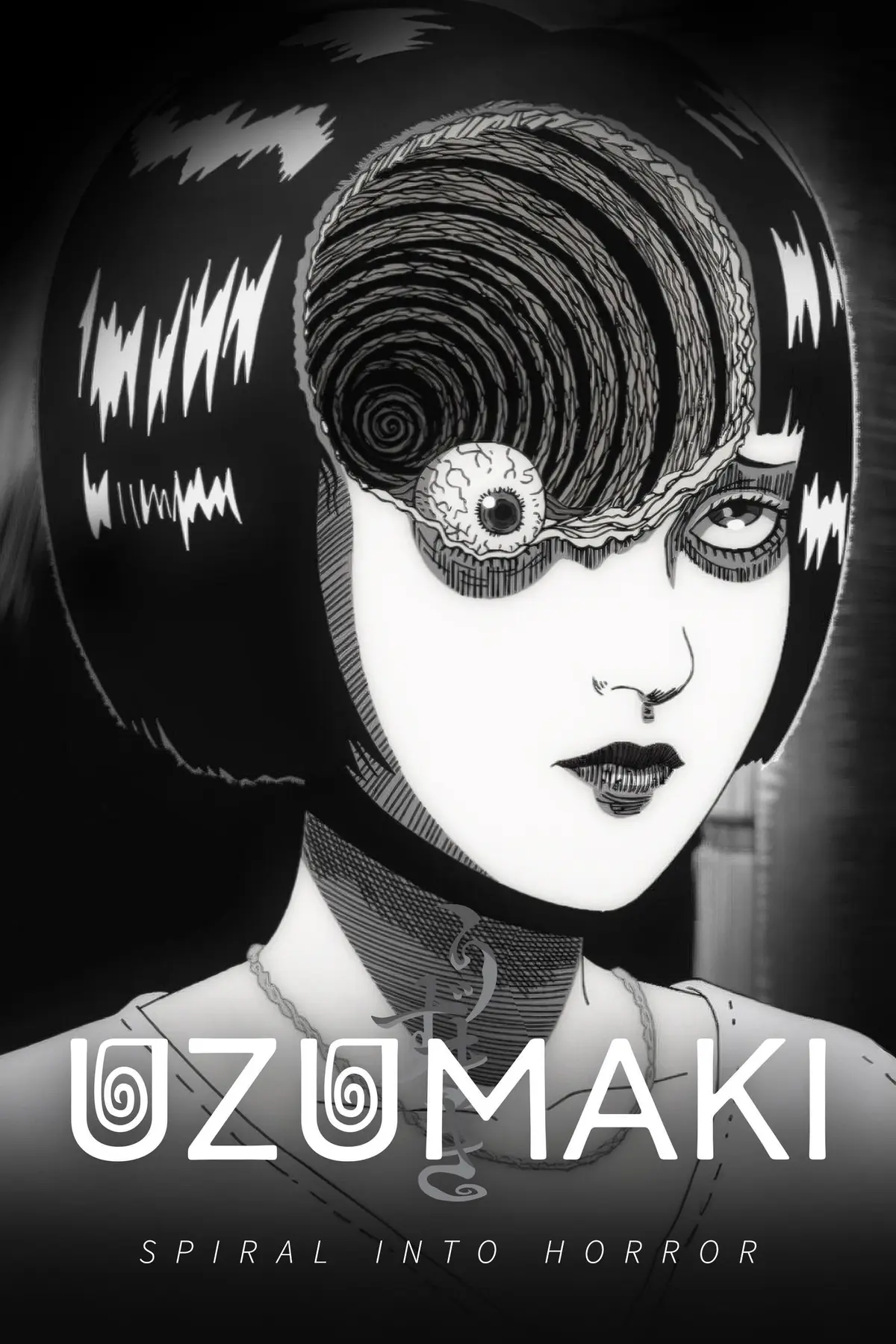
The obsession of Shuichi's father gives the premiere a coherent tragic center. Monochrome linework, disturbing movement and a refusal of easy explanation translate the manga's atmosphere with real confidence. The episode connects its early stories carefully enough for Kurouzu-cho to feel like one cursed organism rather than an anthology of unrelated grotesques.
Even here, speed is already a warning. Images that should remain in the mind are immediately replaced, denying the viewer the pause in which body horror becomes psychological fear.
Compression turns nightmares into summaries
The second episode combines the snail transformation, the twisted lovers and other major material until each appears as a checkpoint. Stories with enough symbolic and emotional weight for full episodes are reduced to passages, and transitions rarely allow one horror to contaminate the next in a meaningful way.
The hospital material in episode three briefly recovers grotesque energy, particularly around pregnancy and infants, but overcrowding pushes some strangeness toward black comedy. The final episode reaches the manga's destination without accumulating the despair required to make that destination devastating.
Animation quality collapses with the town
The early black-and-white aesthetic is a genuine artistic achievement and a respectful answer to Ito's dense linework. Later episodes show inconsistent character motion and unfinished-feeling action, with bodies and serpentine shapes sometimes becoming unintentionally comic. The image loses control precisely when the curse should feel most absolute.
Sound survives what editing cannot
Colin Stetson's score is one of the adaptation's strongest decisions, sustaining unease through repetition, pressure and alien texture. Voice acting is generally credible, though rushed staging denies performers time for several decisive reactions. Editing is the fundamental problem: abrupt jumps between stories destroy spatial and emotional continuity.
Final verdict
Final verdict
Uzumaki is not a complete failure. Its premiere, monochrome conception and music prove that Ito's world can be animated with power. Yet four episodes cannot hold the manga's accumulation of obsession, and later production decline turns a slow spiral into a hurried checklist. What remains is a recognizable shadow of the original, beautifully outlined, but missing much of its soul.
AUDIENCE VOTE
Do you agree with the MB rating?
Choose once from this browser. You can change your answer at any time.