02 / The review
10 CHAPTERSThe idea is better than the execution
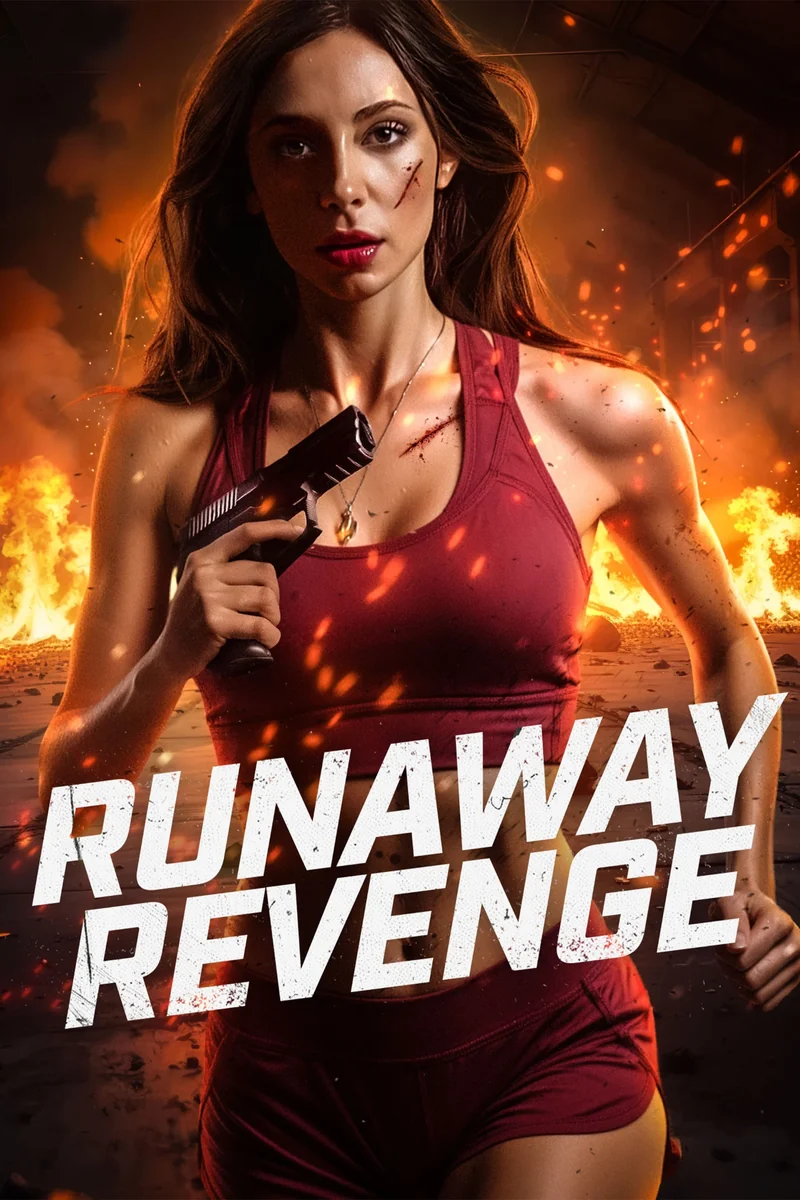
The basic idea is not bad. Sofia, a former Olympic runner whose career ended because of an injury, enters the world of drug smuggling to raise the money for an operation on her leg. She and her friend Luz then find themselves confronting two corrupt police officers, before it becomes clear that the drugs they are carrying are anything but ordinary.
The film could have built genuine suspense here. It could have begun as a realistic crime film and gradually transformed into something stranger, making the viewer feel that the familiar rules of the world were collapsing before their eyes. But the film does not give this idea enough time to mature.
Instead, it wastes much of its opening on details that add little to the experience. By the time it reaches what should be its most exciting material, it has already used up a large part of the viewer's interest.
Sofia… an athlete whose abilities go unused
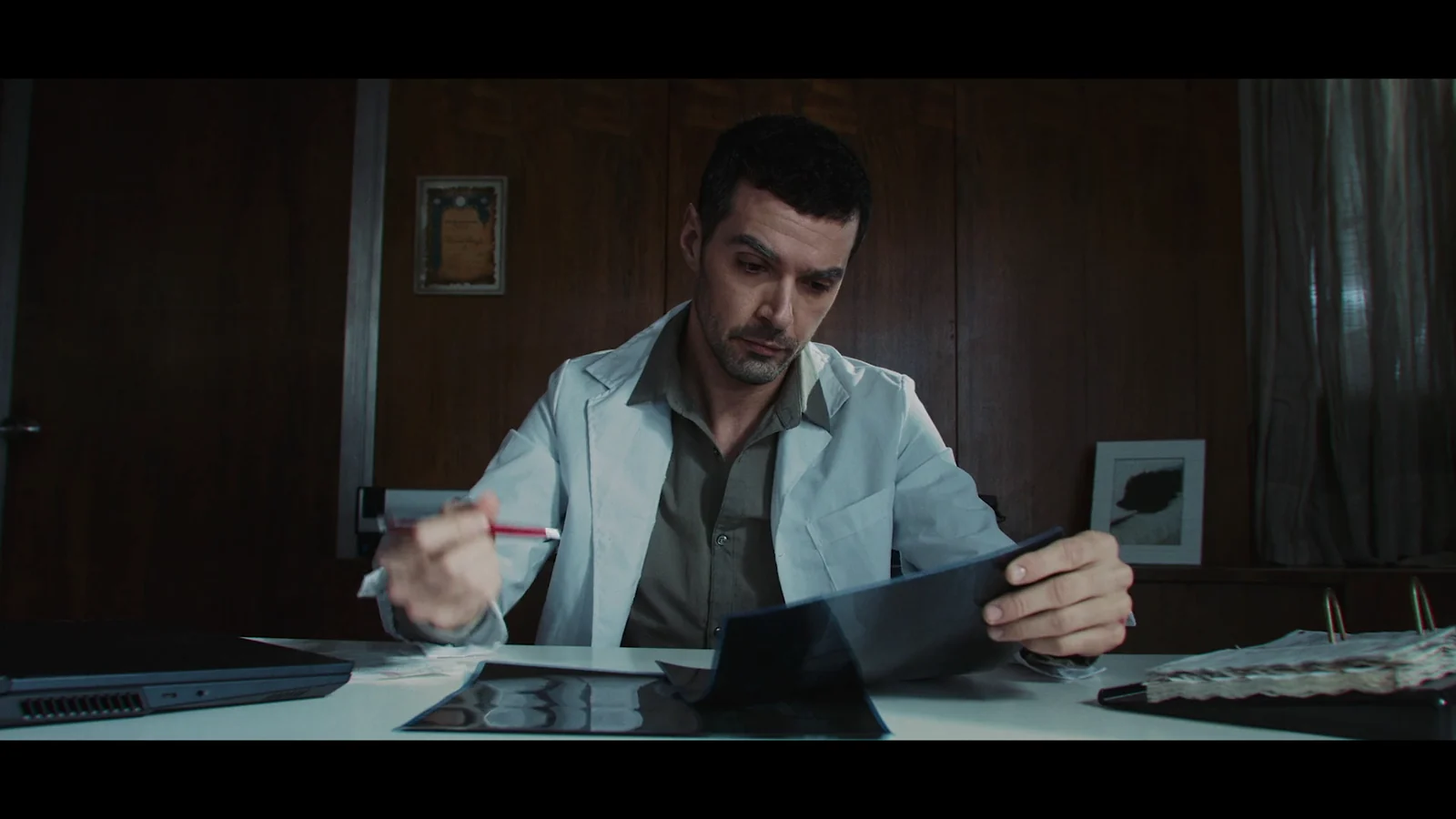
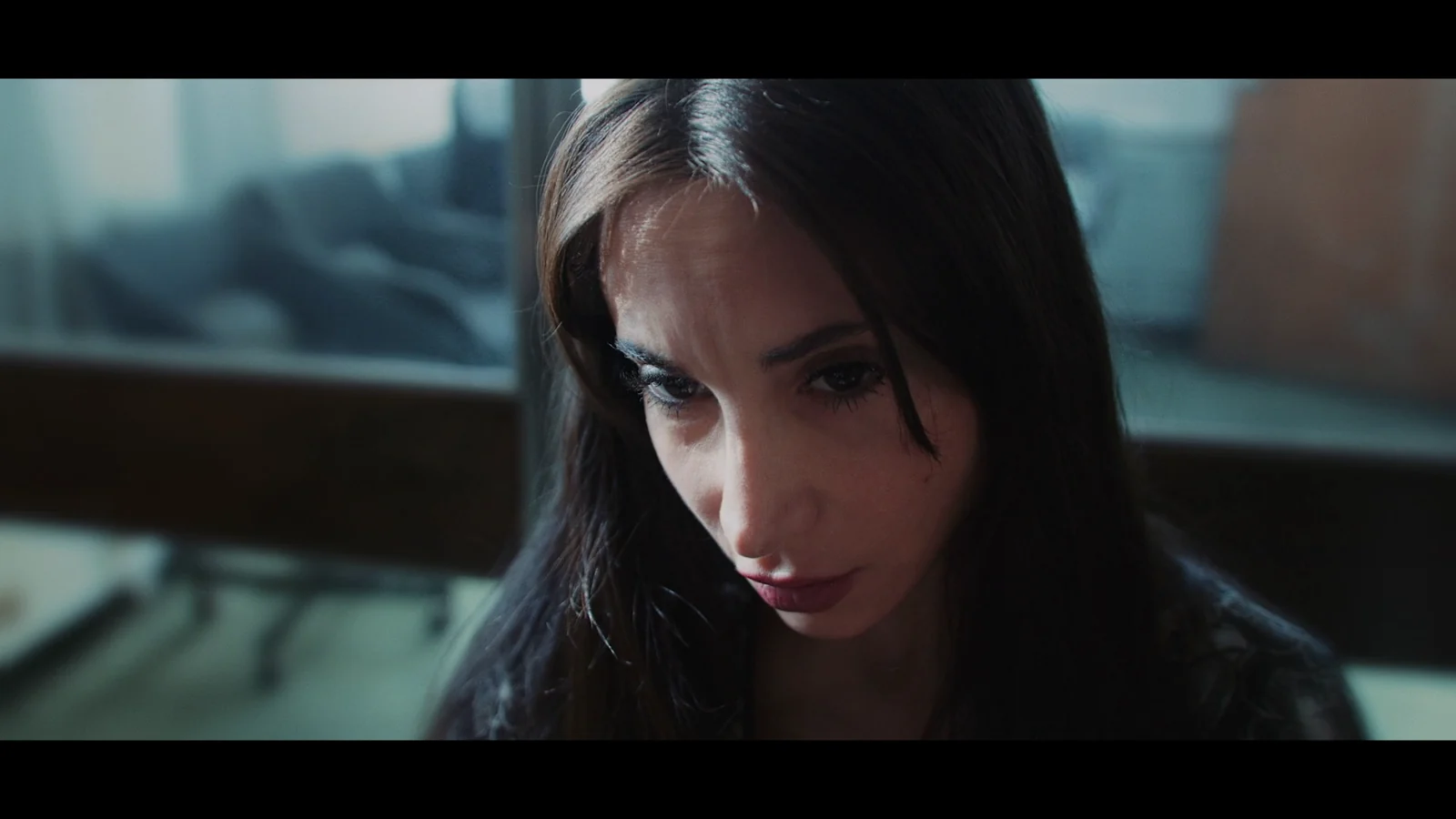
The biggest problem with Sofia is that the film introduces her as though she will be a crucial part of how the events develop, then fails to use what most distinguishes her. Here is a professional runner whose physical abilities could have played an important role in how she survives and confronts danger. But this aspect is not used in the way her introduction suggests.
The film itself overemphasizes running at the beginning, particularly through long, slow scenes, until it becomes irritating rather than a means of introducing the character. The problem is not the presence of a sporting scene. It is the amount of time the scene receives compared with its dramatic value.
This introduction could have been shortened considerably, with just a few moments establishing who Sofia used to be, what she has lost and why she wants to return to sport. That would have given the film more room for the most exciting part of its story.
Sofia and Doc… a relationship without enough development
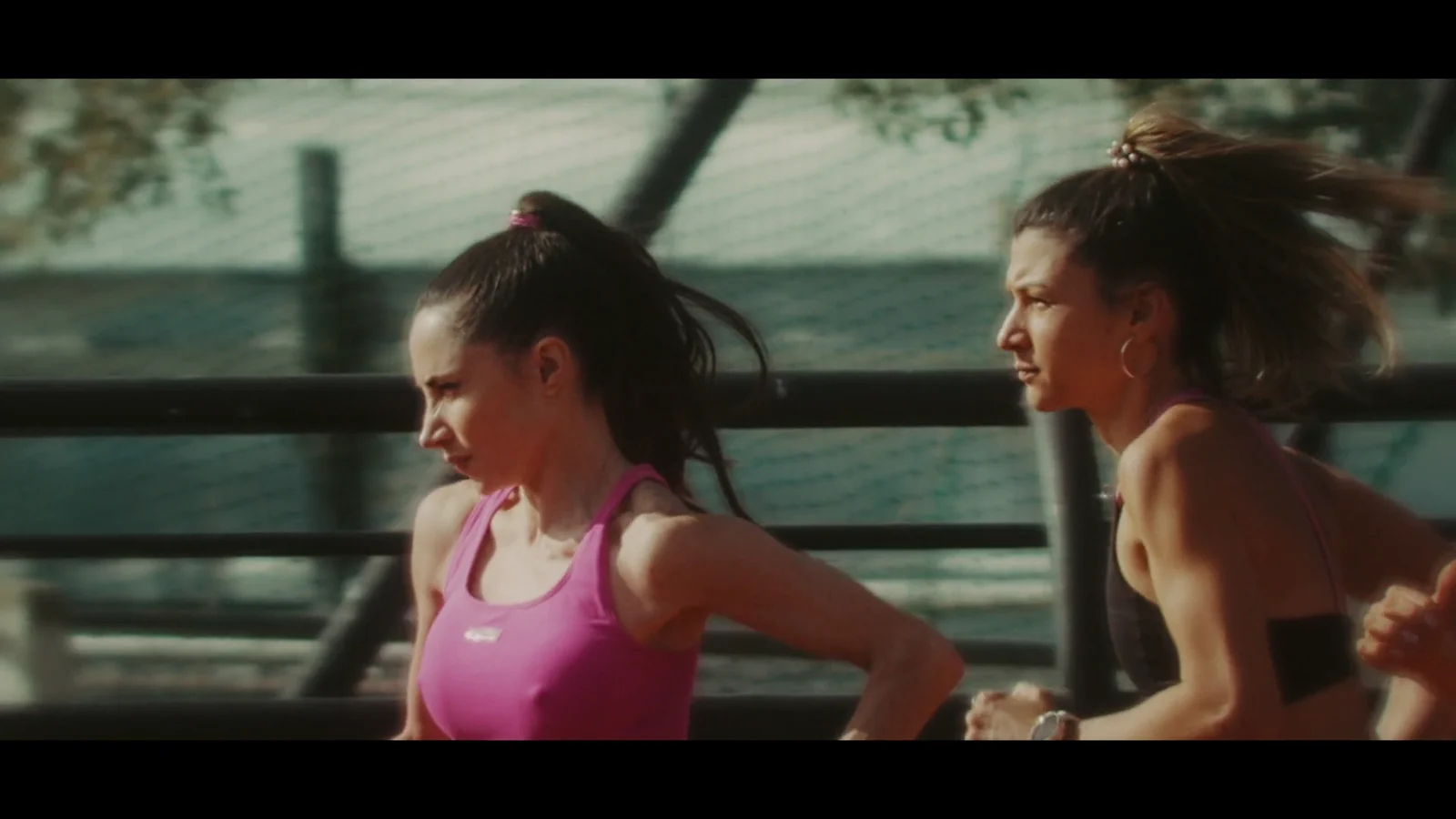
Sofia and Doc's relationship is also one of the film's weakest elements for me. The film wants to present Doc as a man from the criminal world who is also Sofia's lover and the person pushing her to work with him. But their relationship does not receive enough dramatic development to make us actually care about it.
It even includes a long sex scene early on, almost immediately after the extended running scene, without making me feel that this amount of time serves the story as it should. This exposes a clear problem with its priorities. If the goal is to help us understand Sofia and Doc's relationship, what is needed is to develop it, not simply show it.
We need to understand why she trusts him, what connects them and what makes her willing to take this risk with him. Presenting the relationship this way does not make it more affecting; it makes it feel like an unnecessary addition that could have been shortened.
Doc… a character who could have been more complex
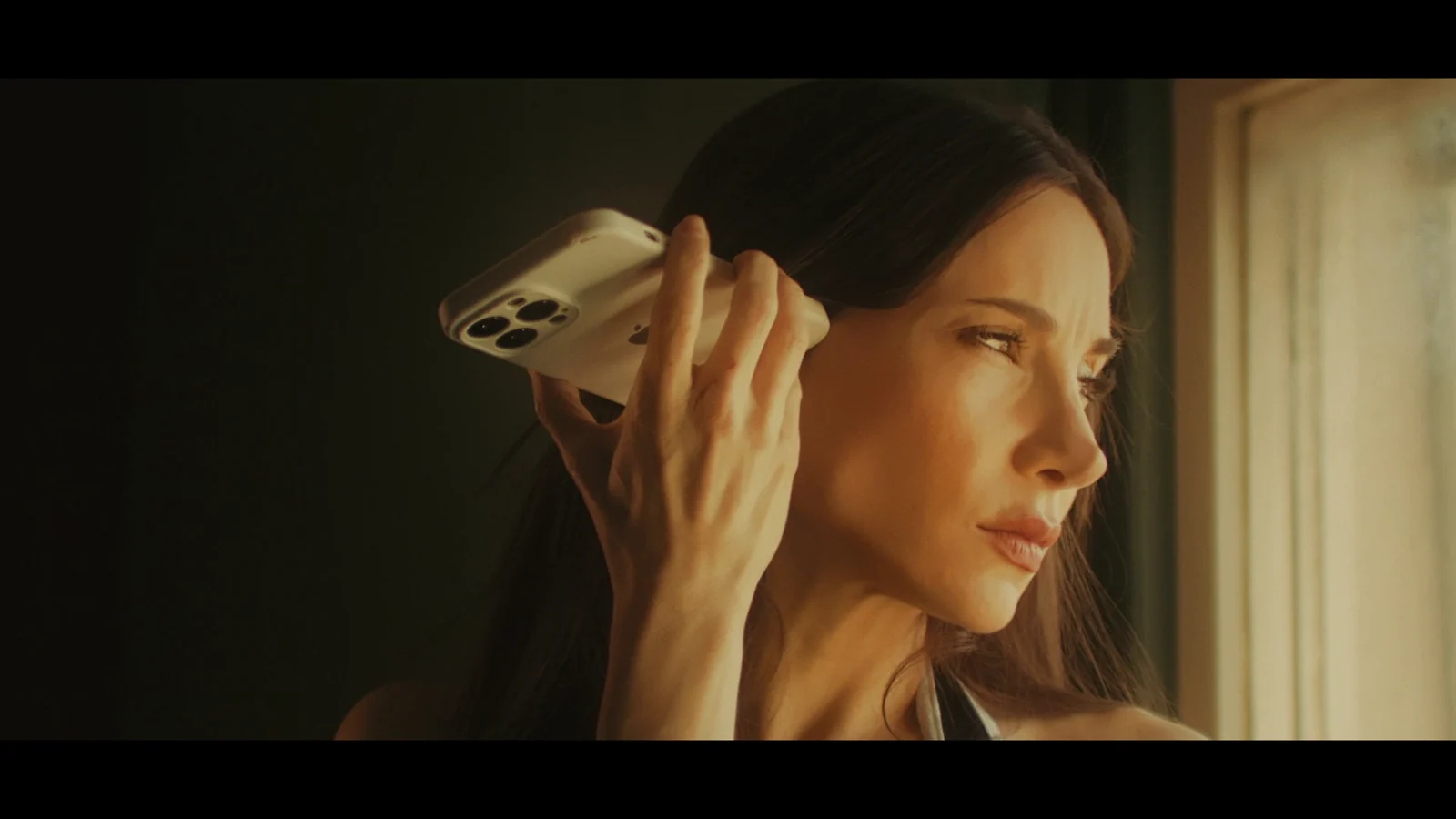
Doc has the potential to be one of the most interesting characters. He works in the criminal world and understands the risks around him, only to find himself facing something he does not seem prepared for. As an idea, this is a very good starting point. But the film does not develop Doc with enough depth.
We know that he is a hitman, we know about his relationship with Sofia and we know that he wants to recover what he considers his property. Yet he often remains closer to a function within the story than a fully developed character.
Doc could have been used to create a greater conflict: a man accustomed to dealing with people, criminals and violence suddenly discovers that he is facing something he cannot understand or control. That could have been an exciting character journey. But the film does not invest enough in it.
Body horror… when the film finds its identity
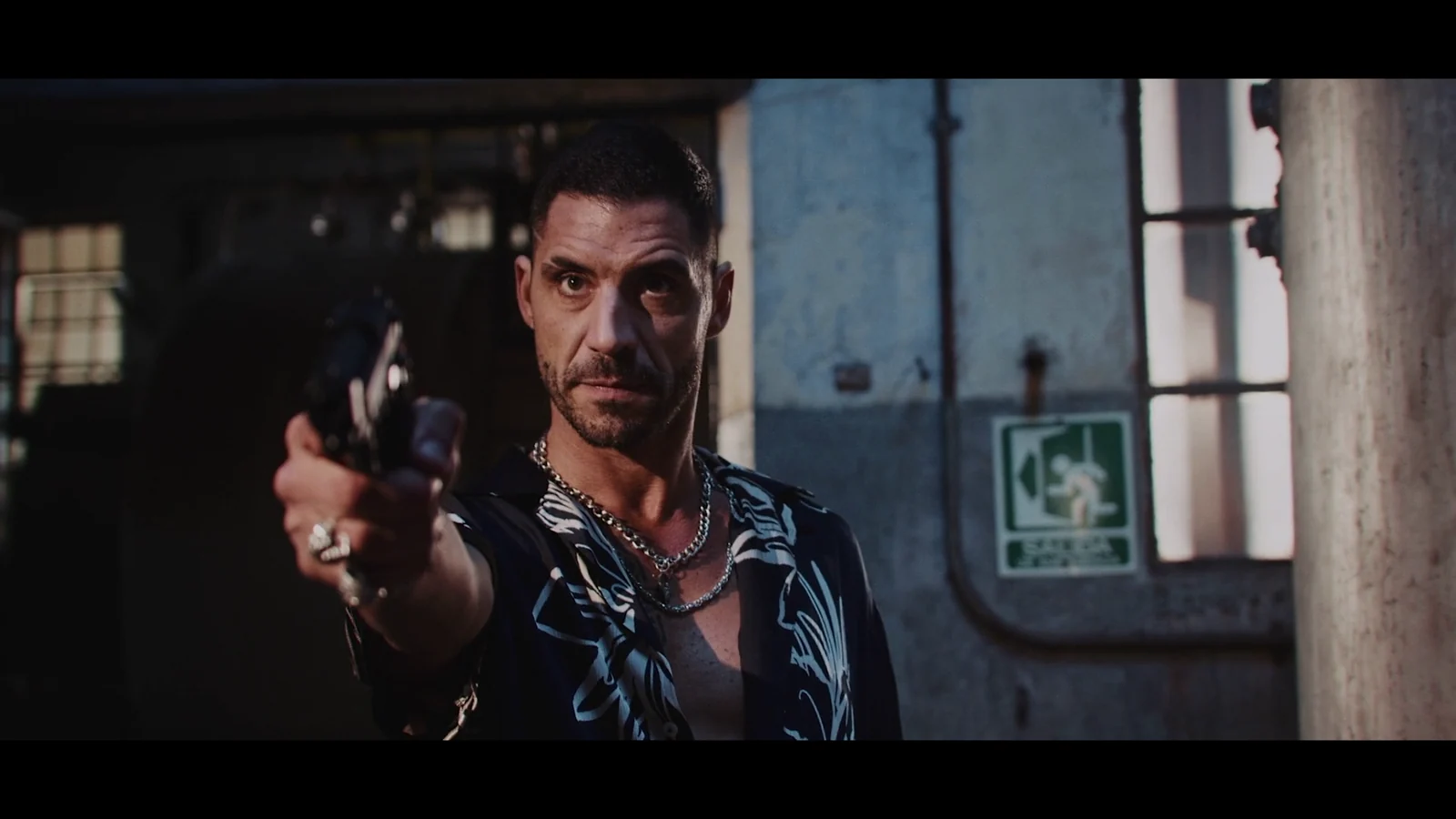
Ironically, the film starts improving when it abandons its conventional side. After the corrupt police intercept Sofia and Luz, it begins to reveal that the drugs they are carrying are not ordinary. This is where body horror enters the picture. It is precisely the area in which I felt the film finally found its identity.
There are moments when the human body itself becomes a source of danger, and one of the officers begins to feel something moving beneath his skin. These moments are more effective than most of what came before them because they give the film something of its own.
The scene in which they try to deal with what is happening inside the officer's body is particularly effective. That is not just because of the idea, but because of the combination of effects, the actor's performance and the other character's reaction to what is happening in front of them. Here we see how the film's strange idea can work when executed in a direct, disturbing way instead of wasting time on peripheral details.
The best part arrives too late
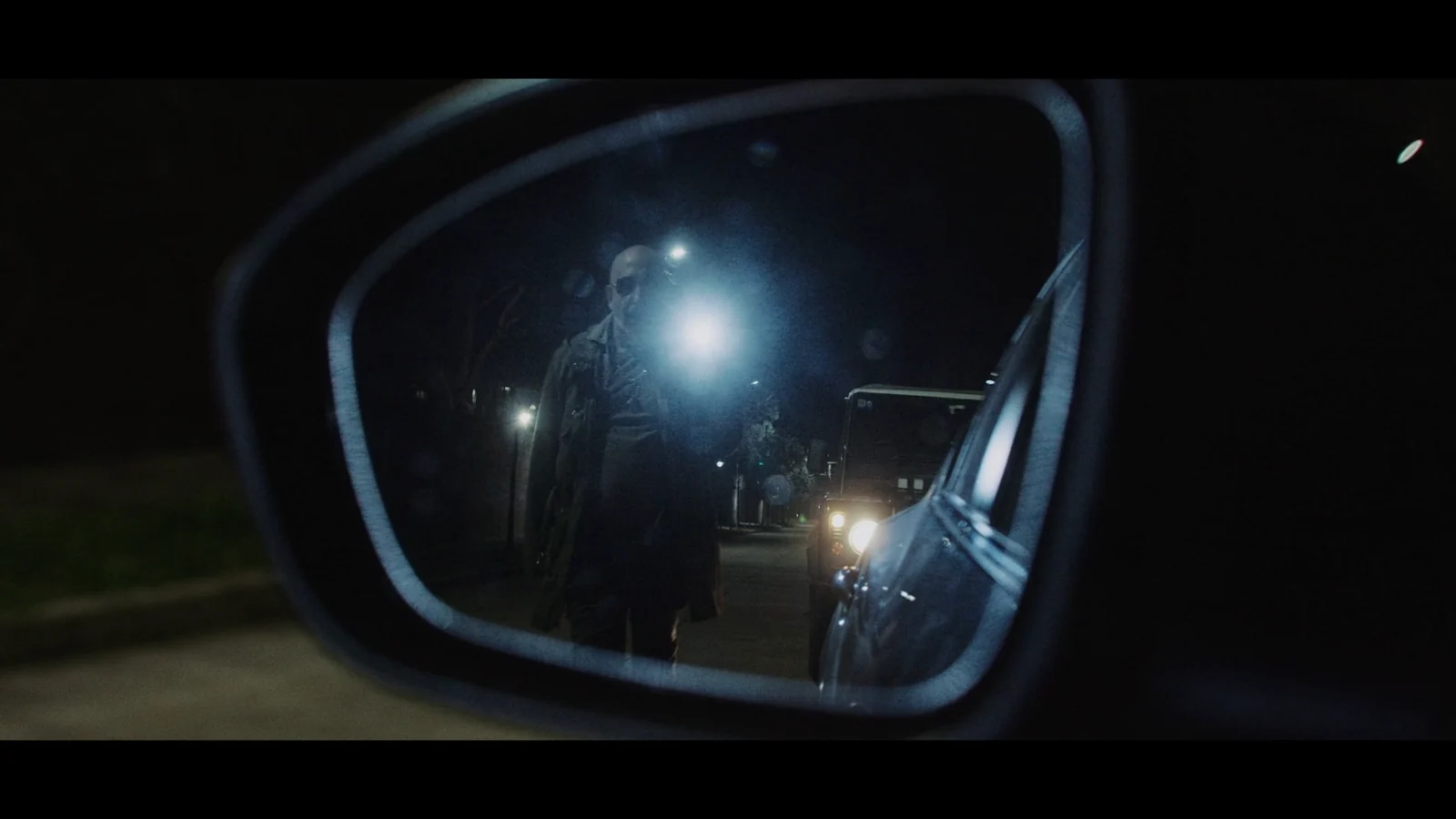
This may be the screenplay's biggest problem. The film has much better material in the half where the body horror begins than in the material it chooses to build its opening around.
I therefore wished the filmmakers had shortened everything involving Sofia's private life, her relationship with Doc and the details of her athletic ambitions, giving more space to the strange material. That does not mean these elements are unimportant. They are simply presented on a scale greater than their actual importance.
Meanwhile, the elements that distinguish the film from any ordinary crime film receive less room than they deserve. That is an unsuccessful cinematic choice.
Is there anything worth praising?
Yes, and certainly not everything is bad. The best things in the film are the strange idea involving the drugs and their effect on the body, and some of the body-horror scenes that result from it.
The ending also has an important positive quality. The film does not close every door completely; it ends in a way that leaves several possibilities for what could happen next. Ironically, this ending made me curious to discover what might follow. That shows the film really did have a very good core idea.
But having a good idea does not automatically mean having a good film. That is precisely the problem with Runaway Revenge.
Direction
The direction has some good moments, especially when the film moves into body horror. There is an ability to create discomfort when the body starts becoming a source of fear. But the direction does not sustain that feeling throughout.
The opening feels longer than necessary, and some scenes are stretched out without adding real tension. At times, it feels as though the film is trying to tell the viewer, 'Look at this image,' rather than making the image serve the story. This is especially apparent in the slow running scenes. Sofia could have been introduced more intelligently and less explicitly.
Cinematography, music and editing
The cinematography serves the film better when it enters the dark, frightening side of the story. In these moments, the body, the location and small details become part of the process of creating tension. But the film does not maintain the same visual standard throughout its running time.
As for the music, I did not feel it could rescue the weak scenes or noticeably increase the tension. With the editing, the fundamental problem is the pacing. The film needs a faster beginning, and conversely more room when it reaches the part containing its most distinctive idea. In other words, there is too much time in the wrong places and too little in the places that deserve expansion.
Performances
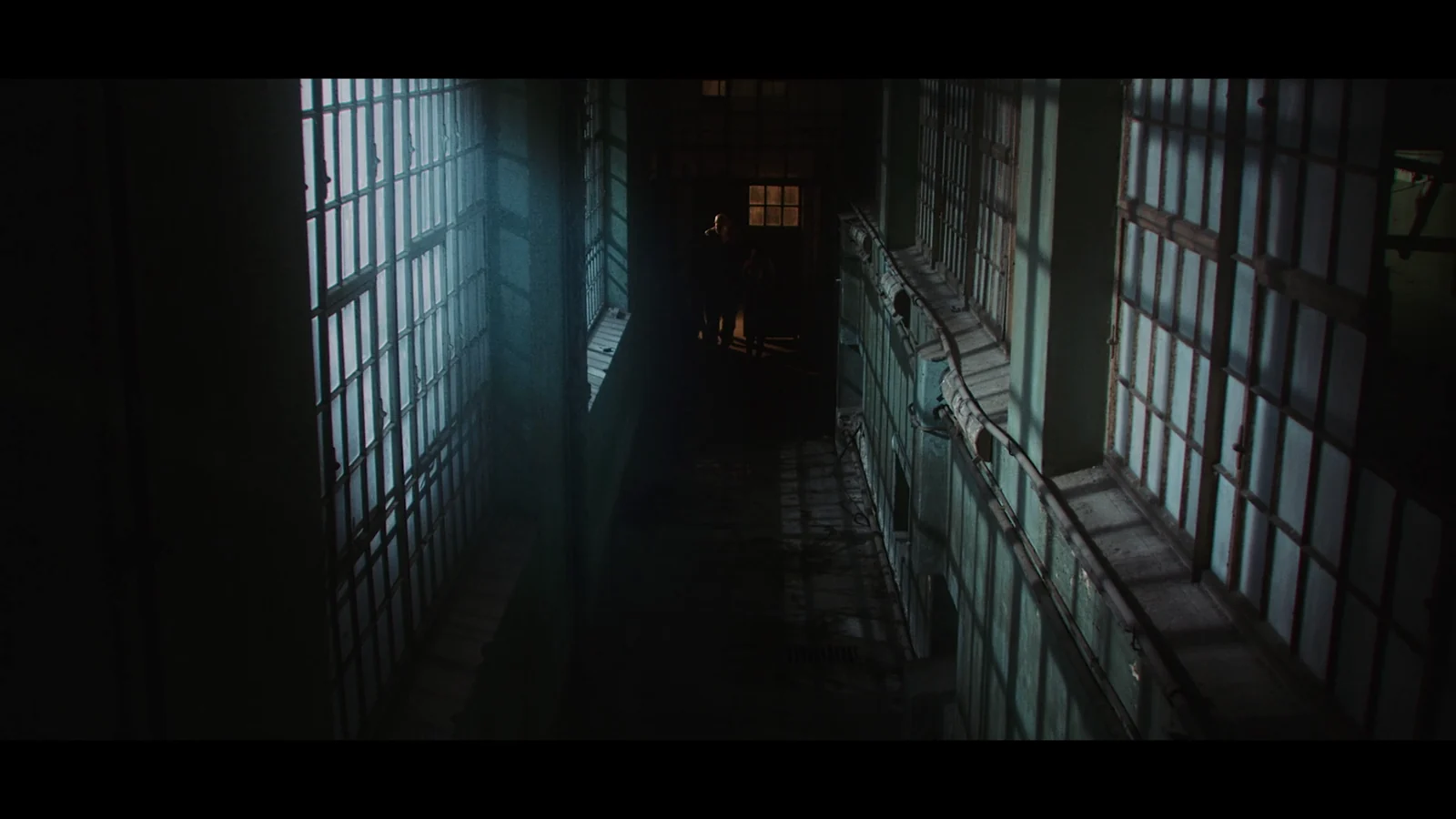
The performances were not convincing enough. The problem is not necessarily that all the actors are bad, but that the characters are written in a way that makes convincing, affecting performances difficult.
With Sofia, for example, we need to feel her loss as an athlete and understand her fear and her desire to reclaim her life. Then we need to see how her attitude changes when she enters this nightmare. But that development does not reach us with the necessary force.
The same applies to Doc. The film wants us to see several sides of him but does not give him enough detail to allow the actor to create a complex character. In the body-horror scenes, however, some moments do produce more convincing performances, particularly when the scenes rely on reactions and fear rather than dialogue.
03 / Final verdict
Final verdict
The film is a clear example of the difference between having a good idea and making a good film. The idea itself could have produced a genuinely entertaining, wild film: mysterious drugs, corrupt police, a criminal underworld and then something incomprehensible beginning to change the characters' bodies. But the execution does not match that idea. The film wastes far too much time on things that fail to make us care enough about the characters. Only when it finally reaches the material that could distinguish it from other films does it begin to reveal some genuinely good ideas. That is what annoyed me most. I came away feeling that a better version of this film already existed within it, but was never given enough opportunity to emerge. If the opening had been shortened, the details of Sofia and Doc's relationship reduced and some unnecessary flourishes removed, with that time redirected toward body horror, explaining the rules of this world and developing the characters, we could have had a much stronger film. As it stands, though, I find it very weak, unconvincing and unable to make use of its central idea.
Your turn
Now I would like to hear your thoughts: did the idea of drugs and their strange effect on the body deserve a better film than this, or did you find that the strangeness of the idea alone was not enough to save it?
AUDIENCE VOTE
Do you agree with the MB rating?
Choose once from this browser. You can change your answer at any time.