The review
Screenplay and dialogue
The story begins with a beautiful promise: a girl seeking escape, fleeing constricting walls for a wider world, as though opening a door to dreams after a long suffocation. The idea is strong at its core: a search for identity, for the self, for what it means to be yourself rather than a copy of someone else.
As events progress, that promise begins to fade. The film asks large questions: who are we, and can we become someone else? Yet it does not give those questions sufficient depth. The story seems to walk without arriving. It hints without explaining. It opens doors without entering.
Using a film within a film was an intelligent choice because it serves the overlap between truth and performance, reality and illusion. The heroine is living a fabricated life within what is already a performance.
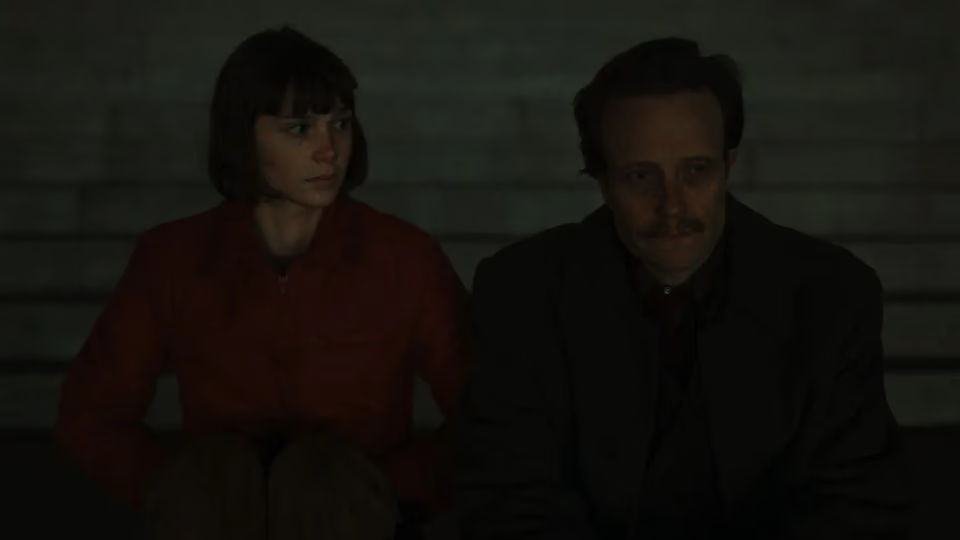
The problem is that this construction remains more formal than dramatic. We never feel that the overlap creates real conflict or mounting tension. Everything moves at the same pace, with the same chill, as though events were unwilling to erupt.
Characters and the central relationship
The heroine undergoes a major change, from a frightened girl into a bolder persona. But this transformation is not built through convincing gradual development. We do not feel her inner conflict as we should; we only see it from the outside.
The actress is the most interesting character, but also the one made excessively mysterious. Her presence is strong and her gaze sharp, yet her motives remain unclear. Is she a substitute mother, an exploiter, or merely a reflection of the heroine’s future? The film neither decides nor offers enough suggestion.
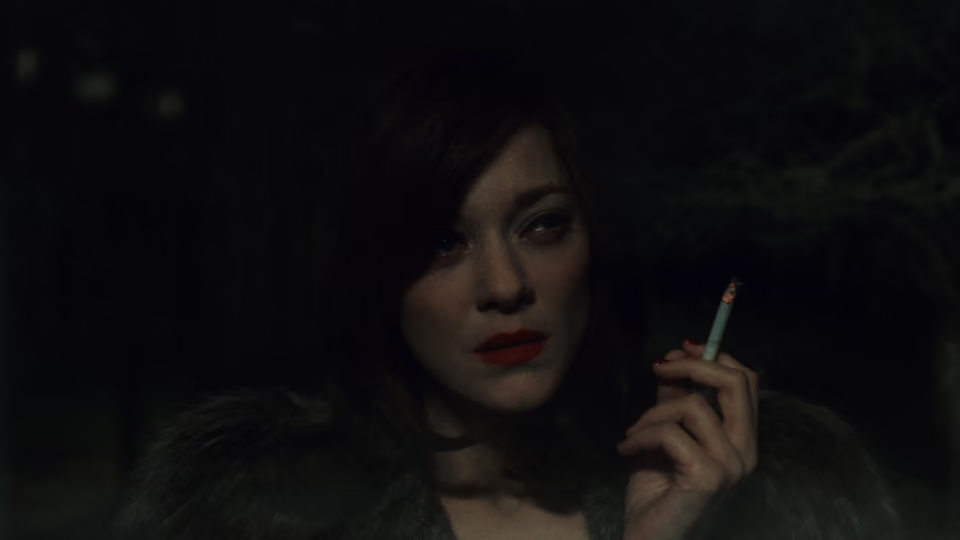
The relationship between the girl and the actress is the film’s heart: one of admiration, fascination and perhaps need. It contains a touch of motherhood, a shadow of control and a thin line between care and exploitation.
Despite all this, the relationship remains incomplete. It never reaches a true climax or erupts dramatically as it should. The film seems afraid of confrontation, staying within suggestion without giving us a decisive moment that rewards the anticipation.
Pacing
Pacing is the greatest problem here. Slowness is not always a weakness; it can be an asset when it serves atmosphere and tension. In this film, however, slowness becomes a weight.
Long scenes, extended silences and beautiful shots that repeat the same feeling. The film seems to circle the same ground without real progress, making the experience exhausting rather than contemplative.
Images and symbols
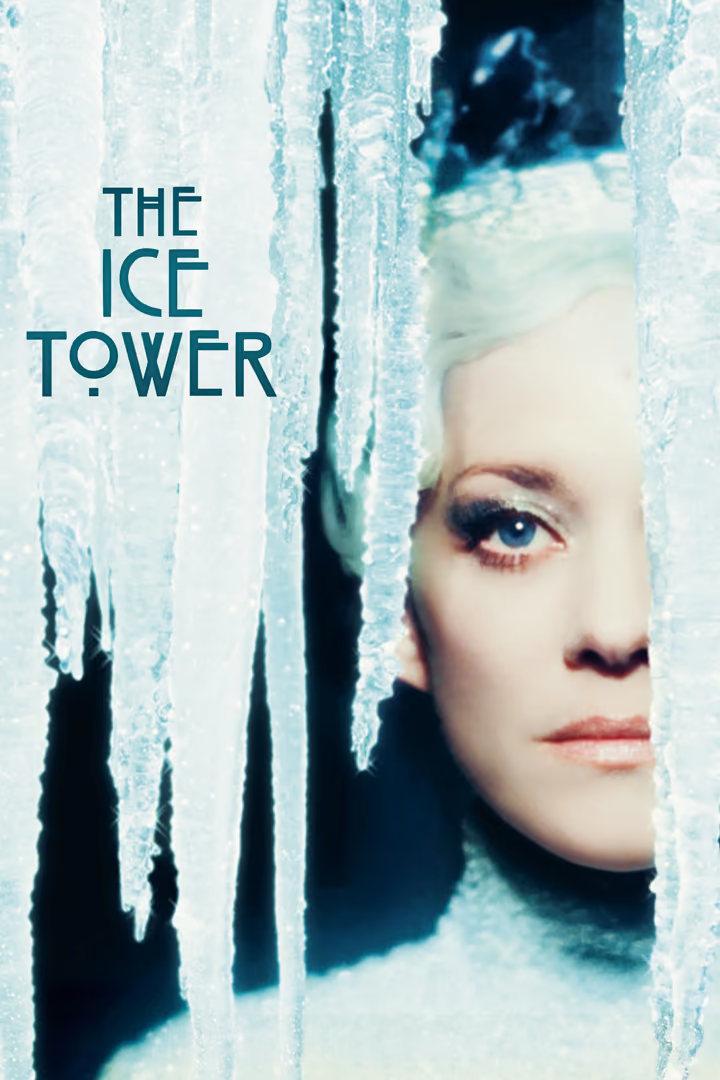
There is no denying that the film is visually magnificent. Every shot resembles a painting: the snow, the light, the shadows, everything carefully calculated. The direction relies on images more than dialogue and excels at creating a dreamy, mysterious and distinctive atmosphere.
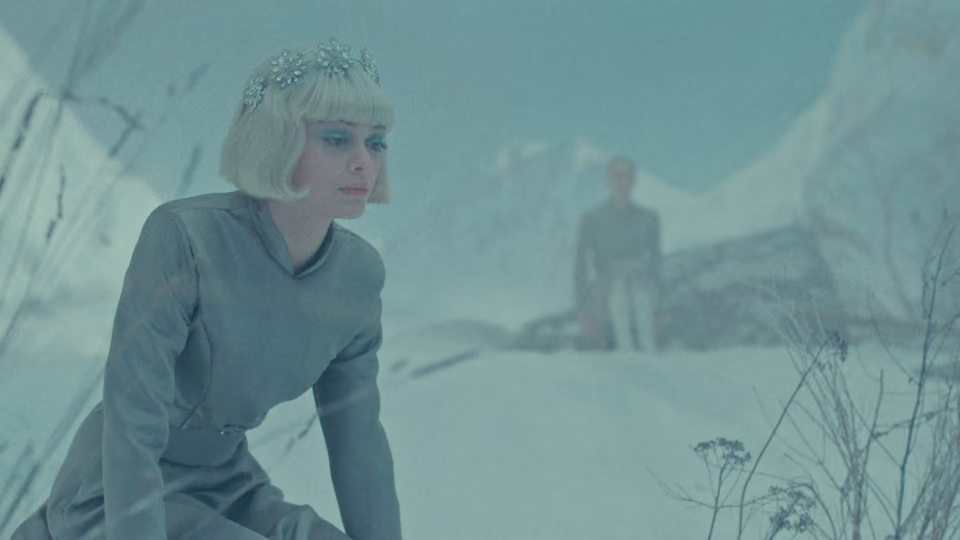
The problem is that this beauty comes at the expense of substance. The film dazzles the eye but neither satisfies the mind nor moves the heart. It feels like watching a photography exhibition rather than a living story.
The mirror, ice, reflection and duality are all clear, direct symbols. The film relies heavily on them to express the idea of a divided identity.
So much symbolism without real dramatic development makes it feel predictable. There is no surprise or discovery, only confirmation of an idea we have known from the beginning.
Directorial vision and lighting
From the first scene, the filmmaker seems to hold a fine brush, painting a cold, quiet world that barely makes a sound. Silence is chosen over noise, slowness over urgency, as if to say: let the image speak and let feeling seep in.
Between this precision and composure, warmth is lost. The vision is clear, yes, but rigid. Cohesive, yes, but without a pulse.
The filmmaker wagers on contemplation but forgets to give us something to contemplate. Instead of immersing ourselves in the world, we remain on its surface, seeing without living it, glimpsing without touching it.
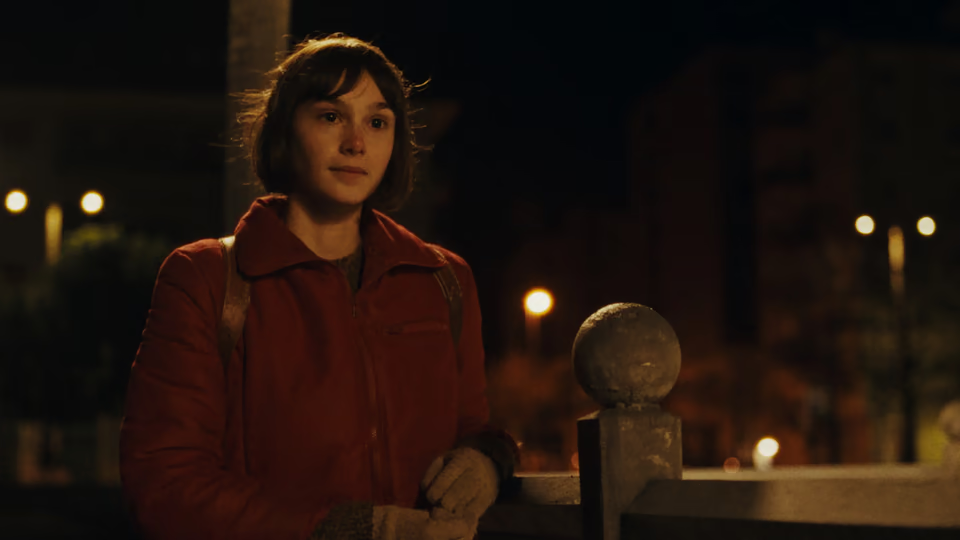
The lighting is cold, tending towards white and grey and reflecting a psychological state of loneliness, estrangement and detachment. Shadows are long and faces half concealed, as though truth itself were unwilling to appear whole.
Amid this beauty, repetition creeps in. The same visual tone recurs, the same feeling returns, until it loses its effect. What was astonishing at the beginning becomes ordinary in the middle and exhausting by the end.
Performances
The heroine relies on looks more than words, a difficult choice in itself. Her performance carries inner tension, hidden uncertainty and a constant sense of not belonging.
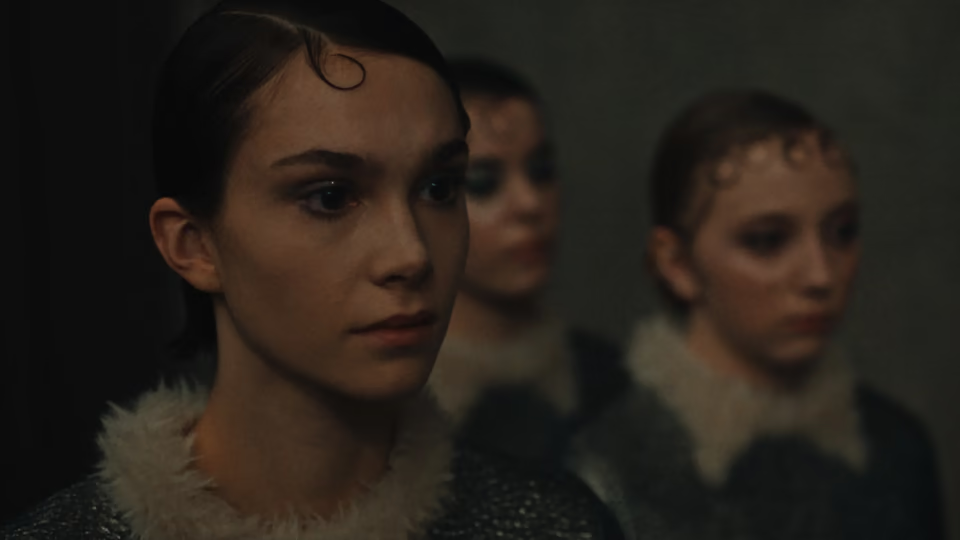
The problem is that the performance stays in the same register. No rise, no eruption, no moment that reveals everything.
The other actress has greater presence and command, with eyes that say more than the words do. Her character, like her performance, nevertheless remains excessively mysterious.
The acting here is good, but insufficient. It convinces you of the world without shaking you from within.
Editing
The editing chooses slowness as a method rather than a moment: long takes, quiet transitions and extended stretches of silence.
At the beginning, it serves the atmosphere. In the middle, it starts to slow things down. By the end, it becomes a burden.
There is no real escalation or sense that we are approaching a climax. The film feels like a circle rather than a line. It turns without arriving.
Production design: a cold world reflecting the inner self
The locations are few and enclosed, dominated by a simple, cold character. Walls are silent, furniture sparse and colours faded.
Everything serves the idea: isolation, emptiness and separation from the world. The setting feels like an extension of the heroine’s state rather than a mere background.
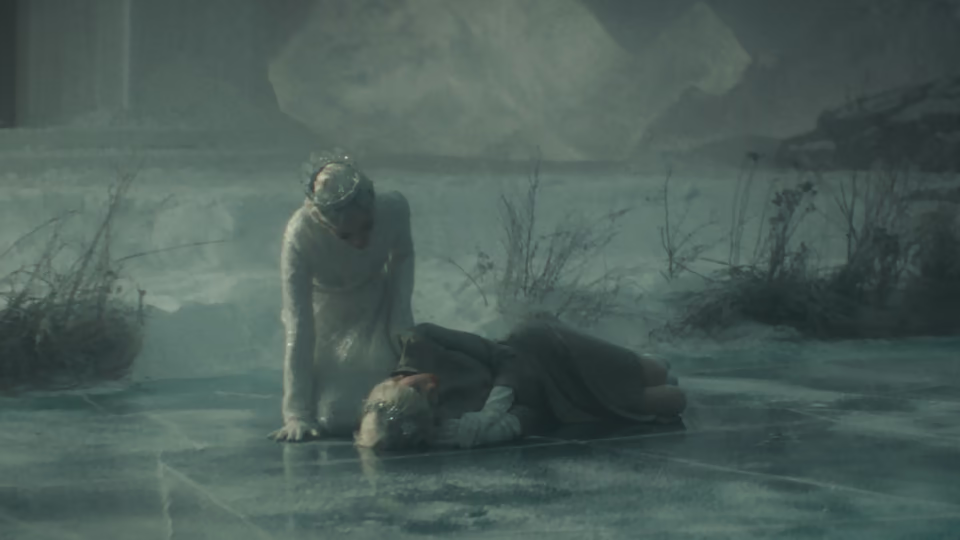
Despite the precision of these choices, variety is missing. Every location carries the same spirit, coldness and stillness. We never feel a true passage between worlds, even though the story itself concerns transition and a new identity.
Final verdict
Final verdict
I did not like the film. Not because it is entirely bad, but because it is incomplete: lacking feeling, escalation and spirit. A film of great formal beauty, rich in images but poor in impact. It asks for considerable patience and close attention without rewarding us as we deserve. I felt I was watching a long dream without an ending or a clear meaning. A passing sensation that evaporates quickly and leaves no real trace. The film remains like a gleaming piece of ice, beautiful in appearance but cold at its core. A story that promises much and gives little, leaving you standing in the middle without wonder or shock. A work seen by the eye but unfelt by the heart, passing as it came, without a memorable trace.
AUDIENCE VOTE
Do you agree with the MB rating?
Choose once from this browser. You can change your answer at any time.