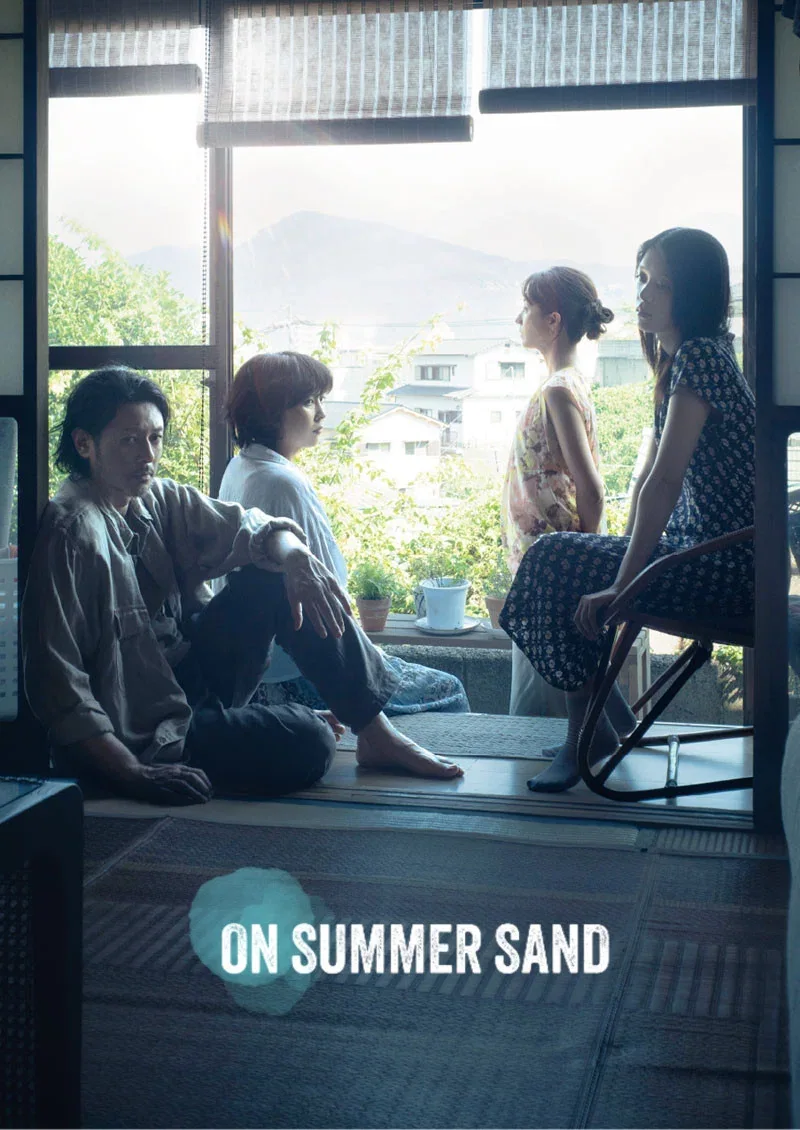
The review
A life moving out of habit
Osamu Koura is not shown collapsing in tears. He goes out, walks through Nagasaki, smokes and occasionally meets old friends. Yet the death of his son, separation from Keiko and loss of work after the shipyard closed have left him with little direction. His days still move; he simply no longer seems fully present in them.
That is a perceptive way to portray long grief. Routine can conceal it from everyone else, including those who believe that a man going through the motions must be getting better. The film notices the difference between continuing to live and finding a reason to do so.
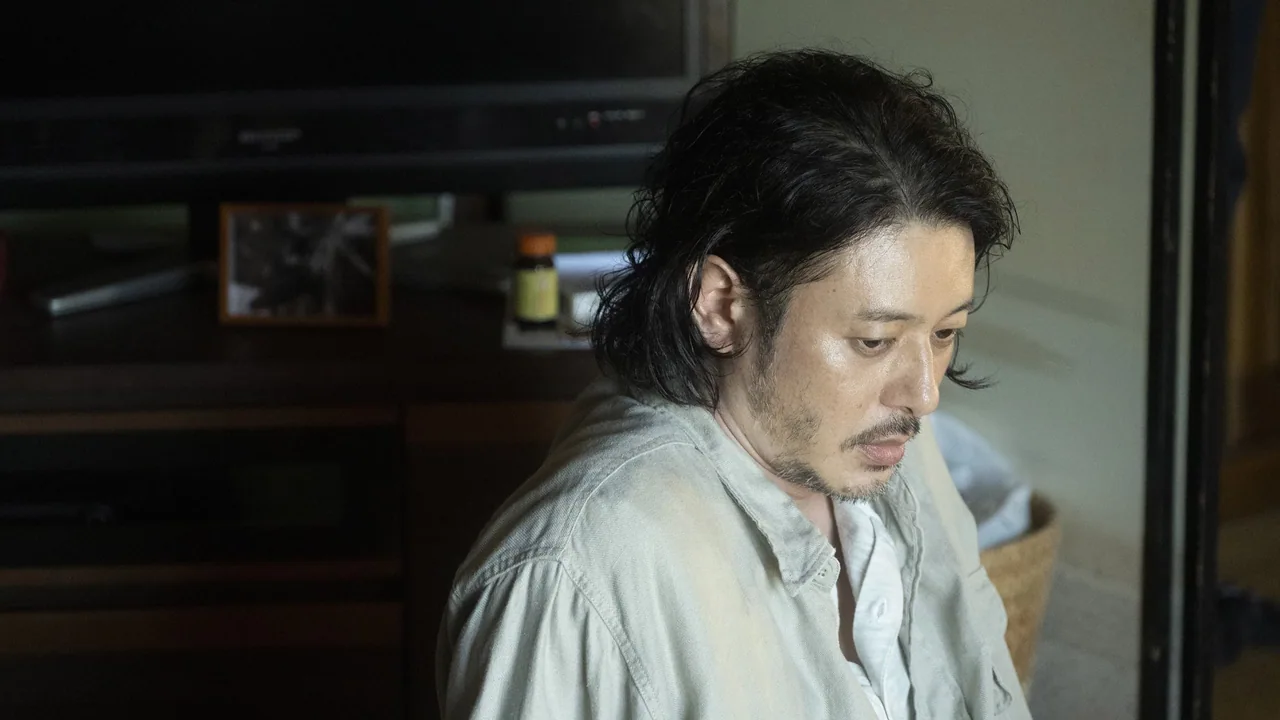
Joe Odagiri and the weight of stillness
Joe Odagiri does not play Osamu through conspicuous displays of pain. His slow movements, his gaze toward familiar places and the way he accepts another setback suggest someone too exhausted to object. Even when we learn the scale of his loss, the performance keeps the feeling beneath the surface.
I admire that control, though I also understand why the character may seem closed off. There are moments when I feel I am watching his grief from the far side of the room instead of entering it with him. That tension between observation and distance stays with the film throughout.
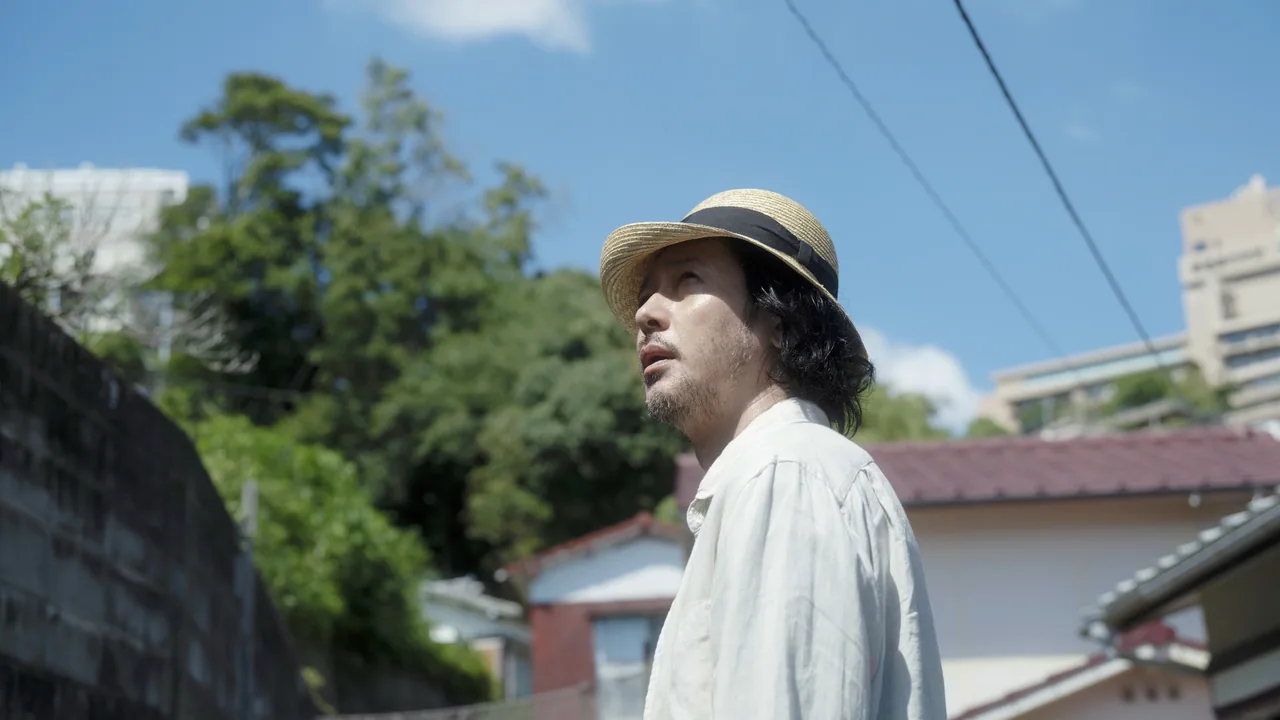
Yuko is not here to rescue him
Osamu's sister Asako leaves her 17-year-old daughter Yuko with a man who can barely look after himself. The premise could have produced an easy story about a lively teenager healing a broken adult. Yuko, however, has no tidy answers. She works in a shop, starts a relationship with a coworker and often seems to be letting events carry her along.
The bond works best when the film respects that both are lost in different ways. Osamu gains a modest reason to take responsibility, while Yuko finds a quieter place than the one she has known. Neither becomes the other's therapist; simply being together begins to mean something.

A closeness the film sometimes rushes
The shared life starts awkwardly rather than with declarations about family. Osamu and Yuko grow used to each other's presence through ordinary days, and Joe Odagiri and Akari Takaishi make even the smallest exchanges feel unforced. That chemistry gives the film its emotional center.
My reservation is that I do not always get enough time with them together to believe every degree of intimacy the story later asks of us. I understand the direction of their bond, but sometimes I need to feel the change happening rather than be told by the passage of time that it has happened.
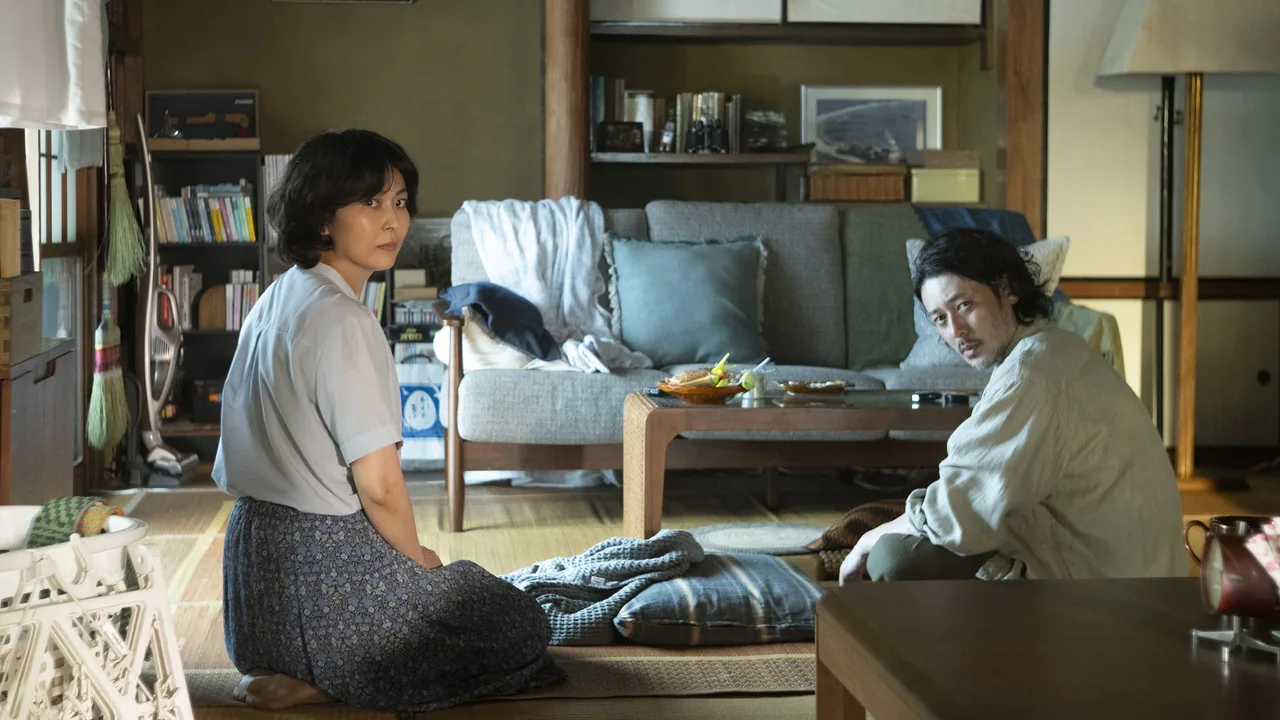
What the stage adaptation gains and loses
Shinya Tamada adapts Masataka Matsuda's play by taking its characters into streets, houses and workplaces and showing more of the intervals between important encounters. Nagasaki gives the story a scale and a texture that the stage could not provide in the same way.
Not every added stretch helps, though. Some scenes make relationships clearer, while others make the film feel longer or explain feelings that were more powerful when left uncertain. The film is at its most distinctive when it trusts silence; whenever it insists on spelling everything out, some of its tension dissipates.
When concern turns into accusation
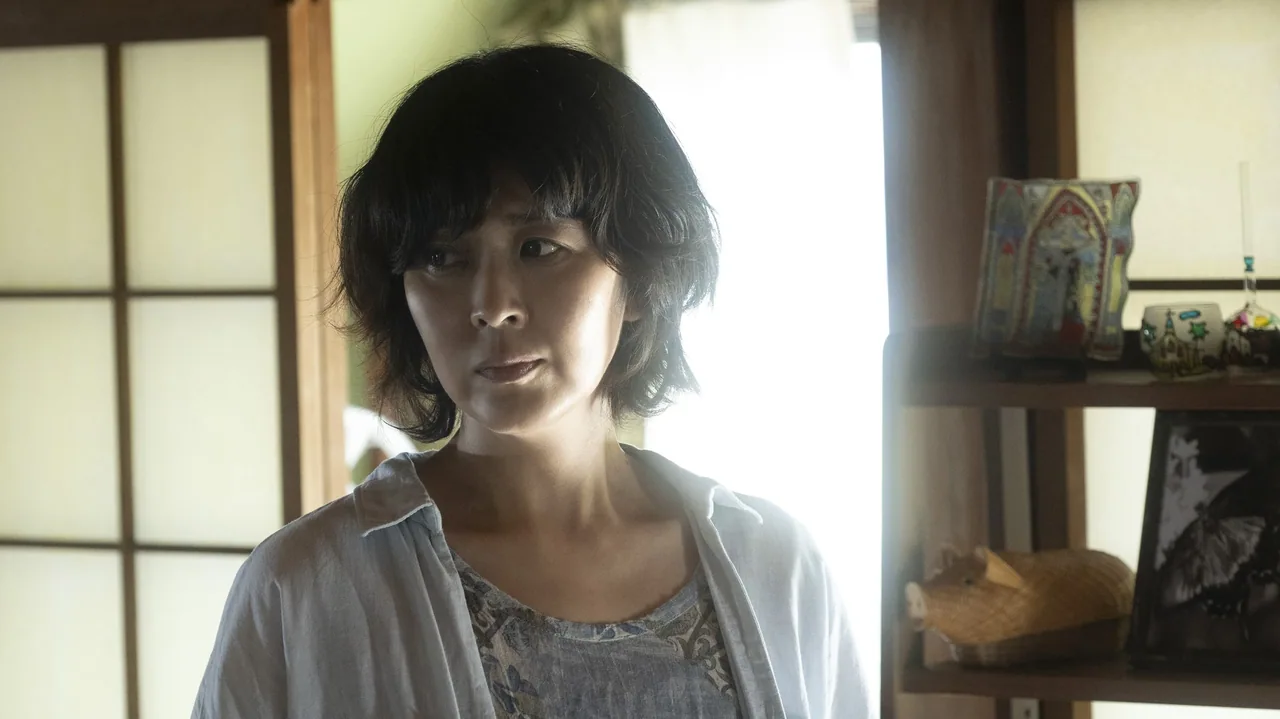
After a night drinking with former colleagues, Osamu returns to a confrontation about his life and his failure to look for work. The idea has force: people care about him but do not know how to reach him, so their concern hardens into anger. The scene briefly gives the film the outward conflict it usually avoids.
Yet some accusations do not entirely match the man we have watched. Osamu is devastated, but the film has not shown him spending every day in bed, refusing all contact. At times the argument feels pushed toward an explosion the screenplay wants rather than one the characters have fully earned.
Akari Takaishi gives Yuko a life of her own
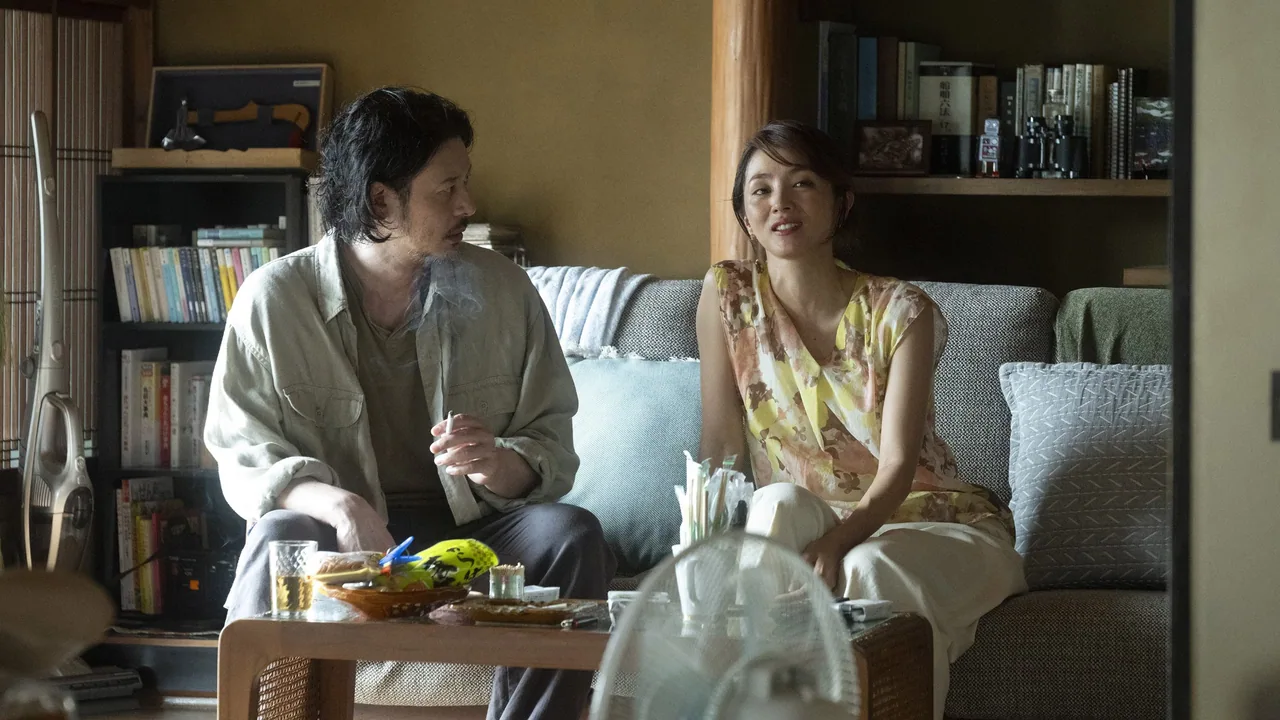
Yuko is 17, old enough to work and enter a relationship but still young enough to be overwhelmed by the instability around her. Akari Takaishi makes that in-between state visible without playing the girl as implausibly wise. Yuko can make mistakes, get angry and hesitate without losing our interest.
The supporting players matter without taking over the film. Keiko, Osamu's estranged wife, reminds us that the death of their child damaged a marriage as well as two private lives. They are carrying the same event through different decisions, and that makes Osamu's sorrow part of a wider human story.
Nagasaki feels the summer too
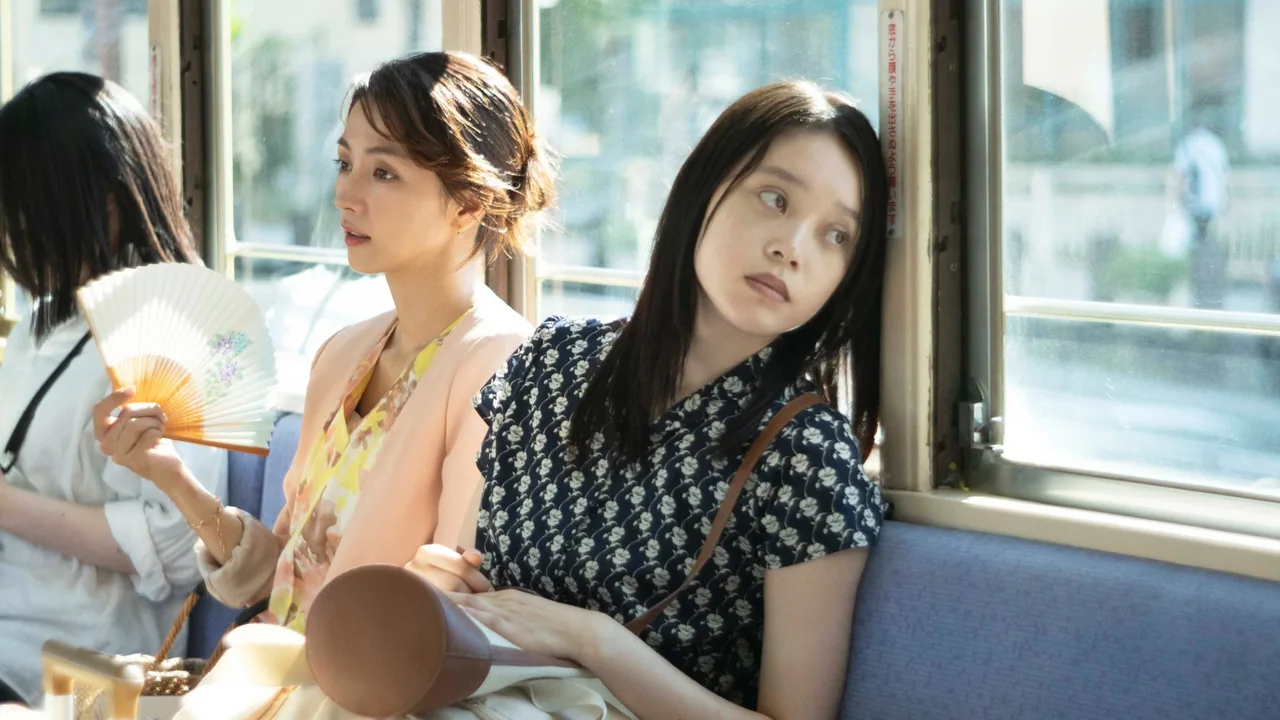
The city's hills, stairs, streets, shops and older homes are lived-in spaces rather than postcard scenery. A small journey under the hard sun takes effort. As Osamu climbs or descends these roads, Nagasaki begins to reflect how difficult it is for him to keep moving.
The camera remains patient; warm colors and severe daylight make the season almost physical. I would not call every composition extraordinary, but the images know what kind of exhaustion they are building. The bright world around Osamu offers no guarantee that he feels brighter inside.
The sounds that grief leaves behind
A few piano notes stay in the background. Water, insects, streets, wind and eventually rain do more to define the film's atmosphere than music that tells us when to be sad. The sound of a place carries feelings its inhabitants struggle to articulate.
Much of the important drama is observed after it has happened: in how a relationship changes and how a silence becomes heavier. I appreciate the refusal to turn loss into melodrama, yet the choice occasionally holds me too far from the emotional moment. At its best the quiet leaves space to think; at its weakest it creates distance.
Rain, finally
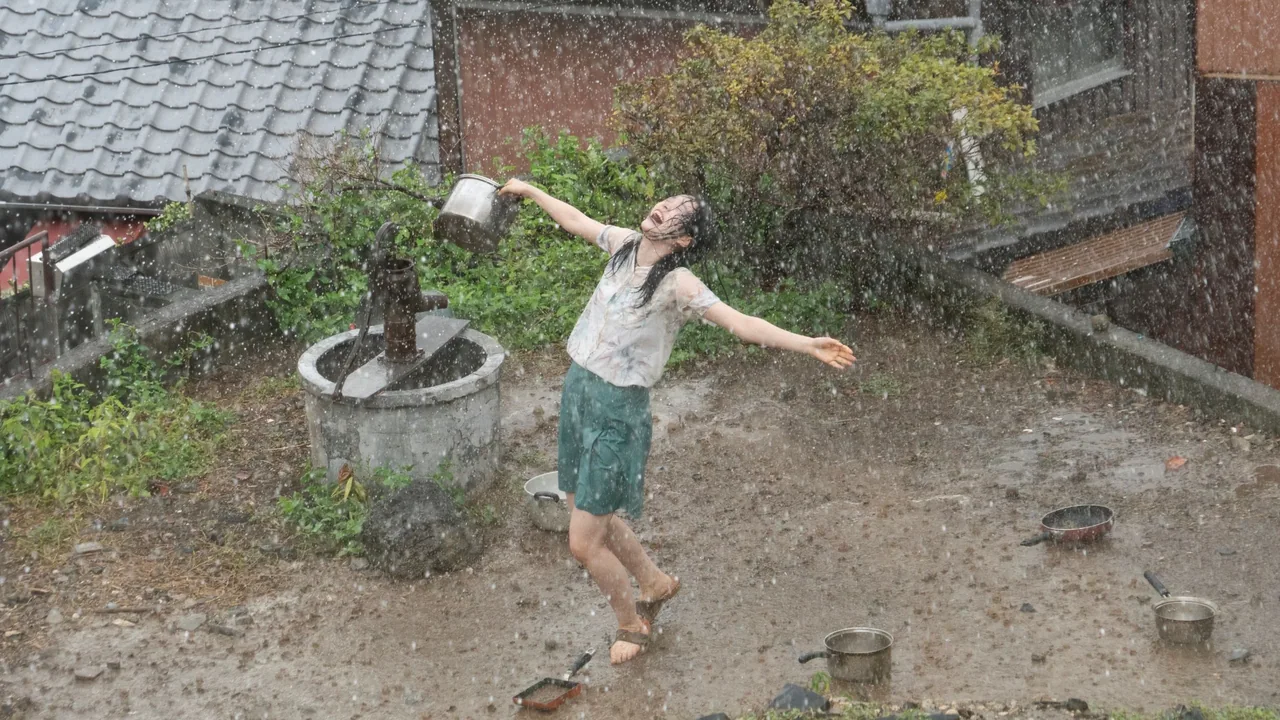
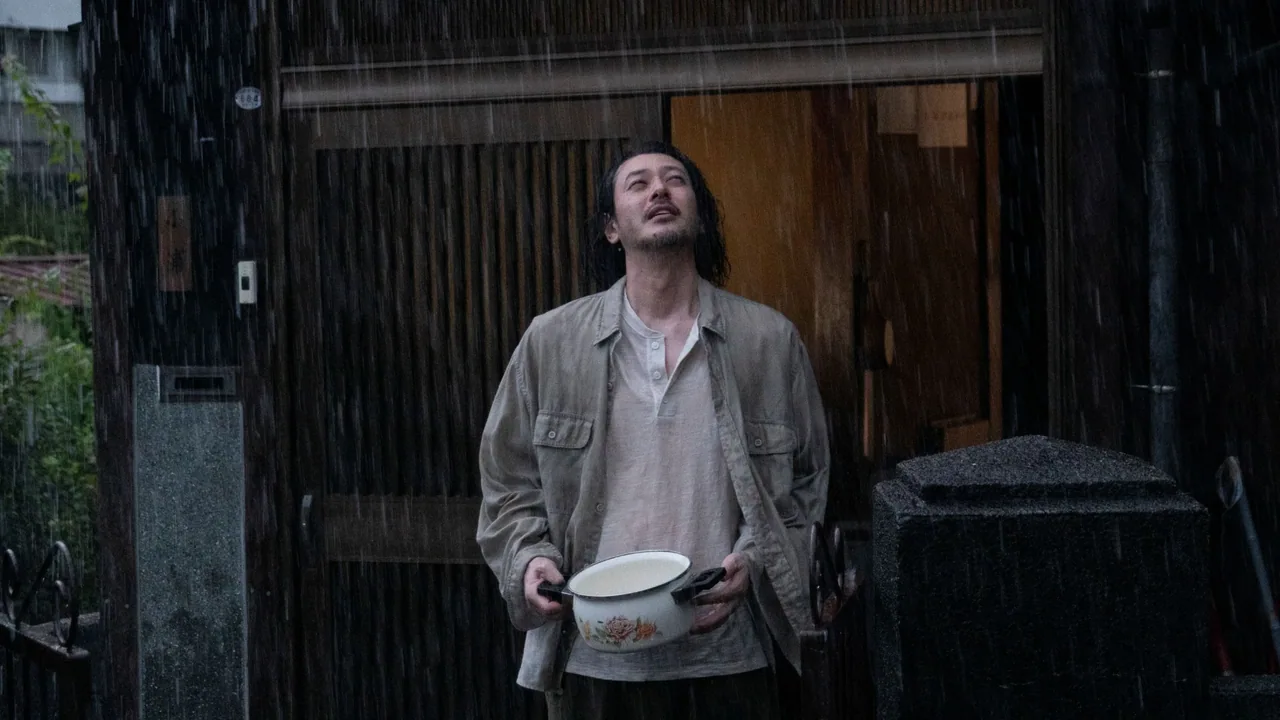
Rain figures in the film's opening, before the long dry summer settles over Nagasaki; water is also tied to Osamu's memory of his son. Its return in the final stretch therefore means more than a change in the weather. After so much stillness, the image makes movement possible again.
Yuko steps out with a bowl to catch the rain, and Osamu follows her. For a moment the two can play without pretending their losses have disappeared. I find this one of the film's most moving scenes precisely because its relief is temporary, simple and free of promises that everything is now fixed.
A memory he does not know how to carry
Near the end Osamu says something so severe it sounds like an attempt to erase the existence of his son. I do not take it literally. He has carried grief for so long that loosening his hold on the pain may feel like betraying the person he lost. The film trusts us to recognize that conflict without explaining it in a speech.
Yuko also moves toward a different road and leaves Osamu her favorite hat before they part. His expression offers a slight lightening, not complete happiness. The ending understands that recovery is not a grand finish line. Sometimes it begins with being able to take the next step.
Strengths and limits
Joe Odagiri and Akari Takaishi give the story its quiet chemistry. Nagasaki, the heat, the shift to rain and the natural soundscape express sorrow without turning every scene into tears. The film's best moments trust faces, places and a pause in conversation.
The weaknesses are also real: Osamu and Yuko could use more time together, a few expanded scenes feel unnecessary, and the reserved style may leave some viewers emotionally outside the story. More scenes do not always produce a deeper connection. Occasionally letting an interval remain unseen might have made the change between them stronger.
Final verdict
Final verdict
On Summer Sand is a very quiet film about people trying to rearrange a life that no longer resembles what they imagined. Odagiri's measured performance and Takaishi's sensitive Yuko give it a real heart, even when their growing closeness is not equally convincing at every stage. Some scenes could be shorter and Osamu can remain frustratingly distant. Yet when the dry summer gives way to rain and a restrained farewell, the film reaches a modest, honest possibility: a person might still be able to go on. My rating: 7/10.
Your turn
Did the film's restrained treatment of grief move you, or did keeping so many feelings beneath the surface leave you too far from its characters?
AUDIENCE VOTE
Do you agree with the MB rating?
Choose once from this browser. You can change your answer at any time.