The review
Screenplay and dialogue
From the confrontation with her mother, we understand the kind of life Simona is trying to leave. Her looks and talent are attacked, and she is told that what she really possesses is the family name. The problem is that her mother has already decided what makes her daughter worthy of respect and sees insufficient value in what she has chosen for herself.
This is a moving beginning because it gives her decision to leave a clear personal reason. Simona needs a place where she can work and be known for what she does. Choosing science makes this need harder to meet within a family that measures success through artistic talent.
The film does not try to prove that she is an artist whose talent nobody noticed. It allows her to be different and gives that difference value. This is a good point in the writing: she does not have to succeed in the field her family chose to deserve its appreciation.
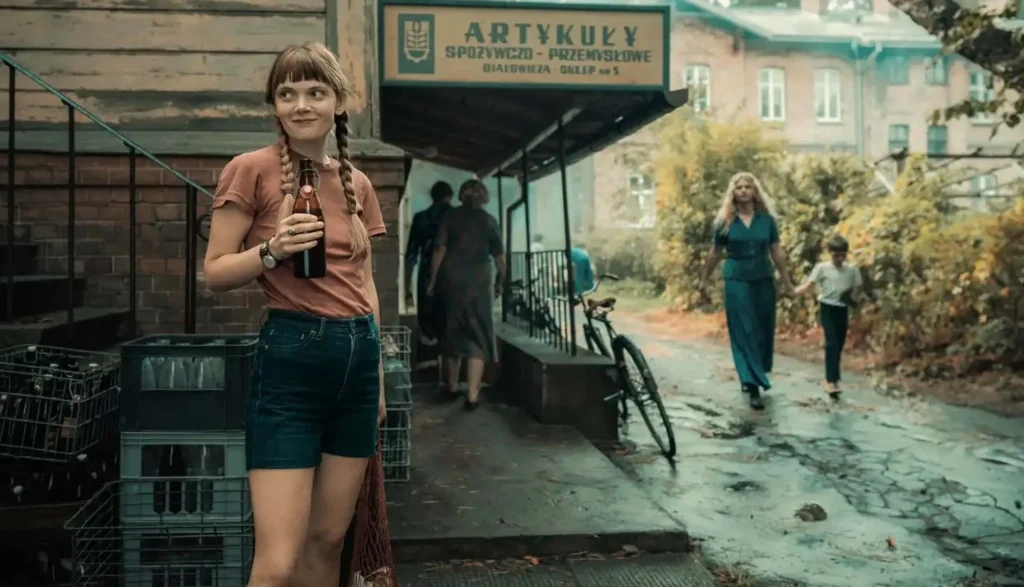
But the effect of this upbringing does not end when she leaves home. Some of her sensitivity to having her work belittled can be understood through what she heard from her mother. She enters a new world carrying an old need for others to take her seriously.
Her interest in nature also differs from that of the family’s painters. Nature was a subject for paintings to be admired, while Simona chooses to approach animals and study their lives. This difference takes her further from the family’s expectations and expresses more clearly what she herself wants to do.
The forest offers a beginning that takes work
Simona moves to Białowieża Forest to study animals and lives in an isolated house. The place offers a new beginning, but also asks her to learn how to live there. Working in this setting requires patience and attention to detail.
The film deserves credit for linking her relationship with nature to clear actions. We see her watching animals, approaching them and learning about them. We therefore understand her attachment to the place through the time and work she gives it.
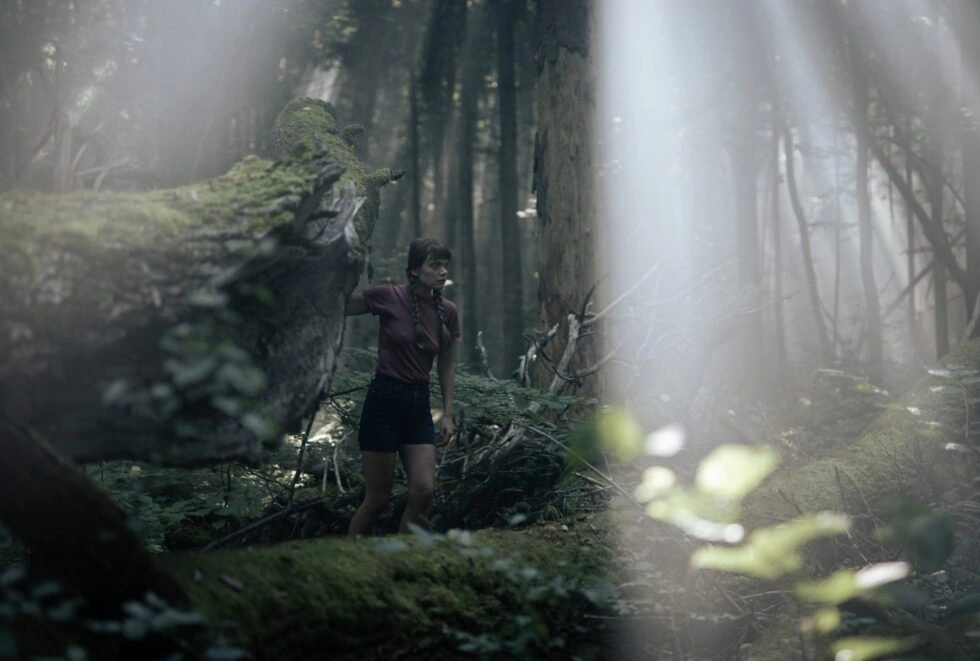
This matters because the film could have settled for the image of an eccentric woman living among animals. Instead, it also cares about her as a researcher. Her enthusiasm for nature is connected to a wish to understand it and to learn how human actions affect it.
Isolation does not mean she has stopped needing people, either. Her relationship with Lech, her confrontations at work and her mother’s effect on her remain part of her life. She has found a place that suits her better, but not a life free of conflict.
For us, this is one of the film’s best ideas. A person can change the environment that hurts them and still need a long effort to build a life in which they feel comfortable. Simona’s attachment to the forest becomes convincing because she works within it and cares for what surrounds her, and because that work gives her day a clear meaning.
When an institution wants a predetermined result
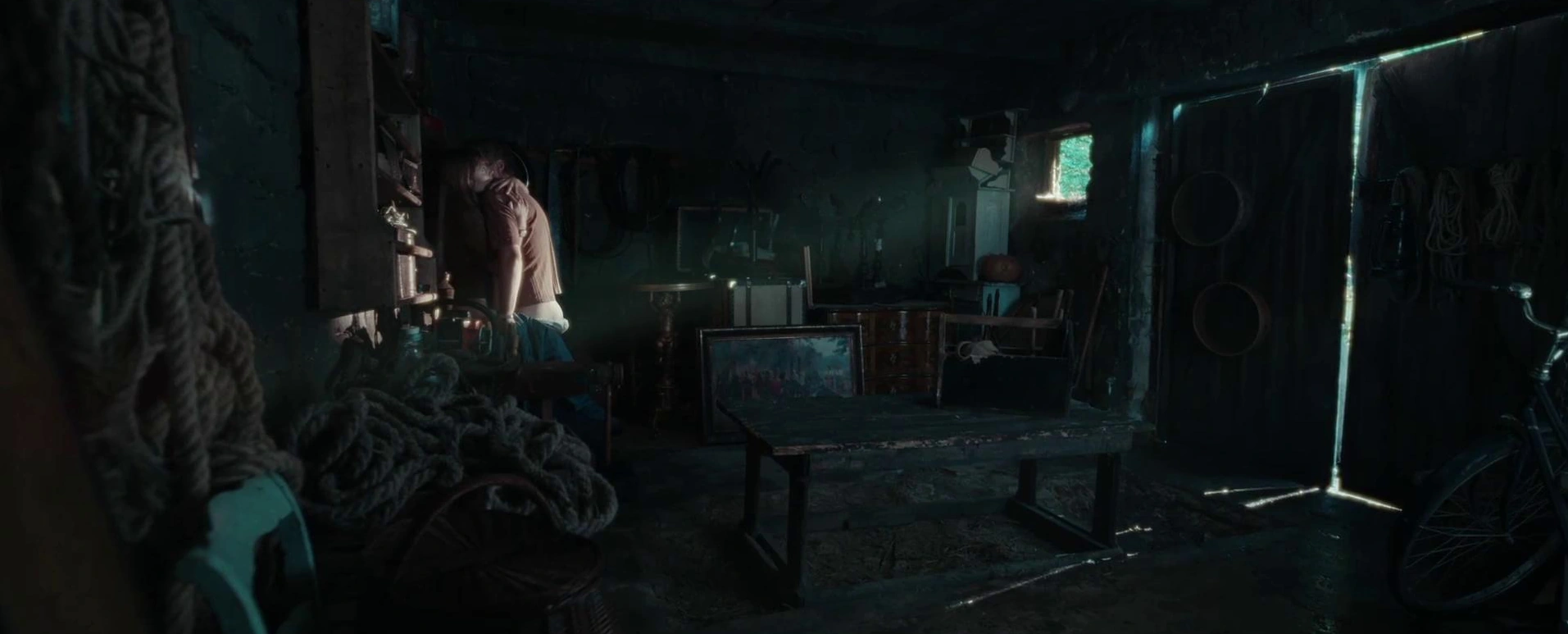
The film’s most important conflict begins with a seemingly narrow scientific question: what do deer eat? But the answer becomes dangerous when it is tied to the interests of people who want to manage the forest in a particular way.
Simona faces pressure to confirm that deer eat the new pine seedlings. Such a finding can be used to justify killing numbers of them. Here, others want research to give their decision a justification, instead of letting observations determine the result.
Someone reading a scientific report may trust its findings without knowing the pressures the researcher faced. This makes her insistence on what she has seen for herself important: an error here can move from the page into the treatment of the forest’s animals.
The role of her supervisor Batora gains its value from her initial trust in him. She expects to find someone who will help her work, then discovers that the support she needs may depend on what she is required to say. This makes their disagreement harder for her because she had been expecting his help.
We see a clear connection here with what happened within the family. First, someone determined the field in which she should succeed; now, someone determines the result her work should reach. In both cases, she tries to retain her right to think and decide for herself.
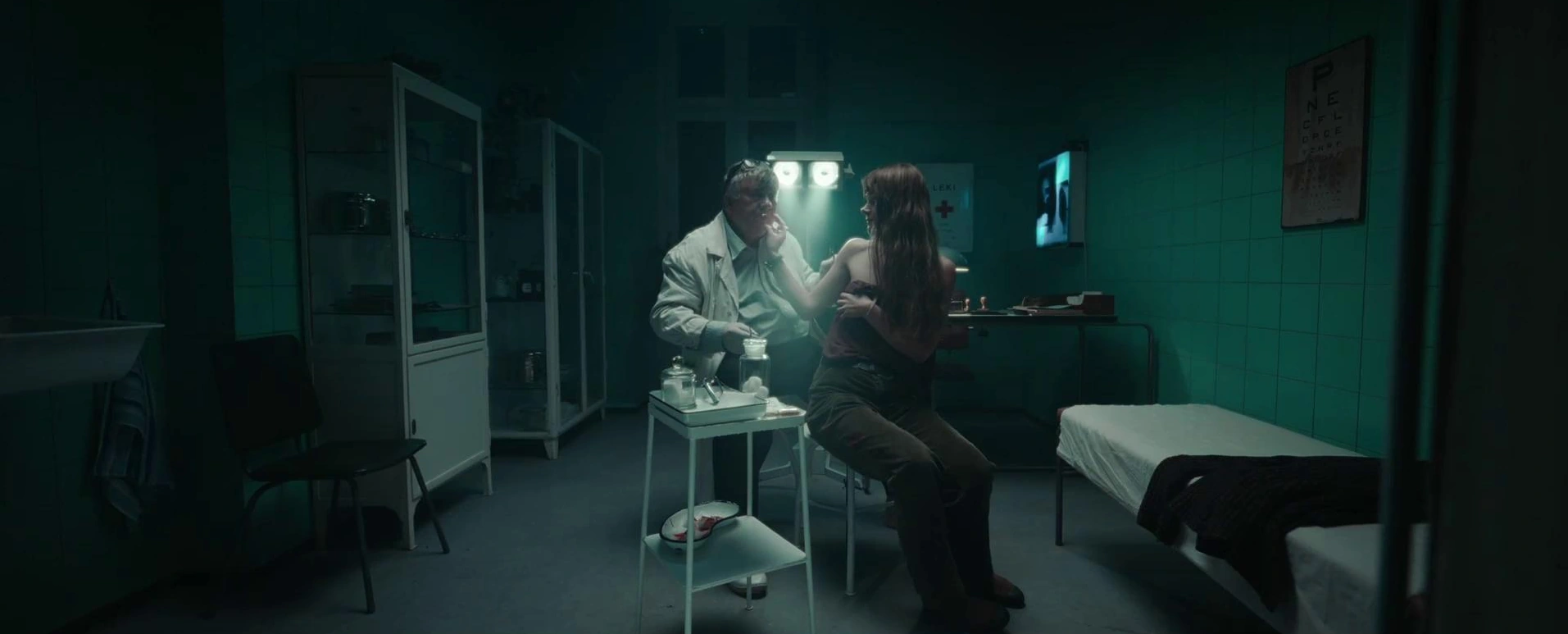
The way men treat her adds another difficulty. She must defend her research and establish that she deserves to be heard at all. When she uses her experiment with fish to mock the academic committee, we see her intelligence in the way she responds.
The scene is useful because it gives her humor and boldness. She does not always remain on the receiving end of insults; she can also embarrass those who underestimate her. This makes her confrontations livelier than a series of speeches about the injustice she faces.
Lech and independence within a difficult relationship
Lech enters her life as someone who helps her understand the place and deal with nature. He shares her accommodation and brings her closer to a life she has chosen but whose details she is still learning.
His presence matters because Simona does not arrive in the forest knowing everything. She can be independent and strong while also learning from someone else. The film benefits from this relationship when it shows what she receives from him and what she begins to build for herself.
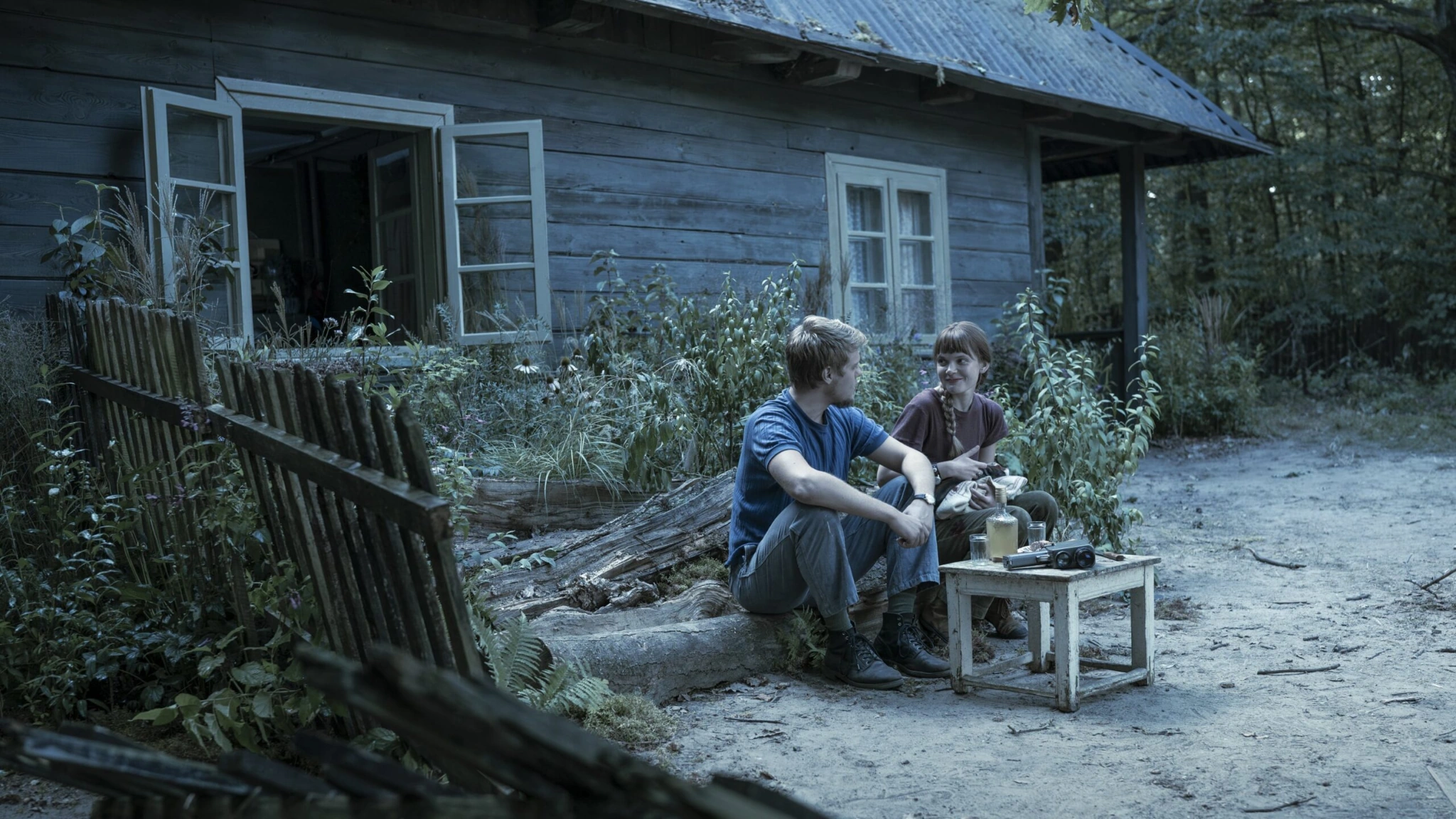
But closeness does not always make the relationship comfortable. His treatment of her and their disagreements reveal that the man who helps her can also hurt her. This prevents him from being presented as the person who has come to solve her problems.
Better still, the film allows her desire and love, and lets her enter a relationship that does not give her everything she needs. Her interest in science does not cancel out the rest of her life, and the clarity of her position at work does not make emotional decisions easy.
Jakub Gierszał gives the relationship a presence that helps us understand her attachment to Lech despite its difficulty. But we needed more time with some of their disagreements to understand how Simona deals with hurt and decides what she will accept.
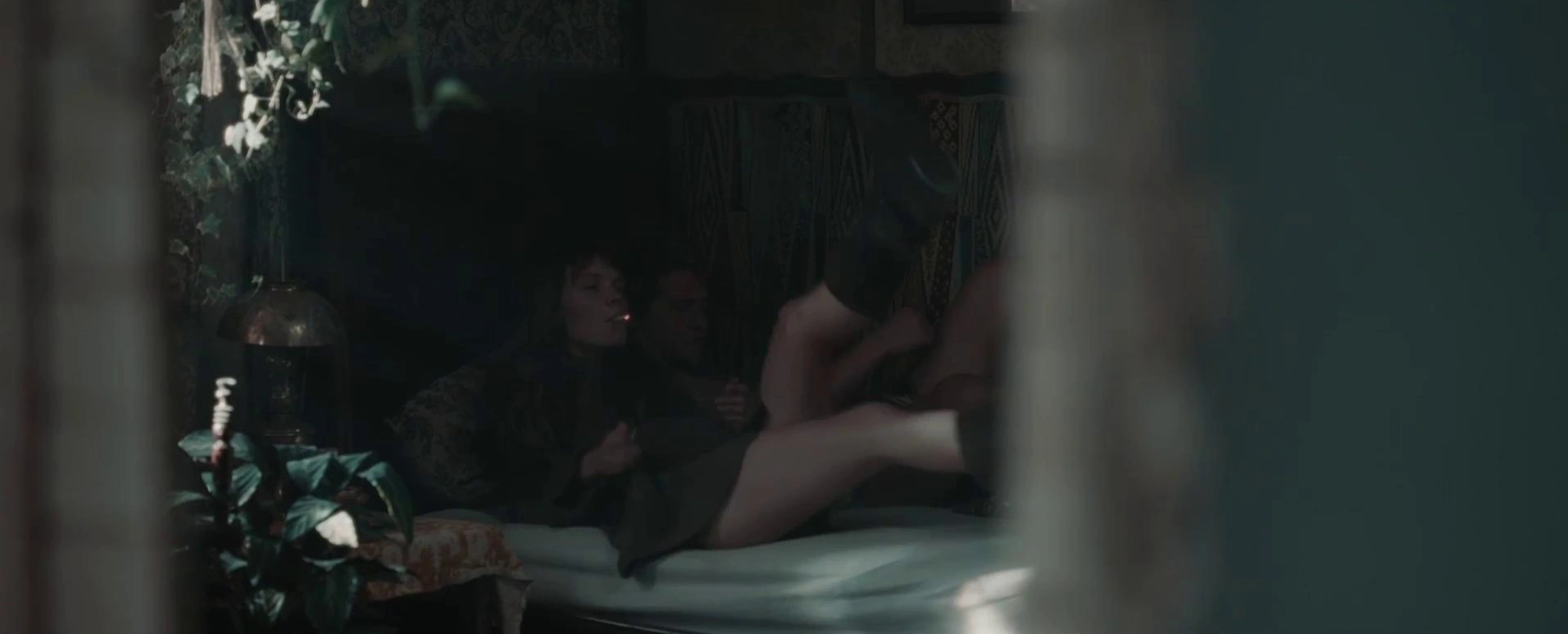
There is a difference between knowing that a relationship was complicated and watching what makes someone choose to stay in it. Some scenes bring us closer to understanding her decision, but the brevity of others makes changes in the relationship feel quick.
Performance and cinematography give the forest presence
Sandra Drzymalska carries a large share of the film’s success. She presents Simona as confident in her ability to work but affected by other people’s cruelty. Her sensitivity does not disappear when she defends herself, and pain does not prevent her from answering back.
A sarcastic smile and a sharp look help her communicate the character’s position without constant explanation. Sometimes we understand that she rejects what she hears before she begins speaking. These details make her presence enjoyable even in scenes built around discussion.
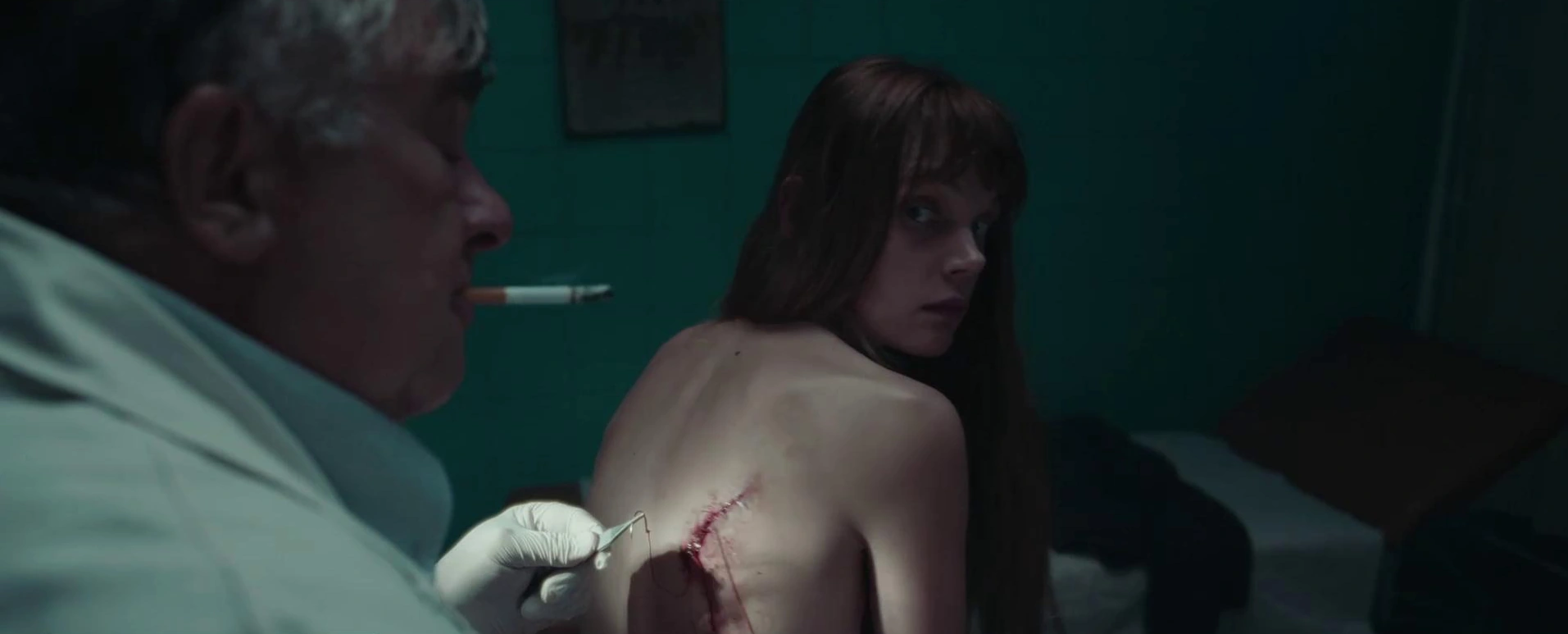
Writer and director Adrian Panek gives her scenes that reach their point quickly. This concision keeps the story moving and prevents scientific details from turning into lengthy explanations that bring the film to a halt.
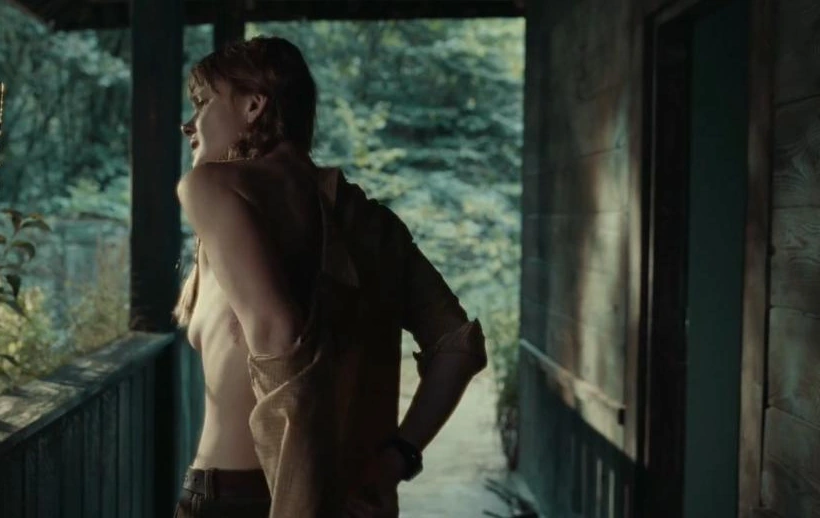
The cinematography of the forest makes her choice to remain there understandable. Trees, animals and the area around the house occupy an important part of the viewing experience. We need this closeness to understand why the place deserves so much defending from her.
One striking shot brings the camera close to her hand as she digs into a tree trunk covered in moss. It is an image of touch and movement, adding to the forest’s beauty a sense that this is a place she engages with through her body and curiosity. This suits the character better than settling for beautiful views seen from afar.
Simplified conflicts and weak visual effects
The most notable problem is that the film simplifies some conflicts more than it should. We know who stands against Simona and who benefits from pressuring her, but certain characters receive little opportunity to be understood beyond their role in hurting her or obstructing her work.
We notice this particularly in the conflict with her family. Its cruelty reaches the viewer quickly, but some confrontations press the pain harder than necessary. Smaller details could have told us more about the relationship instead of relying so heavily on hurtful words.
As the environmental conflict moves forward, the space for discovering other sides of Simona also shrinks. We have a sarcastic, bold woman with her own desires and contradictions. But some scenes settle for making her the person with the right position against everyone else.
The clearest visual weakness is the deer created with effects in the shooting scene. They look less real than the surrounding forest, making the difference obvious. This harms a scene intended to make us feel the danger of killing them.
The scene depends on believing the animals’ fear and what they are subjected to, but their weak execution draws attention to how they were made. The flaw matters particularly here because the film wants us to feel the value of the life Simona defends.
Final verdict
In conclusion
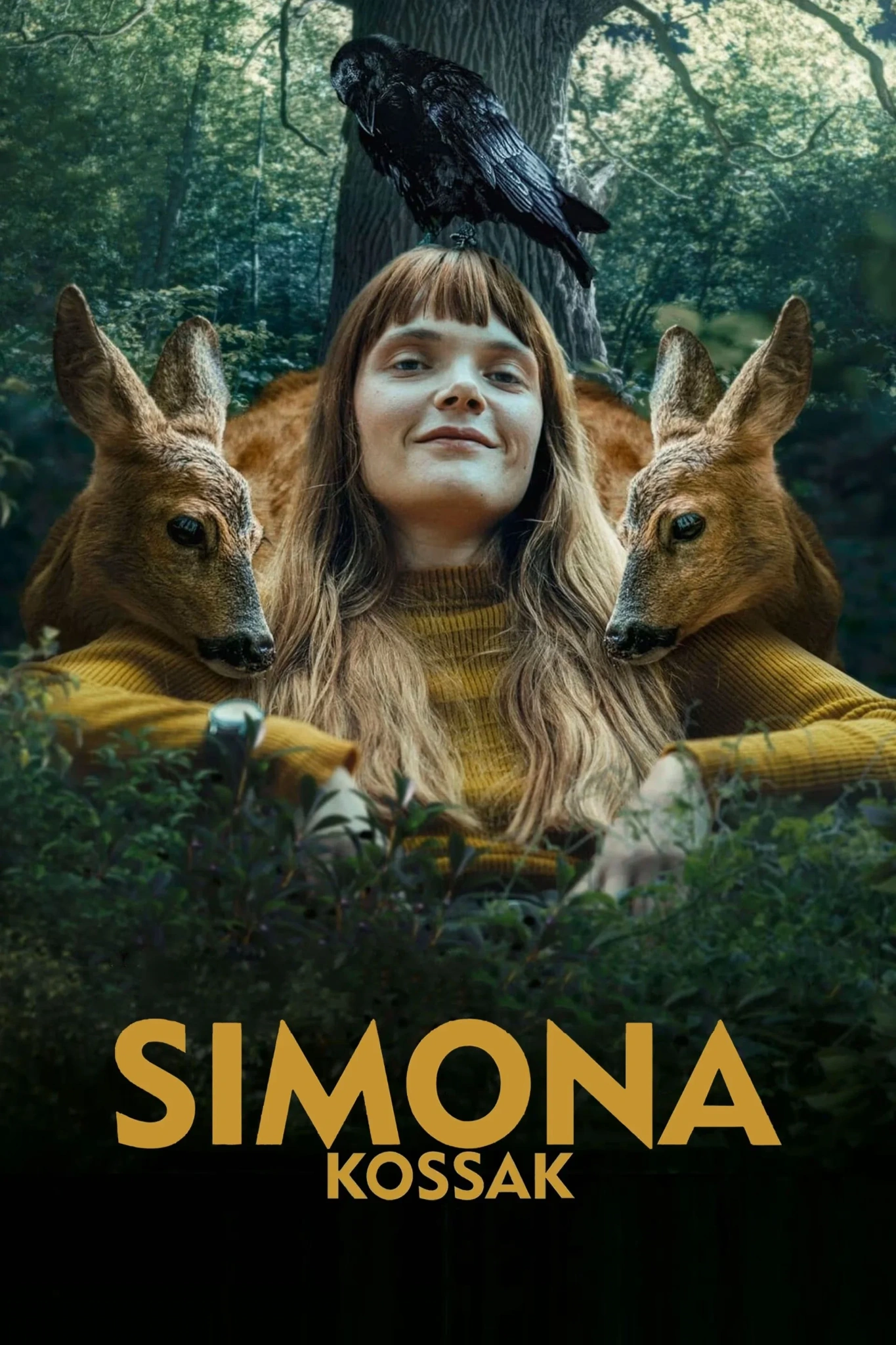
The film succeeds in turning a researcher’s work in the forest into an understandable and moving story. It shows why she left home, what she found in nature, and how defending her research findings became a confrontation with those making the decisions. Its strongest elements are Sandra Drzymalska’s performance, the forest cinematography, and the connection between scientific work and the lives of people and animals its results can affect. Humor and some direct confrontations also give the character a presence beyond her image as an environmental defender. On the other hand, the film weakens when it simplifies certain relationships, presses emotions harder than needed, or abbreviates details that could have made the characters more convincing. The effects in the deer scene remain an obvious problem amid images that are much better. What remains of the story is the difficulty of holding to your choice when the people closest to you, followed by those responsible for your work, want you to choose what suits them. Simona gives her position value by accepting the hardship of the work and of defending it, and the film is at its best when it lets us see that hardship. My rating for the film: 7 out of 10.
Your turn
Now the question is yours: did the film convince you of Simona as a character with her own flaws and desires, or did its focus on her cause sometimes come at the expense of getting to know her?
AUDIENCE VOTE
Do you agree with the MB rating?
Choose once from this browser. You can change your answer at any time.