The review
Displacement and the loss of home
What distinguishes the film most is that its political subject never comes at the expense of its human dimension.
The film draws on the deportation of Georgians from Russia in 2006, but director Rusudan Glurjidze does not approach that event as a straightforward history lesson. Instead, she looks at its effect on people who find themselves in a world that no longer offers them a sense of safety or belonging.
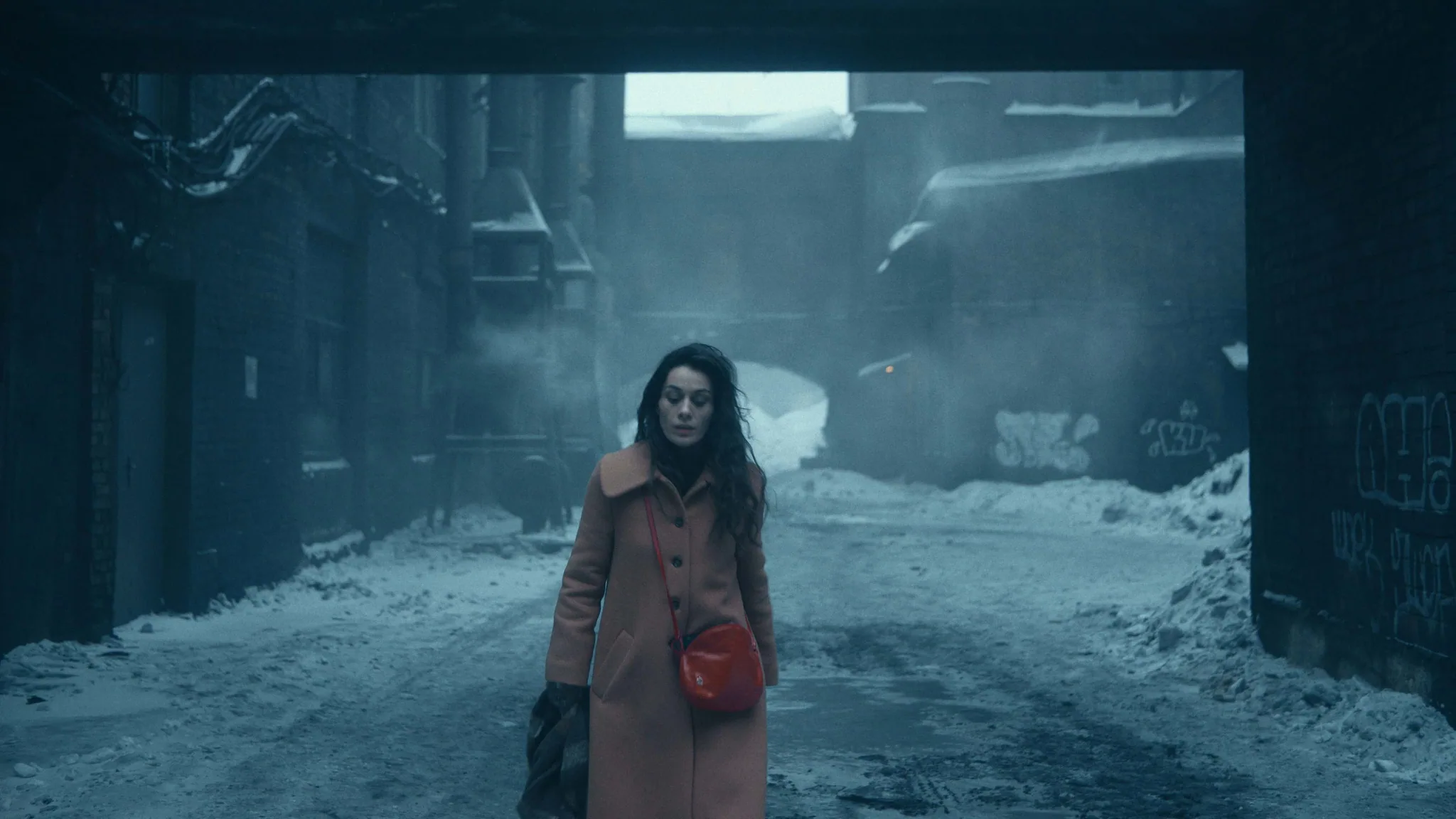
Here, displacement becomes more than simply moving from one place to another.
It is the loss of a sense of home, of identity, and of the ability to feel that your presence has value in other people's eyes.
That is precisely what makes the film more affecting when it steps away from overt politics and places us inside its characters' lives.
Four characters searching for belonging
The four characters are the film's real heart.
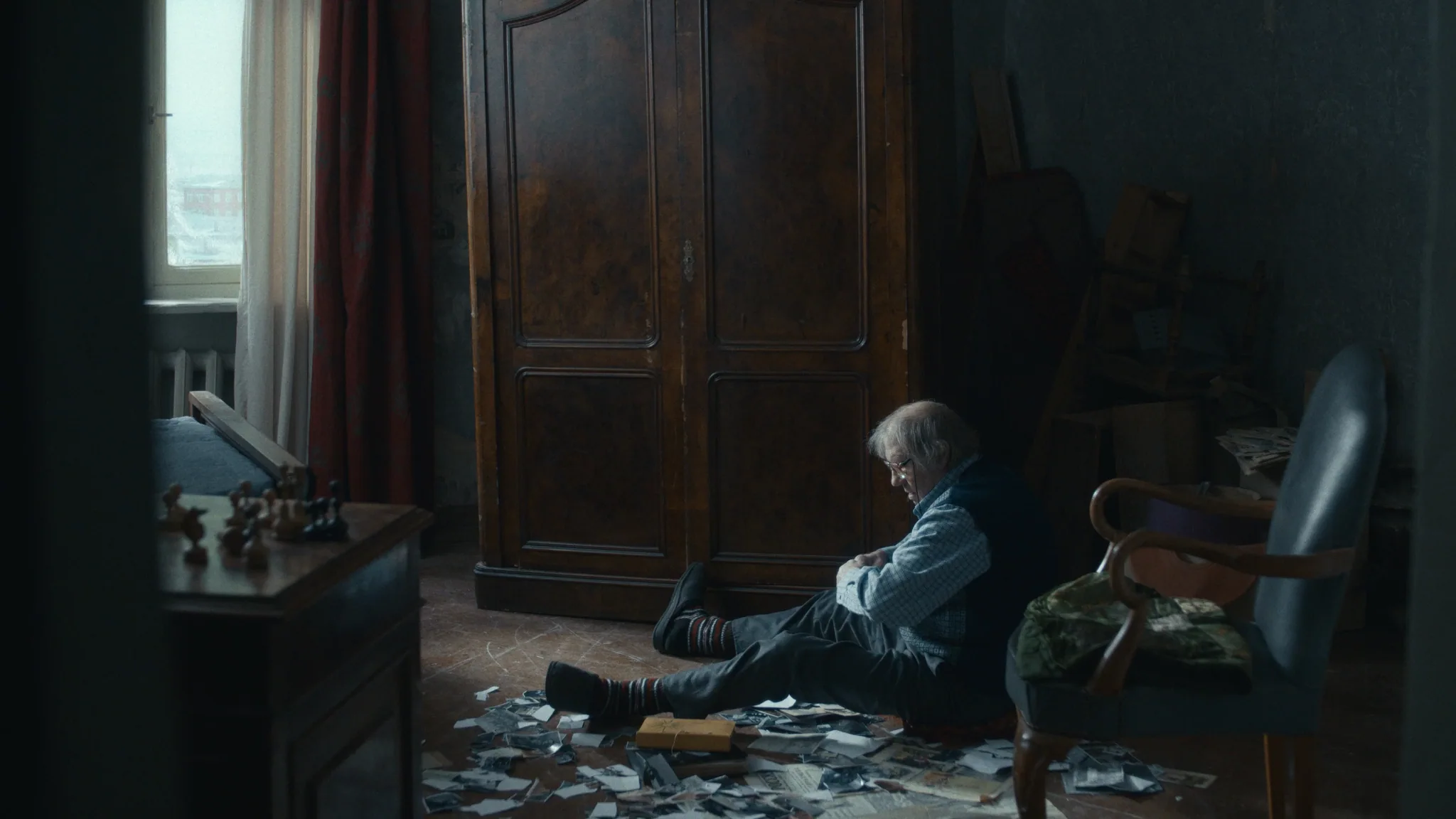
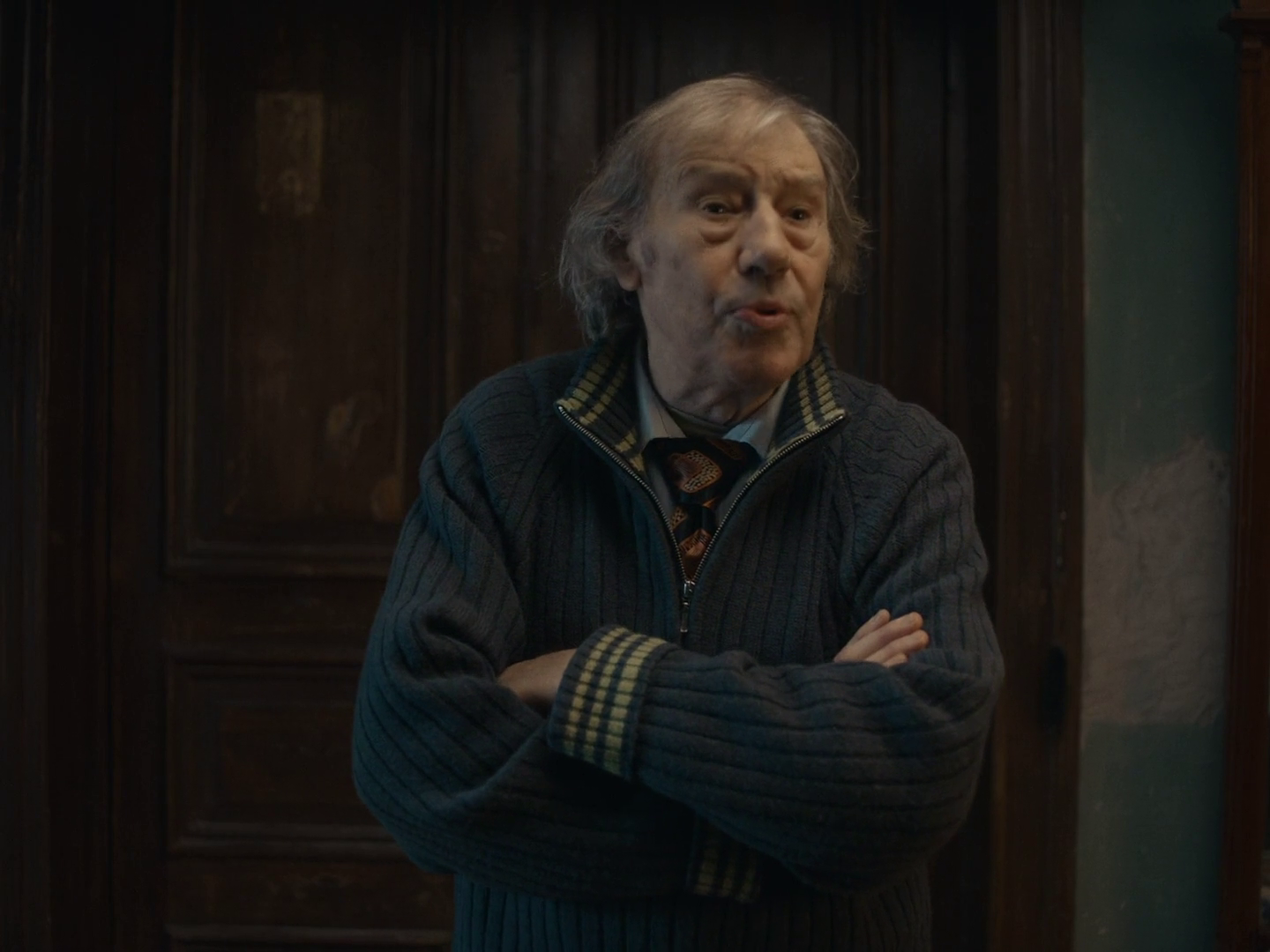
Vadim is an elderly man living in an apartment surrounded by antiques and memories. He seems angry and harsh, but he is really someone trying to hold on to an old world that no longer exists.
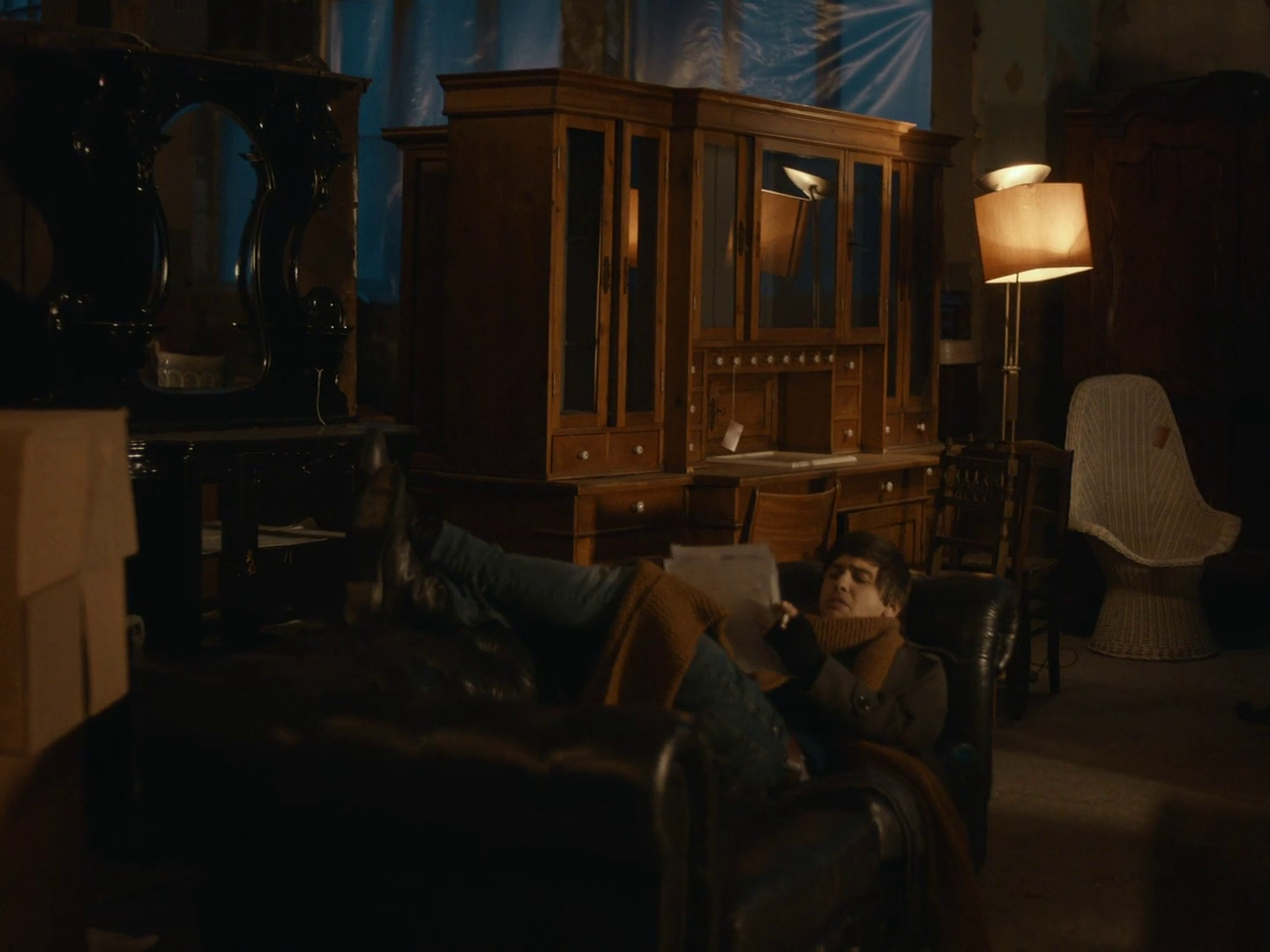
The apartment itself seems like an extension of his character: a place full of things from the past, yet lacking life in the present.
Then there is Medea, a Georgian newcomer with more vitality and hope, who nevertheless cannot escape the precariousness of her situation.
The film creates a compelling contrast: Vadim is trapped in his past, while Medea tries to build a future somewhere she does not feel safe.
Lado adds another dimension to these relationships. His sincerity and attempts to connect can sometimes be funny, but behind his behavior lies a clear desire to find someone he can rely on.
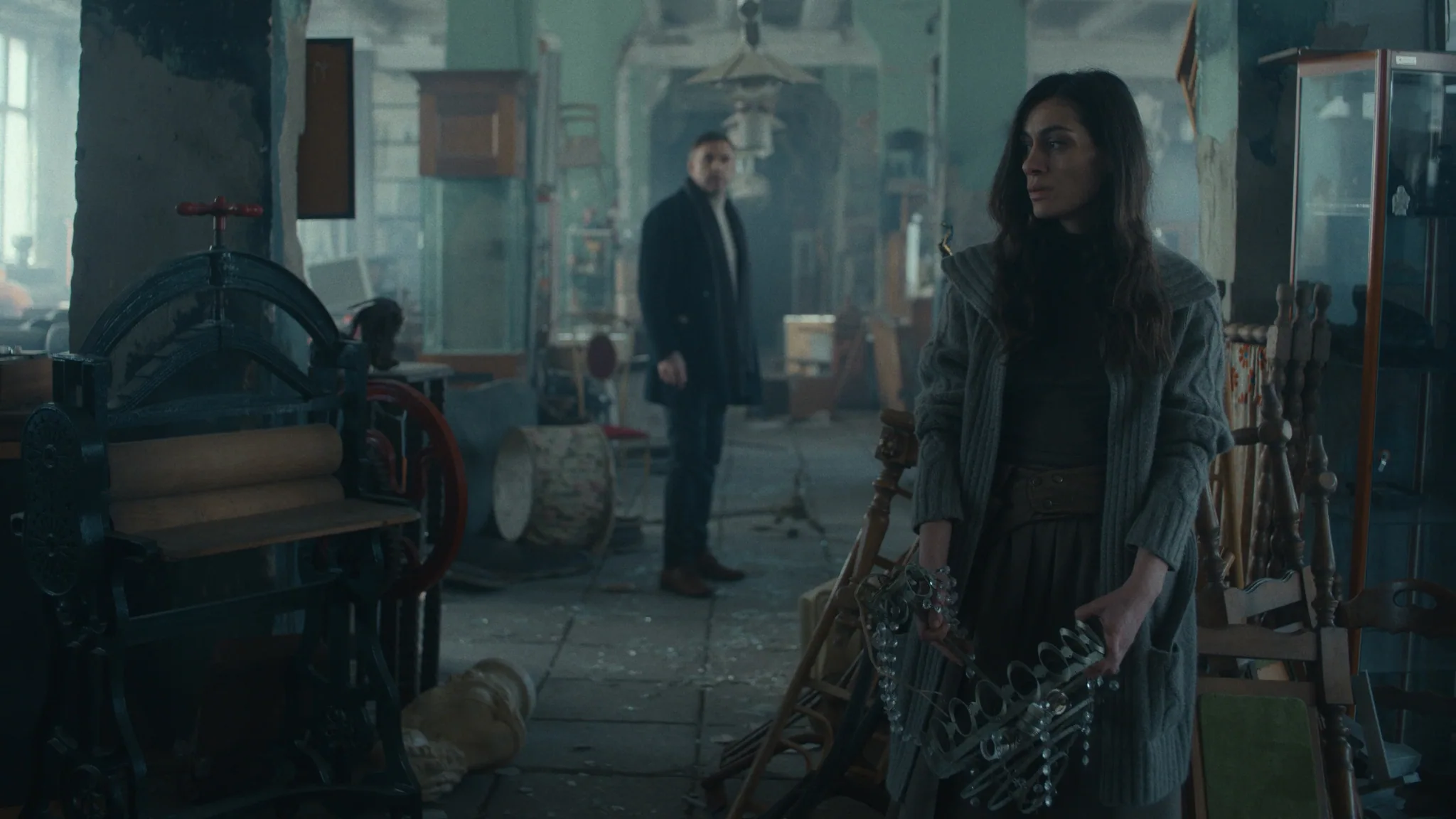
Then Peter, Vadim's son, becomes the link between his father's old world and the different world Medea represents.
These relationships do not suddenly become friendships or complete mutual understanding, which is one of the film's strengths.

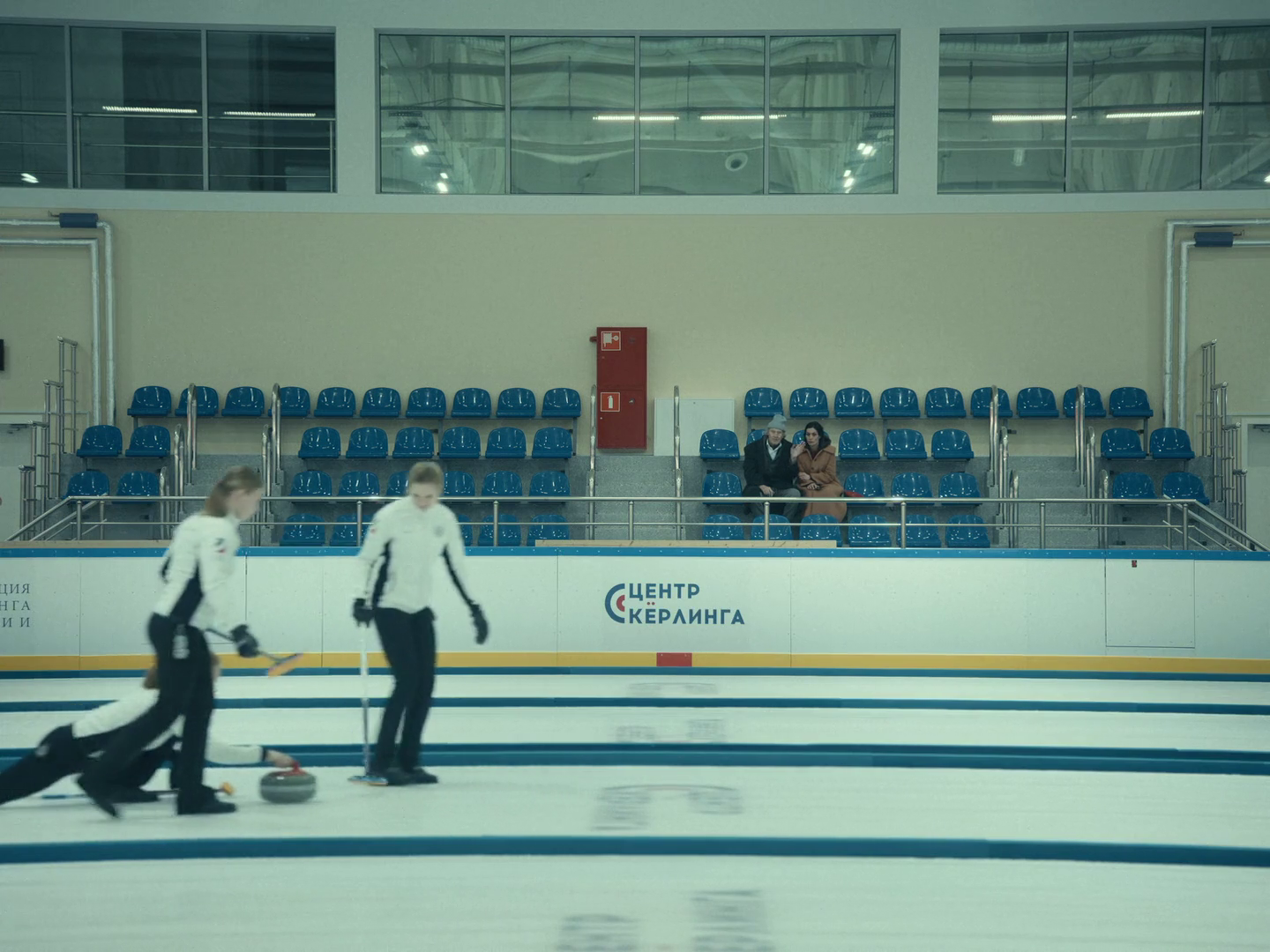
Closeness develops slowly, through silence and small moments, until the characters begin to discover that their differences do not erase the fact that they all suffer from loneliness.
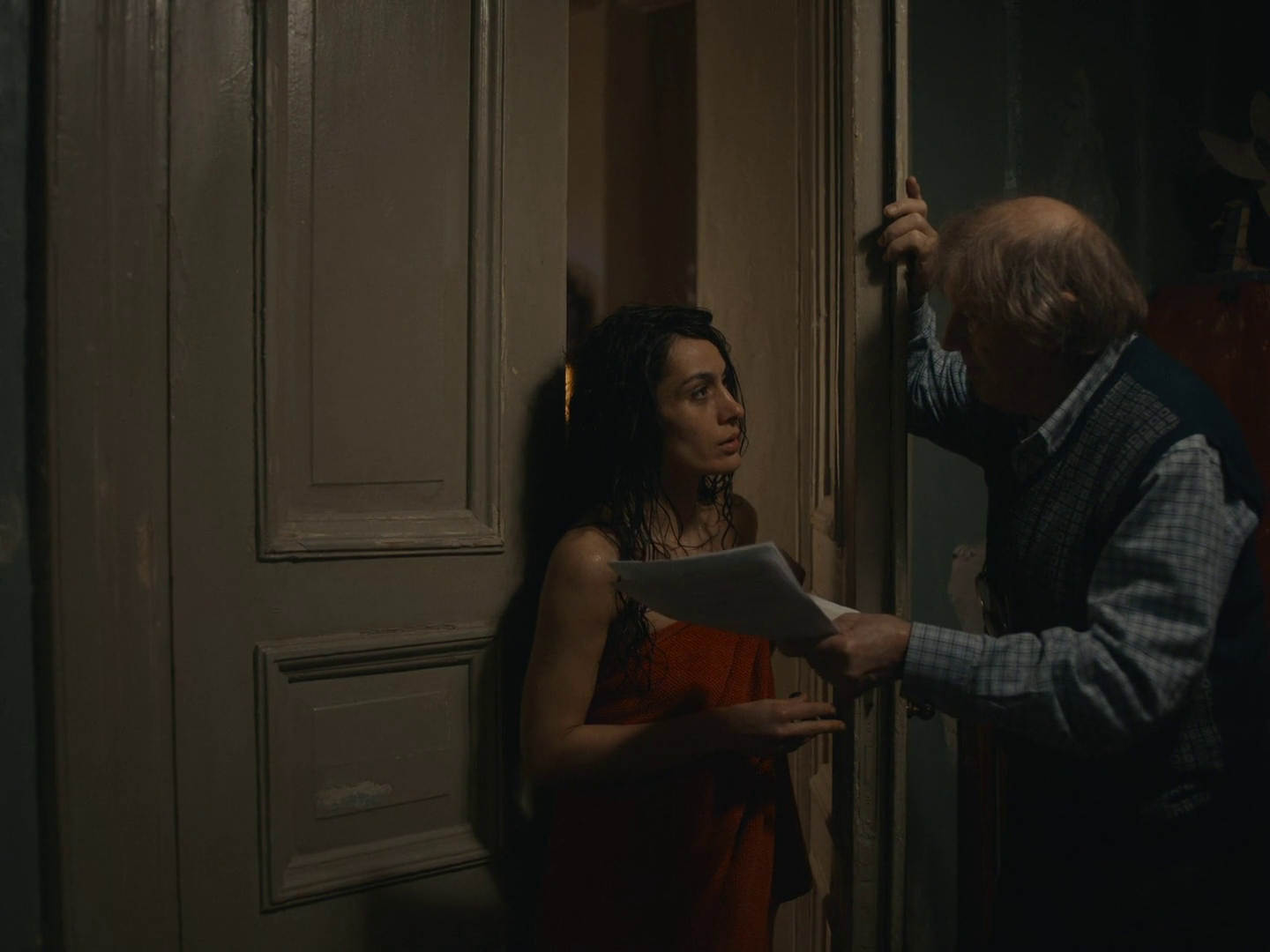
Loneliness and the need for others
The film does not present loneliness as merely a psychological condition.
Loneliness here is a force that weighs on the characters and shapes their decisions.
Vadim lives in a narrow world of his own making, while Medea faces an isolation tied to being a foreigner and losing the place where she belongs.
Still, the two share something: the need to connect with other people.
This emerges through small details more than through grand speeches.
A shared meal, a fleeting smile, a moment of silence, or a hesitant conversation can become profoundly important when someone is living in isolation.
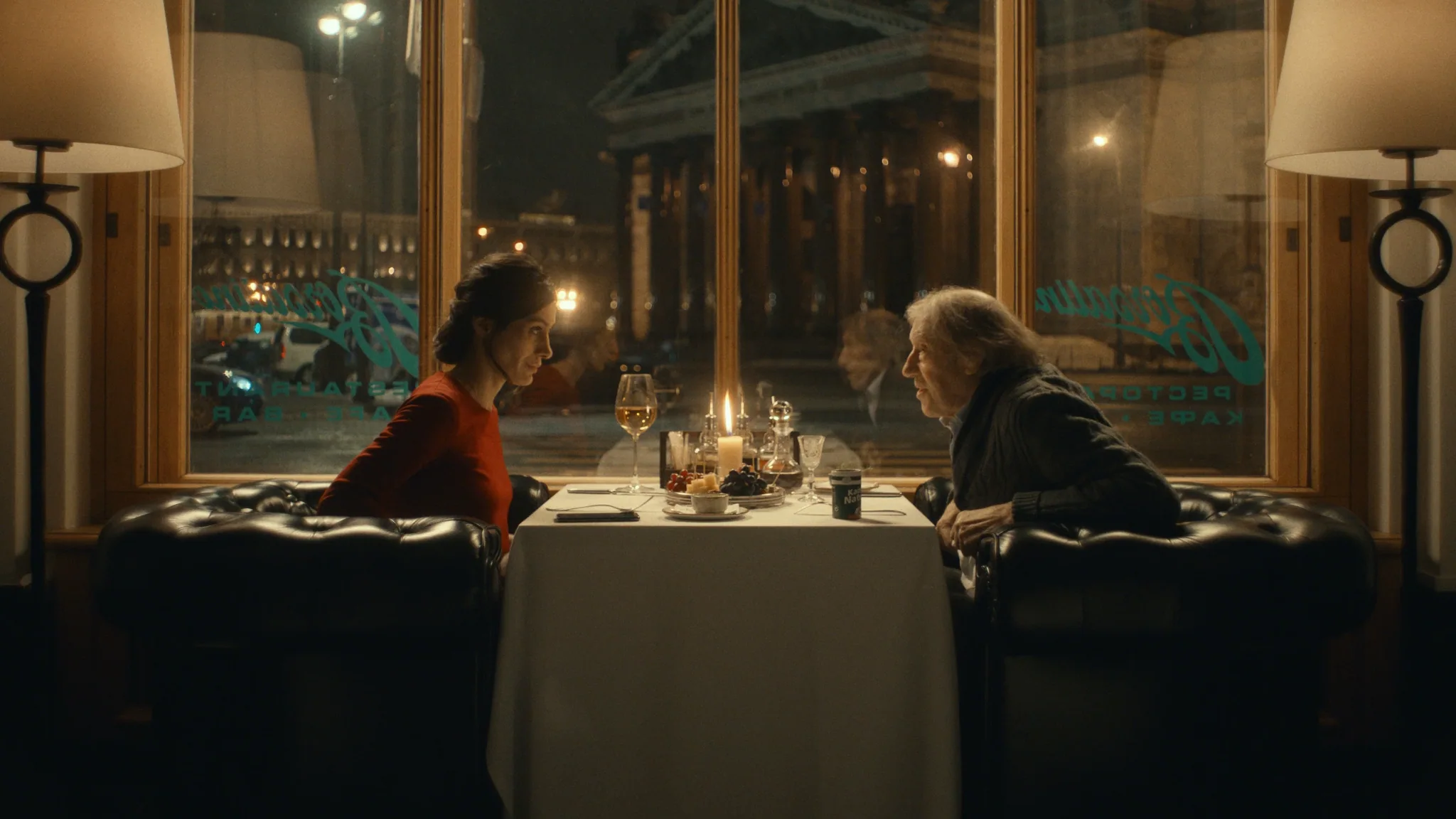
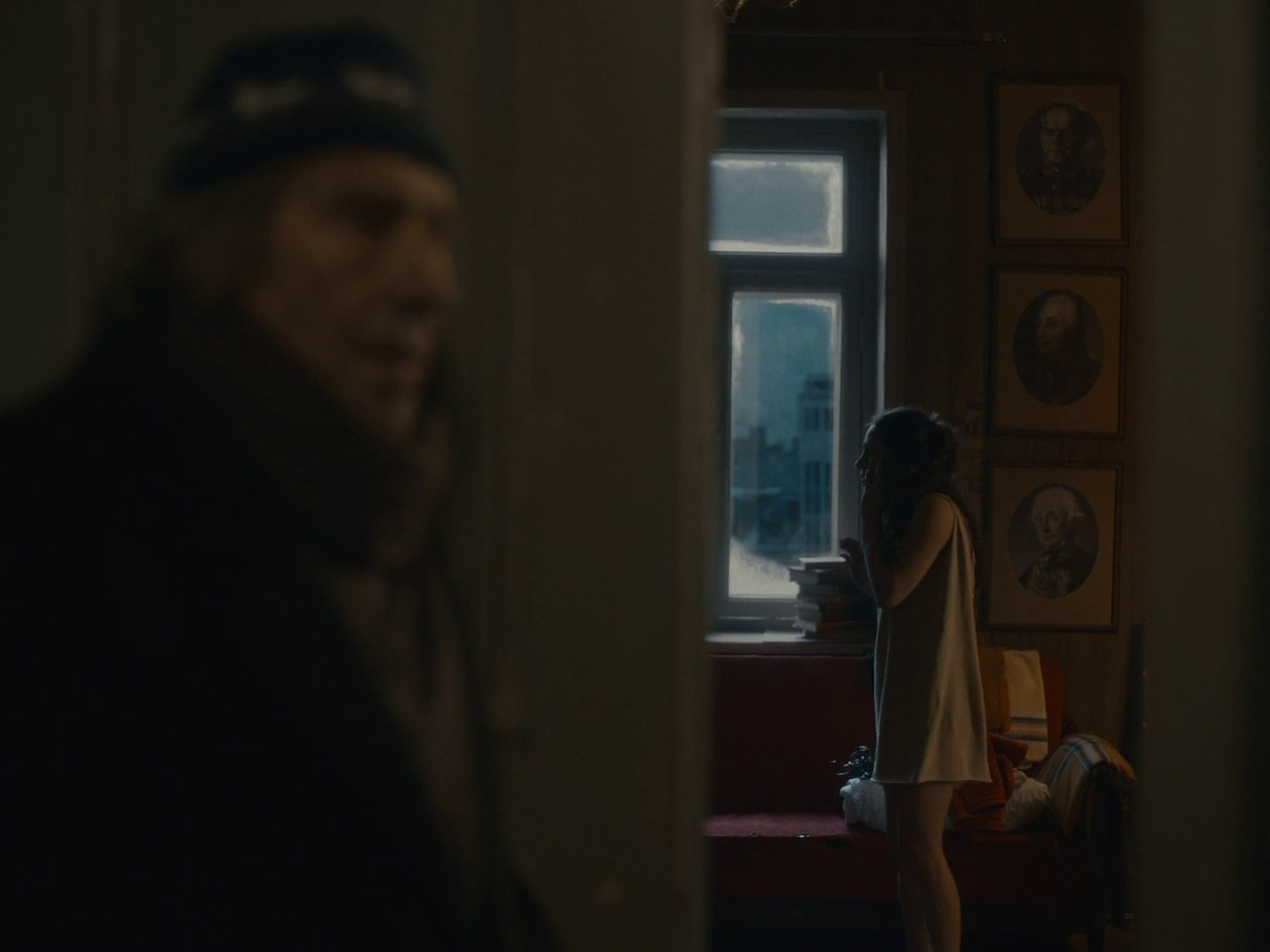
That is where the strength of Vadim and Medea's relationship comes from.
At first there is tension and distrust, but the film needs no lengthy speech to tell us that something between them is changing.
It is enough to see the barriers gradually begin to fall.
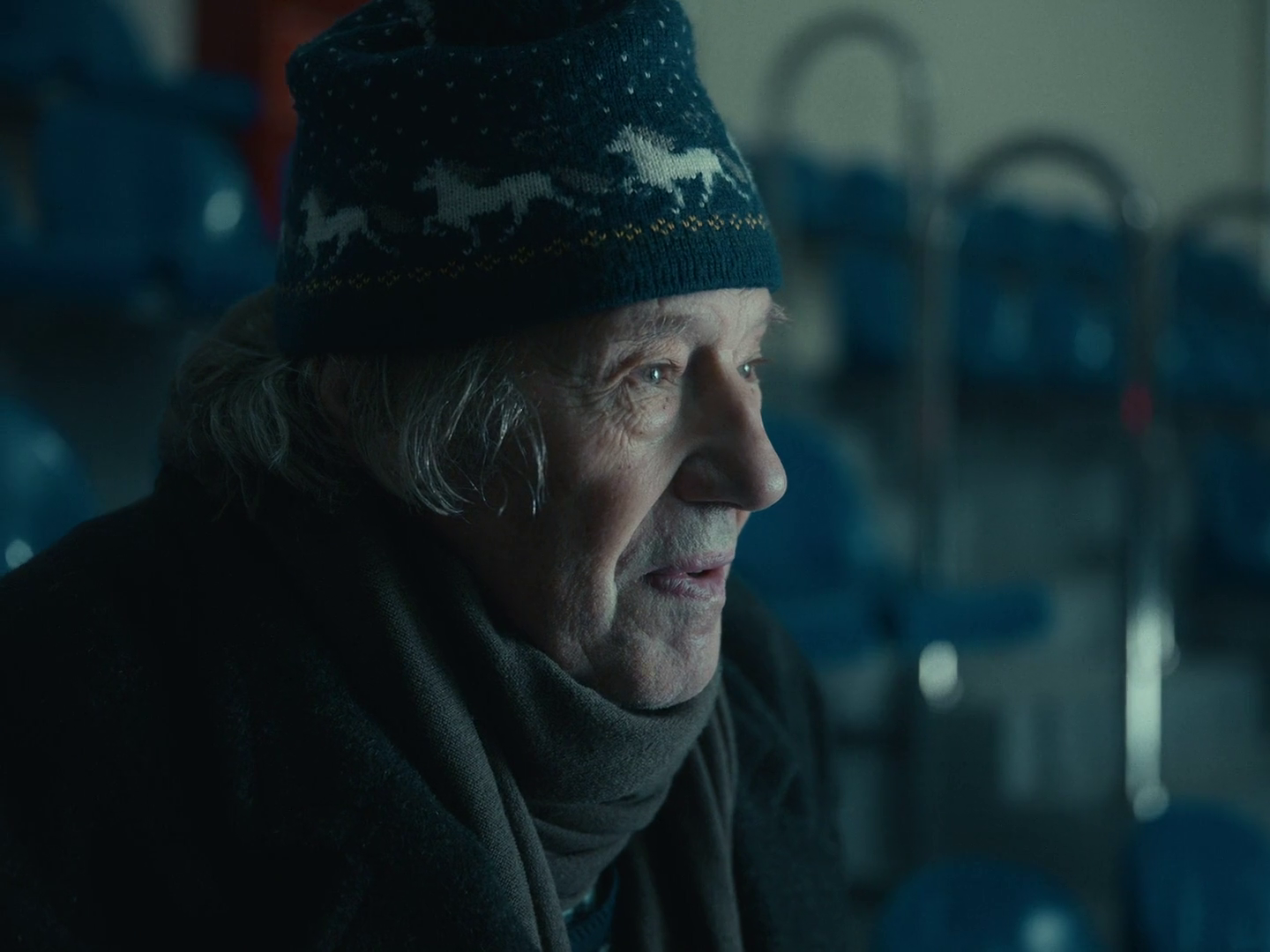
This makes their relationship one of the film's most humane elements.
Saint Petersburg: cold beauty and two kinds of isolation
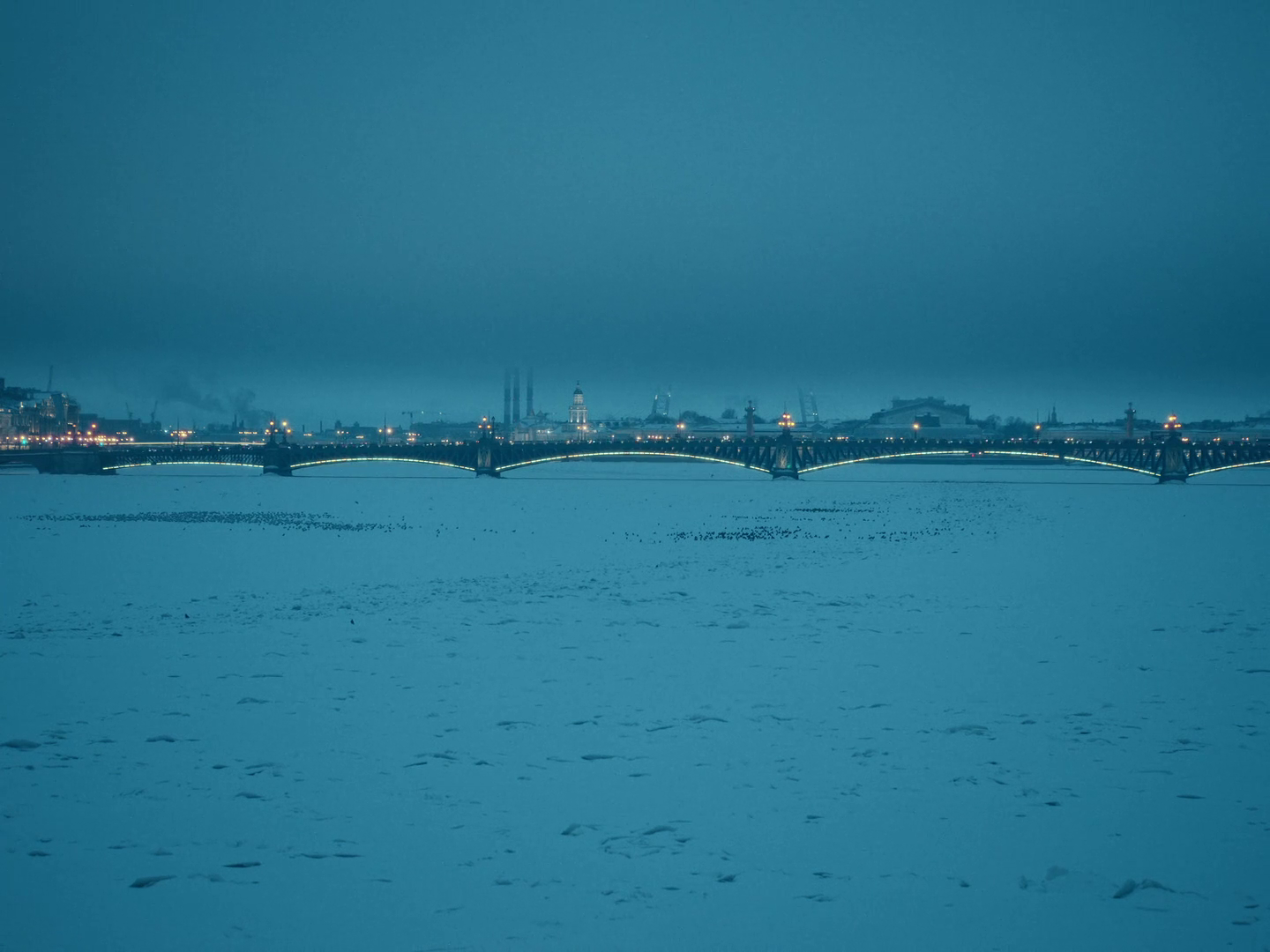
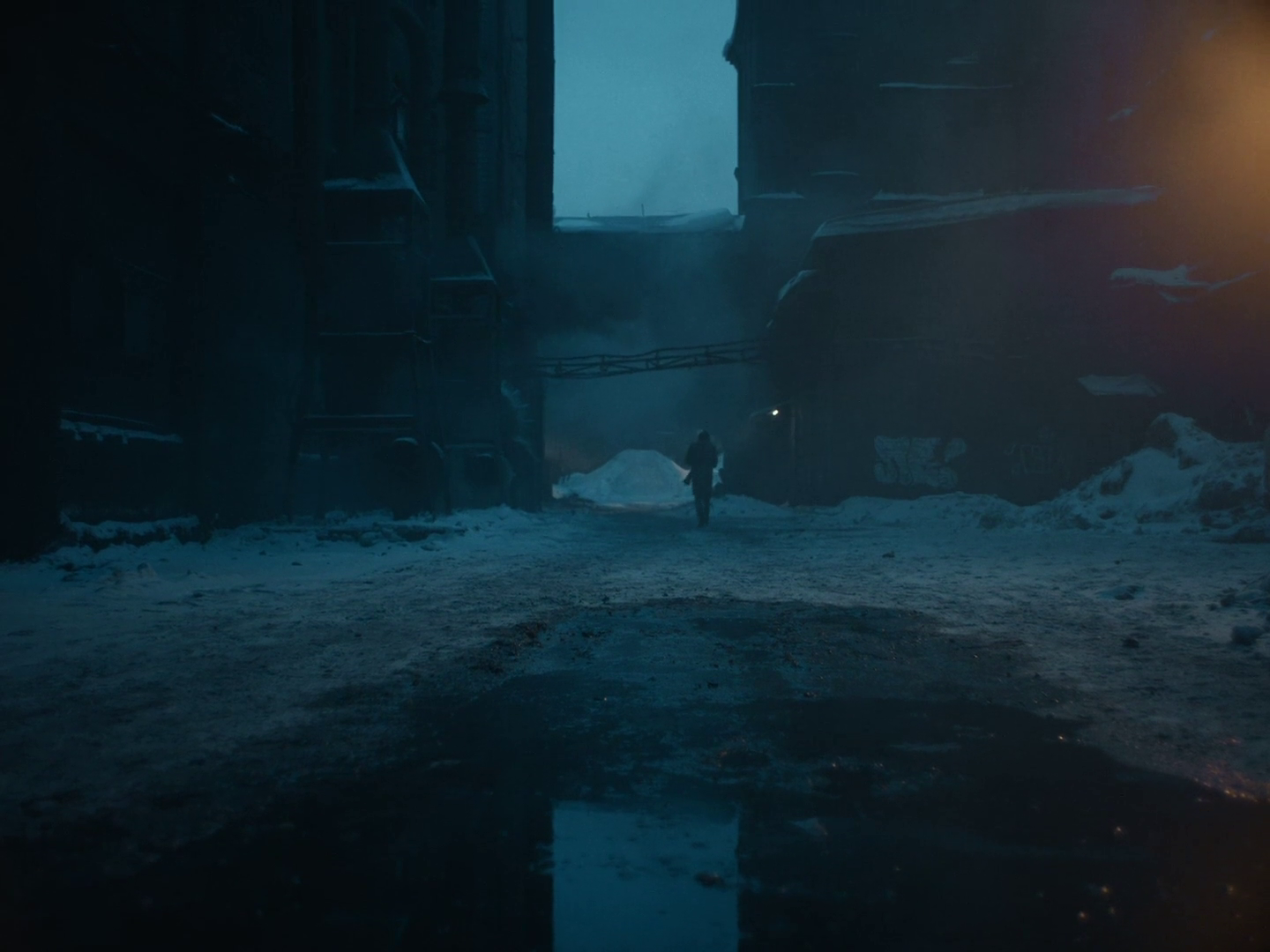
Setting the film in Saint Petersburg in winter clearly serves its purpose.
The snow, cold streets, dark buildings, and open spaces give the film a constant sense of isolation.
More significant, though, is the contrast between the city's beauty and its harshness.
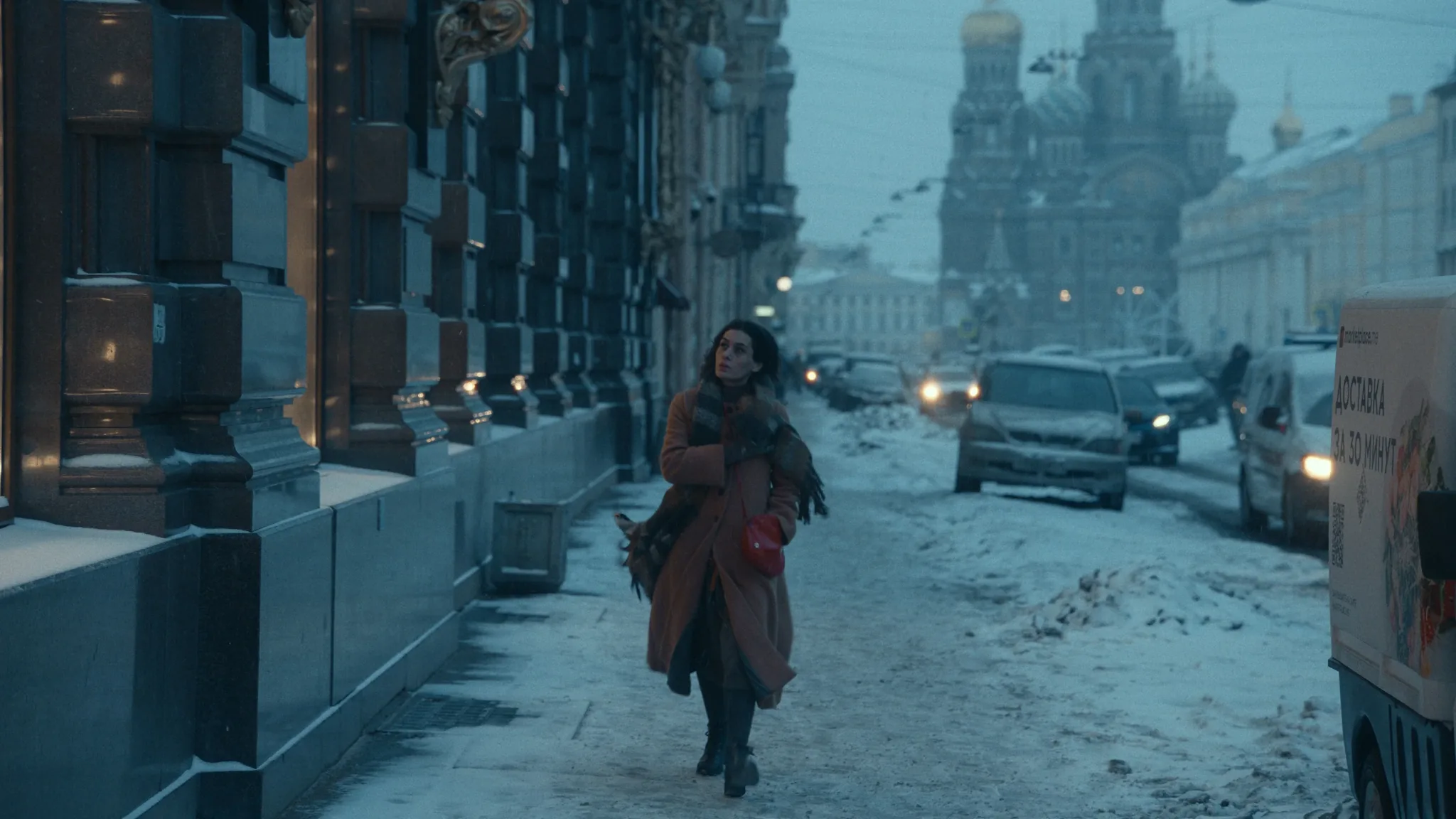
There is clear visual beauty, yet at the same time you feel that this city offers the characters no protection.
Even Vadim's apartment serves an important dramatic function.
Outside is a vast, cold city; inside is a cramped, dark space filled with traces of the past.
It is as though the characters are trapped between two different forms of isolation.
Cinematography that gives memory a physical presence
The cinematography is one of the film's greatest strengths.
The images do more than try to look beautiful. They use space, light, and color to convey the characters' emotional states.
There is clear attention to composition, especially inside the apartment, where antiques and old objects become extensions of memory.
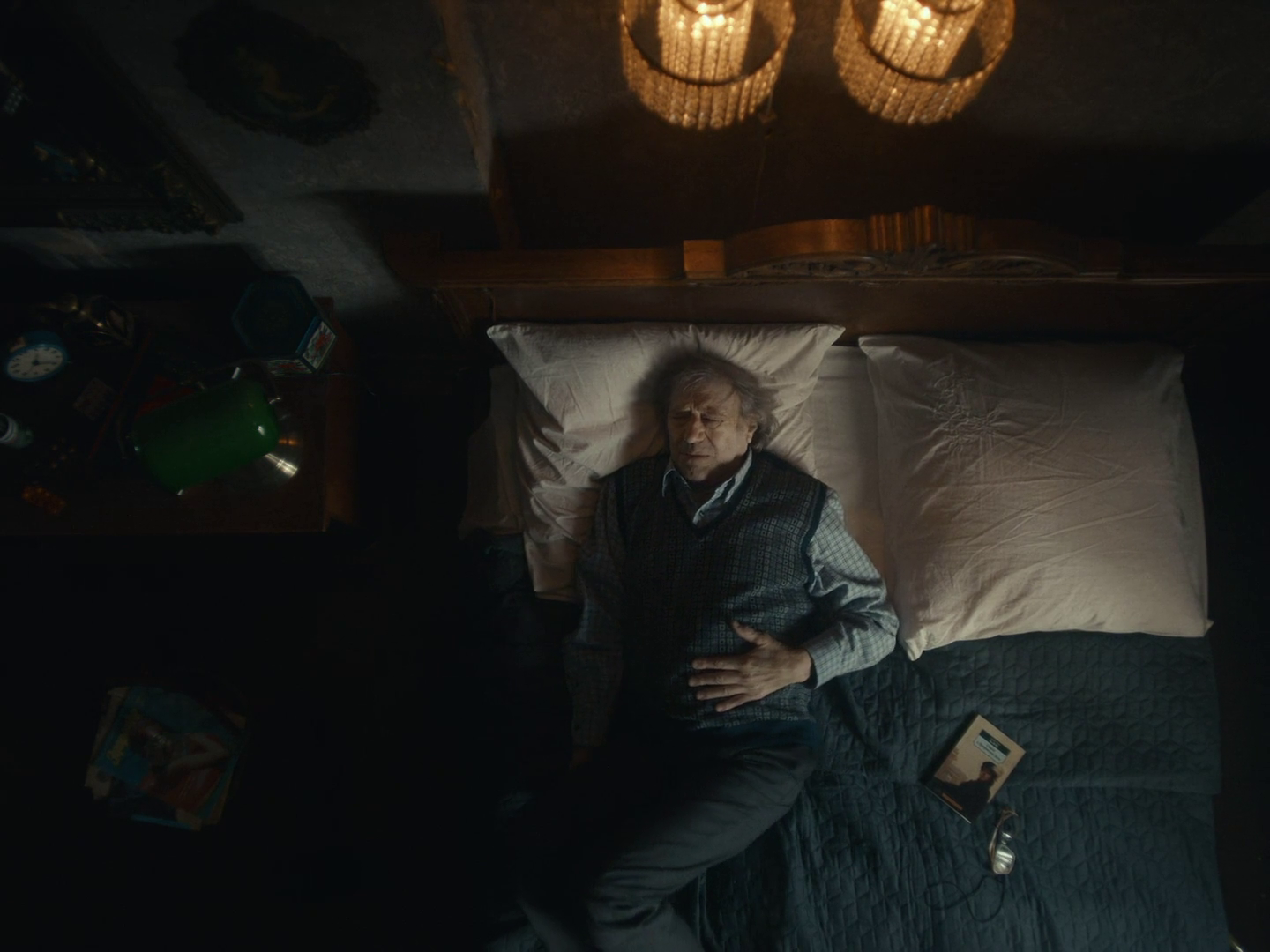
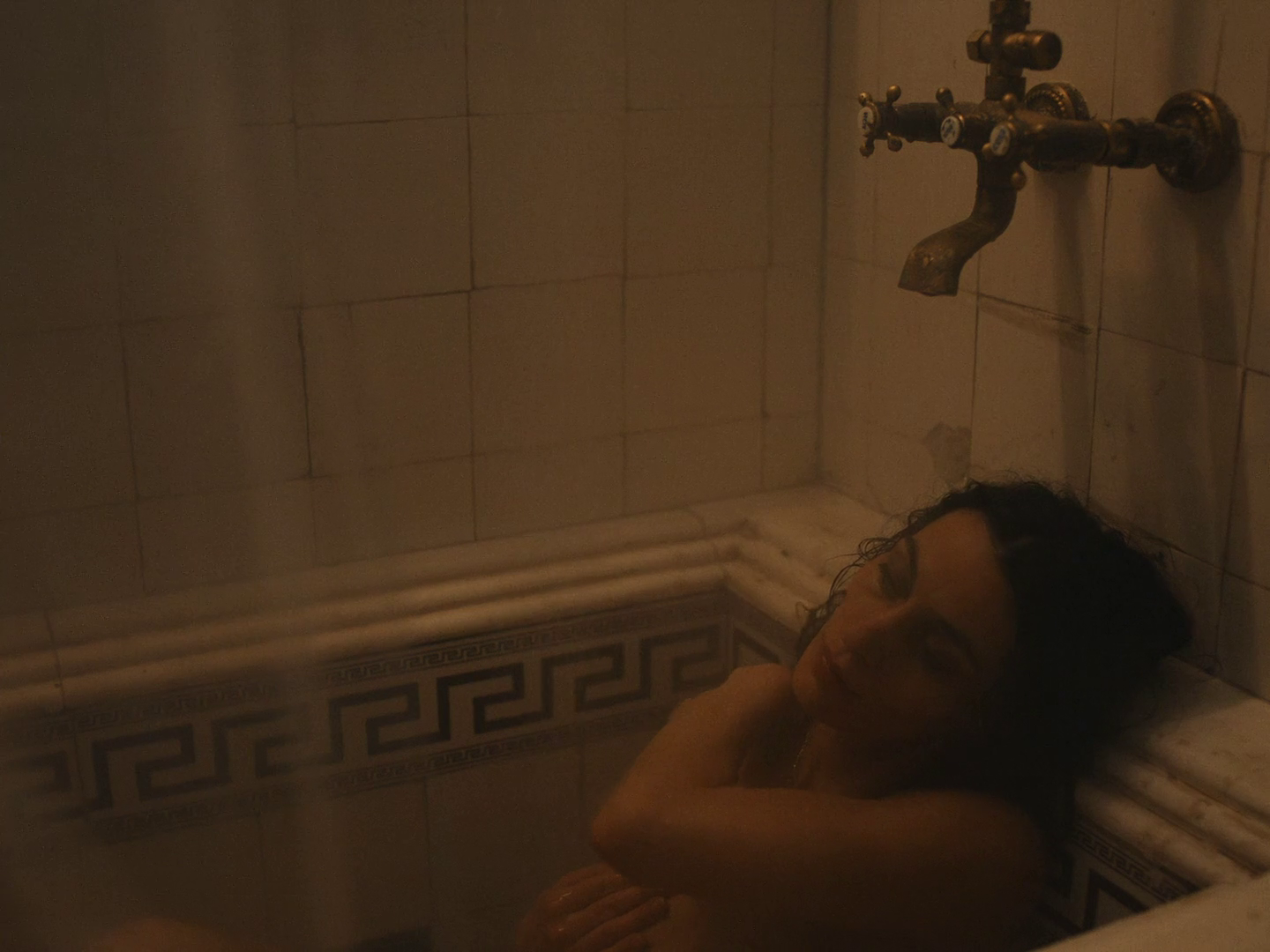
The exterior scenes give the film a sense of emptiness and loneliness, while the interiors create a feeling of suffocation.
This visual contrast between outside and inside recurs in ways that serve the film's central idea.
The camera also moves close to the characters and observes their small movements and understated reactions.
That is particularly appropriate for a film that relies as much on silence as it does on dialogue.

The strengths and limits of its slow pace
This is also where the experience may become difficult for some viewers.
The film deliberately moves at a quiet pace and leaves ample room for silence and contemplation, so it will not suit anyone looking for fast storytelling or a rapid succession of events.

Power and the fragility of home
Authority is more than a background presence in this film.
Deportation, fear, and surveillance make the characters feel that their lives could be changed by a decision beyond their control.
This is clear in the film's approach to power as a force capable of shaping a person's fate without much regard for their personal life.
In my view, though, the film is stronger when it translates that idea into a human experience instead of explaining it directly.
Instead of becoming a conventional political film, The Antique focuses on the harder question: what happens to a person when their sense of belonging somewhere is taken away?
Medea and Lado's story then becomes more than simply a story about immigrants.
It is about the fragility of home when identity itself becomes a source of danger.
Final verdict
Final verdict
This is not only a film about deportation or politics, but about people trying to find a sense of belonging in a world that continually takes it away. I particularly admired how Rusudan Glurjidze used space, winter, antiques, and silence to build the characters' emotional states instead of relying on dialogue to explain everything. On the other hand, the film's very slow pace may be an obstacle for some viewers, and some of its ideas might have been more affecting had it insisted less on contemplation at certain moments. Ultimately, though, The Antique is a weighty, quiet human experience. Its real strength lies not in its events, but in the way it makes us feel its characters' loneliness and their simple need to have another person beside them.
Your turn
Do you think the film succeeded in turning a story of displacement into a human story about loneliness and belonging, or did its slow pace make its message less affecting?
AUDIENCE VOTE
Do you agree with the MB rating?
Choose once from this browser. You can change your answer at any time.