The review
Screenplay and dialogue
The screenplay centres on Leo’s journey of personal discovery, outwardly a conventional one: a teenager, inner conflict, social pressure, then accepting himself. But the problem lies in the construction rather than the idea.
The beginning shows promise, giving us: A suppressed inner conflict Unstable relationships An underlying tension between desire and fear
All this is built relatively well in the first half, particularly through: Leo’s relationship with his friend Boof His confused relationship with Monique
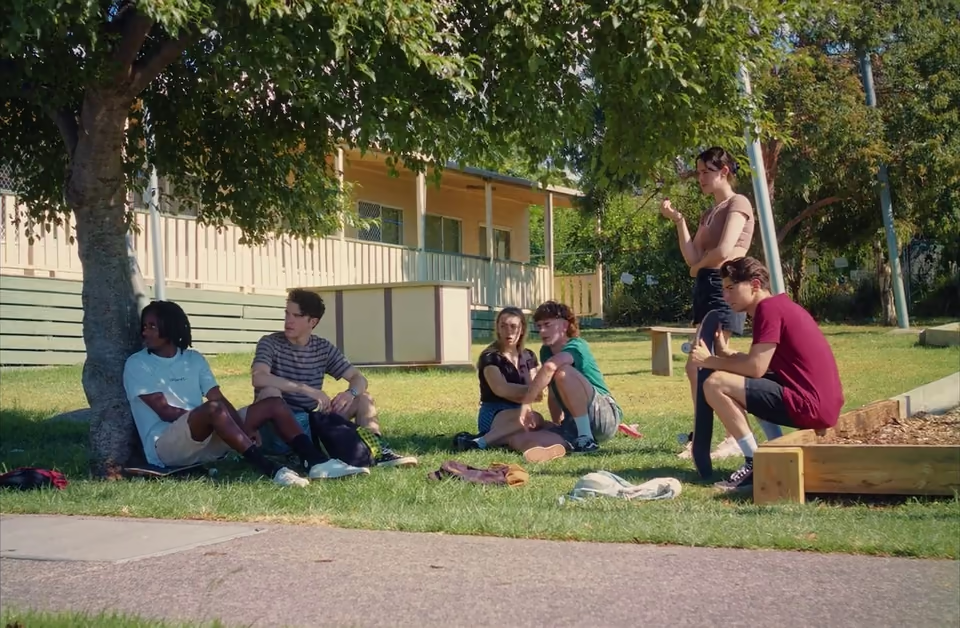
As it progresses, however, the screenplay becomes reductive, as though all the complexity it established can be discarded with remarkable ease just to arrive at a direct message.
This was precisely where I felt the film did not trust the viewer’s intelligence, explaining everything instead of making us feel it.
The plot carries considerable potential at its core: A conflict between identity and desire Pressure from society and family Fear of rejection and violence
Yet the execution becomes superficial at crucial moments.
For example: Leo’s psychological changes happen with unjustified speed Relationships develop without sufficient groundwork The ending feels arranged rather than arising from events
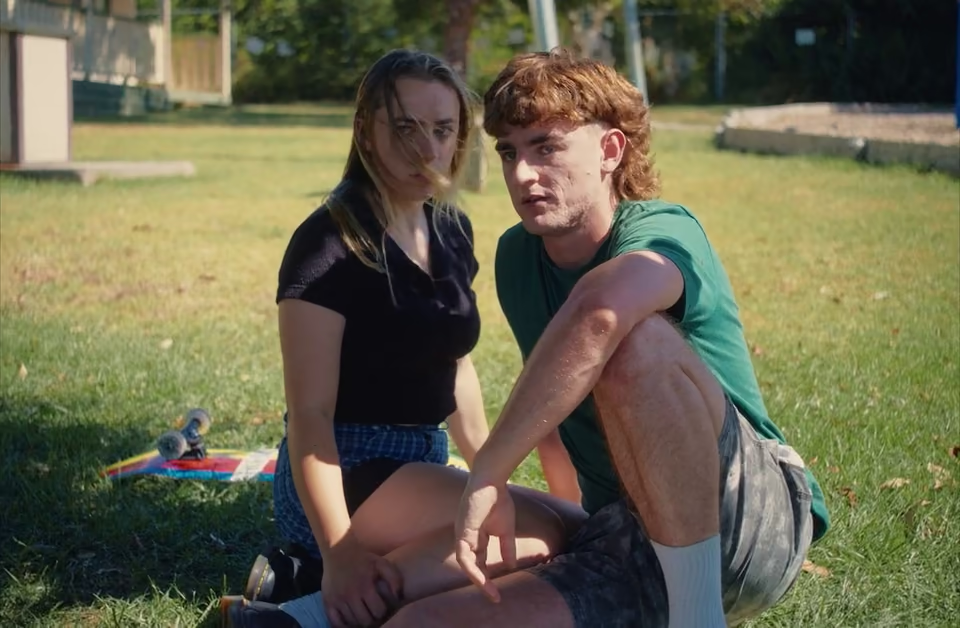
It is as though the screenplay were heading into dark, honest territory, then suddenly retreated and chose the safe path.
At times, the dialogue is good and simple, particularly in: Family scenes Silent tensions
At other times, however, the dialogue feels: Excessively direct Closer to educational messages Or like unnatural philosophical pronouncements
It is the kind of dialogue that feels written to be spoken rather than lived.
Leo
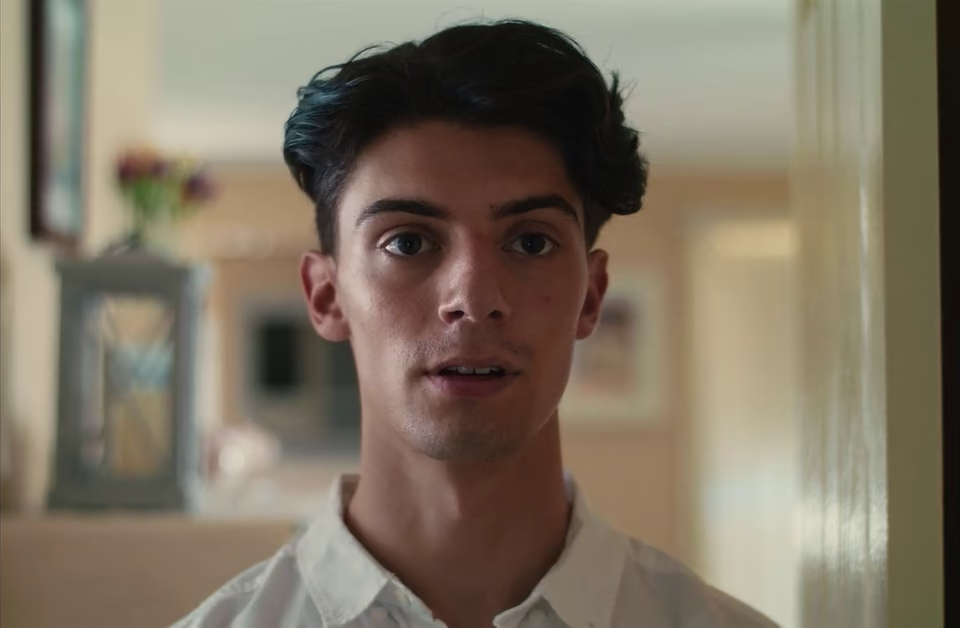
A character with a real conflict, but the screenplay does not give him enough depth. We see him suffer, certainly, but we never fully understand him.
Boof
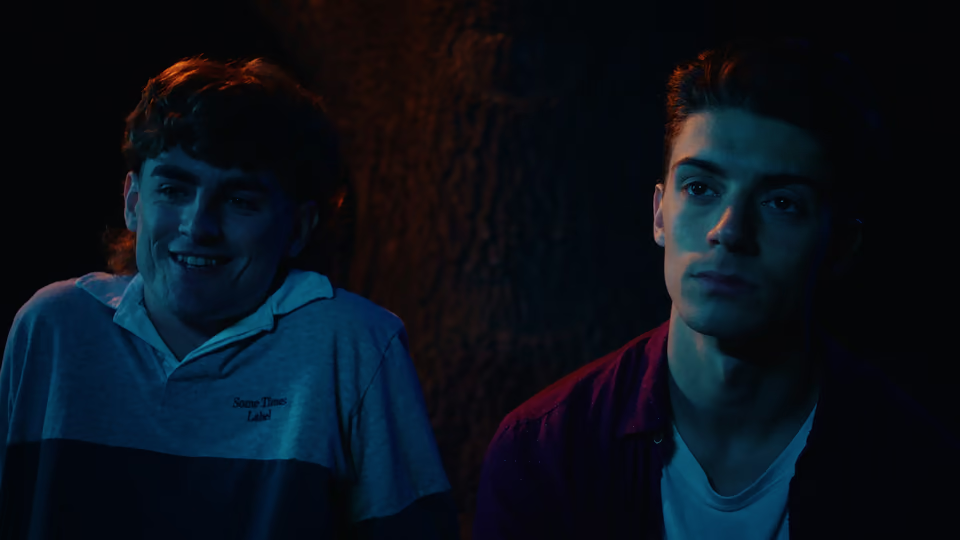
One of the screenplay’s strongest elements: Repressed tension Fragile masculinity Desire concealed through violence
This character held enormous dramatic energy, but it was never used as it should have been.
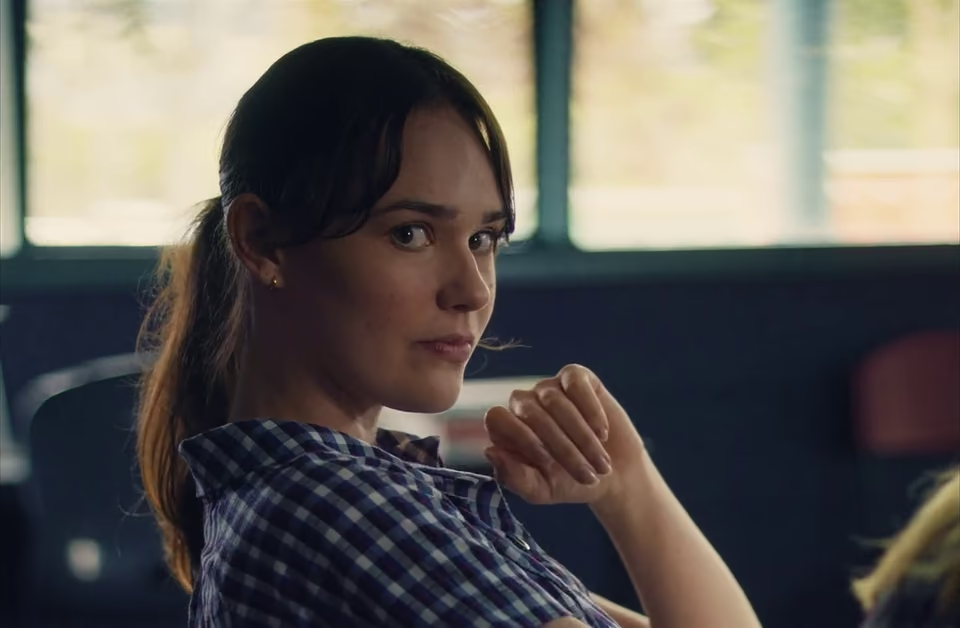
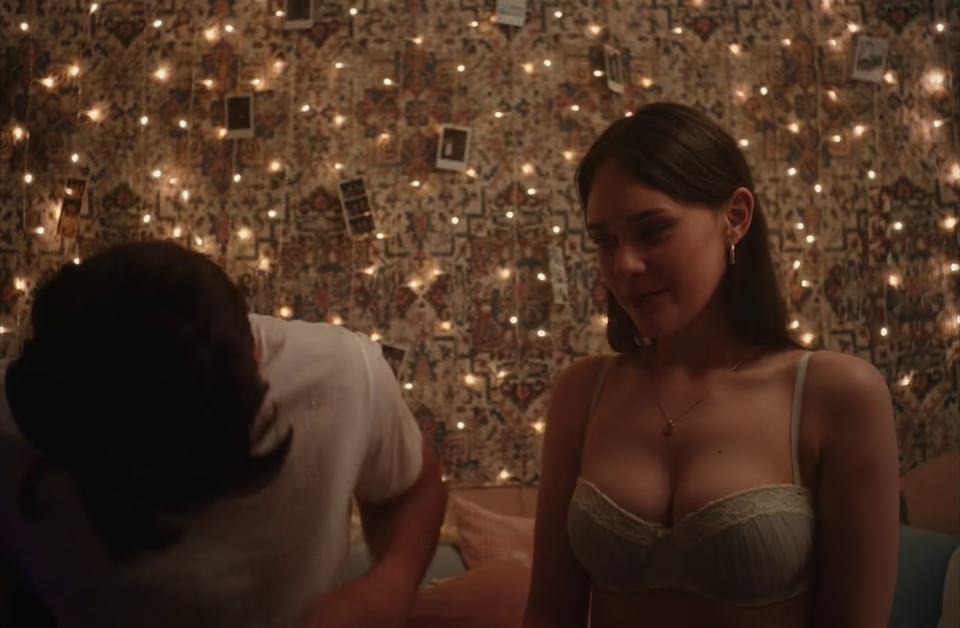
Monique
A human character written with moments of honesty, especially in the intimate scene, but used more as a dramatic device than a fully realised person.
Cam
The relationship with him represents comfort within the story, but it feels: Too easy Without real conflict Without warmth or passion
This costs it a large part of its credibility.
The message and the strongest moments
The film makes its message very clear: Accepting oneself Resistance to social pressure Support for identity
These are undoubtedly important messages. The problem is the screenplay’s insistence on presenting them directly and repeatedly.
It feels as though the film wants to teach you rather than make you feel.
This is precisely where the impression emerges of: An agenda being shoehorned in without sufficient dramatic construction to support it
The message keeps preceding the event rather than growing out of it.
Despite all this, there is no denying the presence of strong scenes, notably: Monique’s scene in the room Moments of tension between Leo and Boof The family dinner scenes
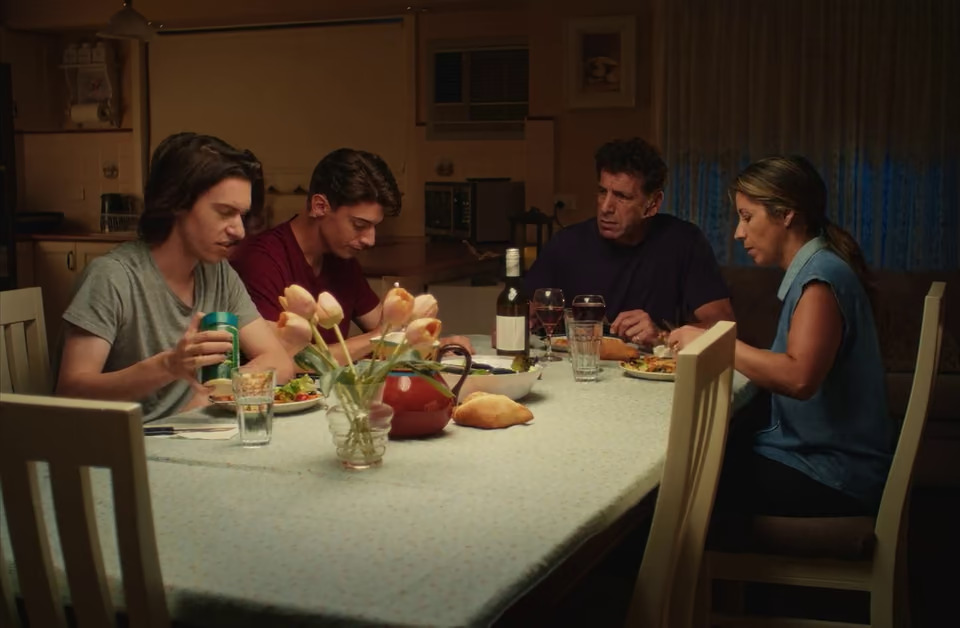
These moments are: Honest Human Alive
Unfortunately, they remain scattered flashes within an incohesive work.
Pacing and direction
The film is relatively short, and its pacing is fast. Here, however, that speed is a weakness rather than a strength.
Because: Events pass without taking hold Changes are not given time Emotions do not mature
The screenplay seems afraid to pause, and loses depth as a result.
The problem is that this vision, despite its sincerity, is too direct, as though it were explaining itself instead of suggesting and leaving room for interpretation.
The direction favours simplification over complexity, explanation over suggestion. Instead of letting the image speak or the moment breathe, it sometimes pushes a scene towards a particular meaning, overtly and perhaps insistently.
Despite artistic attempts, such as playing with the aspect ratio at the end, they feel borrowed rather than arising from within the film, like a formal addition rather than an organic extension of the vision.
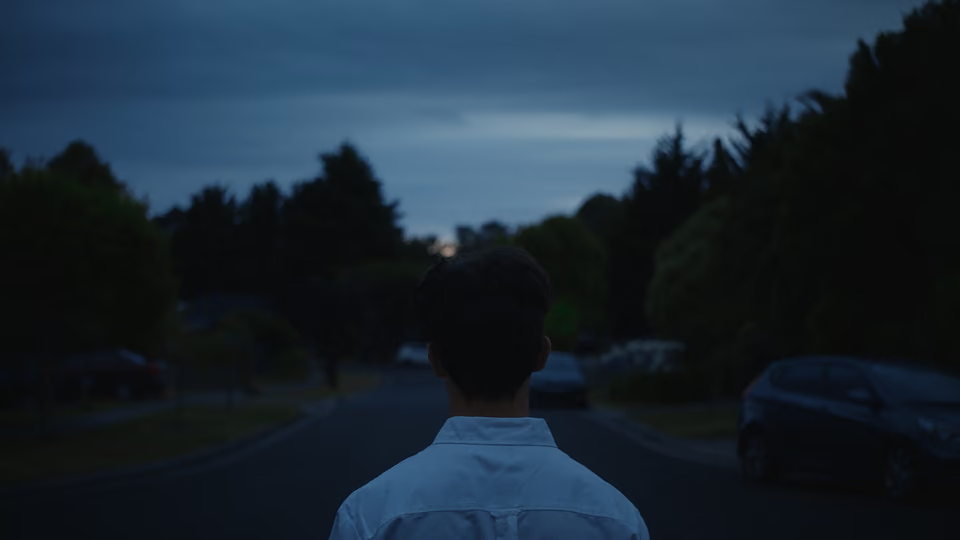
Simply put: A sincere vision that lacks boldness in expression and intelligence in what it conceals.
Cinematography and lighting
The cinematography contains some genuinely beautiful moments, particularly in: Quiet shots Scenes of isolation The use of natural light
There is a sense of an attempt to create an intimate, close world, sometimes warm and at other moments cold, in service of the protagonist’s psychological state.
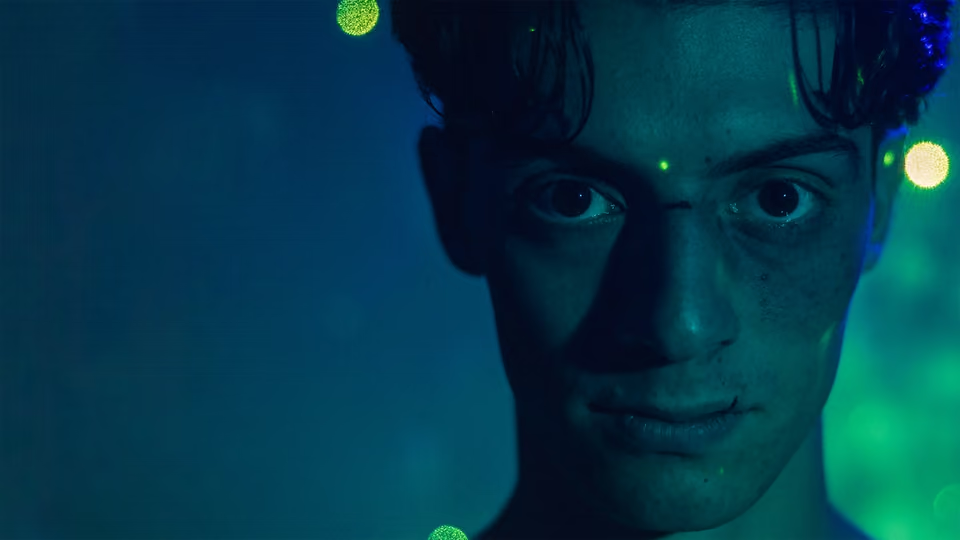
The problem is that this visual beauty sometimes feels: Detached from the drama Or repeated without clear development
The lighting is also soft and comfortable, but it is not used deeply enough to create strong psychological or symbolic layers.
The image is beautiful, yes, but it does not always add a new meaning.
Final verdict
Final verdict
The film is: Sincere in its intentions Weak in its execution Limited in its depth It begins with real human qualities, then gradually slides into direct exposition, choosing safety over confrontation and simplification over complexity. More an amateur effort than a complete experience, it tries to be important without being convincing. It wants to light the way, but forgets that shadow is part of the story.
AUDIENCE VOTE
Do you agree with the MB rating?
Choose once from this browser. You can change your answer at any time.