The review
Leaving the city is only the beginning
Maia feels uncomfortable in the city and tries to lose that discomfort in noise, fleeting relationships and routine. Leaving her studies behind to pick oranges gives her a new setting, but it does not instantly solve what troubles her. She still fears what others will see if she stops hiding parts of herself.
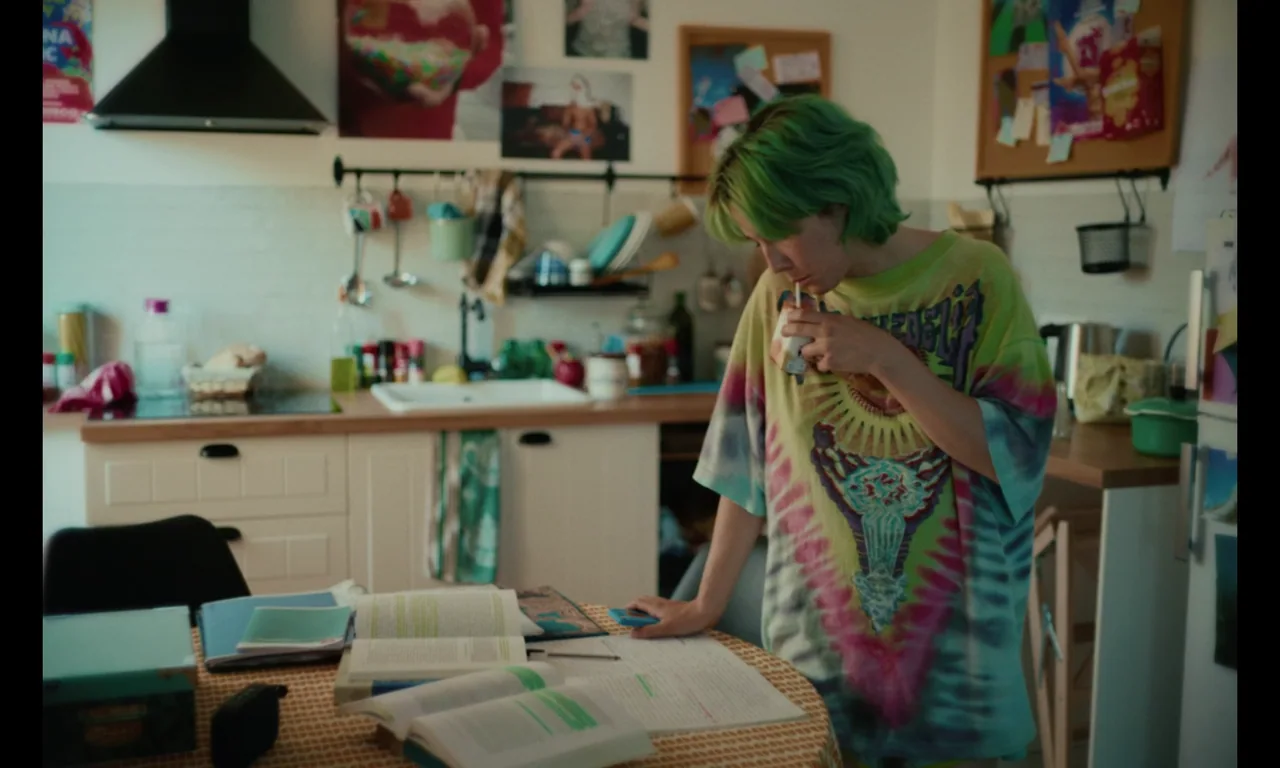
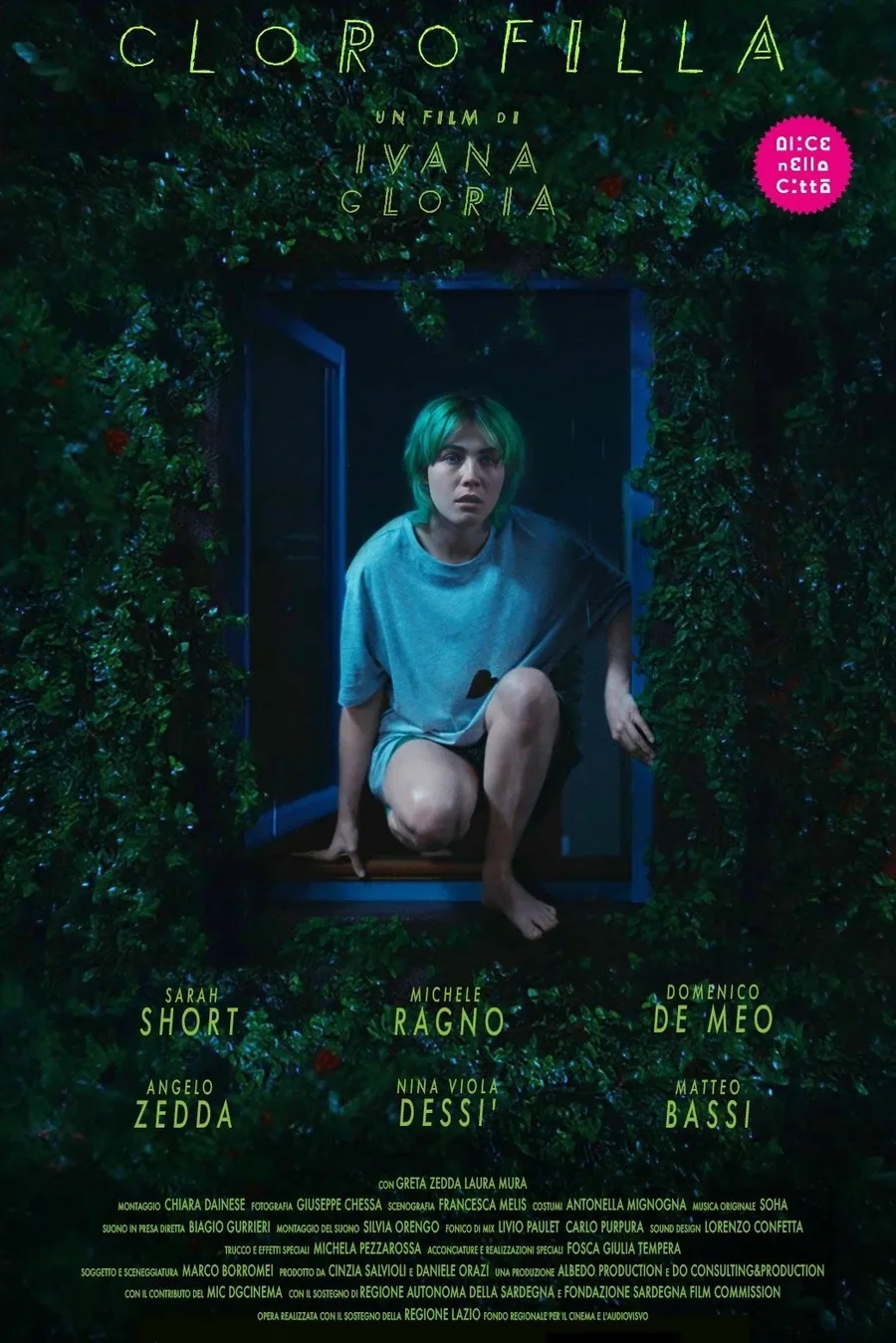
Her green hair is more than a striking character detail. It is an early sign of the difference she cannot yet accept. The film wisely keeps her unease personal before it becomes fantastical, so her journey begins with a recognizable fear of being seen as she really is.
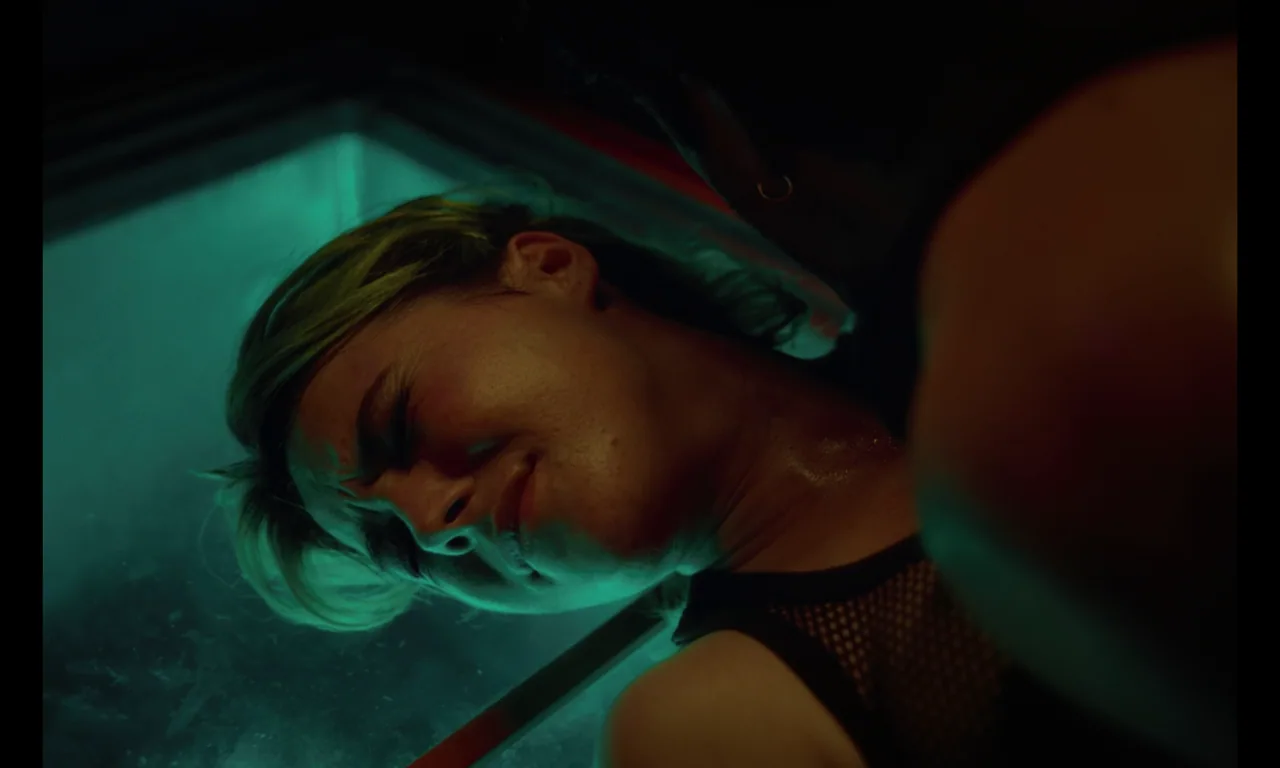
Teo has his own reasons for hiding
Teo resembles Maia in his distance from other people, but he has dealt with it differently. He has made the orchard and its plants his world. The loss of his mother and the strain in his relationships with his father and brother help explain why this solitude feels like refuge as much as habit.
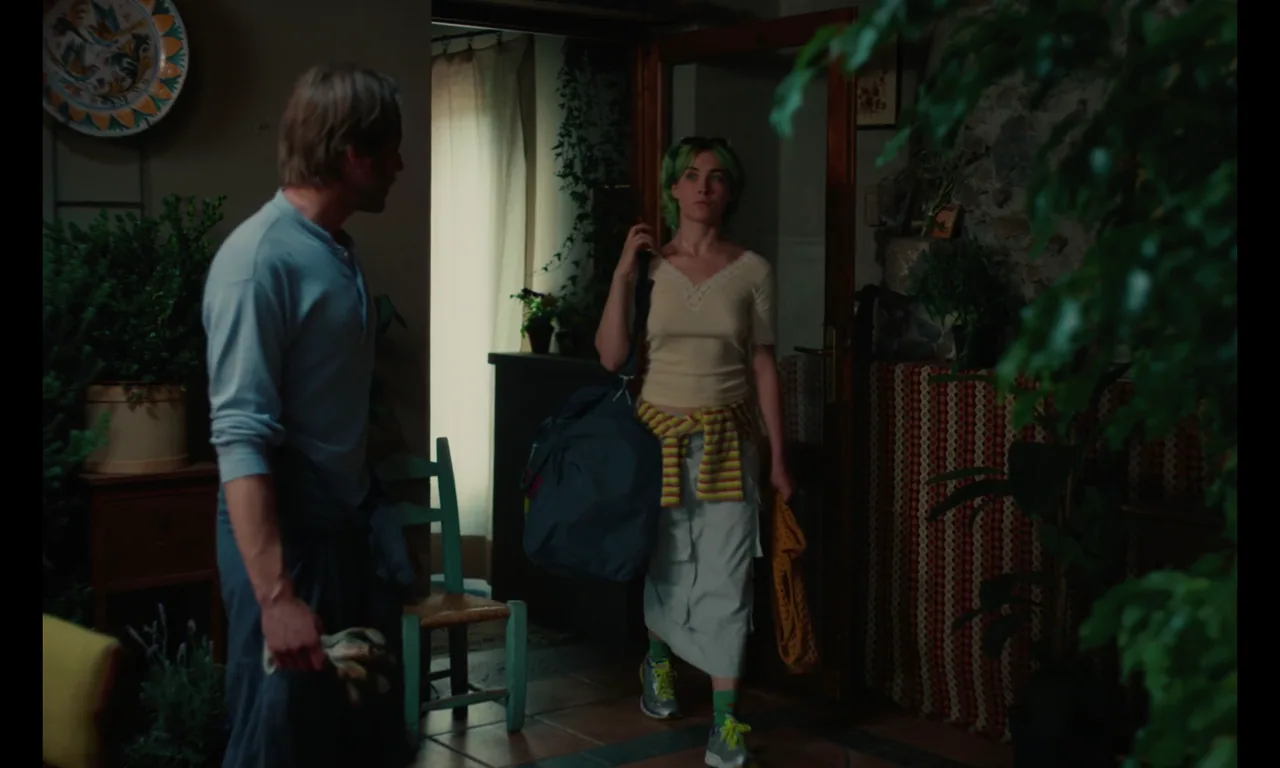
That makes him more than a helpful figure placed beside the heroine. He also needs to move toward another person. Maia begins to make room for that possibility, while he offers her the patience she needs to approach what frightens her about herself.
A friendship that grows at its own pace
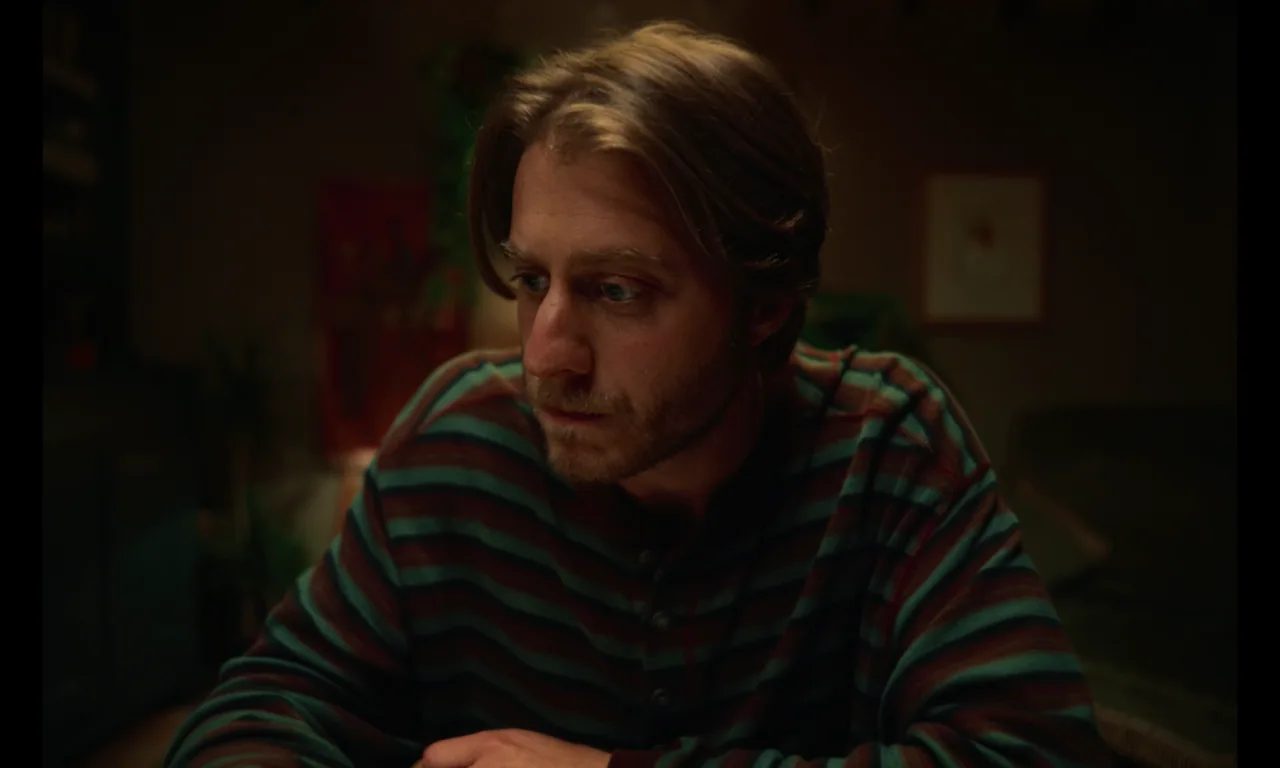
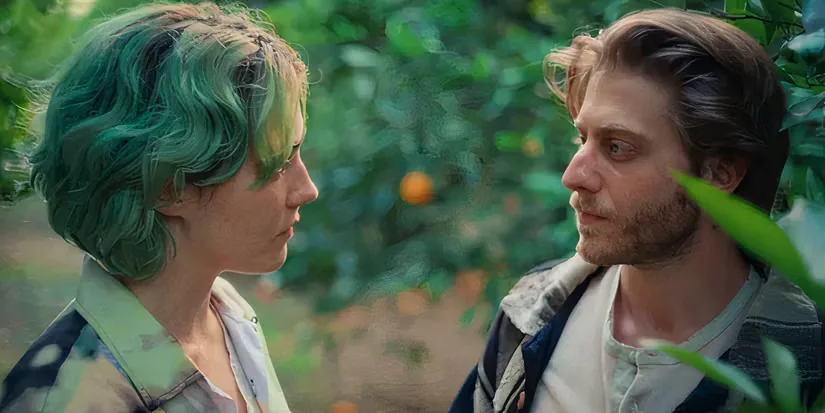
The film does not force their connection into a conventional romance. At first Teo resents an interruption to his solitude, and Maia finds his devotion to plants strange. Working in the orchard gives them an everyday language: the way he teaches her to handle fruit gently also tells us how carefully he can treat another person.
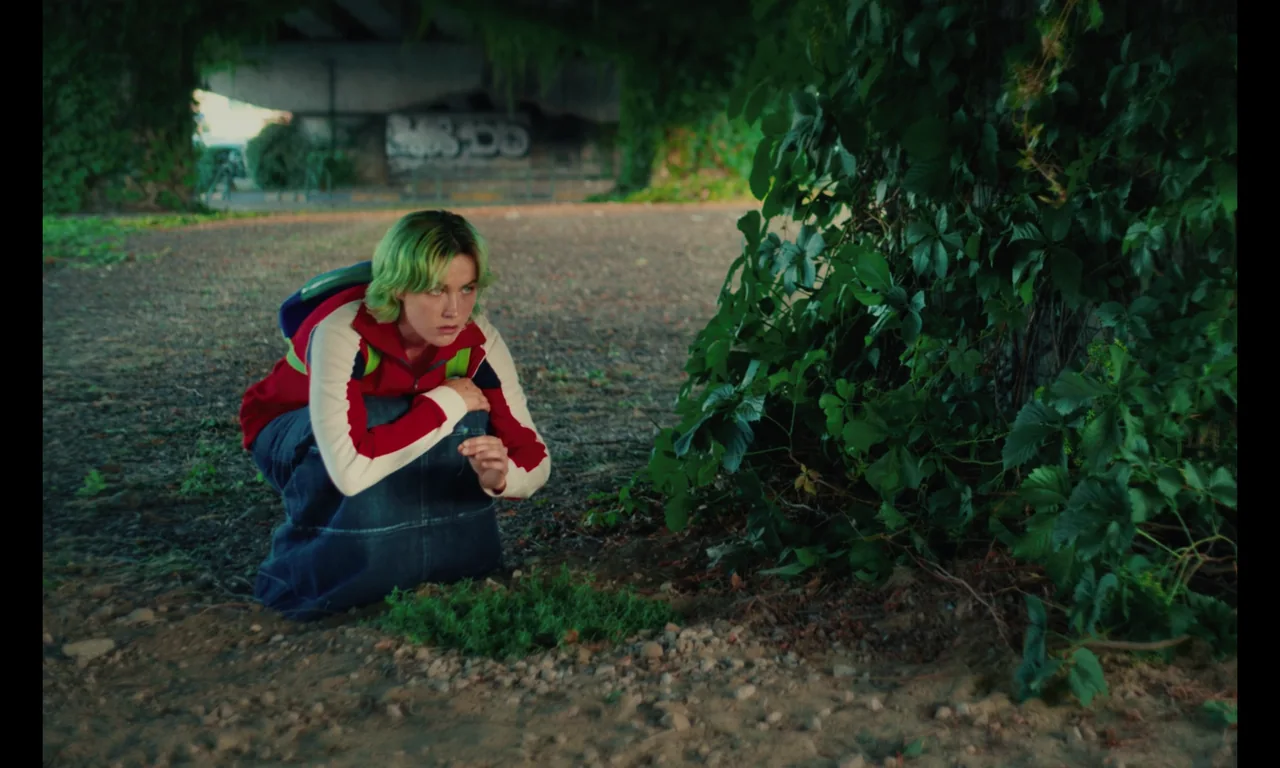
They gradually share things they could not say elsewhere. Their closeness works because neither is asked to become a copy of the other. They begin to feel understood through their differences, and their quiet moments often carry more feeling than a declaration would.
What Maia has been trying to conceal
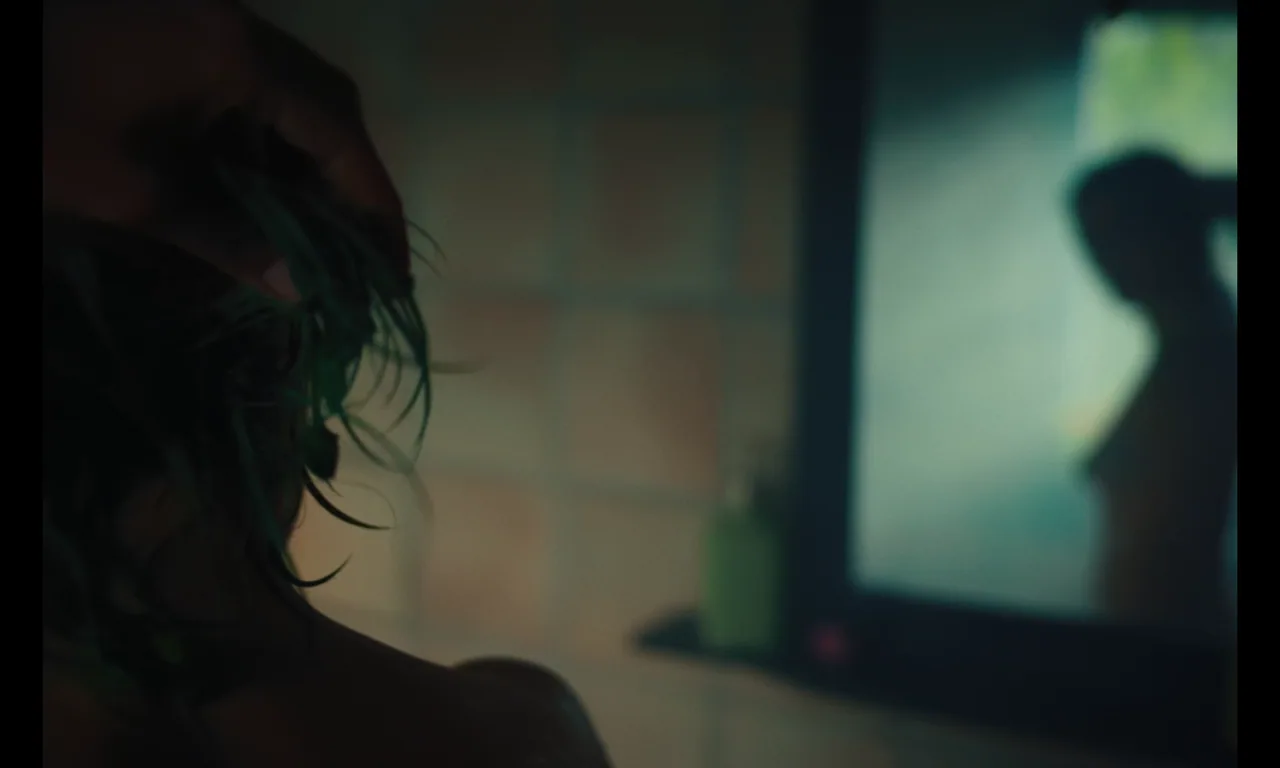
Maia's transformation is not introduced as one dramatic twist. Her hair, the green substance she expels, the scent Teo notices and the small blue flowers in her hair gradually suggest that her relationship with the natural world is literal. The film lets these details accumulate before making the fantastic element clear.
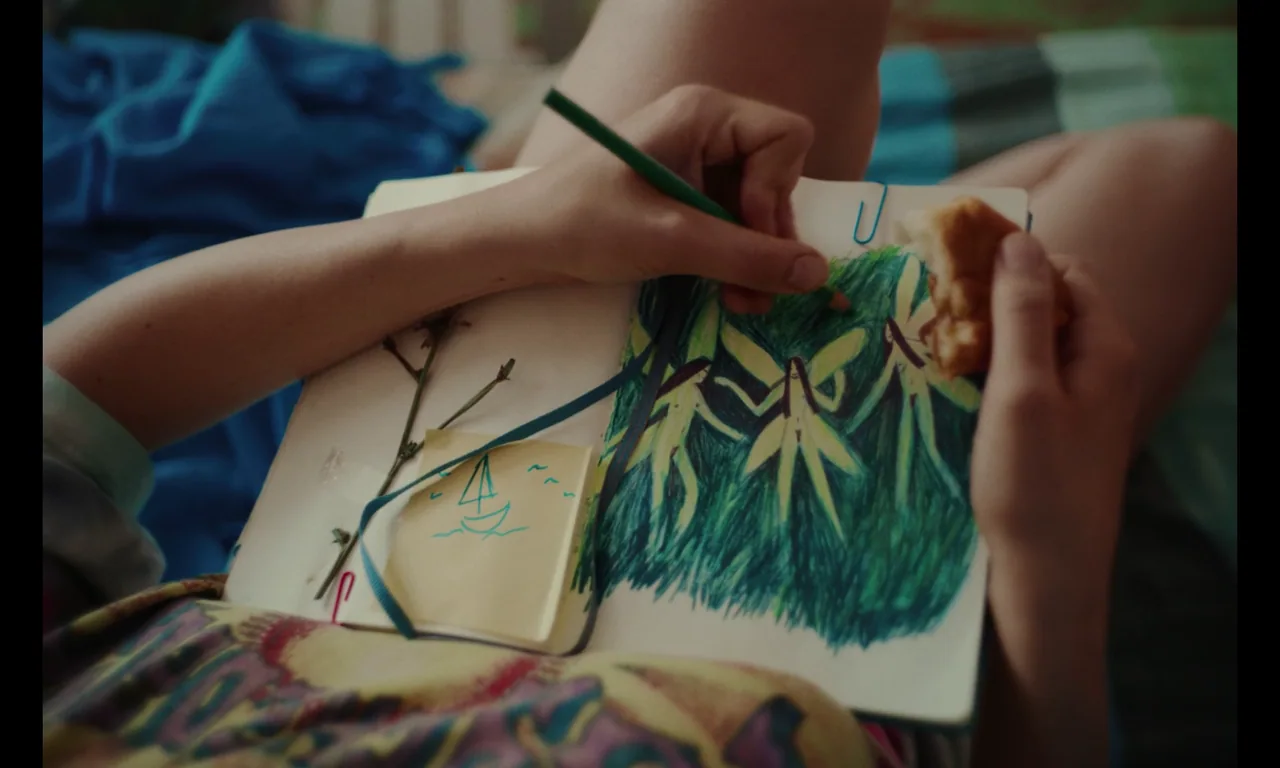
I like that the story does not spend its energy explaining exactly how she became this way. Its real question concerns what she will do when she can no longer deny her nature. The fantasy becomes an image of accepting an identity she used to treat as a defect.
An orchard that feels alive
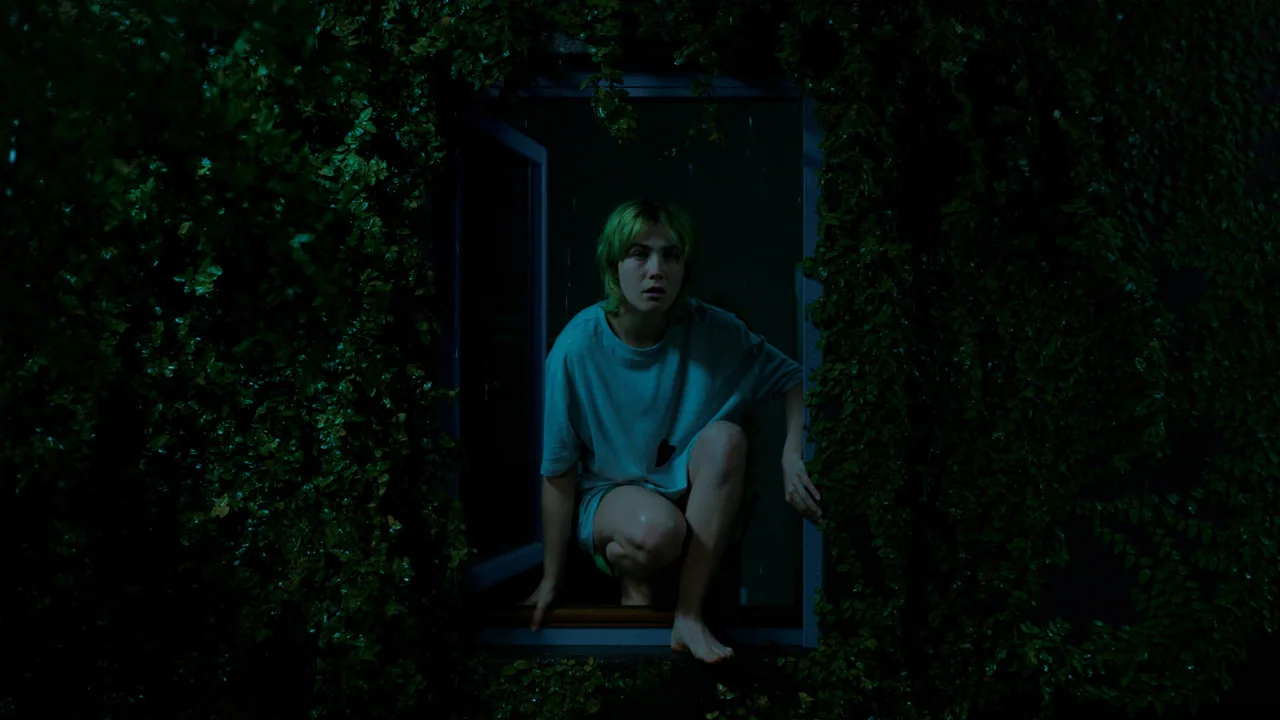
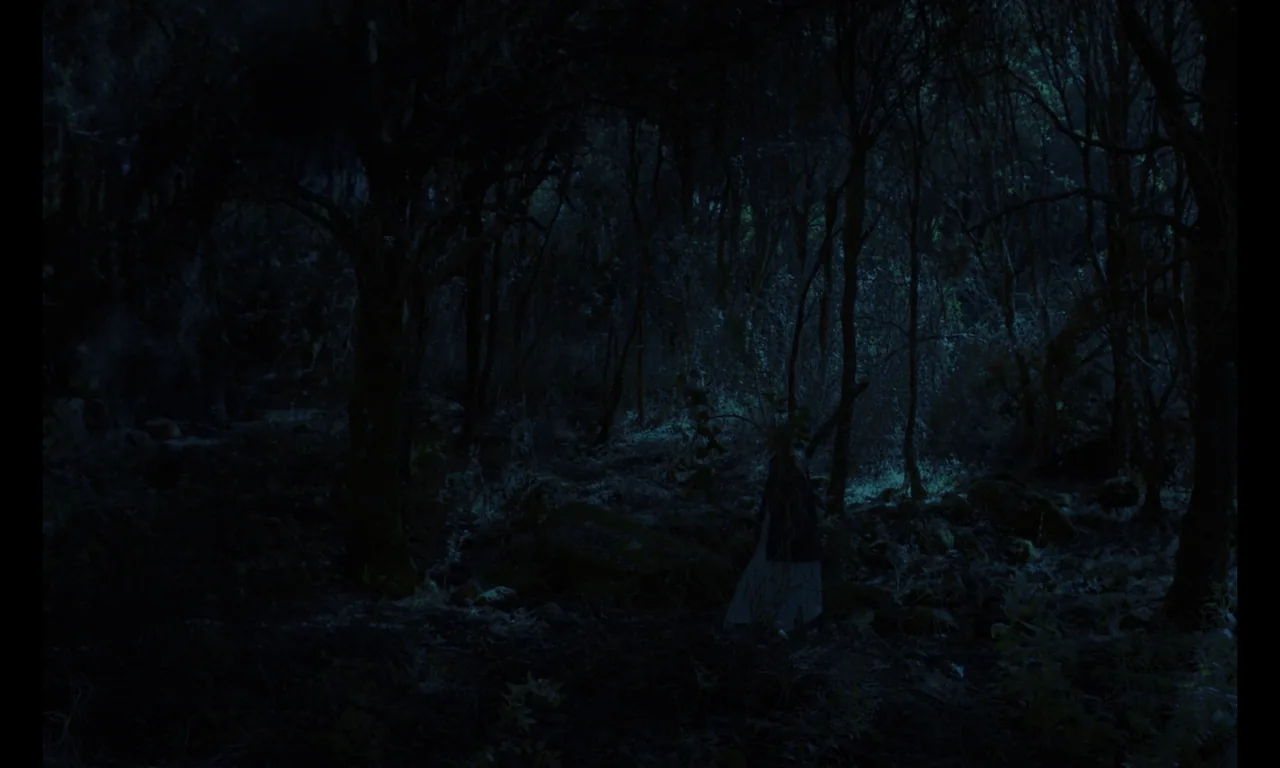
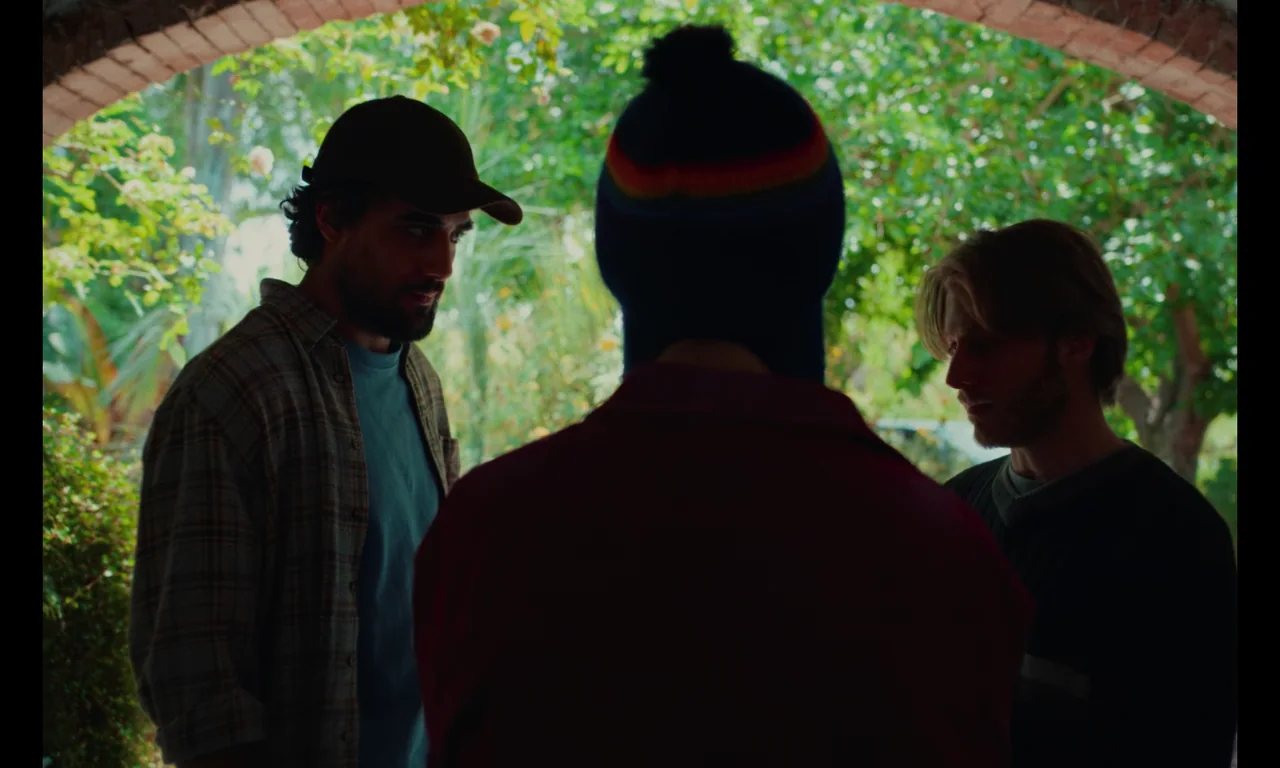
Trees, vines and flowers keep pressing into the frame, while the sounds of the forest make even a quiet night feel unfamiliar. Plants also fill Teo's home until the boundary between living space and nature begins to blur. The environment expresses what Maia struggles to put into words.
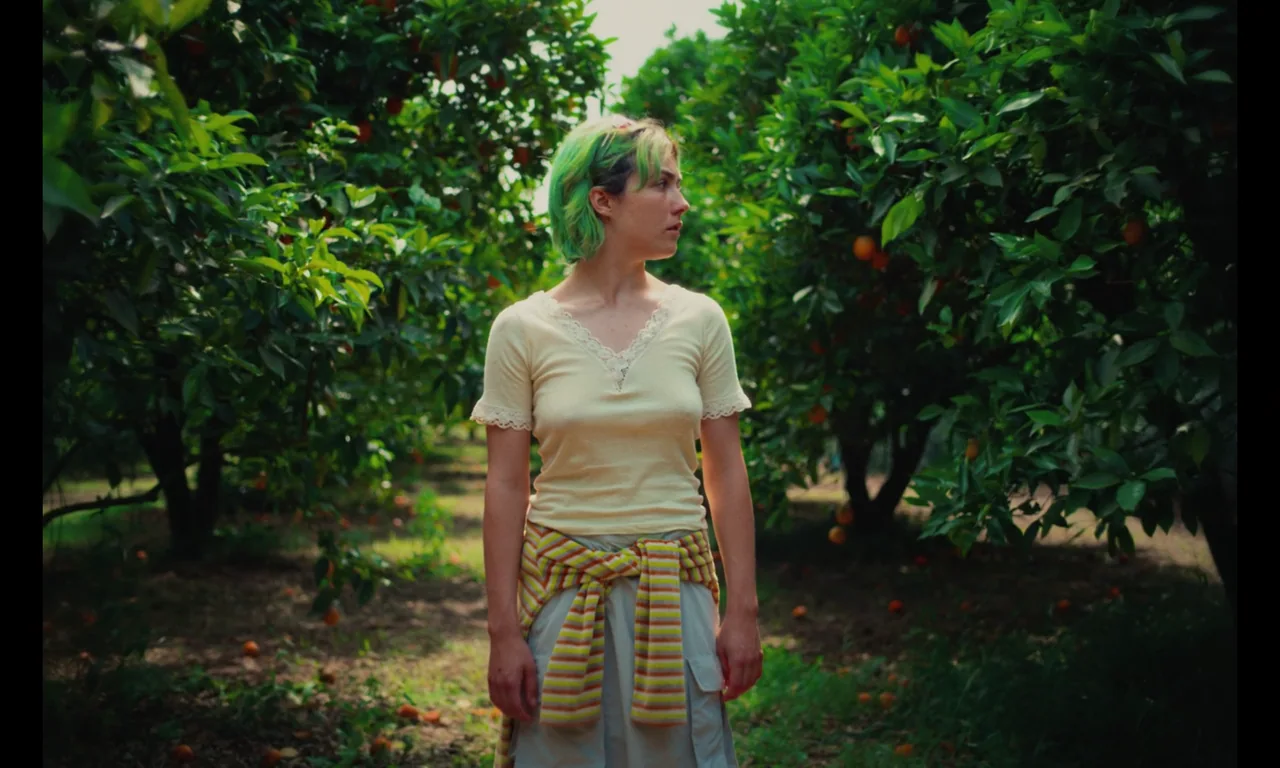
The contrast with city lights and electronic music gives the film two different textures. In the countryside, warm daylight and deep greens suggest a world that can be comforting and strange at once. The cinematography makes Maia's movement between these worlds something we feel rather than merely understand.
When the green becomes too obvious
Green appears in Maia's hair, the fields and the spaces around her. As she grows more willing to accept herself, nature becomes more visibly present in her body and in the frame. The connection is coherent, and its directness suits a gentle fantasy that is not trying to be a mystery puzzle.
Still, some visual ideas are stated so clearly that there is little left for us to discover. Ivana Gloria's direction is strongest when an image is allowed to linger without underlining its meaning; at other moments the symbolism starts to explain itself.
Two restrained performances
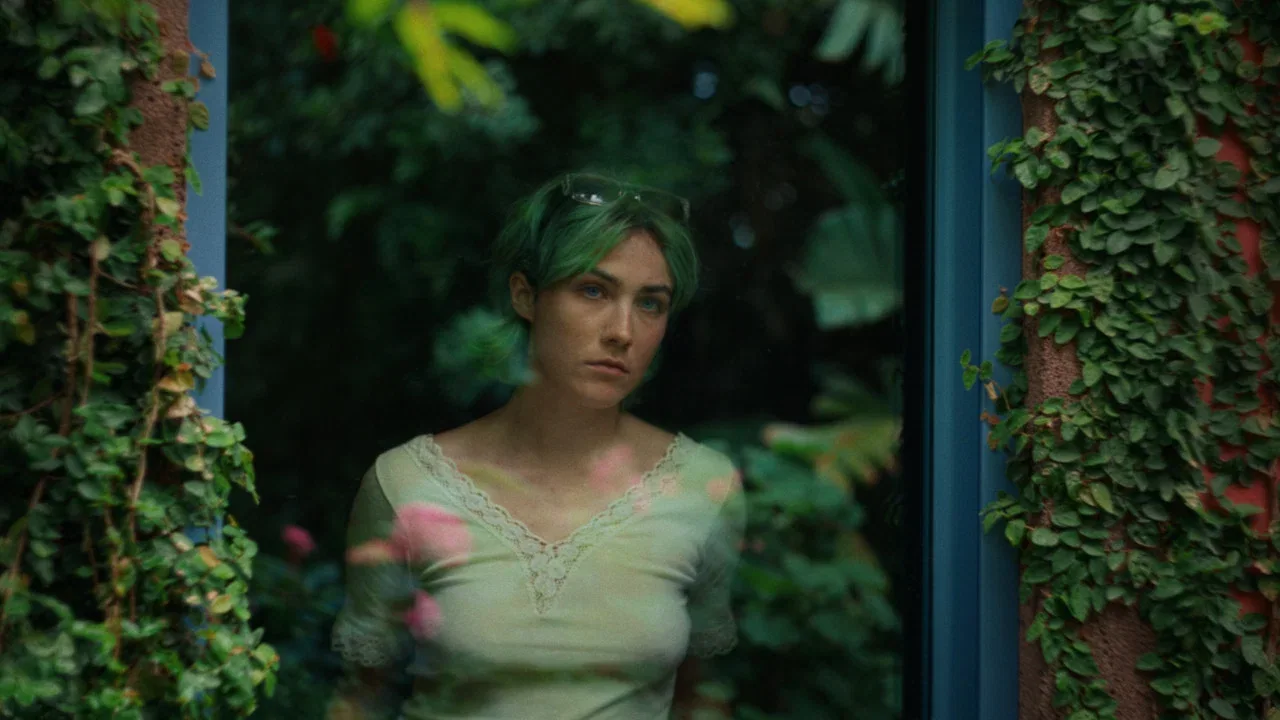
Sarah Short gives Maia sensitivity without relying on large emotional outbursts. Small shifts in her face carry the movement from confusion and self-consciousness toward acceptance. Michele Ragno makes Teo shy without turning him into a weak or purely supportive character; he has a private world and problems of his own.
Their chemistry is most convincing when they are simply sharing a space. The camera often lets a face, a hesitation or a look across a room say what the dialogue holds back. This quiet approach is one reason I wanted more time with both characters.
A film whose short length becomes a limit
At 75 minutes the film benefits from a light touch, but it also ends just as Maia and Teo's bond has become especially interesting. His family relationships, her changing body and the space they have built together could all use more room. Some of the most evocative images barely have time to settle.
The story's outline also follows familiar paths: someone who feels different leaves home, meets another outsider and learns to accept herself. The union of that pattern with the film's sensory natural world gives it personality, though its beauty sometimes runs deeper than the writing.
What stays with me
The strengths are Maia and Teo's believable connection, the two understated performances, the orange orchards and the way the surroundings take part in the story. The film turns a fantastic premise into a warm account of feeling different and finding a way to live with it.
Its weaknesses are the compressed running time and images that occasionally spell out the metaphor instead of trusting us to see it. Several relationships and ideas deserve the space that the film does not quite give them.
Final verdict
Final verdict
Chlorophyll is a small, gentle film with a visual identity of its own. I most admire its decision to treat Maia's difference as something she can learn to understand, rather than a flaw to remove, and the friendship with Teo gives that idea an emotional center. Ivana Gloria makes plants, light and color part of the story. Yet 75 minutes is enough to introduce this world, not always enough to explore it; the film sometimes explains its own symbols before the characters have had room to breathe. For viewers open to a quiet fantasy driven by atmosphere and relationships, there is still much to appreciate. My rating: 6/10.
Your turn
Would you have preferred the film to explain Maia's nature in more detail, or was leaving some questions unanswered the right choice?
AUDIENCE VOTE
Do you agree with the MB rating?
Choose once from this browser. You can change your answer at any time.