The review
Screenplay and dialogue
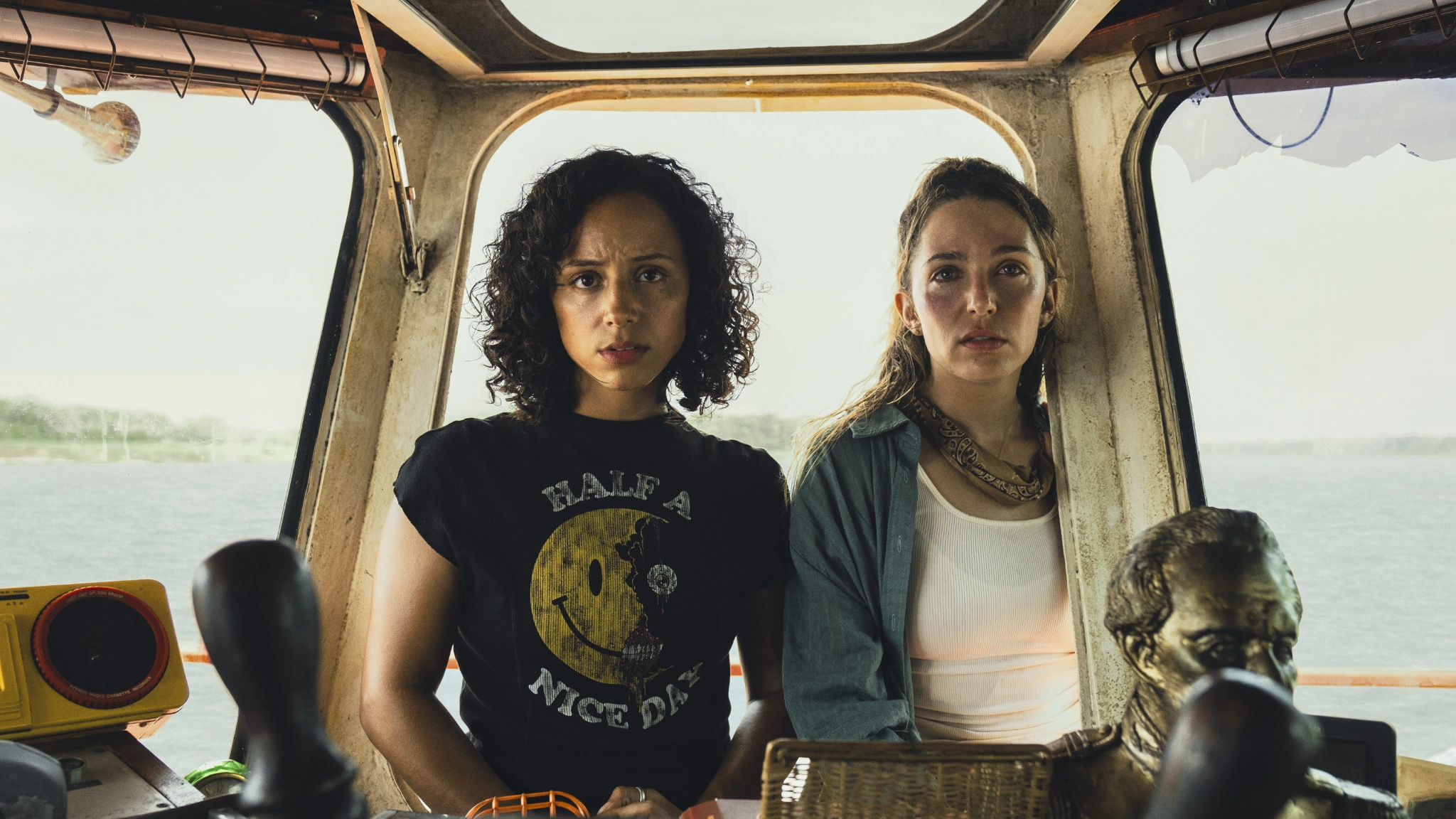
The story takes place in Colombia, near the Amazon River, where a medical group arrives by boat to help people in local villages. The group includes Allie, played by Jessica Rothe, alongside Lena, portrayed by Kiana Madeira, and several crew members.
But the journey does not remain simply a humanitarian mission. A group of exploiters led by Brennan Malloy, played by Logan Marshall-Green, is operating in the area, and their presence in the forest seems tied to their own interests rather than helping its inhabitants.
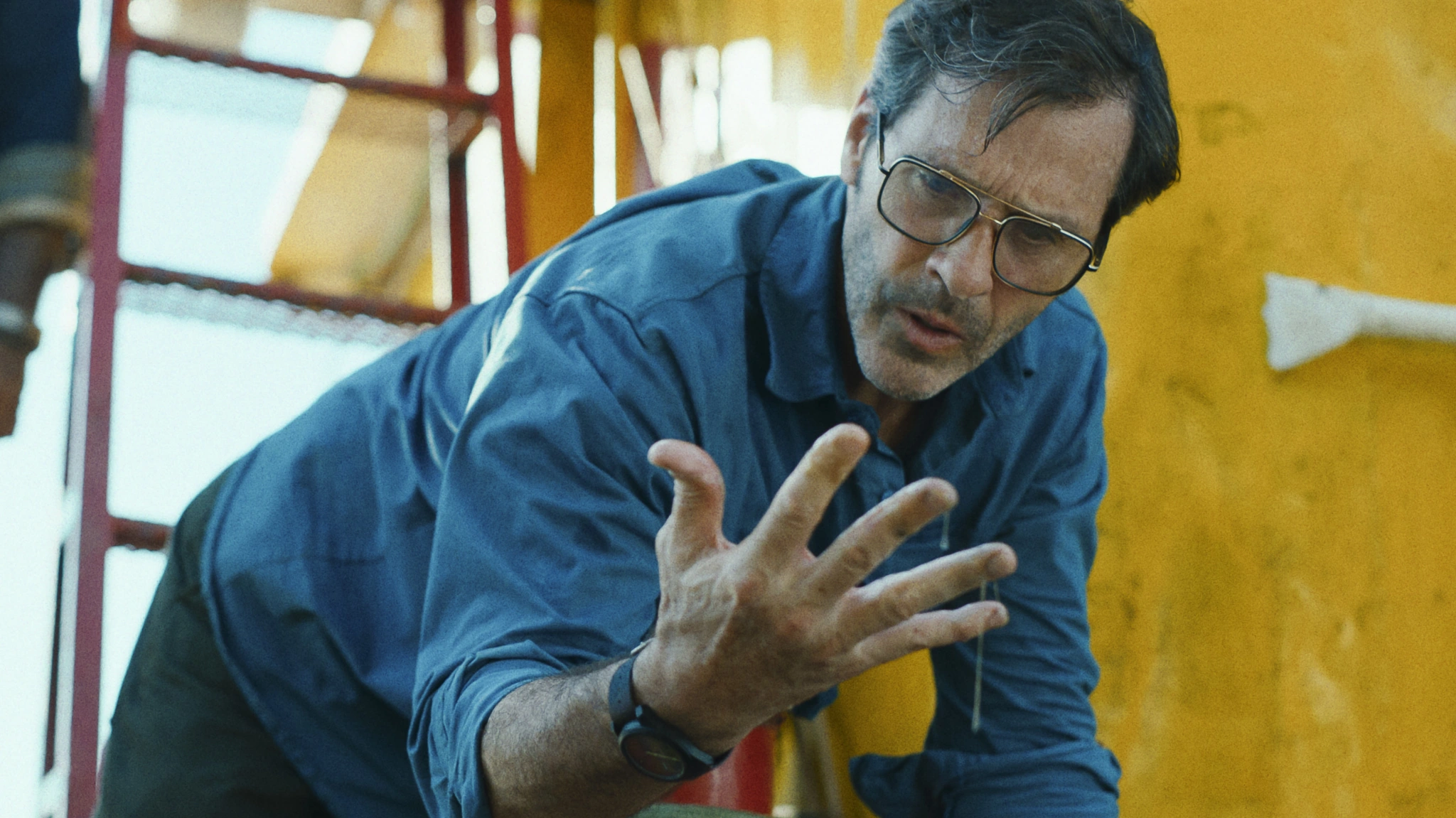
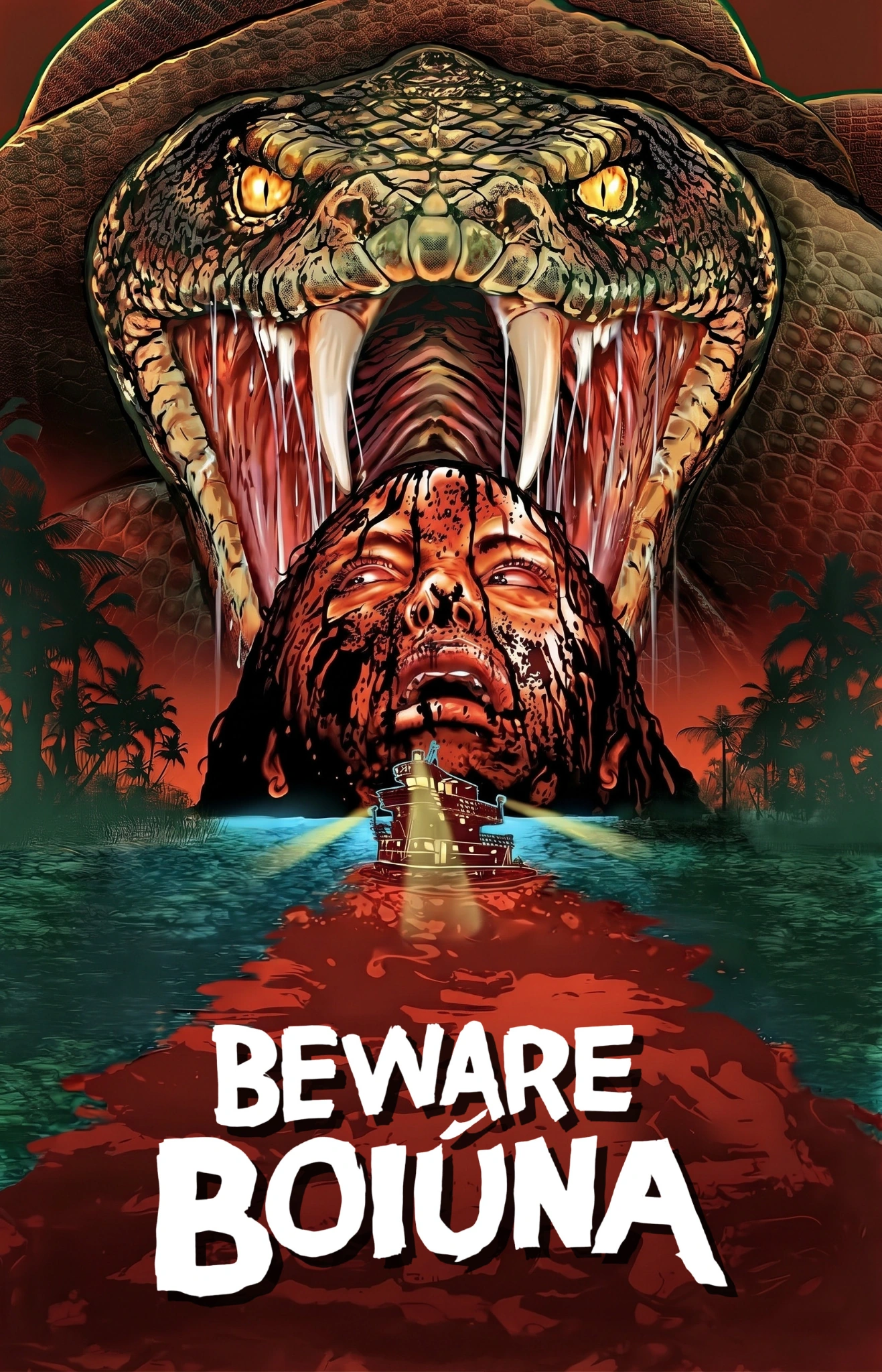
This is where the human conflict begins, before the larger problem emerges: Boiúna, the giant snake the Yaguarí tribe considers a guardian of the forest, which attacks anyone approaching its home.
The basic idea is not new. This is a film about a huge monster hunting people in an isolated environment. What it tries to offer, however, is a departure from the comic tone associated with many giant snake films, moving toward a darker, more serious experience.
Here the first problem with the film's choices emerges. Director Mike P. Nelson wants to give the story greater weight than a simple chase between humans and a giant snake, but does not always make that approach feel like a natural part of the events.
A human conflict that recedes before the monster
Before Boiúna becomes central to the story, the film tries to build a conflict between the boat's crew and Brennan's group.
The trouble begins when Brennan's brother Sean attempts to assault Allie. Lena intervenes to defend her, and the struggle ends with Sean dying after falling and striking his head on the ground.
Rather than reporting what happened to the authorities, Allie and Lena decide to hide the body in the water. But a local child witnesses the incident, and word eventually reaches Brennan, who decides to pursue the group and avenge his brother's death.
These events give the film an opportunity to build tension around fear of other people before moving to the natural threat represented by the snake.
The problem is that this conflict does not receive the development it needs. The film opens several dramatic avenues without giving any enough time to become truly effective.
There is the attempted assault, Sean's death, the concealment of his body, and Brennan's desire for revenge, alongside references to land exploitation and attacks on local people.
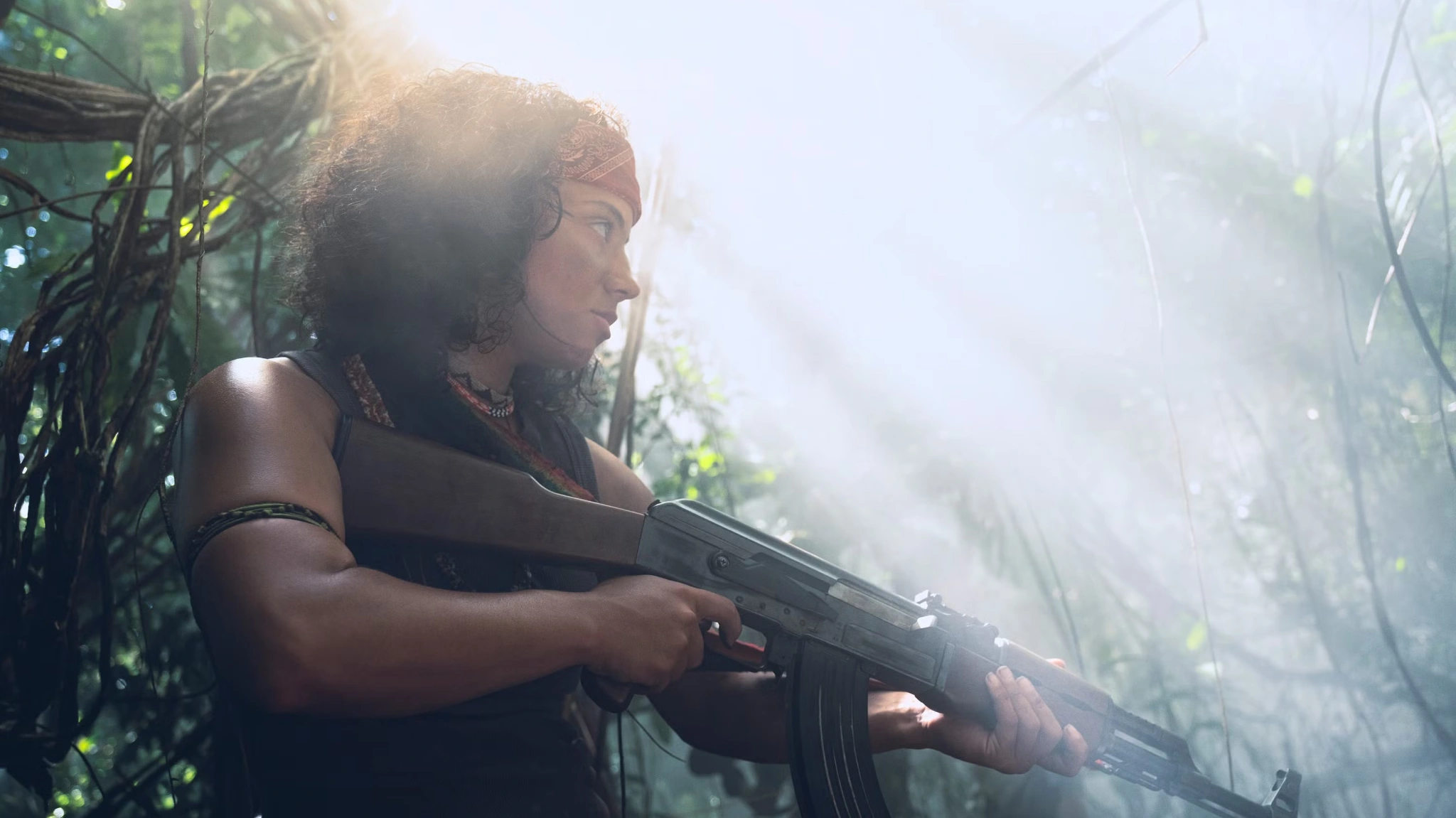
But when the characters reach Boiúna's territory, much of this recedes, as though the film no longer knows what to do with everything it established at the beginning.
As a result, some events seem merely a means of moving the characters from one point to another, rather than part of a coherent conflict.
Hiding the monster requires clarity
The most important element is, of course, the giant snake. Here Nelson makes a clear choice: not to show the creature continually, relying on shadows and dark spaces within the forest to leave viewers room to imagine its size and danger.
In principle, this is not a bad choice. Hiding the monster can be more effective than showing it constantly, particularly when the horror depends on waiting for its appearance without knowing where it is or when it will attack.
The film tries to achieve this in some moments, making the characters' reactions part of the tension and using the monster's absence from the frame to keep the danger present.
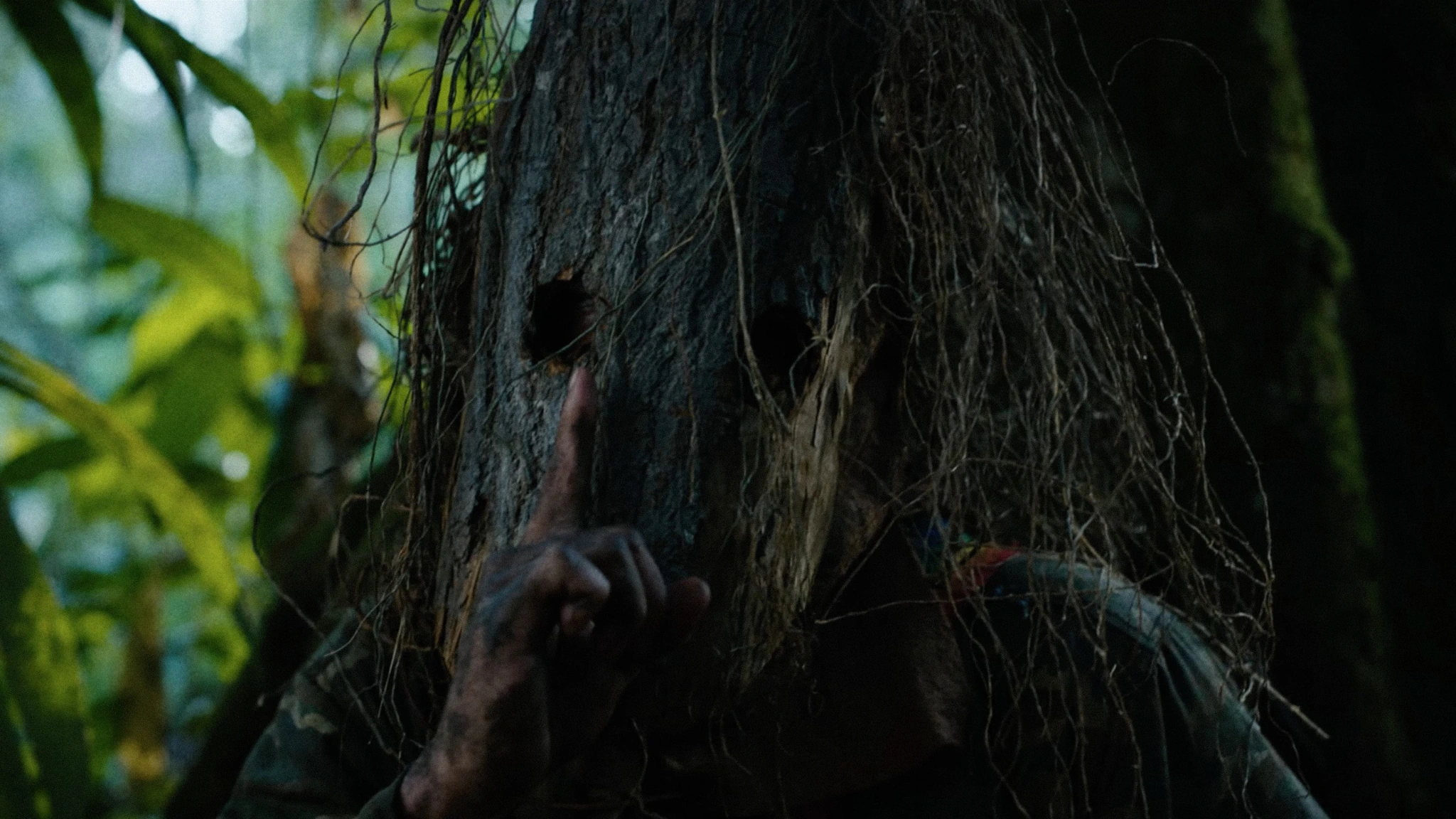
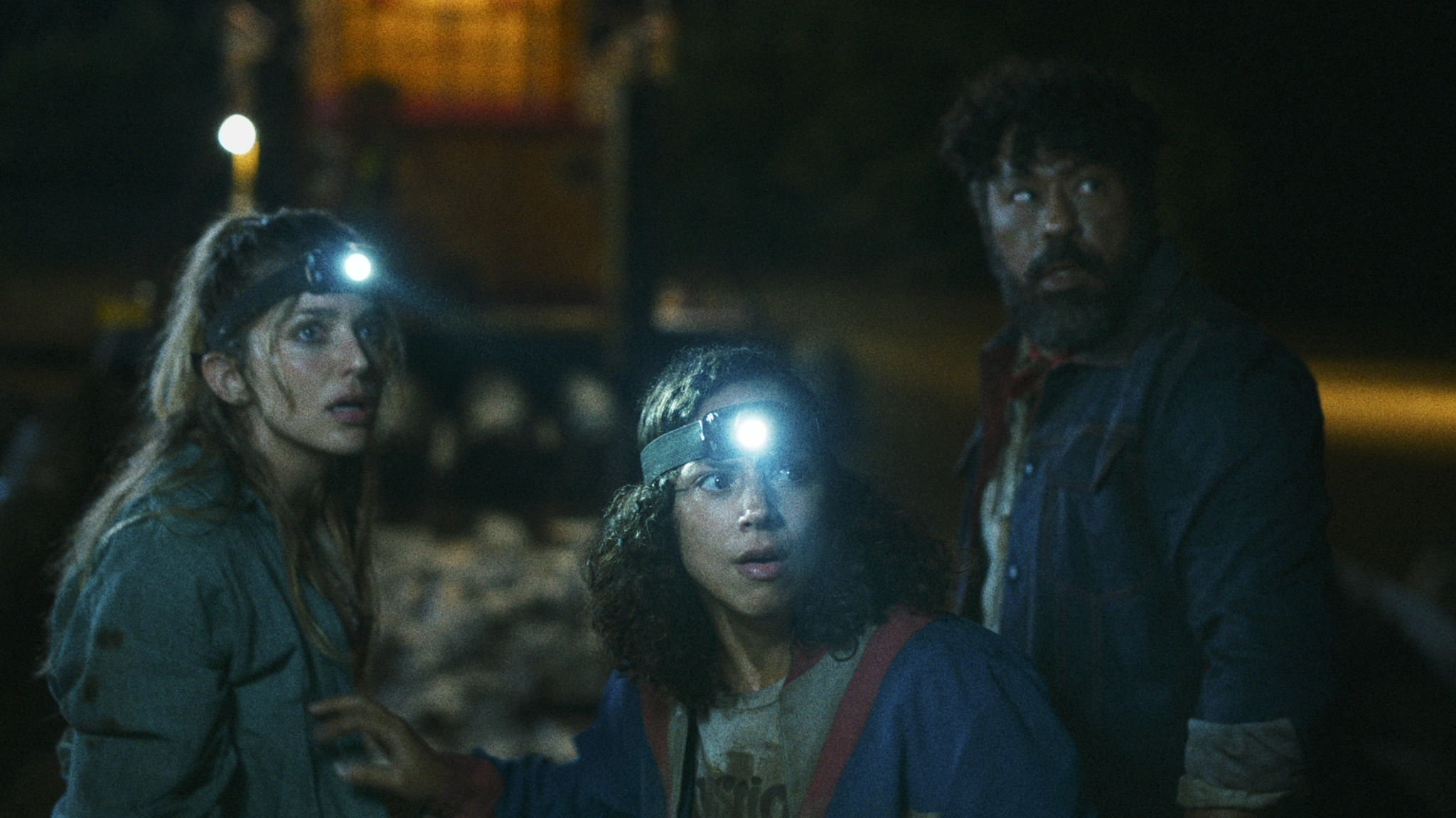
But there is a difference between hiding a monster to create suspense and hiding it in a way that prevents the audience from following what is happening.
This is where the film encounters its main problem.
During several of Boiúna's attacks, the camera moves extremely violently. The image fills with shaking and rapid shots, accompanied by loud music and constant screams.
Instead of feeling that we are watching a terrifying attack, we find ourselves trying to understand what is happening within the scene.
We do not always know where the snake is, where the characters are standing, or how they might escape. The attack consequently loses much of its impact, because tension requires visual clarity that lets us understand the threat and follow its movement.
This matters because the film's problem is not simply that the monster appears too little. It is also unable to organize the scenes in which it chooses to reveal it.
When the snake appears more clearly, its design has a strong visual presence, particularly through its black appearance and its calm, deliberate movement.
But these moments are not enough to compensate for the confusion accompanying several of the attacks.
Lena gives the forest a personal meaning
If there is one element worth attention in the film, it is Lena.
She is more than a local character who knows the forest and explains its dangers to everyone else. She has a past connected to the land where she lives, and a complicated relationship with the place she is trying to return to.
We learn that she lost her parents when she and her brother Jorge were children, after their family was killed for refusing to surrender its land. The Yaguarí tribe found and protected them, but Lena became separated from her brother and has continued searching for him, believing he is still alive.
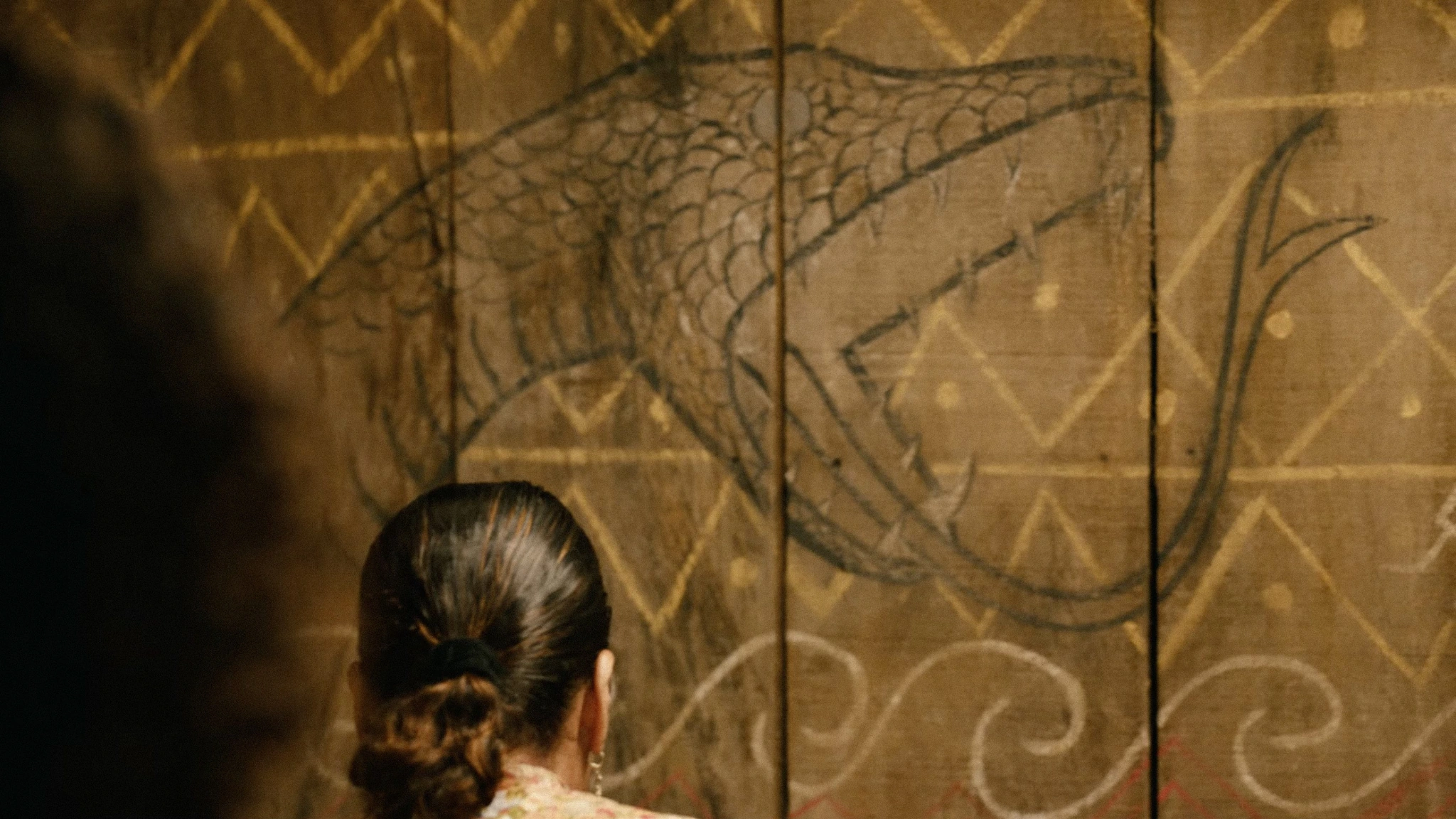
This background gives her a real connection to the forest and makes her journey more than an attempt to survive a giant snake.
More importantly, the film does not present her as an infallible expert who knows everything and can handle every danger. She encounters problems, loses control of situations, and sometimes needs help from others.
This makes her a more believable character.
Kiana Madeira gives a good performance, granting Lena a clear presence, especially in moments requiring her to convey fear, exhaustion, and the struggle to hold on to life.
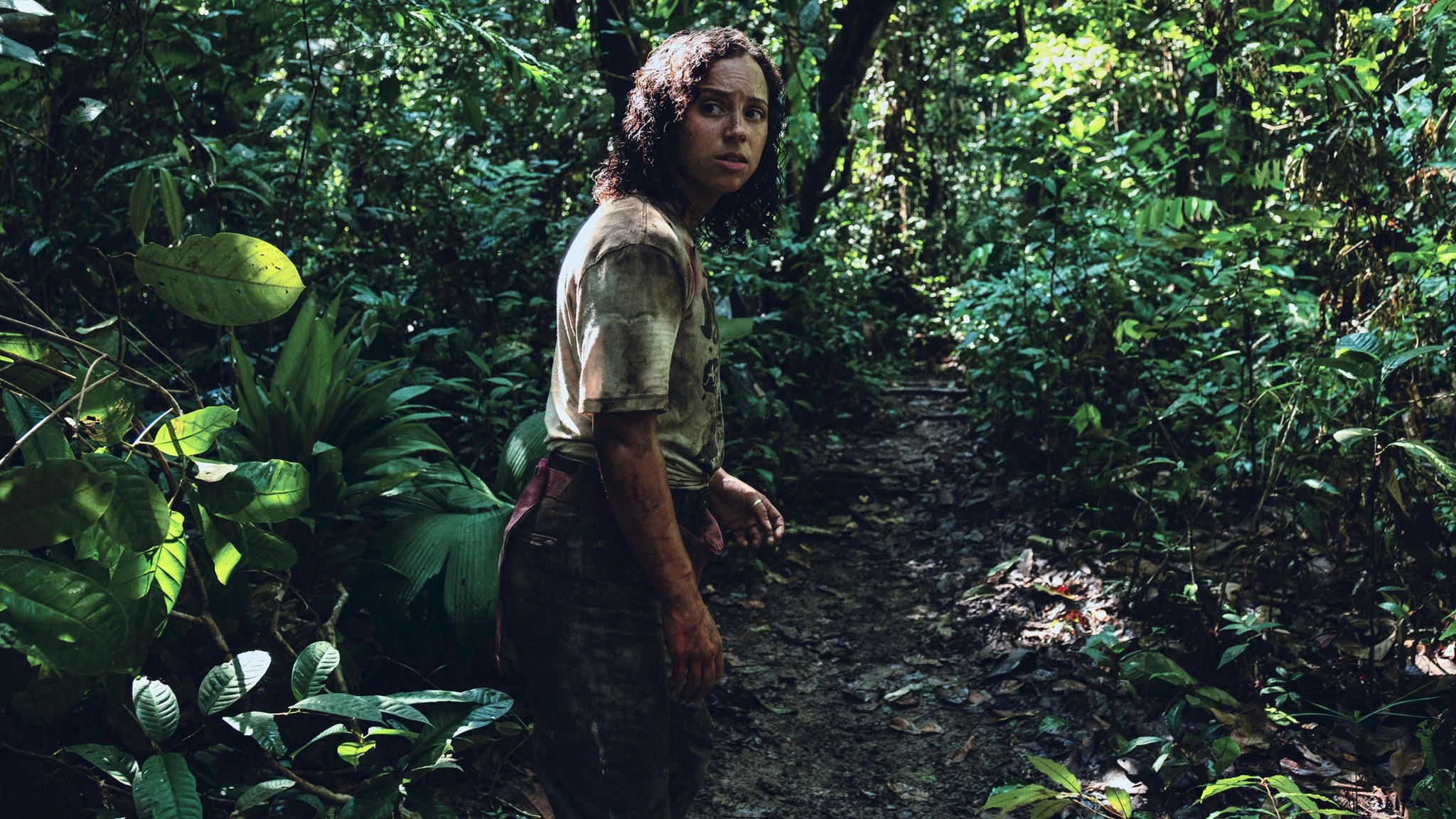
Jessica Rothe, meanwhile, gives an appropriate performance as Allie, conveying the physical and psychological pressure she experiences during the journey.
Across the group as a whole, however, not every crew member receives enough space to make us equally invested in their fate.
This weakens the impact of some deaths, even when the film tries to make them sudden and shocking.
Sudden death and emotional impact
One idea the film tries to use is that a character's importance to the story does not necessarily protect them from death.
Members of the group face danger in succession, and the film does not treat the presence of its leading actors as a guarantee that they will remain until the end.
We see this clearly when the confrontation between Brennan's men and the boat's crew descends into chaos, and Boiúna begins attacking everyone.
Miguel dies, Raúl is killed, Callum is shot during the clash, and Allie is swallowed after the boat capsizes and she reaches the shore.
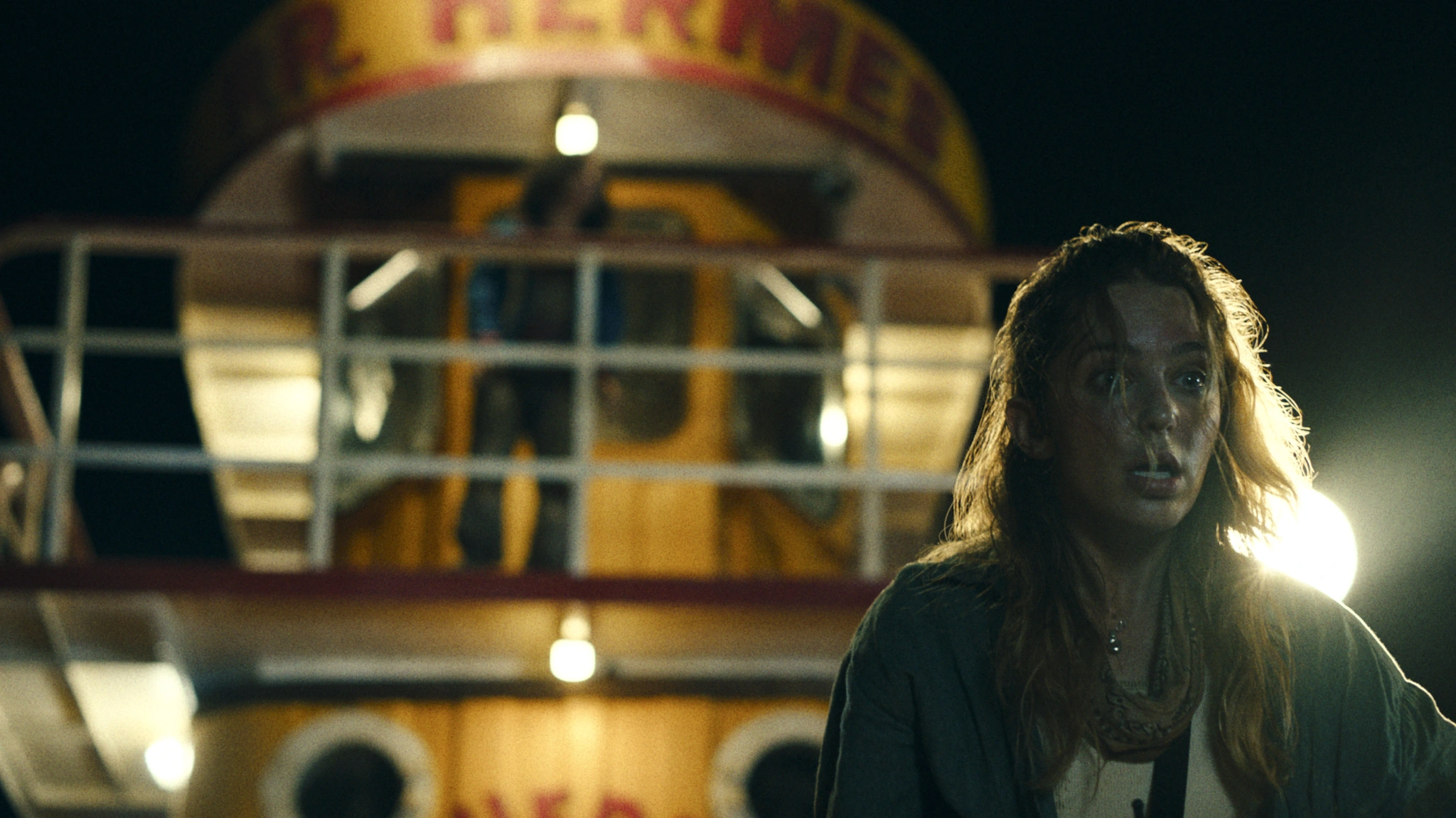
These losses give the journey a degree of uncertainty, making the danger greater than a conventional chase ending with all the main characters surviving.
But surprise alone does not create an emotional impact.
For a character's death to matter, we need to have known them well enough, and their absence needs to have a clear effect on the other characters and the course of the story.
This is something the film does not consistently achieve.
The mud pit: the strongest scene of tension
Amid the confusion dominating many of the chases and attacks, the film offers a very different scene: Lena falling into a deep mud pit.
She finds herself trapped in mud that reaches high up her body. Any ill-considered movement could make her sink farther and lose her chance of survival.
At the same time, Brennan becomes the only person capable of helping her, while Boiúna moves nearby.
Here something missing from much of the film happens: the camera abandons the chaos, the setting becomes clear, we know where the characters are, and we understand the danger facing each of them.
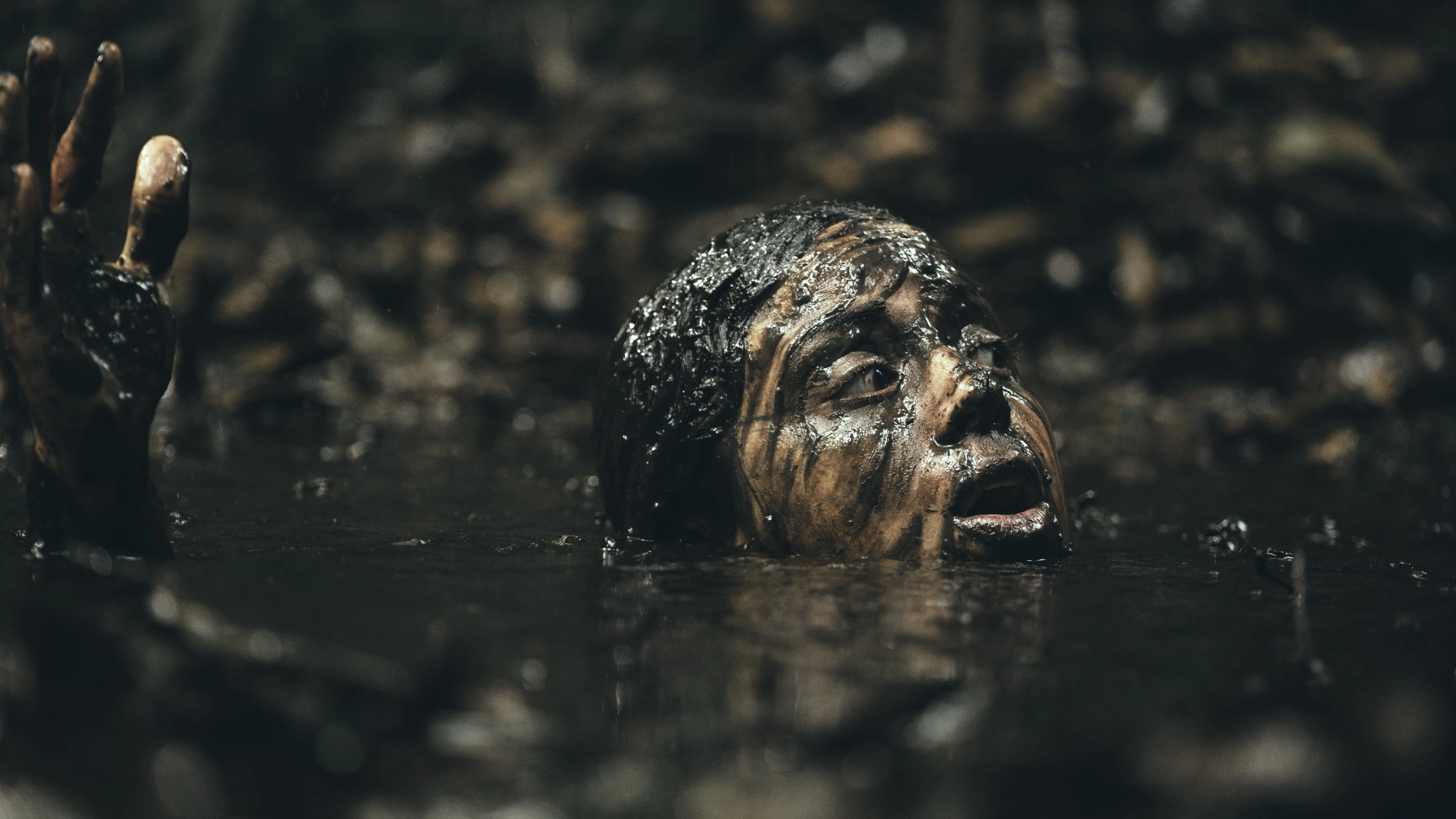
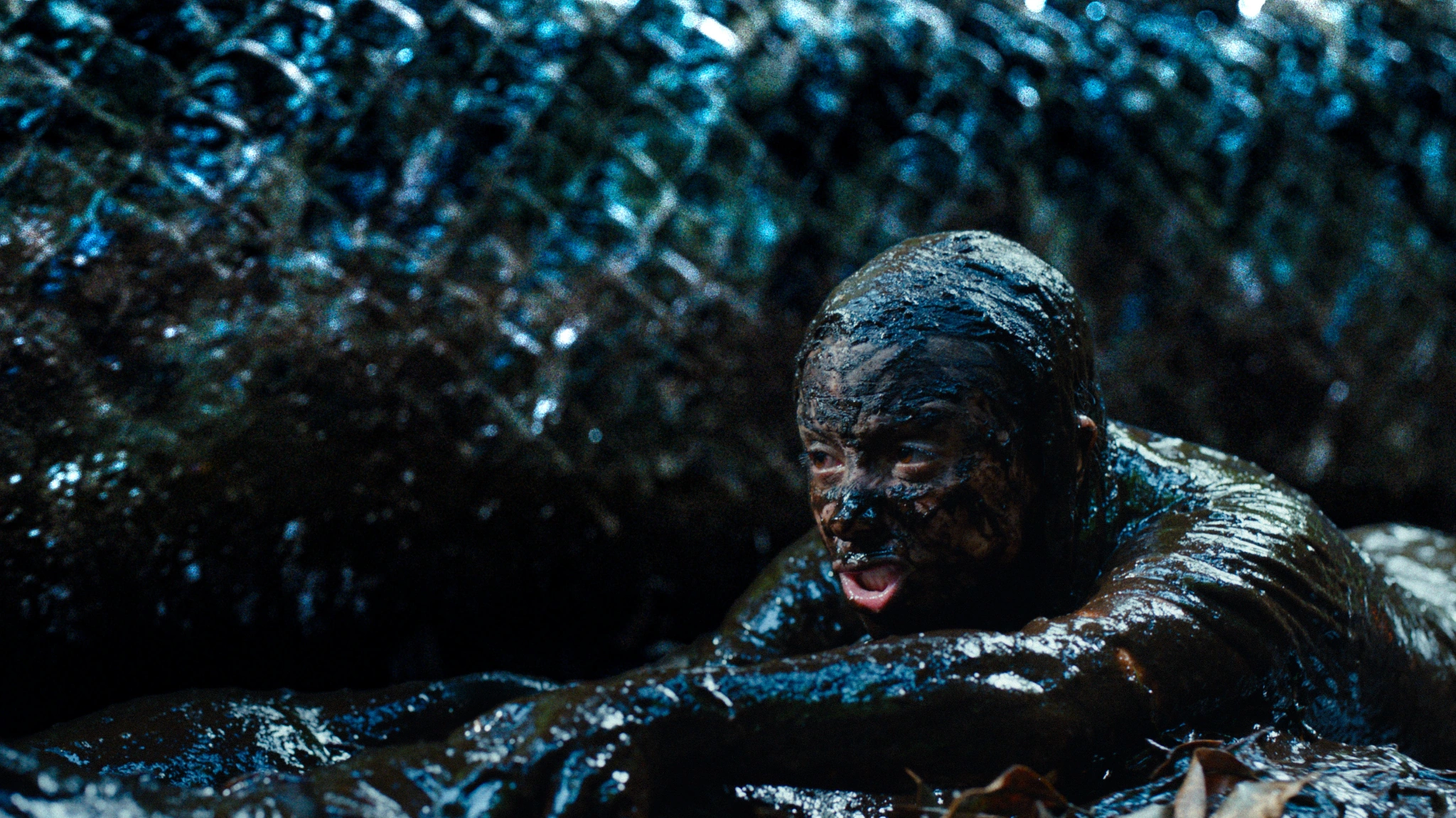
The scene does not need a fast chase or noisy music to create tension.
Lena remaining trapped and unable to move, with the snake close by, is enough to build a moment charged with danger.
More importantly, Brennan faces a difficult choice. He tries to help her but cannot reach her, then decides to flee and leave her behind.
This is the best example of what the film could have offered by relying on clear movement and geography, instead of believing that more camera movement and louder music are sufficient to create horror.
It proves that the problem lies neither in the premise nor in the snake's existence, but in how the confrontations themselves are executed.
A final confrontation searching for meaning
In the final confrontation, Lena reaches a construction site. When Boiúna tries to attack her, she uses a crane for shelter and to confront the snake.
But she is injured and becomes trapped, before Brennan returns to help with a chainsaw and manages to wound the snake partially.
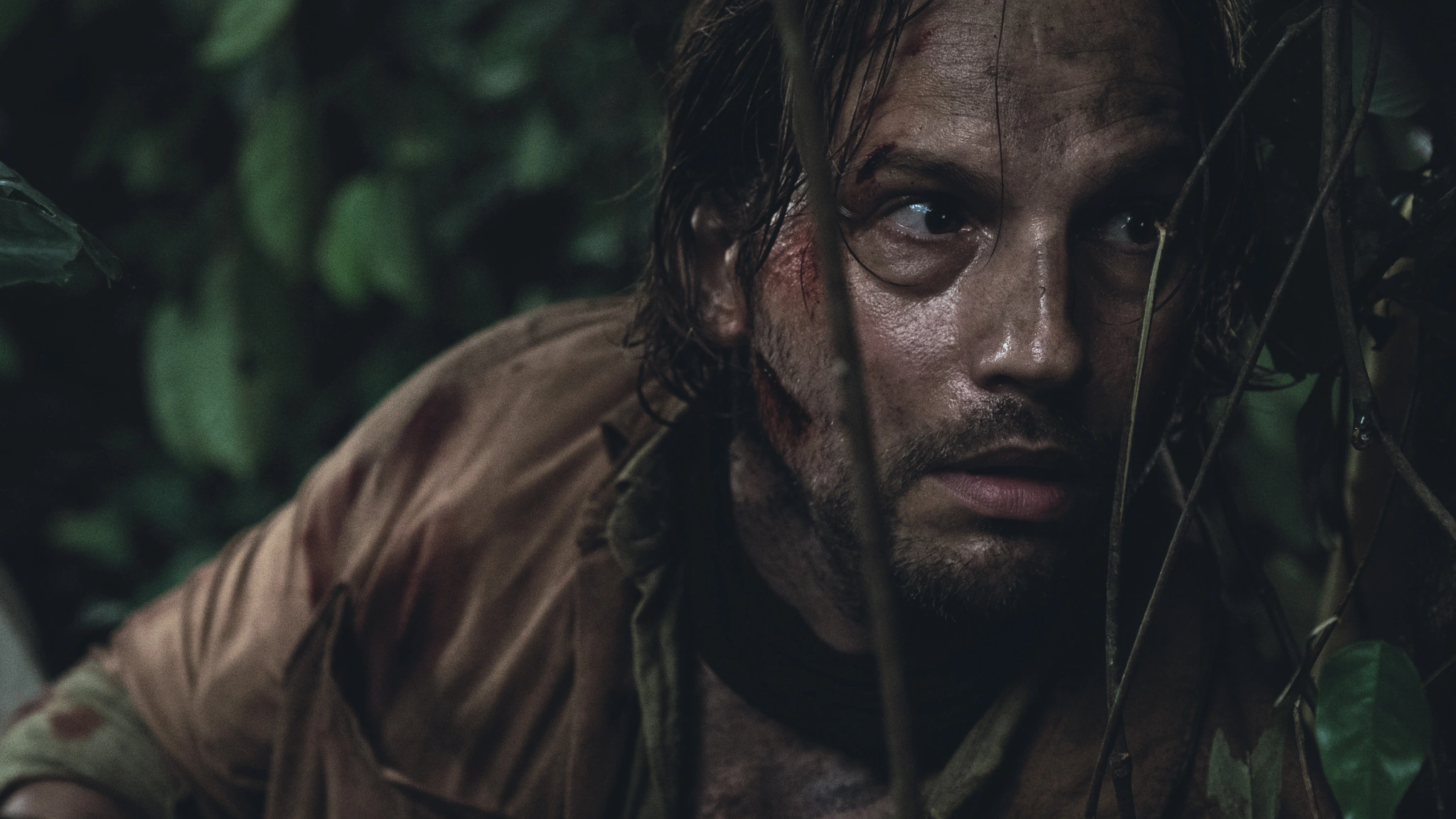
Boiúna eventually swallows Brennan, while Lena manages to stab it and then stands before it without retreating.
The surprise, however, is that the snake decides not to kill her, backing away instead of attacking again.
Lena then reunites with her brother Jorge and decides to remain with the Yaguarí tribe, joining their resistance to the illegal mining threatening their land.
Here the film tries to connect the final confrontation to its central idea: people who invade natural creatures' habitats in pursuit of their own interests face a force they cannot control.
Choosing a construction site for the confrontation is not meaningless. Human tools used to control the land become means of resisting the monster that lives there.
But the idea does not receive the dramatic execution needed to make it sufficiently effective.
The ending clearly tries to give the confrontation a meaning beyond killing the snake or surviving it, yet remains less convincing than it could have been, particularly given the lack of coherence the story has suffered throughout.
Direction, cinematography, editing, and music
As a director, Mike P. Nelson seems not to have fully settled on the identity he wants the film to achieve.
He tries to combine a serious monster film, a jungle adventure, and a human conflict addressing land exploitation, but these elements do not come together coherently.
At times, the film seems to want to offer horror built on anticipation. At others, it turns to fast, disordered action without a convincing transition between the two approaches.
The cinematography benefits from the atmosphere of the Amazon rainforest and the sense of heat, humidity, and exhaustion surrounding the characters.
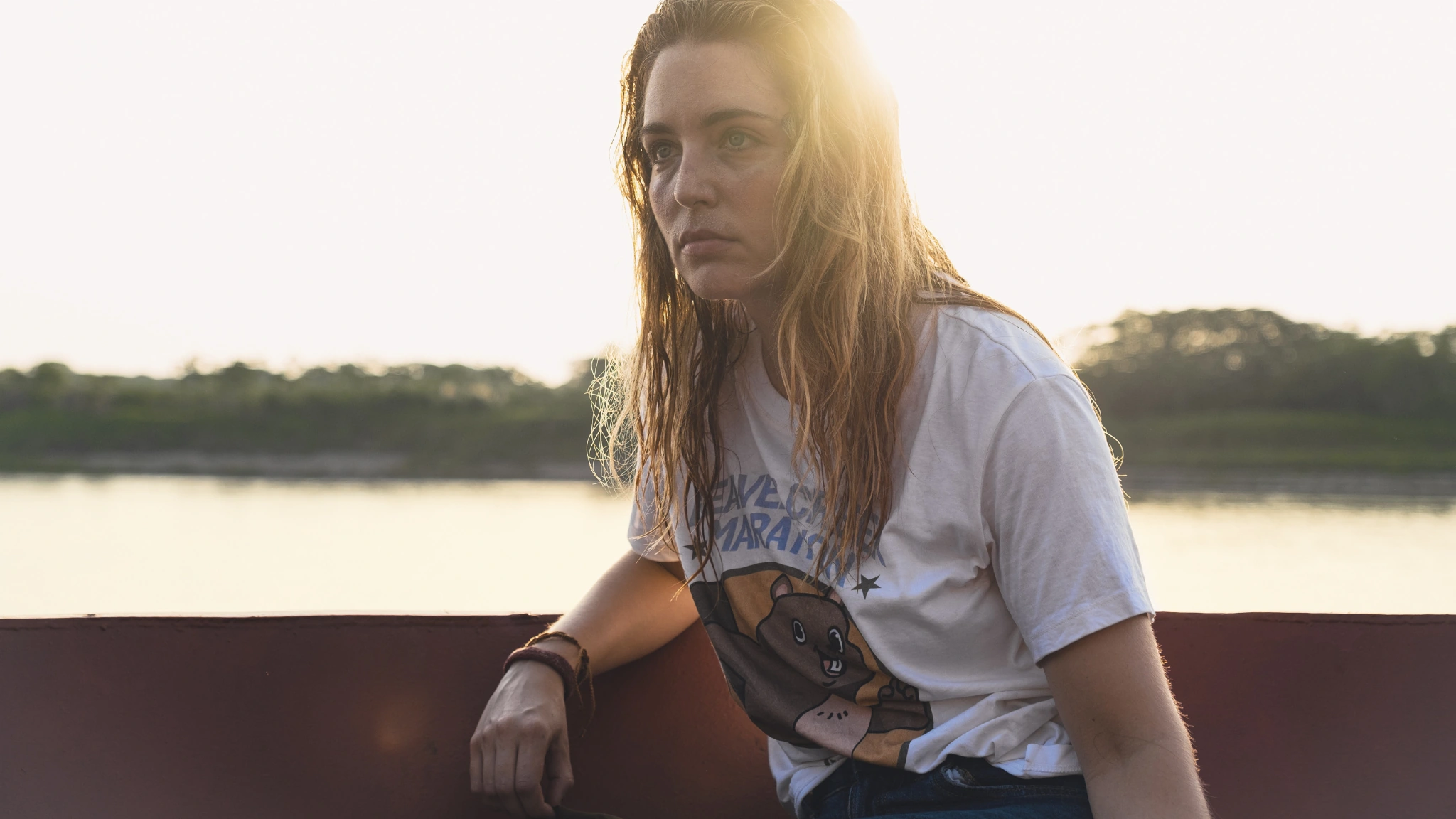
The setting feels like more than a beautiful backdrop. It carries a degree of harshness and danger, making the characters seem genuinely present in an environment they cannot control.
The use of shadows and limited light helps conceal the snake at certain moments, but does not solve the problem of visual clarity once the confrontations begin.
The editing is another element that does not serve the film as it should, particularly during attacks, when rapid shots follow one another without giving viewers time to understand the characters' movement or the monster's location.
The music becomes noticeably louder during attacks, but sometimes tries to impose a sense of danger instead of letting the image and movement create it.
Here the difference between the mud pit scene and the other confrontations becomes clear: the former trusts the situation itself, while many other scenes rely on noise and excessive movement.
Final verdict
In closing
The film has some good elements, most notably Kiana Madeira's performance, Jessica Rothe's presence, and the forest atmosphere that gives events a sense of harshness and isolation. The mud pit scene also provides a successful example of creating tension through the setting and the characters' movement, rather than relying on visual chaos. But the film suffers from a slow opening, an underdeveloped human conflict, and attacks that are difficult to follow because of camera shake and poor organization of movement and geography. More importantly, it fails to maintain a single identity, moving between seriousness, horror, and adventure without connecting these elements sufficiently. It is an average experience with an idea worth developing and moments that reveal a real ability to create tension, but it does not make use of this potential throughout its running time. The problem is neither that the snake appears too little nor that the film has chosen to move away from comedy. It is that the direction does not always know how to turn the monster's presence into clear, effective horror scenes. The confrontations could have been more exciting with better visual organization, and the human conflict could have become more important had the film maintained the threads it began instead of gradually abandoning them. Even so, some good moments cannot be ignored, particularly the mud pit scene, Kiana Madeira's performance, and the atmosphere that successfully conveys the forest's harshness. My rating for the film: 6 out of 10.
Your turn
Now the question is: do you prefer monster films that hide the creature to build tension, or films that give the monster more room to appear and confront the characters directly?
AUDIENCE VOTE
Do you agree with the MB rating?
Choose once from this browser. You can change your answer at any time.