The review
A simple job that gets out of hand
At first this looks like a familiar road movie. Davis and Mark are in bad places in their lives when they are asked to deliver Sheridan to rehab. The setup needs little explanation: two men unsuited to the job, a teenager unwilling to cooperate and a long drive that gives every bad decision space to grow.
It does not take long to establish that Sheridan is more than a spoiled rich kid. With each stop, the escorts discover that they do not have the means to control him. The three personalities quickly give the journey its momentum: each represents a different kind of disorder, and their friction makes the early stretch lively. Later, the film pushes that same setup beyond what it can comfortably support.
Davis and Mark: the duo that makes it work
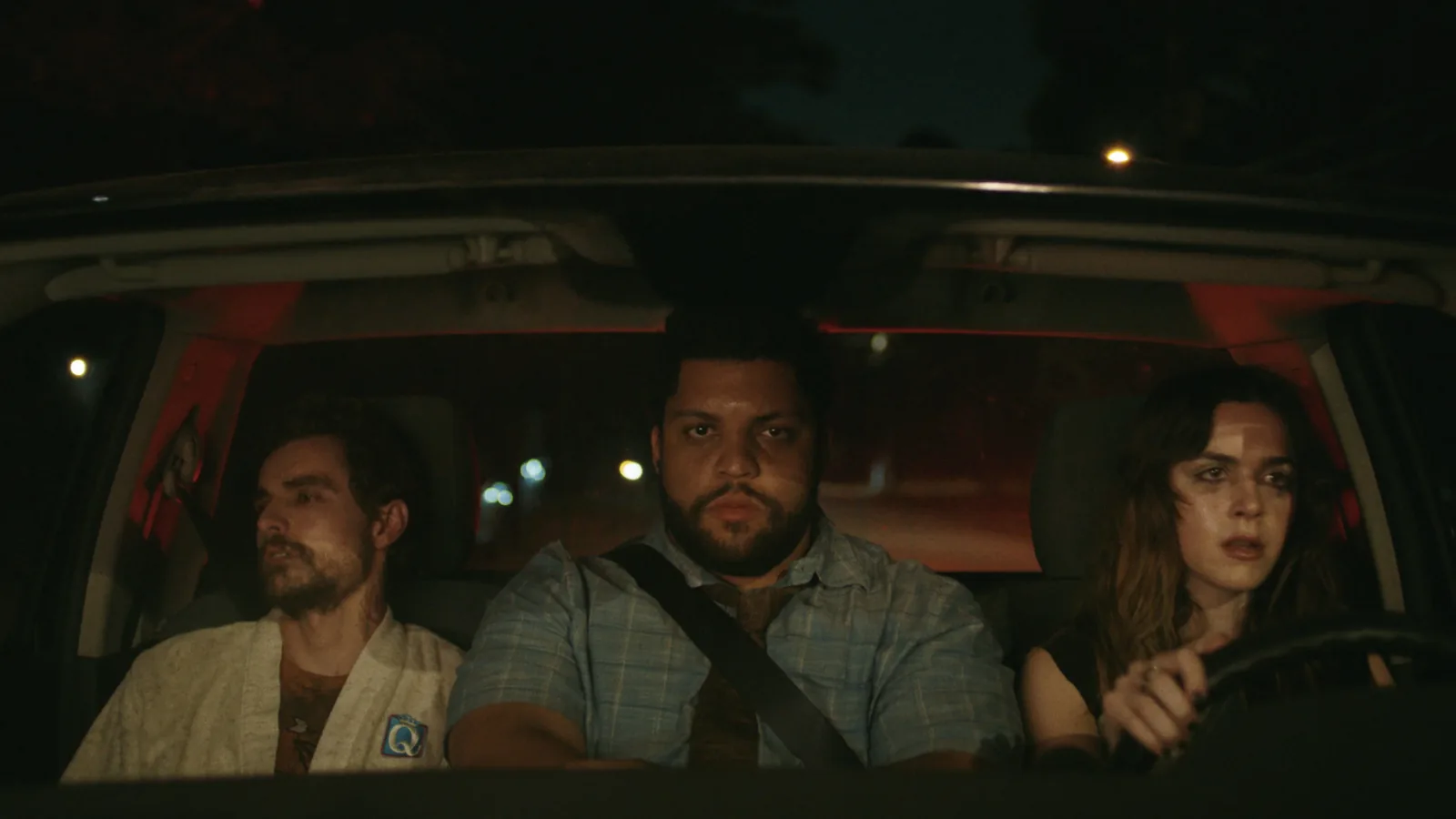
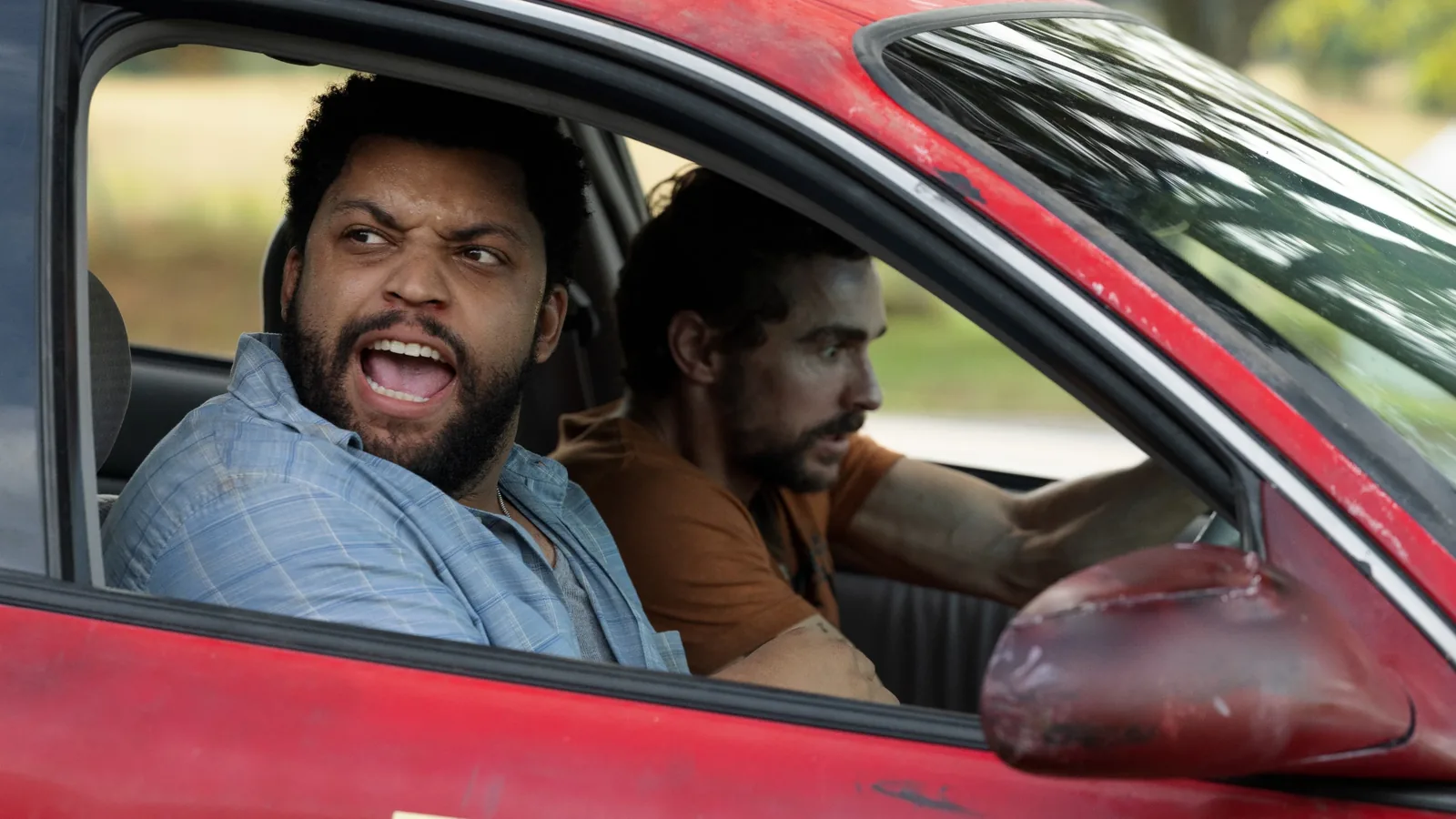
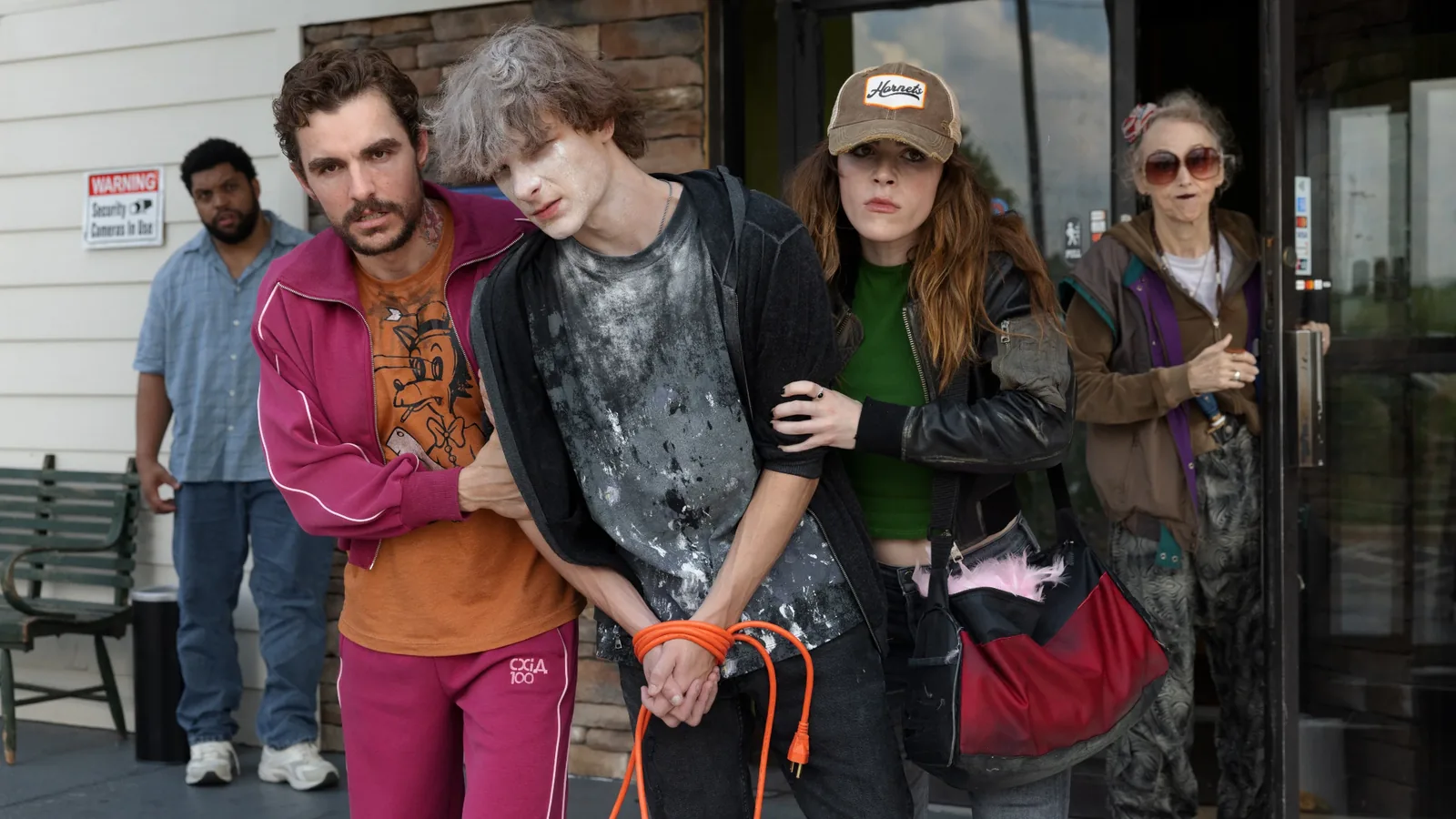
The contrast between Davis and Mark is the film's most reliable comic engine. Davis tries to behave responsibly and preserve some order even as events collapse around him. Mark lives chaotically, makes poor choices and seems surprised when they have consequences. The laughs often come less from a brilliant joke than from placing these two approaches in the same car.
O'Shea Jackson Jr. plays Davis with relative seriousness, giving the audience an anchor. Dave Franco has more room to make Mark impulsive, odd and immature while keeping him watchable. Their best scenes let them deal with each other and with smaller mishaps. As the scale of violence rises, the film sometimes loses the uncomplicated pleasure of watching the pair clash.
Sheridan makes the trip dangerous
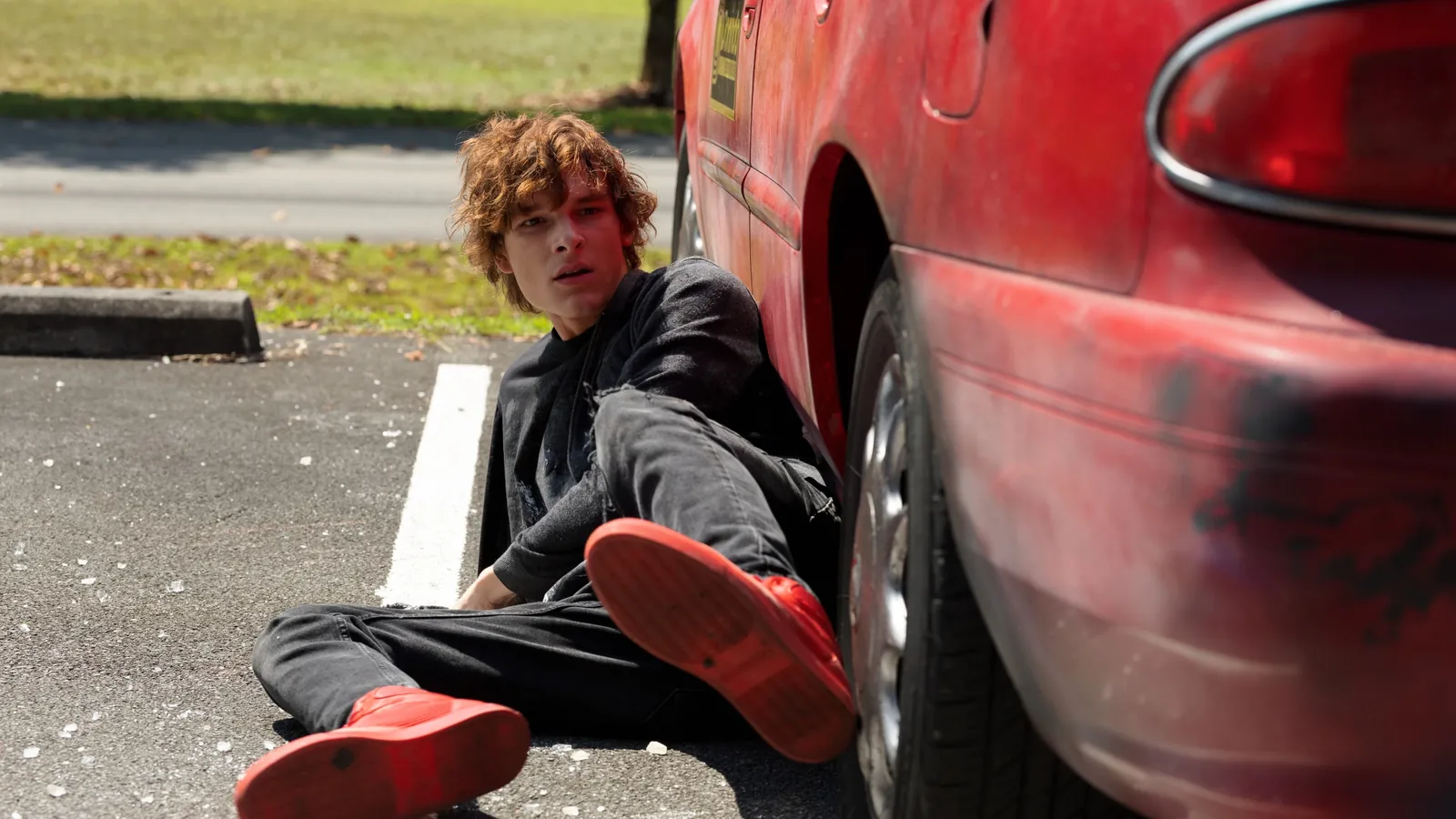
Sheridan drives the whole plot. It is initially easy to dismiss him as a privileged, irritating teenager, but the severity of his behavior keeps rising. The film reveals an earlier incident in which he set a homeless man on fire and his family used their wealth and influence to avoid consequences. That information changes the way we see him: he is capable of harming people, not simply playing cruel pranks.
I understand why the story needs that revelation, but it also creates its biggest tonal problem. Once a character crosses from obnoxious mischief into serious violence, returning to the same carefree comic register is difficult. The shift is precisely where the film's balance starts to wobble.
Mason Thames and an unstable character
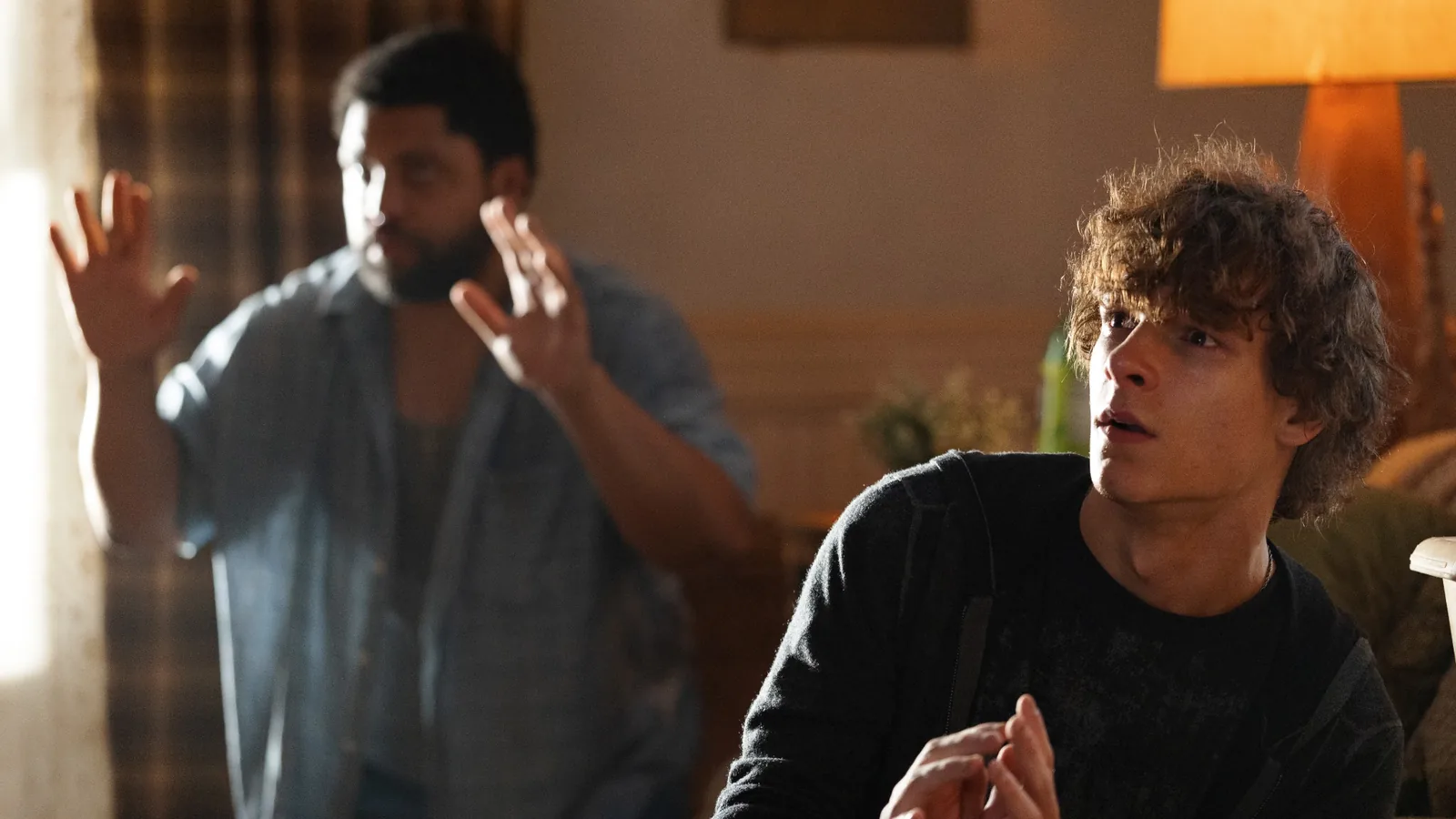
Mason Thames faces a demanding role. Sheridan must be infuriating enough to disrupt everyone around him yet charismatic enough to hold our attention for an entire road trip. I find the performance most effective when his mischief suddenly reveals an ability to intimidate. In some more extreme moments, however, the characterization seems pulled in opposite directions.
Much of that difficulty comes from the writing. At times the film invites us to laugh at Sheridan; at others it wants him to be genuinely frightening. The transition is not always smooth, though his unpredictability prevents the drive from settling into a routine.
The hotel changes the stakes
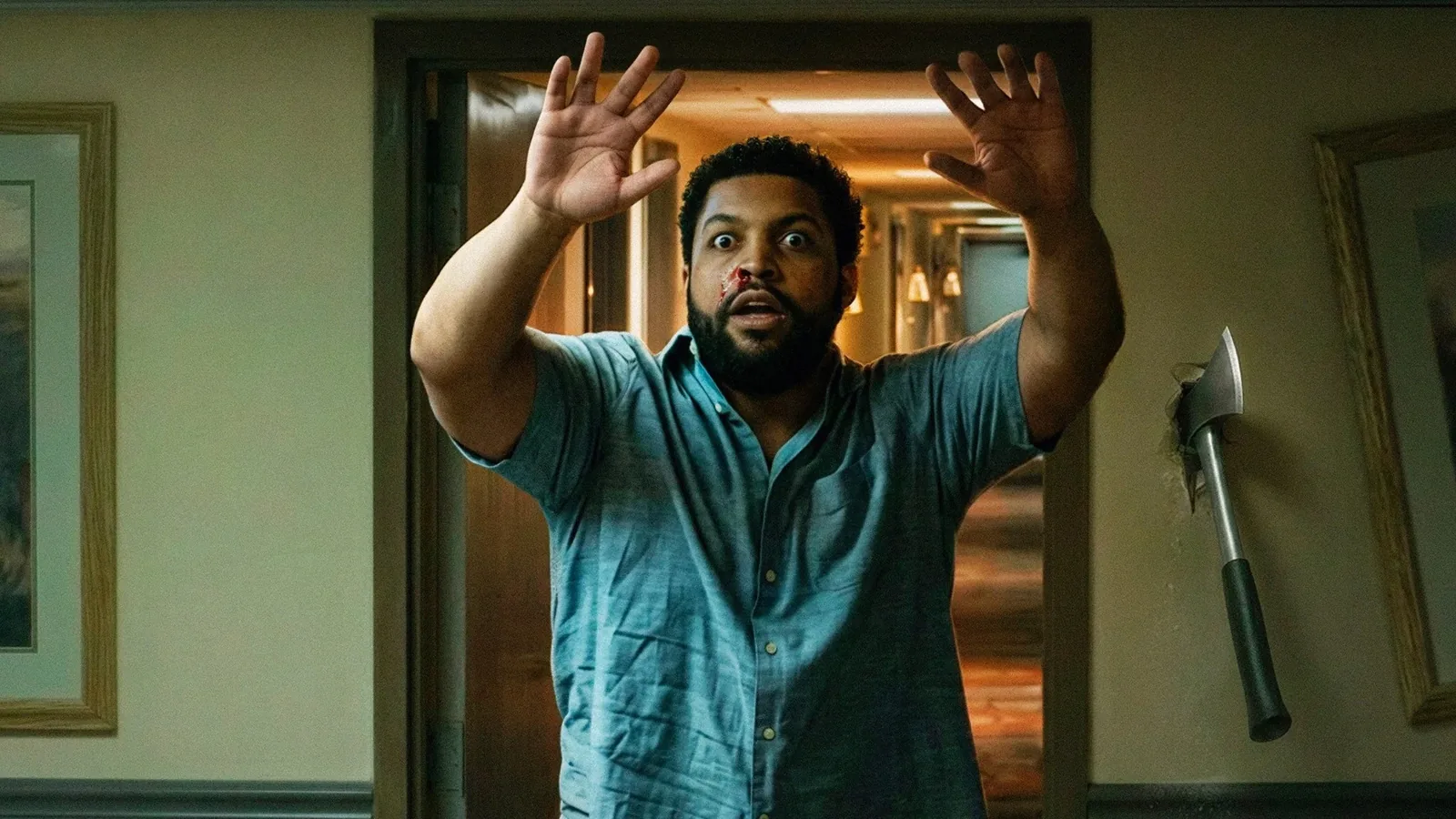
The hotel is a decisive turn. Until then Idiots can still be read primarily as unruly road comedy. Irina's arrival and Sheridan's treatment of her make it much darker: he exploits the drivers' condition, attacks Irina and steals her money. Davis and Mark then have to help recover the money and find him.
This sequence propels the story and exposes Sheridan more clearly. It also makes a complete return to the innocent comic energy of the opening impossible. Dark comedy can be harsh; the issue here is that the film does not always decide how seriously it wants us to take what just happened.

Irina deserves more room
Kiernan Shipka's Irina gives the middle stretch an immediate change of energy. She can respond to absurd events with humor without losing the genuine sense of danger and discomfort. That balance is exactly what the film as a whole needs.
It is therefore a shame that her part is relatively limited. Once her main role in that leg of the journey ends, the film simply moves toward its next episode. I would have liked more time with her, especially as her interactions with Davis and Mark are among the strongest supporting relationships.
Escalation takes over the second half
After the hotel come new characters, abductions, pursuits, confrontations and violence. Something new is always happening, so boredom is not the problem. The question is whether every new incident is necessary. Too often the film seems afraid to leave the central trio alone and adds another obstacle instead.
Peter Dinklage and Nicholas Braun bring enjoyable moments to these detours, yet their appearances can feel like another stop added to prolong the ride. The irony is that Davis, Mark and Sheridan already provide enough internal conflict. The script need not raise the level of madness quite so quickly.

Between foolish jokes and real harm
The film wants to be very silly and very dark, while also talking about mercy, mistakes, responsibility and the chance to become better. None of these ambitions is incompatible in principle. The trouble is how abruptly it moves among them: a broad joke gives way to actual harm, then the comedy resumes before the consequences have had time to register.
As a result, some serious moments feel cut short and some jokes become awkward in the shadow of what preceded them. The film has good characters and interesting questions, but its different tones do not consistently form a coherent whole.
Is it actually funny?
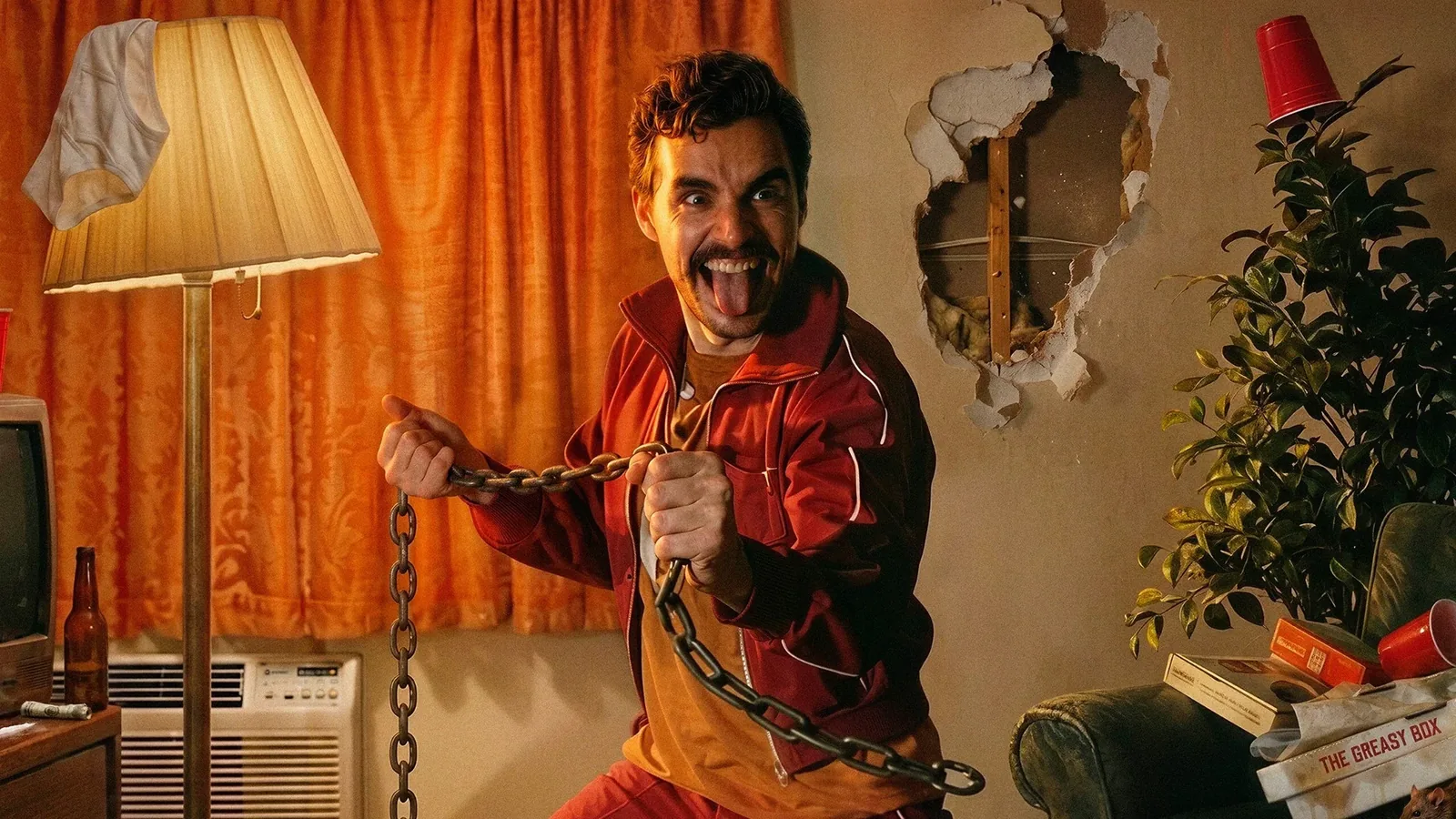
Its humor is uneven. The best laughs emerge from the difference between Davis and Mark or from watching a manageable mishap slowly spin out of control. Elsewhere the film strains for shock or bad taste through drugs, awkward bodily predicaments and direct insults.
Viewers who enjoy crude comedy will find plenty to like. Those looking for sharper comic writing may feel that the same trick is repeated. Lowbrow humor is not inherently unfunny, but not every attempt here lands with equal force.

Who deserves a second chance?
Beneath the chaos sits a more interesting question: should someone be defined forever by their worst act? And does everybody deserve another chance, even someone who seems unwilling to change? Davis almost never gives up treating Sheridan as a person who might still be saved.
At every stage the evidence makes that hope harder to maintain. This clash between compassion and responsibility is one of the film's richest ideas. I wish the script allowed it more room before racing toward the next joke or disaster.
An ending that keeps its sarcasm
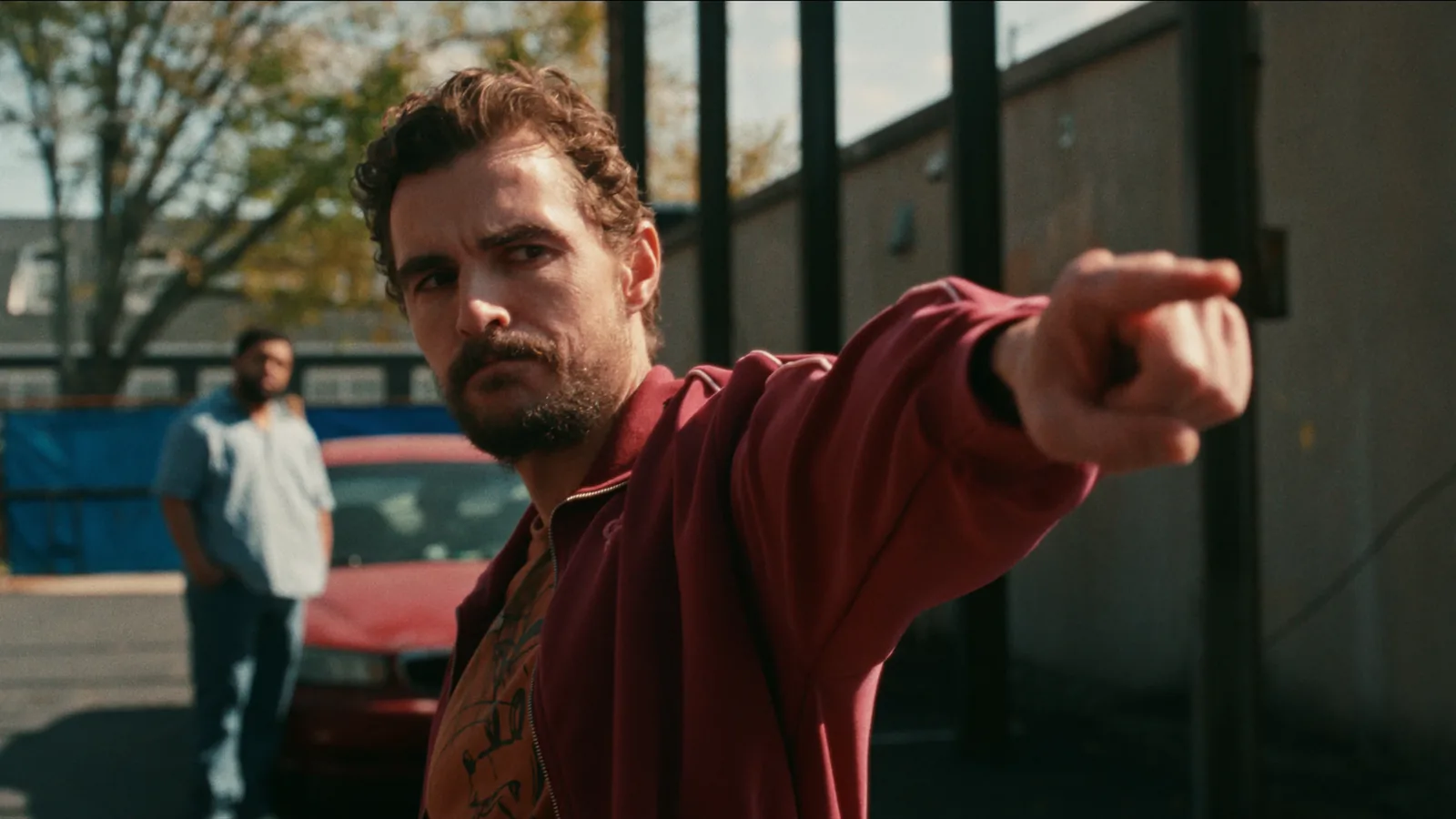
Sheridan finally arrives at the rehabilitation center. Mark is badly hurt and loses sight in one eye, yet finds a darkly comic upside to his changed circumstances. Davis emerges differently, and the end credits tell us that he and Irina continue to work together transporting other people.
There is no sudden, sweeping transformation. The characters remain recognizably themselves, even though the journey has marked them. This ironic refusal to end with an obvious moral fits the film better than a grand sentimental lesson would have.
Macon Blair's pace and the final balance
Macon Blair does not want a picturesque road or lovable travelers learning simple lessons. His world is messier and nearly everyone has serious flaws. That gives the movie a character of its own. He is most effective when disorder grows naturally from people's decisions; when a strange event exists only to deliver a bigger jolt, the structure begins to feel manufactured.
The overall pace is quick, but speed is not always an advantage. A pause to let people confront the results of their actions would have strengthened several moments. The chemistry between Davis and Mark, the performances by Jackson and Franco, Sheridan's unpredictability and Irina's welcome contribution are clear strengths. Inconsistency of tone, relentless escalation, uneven jokes and disposable stops in the second half are the costs.
Final verdict
Final verdict
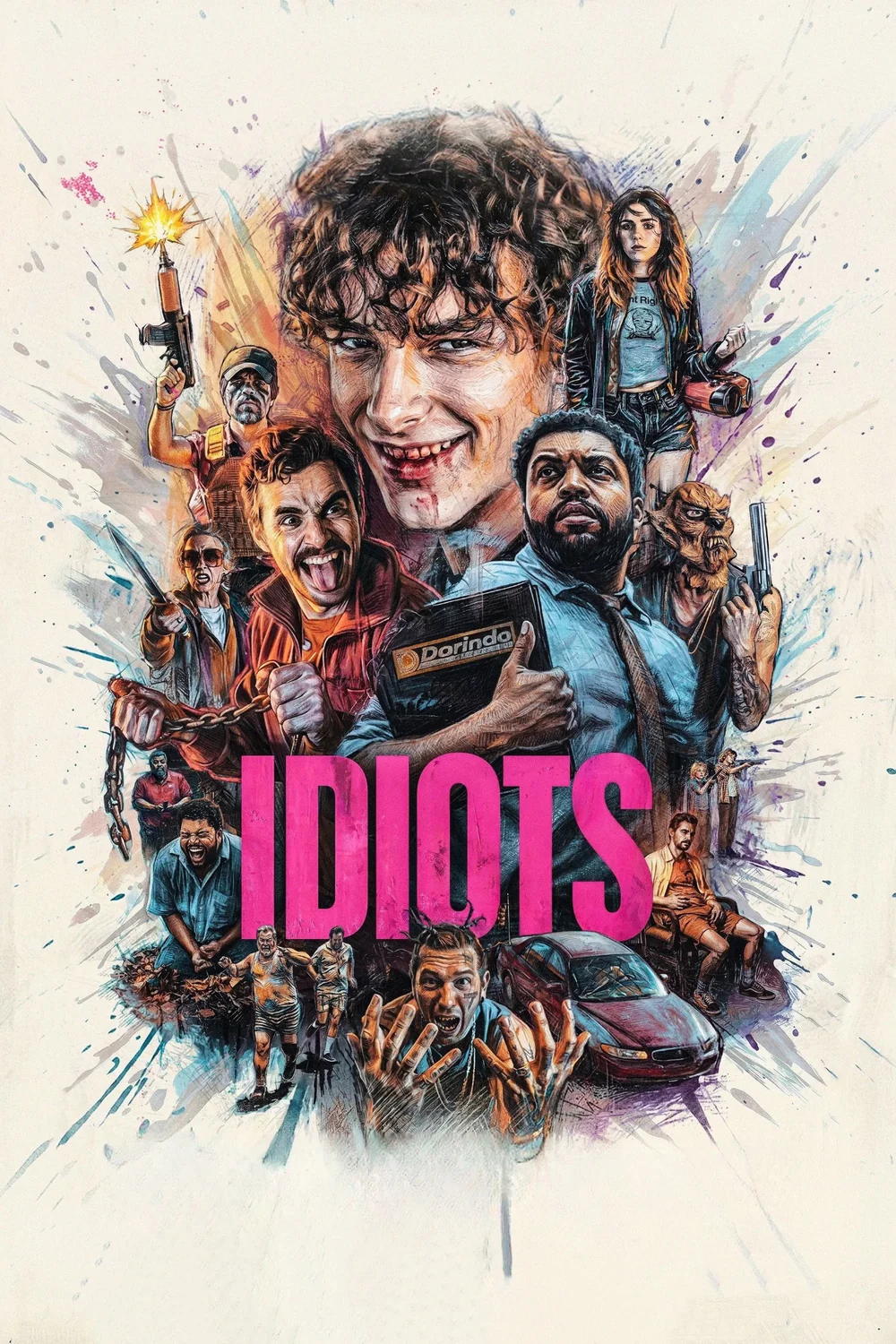
Idiots is a messy, energetic and genuinely odd road comedy whose best quality is its refusal to become a safe copy of a familiar genre. It works best when Davis, Mark and Sheridan are allowed to generate humor and tension on their own. Its desire to be ever more shocking sometimes upsets that balance. A stronger film is hiding here: one that trusts the characters, cuts a few disasters and lets the serious ideas breathe. Even so, the cast and the movie's willingness to take unpredictable turns make the ride entertaining enough.
Your turn
Did you enjoy the shifts between dark comedy and violence, or did the constant change of tone spoil the trip more than it made it unpredictable?
AUDIENCE VOTE
Do you agree with the MB rating?
Choose once from this browser. You can change your answer at any time.