
The review
Screenplay and dialogue
The story takes place in the early 1990s and follows a group providing sexual services to customers at a truck stop, with Nora organising their work.
The location gives the film a useful contradiction. Customers pass through the stop and leave, while the group remains tied to it and to the dangers that recur there. Their relationships therefore become a daily necessity, and having someone to rely on carries considerable value.
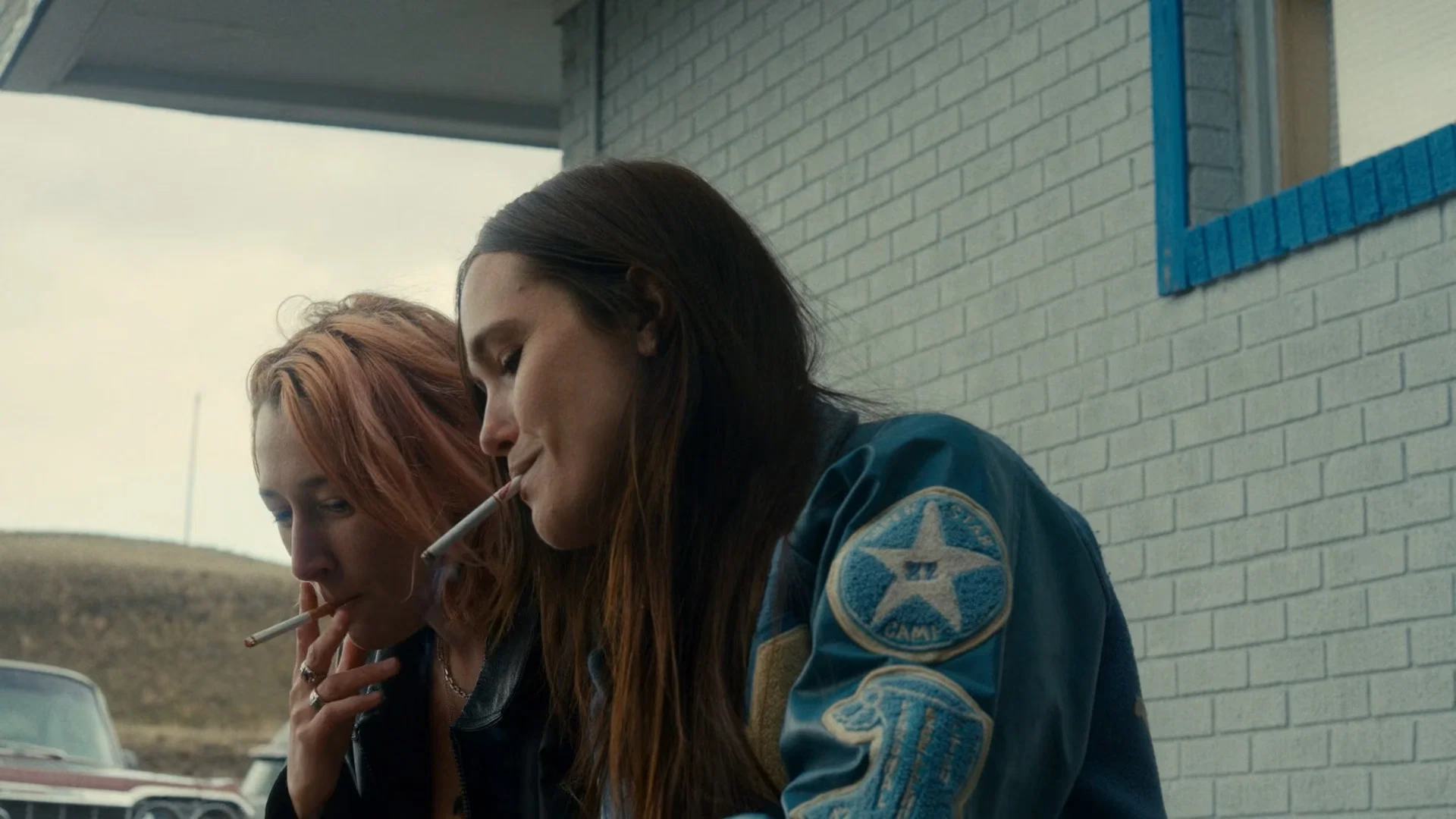
John Swab gives us enough time to recognise their differences. Sadie is more composed, Riley talks about her life with candour and lightness, and Levi brings a sensitivity and warmth that make his presence affecting. These distinctions help us see them as people sharing work and circumstances, each with a different way of dealing with both.
We find the small details most effective: listening to records, dancing in a room, and spending time together away from customers. These spaces give the characters lives that are not reduced to the nature of their work.
The ensemble also creates a convincing familiarity. We feel that these relationships existed before the film began, and that the group knows one another's personalities and the boundaries of their jokes and mutual support.
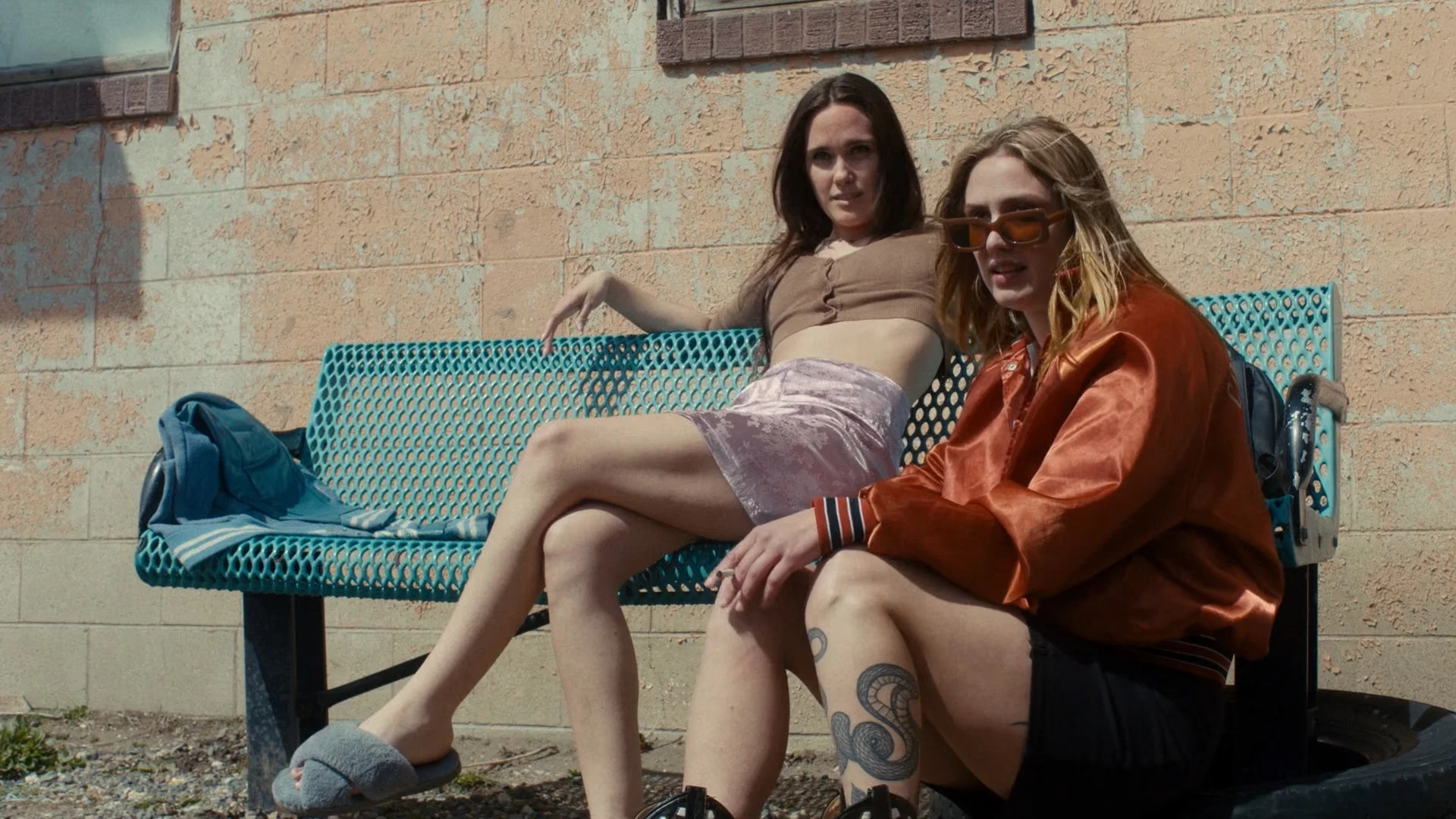
This is the experience's strongest foundation. When danger begins to approach, we have reasons to care about those it might reach, because the film first allowed us to see them in ordinary, comfortable moments.
Remy and conditional belonging
Remy arrives after being cast out of the closed religious community in which she grew up, and finds shelter and a chance to belong with the group.
Olivia Luccardi gives the character an uncertainty suited to her move into an environment radically different from the one she knows. Remy needs to understand what is happening around her, while carrying old rules that still shape her interpretation of behaviour and relationships.
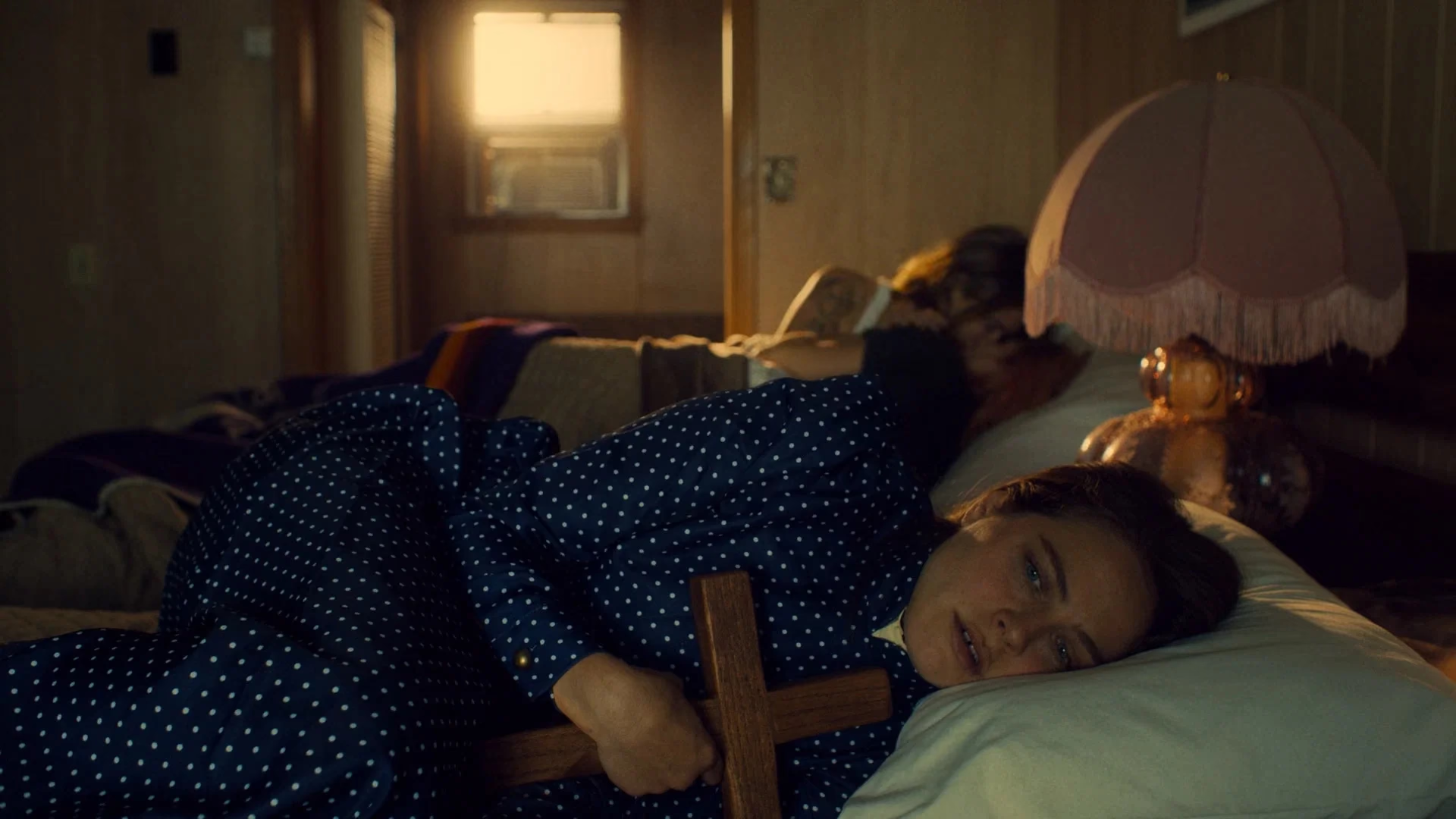
This hesitation matters because it makes belonging complicated. Finding a new place does not erase her attachment to her family, and her scenes with her younger brother give this conflict an emotional dimension. A previous life can still affect her even after she has left it.
But the new welcome also comes with conditions. Nora makes it clear that staying requires working and paying her way, giving the idea of a chosen family a degree of ambiguity.
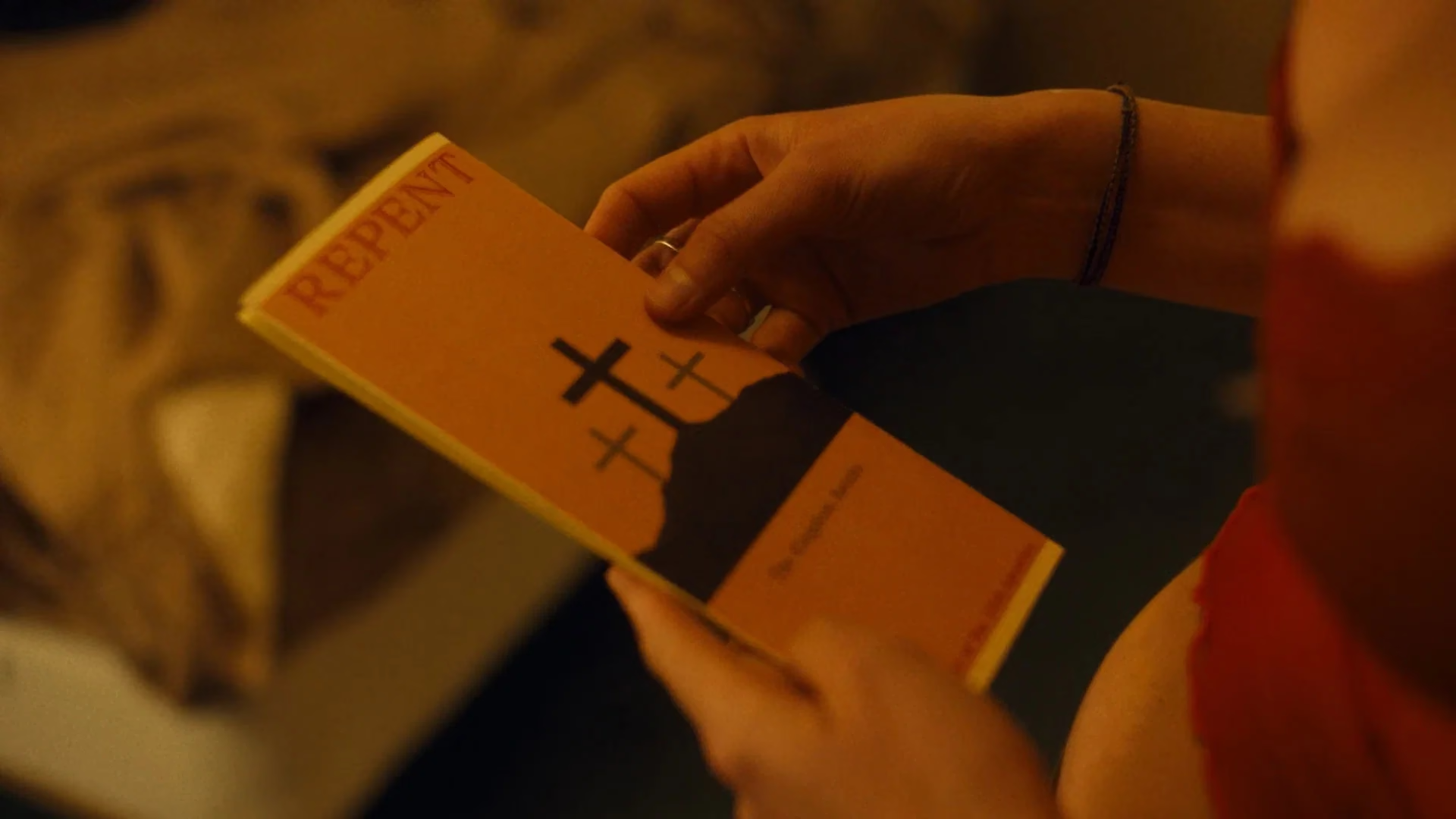
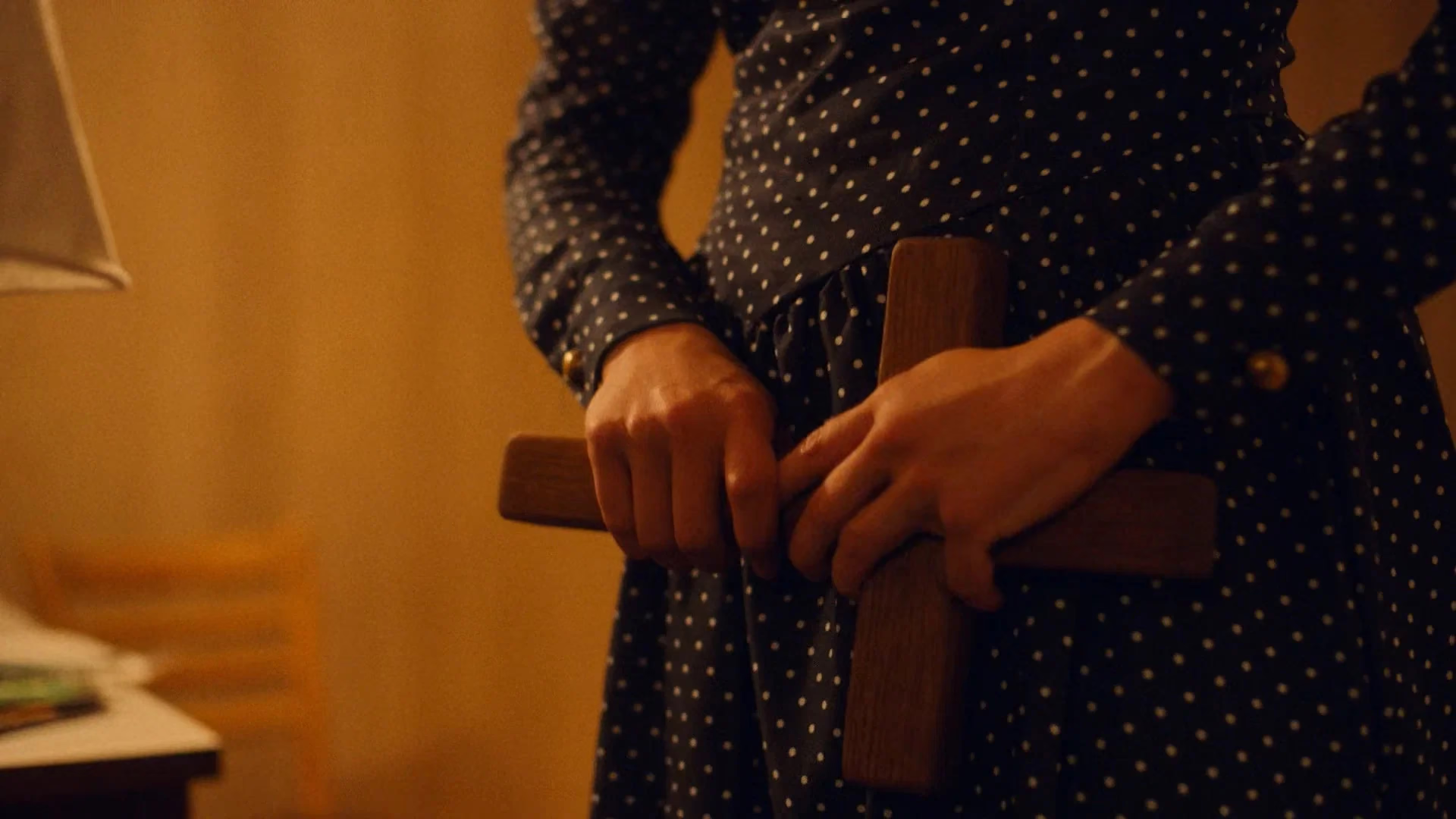
For us, this deserves greater attention. The sympathy Remy receives is real, but exists within an economic system that ties her ability to stay to what she can provide. Her need for shelter becomes a factor affecting the choices available to her.
This opens up fertile ground for examining trust and dependence on others. The best part of Luccardi's performance is that Remy's arrival changes the story's balance, making us watch how well she can understand this world and deal with it.
Levi and the effects of violence
Owen Campbell is one of the film's outstanding elements, giving Levi a combination of tenderness, humour and optimism.
These qualities shape our relationship with him. We notice his presence within the group and sense his ability to create a comfortable moment in a harsh environment. As we recognise the nature of the surrounding world, this warmth becomes another reason to worry about him.
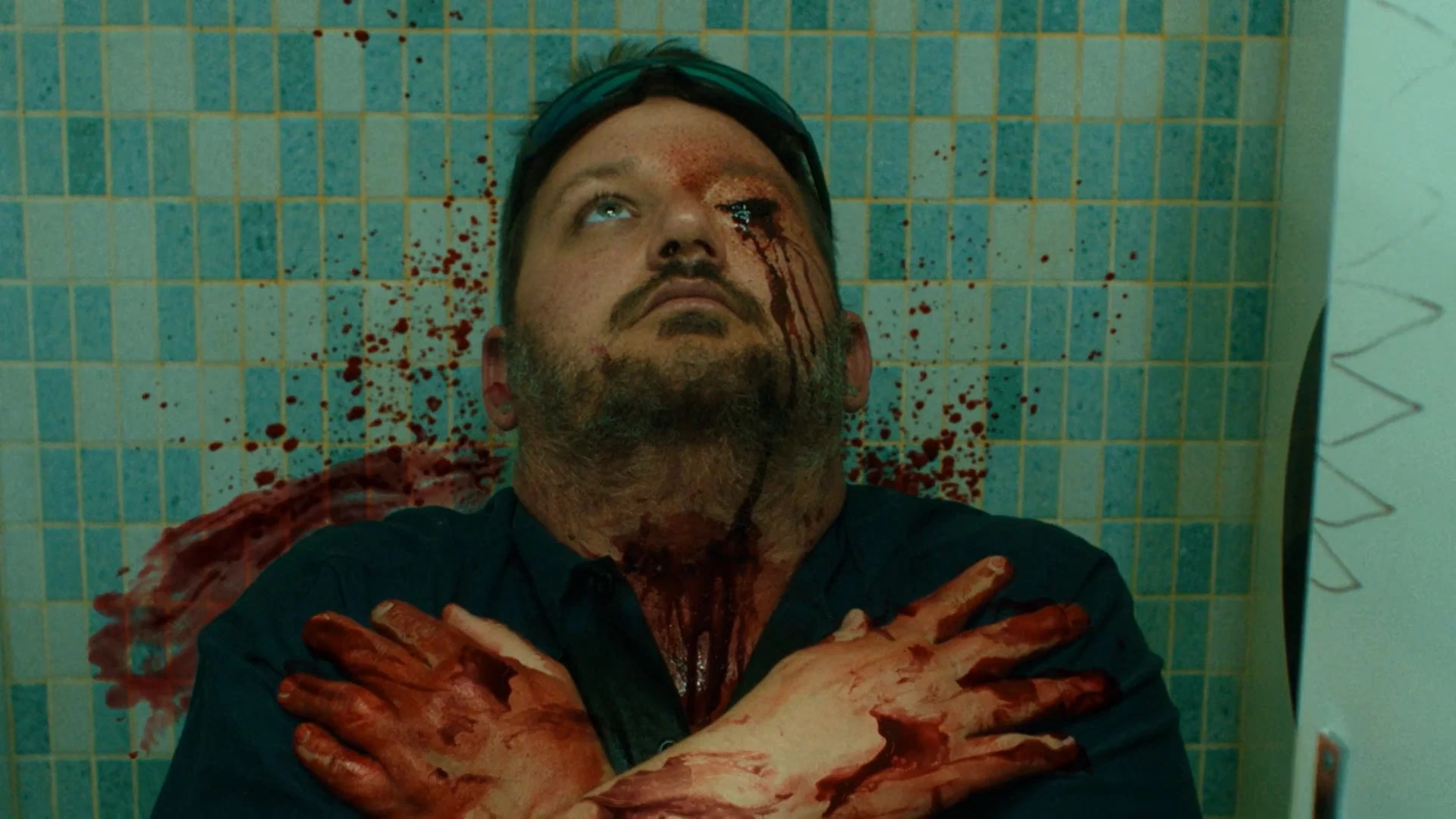
The sexual assault he suffers is among the film's most disturbing passages. We see the scene as presenting oppression and a lack of safety as the core of the experience, making the violence an extension of the imbalance of power surrounding the character.
Much of its impact comes from the performance that precedes it. We already know something about Levi and his relationships, so danger enters the life of someone we care about. It is difficult to treat it as merely a passing incident in a horror film.
But this places a dramatic responsibility on what follows. The more powerfully the film presents suffering, the more we need room to understand its effect on the character and the relationships.
Here one of Candy Land's problems emerges: some events carry more emotional weight than the writing gives their consequences room to bear. The scene remains affecting, while the surrounding storyline needs development that makes its impact a deeper part of the narrative.
Rex: where authority and protection overlap
Sheriff Rex adds an important layer to the truck stop's environment. He knows what is happening and has a personal relationship with Levi, allowing his official position to overlap with his own interests and desires.
This overlap makes safety ambiguous. The person supposedly offering protection from danger is himself part of a network of unequal relationships. It becomes difficult to separate what his position enables from what he wants from others.
We find that this storyline broadens the narrative usefully. The group's vulnerability is tied to its everyday working environment and to those who hold power over it, even before the more obvious threat appears.
Rex's presentation also mixes familiarity with authority, inviting questions about how far to trust someone who can approach the situation from an entirely different position.
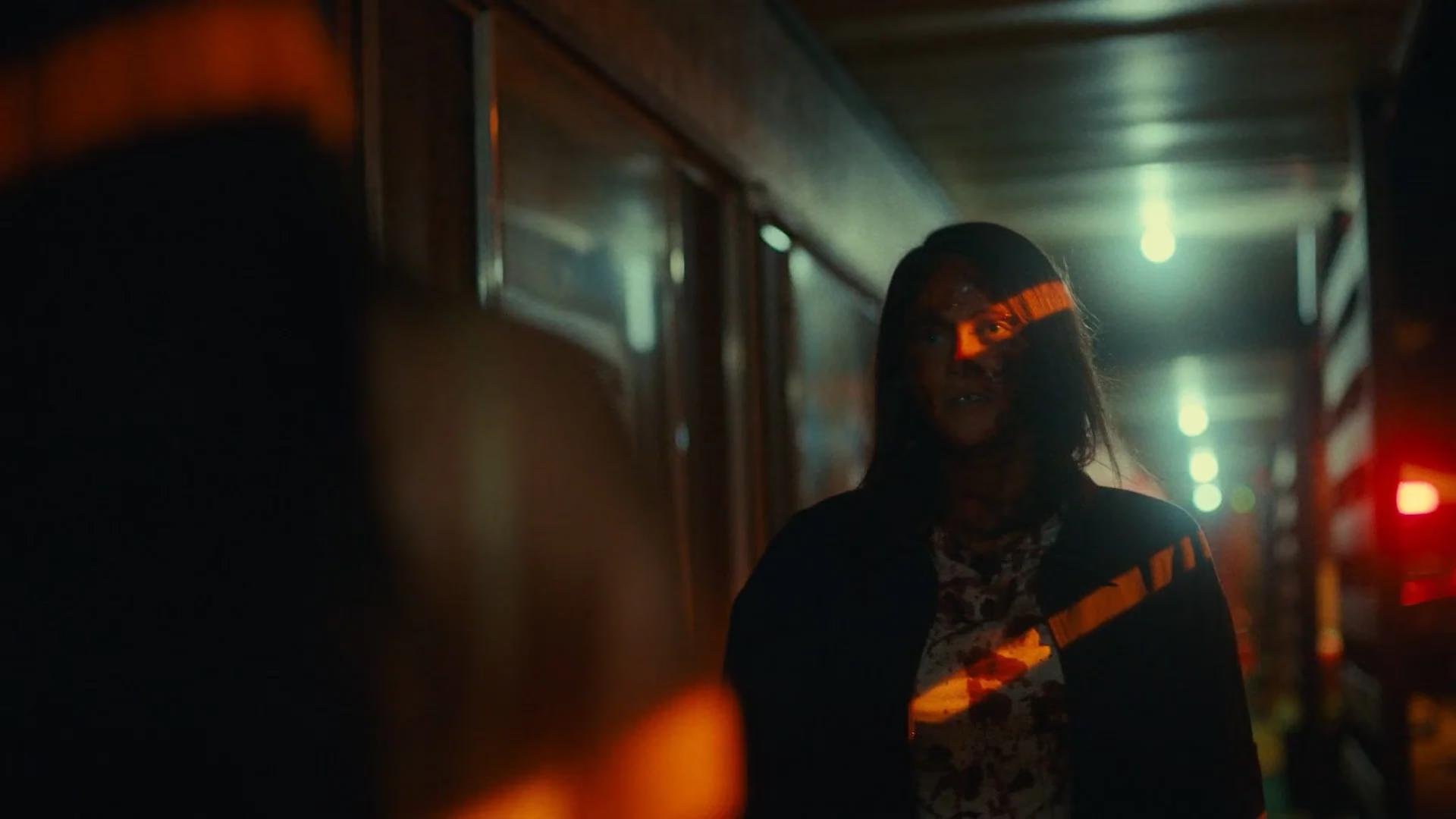
But the film does not develop this strand as fully as its premise permits. We see the imbalance and sense what might result, while parts of the relationship remain less explored than they need to be.
This strand could have made the group's surrounding world more complex, particularly by connecting their need for protection with their limited ability to set its terms. Its presence matters, but its dramatic payoff remains closer to a promise than to fully realised development.
As horror advances, the story loses its distinctiveness
The first half is the film's most engaging part for us, because it gives relationships time and allows the characters to reveal themselves through their interactions.
As the nature of the danger becomes clear and violence advances, the pace and focus change. The story begins to depend more heavily on anticipation, attacks and the fates awaiting members of the group.
In principle, this shift can draw on everything that preceded it. Attachment to the characters makes the threat against them more affecting and gives the horror a clear emotional foundation.
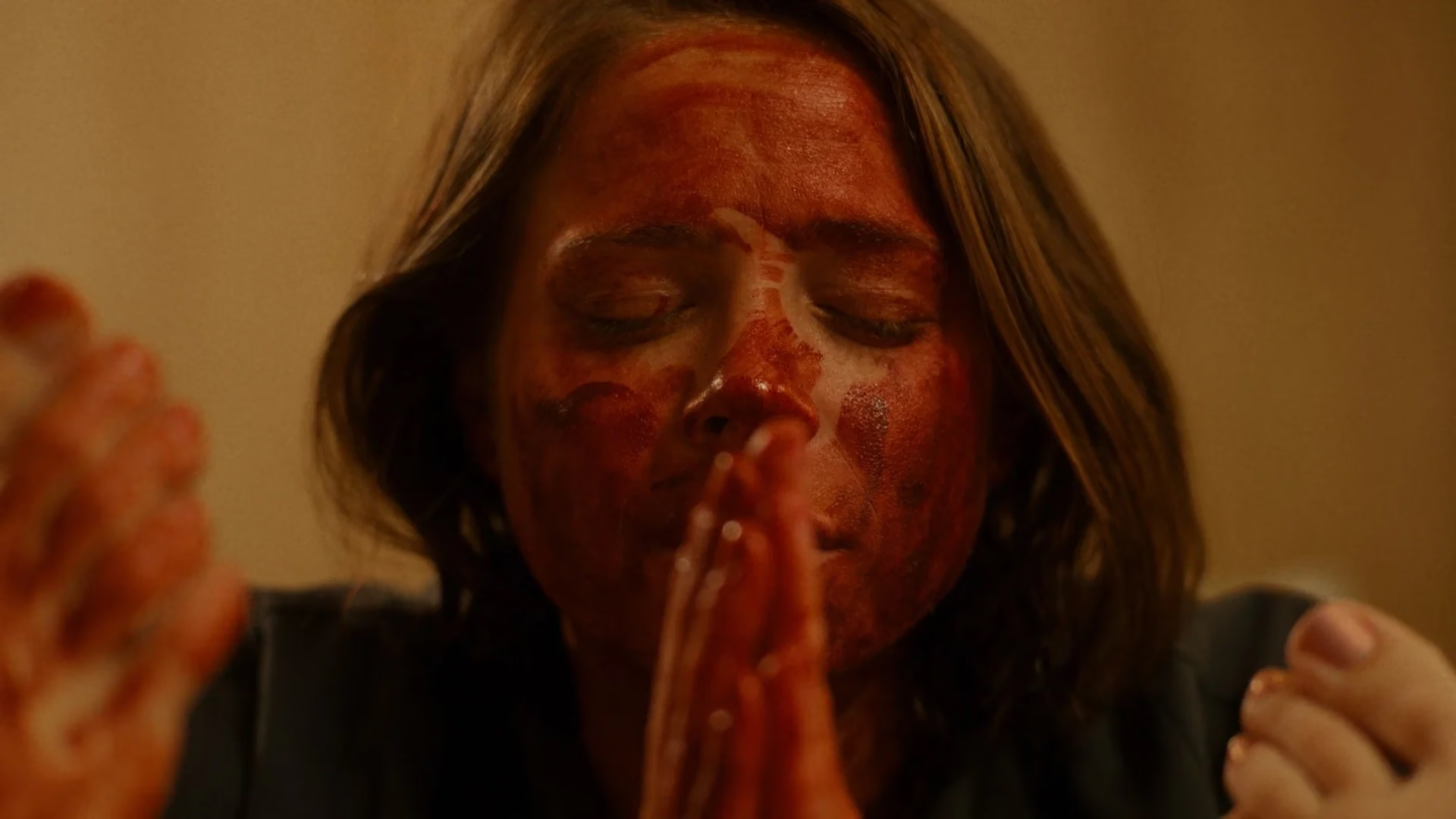
The execution, however, gradually moves towards familiar slasher territory, narrowing the space that gave this world its distinctive character. We follow the escalation while the characters' interactions become less able to drive the story.
The problem concerns the relationship between the two halves. The opening builds interest in these people's experiences, how they live and how they depend on one another. The later part then asks that interest to carry much of the impact on its own, while opportunities to add new layers diminish.
We feel the film needed a stronger integration of changing relationships and escalating danger. Each new event could then test what we have learned about the characters, allowing the drama to keep developing within the horror.

Some moments achieve this effect, but the overall result does not sustain it sufficiently. The second half consequently feels less distinctive than the groundwork that led to it.
Memorable characters whose stories need more development
We leave the film able to remember the characters' personalities and relationships. That is a credit to the actors and to the time the film devoted to building the group.
But a clearly established character needs that clarity to continue through their story. We want to see how the experience changes their understanding of themselves, a decision they make, or their relationship with someone else.
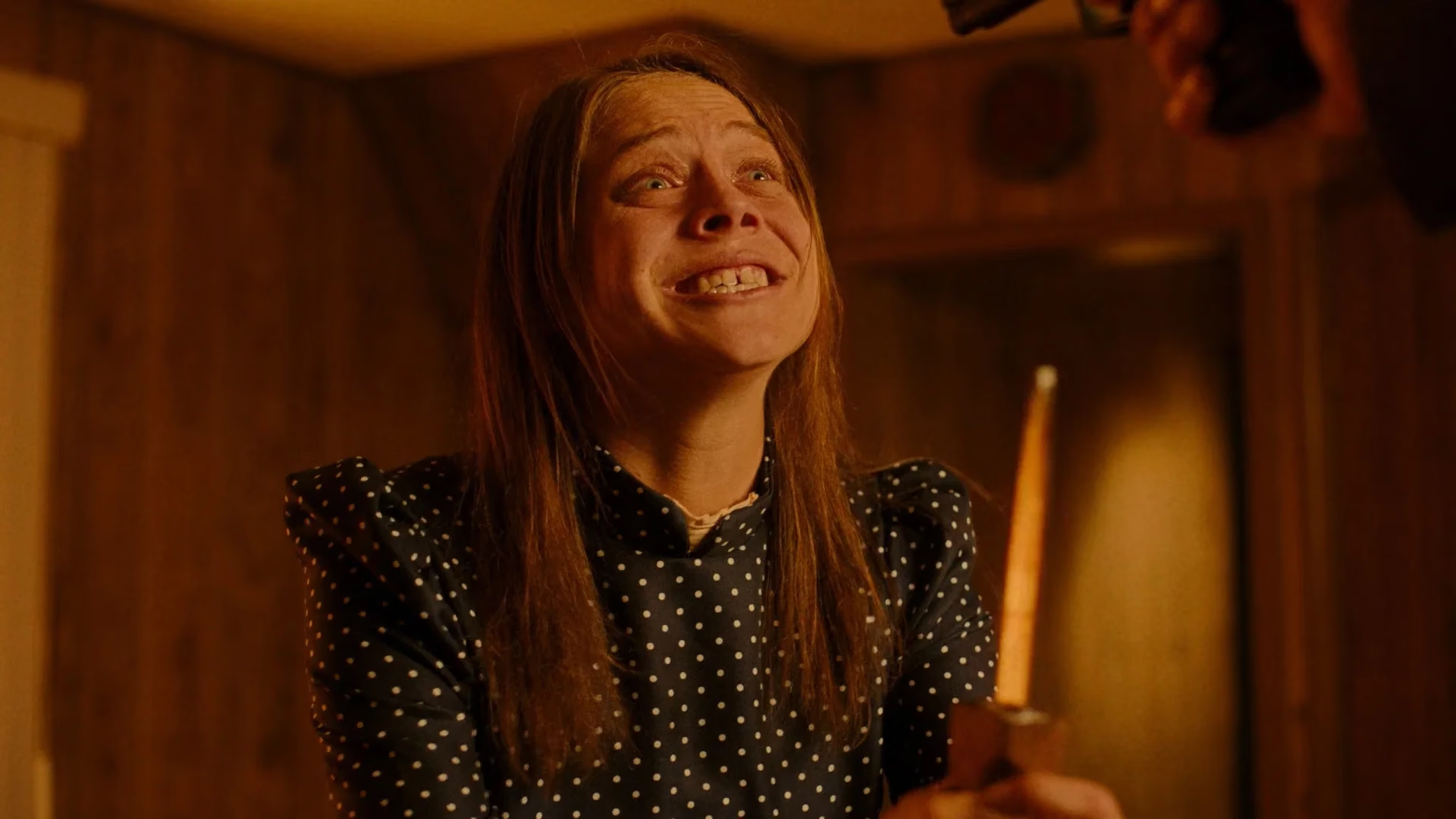
Some of the storylines feel limited here. Events test the characters harshly, but the outcome does not always give them development proportionate to the weight of what they have endured. Our feelings for them remain strong, while it becomes harder to identify what the journey has added to our understanding of them.
This explains how the film can be affecting and disappointing at the same time. We care about the group, so many moments of danger work. But that concern also raises our expectations of the writing, making shock alone less satisfying.
The contrast between moments of familiarity and scenes of cruelty also gives the film a disturbing effect that lingers afterwards. Yet a lasting impact does not necessarily mean the construction is complete: it may be tied more to what the characters suffered than to a meaning developed through the story.

Candy Land's greatest achievement is making the group's lives worthy of our attention. Our biggest reservation is that the final part does not give those lives the development promised by the opening.
Final verdict
Final verdict
The film has an engaging opening, a strong ensemble and a humane portrayal of people finding a degree of safety in one another within an environment that rarely provides it. Its standout elements are Olivia Luccardi and Owen Campbell's performances, the familiarity among the group, and the everyday details that give them a presence extending beyond the violent events. On the other hand, the story becomes less distinctive as conventional horror takes over. Some strands, particularly the relationship between authority and protection surrounding Rex, remain less developed than they deserve. Nor is the weight of what happens to the characters always matched by equivalent depth in its consequences for them. The result is a film with affecting moments and ideas worth considering, but one that leaves an impression of greater potential than it fulfils. We believe its relationships and care about the people within them, then wait for the story to do more with that investment than its ending delivers.
Your turn
Did your attachment to the characters make the second half's horror more affecting, or did it feel as though it wasted what the opening had built?
AUDIENCE VOTE
Do you agree with the MB rating?
Choose once from this browser. You can change your answer at any time.