
The review
Screenplay and dialogue: a celebration holding on to the image of life
Pumpkin lives in her childhood home after a disease has killed most people, including her family. After roughly four years of isolation, she holds on to Halloween, the occasion that used to bring them together, and tries to recreate it with what she has left.
The opening draws its strength from the details chosen by writer and director Ben Sottak. Candy still exists, but the crops are gone. Decorations can be put up, but there are no guests. Pumpkin even replaces pumpkins with orange rubber balls, as though the outward shape of a celebration could compensate for the absence of the life that once gave it meaning.
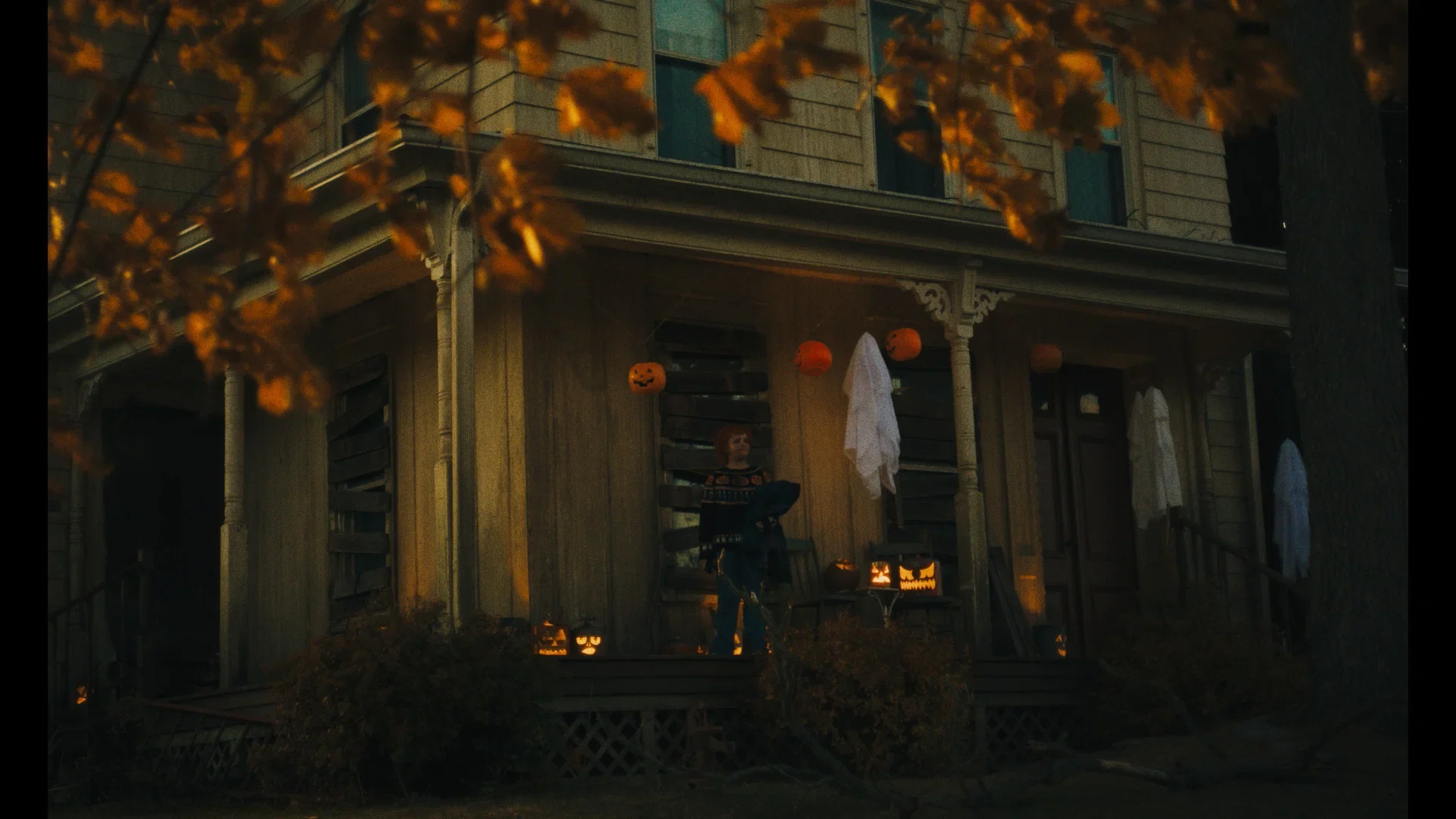
This contrast gives the production design a purpose beyond seasonal atmosphere. Everything appears prepared to be shared, while its owner is alone. Her radio becomes a way to send an invitation into a world where she does not know whether anyone remains.
Keeping her family's remains on the couch, beneath blankets and masks, gives the image its real cruelty. She watches recordings of her happy family in the presence of what is left of them, trying to bring together two moments in time that cannot be reconciled.
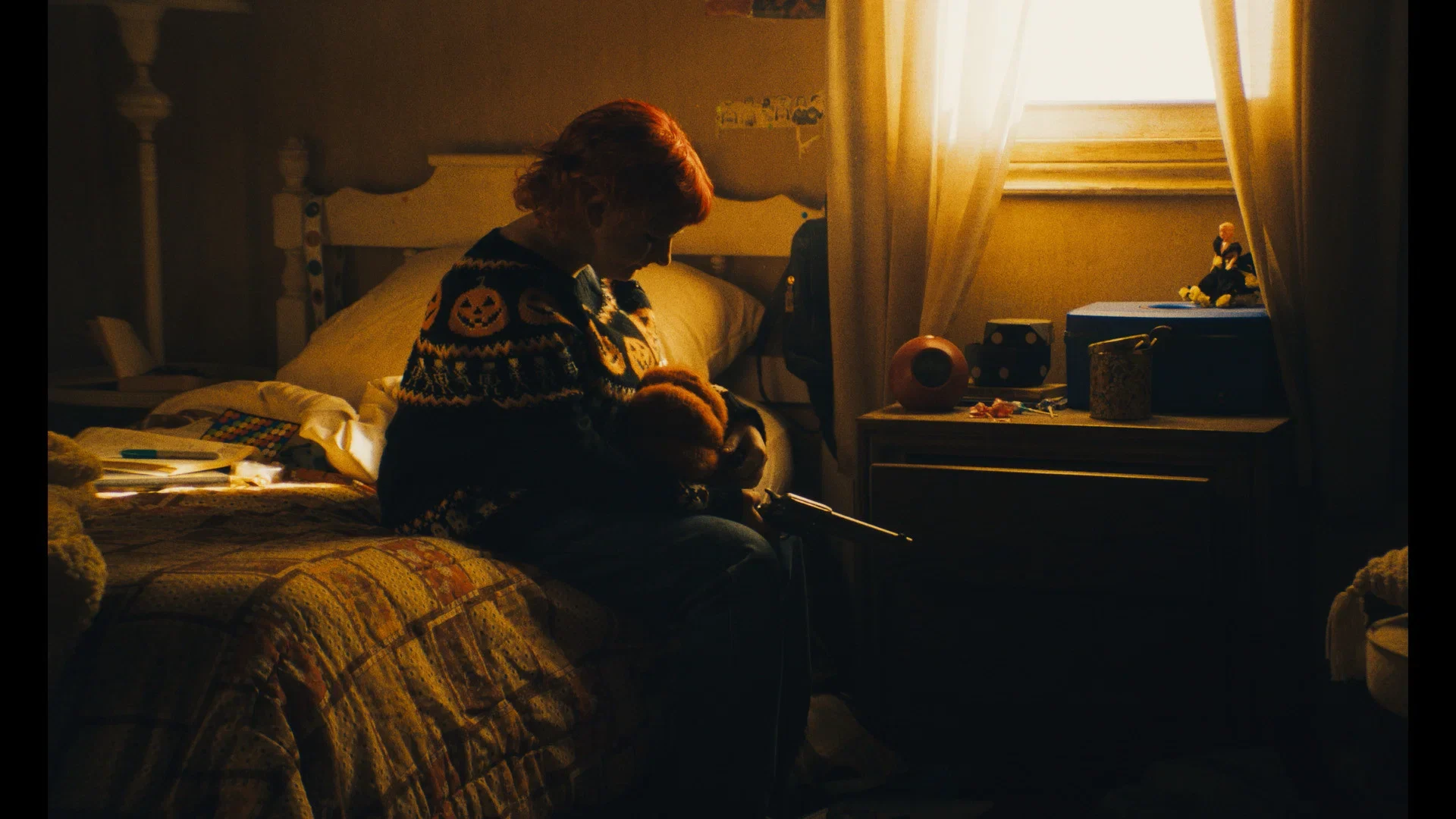
The idea becomes painfully clear when the generator stops and the black television screen turns into a mirror reflecting those seated before it. The image through which she revisits the past disappears, leaving the reality of the room. For us, this is one of the film's most successful moments because it communicates everything it needs without a lengthy explanation.
Pumpkin: hope and exhaustion in Milly Shapiro's performance
Pumpkin could easily have become a cartoonish character: striking orange hair, a childlike attachment to Halloween and unusual behavior inside an isolated house. Milly Shapiro's performance, however, gives these elements an emotional foundation that helps us understand why they belong together.
There is an innocence to Pumpkin's eagerness to welcome others, but it also comes from evident exhaustion. She has used up her ability to endure loneliness, so she rushes toward the first chance of connection further than caution would permit.
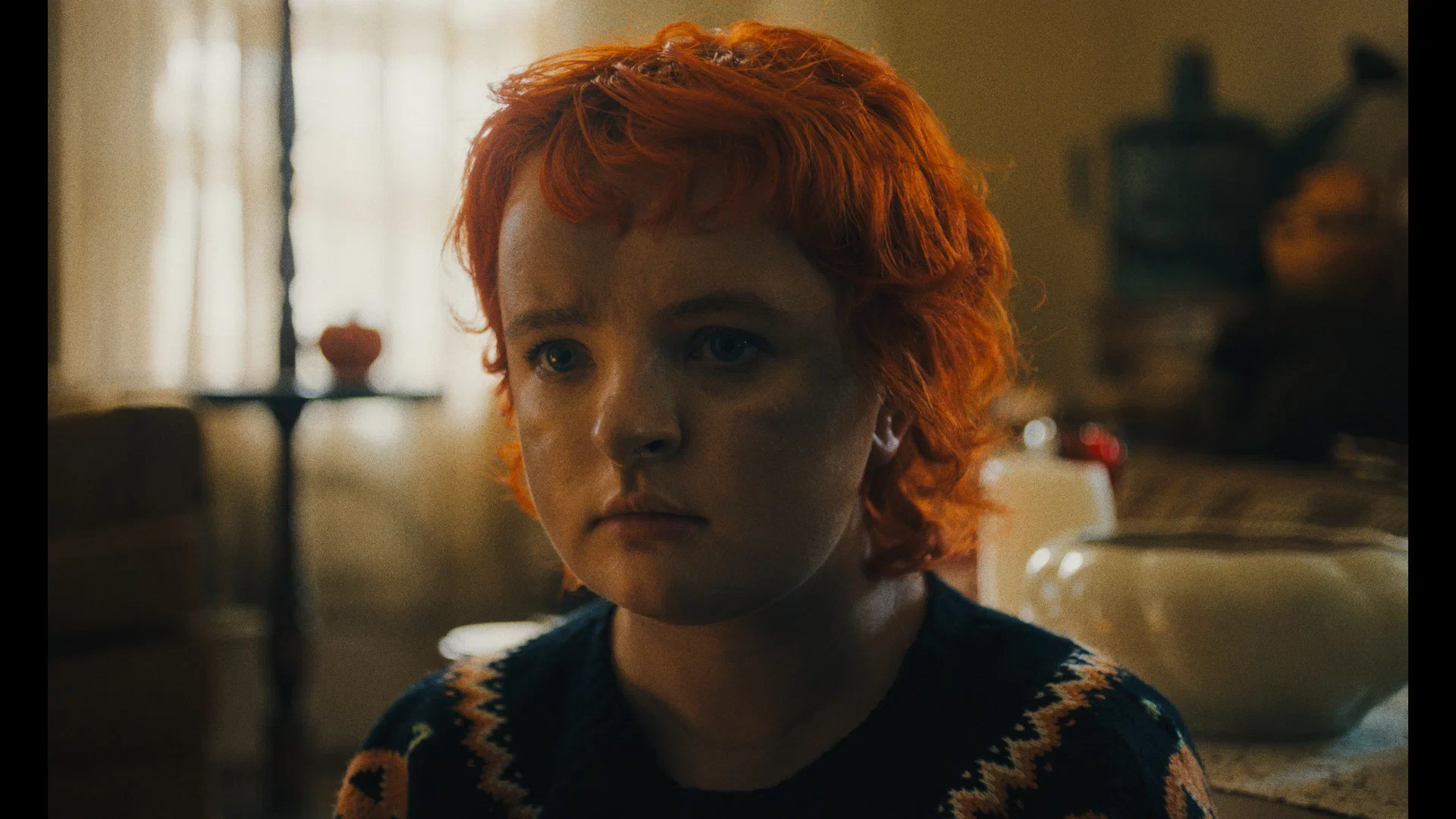
We see this clearly when she pursues the person who takes candy from outside the house. What drives her is the possibility of another human being she can talk to. In her world, that possibility becomes more valuable than the usual feeling of safety.
Shapiro keeps both hope and weariness present in the character. Pumpkin can talk enthusiastically about the celebration while we understand that her life has reached a point of profound despair. This prevents her apparent lightness from erasing her pain.
The writing does not always support the performance. Some dialogue makes her explain herself more than necessary, and some decisions seem designed to serve the escalation. Yet we can understand the emotional reason she accepts an obvious risk: she fears returning to the silence in which she has lived for years.
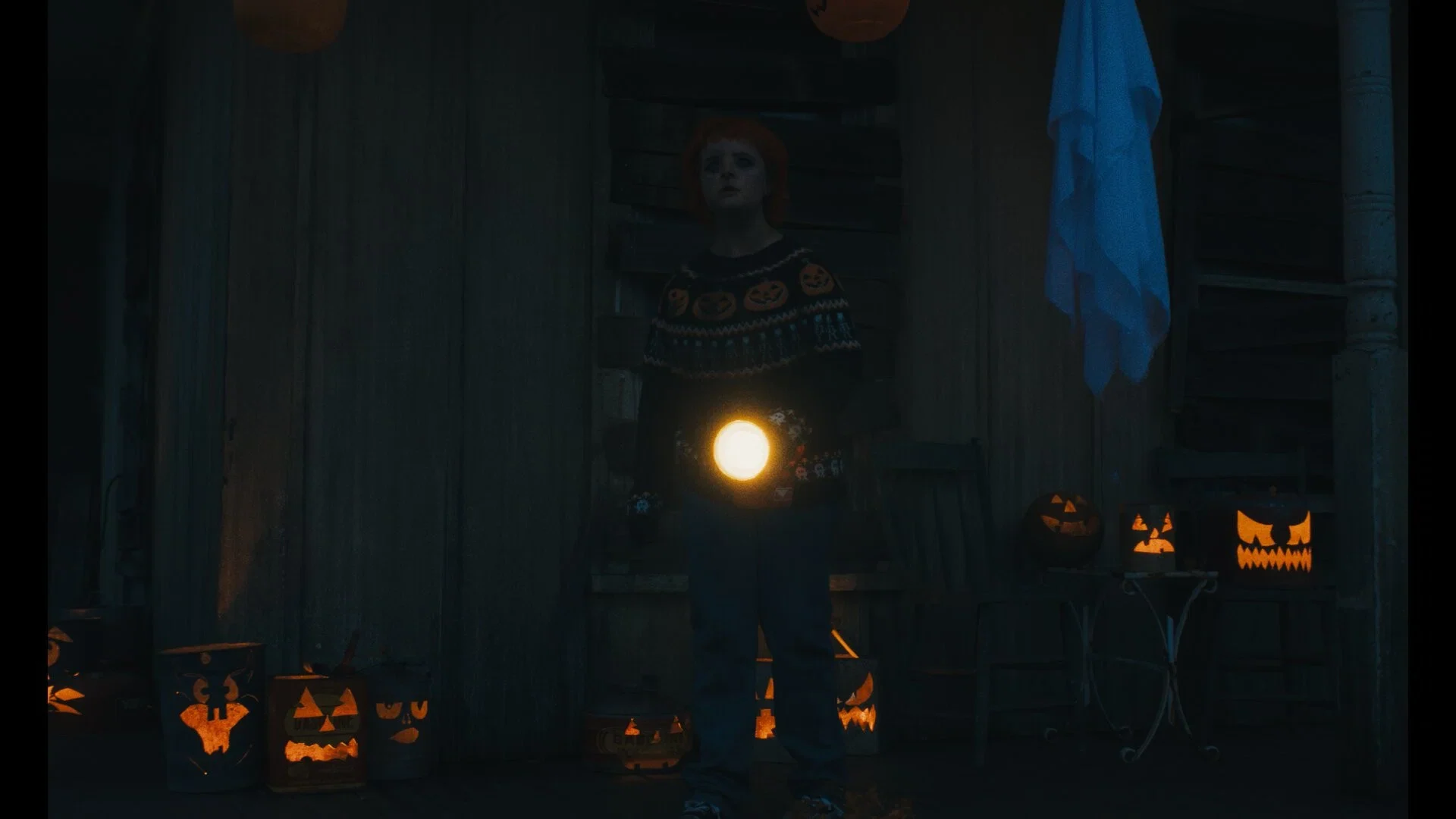
The film thus establishes a good foundation for a horror heroine, even when it does not develop that foundation as fully as it deserves.
Talia and the exploitation of the need to belong
Talia is the most effective character in the group that arrives at the house because the danger she poses connects directly to what Pumpkin lacks.
Royce reveals his aggression quickly, while Talia approaches through reassurance. Her calmness and apparent willingness to listen let her move toward the role of a surrogate mother. Through this closeness, she turns Pumpkin's desire for company into a means of putting pressure on her.
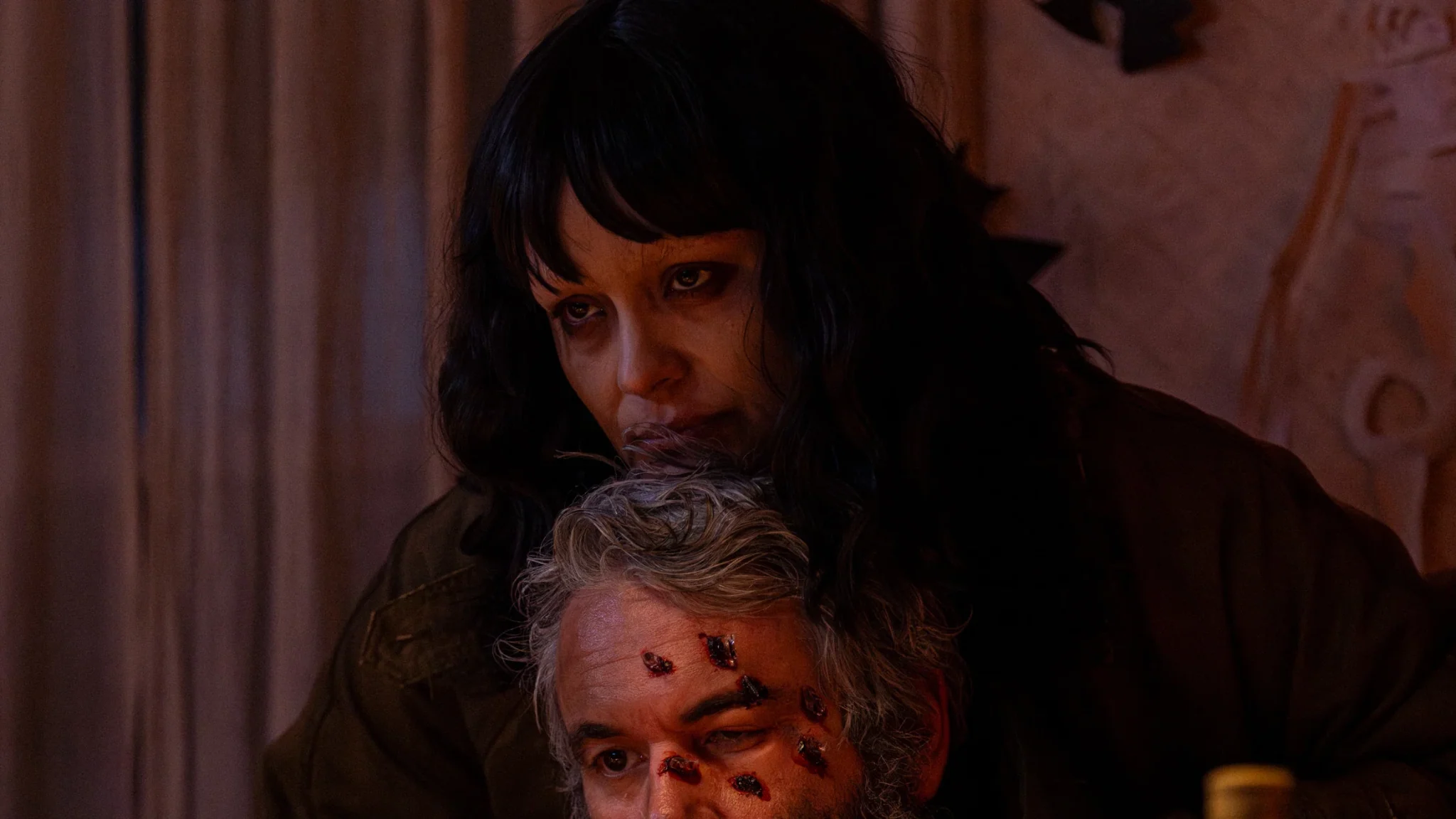
The clearest example is making the newly arrived visitors' continued presence conditional on welcoming the rest of the group. Pumpkin hesitates and realizes that opening her home to more strangers could be a mistake, but Talia ties refusal to losing everyone.
This is a strong moment in the construction of the conflict because her agreement grows out of a specific need within the heroine. It also makes the exploitation more unsettling than a direct threat: Talia knows what could make Pumpkin surrender her boundaries.
Shannyn Sossamon gives the character a presence that supports this aspect, particularly in the distance between her reassuring manner and the predatory intentions it conceals.
That level does not extend to the other antagonists. Royce remains confined to a threatening register, while the other members are presented mainly as aggressive, masked bodies. These figures can serve the chase, but they add little to the picture of humanity after the world's collapse.
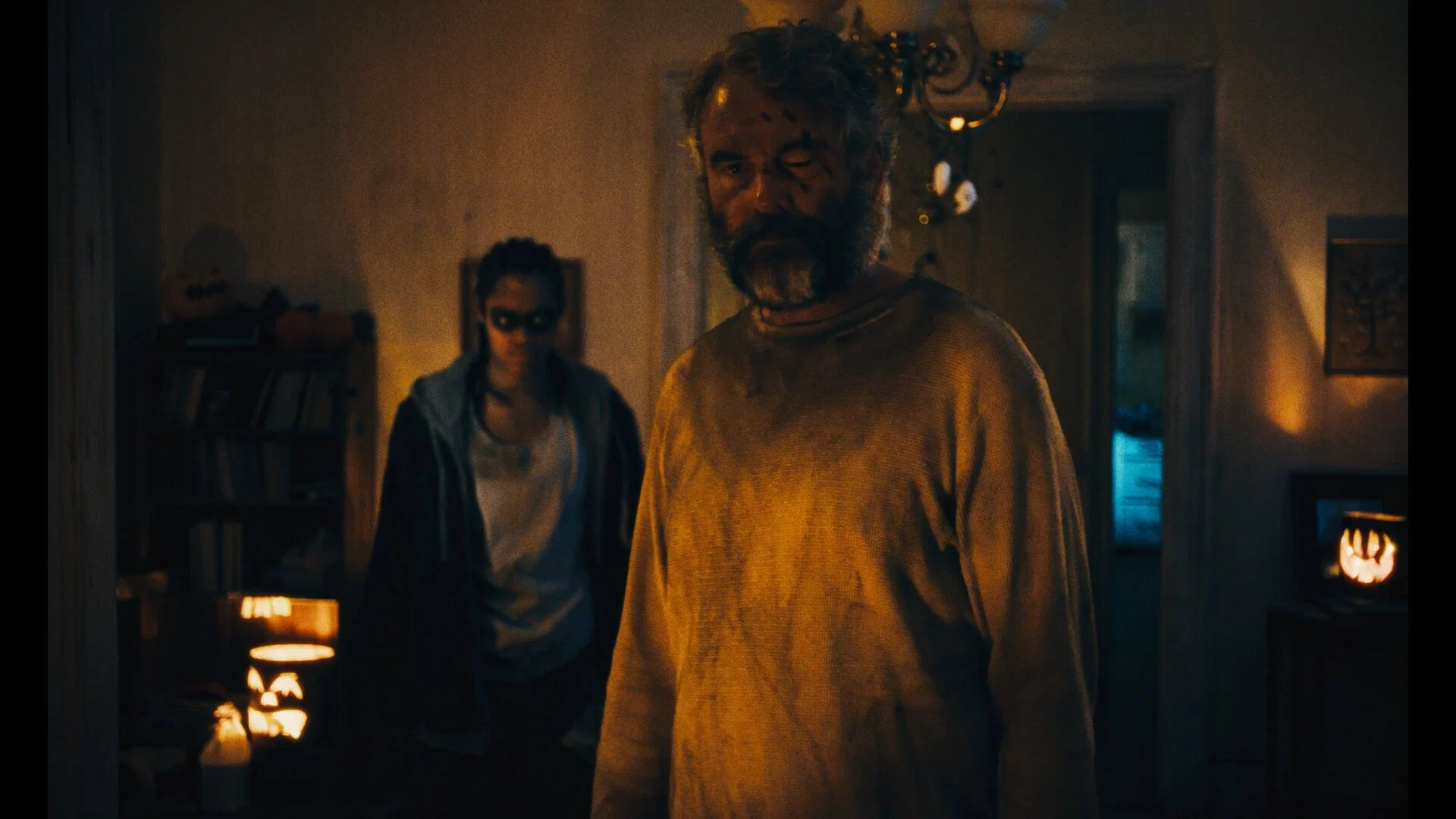
A conflict that could have explored the exploitation of the need to belong consequently recedes, giving increasing space to antagonists whose function we understand as soon as they appear.
Direct dialogue narrows the space for tension
One reason the tension weakens is that the screenplay rushes to explain its characters' motives and where they are headed.
When Talia and Royce arrive, there should be room to observe the conflict between Pumpkin's need for them and our suspicions about them. Early signs of danger and direct dialogue narrow that space. Their intentions quickly become clear, and the waiting centers on when the attack will happen.
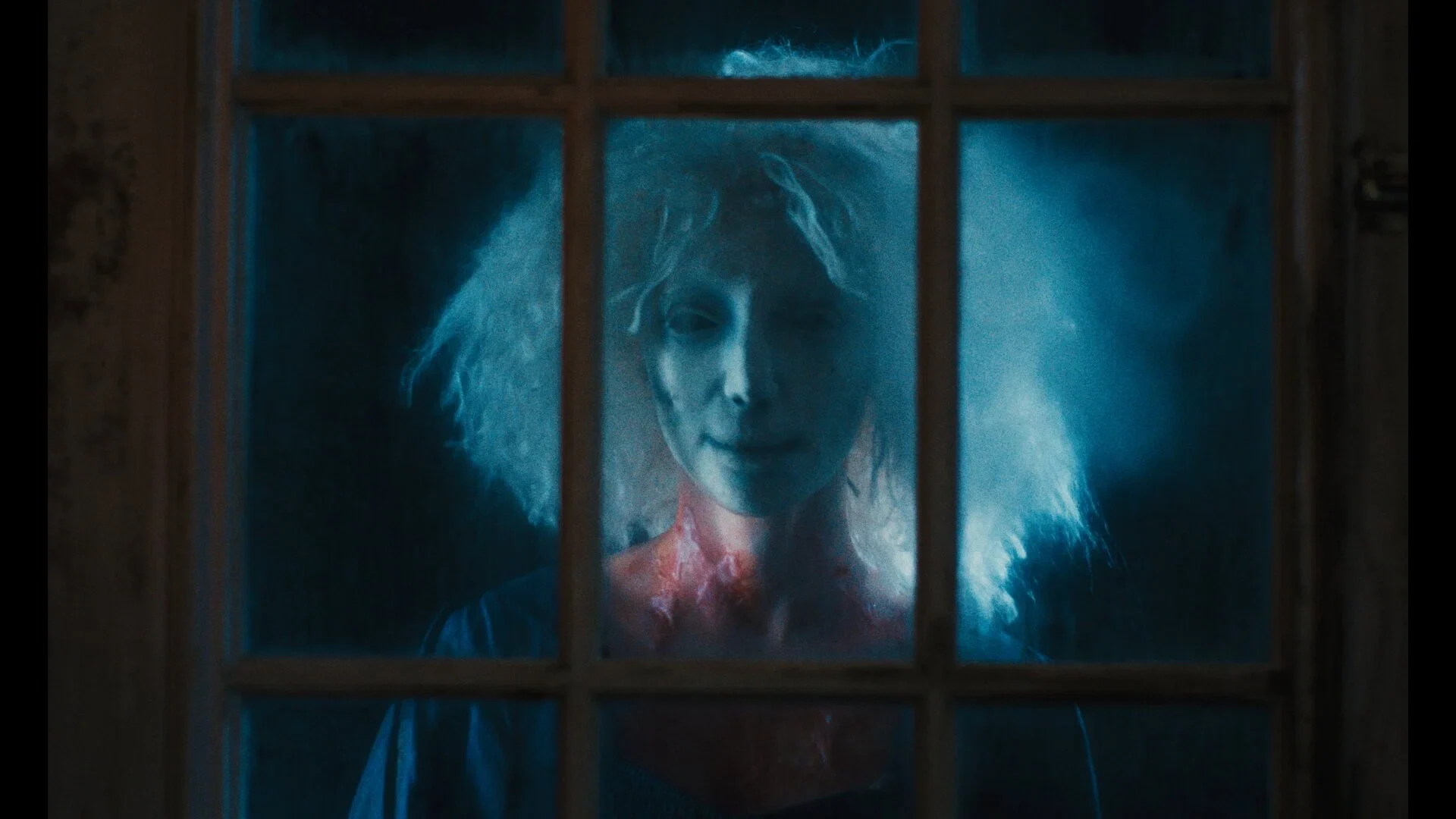
Some scenes also pause so that Pumpkin can explain her background or her relationship with her family. The information matters, but presenting it this way slows the interaction between characters and sometimes makes her words seem addressed more to the viewer than to the person in front of her.
The problem is more apparent because the opening has already shown the film's ability to communicate through images. The couch, masks, old recordings and makeshift decorations all tell us essential things about Pumpkin without needing to spell them out in words.
We feel that trusting these elements would have given the dialogue more room for evasion and conflict, allowing us to discover the character gradually. Excessive explanation reduces the ambiguity horror needs and limits the participation the film asks of its audience.
The house becomes a place of resistance
Once the group's danger is revealed, the film moves into a confrontation inside the house, and Pumpkin's partnership with Wendy becomes the foundation of survival.
The best idea in this shift is using the Halloween preparations themselves for defense. The things Pumpkin arranged to welcome guests and make them happy become part of her resistance to people who want to hurt her. Her knowledge of the house gains a practical value after initially seeming part of her closed existence.
This change gives the heroine a degree of agency. She is no longer waiting for someone to arrive and save her from loneliness; she must act, use what she knows and decide who deserves her trust.
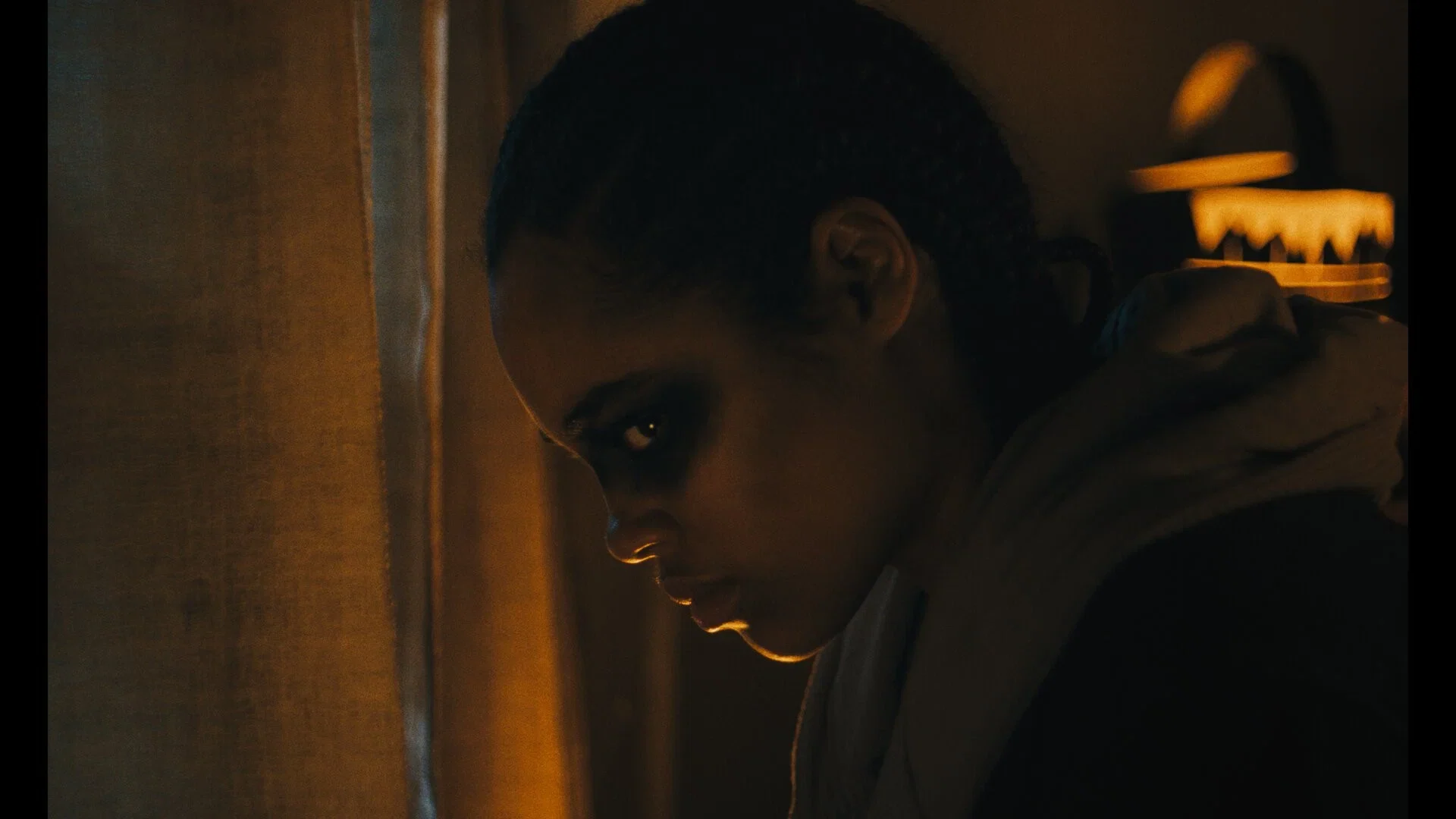
Wendy's presence matters because she offers a different possibility for human connection. Belonging to the group does not mean she approves of it, and her choice to help Pumpkin creates room for solidarity amid the violence.
The relationship between the two young women has more potential than the film allows it. Events quickly move into attack and response, and confrontations take up time that could have deepened their trust. Wendy's writing and performance also tend to stay in a similar register, making her function in the story clearer than the particulars of her personality.
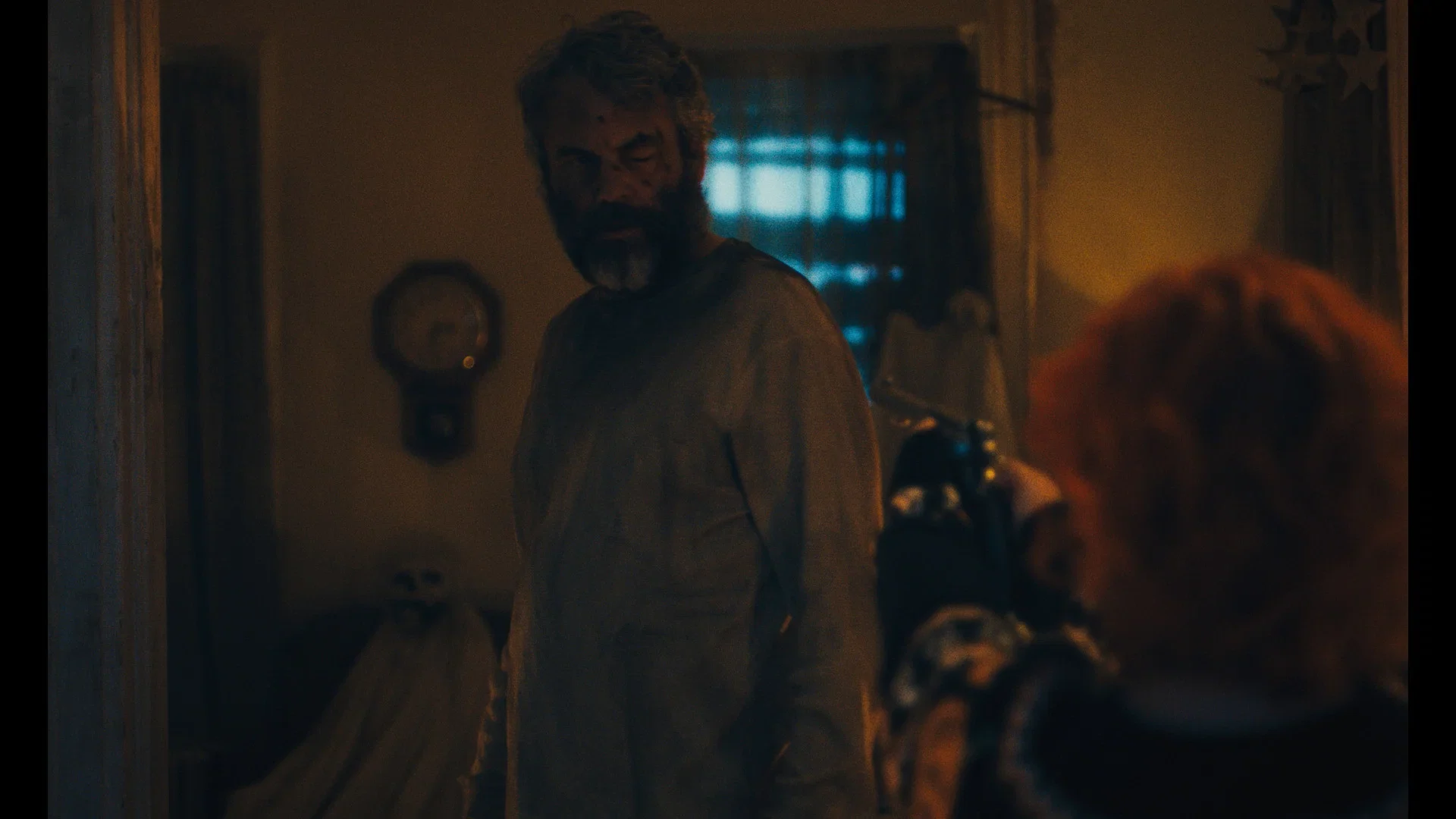
This section nevertheless retains some enjoyment through brisk action, the film's short running time and its use of the objects around the house. The problem is that the succession of confrontations sometimes becomes more prominent than their effect on the heroine, weakening the connection to the grief that made the opening distinctive.
Halloween identity and the limits of visual escalation
Hallowarrior has a clear seasonal identity, benefiting from the combination of simple decorations and a world that has lost the signs of ordinary life.
Masks, coverings and Halloween colors take on an unsettling meaning in this context. The chase through the cornfield, relying on flashlights, also offers a good opportunity to use the darkness and the space around the house.
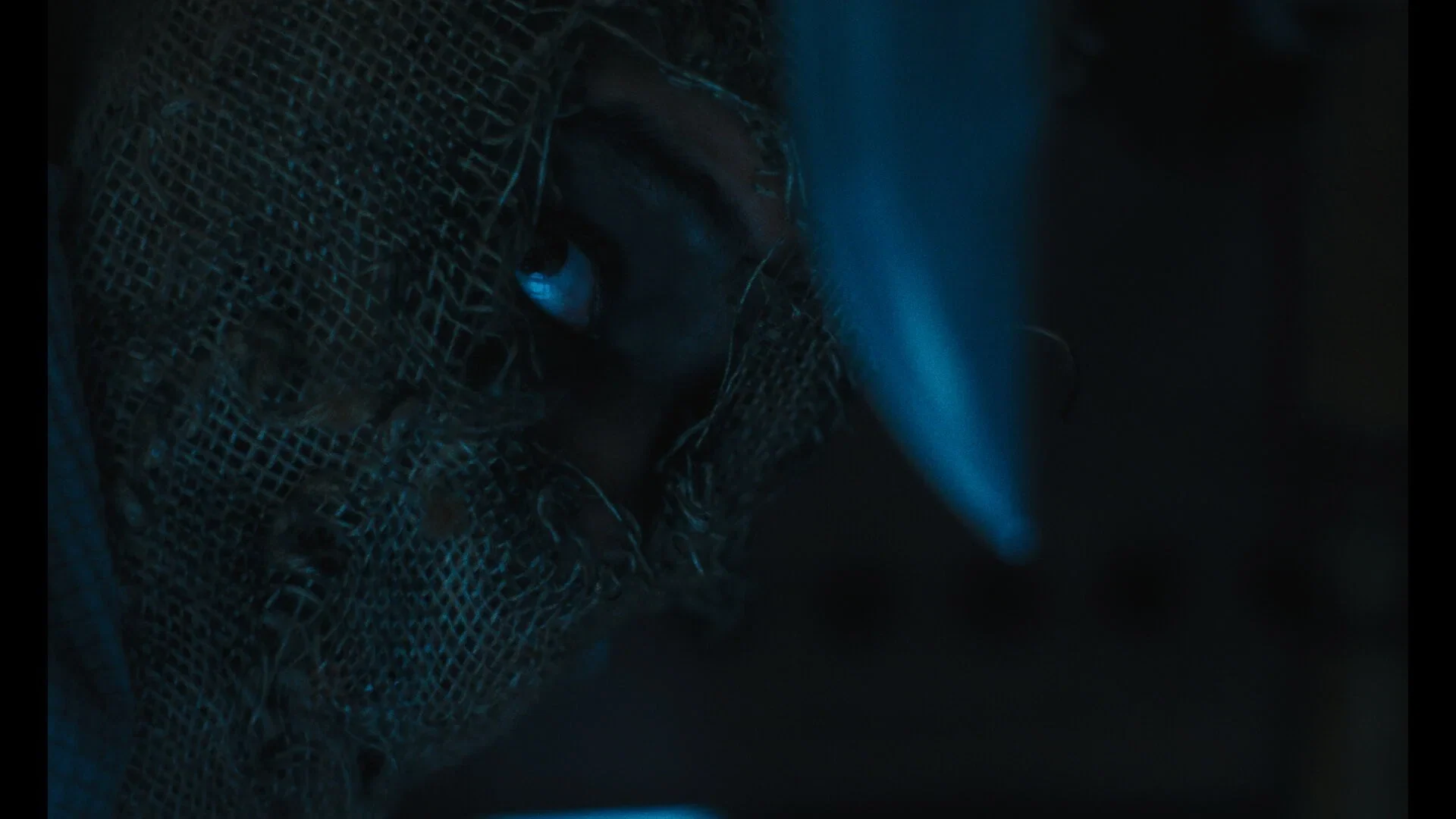
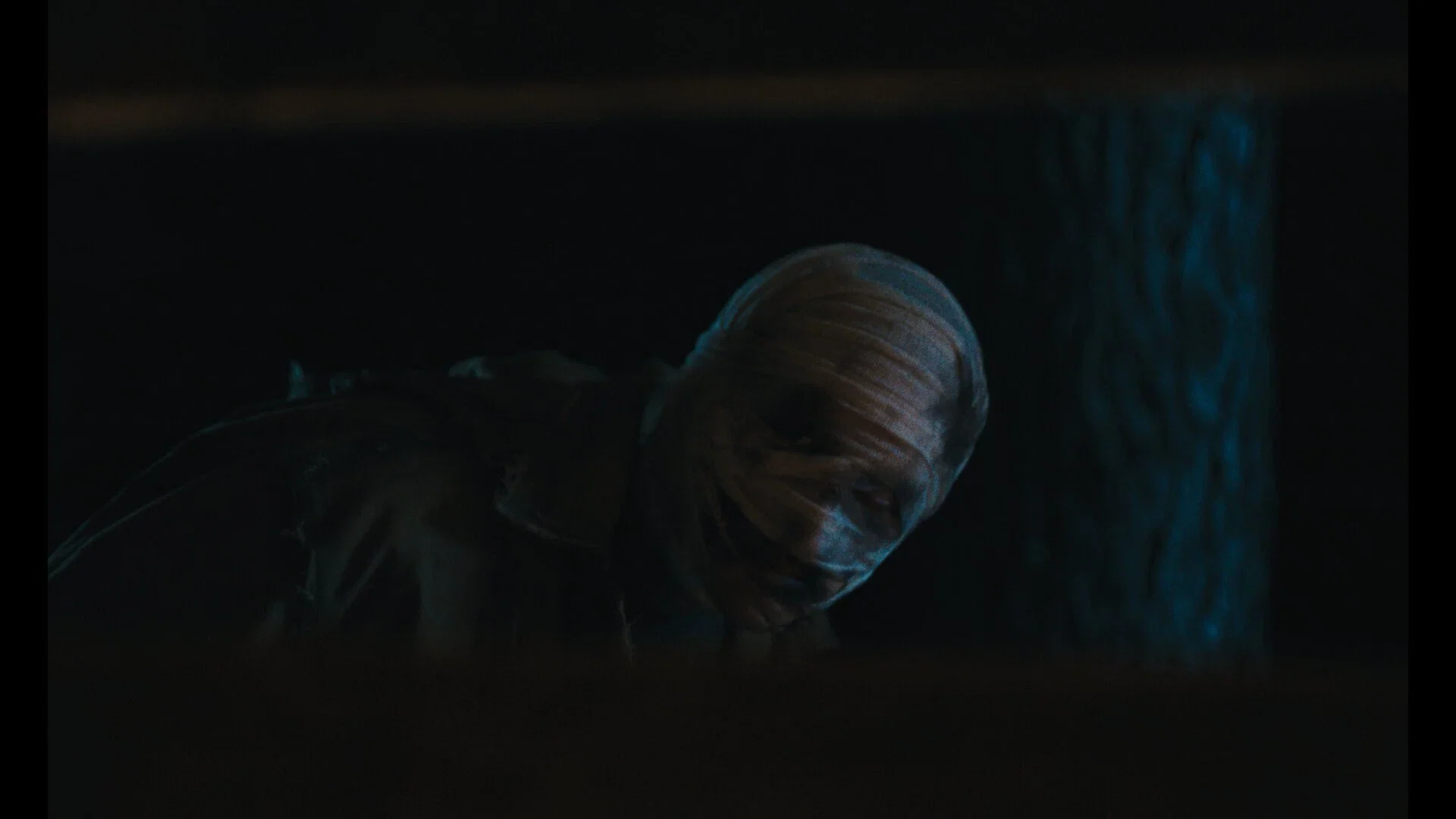
The opening's visual texture recedes, however, when events focus on exchanges of attacks indoors. The action continues while the details that initially made the location an extension of Pumpkin's life become less prominent.
Practical effects give some violent moments an immediate impact, but their credibility is uneven. Some shots benefit from their physical presence, while their limitations show when the film relies on them for longer. The bloody escalation therefore does not consistently achieve the force it seeks.
The hallucination scenes connected to the drug used by the group attempt to expand the visual form through intense oranges and strong contrast. The film's wish to break free of the confrontation's realism is understandable, but the result feels less connected to what it established earlier.
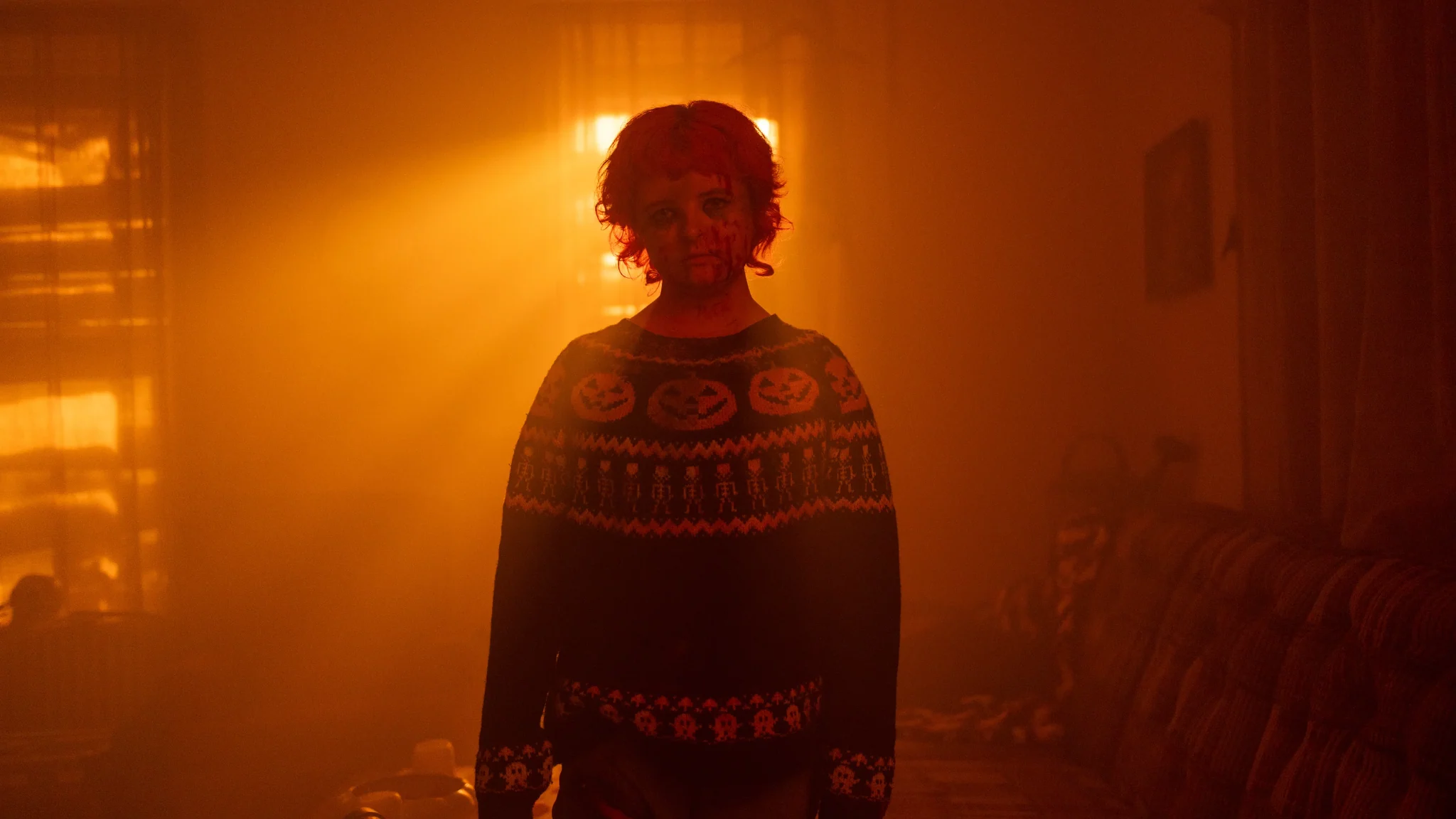
Fear of strangers and the exploitation of trust were enough to create a clear threat. As hallucination takes up more space, the film becomes occupied with displaying a visual state that adds no comparable depth to the conflict.
We appreciate this ambition, but the movement between grief, violence and strangeness needs stronger connections for each part to feel as though it develops the others.
The ending: mercy and leaving the house
The ending recovers some of the opening's strength when the central decision becomes what Pumpkin will do after surviving.
Letting Talia leave gives the heroine an independent moral choice. She has learned to defend herself, but she does not automatically consider it necessary to kill someone who has lost the ability to attack her. This decision can be read as holding on to part of her humanity after a night that tried to strip it away.
The choice remains open to debate because Talia offers no guarantee that she will not return. The film leaves that possibility open, keeping mercy tied to risk and the limits of Pumpkin's trust under examination.
Leaving the house with Wendy is the clearest emotional change. The home preserved her memories, but it also kept her inside a life that had stopped. Once she finds a living person who chooses to stay with her, she becomes able to leave.
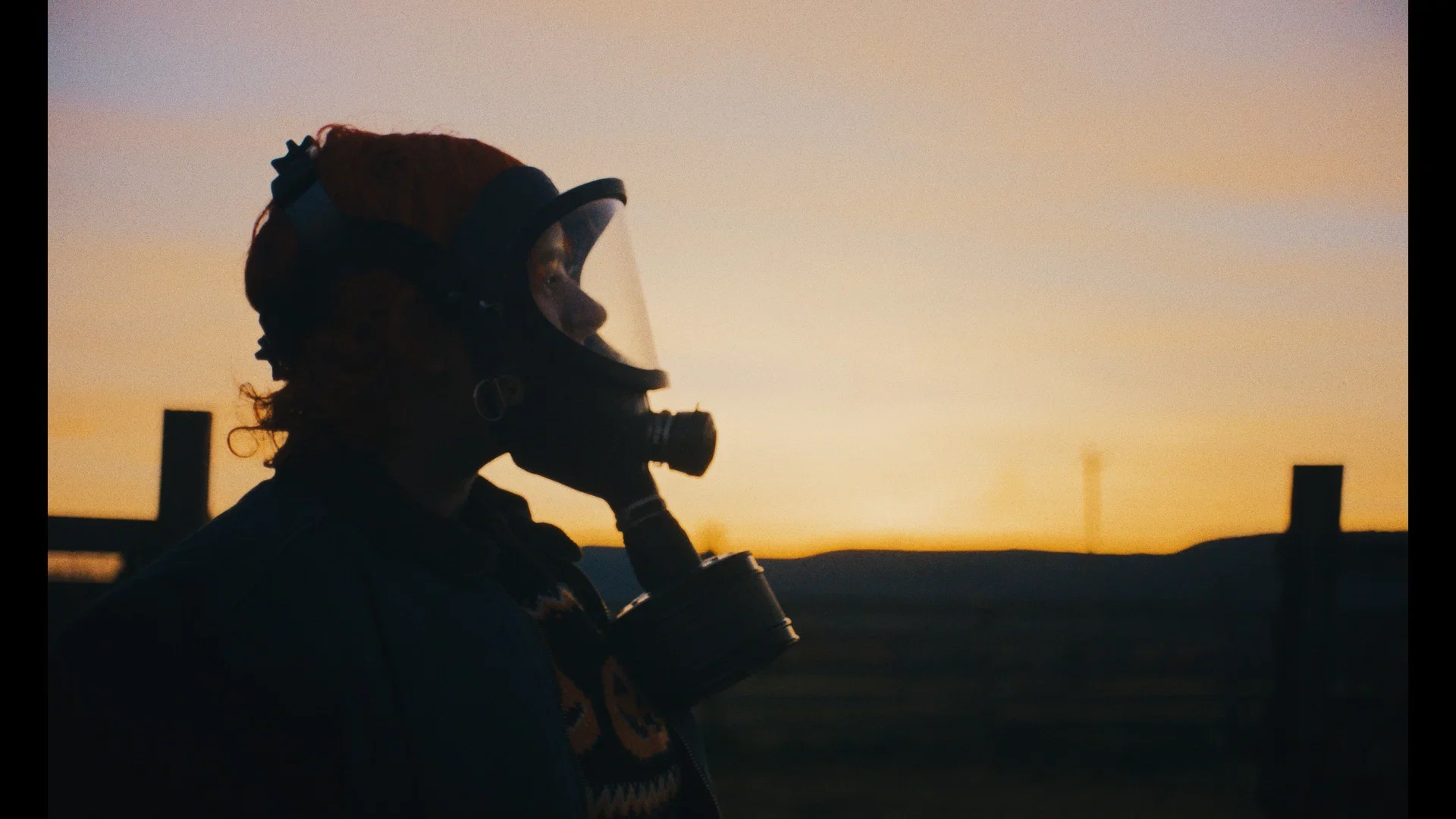
We do not know whether the road will lead them to other people or new dangers. It is enough that Pumpkin no longer has to face either possibility alone.
This conclusion gives the story a meaning beyond defeating the attackers, although the journey toward it needed more room to develop the relationship between the two young women.
Final verdict
Final verdict
In the end, the film offers a moving opening, a heroine carried by Milly Shapiro's good performance and an intelligent use of certain Halloween rituals to express loss. Talia's presence, the brisk events and the idea of turning festive preparations into defensive tools also provide moments worth watching. On the other hand, direct dialogue weakens the film's ability to build tension, most characters remain limited, and the visual execution and effects vary in quality. Above all, the shift into violence does not always develop the human depth promised by the opening. The film has enough to make an acceptable seasonal horror experience, but there is a clear distance between the strength of its premise and the level of its execution across the whole story.
Your turn
Now the question is yours: does letting Talia leave show that Pumpkin has preserved her humanity, or is she still giving others trust they do not deserve?
AUDIENCE VOTE
Do you agree with the MB rating?
Choose once from this browser. You can change your answer at any time.