The review
Screenplay and Dialogue
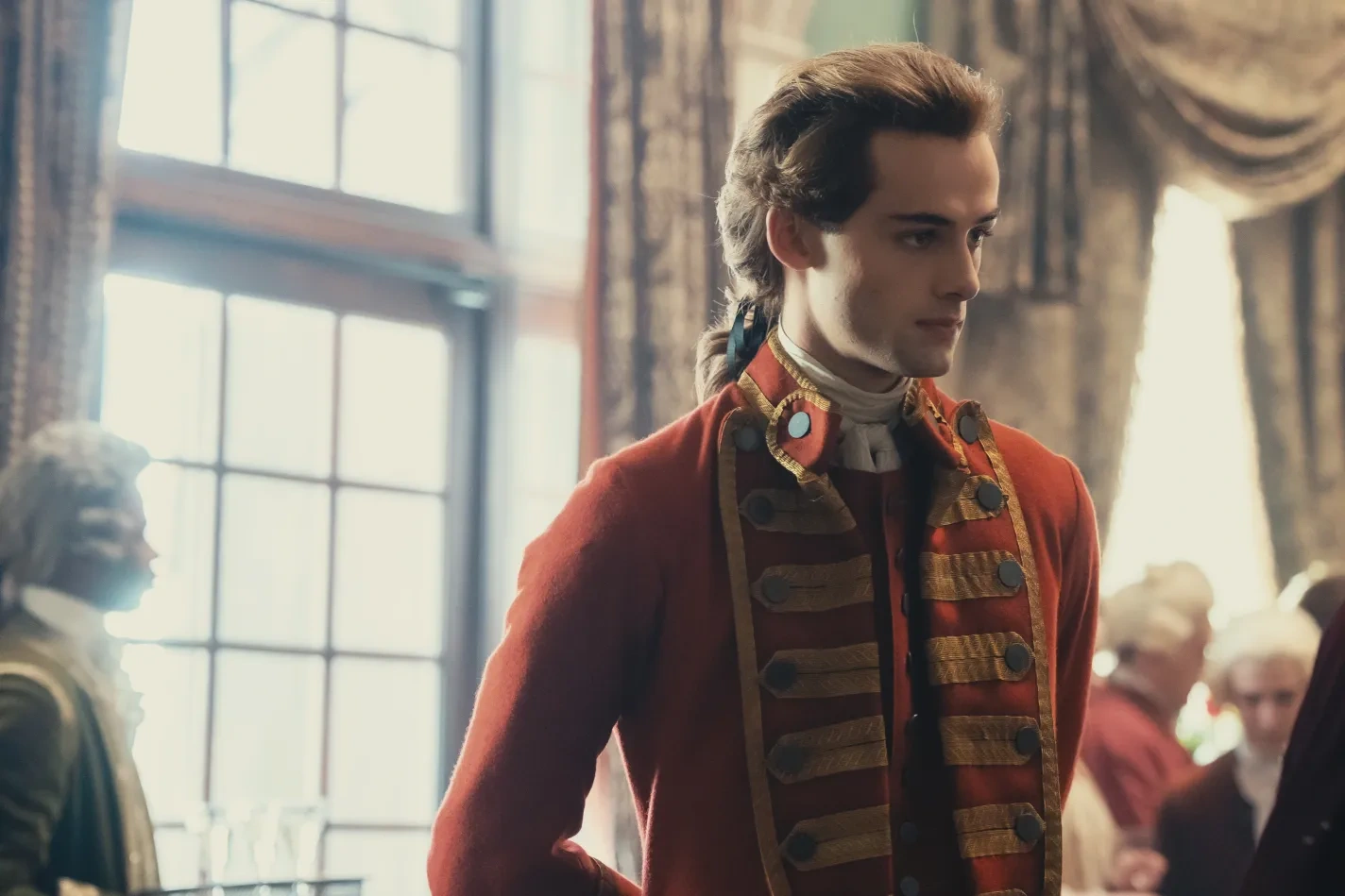
The film starts with a clear motive: George is a young man who wants to become an officer in the British Army. He sees it as a path to higher social standing and a future beyond the life his family circumstances have laid out for him. But he discovers that ambition alone isn’t enough. Wealth, connections, and lineage determine who gets a chance to advance, and he is seen as the son of a farming family without the necessary standing.
This opening gives the story a clear conflict and makes George’s desire to prove himself easy to understand. His dealings with Lord Fairfax and Governor Robert Dinwiddie also reveal what authority looks like in this world. These are men with land, influence, and the power to make decisions, while George is trying to find a place in a system that doesn’t regard him as their equal.
But the film repeats this conflict more often than it develops it. George faces someone who looks down on him, tries to prove he deserves another chance, and then runs up against the same authority in a different form. Over time, the question of leadership becomes a series of tests that show how little others trust him. We get less sense of how his own view of leadership changes, or how he learns to distinguish the desire to rise from the ability to take responsibility.
The film wants to connect personal ambition with a way of leading that puts others first. It’s a fitting idea for a young man who starts his military career looking for recognition and then finds himself responsible for inexperienced men facing real danger. But the film gives too little attention to what changes in him between those two stages.
We see setbacks and victories, and the film puts George in situations that expose his inexperience, especially when he faces more cunning opponents or takes on a mission whose outcome he can’t control. These moments offer the film its best opportunity: to show a leader learning from his mistakes and discovering that courage doesn’t always mean knowing what to do.
These glimpses don’t last long. Whenever the film comes close to showing George’s weakness or uncertainty, it quickly pushes him back toward the image of a hero who keeps moving forward no matter what. By the end, his development feels more like a predictable course than a change we’ve watched take shape step by step.
Knowing that he will become an important leader isn’t the problem; the audience already knows that. The problem is how little inner conflict the film finds on the way there.
Supporting Characters and Relationships
Several people around George could have given his journey more depth. His half-brother Lawrence advises him and warns him against letting ambition become arrogance or a reckless appetite for danger. His mother, Mary, appears as a strong woman marked by a difficult life, while Sally Cary reflects another side of the social restrictions placed on women at the time. Christopher Gist accompanies George in the field, and Dinwiddie continues to hold authority over him.
Most of these threads, however, appear and recede before they develop into full relationships. Some characters seem to be there chiefly to move George on to the next stage, with little room for a story of their own.
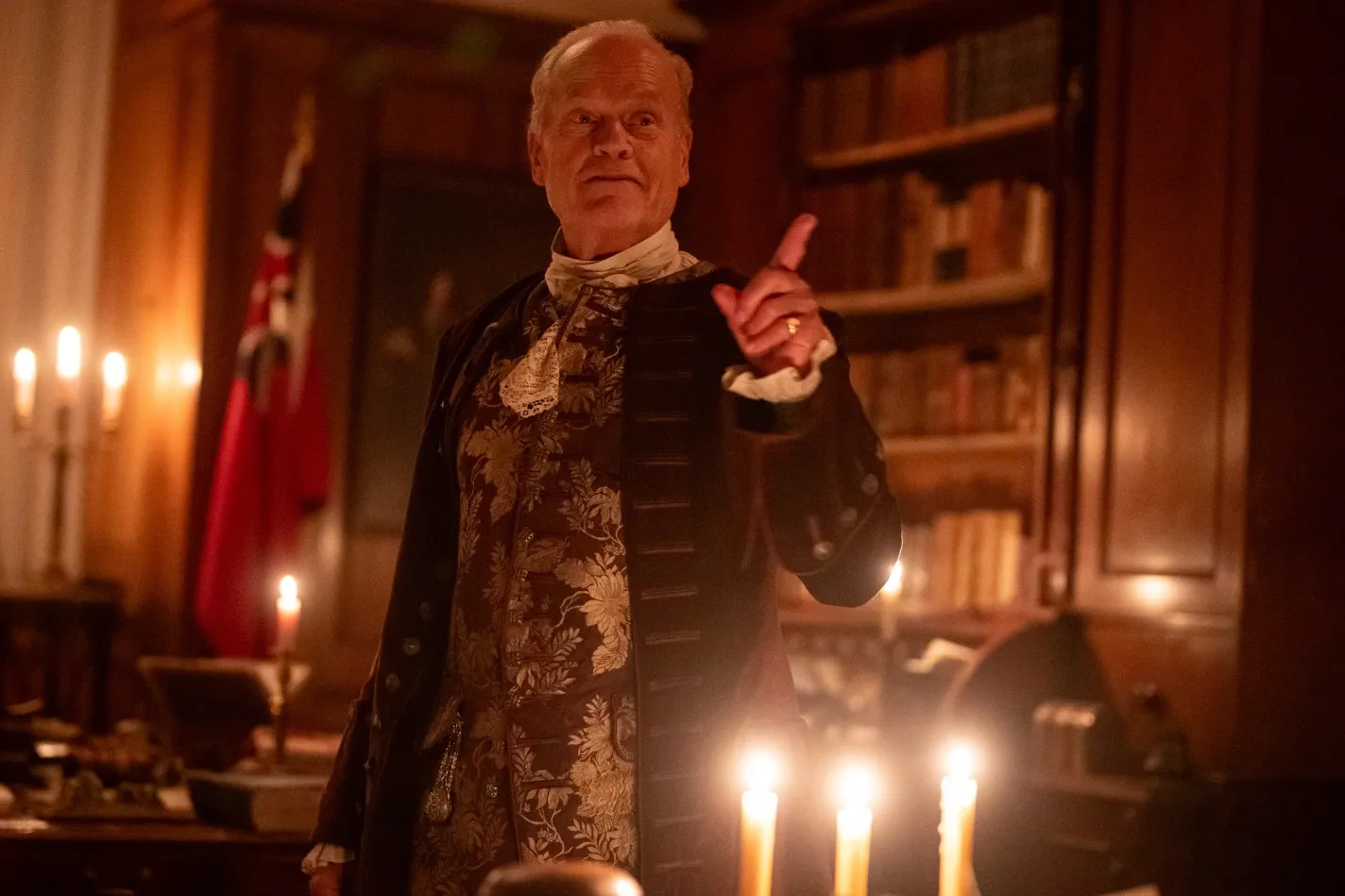
His mother, for instance, largely remains a voice encouraging him to choose his path. Their relationship could have revealed contradictions in both of them. The romantic thread also gets too little time to change how we understand him.
This weakness is especially clear when George grieves the loss of someone dear to him. The film could have let his defenses drop and given the actor time to express anger and pain before moving on. Instead, it rushes through the moment and ends the brief scene with a message of encouragement from his mother.
The film has enough events. What it withholds is the time its most consequential moments need to leave a mark on the character.
Performances
William Franklin-Miller brings the right youthful presence to this stage of Washington’s life. He can play George as ambitious and impulsive, a young man who doesn’t fully control the situations he enters. The uncertainty and fear that surface early in his military career work in the film’s favor, reminding us that we are watching someone who is still learning to lead.
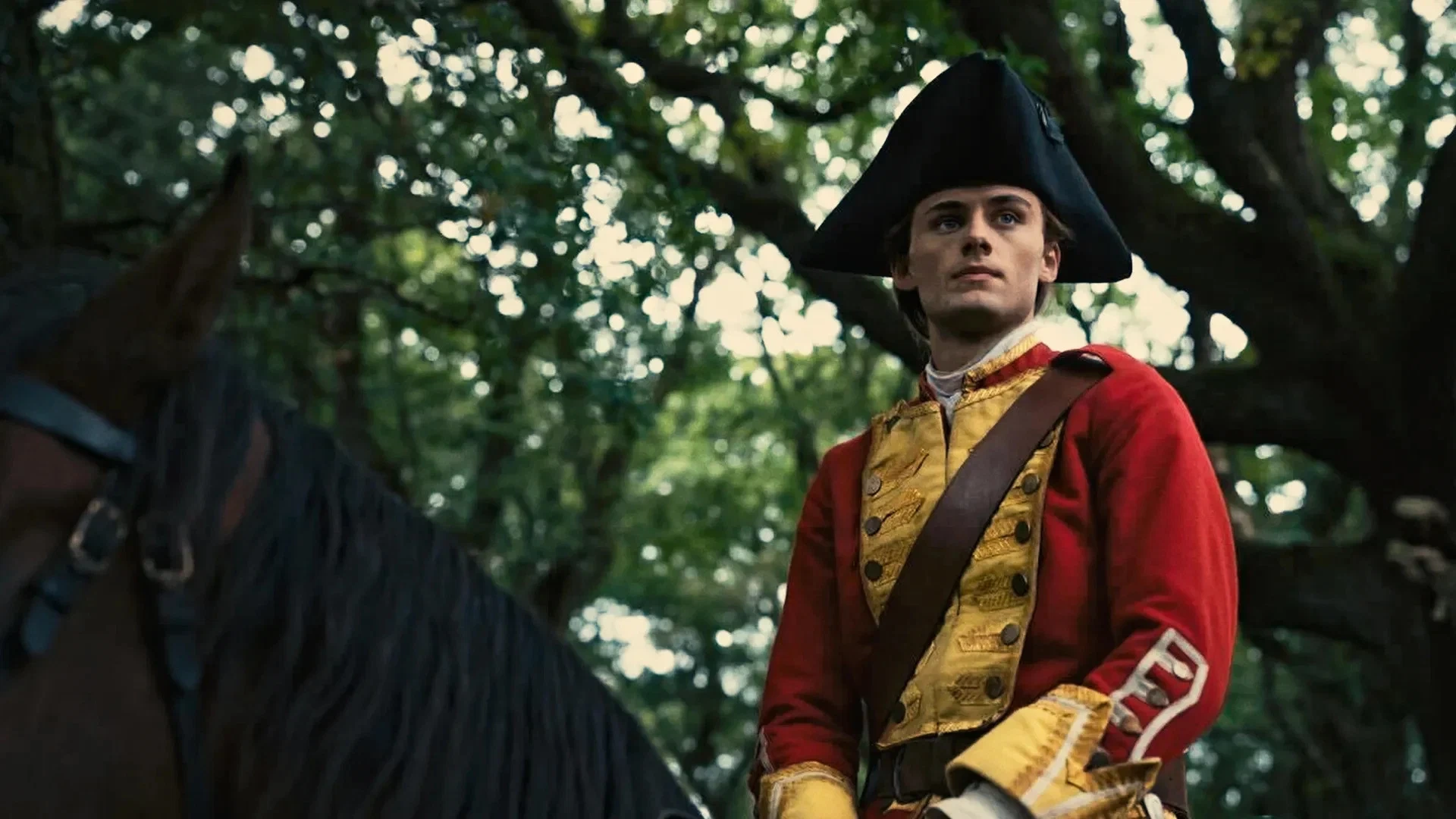
Performance alone can’t fill the gaps in the writing. Without a sustained inner conflict in the script, it’s hard for an actor to give the transformation more depth than is on the page. Franklin-Miller convinces in individual moments, but the character needs more detail to become someone whose motives and contradictions we understand, beyond a young man it’s easy to root for.
Kelsey Grammer makes a strong impression as Lord Fairfax, and Ben Kingsley gives Dinwiddie a distinct presence.
That difference reveals another problem. Some supporting figures feel more fully drawn than the people who are meant to be around George from day to day. At the front, some of his comrades are played broadly or fall into familiar types, making the group less convincing.
Direction and Battle Scenes
The war scenes sometimes keep the film moving, and Jon Erwin knows how to make troop formations and clashes between opposing forces easy to follow. The battles make use of different styles of fighting, difficult terrain, and the confusion of combat. Costumes, horses, and wooden forts help give these scenes a sense of their period.
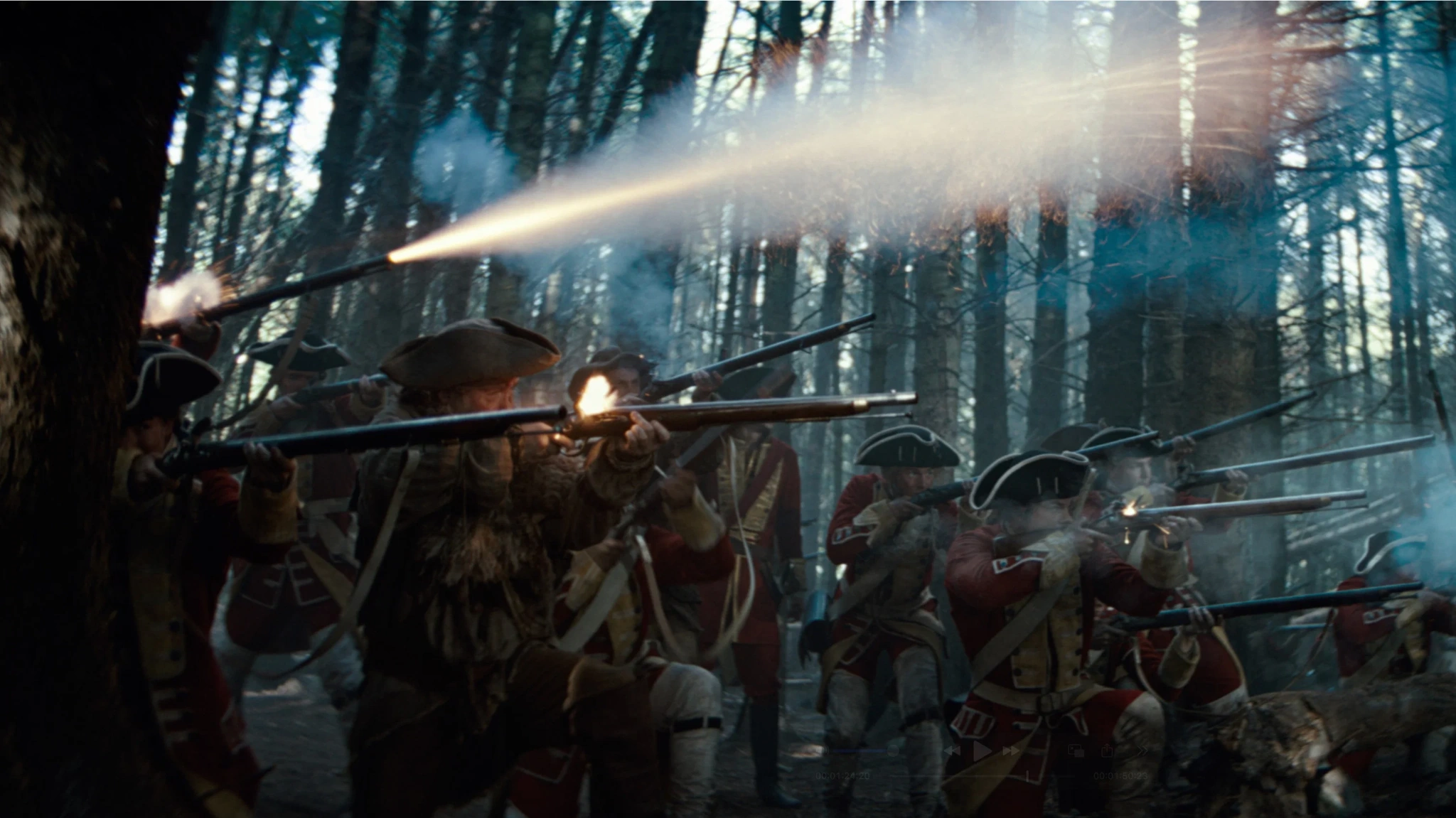
The film runs into trouble when it lets battles take the place of character development. Whenever it needs a burst of excitement, it returns to the battlefield, while the more pressing questions about George are put off or cut short.
Worse, the heroic image is pushed too far in the final battle. Washington seems able to face gunfire and come through it like an invulnerable hero rather than a young commander finding the limits of his abilities.
That choice weakens the journey. At first, George makes mistakes, is caught off guard, and can’t control everything around him. When the film wants a big ending, it backs away from that side of him.
The victory ends up feeling staged to confirm his legendary standing rather than growing out of what he has learned along the way. Some of the action also goes so far that it starts to feel like spectacle and loses its sense of danger.
Cinematography and the Historical Setting
One thing the film gets right is choosing a period that gets less attention in stories about Washington. It stays with his early military years rather than jumping straight to the War of Independence or the presidency. It also makes places and dates easy to follow, so viewers don’t need a deep knowledge of colonial history to understand the story.
The costumes, sets, and locations give some scenes a convincing texture. Wide views of mountains, plains, and waterways stand out, as does the journey along the icy river, which conveys the harsh conditions the soldiers move through. These moments give the film a sense of scale and make the journey feel difficult.
That strength is uneven. Much of the film has a subdued look and muted colors. Close-ups often make the world feel smaller, and some scenes look more like a period television drama than a sweeping film epic.
The film also gives its social setting less weight than its battles. It touches on class differences, restrictions on women, and the presence of enslaved people in the Washington household, but it doesn’t develop these elements enough for them to shape the conflict.
We hear that the family held ten people in slavery, yet we never see much of their lives in this world. The information remains separate from the experience the film presents. At times the Seneca are also given little room to exist on their own terms; their role is reduced to affirming George’s heroism.
Final verdict
Final Verdict
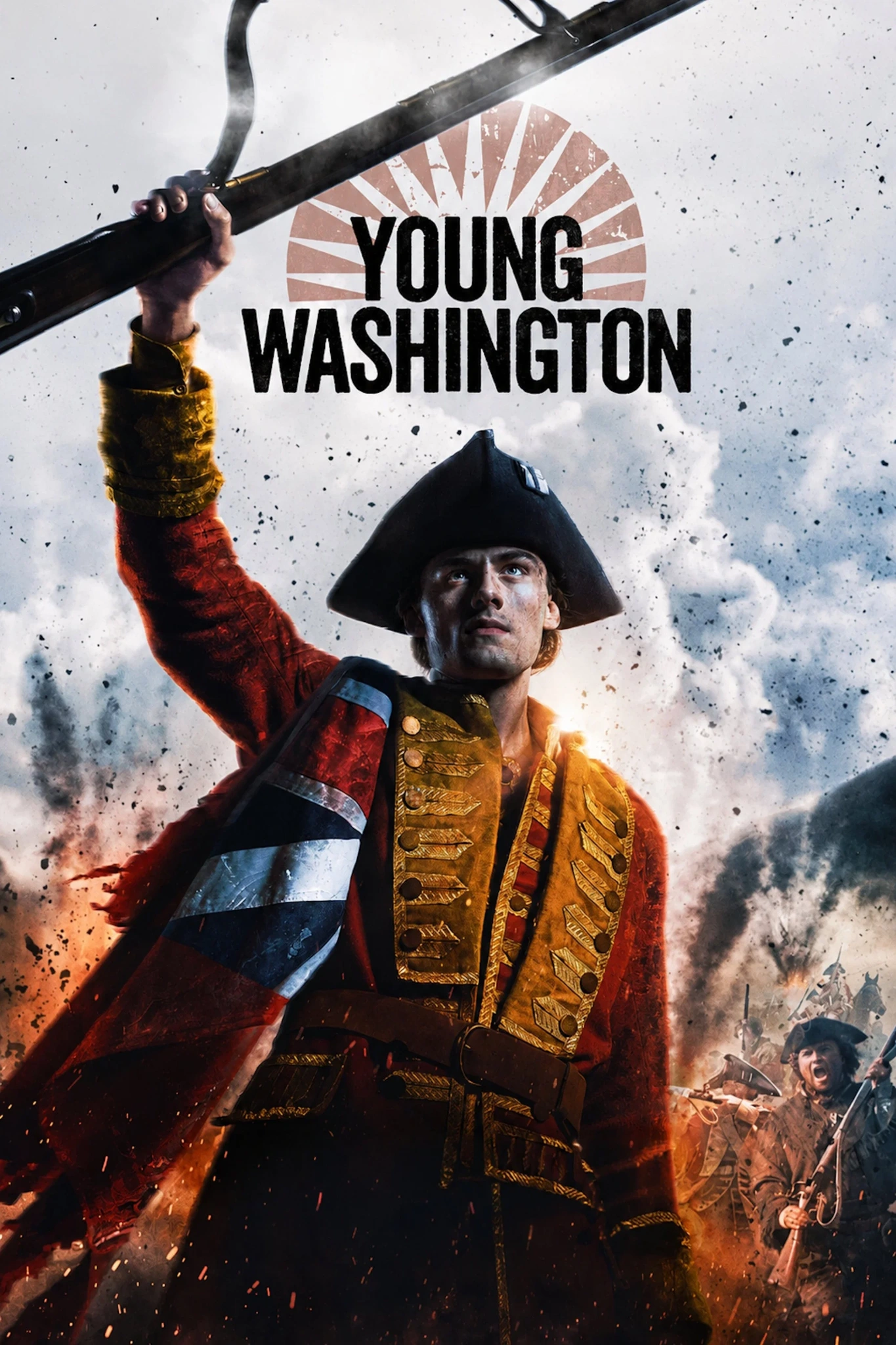
In the end, I don’t think Young Washington turns the making of a leader into a deep dramatic journey. It has a good opening, a clear social conflict, some carefully staged battles, and landscapes and costumes that give its world a convincing shape. William Franklin-Miller suits the ambitious young George, and Kelsey Grammer and Ben Kingsley make clear impressions. But those elements don’t come together into a sufficiently coherent film. The script cuts important relationships short, gives supporting characters too little room, and makes Washington’s development feel settled in advance. The final battle pushes his heroism so far that he loses some of his humanity. Above all, the film raises ideas about leadership and responsibility that it struggles to make tangible in a convincing transformation. I came away dissatisfied. The good moments are there, but they’re too scattered to overcome a thin central character and an overreliance on straightforward heroics. The film could have been stronger if it had given Washington more room to make mistakes, hesitate, and change, instead of hurrying him toward the figure we already know.
Your turn
Would the film have been more convincing if it had focused on George’s inner conflicts and relationships, and relied less on battles and his image as a hero?
AUDIENCE VOTE
Do you agree with the MB rating?
Choose once from this browser. You can change your answer at any time.