The review
Screenplay and dialogue
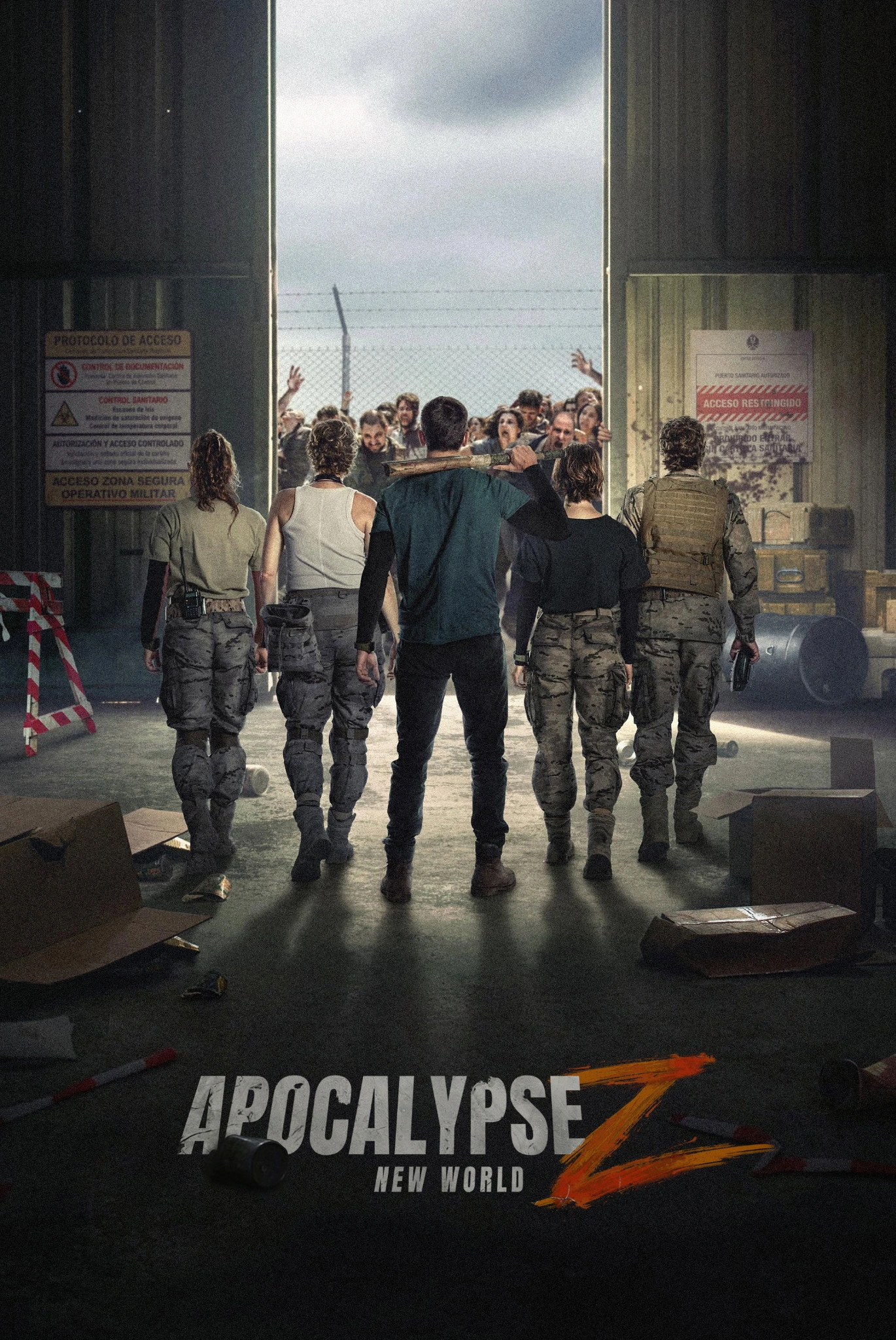
The change of setting is the best thing the film offers at the beginning. The first installment focused on an individual's survival as familiar life collapsed. Here we reach a stage where people try to organize their lives after the catastrophe, with the Canary Islands becoming one of the few remaining refuges in Europe.
Putting the military in charge raises questions worth exploring. Who goes out to bring back supplies? What makes them take the risk? How do members of the group remain committed to one goal when each carries personal fears and interests?
The film does not need a long explanation to make the mission understandable. A shortage of resources is enough to justify the journey, and returning to a place overrun by the infected makes the danger clear from the outset.
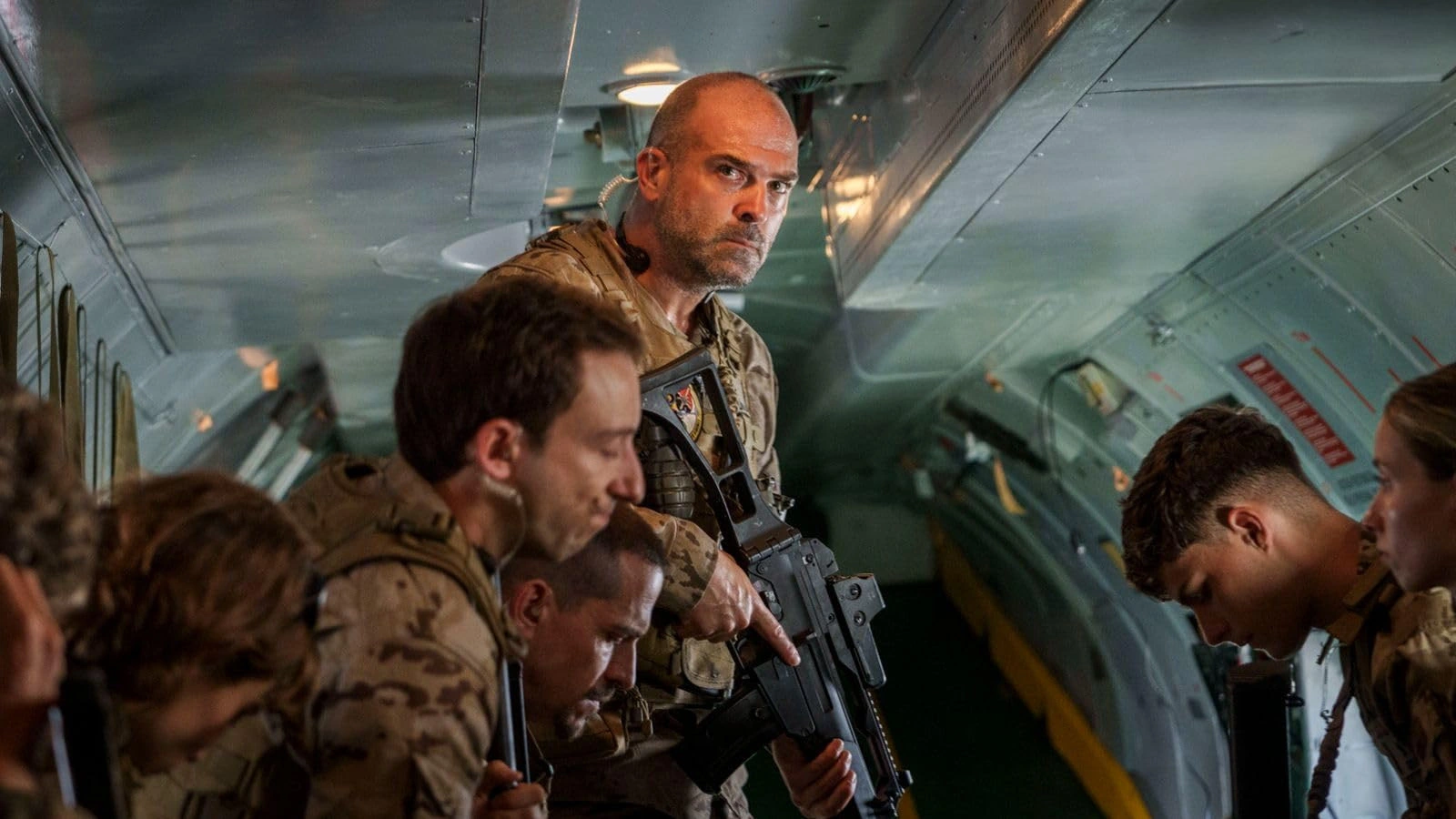
The better aspect of this idea is that survival no longer concerns only those undertaking the mission. Other people need them to return. Choosing whether to withdraw or continue can therefore become harder than a decision made by someone trying only to protect themselves.
But the film gives military confrontations far more attention than the life the survivors are trying to build. We learn that the islands need provisions, then this need becomes a reason to launch the adventure, without a comparable development of interest in the new community.
Changing the setting therefore does not seem enough to change the story. Moving to the islands offered an opportunity to follow what happens after finding refuge, but most of the time goes into another journey through dangerous territory.
Roberto and a group that struggles to earn our concern
Roberto joins the team with motives that do not seem fully aligned with the journey's goal. This choice could have increased the tension. When we follow someone concealing what they want, we become interested in what they will choose when their interests clash with other people's safety.
The opening returns to the day the infection spread, introducing Roberto carrying a surfboard. But learning something about his life before the catastrophe is not enough to understand him. Selfishness and arrogance remain more noticeable in his behavior than an inner conflict we want to follow.
A protagonist does not have to be pleasant for us to care. A selfish character can carry a strong story if we understand the reasons behind their actions, see them change, or find ourselves uncertain how to judge them. Here, the first impression remains dominant for too long.
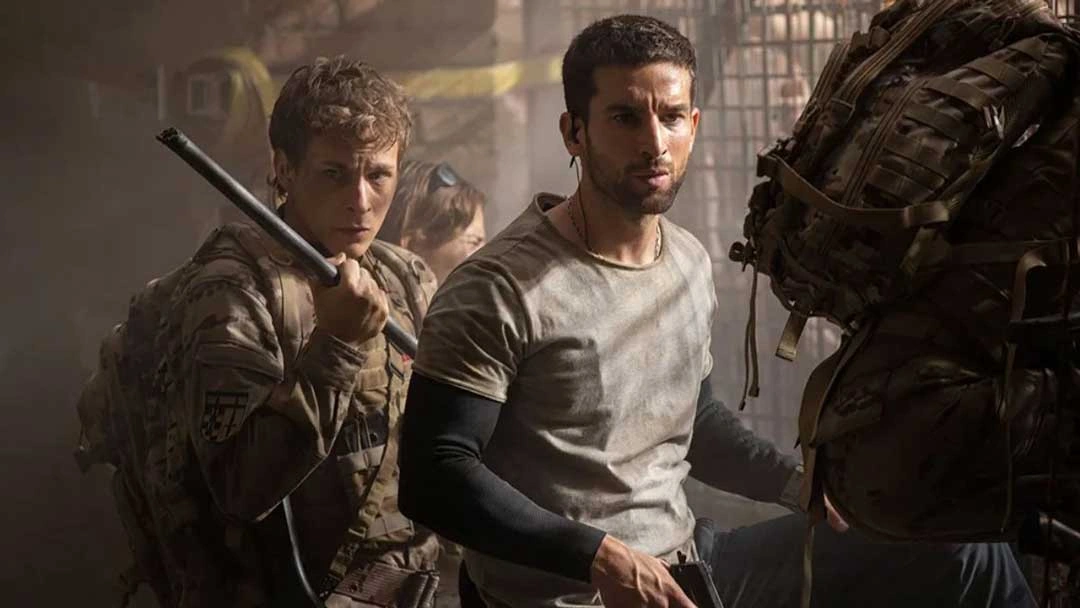
The problem extends beyond Roberto. Disagreements within the group, conflicting interests and the way some members approach the mission make cooperation difficult. But repeating these disagreements does not always reveal a new side of the people involved.
This makes it difficult to fear for them as much as the film needs us to. We want to know how they will get out of the situation, but that curiosity is not the same as truly caring about their fate.
Carlos Alcaide gives an acceptable performance, but acting alone cannot compensate for shortcomings in the writing. Our dislike of Roberto does not automatically mean the actor has failed: the character himself is written in a way that makes him difficult to approach.
Gunfire overwhelms the fear
Director Carles Torrens knows how to use the possibility of large numbers of infected appearing. Some moments sustain tension because the group cannot guarantee its safety in the places it enters. Certain jump scares also succeed in disrupting a sense of security.
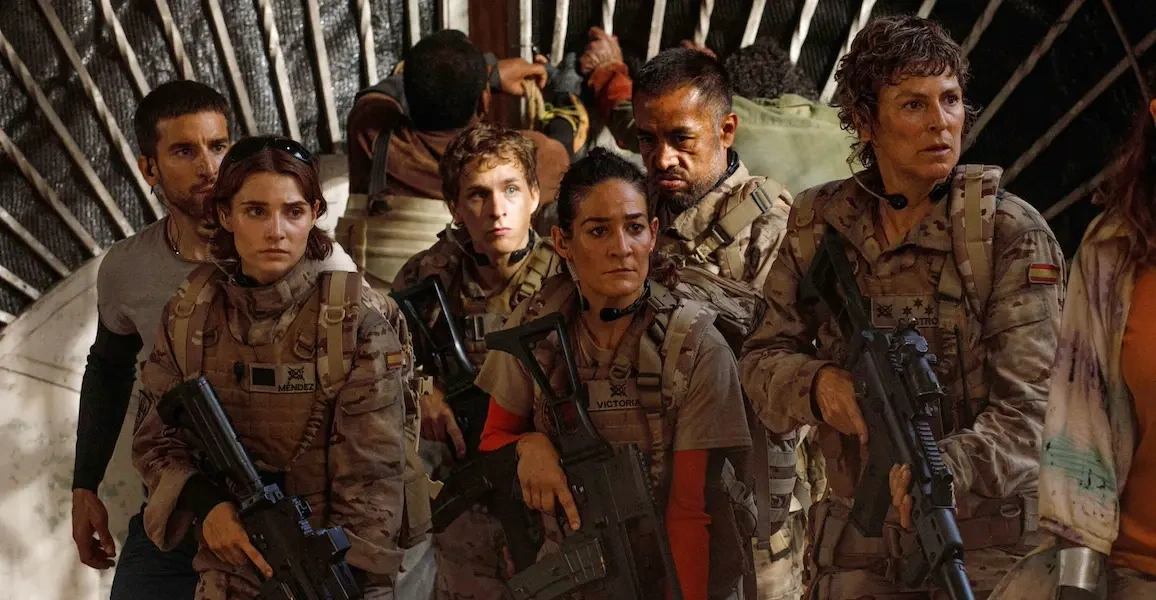
But the film repeatedly returns to direct confrontation and gunfire. It pays more attention to the group fighting than to the fear it experiences. The soldiers' strength against the infected becomes more important than the effect of the confrontation on them.
The problem appears in the repeated way the film handles danger. When the infected are repeatedly met with gunfire, we grow used to the form of the confrontation. Increasing their numbers can make escape harder, but does not guarantee that we will feel more afraid.
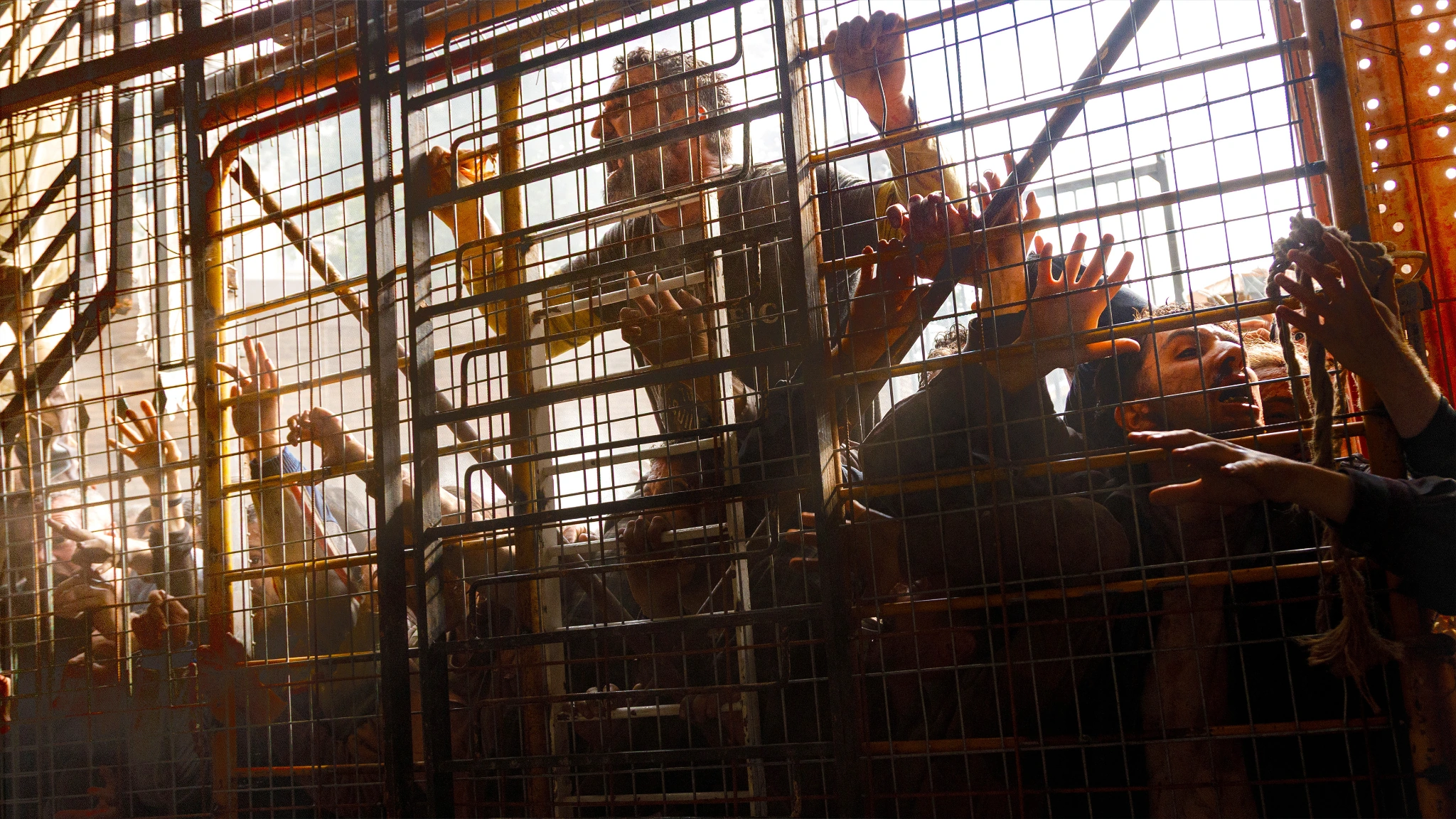
Jump scares produce a quick effect that weakens once they are over. We miss the anticipation that continues before and after a confrontation, and the sense that a place may conceal something for which the group has no ready answer.
Choosing a group of soldiers can serve horror, particularly when we see the limits of their ability to control a situation. But the film focuses more on using force than on those limits. Some scenes therefore offer successful action without leaving lasting anxiety behind.
In the few moments when the film reminds us of the infection's horror, the danger of the infected feels closer. They are the result of a catastrophe that destroyed people's lives. This aspect needed a stronger presence so repeated confrontations would not reduce them to bodies blocking the way.
A mission grows longer without the story developing
The film is not exceptionally long, yet it feels slow. Movement alone is not enough to make a story progress.
The group can move from one place to another and face a new danger while we continue to know the same things about it. Events change before us, but our interest in them changes little.
This weakens parts of the journey. The disagreements and personal interests are familiar, and the broad direction of certain confrontations can be predicted early. Ángel Agudo's screenplay does not offer enough surprises in its characters to compensate for the familiarity of the mission.
The film does not need to deceive us in every scene. Sometimes we know the likely outcome and still feel tense because reaching it is difficult, or because the person we are following matters to us. Here, both elements weaken together in more than one place.
A tighter cut would have helped, especially where the film repeats an established attitude in a character or recreates the same level of danger without an important change. But reducing the running time alone would not solve the problem. The story also needs to give the characters decisions that actually affect their relationships with one another.
The distinction between a mission becoming more complicated and a story developing matters. More obstacles may delay the soldiers' arrival at their goal, but add little if their attitudes and disagreements remain close to what we knew at the beginning. The film therefore seems more concerned with extending the route than with what people learn along it.
Returning characters and a promise deferred
The return of Pritchenko and Lucía helps retain a connection with the first installment. Their presence gives us familiar characters among a larger number of new faces and reminds us that this catastrophe began with personal stories.
They give fitting performances, but the return of familiar characters does not automatically restore the feelings we previously associated with them. Their return needs time and situations that make their presence matter within the new story itself.
A clear loss emerges in the transition between the two installments. Focusing on one person's experience allowed us to follow his fear and uncertainty about what lay ahead. Expanding the group required greater care with each character to preserve this closeness.
The ending tries to refocus attention on a more personal story, less dependent on soldiers and confrontations. This direction gives us a reason to want to know what comes next, but also makes clear what the current film was missing.
A promise of a better story later does not compensate for an experience that has not given us enough now. We can be interested in the franchise's future while still believing that this installment has not delivered a story strong enough to stand on its own.
This leaves the second installment dependent on what surrounds it: characters we know from the past and a new direction to anticipate after the ending. The mission occupying most of its running time does not offer the same satisfaction. Its usefulness in connecting events is clearer than its ability to leave an impression of its own.
Final verdict
In conclusion
The film has a good starting idea, a setting that allows the franchise's world to expand, and some moments that succeed in creating tension. The acting is generally acceptable, with returning characters helping connect it to what came before. But these elements do not come together into a sufficiently exciting film. Roberto does not engage us, the group receives no clear development, and repeated confrontations make fear less effective over time. The human disagreements also remain close to situations we have seen many times, without details giving them a distinctive force. Viewers seeking confrontations with the infected may find some enjoyment, but the experience is weaker for anyone expecting the continued attention to characters that distinguished the first installment. For us, the greatest loss is that the mission is clear and dangerous, but we do not feel enough for the people undertaking it. My rating for the film: 5 out of 10.
Your turn
Did you find that focusing on the soldiers increased the suspense, or did you miss the personal fear offered by the first installment?
AUDIENCE VOTE
Do you agree with the MB rating?
Choose once from this browser. You can change your answer at any time.