The review
The need for food opens the way to danger
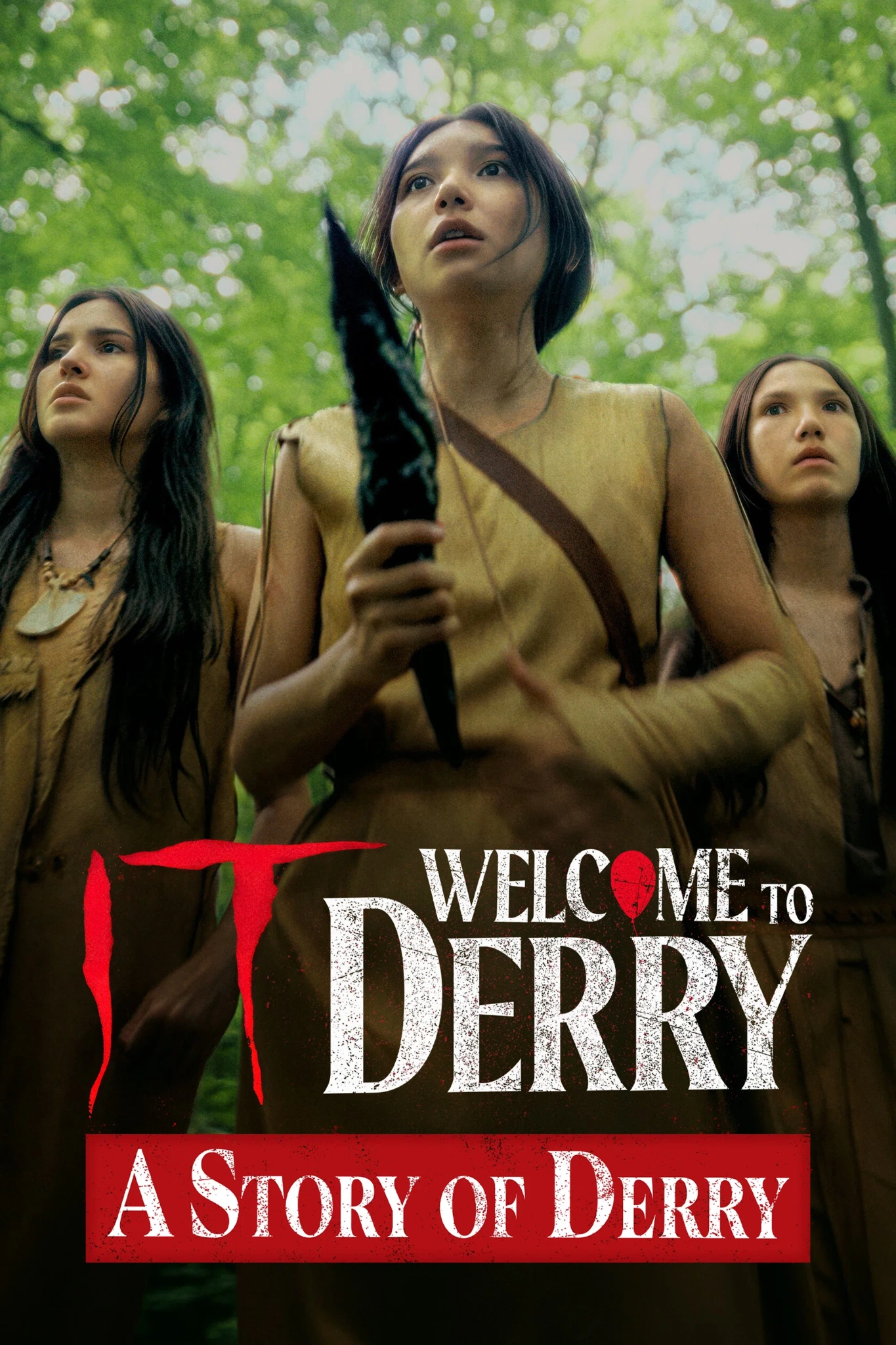
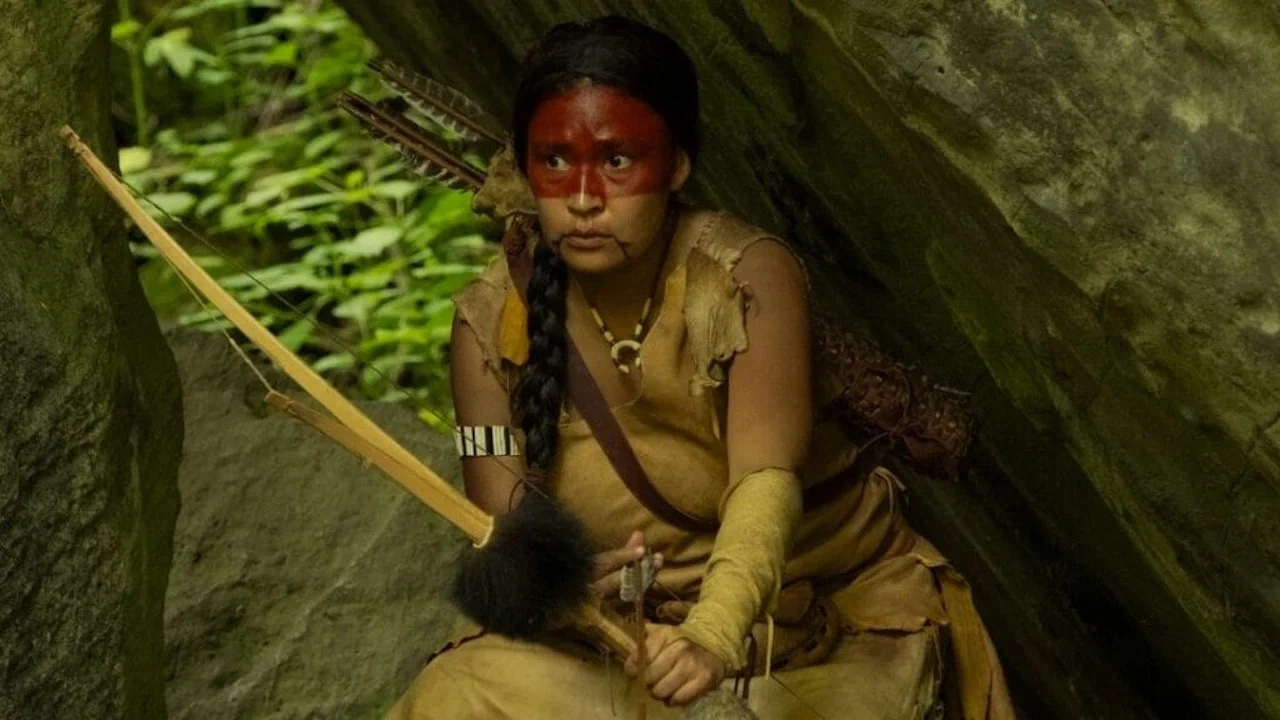
The story begins with a food shortage affecting the tribe. Teenagers Necani, Kino, and Maneese decide to enter the Western Woods to hunt, despite warnings about the entity they know as the Kollu. They soon discover that what they have heard about it carries a real threat.
A clear reason for entering the woods helps the opening considerably. They are not seeking adventure simply to break the rules. They want to find food, which forces them to choose between heeding the warning and trying to meet a need already putting them under pressure.
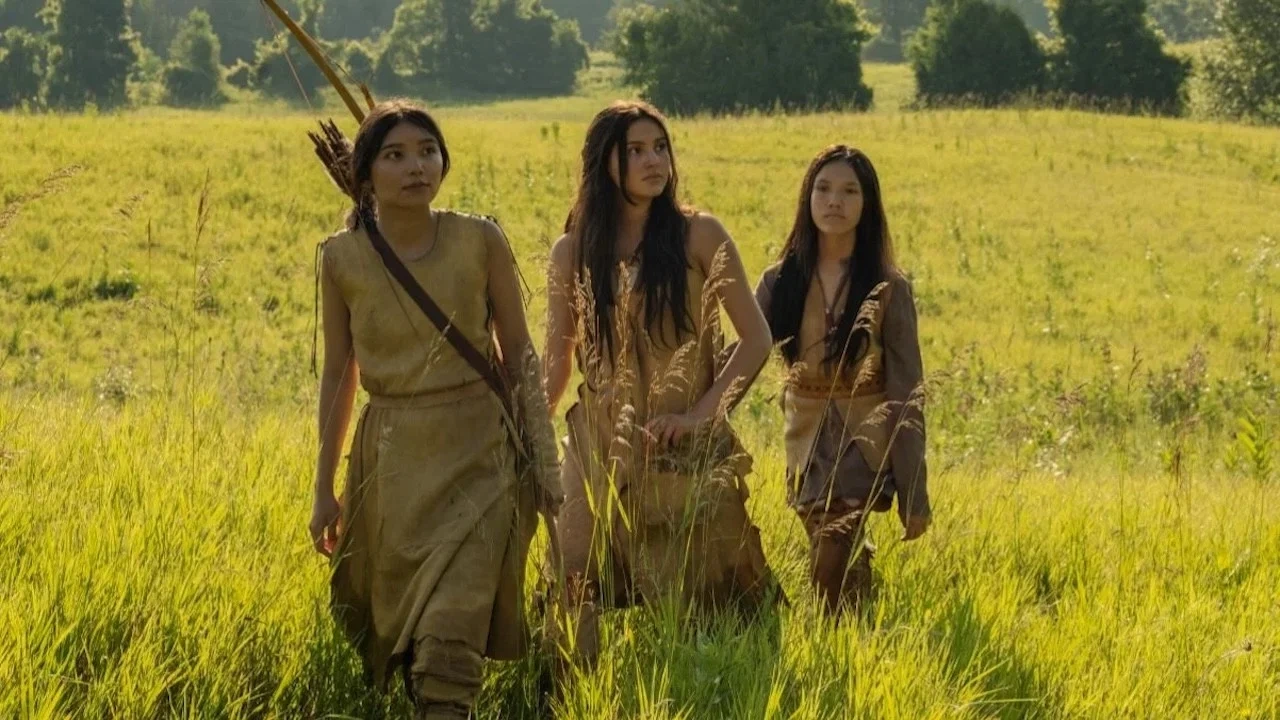
This does not make their decision safe or wise, but it makes it understandable. The episode can build fear from the difference between knowing an old story and confronting its subject themselves. A warning someone can ignore from a distance becomes different when they find themselves in the place it concerns.
The story benefits from presenting the Indigenous people as individuals acting under pressure, then trying to understand what they face. We see experience become knowledge later passed on to others, rather than merely hearing a summary of the area's history.
The episode begins in an Indigenous language, then switches to English after a few sentences. The opening gives the setting a distinctive presence, and the language change becomes part of how the story is presented to the viewer. The use of the original language remains limited, but reminds us from the start of the distinct community we are following.
Mitig makes survival more complicated
The warrior Mitig, played by Zahn McClarnon, seems to offer a chance of survival. He has lived in the woods and possesses a dagger taken from the entity's first cosmic prison, a weapon that has helped keep him alive. Someone who knows the place and has a means of protection gives the teenagers a reason to depend on him.
But McClarnon's performance makes it difficult to feel safe with him. There is danger in his behavior and instability, even before we understand what he is hiding. He does not seem merely an eccentric man accustomed to solitude, but someone whose next action we cannot predict.
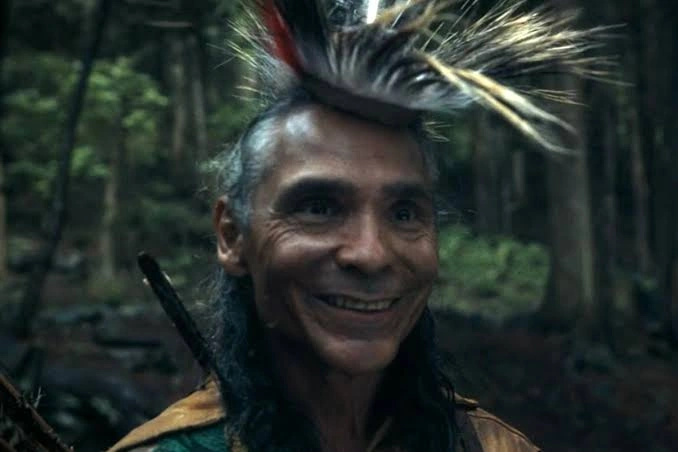
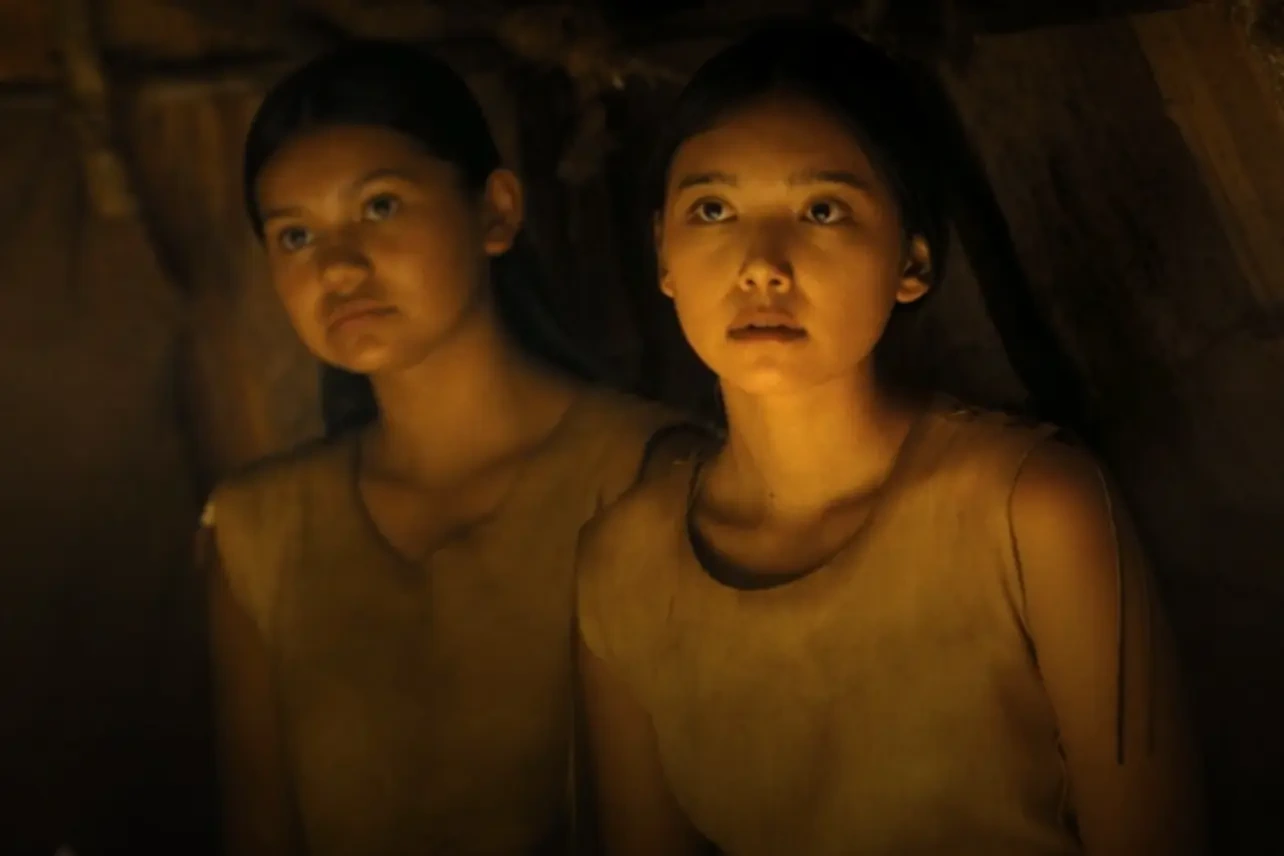
Maneese then discovers that he offers human sacrifices to the entity and eats their flesh. The image of protection changes completely. The man they thought could save them becomes another threat, so they confront him and escape with the dagger.
This is the episode's strongest surprise, because Mitig's knowledge of the woods was no guarantee that he could be trusted. He has survived there, but the way he lives makes being near him terrifying. The writing does not need a lengthy history for the character to make this reversal effective.
McClarnon is the most important element in making it work. He retains enough mystery to keep us watching, then gives the revelation of his true nature the necessary cruelty. His presence increases the tension even when the entity is absent from the scene.
The dagger connects this story to what we later learn about Lilly Bainbridge in the series. It also has value within the episode itself: its presence changes the teenagers' relationship with Mitig, then becomes part of their attempt to escape. Its connection to later events therefore feels like more than a reference waiting for the viewer to recognize it.
Fear remains without the clown's face
Bill Skarsgård's absence may be the first thing some viewers miss, but his absence does not mean the entity is gone. The story takes place before it assumes the familiar clown form, and makes use of its ability to adopt other shapes.
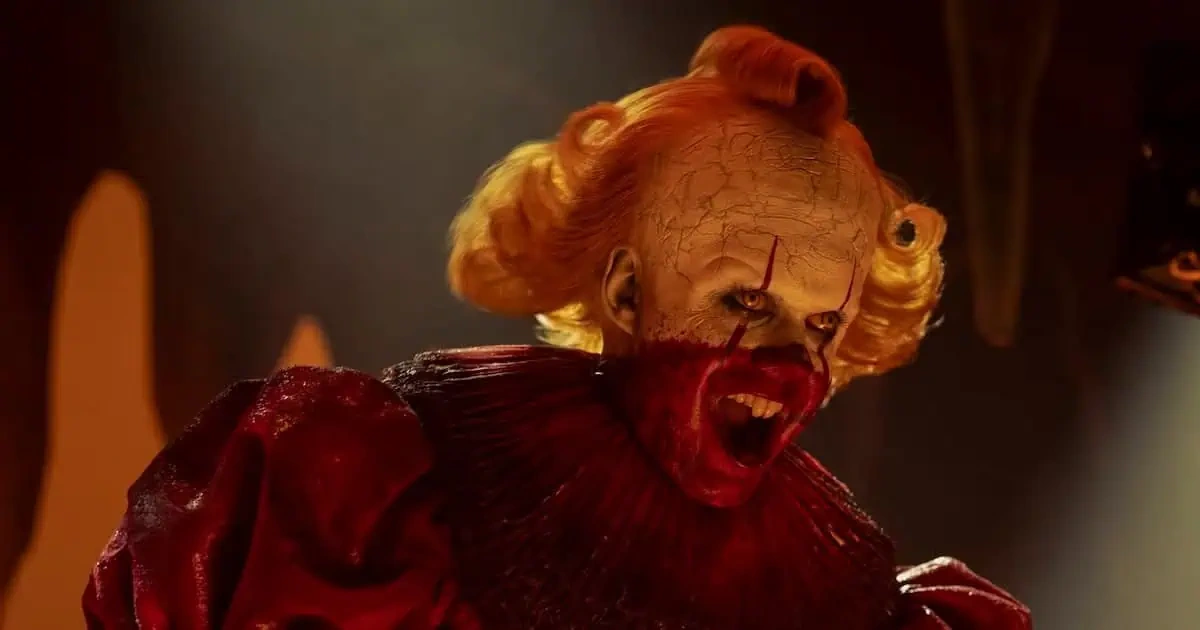
One of the most striking is a huge stag that causes widespread destruction. This form makes the danger physical and immediate, giving the natural setting itself a frightening image. Something that might be a familiar part of the woods becomes a force difficult to escape.
In its conversations with the characters, the entity also retains its familiar nature, keeping it connected to what we know despite its different appearance. This matters because the episode needs us to feel the continuity of its identity without relying solely on the clown's face.
But its swift appearance comes at the expense of anticipation. The episode begins with effective tension around entering the woods, then has to reveal the danger early to fit the rest of the story into its running time. Direct confrontation increases, while the room for manipulating and deceiving the characters shrinks.
For us, slowing down a little would have made the entity's presence more disturbing. We clearly see its destructive power, but get less time to discover how it exploits each character's fear. This limits an important aspect of the horror that makes this world interesting.
Beautiful imagery and a vision expand the story
Director Tazbah Chavez uses color and light to present a beautiful place that can become a source of fear. Nature does not look ugly simply because the entity lives there. Its beauty remains, making the violence within it more disturbing.
This choice gives the episode visual distinction and keeps it from relying only on darkness. We feel the characters moving through a place worth living in, while the entity's presence threatens their ability to remain there.
The appearance of Maturin, the cosmic turtle, is one of the episode's most striking scenes. Its form seems composed of the universe itself, unlike the bodies and dangers we have seen in the woods. The scene expands our sense of what surrounds the entity and points to a world larger than the area where the events take place.
It matters that the appearance occurs during a vision induced by a hallucinogenic substance. The vision is connected to understanding how to imprison the entity. The episode thus opens a path to knowledge through an unfamiliar experience, after the characters have relied on what they know about the danger in the woods.

Viewers familiar with the details of Stephen King's world and its connections to The Dark Tower will find extra pleasure here. But the imagery can arouse interest even in those who do not know every connection. It is enough to understand that the characters are trying to reach knowledge beyond what they have seen so far.
The story also expands to clarify the confrontation between Necani's mother, Sesqui, and the entity. Attention thus shifts from the teenagers' attempt to survive to the effort that leads to containing it within Derry. This is what makes the episode a complement to what we previously heard about the place's history.
Half an hour brings focus and demands compression
One of the episode's main strengths is knowing the limits of its task. It has an entry into the woods, a danger that changes as Mitig's truth is discovered, and then a shift toward understanding how to contain the entity. It does not try to build a new season inside an additional episode.
But the limited time shows in how these stages connect. Some decisions and transitions seem too fast for us to understand them or fully feel their consequences. Nor do we get enough details to distinguish the three teenagers, leaving us more concerned with their survival as a group than attached to each individual character.
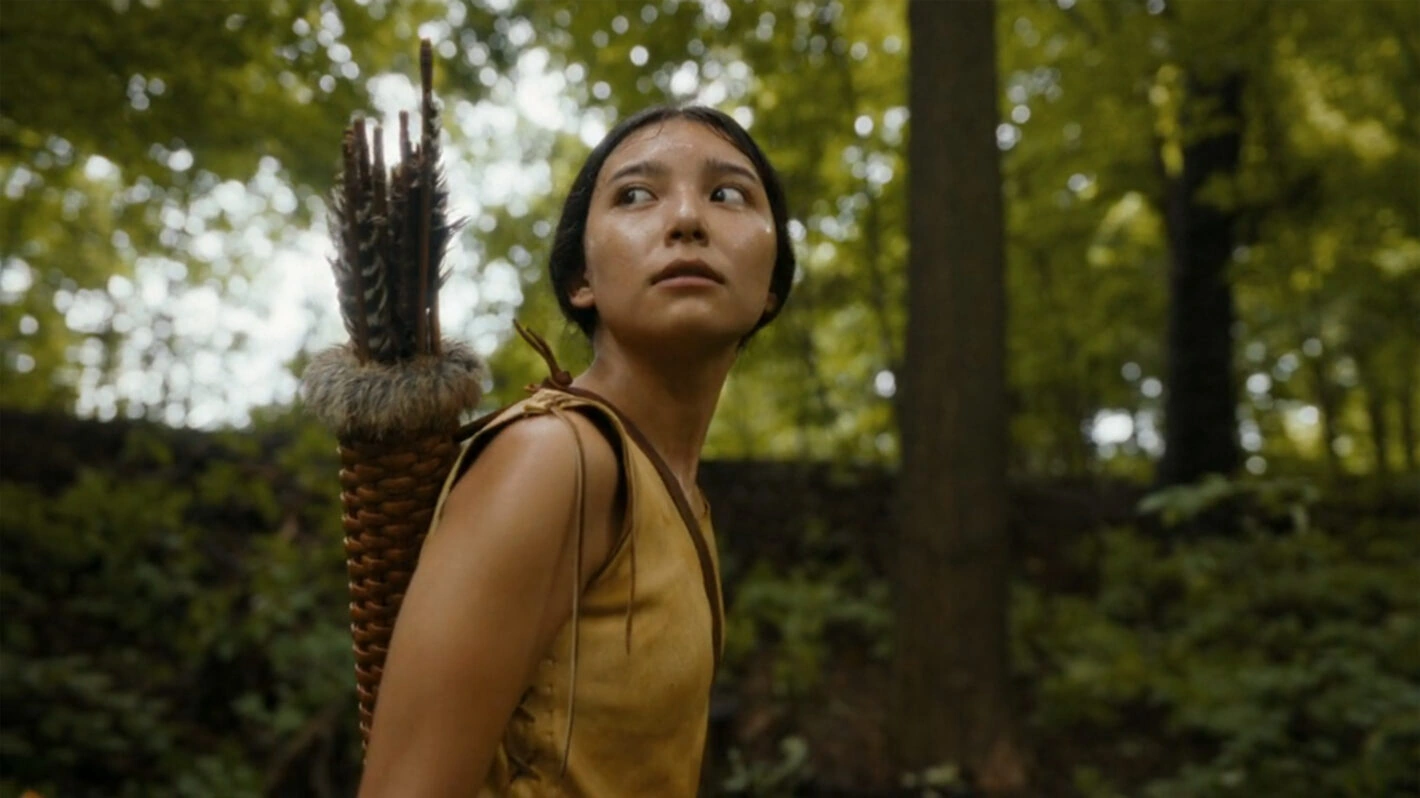
Here we should distinguish between an understandable beginning and some less convincing choices later. The lack of food explains the risk of entering the woods. Events continuing at speed, however, is not enough in itself to justify every decision the characters make. At times we needed greater clarity about what they know and what makes them choose the action we see.
Bringing together the dagger, Mitig, Sesqui's confrontation, and Maturin's vision within this running time gives the episode many details, but spreads its time across several elements that need attention. Explaining the story benefits most, while the characters lose some room.
Even so, presenting it as a standalone episode seems an appropriate choice. It can return to the past and clarify what it needs to without interrupting another story within a full season. Its value lies in making Derry's history more present, even if some information was already familiar to fans of this world.
Final verdict
The verdict on the episode
A Story of Derry succeeds through Zahn McClarnon's performance, its beautiful imagery, and its transformation of an old local tale into a confrontation followed through people trying to survive. Maturin's vision and the dagger add details connected to what we know of the world while retaining a role within the events. The speed, however, reduces the chance to get to know the teenagers, compressing anticipation and psychological manipulation in favor of revealing the threat and explaining how to contain it. Some transitions need more time, so that reaching the outcome feels as convincing as the outcome is clear. We see it as a good, enjoyable addition that benefits from its independence and brevity, but leaves us wishing for more room for the characters and the fear. Its best elements make the return to Derry's history worthwhile, even when it does not provide entirely new information. My rating: 7 out of 10.
Your turn
Did this story need more time, or was half an hour right for what it wanted to offer?
AUDIENCE VOTE
Do you agree with the MB rating?
Choose once from this browser. You can change your answer at any time.