The review
Five days before the wedding, and anxiety arrives before the bride
We meet Rachel as a psychology student who also struggles with deep anxiety that leads her to expect the worst. Her mother died when she was an infant, and she has a troubled relationship with her father. These circumstances help us understand her sensitivity about forming a new family and her fear of losing the stability she seeks.
Even the beginning of her relationship with Nicky was connected to anxiety: they met three years earlier when she had a panic attack before boarding a plane. The series therefore presents more than a conventional love story, connecting their relationship from the beginning to Rachel's need to feel safe.
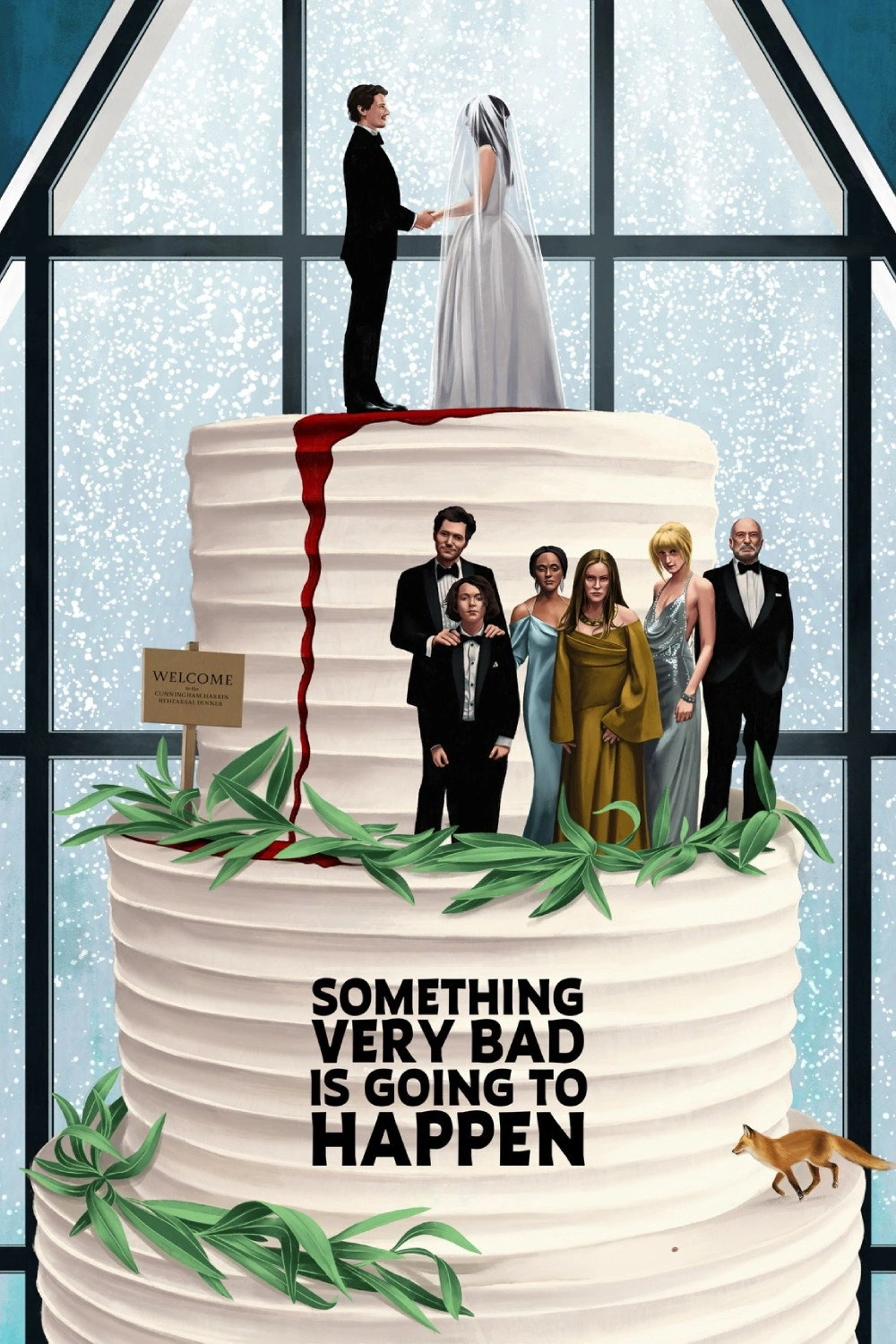
This background matters more when she travels with Nicky to his family's home before the wedding, particularly because she has never met them. Instead of a reassuring welcome, she enters an unfamiliar environment filled with disturbing signs, from deformed animals and people watching others to a frightening story about a killer who targets brides on their wedding day.
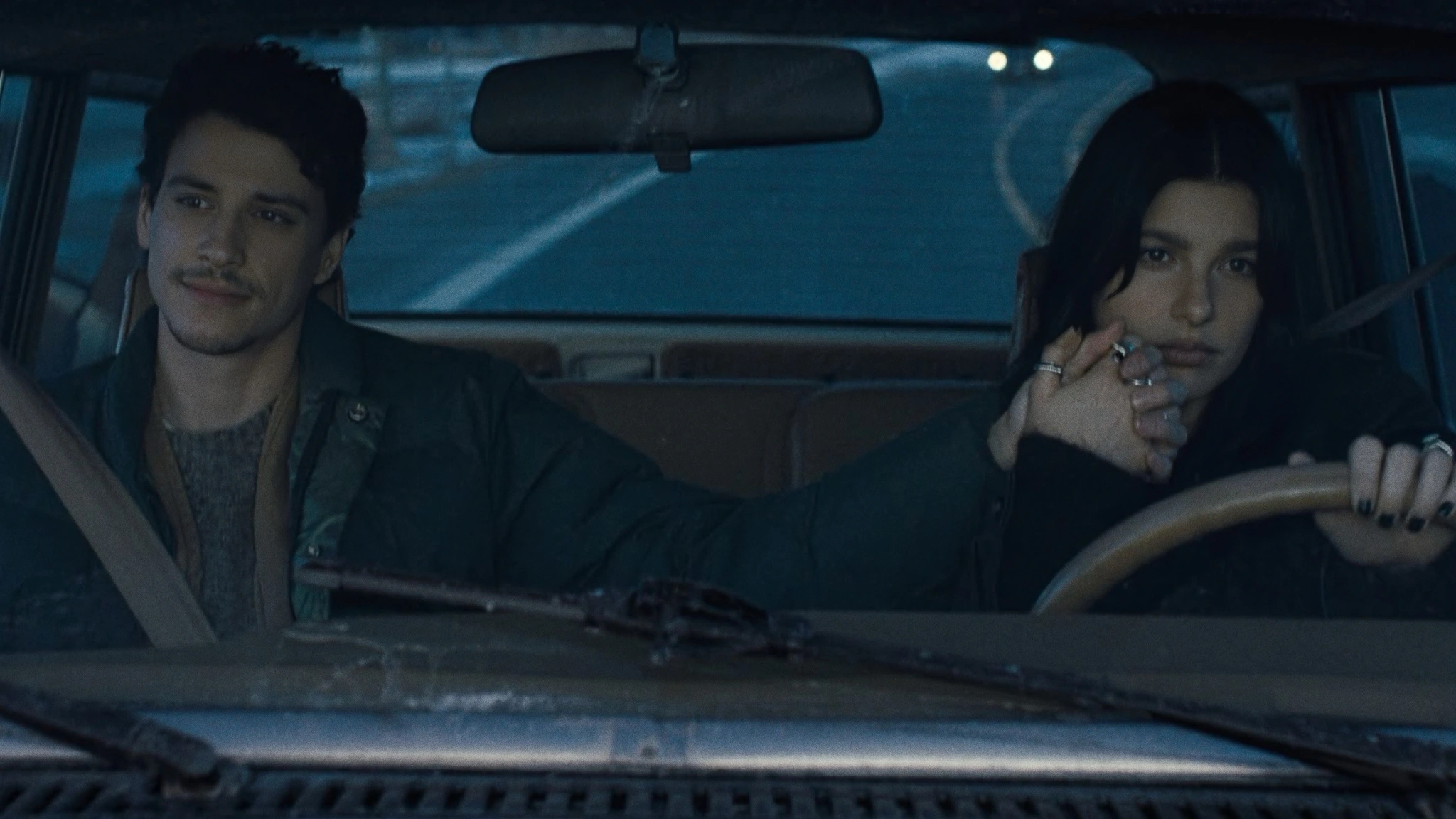
The series succeeds here by making fear arise not only from a clear danger, but from Rachel's inability to identify the nature of what she feels. She knows she is naturally anxious, yet encounters events that give that anxiety real grounds.
Her perception of the world is therefore constantly tested. Is she noticing danger everyone else ignores, or are earlier fears making her interpret every detail as terrifying?
This ambiguity gives the early episodes effective tension. We know little more than she does and must examine details alongside her, trying to distinguish coincidence from deliberate threat.
The Cunningham home: hospitality concealing a desire for control
The Cunningham family home is one of the series' most important sources of horror. Despite its size and peaceful rural setting, Rachel finds no comfort there. She feels she has entered a place with rules she does not know and a history its owners do not want to explain.
The family is led by Victoria, played by Jennifer Jason Leigh, whose cold manner makes it difficult to tell what she thinks from her words. Beside her is her husband Boris, played by Ted Levine, whose interest in taxidermy and habit of surrounding himself with animal remains add a disturbing dimension to the house.
Nicky's sister Portia constantly interferes in the wedding preparations, as though the bride were not the principal decision maker for her own day. Suspicion grows when Rachel's dress disappears and an attempt is made to replace it with an old dress belonging to Victoria.
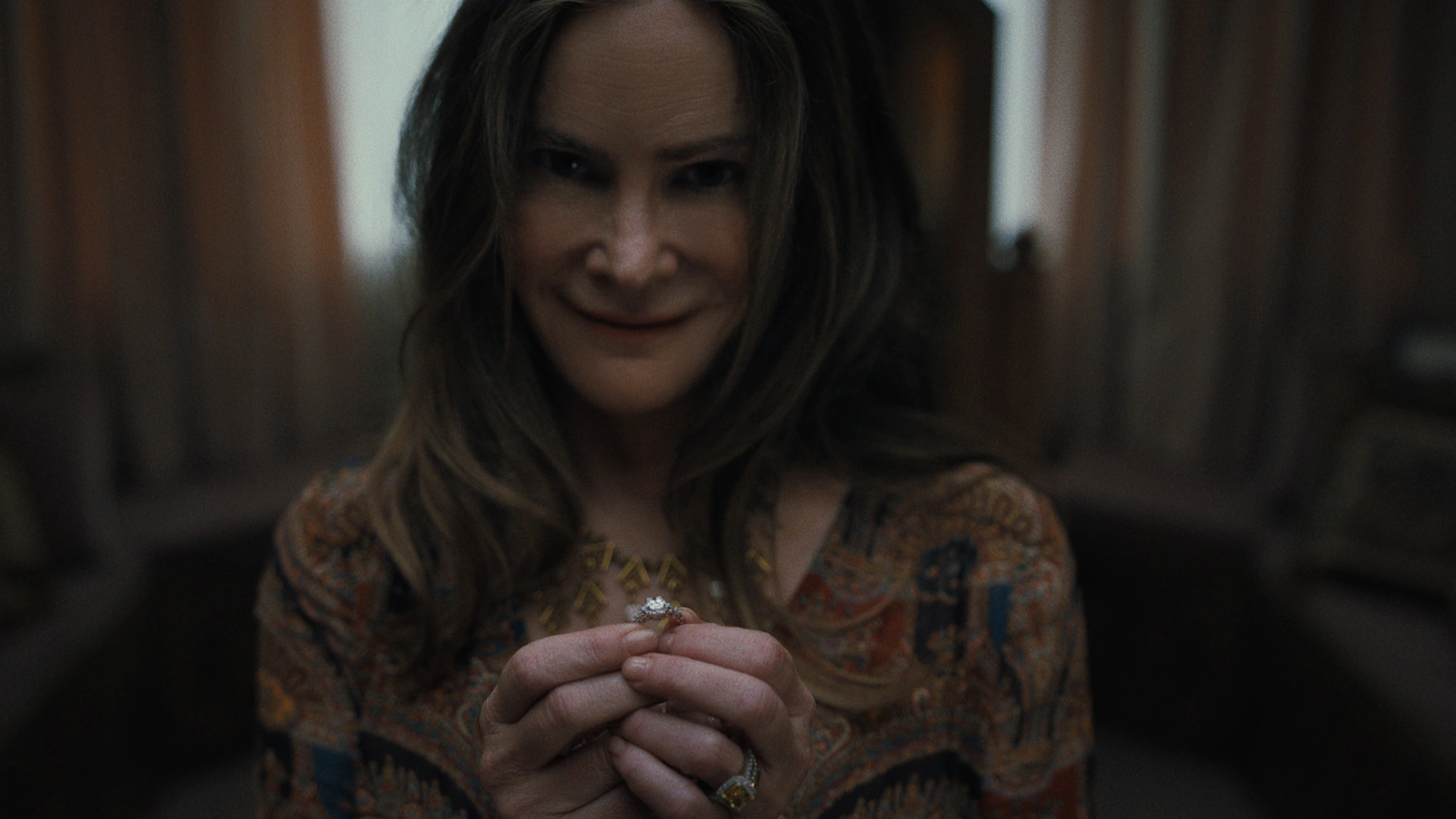
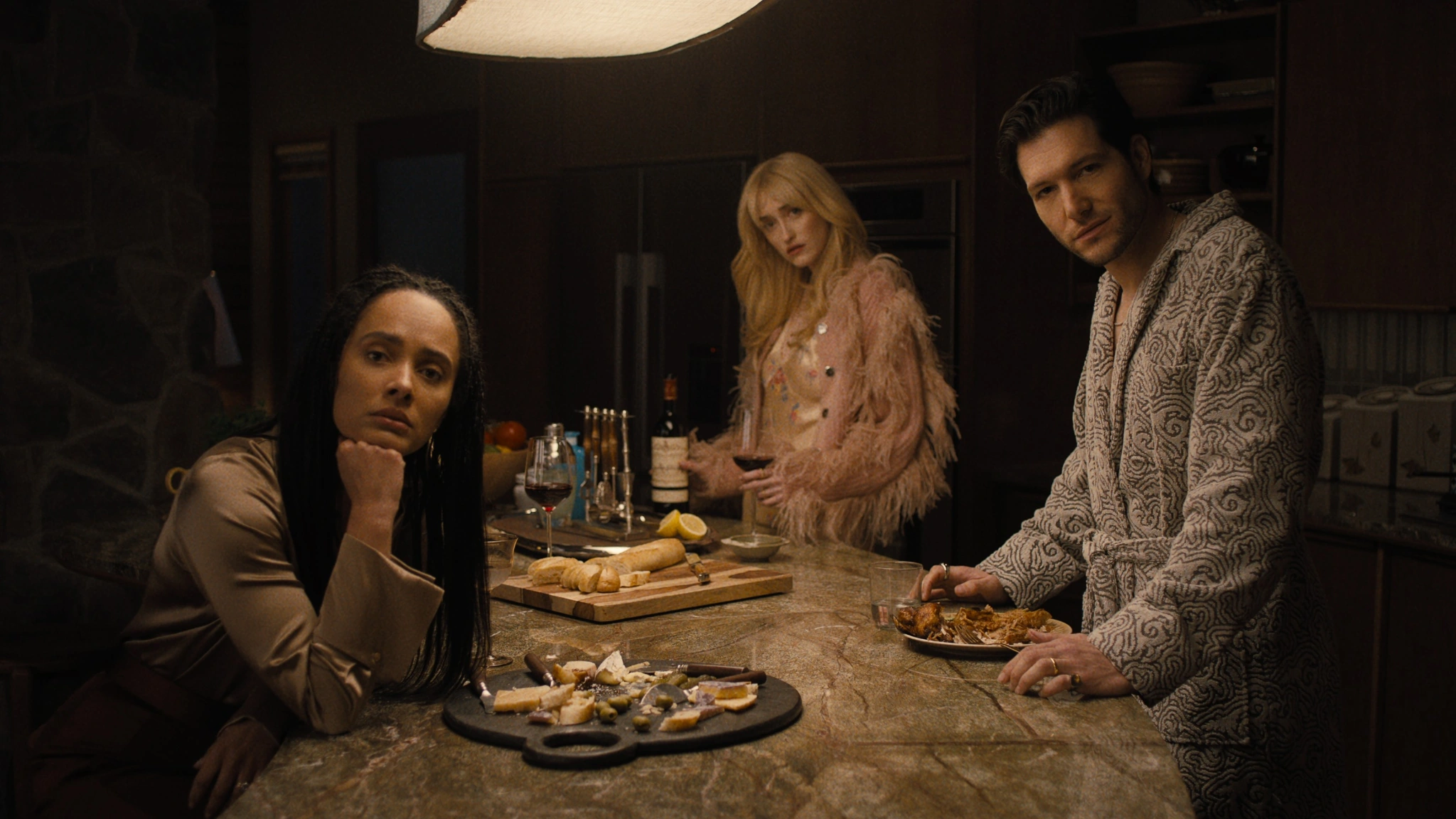
We also notice conversations that stop when Rachel approaches, and a family portrait with an empty space reserved for Nicky's future wife. Relationships become more complicated with Nell, the wife of Nicky's brother Jules, who previously had a relationship with Nicky.
These details matter because they turn family traditions into instruments of psychological pressure. A wedding dress, supposedly an expression of the bride's choice and identity, symbolizes the family's desire to fit her into an established image. The empty space in the portrait suggests that whoever fills it matters less than the role expected of them.
At these moments, the series needs no supernatural danger to create horror. Rachel need only feel that others know something about her future while continuing to treat her fears as exaggerations.
For us, this aspect is more interesting than some direct manifestations of horror because it turns joining a new family into a struggle over the right to know and to make decisions.
Rachel and Nicky: is love enough for a lifelong decision?
Although the story begins with Rachel's fears about Nicky's family, their relationship gradually becomes the series' central concern.
Nicky seems kind, trying to calm his fiancée and ease her fears, but cannot always give her the explanation she needs. The problem is not necessarily bad intentions: his constant reassurance does not address the reasons for her suspicion.
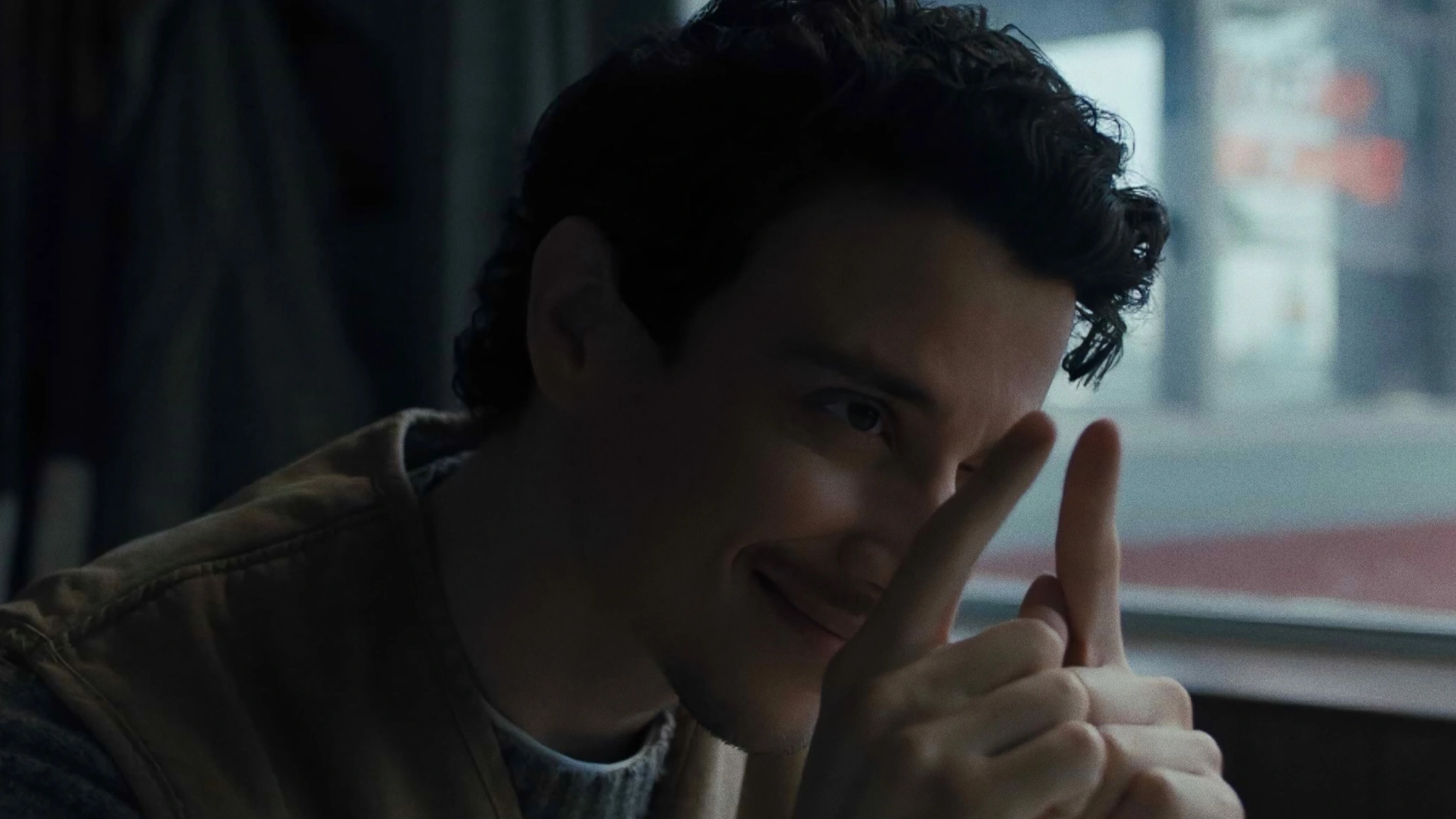
As events develop, the question grows more complicated: does Rachel really know the man she is about to marry, or only the image she has formed of him during their relationship?
The series revisits their first meeting at the airport to reconsider the foundation of their relationship. Meeting someone at a vulnerable moment and feeling that they made us safe does not necessarily mean we know every side of them.
One of the series' most important ideas emerges here: questioning the romantic belief that finding a “soulmate” is sufficient grounds for a decision supposed to last forever.
This aspect is underdeveloped, however. Concealing the family's secrets delays direct examination of the relationship. When emotional questions become the main driving force, the two characters have not received enough room to establish every dimension of their relationship.
The idea itself therefore seems more mature than some details of its execution.
The secret is revealed, and the horror changes shape
The first part of the series raises suspicions about events inside the house, but revealing the danger's nature clearly changes the story's direction.
Instead of focusing solely on mysterious signs and frightening appearances, supernatural elements enter. Rachel must confront difficult choices, attempts and rituals that might help her face what awaits her.
This shift gives the protagonist a more active role, moving her from a woman who watches fearfully to one who tries to influence her fate.
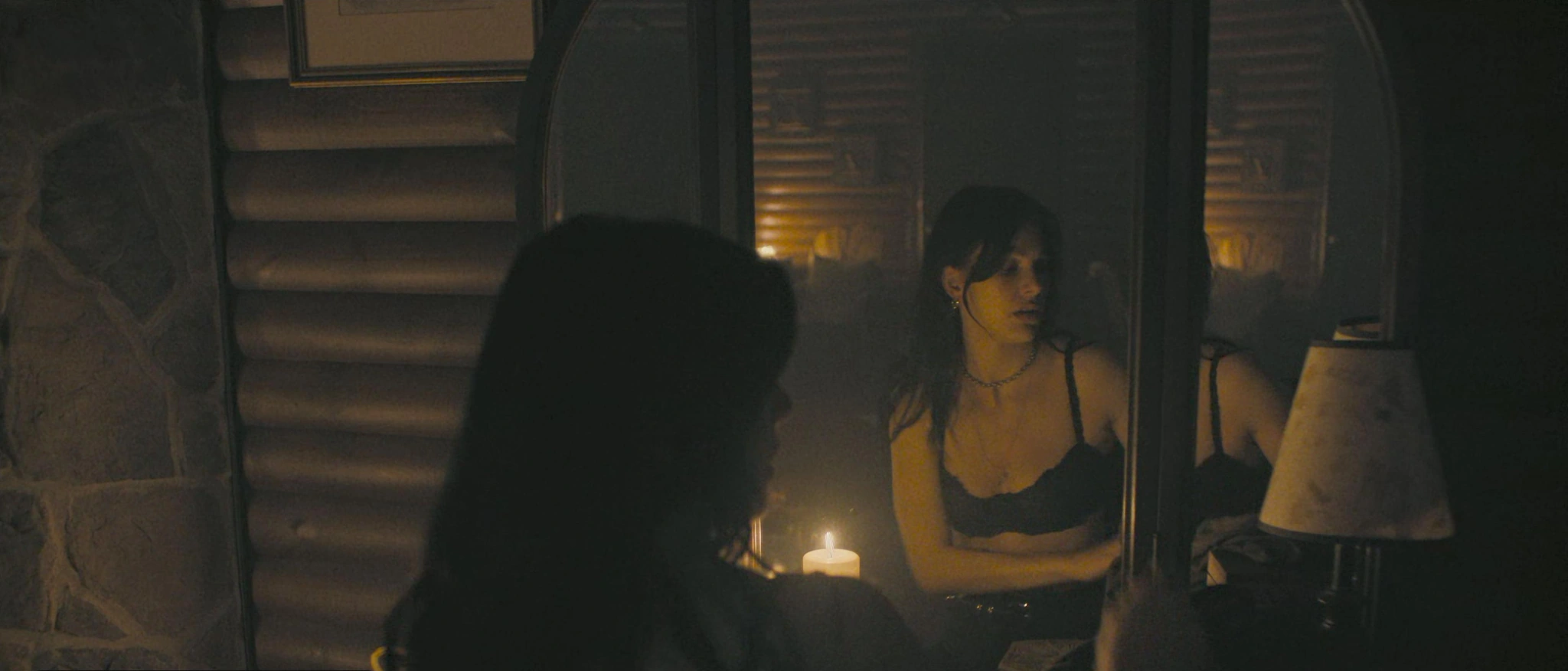
The tone also changes. Some situations move closer to dark comedy, with deliberate absurdity in characters' behavior and their responses to danger.
This gives the series a different personality from its beginning while exposing a clear discrepancy between two kinds of horror. The early episodes' mystery depended on fear of the unknown; the next stage needs to convince us of the new danger's rules and the logic of confronting it.
The screenplay does not always succeed.
One difficulty is the introduction of Portia's ability to communicate with the dead, arriving when Rachel needs exactly this sort of help. The idea may add humor, but also feels like a convenient solution for the plot rather than a development established sufficiently in advance.
Nevertheless, the shift is entertaining, particularly when the series begins testing Rachel's willingness to make decisions that contradict others' expectations instead of merely waiting to see what happens to her.
Direction and pacing: not every episode makes the most of its frightening atmosphere
One of Something Very Bad Is Going to Happen's greatest strengths is how the direction uses the setting to build tension.
The desolate landscape, snow surrounding the house and spaces apparently empty of people create isolation, making the prospect of finding help or escaping the situation feel uncertain.
The directors, led by Weronika Tofilska, use dim interior lighting and visual surprises to feed this feeling, particularly in the early episodes.
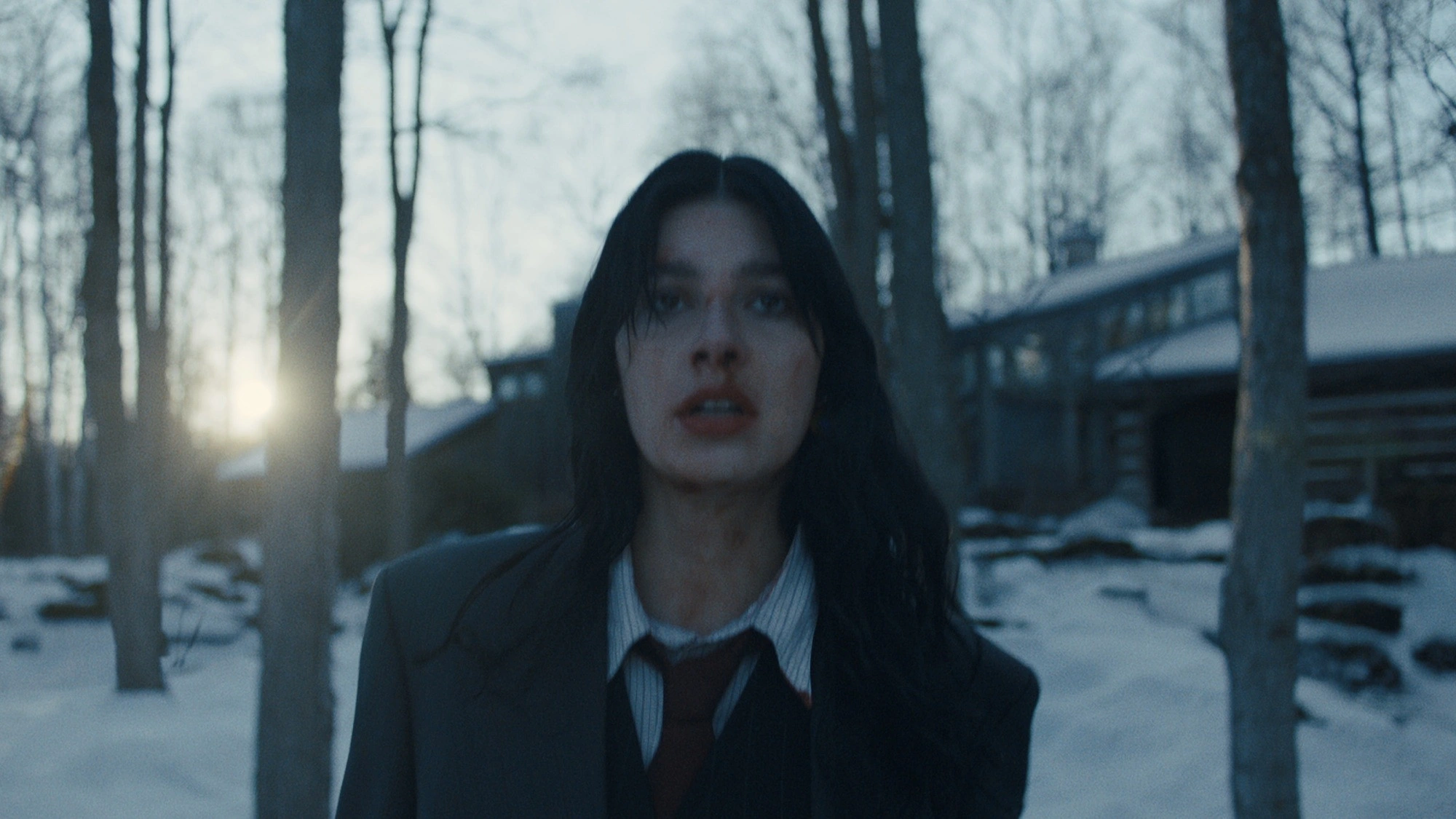
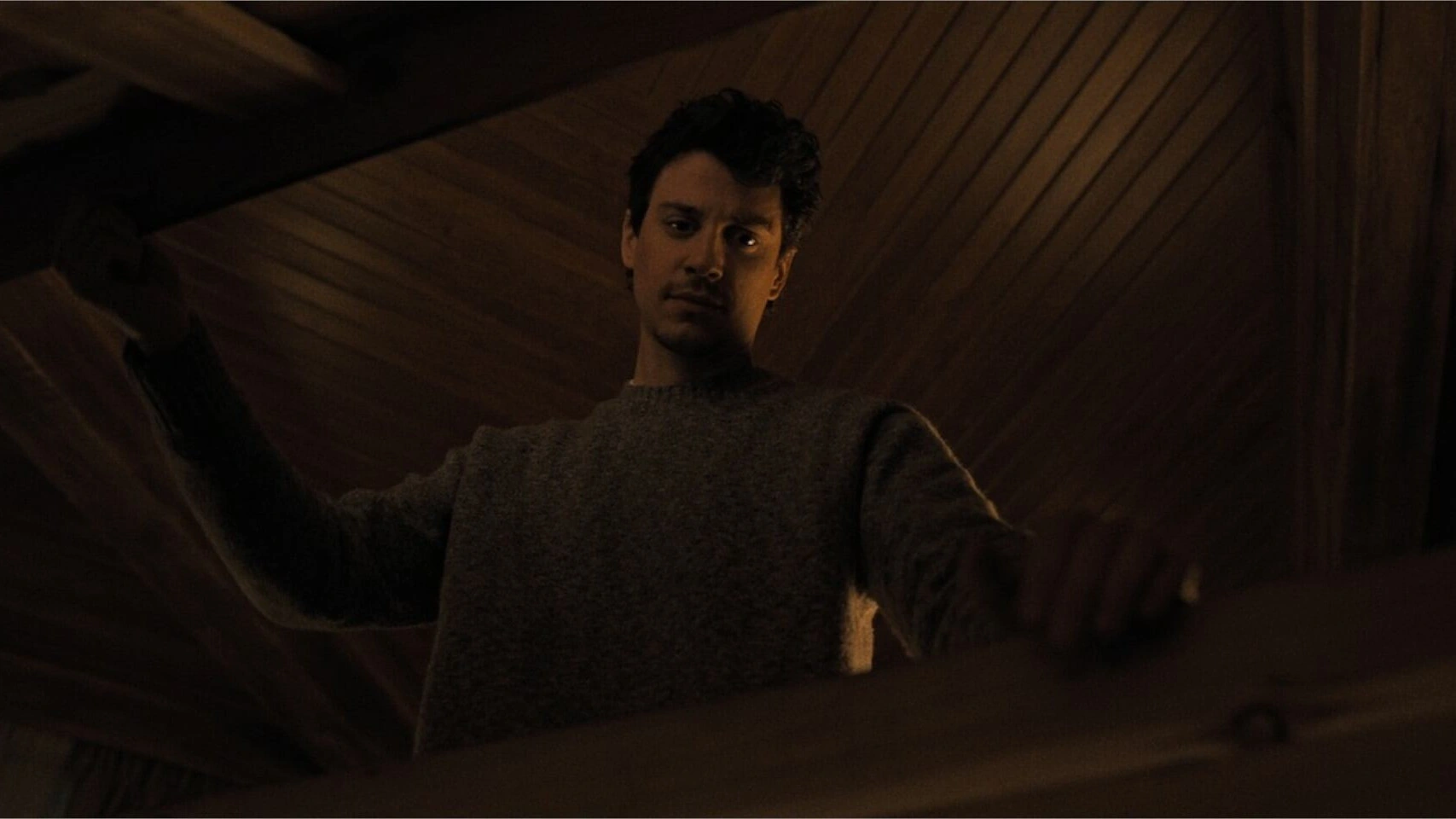
Television horror faces a challenge in how long it can sustain mystery. A film can build an escalating atmosphere over a short period, while a series must distribute information and developments across more hours.
Here the pacing problem becomes clear.
The journey to the family home takes almost an entire episode, followed by additional time establishing suspicion before reaching the central crisis. Once the danger is revealed, events become more concerned with explaining what is happening and activating Rachel's available choices.
We sometimes feel that the series has two appealing ideas without allocating an ideal amount of space to either. The first is more capable of producing dread; the second is richer in questions about marriage and independence.
A tighter construction could have given the central relationship more time without sacrificing the mystery that made the opening intriguing.
Performances that give the strangeness credibility
Camila Morrone gives a good performance as Rachel, particularly when the character begins confronting her fears and making decisions beyond simply reacting to events.
Initially, the role depends heavily on anxiety and agitation, sometimes seeming confined to repeated confused reactions. As the story develops, Morrone becomes more convincing when given room to show determination and initiative.
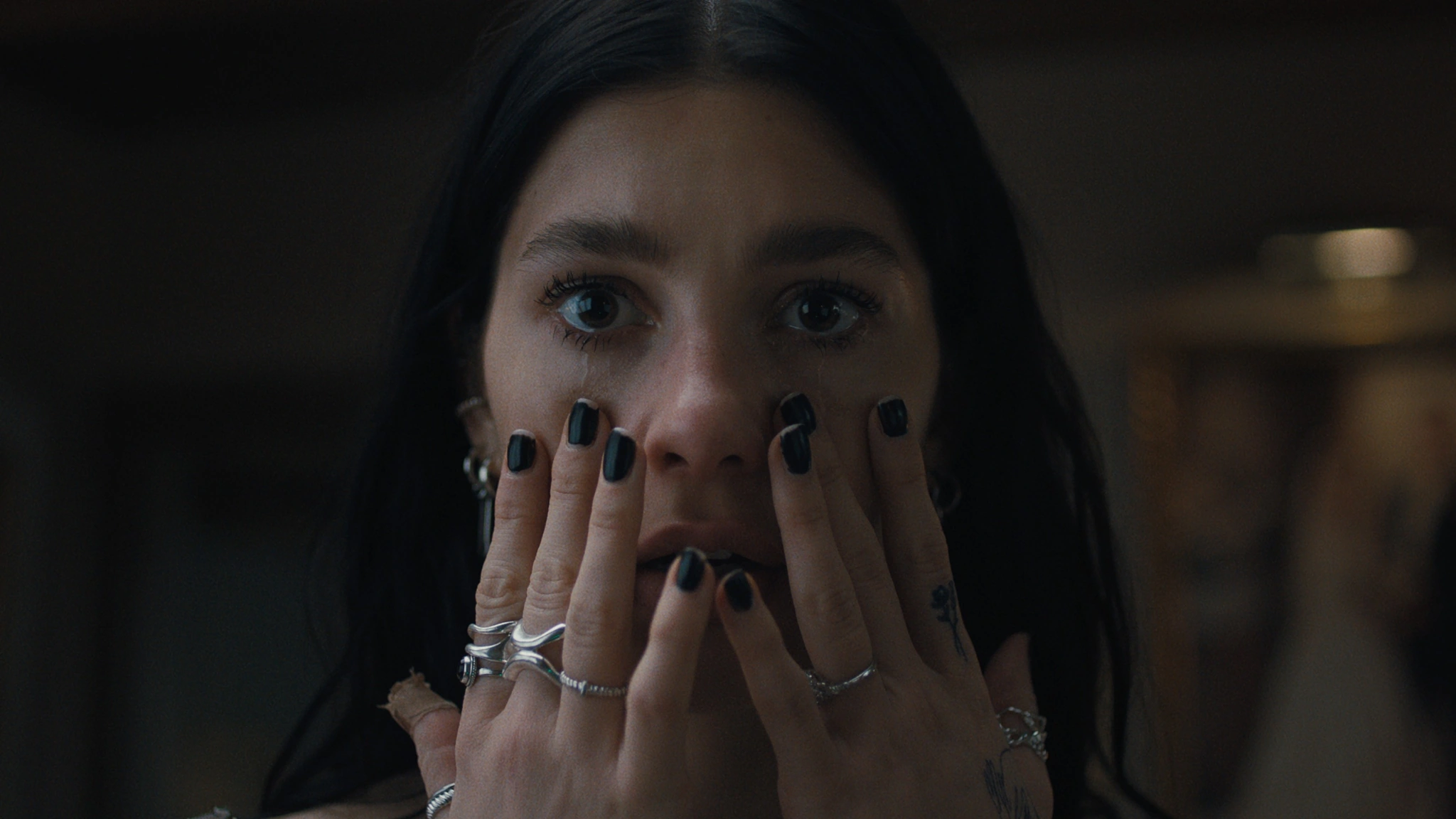
Adam DiMarco plays Nicky with a calmness suited to a man who does not always recognize his actions' impact on his fiancée, helping sustain uncertainty about their relationship.
Jennifer Jason Leigh gives Victoria a cold, disturbing presence, while Ted Levine benefits from Boris's strangeness and his manner within his isolated world.
Gus Birney deserves particular attention as Portia, combining irritating interference, strange behavior and a tone that gradually becomes a source of dark comedy. Her performance makes the character enjoyable even when some associated developments become less dramatically convincing.
Overall, the cast keeps the characters appealing despite exaggerations that sometimes enter the screenplay.
The bloody wedding: an ending that recaptures the opening's strength
From its opening, the series promises a wedding ceremony that will not proceed normally. As the ending approaches, that promise returns to the foreground.
Events regain some of the energy lost after the secret was revealed, particularly as old fears and new decisions begin converging during the anticipated celebration.
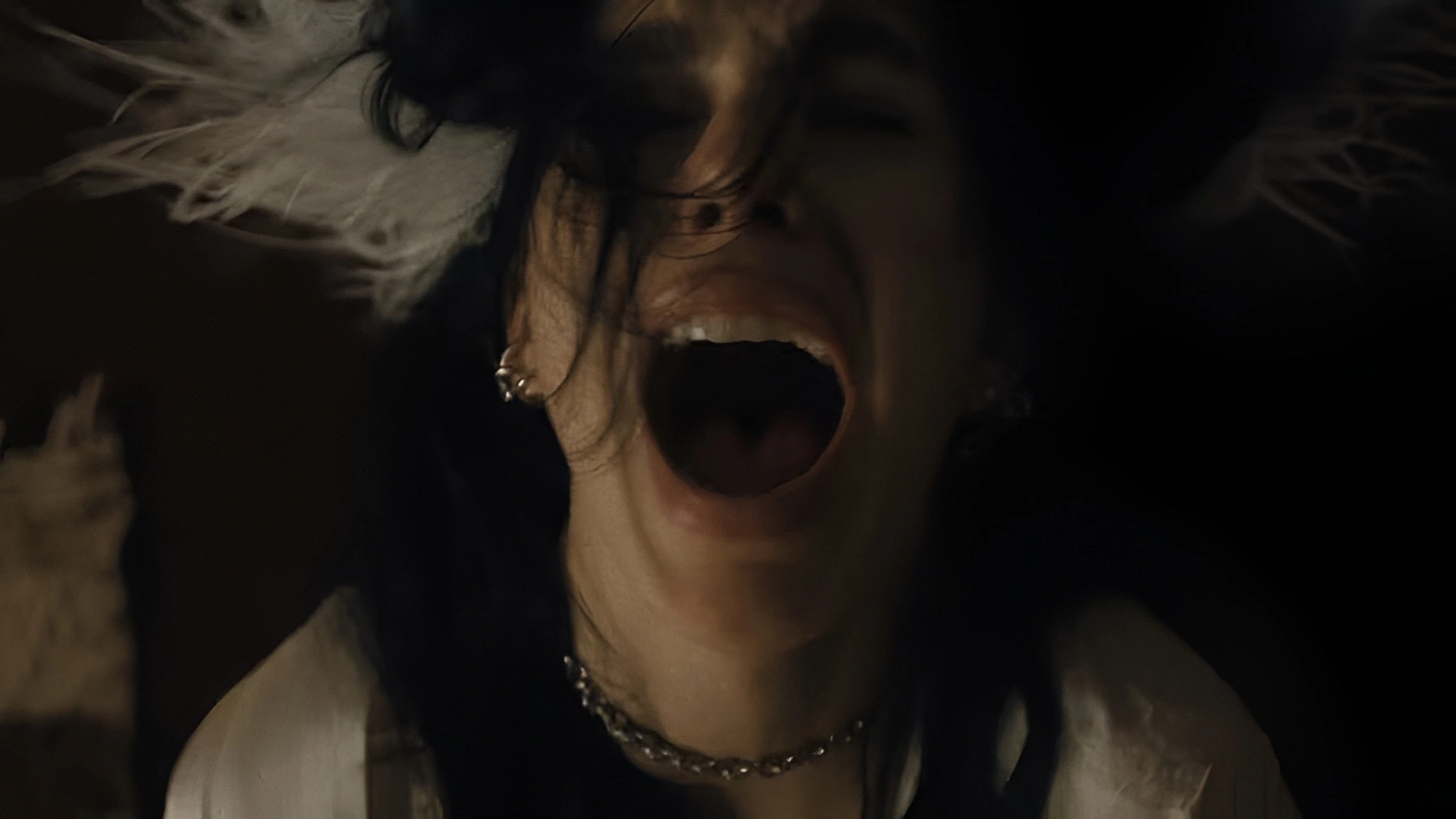
The ending gains value by linking Rachel's fate to the story's original question: can lifelong commitment be considered a romantic dream if leaving it becomes a choice people are not free to make?
The horror goes beyond the bloody incident itself, becoming connected to what individuals can lose when a relationship becomes a commitment that does not allow them to reconsider their decision.
We think this ending successfully recovers some of the series' appeal, but does not entirely erase the preceding structural problems. Tension returns strongly, while some earlier shifts still needed more convincing preparation.
Final verdict
Final verdict: an intriguing premise and uneven execution
Ultimately, we think Something Very Bad Is Going to Happen offers an entertaining psychological horror experience, benefiting from an isolated setting, unsettling visuals, good performances and a premise that gives marriage and romantic traditions a darker meaning. Its main weaknesses are uneven pacing between episodes, some developments that lack sufficient preparation and a failure to give the central relationship enough depth before it becomes the conflict's center. Nevertheless, the series remains capable of arousing curiosity and offering surprises and frightening situations, particularly for viewers who enjoy a mixture of mystery, supernatural elements and dark comedy. We therefore consider it worth watching, although it does not reach the level suggested by its intriguing beginning. Our rating for Something Very Bad Is Going to Happen: 7 out of 10.
Your turn
Our question to you remains: was Rachel afraid of marriage because of the secrets Nicky's family concealed, or because she discovered she had not understood the relationship to which she was about to commit forever?
AUDIENCE VOTE
Do you agree with the MB rating?
Choose once from this browser. You can change your answer at any time.