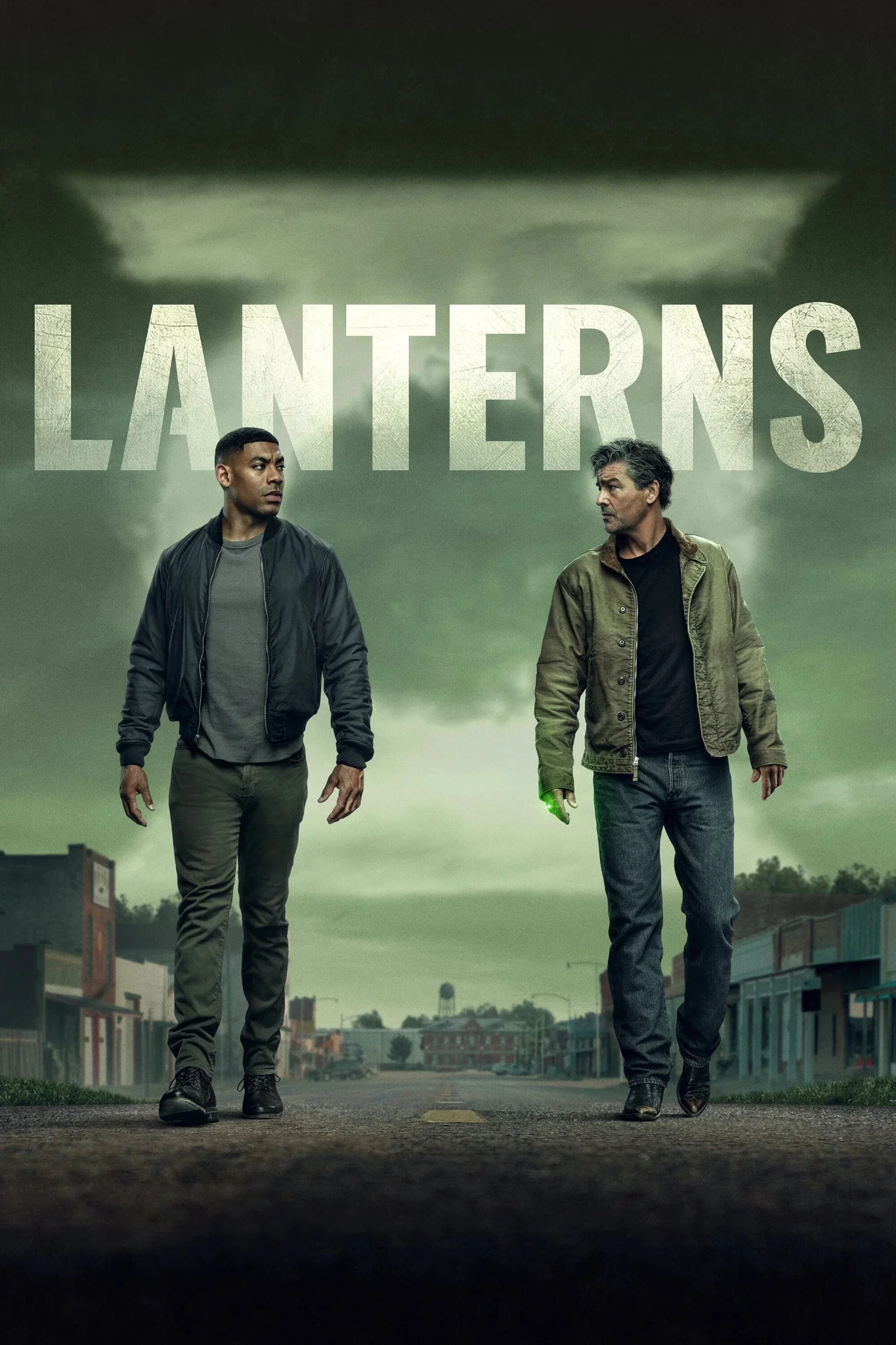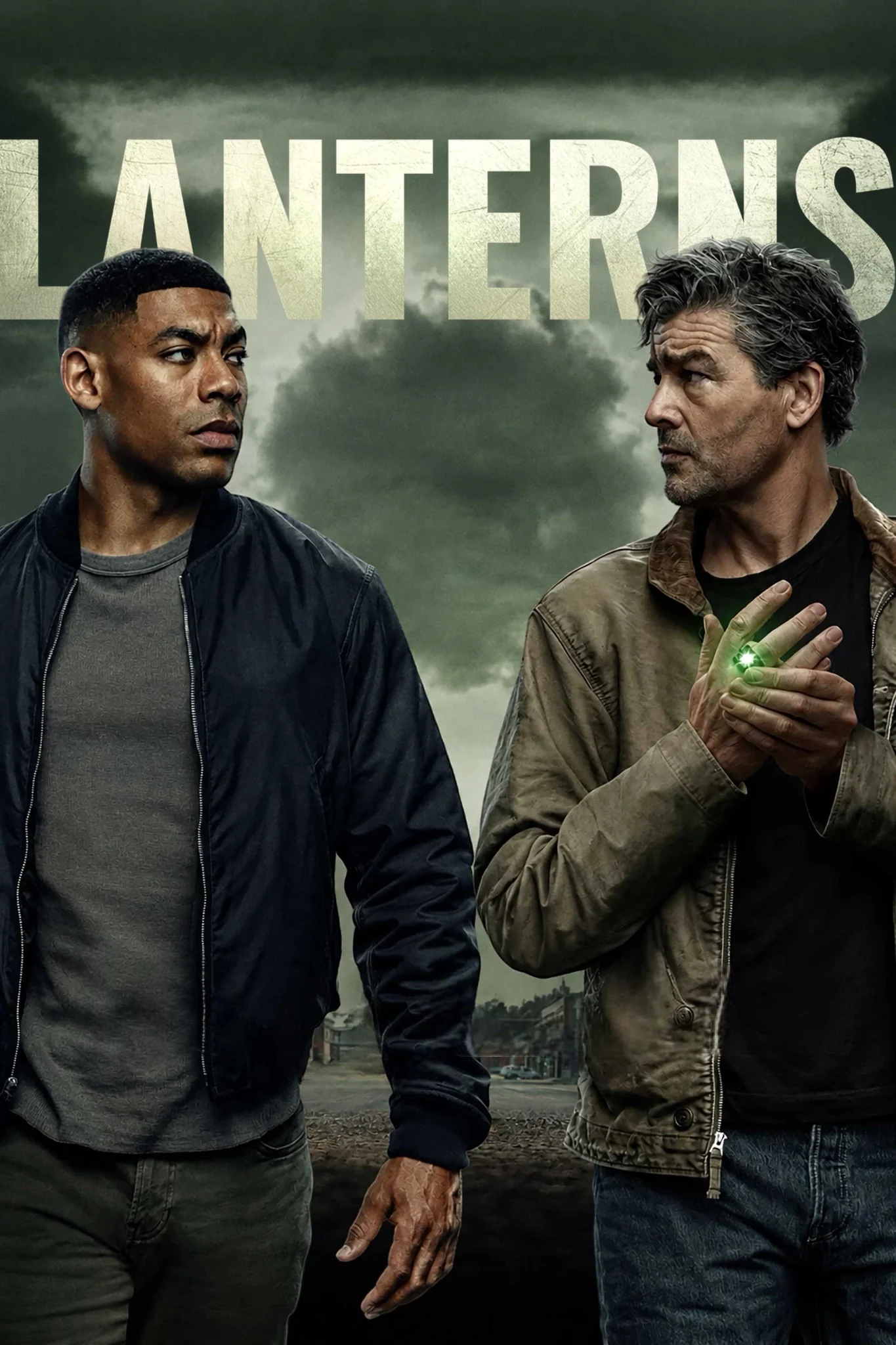
The review
The conflict between Hal and John returns
The episode's most important move is to take the conflict between Hal Jordan and John Stewart from unspoken tension to a direct confrontation.
After the accident in which Hal left John inside the wrecked car, John's anger is understandable in itself. The problem is that the episode wants us to believe this anger runs much deeper than the accident, and that everything that has happened between them all season has led to this moment.
But the emotional groundwork for this confrontation was not strong enough.
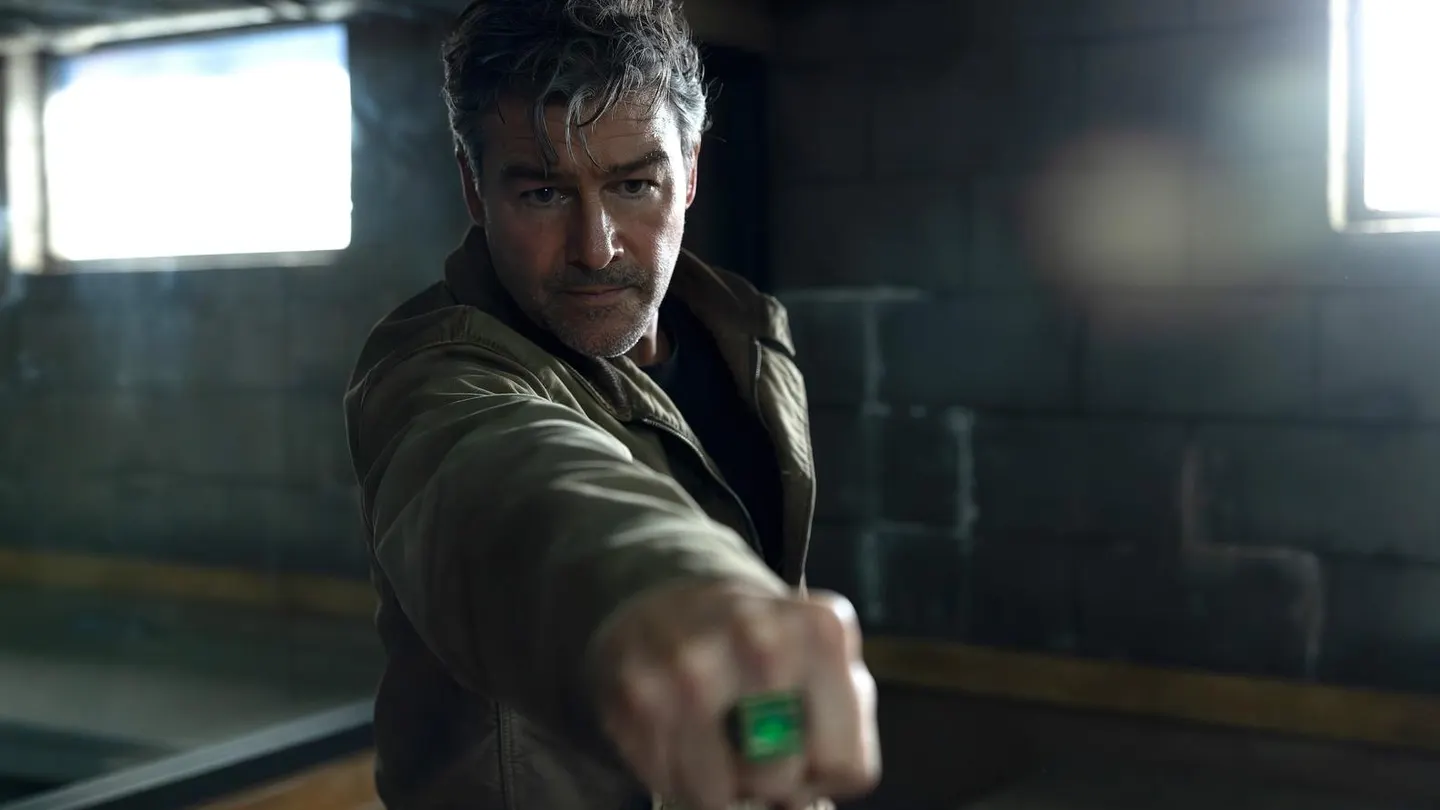
John violently attacks Hal inside the hotel. Their confrontation is supposed to be a major moment, the result of a conflict that has been escalating since the season began. Instead of feeling that two characters have finally reached an inevitable breaking point, however, we sometimes feel that the episode is pushing them into a fight because the story needs one.
A bigger problem emerges here: Hal himself behaves in ways that are difficult to reconcile with the character we knew in the previous episodes.
Leaving John in the car, failing to return to make sure he survived, and then not charging the ring before entering a confrontation of this scale all feel more like mistakes written to serve the plot than natural errors from someone we have come to see as competent and good at reading situations.
The episode tries to say that Hal's instincts can be wrong, which is reasonable. But there is a difference between a hero making a mistake and behaving as though he has become a different person.
Zoe and the Manhunter
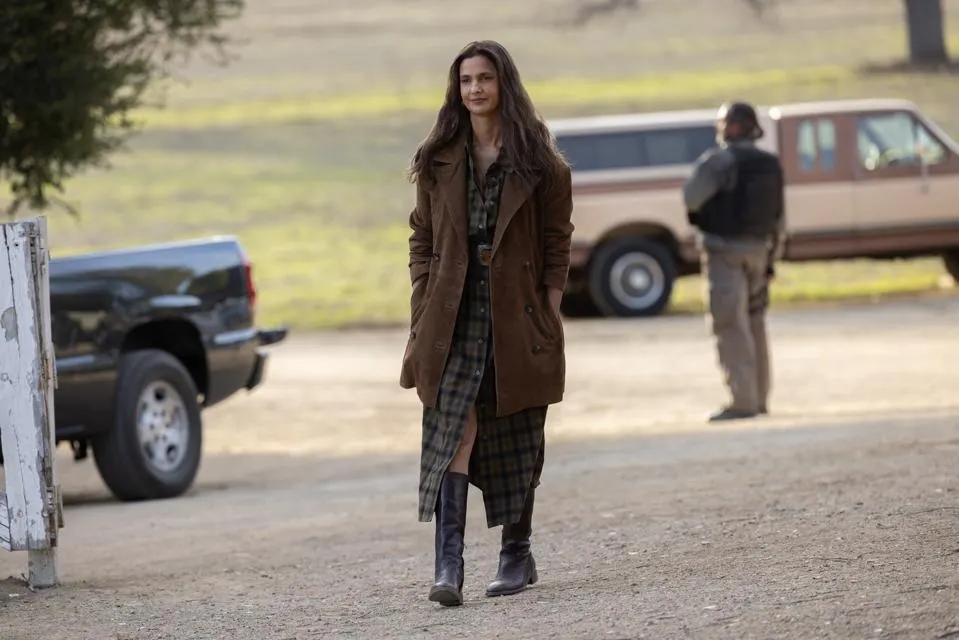
Zoe, by contrast, is the character whose behavior remains most consistent throughout this episode.
Following the previous episode's revelation that she is the Manhunter, we get more room here to understand how she built her influence in Rushville.
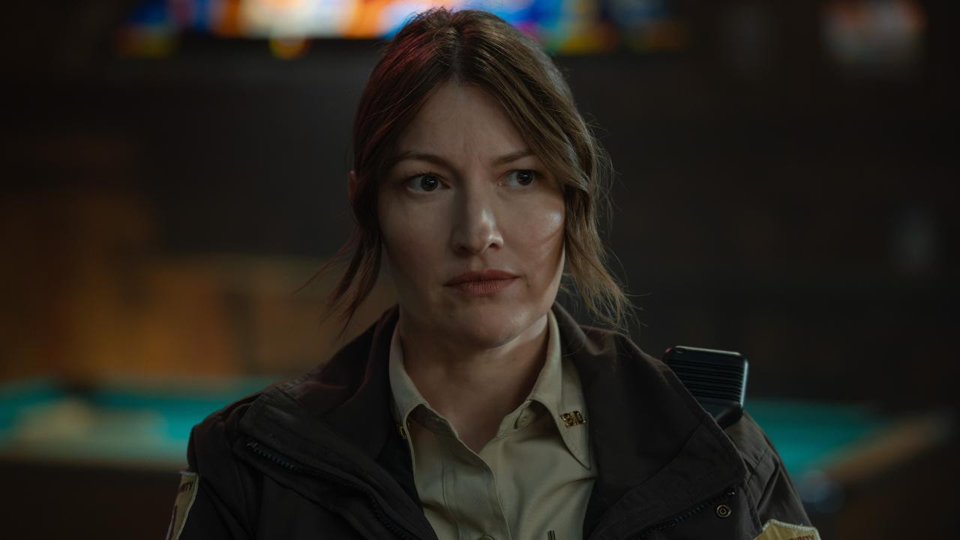
Her flashback with Sheriff Kerry is particularly important because it shows that her relationships with the townspeople were not random. Zoe saved people and then made them feel they owed her their lives, turning each rescue into a kind of unspoken contract.
This is one of the episode's best ideas.
Zoe does not need to control everyone through force all the time. She gets other people to protect her because they feel indebted to her. When almost all of Rushville begins preparing to defend her, her influence therefore makes more sense.
Poorna Jagannathan's performance helps a great deal here. The character does not present herself as a conventional villain, but as someone constantly calculating her next move and looking for whoever will be most useful to her at any given moment.
That is precisely why her decision to save John after leaving him to burn makes sense from her perspective. She believes John could become her strongest protector, so she treats him as a long-term investment, not simply someone she rescued from death.
The episode's most important revelation
One of the episode's most important moments is also the discovery that Zoe was behind Abin Sur's death.
The reason the episode gives is clear: Abin Sur was willing to leave her on Earth, but she could not risk him revealing her location to the Guardians in the future.
This makes Zoe more complicated, but it also raises a question about the nature of the character herself. Does she choose evil because she wants to, or because she is carrying out her programming?
The episode leans toward the second possibility, especially with Jagannathan's idea that Zoe is ultimately a victim of her programming as a Manhunter.
I think this could have been one of the episode's strongest ideas. The series could have used it to make Zoe a truly tragic character, rather than simply an adversary who needs to be eliminated.
The problem is that the episode does not give this idea enough room before moving on to the big confrontation.
Zoe, John, and the idea of the outsider
The conversation between Zoe and John about why she chose the appearance of a South Asian woman is one of the episode's most significant passages in terms of ideas.
Zoe believes that being an outsider gives her a better vantage point from which to observe and infiltrate a community. As an outsider, she leaves people unsure of what to ask her, allowing her to hide in plain sight.
The idea itself is smart, because it explains how she managed to live among the people of Rushville without anyone easily discovering the truth about her.
The problem begins with how the idea is used later.
Zoe ends up destroying the town she lived in, using her alien weapons to force Hal to drain his ring's energy while civilians die in the chaos.
This takes the episode into particularly sensitive territory in terms of meaning.
The series has already used Macon to draw a clear parallel between the Manhunters and real-world acts of genocide. When this episode has Zoe and Antaan cause destruction on this scale, it becomes difficult to ignore the question: what exactly is the series trying to say about an outsider entering a community they do not belong to?
The idea has not been resolved yet, especially with three episodes remaining, but this episode puts itself in thematically confusing territory.
Big action… that still falls short
This brings us to the biggest contradiction in Lights Out.
Until now, the series has relied more on mystery, investigation, and its characters, which has been one of its strengths. This episode, however, gives it the perfect opportunity to become a Green Lantern series with all the visual possibilities that implies.
We have alien weapons, extraterrestrial beings, explosions, a town under attack, and Hal Jordan himself at the heart of the battle.
Even so, we do not see the full potential of Green Lantern's powers put to use.
Hal uses bubbles, shields, and tornadoes, and those are good moments. For large stretches of the confrontation, though, he relies on hand-to-hand combat. He even uses infrared goggles to cross a black cloud in the middle of the chaos.
That makes the question simple: if there is one episode that should give us the best version of the series' superpowered side, why do we not get it here?
Lanterns does not need to turn suddenly into a characterless visual-effects showcase. These elements could have served the characters, though, instead of feeling like little more than a backdrop for the fights.
Hal and John's confrontation
The hotel confrontation is the moment the series has been building toward since the season began, which should have made it one of its strongest scenes.
For me, though, the problem is not the execution of the fight itself, but the emotional reason behind it.
Hal and John fight violently, and John nearly gets the ring before Zoe's attack destroys a large part of the hotel.
Hal uses the ring's remaining energy to protect himself and John, after which John escapes.
The scene works as action, but not to the same extent as a dramatic climax. Their relationship has not received enough emotional development to make this moment truly painful.
This happens with more than one relationship in the episode.
The series tells us these relationships matter, but does not always give us enough time to feel their importance.
Kerry, Will, and Zoe: relationships left underdeveloped
Kerry's flashback is a clear example of this.
The idea itself is good: Zoe saved Kerry in the past, then made her feel she owed Zoe her life, which explains why she helps her later.
But most of the relationship's emotional weight is placed inside a single flashback.
The same applies to Will Macon's relationship with Zoe.
Will dies feeling grateful to her for giving him more time to live. This is supposed to be an affecting moment, especially since the episode wants us to understand the depth of their relationship.
The problem is that we did not get enough of that relationship before it reached its end.
That makes Will's death feel more like an important plot detail than an emotional loss we actually experience.
This is not an acting problem.
Kyle Chandler gives a very strong performance as Hal, Aaron Pierre is good as John, and Poorna Jagannathan, Kelly Macdonald, and Garret Dillahunt also deliver good performances.
The problem is that the script does not always give these actors the material their performances need to create the intended impact.
John and the ring: a victory he cannot feel
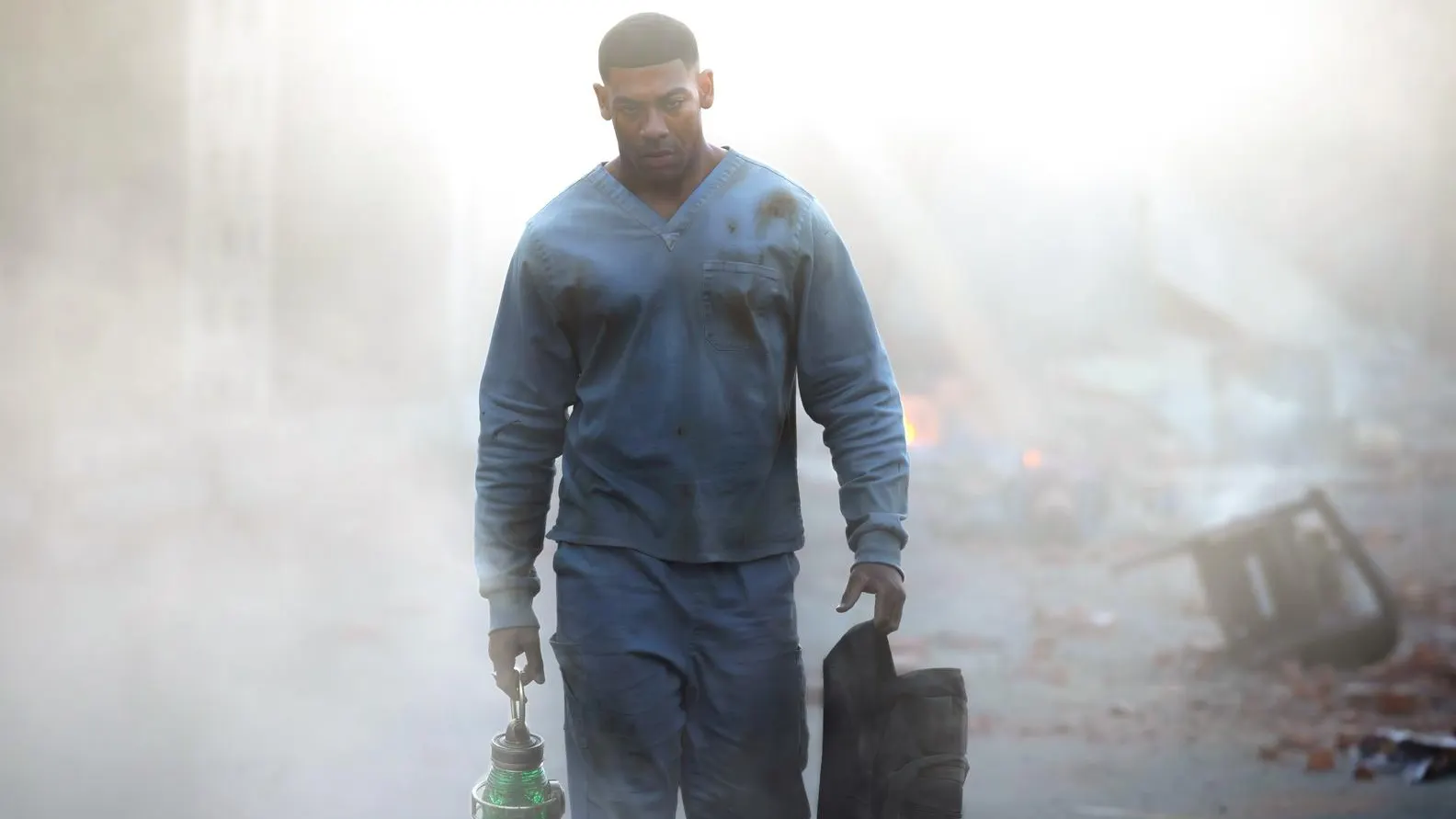
The best dramatic decision at the end of the episode is that John finally gets what he has been chasing all along, only to discover that he does not feel victorious.
After Zoe's death, John returns to Hal and takes the ring, then walks through the destruction and reaches the Guardian.
Instead of holding on to the ring, however, he places it in front of her and admits that he does not even know why he wants it.
This moment carries a significant idea: perhaps John was not chasing the ring because he was actually ready to become a Green Lantern, but because he believed possessing it would resolve his inner struggle.
When he finally gets it, he discovers that he feels nothing.
Even this moment, which should be affecting, suffers from the same problem: the series has not fully succeeded in making John's inner conflict clear and convincing before reaching it.
Strengths
Poorna Jagannathan makes Zoe a calculated, complicated character.
The idea of the contract Zoe has established with Rushville's residents is one of the episode's best.
The revelations about Zoe's past and Abin Sur's death add another layer to her character.
Kyle Chandler remains one of the series' most consistent strengths.
The episode has some good action moments, particularly when Hal uses the ring's powers amid the chaos.
The ending opens an important path for John's development.
The weaknesses are more substantial
The central problem is that the characters do not always behave in ways consistent with their earlier development.
John's anger toward Hal seems greater than the series has successfully established. Hal makes mistakes that are hard to believe from the character we knew, and relationships that should be emotional and affecting remain underdeveloped.
The episode also attempts big ideas about Zoe, the Manhunters, the outsider, and society, but has not yet given those ideas clear answers.
Final verdict
Final verdict
This is not a bad episode because it contains action or raises the stakes. The problem is that, at the very moment it should have demonstrated the strength of everything built before it, it exposed some of that groundwork's weaknesses. What worries me most is that I do not find myself as invested in what happens to these characters as I should be after five episodes. There are plenty of good ideas, strong performances, and a world that could become very compelling. So far, though, these elements have not come together into the cohesive story they need to form.
Your turn
Do you think episode five deliberately broke its characters down to prepare for a major transformation in the final three episodes, or has Lanterns already started losing the groundwork that made its beginning distinctive?
AUDIENCE VOTE
Do you agree with the MB rating?
Choose once from this browser. You can change your answer at any time.