The review
Green Lantern as an investigation rather than a space adventure
From the start, Lanterns makes a choice that may divide viewers. This is not a giant interplanetary adventure driven by rings and cosmic war. Much of it plays as a mystery in a small town, where finding the truth matters more than demonstrating power. Rushville is more than the site of a crime. It becomes a character of its own, full of secrets, aliens living among humans, devices that identify them and old loyalties that complicate any clear line between victim and enemy.
That approach gives Green Lantern a distinct identity among superhero stories. Hal has a ring capable of astonishing things but cannot solve the crisis with one blow. John wants that ring and gradually learns that acquiring it will not make him ready to carry it. Conversations in cars and bars can matter more than the action. Still, the show sometimes clings so tightly to restraint that it seems wary of its own fantastic world. A series with Green Lantern at its center could have explored more of the ring's extraordinary possibilities.
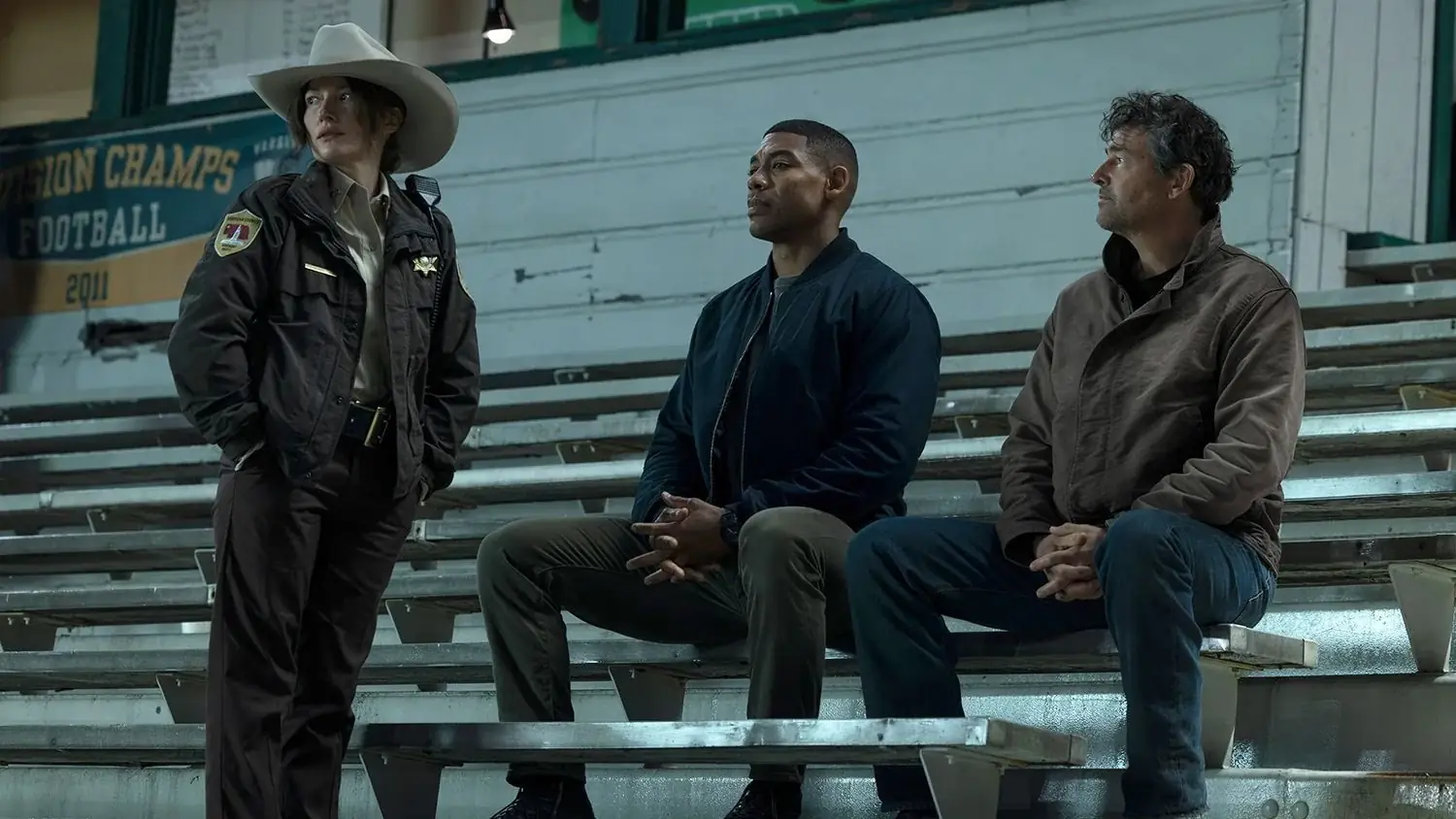
Hal and John are the real season
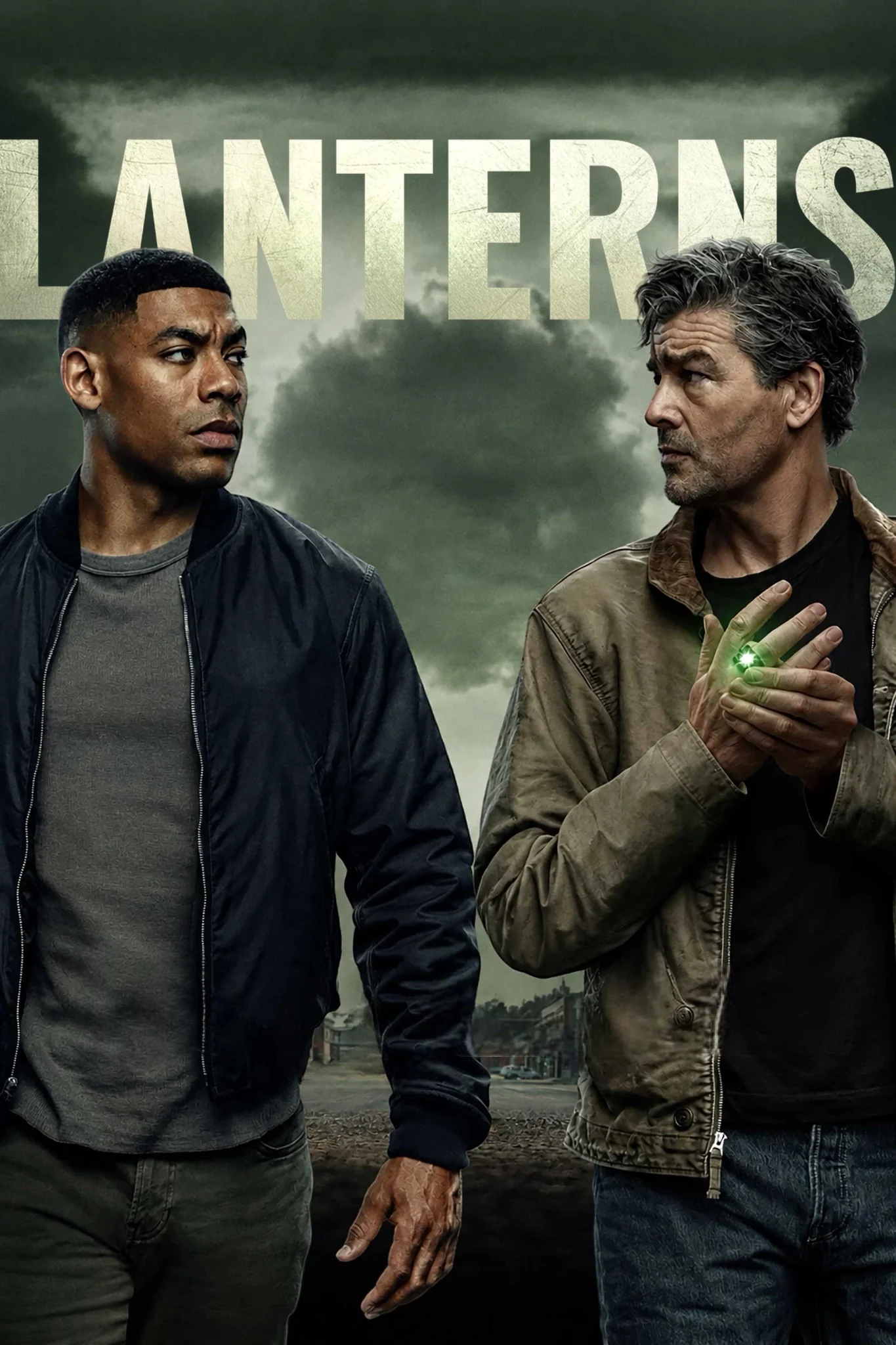
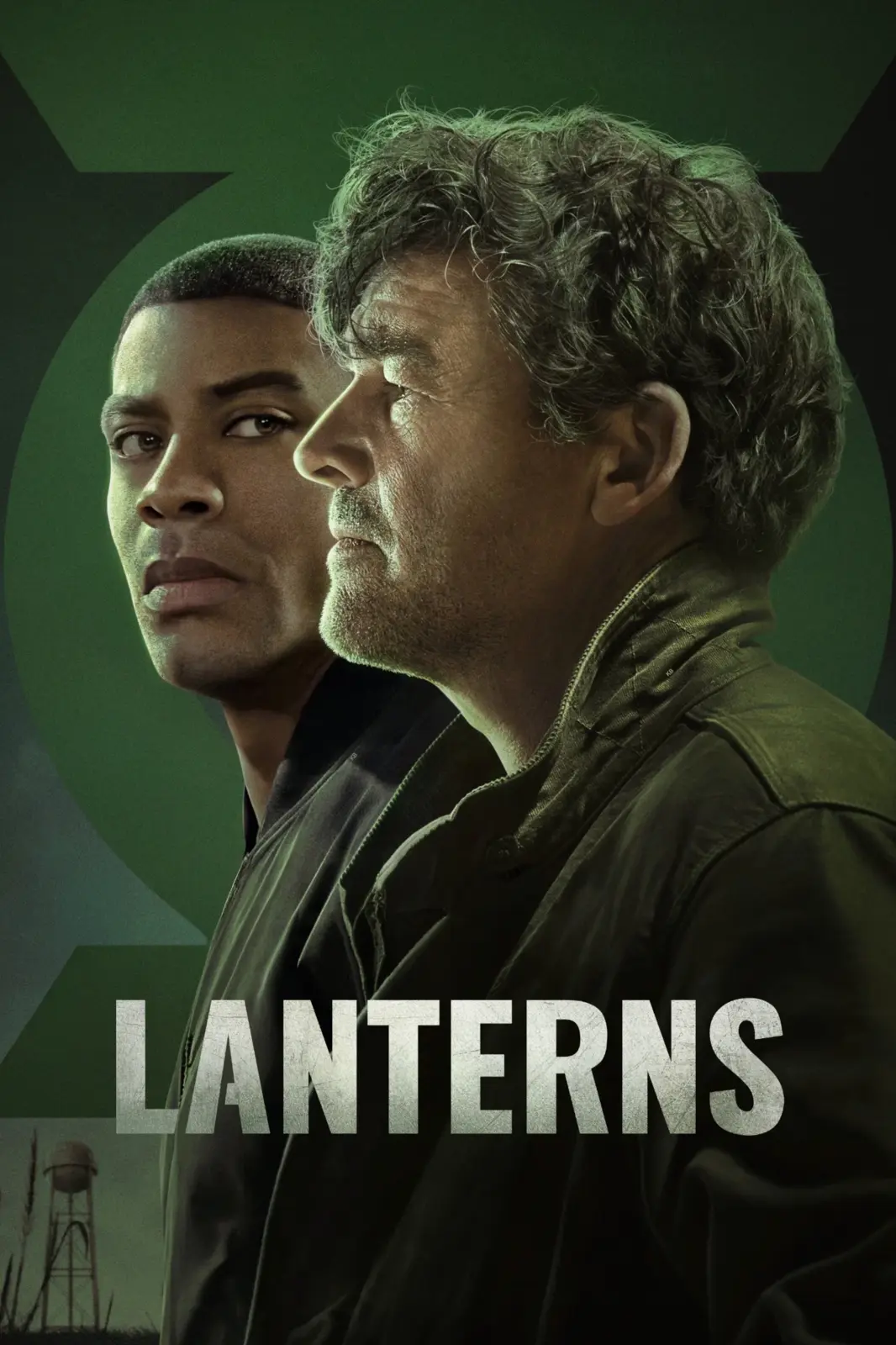
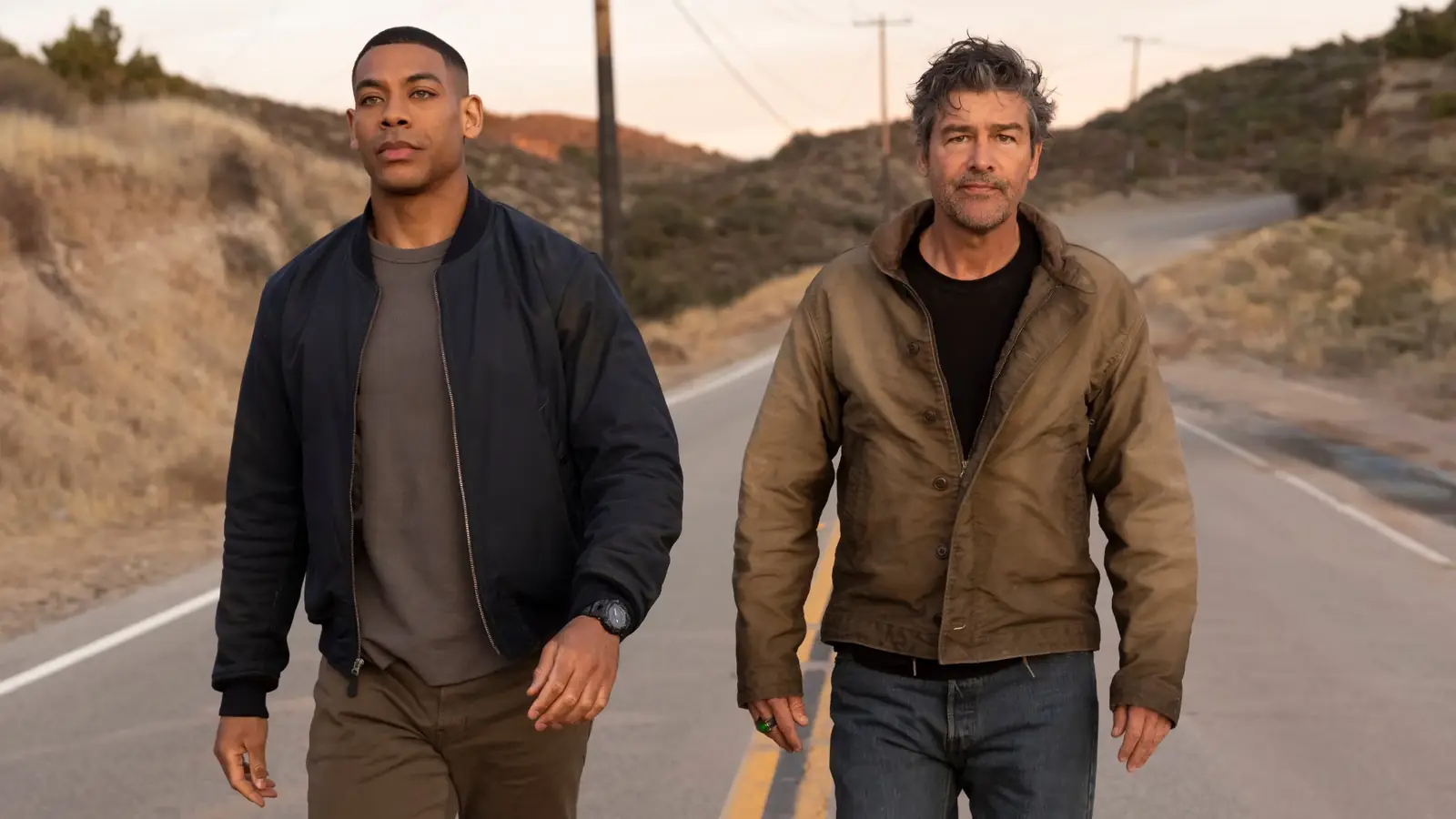
The mysteries of Rushville and the Manhunters matter, but the bond between Hal Jordan and John Stewart is the heart of this season. It begins uncomfortably. John sees in Hal the hero he once wanted to become, while Hal sees a successor drawing closer than he wants to admit. As they learn more about each other, neither ideal survives. Hal is stubborn, provocative, secretive and afraid that his time is over. John is disciplined and bright, yet has spent his life confusing bravery with denying fear.
Their relationship changes several times without turning into an easy friendship or a simple father and son story. Respect yields to suspicion, broken trust and anger. Years of separation follow, and Hal's death leaves John with everything he failed to say. The Halogram gives John a late chance to understand the man he knew, and gives Hal a way to express what John meant to him. Aaron Pierre and Kyle Chandler make this difficult relationship the season's greatest success; when they work together, the series is more compelling than its central puzzle.
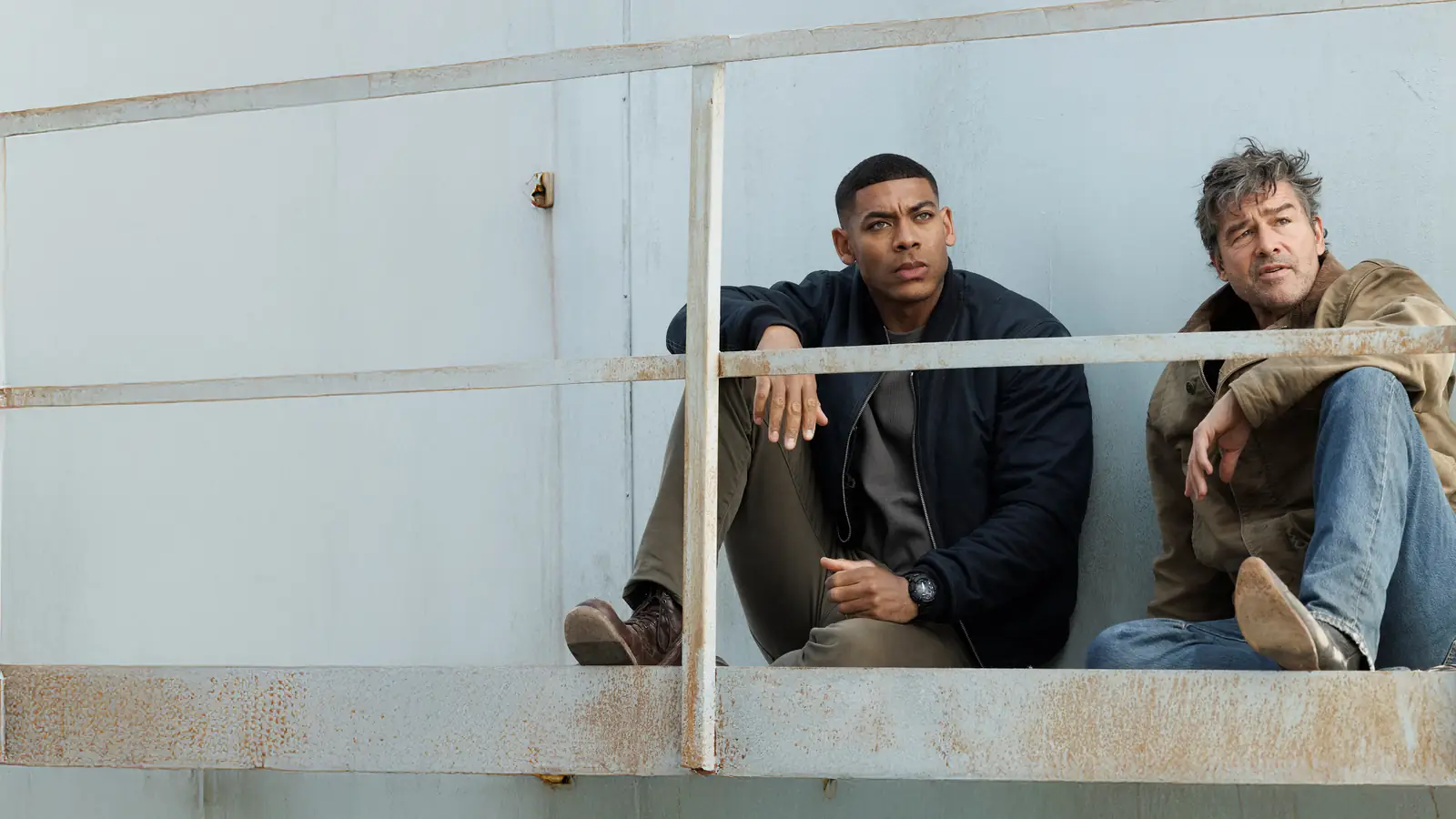
Fear is not the enemy
One question runs through nearly every important plot: what happens when a person believes fear itself is weakness? John's parents taught him not merely to face fear but to feel ashamed of experiencing it. That made him capable in dangerous situations, yet also unable to step back or ask for help. He treats endurance and responsibility as proof of his worth. Hal is more like him than he first appears. Behind the pose of a fearless veteran lies inherited pain and a need to prove he can keep going.
Choosing each other therefore means more than passing on a ring. John wants responsibility because he thinks it gives him value; Hal runs from it when it exposes his failures. By the end, John reaches the idea the whole season has been moving toward: courage is not the absence of fear. Fear can protect you and force you to think. The danger lies in letting it decide who you become. His new oath matters because he chooses for himself what being a Green Lantern means.
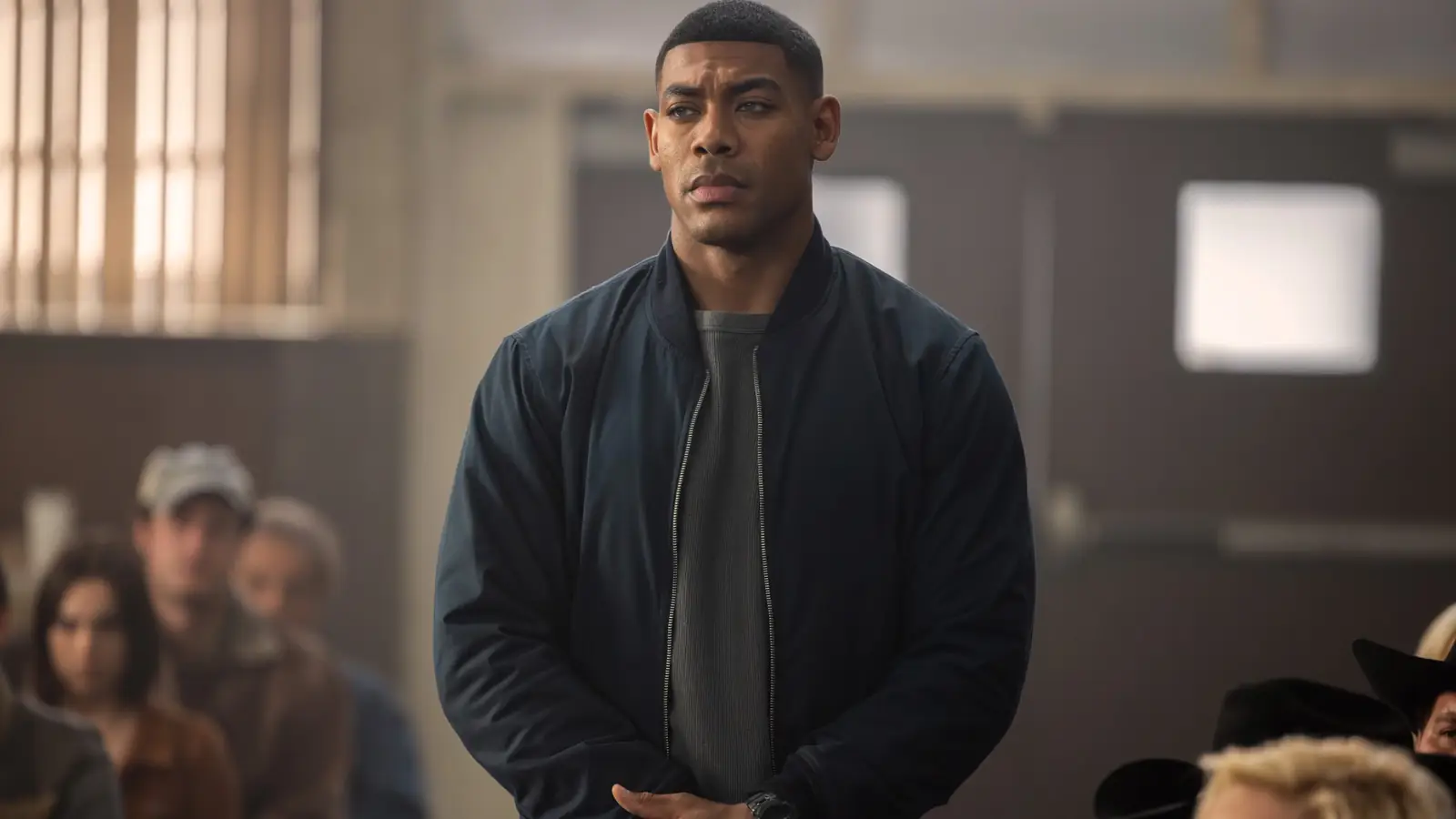
Zoe, Rushville and the season's unfinished ideas
Zoe could easily have been only a shocking reveal: the woman who lived among humans is a Manhunter. The show tries to give her more meaning. She rescues people, and their gratitude becomes a network of loyalty and protection. She need not control Rushville by force when the town itself acts as her shield. Her programming, survival instincts, fear of the Guardians and attempt to live among humans make her more complicated than an obvious villain, without excusing the harm she causes.
Yet her story also reveals a central weakness. Its ideas are sometimes larger than the time the season gives them. Questions of identity, programming, choice and belonging are compelling, but the plot rushes toward another escalation. Her connection to Kerry, her relationship with Will and the consequences of losing her all needed more room. At moments we understand the importance of a development intellectually before we can feel its emotional weight.
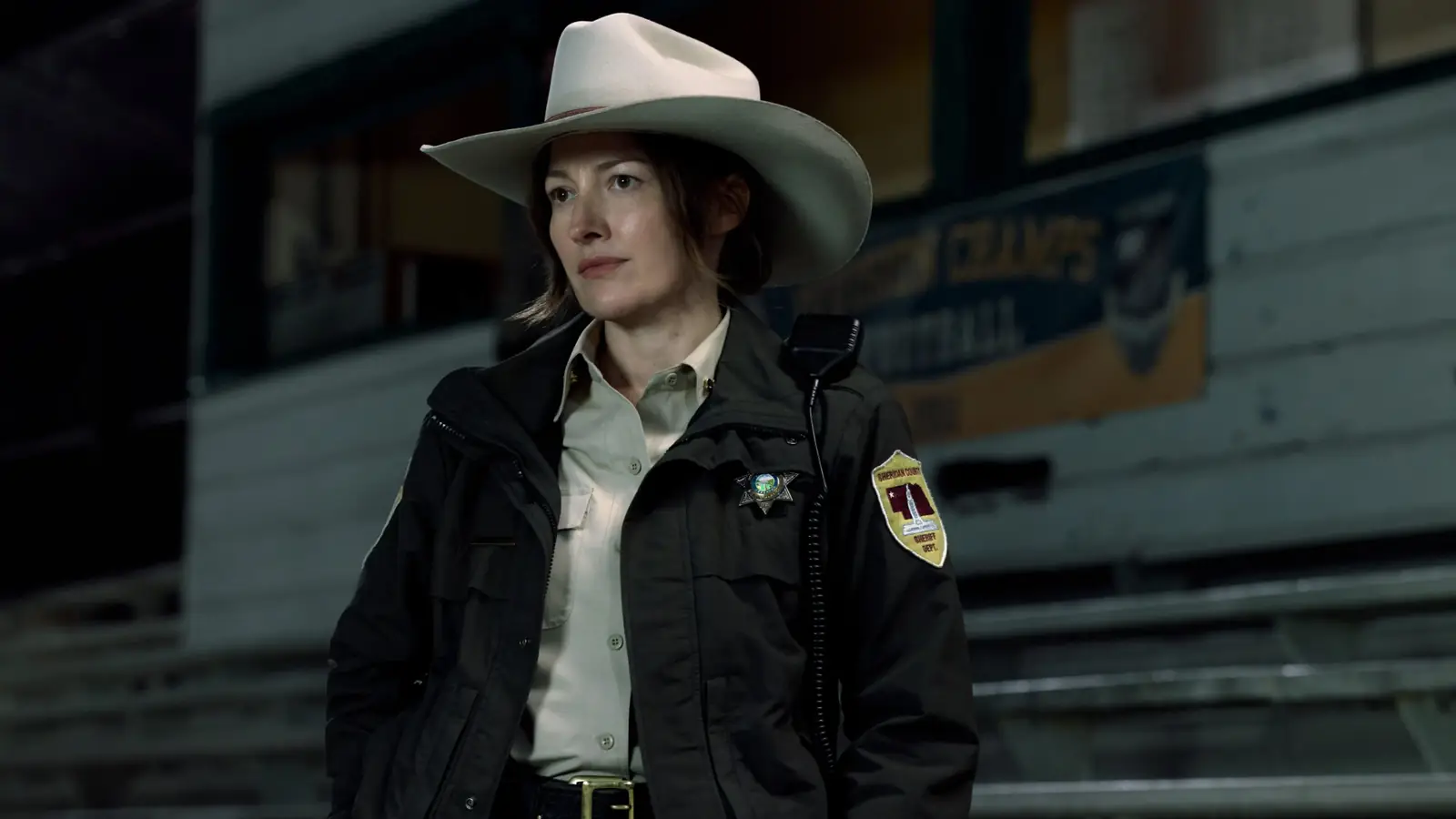
The middle of the season reveals the cracks
Lanterns struggles most when it raises the stakes too quickly. The great destruction and the direct confrontation between Hal and John ought to feel like the release of everything the story has built. Some of those turns instead seem driven by the need to move the plot. John's anger makes sense, but the scale of the rupture is not always supported by enough emotional groundwork. Some of Hal's choices are also hard to square with the experience the show has established for him. Episode five, for me, is the weakest point: the most eventful installment also exposes the least consistent construction.
The ten year leap then sharply changes the rhythm. Paradoxically, it provides some of the season's best material. We do not see only the immediate fallout of disaster; we see the scar years later. Hal has paid for his mistakes, John has built an entire life to convince himself he is past them, and Rushville lives with the consequences. The leap may unbalance the pacing, but it allows regret to become tangible.
The acting lifts the script when it stumbles
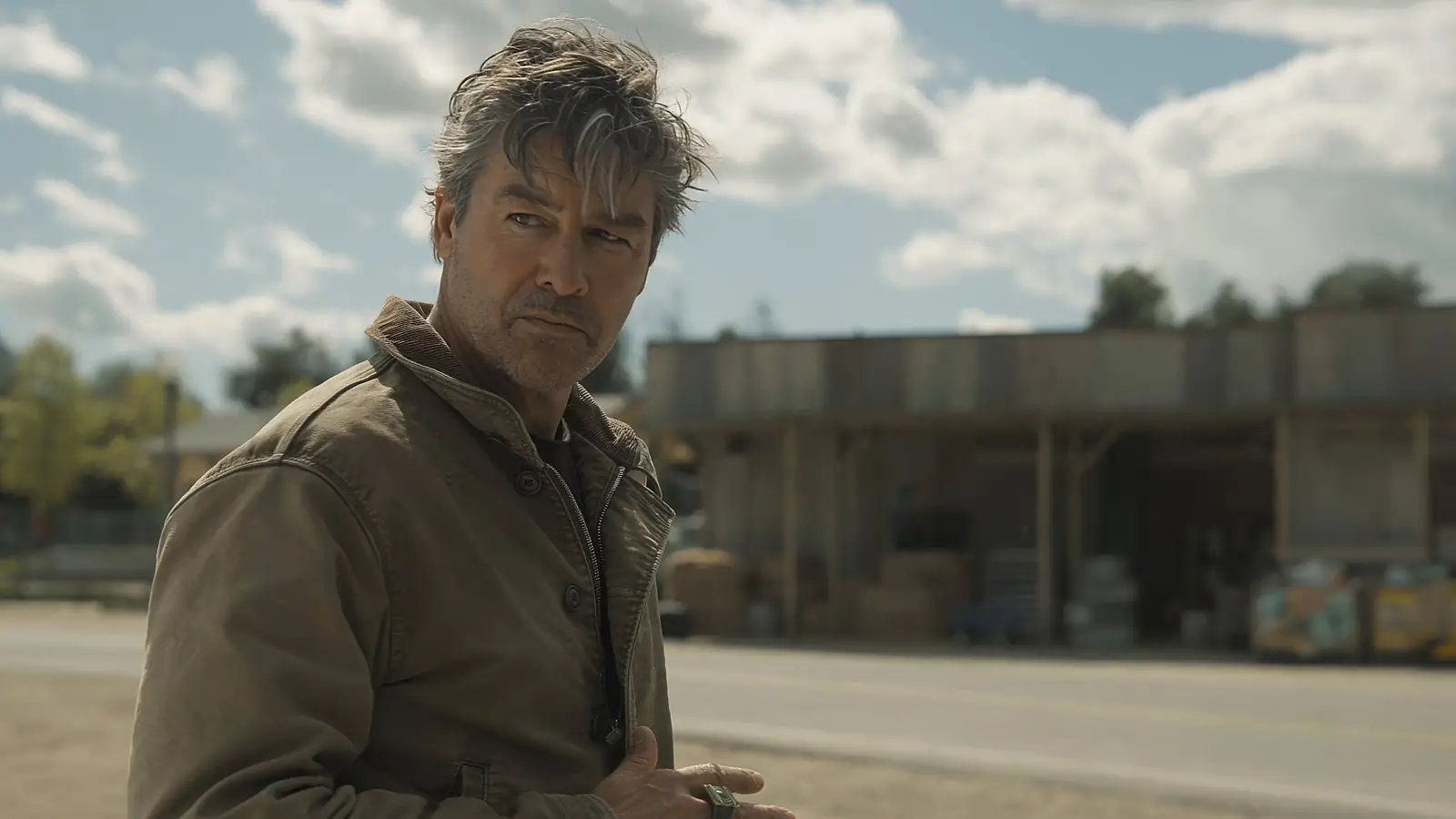
The performances are the season's steadiest asset. Kyle Chandler makes Hal more than an aging man who refuses to give up his place. His arrogance and sarcasm carry exhaustion beneath them, and later even a small gesture can convey regret. Hal remains the center of the story after his death. Aaron Pierre makes John's inwardness vivid rather than blank; looks, posture and hesitation carry feelings he cannot say outright. The change between a man who suppresses fear and one who admits it becomes clear across the season.
Kelly Macdonald is another standout. Kerry begins as a local authority figure in the way of the investigation and becomes central to the tragedy. Her killing Hal fits the season's treatment of fear, even if the moment unfolds too quickly. Poorna Jagannathan gives Zoe a calm presence more intriguing than a conventional villain, which only makes me wish the script had given her more space to develop its promising layers.
A larger world glimpsed from a distance
The strongest visual idea is the contrast between Rushville and the cosmos. The town feels cramped, worn and burdened by history; the alien elements suddenly open up the frame and remind us that this local case belongs to something much bigger. John's journey into the ruined world makes especially good use of mist, water and rain, turning a trip between planets into an encounter with memory, fear and death.
Even here, my main reservation returns. Sinestro is a missed opportunity. A presence of this size promises much more than the season finally gives him. He is fascinating and dangerous whenever he appears, but often serves to provide information or prompt questions rather than becoming a full counterforce to Hal and John. The wider Green Lantern world has a similar problem. I value the show's refusal to become constant cosmic spectacle, but a little more daring with the ring and its universe would have made the balance feel more deliberate.

The finale knows what story it is telling
The season is saved, for me, by an ending that stays true to itself. A giant battle would have been the obvious finale for Green Lantern, but the real confrontation is not about who can make the larger weapon. It is about Noah and John, and a man who could kill someone he regards as a future threat yet decides not to. This is the test the season has been building for John. Hal failed to know when to stop; Kerry made a disastrous choice when fear took control; Noah fears what he might become.
John finally feels fear, anger and pain without becoming their prisoner. Season one thus works as John Stewart's origin more than as a conventional Green Lantern adventure. He does not become a hero merely by receiving the ring. He becomes one when he understands why he wants to carry it.
Strengths and weaknesses
The season's strengths are Hal and John's relationship; Kyle Chandler and Aaron Pierre's performances; a view of courage built on accepting fear rather than denying it; the blend of local investigation and science fiction; and a Rushville that carries the consequences of its characters' decisions. The weaknesses are uneven pacing, turns that need longer emotional development, underdeveloped secondary relationships, too few glimpses of the ring's visual potential, and a very limited use of Sinestro relative to his importance.
Final verdict
Final verdict
Lanterns is not the Green Lantern series I expected, and perhaps that is one of its best qualities. It cares less about dazzling me with what a ring can do than about asking what its bearer ought to do. The middle stumbles, strong ideas sometimes lack room, and the cosmic world remains underused. But when it focuses on Hal, John, fear, regret and responsibility, it finds a distinctive place among superhero stories. John spent his life trying to become a man without fear. By the end he learns that he never needed to lose it to become Green Lantern. He needed to choose for himself. My rating for season one: 8 out of 10.
Your turn
Did Lanterns stand out because it favored characters, fear and responsibility over cosmic spectacle, or did season one need far more of the Green Lantern universe and the ring's power?
AUDIENCE VOTE
Do you agree with the MB rating?
Choose once from this browser. You can change your answer at any time.