The review
A finale that refuses spectacle
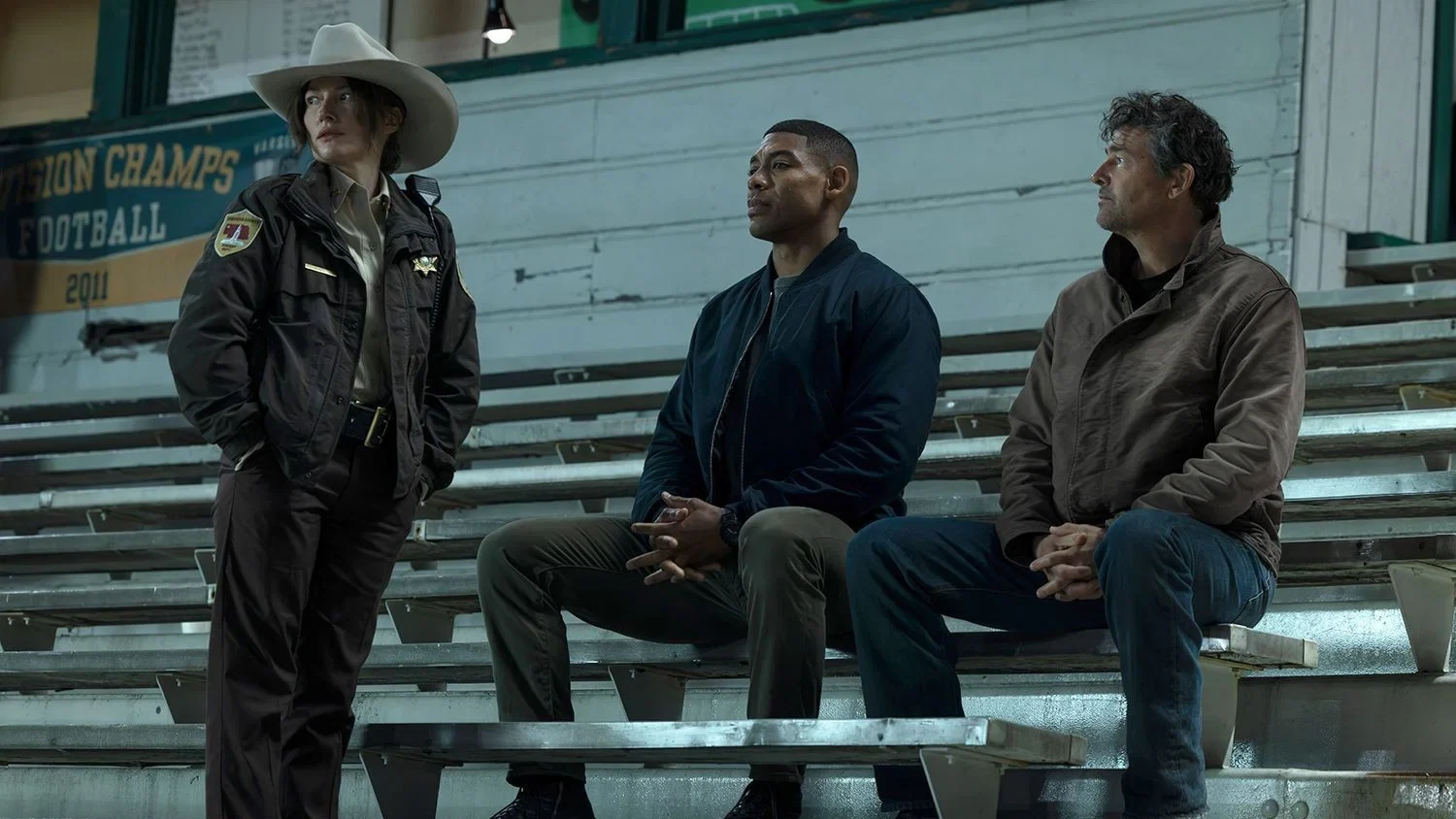
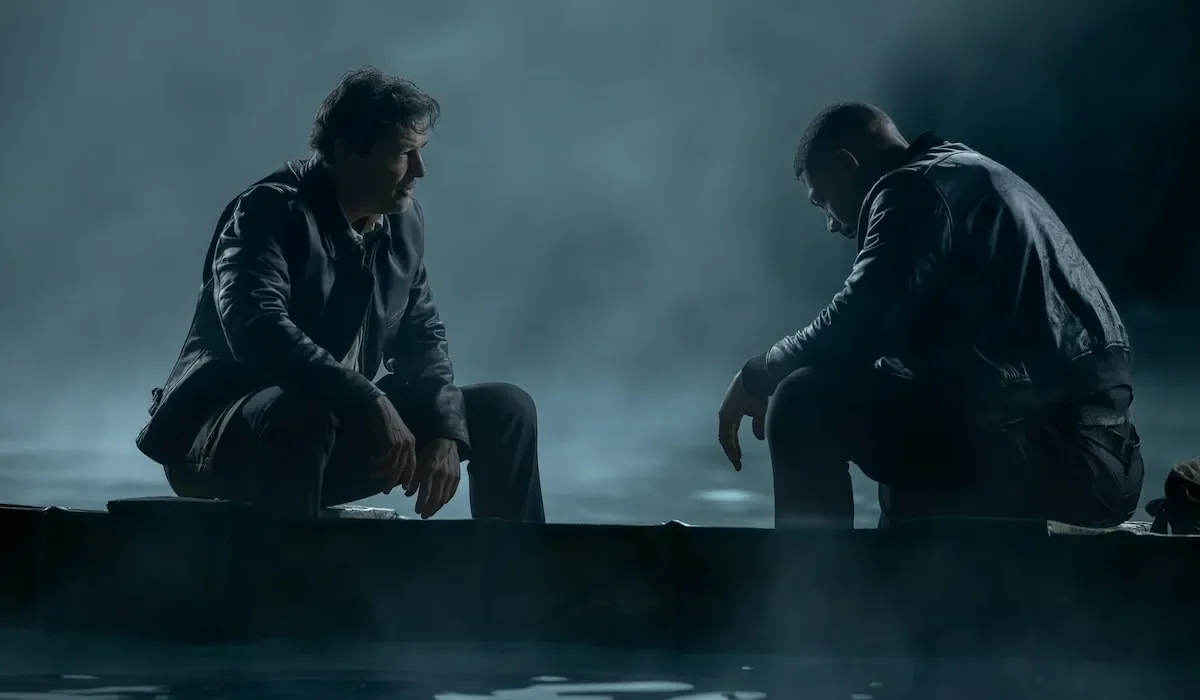
The series does not try to become something else merely because it has reached a finale. After theories about Sinestro, the Manhunters and Hal's fate, a giant battle or a collection of DC-universe surprises would have been easy. Instead the ending remains much smaller. John and Noah's crucial confrontation takes place mostly in a car beside a football field, not in space or among collapsing buildings and green constructs.
On paper that is an unusual decision for Green Lantern, but it fits this story. The conflict is not about who has the greater power. It is about who can control fear and anger while holding that power. The series turns a familiar premise around: courage is not the complete absence of fear. John understands that maturity means admitting fear and choosing what to do despite it.
John Stewart becomes the hero he chooses
Above all, the episode completes John's origin. In the past he tried to suppress emotion; in the present he tried to escape everything imposed on him, including the ring. The finale brings these versions together. He is afraid of what Noah could become, angry with Kerry when he discovers what she did to Hal, and hurt by the scale of the tragedy. The difference is that these feelings no longer control him.
John does not win because he creates a bigger weapon. He can stand before someone with a fear much like his own and show him that he need not become his worst self. His new oath works because he is not merely repeating an inherited idea of the ring. He accepts fear rather than denying it and chooses the fight rather than taking a mission simply because it was assigned to him. Becoming Green Lantern is finally a personal choice, not merely putting on the suit we expected from episode one.
Noah and a reveal that need not be surprising
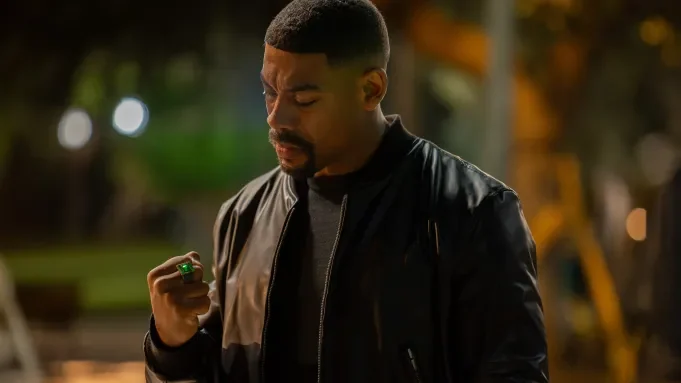
Revealing that Noah is a Manhunter may have been predictable, but a predictable reveal is not necessarily a bad one. What matters is what follows. Noah is not suddenly a villain eager to destroy the world. He recognizes that something within him could become terribly dangerous. He can imagine authority, influence and military power turning into tools of something he cannot control.
This is John's real test. Killing Noah before that future arrives would be the easy answer, but he refuses. Having the power to end a person does not make doing so right. Noah, too, chooses not to surrender to the worst part of himself. Once again, the victory comes because force is withheld when it would have been the simplest solution.
Hal Jordan, Kerry and the most painful truth
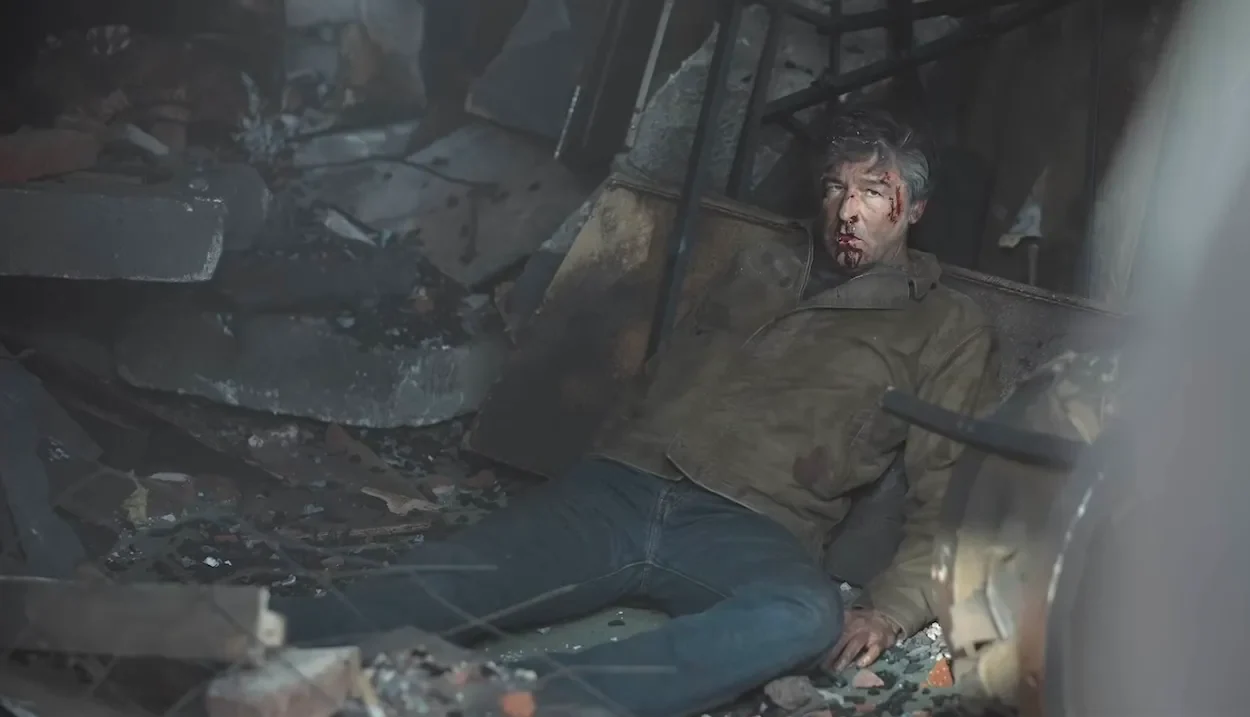
The answer to the mystery of Hal's killer is the most painful one: Kerry shot him. She was not plotting his death or becoming a simple villain. Years of fear erupted in one moment. She had spent her life protecting Noah. When she realized Hal knew the truth, she saw not only the man she loved, but also the threat she had always dreaded. That is entirely consistent with the season's theme.
My reservation is with the execution. The jump from fear to the gunshot happens too quickly. Kelly Macdonald could have had more time to show panic becoming anger and then a disastrous decision. The episode wants us to see the worst choice of Kerry's life in a moment of weakness, but a moment this consequential needed more room to make her collapse fully convincing.
Still, her relationship with Hal makes the revelation hurt. The arrogant, impulsive man from the beginning grew into someone who learned from mistakes, spent years paying for them and finally found a real relationship with a person who knew his flaws. That makes the outcome especially cruel.
Kyle Chandler and Aaron Pierre carry the episode
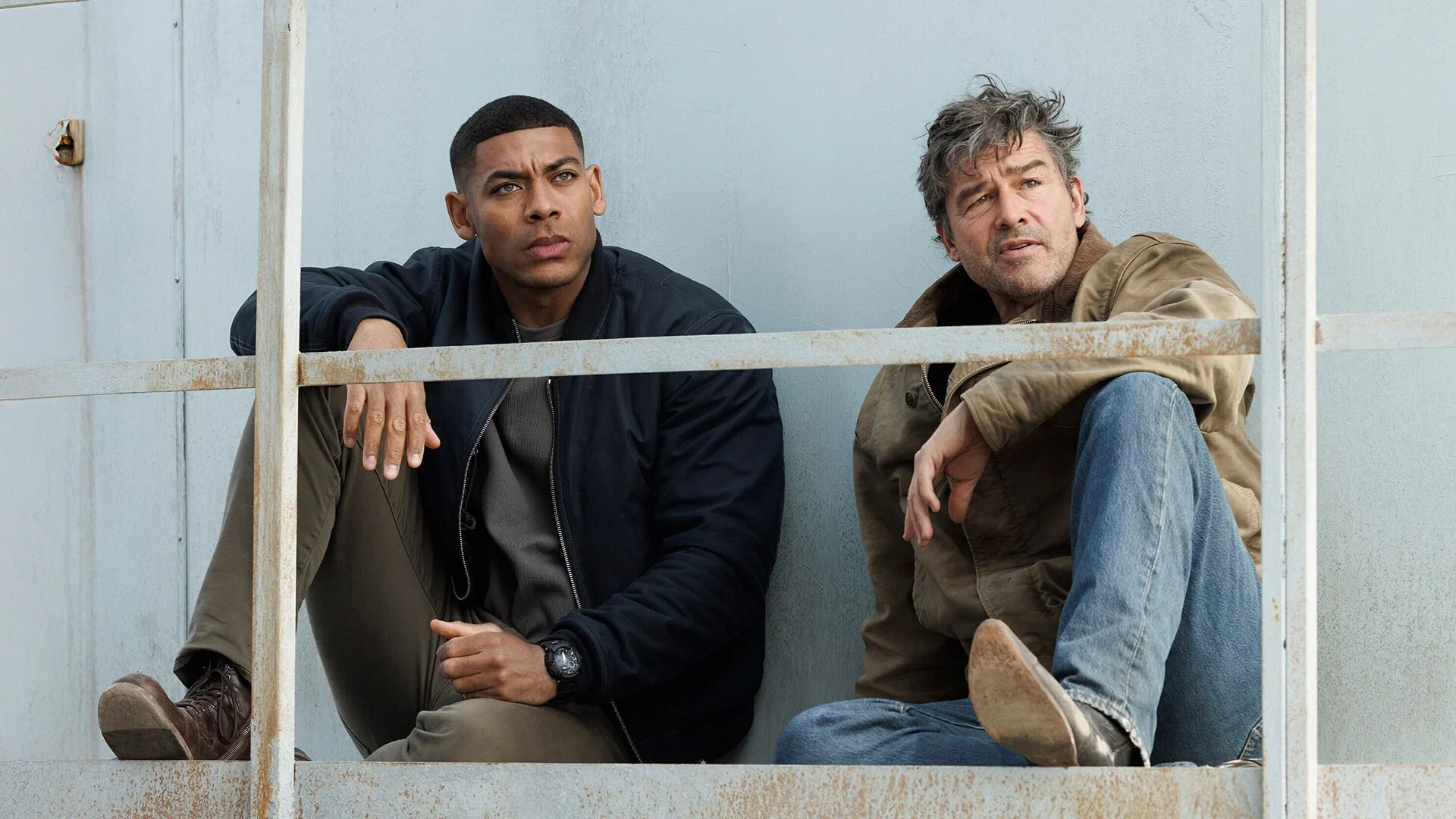
The finale rests heavily on acting because it has no action spectacle to hide weak characterization. That makes the bond between John and Hal the season's most important element. Aaron Pierre is at his best when John is caught between emotion and restraint. His looks and body language say more than dialogue: fear with Noah, anger with Kerry and finally acceptance with Hal.
Kyle Chandler again makes Hal difficult to imagine the series without. Even the version inside the ring keeps his sarcasm, charm and stubbornness, while expressing what the living Hal rarely could. His declaration of love to John might have been excessive if their relationship had not spent an entire season earning it. The line matters because Hal finally says something he did not know how to say when alive. It feels like a genuine passing of the torch.
Kelly Macdonald remains another of the season's strongest performers, especially when Kerry can no longer hide behind the language of protection and must face what she did.
Sinestro is the greatest missed opportunity
Sinestro has enormous weight in Green Lantern's world, but the episode mainly uses him to deliver information and move pieces into place. He has killed a Guardian, can create a new Lantern and talks of fear as a force to harness. Yet he gets too little room to feel like a genuine threat, and even his ideological confrontation with John passes quickly.
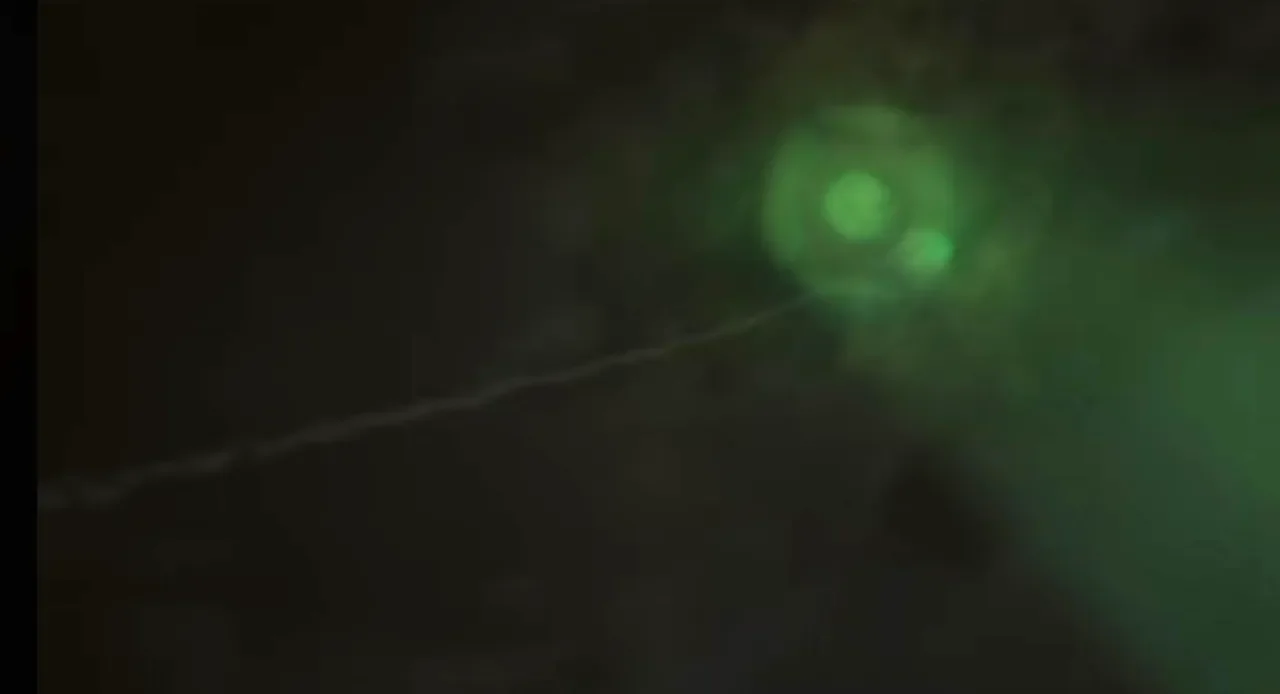
This reflects a larger choice to keep cosmic elements at the edges. It served the character drama, but sometimes made the ring itself feel less important. The finale is a natural place to expect Green Lantern's abilities in full, and that never quite arrives. I respect the show's loyalty to its identity, while still believing it could have allowed a little more cosmic imagination without sacrificing the drama.
The season's best idea: power does not demand use
The strongest idea in Lanterns is that possession of power does not make using it the answer. Hal did not always know when to stop and paid for it for years. Noah could become terrifying but chooses another path. John can kill Noah or take revenge on Kerry and does neither. The ring also stops being an obligation placed on him and becomes a choice he makes himself.
Fear is therefore central. The people who deny their fear make the most dangerous mistakes. John learns to acknowledge it without letting it govern him. For me, that is the series' strongest reading of Green Lantern.
An ending that leaves room for what comes next
Guy Gardner's last scene is clever because it shows how much John has changed rather than merely advertising another DC project. John is no longer a follower waiting for approval. He has his own understanding of being a Green Lantern, his own oath and his own boundaries.
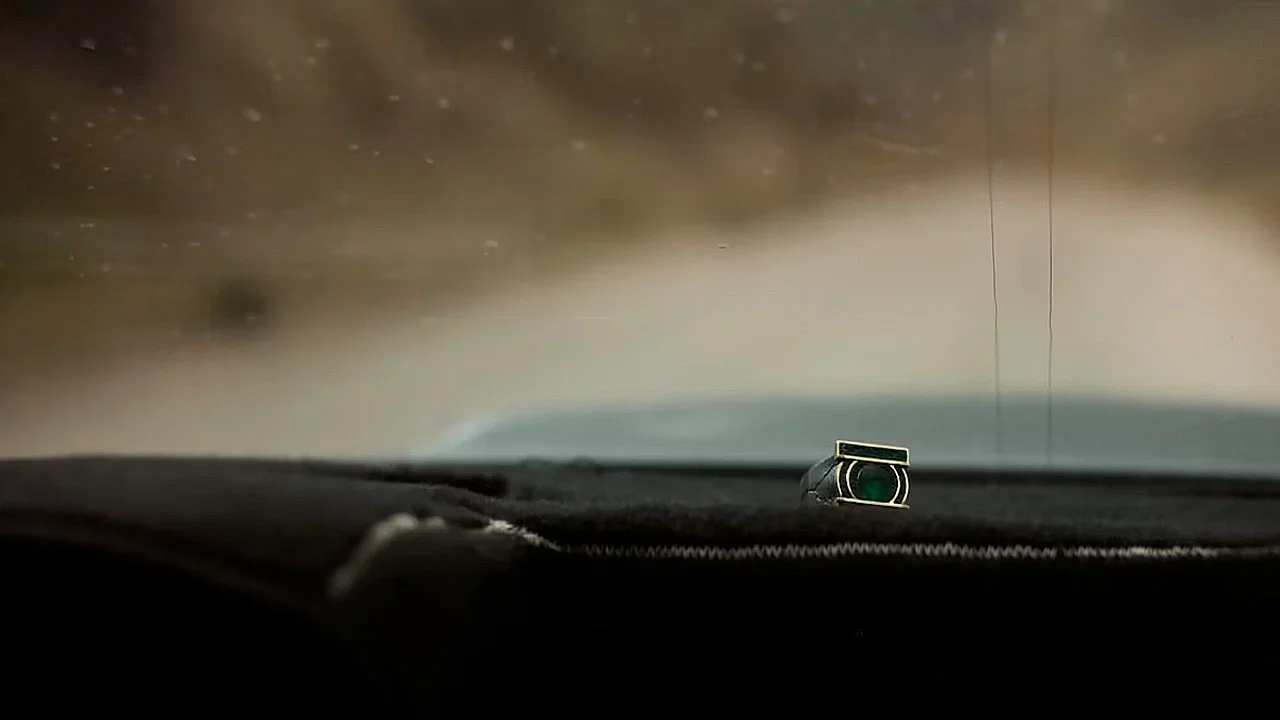
The unusual ring, Sinestro's continued presence and the not entirely closed question of Hal all leave possibilities open. But they are not the finale's real destination. That is John: a man who spent the season fleeing others' expectations and ends it choosing who he wants to be.
Strengths and weaknesses
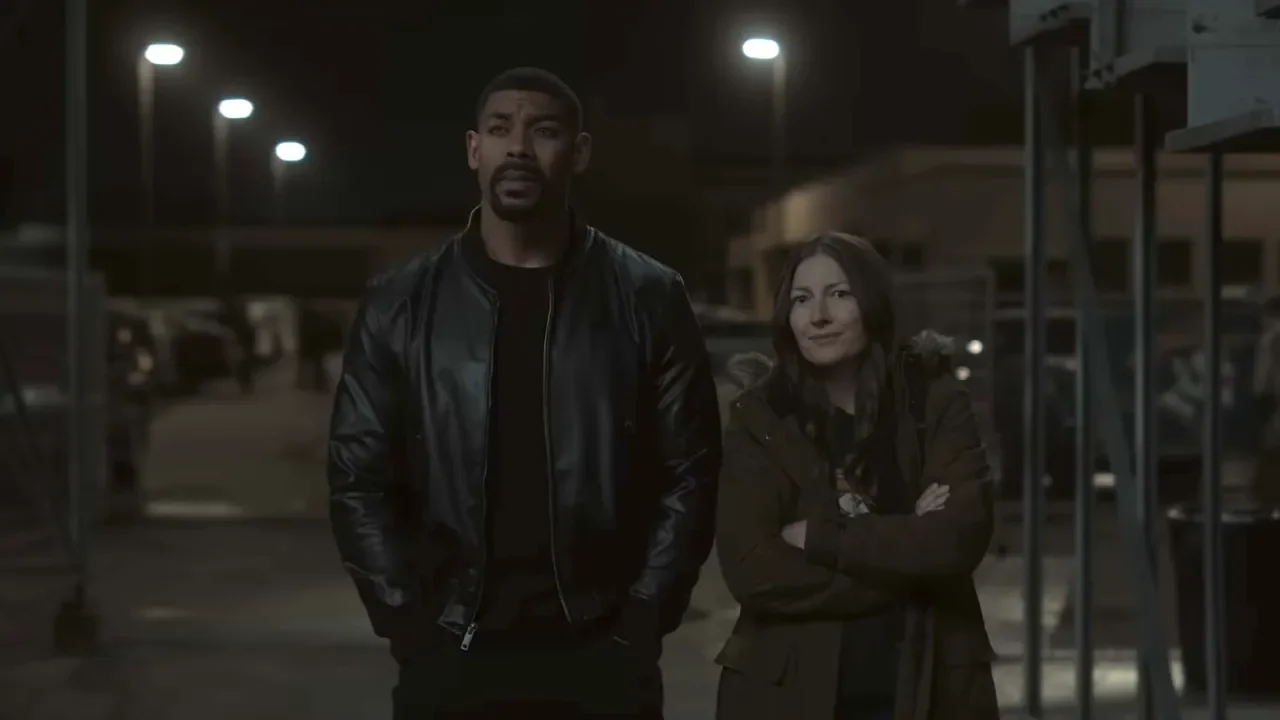
The episode's strengths are John Stewart's journey, the chemistry between Aaron Pierre and Kyle Chandler, Kelly Macdonald's performance, and an ending that honors the season's themes rather than sacrificing character for a sudden cosmic spectacle.
Its weaknesses are the very limited use of Sinestro, the absence of a major display of the ring's power and the speed of the scene revealing Hal's death relative to its emotional weight.
Final verdict
Final verdict
Episode eight will not satisfy everyone who came to Lanterns for a conventional Green Lantern finale. There is no vast cosmic battle, Sinestro does not provide the expected explosion, and John gets no huge showpiece to announce his heroism. Yet that serves the story the season has told: heroism is not the absence of fear, and strength sometimes lies in refusing to use the ring. The finale is imperfect. Kerry's decision and Sinestro's role needed more room. But emotionally it completes Hal Jordan's story, closes a wound for John Stewart and leaves him standing as a hero who chose his own path. My rating: 8 out of 10.
Your turn
Did you like Lanterns ending on restraint and emotion rather than the cosmic battle many expected, or should Green Lantern have finally had his grand moment?
AUDIENCE VOTE
Do you agree with the MB rating?
Choose once from this browser. You can change your answer at any time.