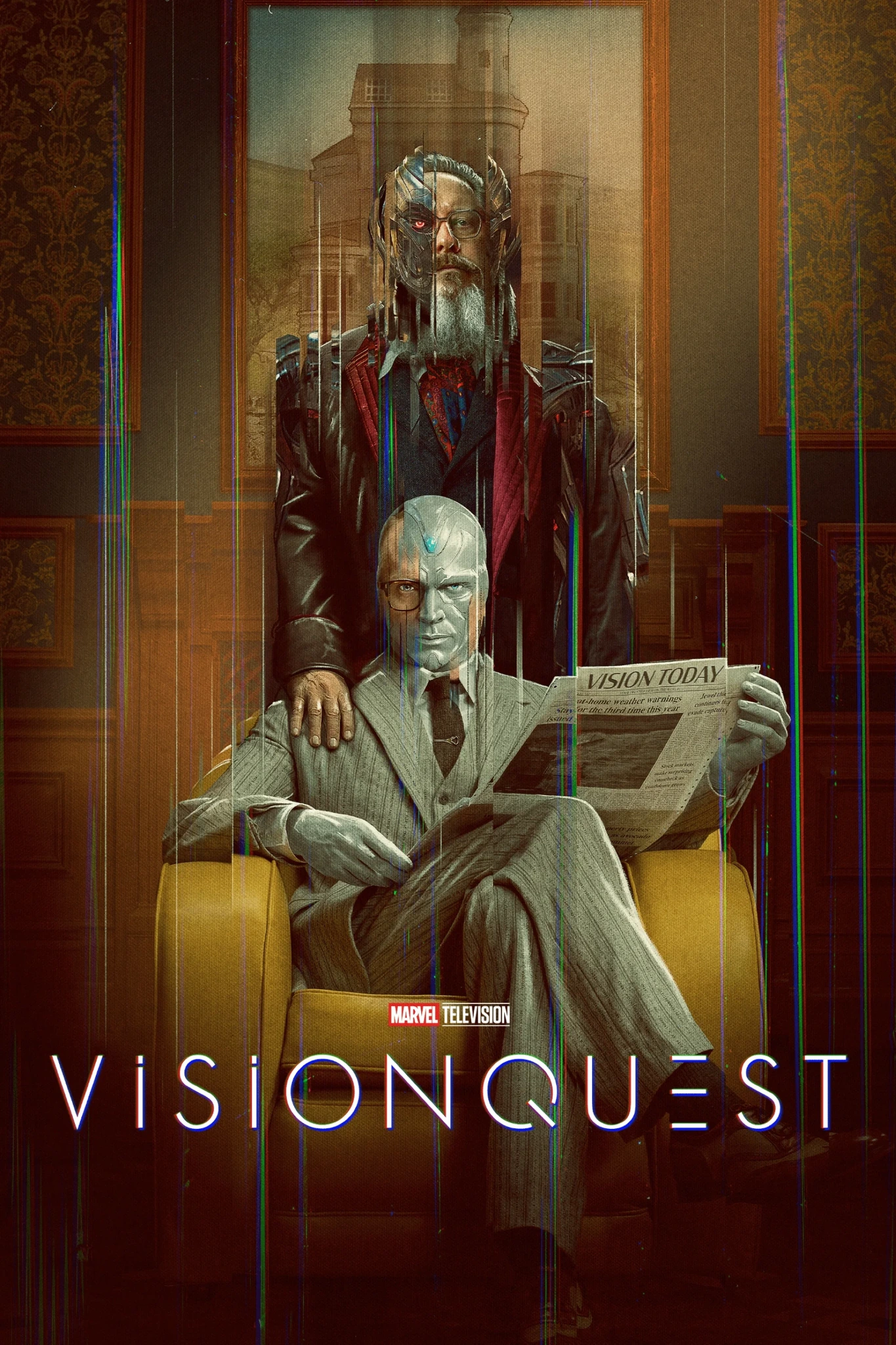
The review
Why is Dexter no longer satisfied with his life?
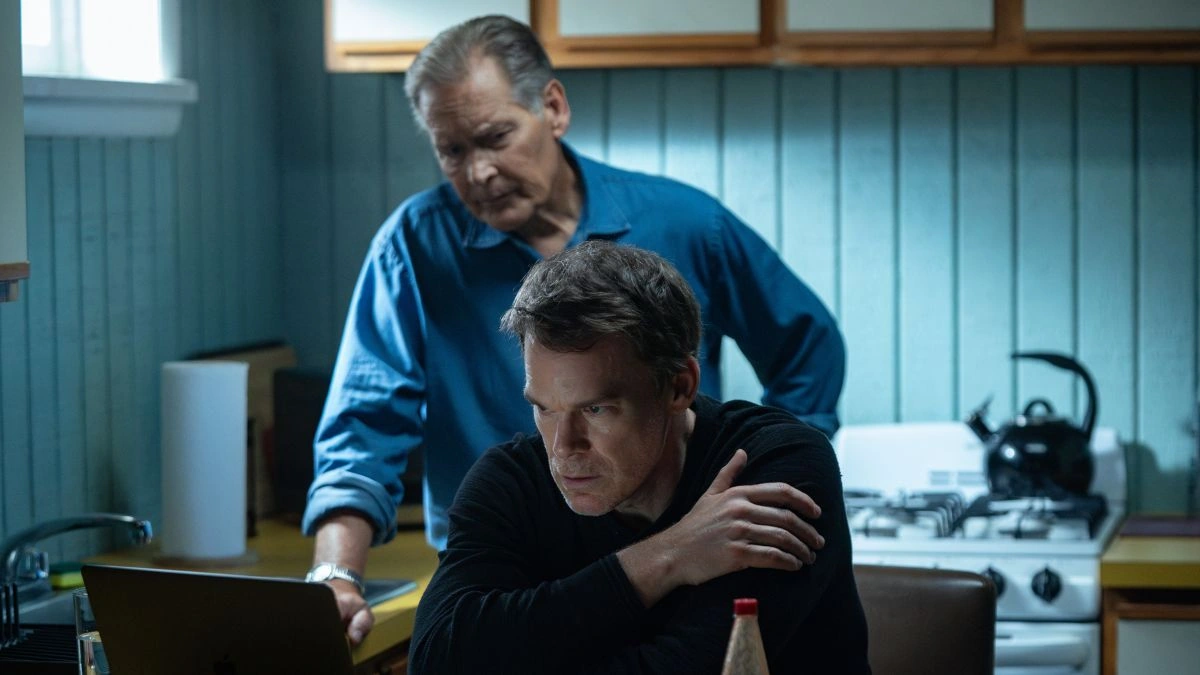
Dexter has always hidden his crimes so that he can carry on. Now he has begun resenting the fact that nobody appreciates what he considers a public service. He sees himself as a man who gets rid of dangerous killers, then returns to a job that earns him no particular respect. Even the passengers he drives can treat him dismissively.
What matters here is that the episode presents this as Dexter's view of himself. We hear his justifications while also seeing that he enjoys killing and looks for another opportunity to do it. His desire for appreciation therefore becomes a problem worth following: does he want to help people, or does he want to feel important?

This change also makes sense after his experience with Leon Prater. He has seen how someone can collect traces of killers' crimes and treat them with interest and admiration. It is reasonable for that experience to affect a man who has spent so long hiding the part of his life that he considers most important.
Then his age adds to the pressure. He has started thinking about the time he has left and his ability to keep doing what he does. The less time he feels he has, the more he wants to accomplish.
This is a suitable starting point, provided its consequences show up in his behavior. The episode does not present a clear decision to reveal his identity, so we cannot say that he has already chosen fame. What we see is a desire for appreciation that could make him reckless. In his imagined conversations with his father Harry, he hears a warning about his growing urge to kill.
Harrison needs a father who shows up
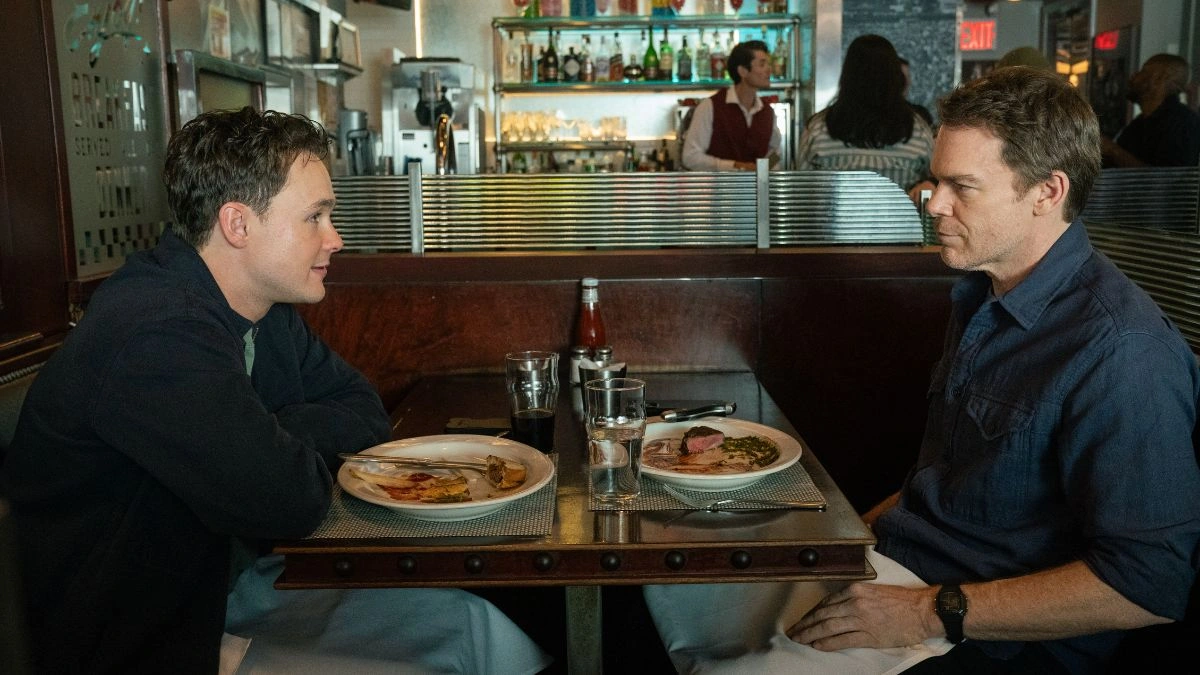
The best thing about Dexter and Harrison's meeting is its simplicity. The son is preparing to graduate from the police academy, and the father offers to help with his lease and phone plan and promises to attend the ceremony. We see a relationship that has improved and a father trying to take part in the details of his son's life.
But Dexter misses the graduation because he is pursuing Al Walker, known as Rapunzel, after discovering that he has resumed killing women. Here, judging him becomes easier than listening to his words. He says Harrison is the most important person in his life, then chooses killing when the two conflict.
What hurts is that he really does want to help his son, and his happiness at Harrison's success also seems sincere. Even so, these things cannot make up for his absence on an important day. The scene works because Dexter can love his son and let him down at the same time.
Harrison's entry into the police force also gives the relationship a new problem. He knows his father's secret, but he has begun a career in which he is supposed to uphold the law. The episode has not yet forced him to make a decisive choice between the two, but it makes that possibility feel close and understandable.

His meeting with Fiona and subsequent discovery that she works for the police are the least engaging parts of his story. We do not know enough about her to care about the relationship, and the emphasis on the surprise about her job seems greater than the attention paid to her character.
We cannot judge this story's future from its first appearance. Within the episode, however, Harrison's anger at his father's absence leaves a much stronger impression than the beginning of the new relationship. The writing would have done better to give his disappointment more time.
The confrontation with Walker is the real test
When Dexter finds Walker on a family vacation in Pennsylvania, he returns to the Red persona by which the members of Prater's group knew him. He tries to seem like a companion who needs to talk after what happened to the rest of the group.
Eric Stonestreet is at his best in the shift between the father spending time with his family and the man who threatens Dexter the moment he approaches them. The character needs no lengthy explanation. His treatment of Dexter changes immediately, and we understand that family and killing are two parts of his life that he carefully keeps apart.
This resemblance to Dexter makes the encounter better. Both maintain the image of an ordinary father while hiding another life behind it. But their similarity does not make Dexter capable of predicting everything Walker will do.
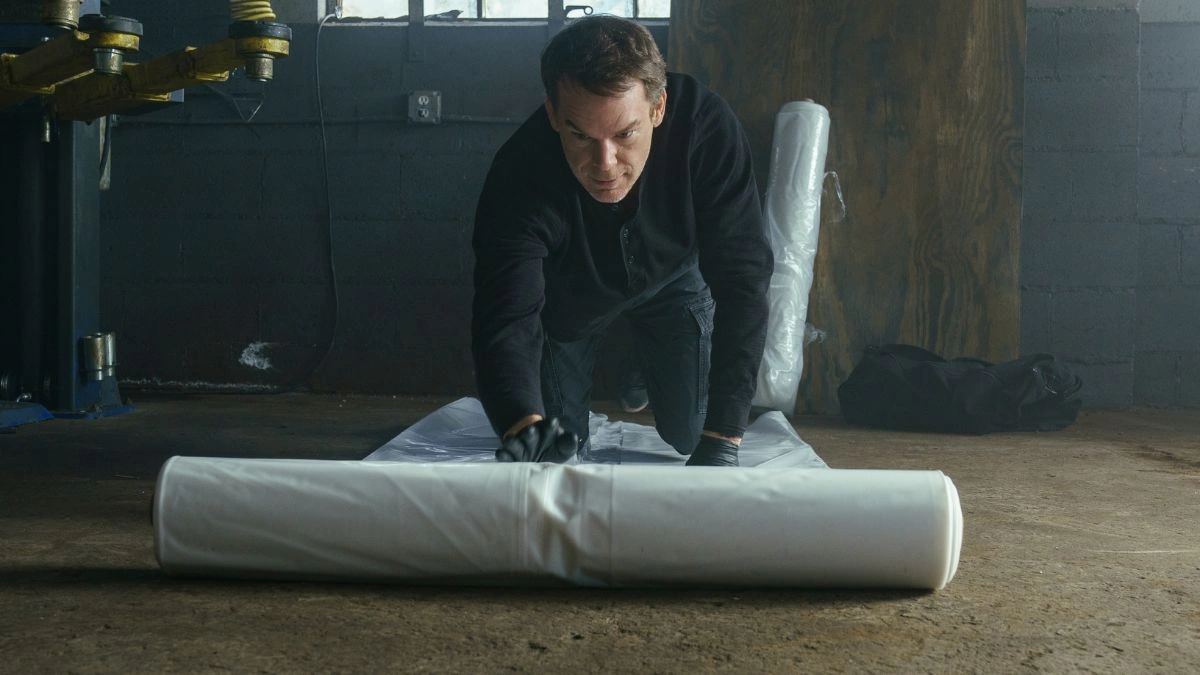
Dexter prepares the location and drugs the drink, but Walker realizes that something is wrong and attacks him. From that moment, the confrontation becomes more exciting because Dexter loses the control we are accustomed to seeing when he kills his victims.
Marcos Siega's direction makes the fight exhausting and dangerous. Walker resists, and Dexter comes close to losing before using the chain and its lifting mechanism to kill him. This victory leaves him with a new problem because the scene is no longer under his control as he planned.
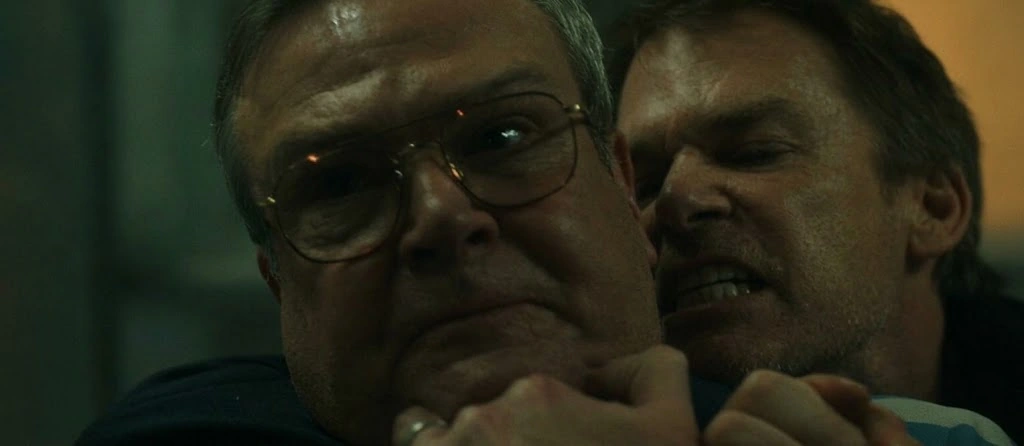
One fight is not enough to say that Dexter has lost his skill. Walker is a dangerous opponent, but Dexter's exhaustion, alongside his talk about age, makes us see that he needs to take his physical capabilities into account before entering a confrontation like this.
Michael C. Hall makes this vulnerability convincing. Dexter remains capable of acting, but he has to exert himself more and leaves the confrontation knowing how close he came to death.
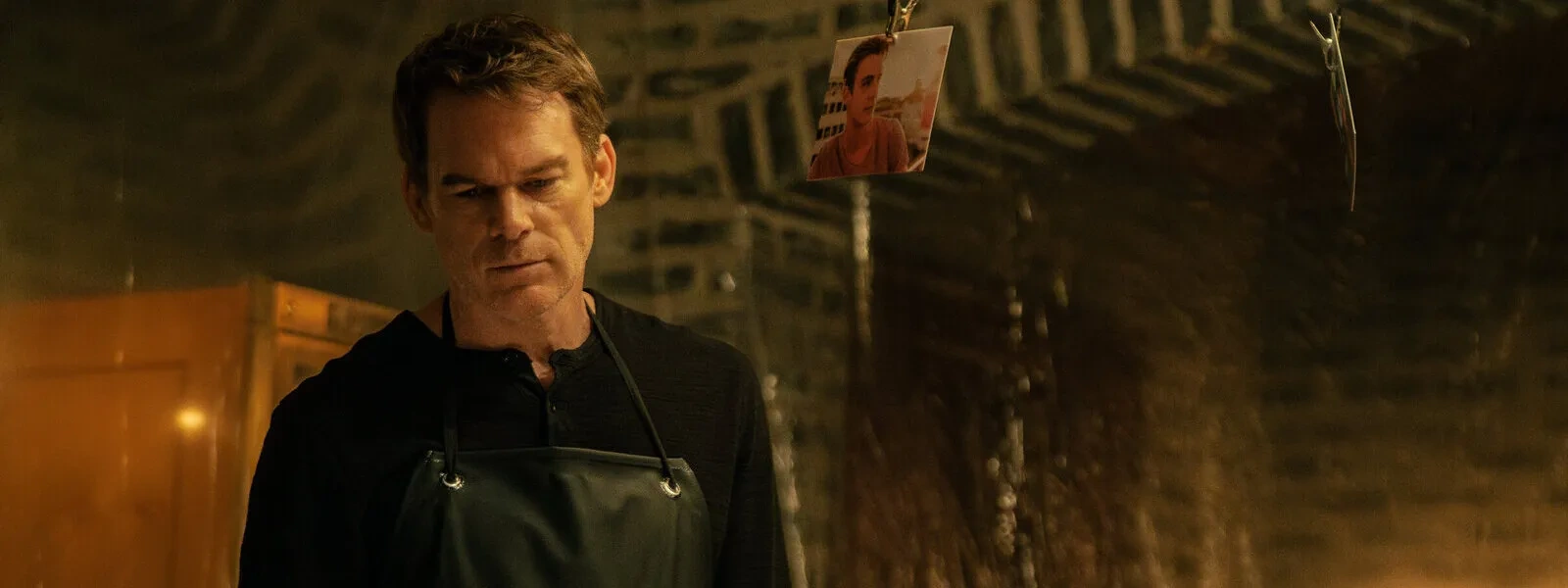
He then tries to make what happened look like a suicide after finding himself unable to dispose of the body. This is a significant consequence: he leaves after resorting to a quick solution forced on him by the circumstances. If the scene is investigated, the traces of this fight could become a problem for him. The episode leaves that possibility open and does not confirm that the police have already discovered his mistake.
The opening struggles to find the right tone
The scene that brings Dexter and Batista together to hunt the New York Ripper takes place in a dream. We see them working together, then the victim under Dexter's knife turns into Batista. The idea is clear: Batista's death still haunts him, and he feels partly responsible for it.
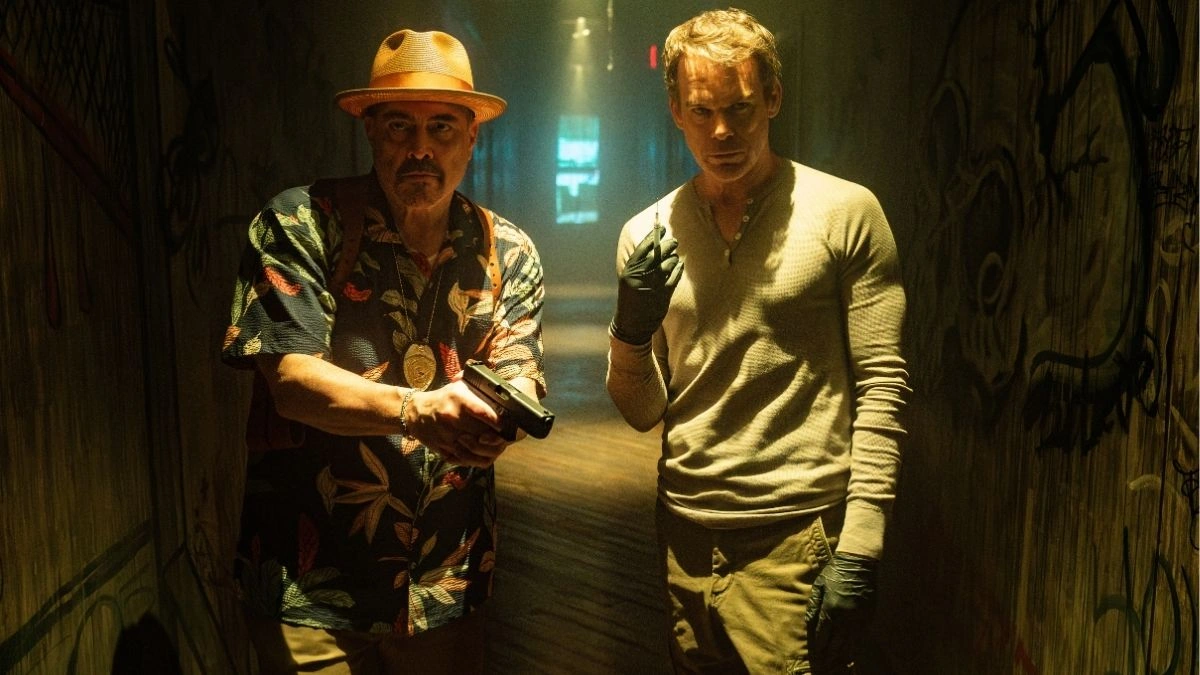
But the way the dream is presented is weaker than the idea itself. The energetic music and playful approach to the pursuit make the scene feel like a spoof of a police comedy. When it turns into a painful image, the change is more abrupt than moving.
Then comes the passenger who mocks Dexter and his age, continuing the opening's direct explanation of the problem. We quickly understand that he feels older and disrespected, but the jokes push the point harder than necessary.
By contrast, the brief montage showing him killing two names from Prater's list works. Its speed suits Dexter's sense that he is continuing work he knows well. When his plan with Walker later fails, the distance between his initial confidence and the difficulty he faces becomes clear.
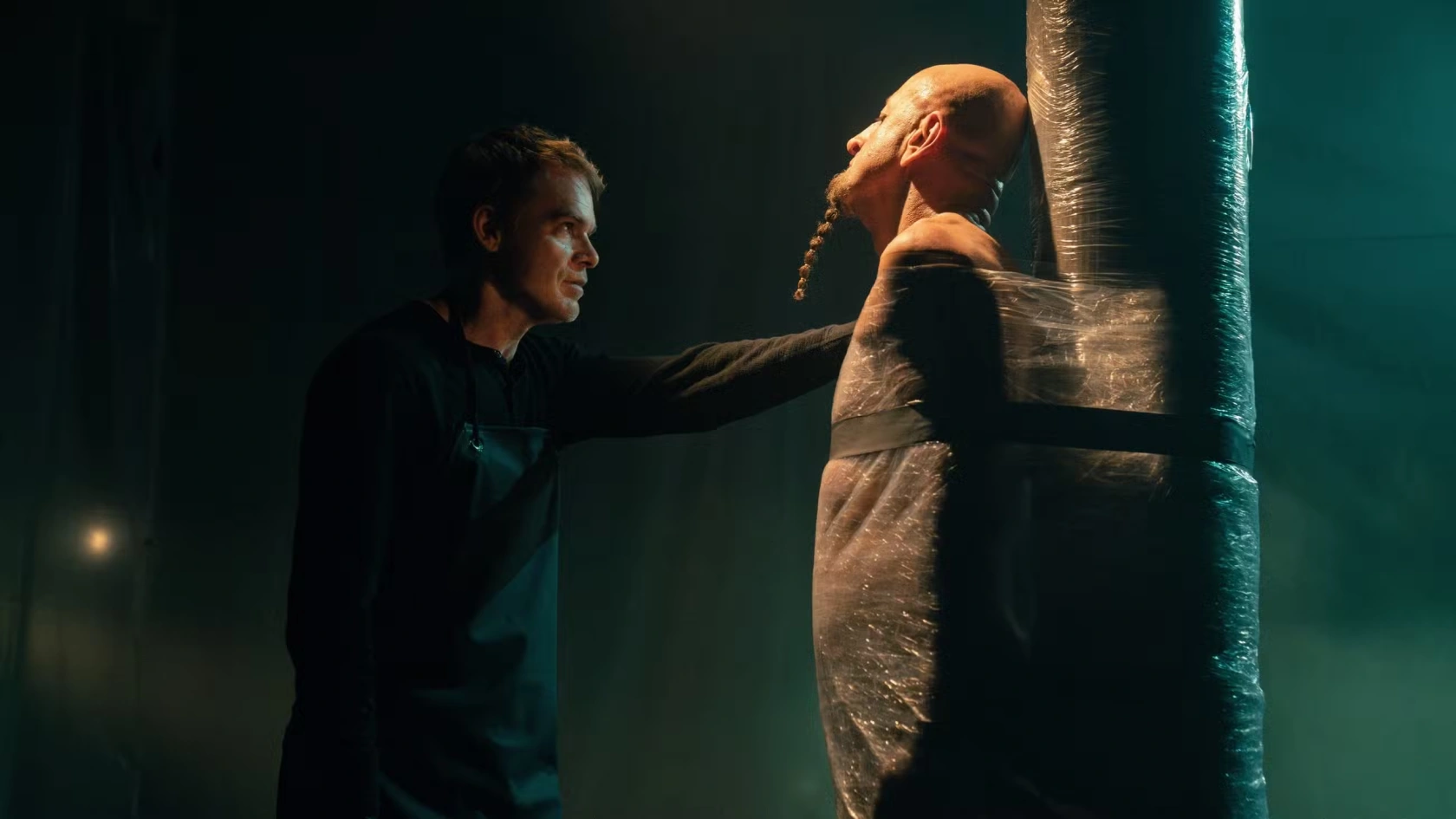

The return of the old opening credits, with a recreation of his morning routine, adds an enjoyable sense of familiarity. It is easy to understand why this return works, but nostalgia alone is not enough. What makes the episode worth following is the change we see in Dexter after the credits end.
Two new killers and two ways of attracting attention
The episode introduces Don Framt as the man Prater's files identify as the New York Ripper. He appears before the detectives confident that proving the crimes against him will be difficult and enjoys provoking them.
Brian Cox gives the character a strong presence despite his brief appearance. His manner of speaking and contempt for the questions make the police's inability to bring a clear charge frustrating. His subsequent viewing of old reports about the crimes shows that he still enjoys the attention surrounding them.
The police learning his name from Prater's files is not enough to close the case. They still need evidence proving that he committed the crimes, and he takes advantage of this to provoke the detectives instead of fearing their questions.
The Five Borough Killer, played by Dan Stevens, gets a stronger introduction. He tells the police that he will kill someone at a baseball game. Despite the game being canceled because of rain, he carries out the murder and films it, then sends the recording to someone else.
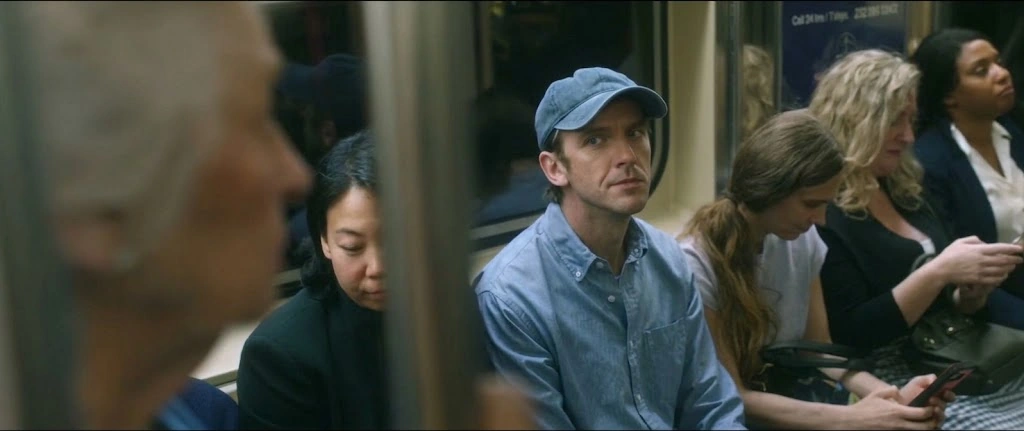
Here, recording becomes part of the harm. He wants the murder's impact to continue after it happens and the fear to reach people who were not at the scene. That is why his calmness disturbs us: he behaves as though every step has been calculated, then enjoys the reaction.
His presence alongside Dexter matters too. Dexter has begun wishing for appreciation, while this killer deliberately manufactures attention. We see a frightening example of what happens when the audience's reaction becomes part of what a killer wants.

The past returns along more than one path
The episode builds on the previous season without needing to explain all its events again. Prater's list gives Dexter targets to pursue, while Prater's collection gives the police information about old crimes. Both sides benefit from what the same man left behind, but they want to do different things with that information.
Batista's death also continues to affect the story. His presence in Dexter's mind reveals the guilt Dexter feels, while Joey Quinn's arrival in New York to ask about his death makes the case exist outside Dexter's head too.
This is an appropriate return for an old character because it has a clear reason. But Quinn's appearance does not mean that he has uncovered the truth about Dexter or prove that he has come with a plan to arrest him. The episode ends before we learn what information he brings.
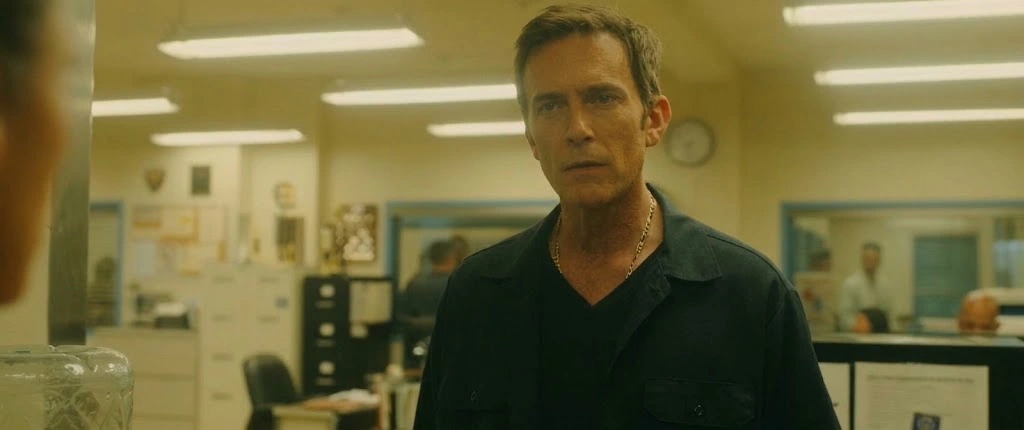
The best thing this return could do later is force Dexter to face the consequences of his earlier actions. For now, it increases our interest in the case and reminds us that starting a new life does not make the people he left behind forget the past.
Final verdict
The verdict on the episode
The first episode succeeds when it sets Dexter's desires against things he cannot easily control: his body tires, his son needs him, his opponent fights back, and the past finds another way to return. Its strongest parts are the confrontation with Walker, Michael C. Hall and Eric Stonestreet's performances, and the unsettling introduction of the Five Borough Killer. Dexter's absence from Harrison's graduation also gives their relationship a clear problem that can be understood without lengthy explanation. Its weaknesses begin with the ill judged jokes in the opening and extend to Harrison's new relationship, which the episode has not yet given us a strong reason to care about. Some characters remain only the beginning of a story, so we will need to see what the coming episodes do with them. What makes this a promising beginning is that the danger to Dexter does not come only from the killers he pursues. It also comes from his growing need to prove his importance. If the series lets that need truly affect his choices, we will have a development worth following. My rating for the first episode of the second season: 7.5 out of 10.
Your turn
Do you think Dexter really wants to protect people, or has he begun using that idea to justify his need to feel important?
AUDIENCE VOTE
Do you agree with the MB rating?
Choose once from this browser. You can change your answer at any time.