The review
Screenplay and Dialogue
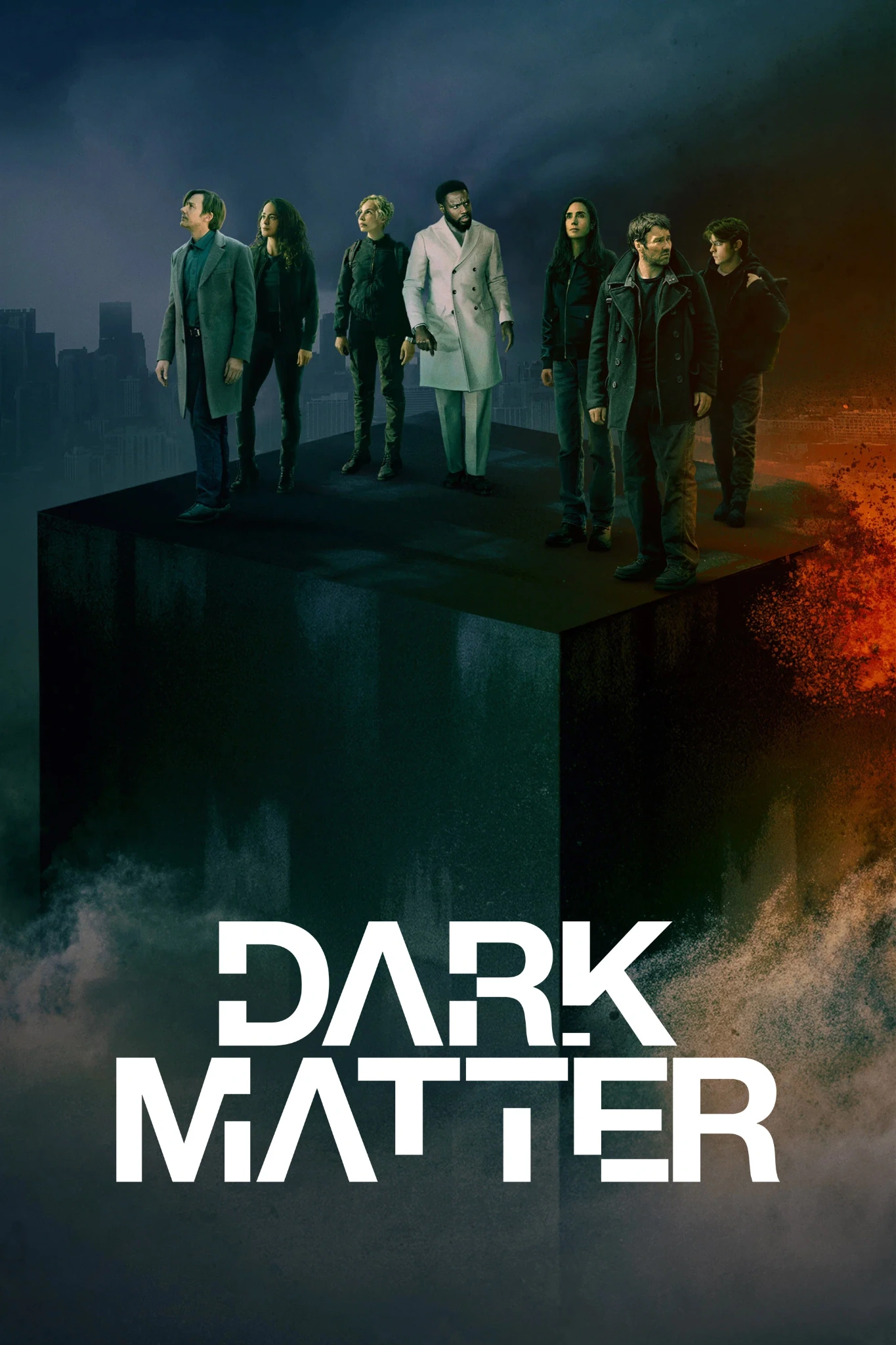
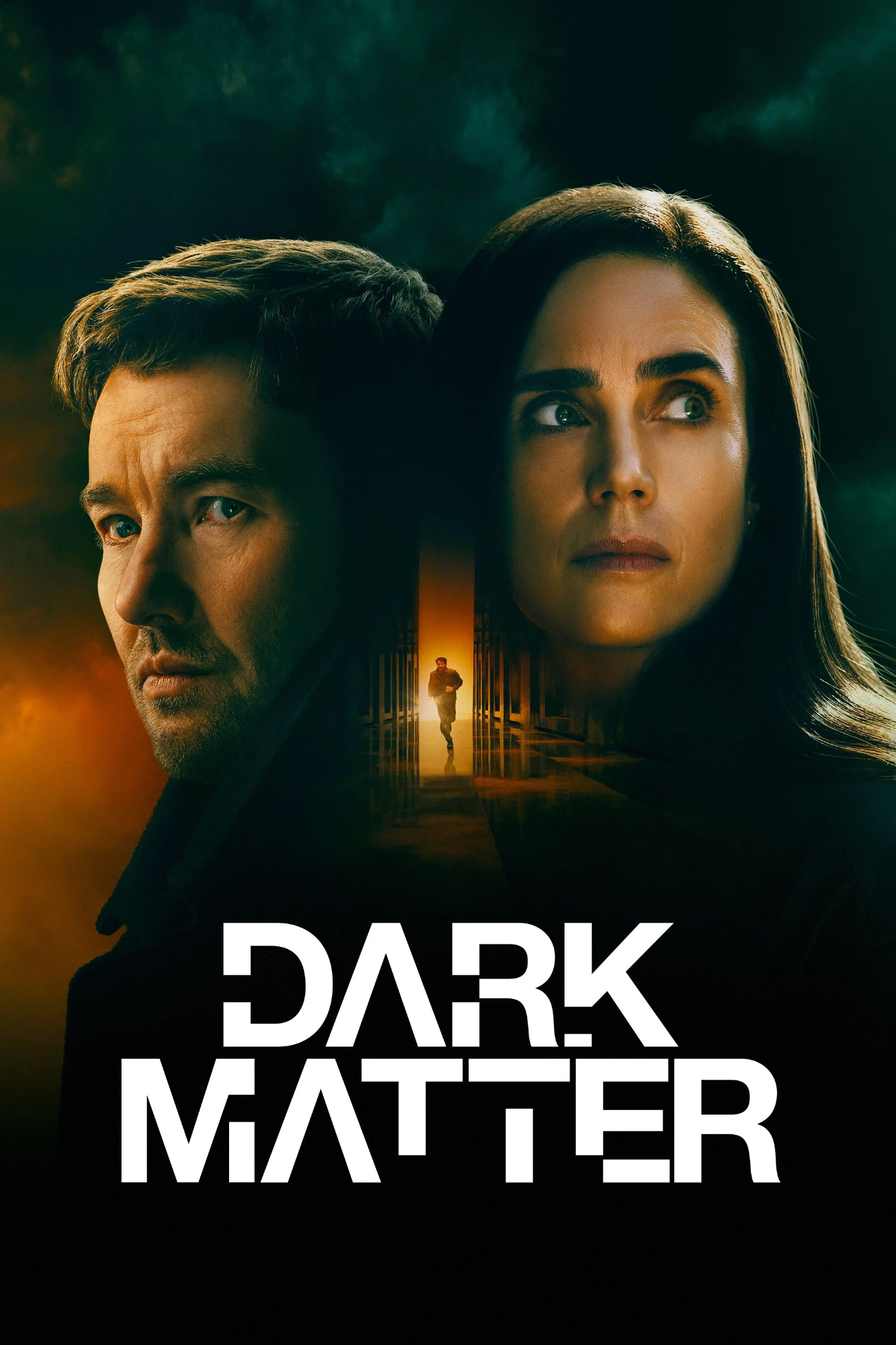
The season’s most important development is that Jason is no longer protected by his position as the victim. After settling in a different world, he tries to dismantle the Box, then becomes drawn to understanding how it works. The conflict now moves inside the character: research that is supposed to protect the family consumes the time and attention it needs.
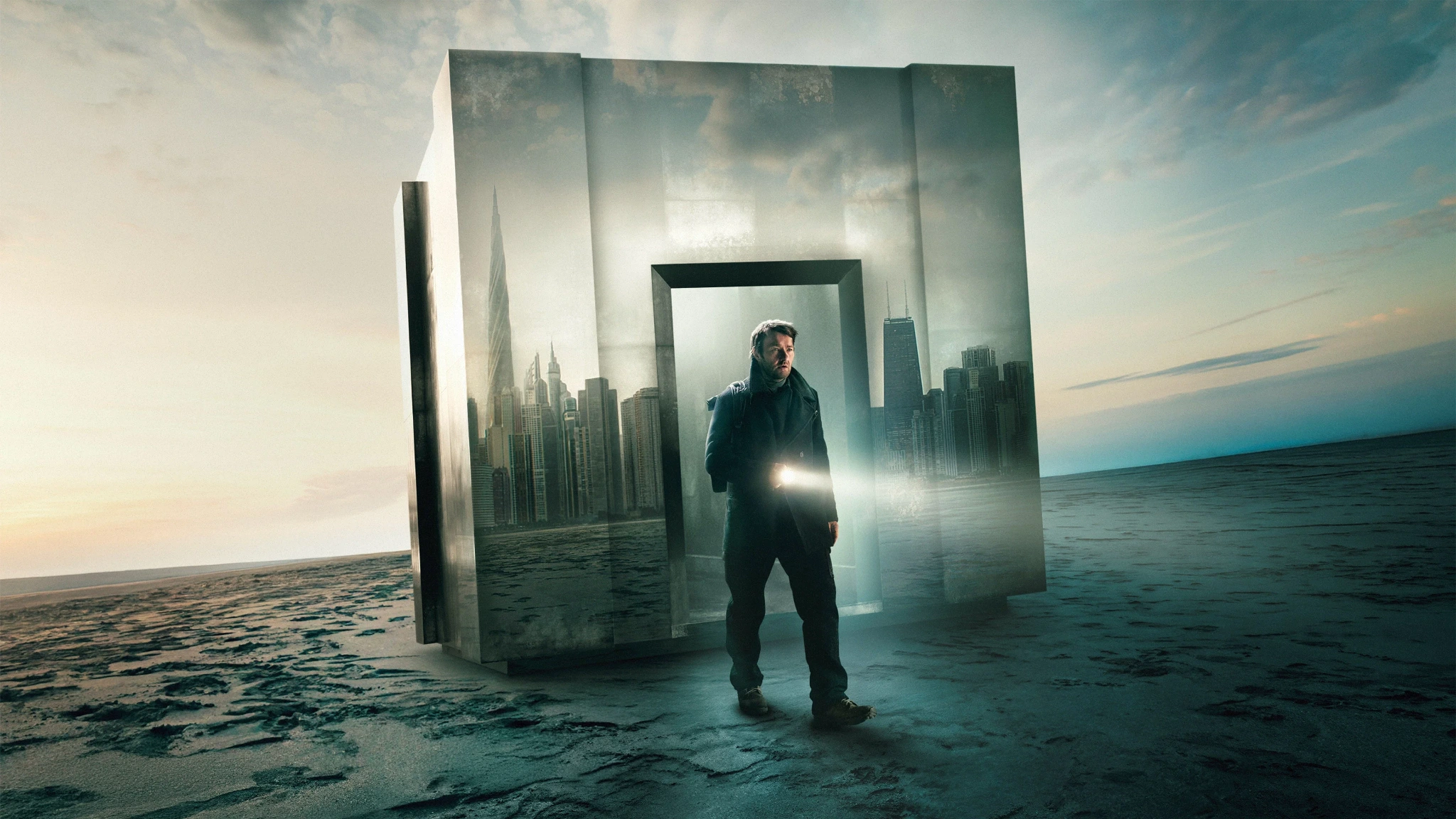
It would be unfair to reduce his attachment to the Box to selfish ambition. Its return after being dismantled gives him a real reason for concern, and trying to understand it is necessary. But the practical motive overlaps with his fascination with an achievement accomplished by another version of himself. He can fear the invention and envy its creator at the same time.
His confrontation with the Jason who invented the Box gains its value from this irony. The man who chose scientific success and envied his counterpart’s family now sees him approaching the sacrifice of the very thing he coveted. Each knows the cost of the other’s life and remains vulnerable to the temptation of what he lacks. The inventor’s warning gives his regret a function without absolving him of responsibility for his actions.
The shift becomes more troubling when Jason leaves Mitchell inside the corridor to remove his threat. Using the technology to banish someone from his life puts an end to the idea that he is merely defending himself. His actions do not automatically become equivalent to his counterpart’s crimes, but he now bears responsibility for harm he has chosen himself.

Joel Edgerton maintains the distinctions between these versions through measured changes in presence and expression. The face remains the same, while the relationship between fear, confidence, and the desire for control changes.
Daniela and Charlie: A Family Beyond Jason’s Shadow
The season deserves credit for giving Daniela an objection that goes beyond fear for her husband. After being forced to shoot one of his versions, verifying his identity becomes part of daily life. The safe word and tattoo protect trust, but do not answer the more important question: what happens if she confirms that he is her husband, then finds that he is no longer present with her?
Their separation therefore feels like the result of an understandable accumulation. Daniela can distance herself from the continuing research, but carries its effects within her. Her attempts to return to painting and repair things give her small actions she determines for herself after her life has become governed by a discovery she did not choose.
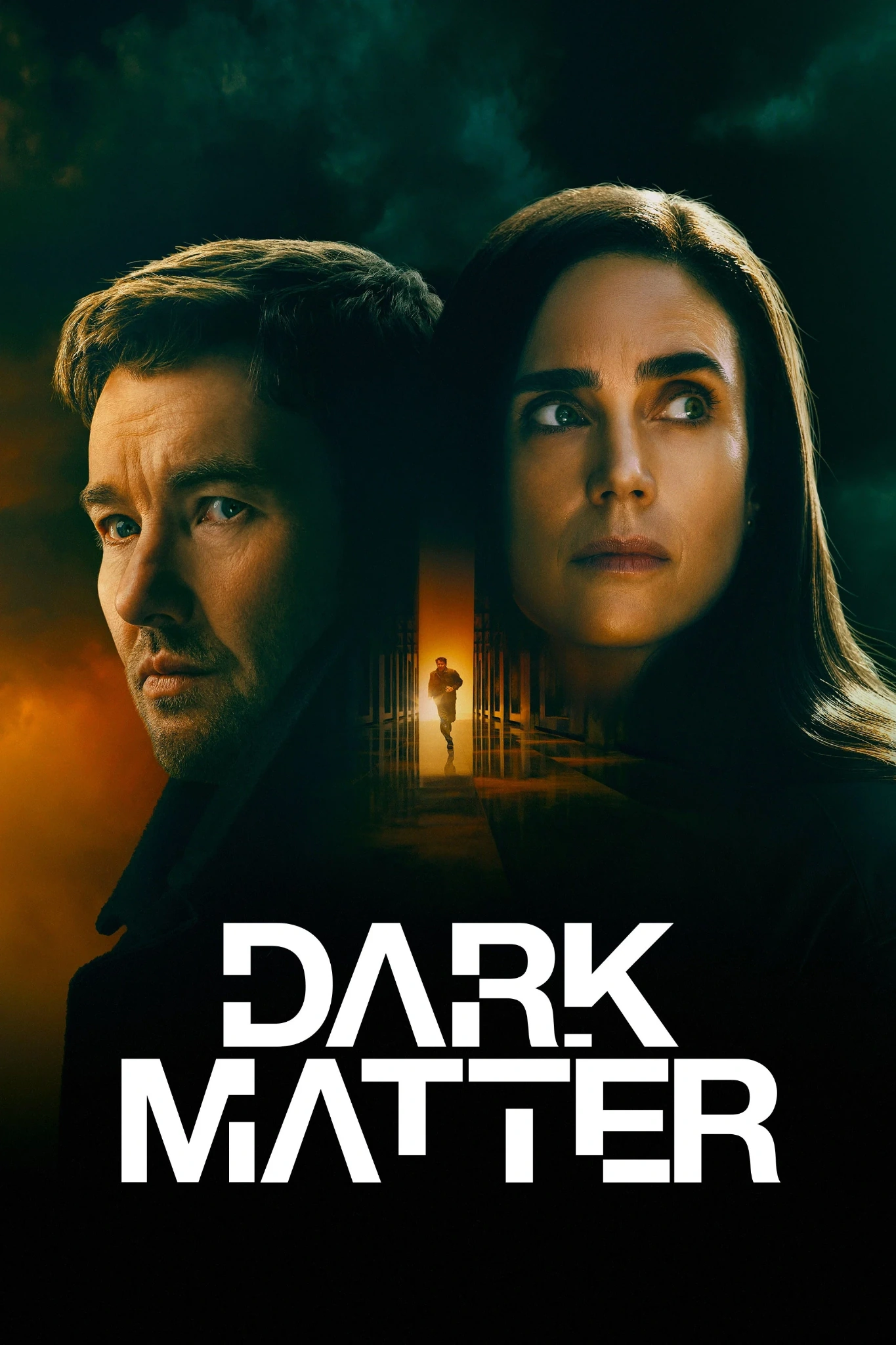
Charlie’s desire for school, friends, and stability develops into a search for his brother Max. His father’s mention of Max’s existence in another world gives him a hope that is almost impossible to ignore. His decision to leave thus grows from a personal need and from words intended to create closeness that instead produce a new distance.
Better still, finding Max does not reveal a perfect family. What Charlie missed exists, but that household has its own absence. The encounter works because it gives him someone who listens while leaving the years they did not share impossible to recover.
In Daniela’s meeting with Max, Jennifer Connelly carries the joy of seeing him and the pain of absence together. The character allows herself closeness to this life without demanding to possess it. Her journey reaches something deeper than finding the son: recognizing that love does not give someone the right to rearrange other people’s lives.

Episodes Five and Eight: Belonging Through Care
Episodes five and eight may seem to move away from the season’s crisis, but they present some of its strongest arguments. Each follows a different life and gives it time beyond waiting for the next door to open.
In the fifth, another version of Jason meets a mother who has lost her son after he has lost his mother in his own world. Their relationship develops through years of living, working, and caring. Making furniture gives him an activity he can complete, in contrast with a search that knows no end.
The decisive test comes with her illness. He stays beside her and confronts loss, then allows his relationship with Maria to grow. His choice to continue makes the transformation convincing, despite the time jumps compressing some of its emotional stages.
In the eighth, we follow two other versions of Jason and Amanda inside Laurel’s house. Jason’s postponing his journey to care for the injured Amanda creates a relationship that was not part of his original goal. What he wants changes because their shared experience has changed him.
Margo Martindale gives Laurel a warmth that retains the traces of old fear. Turning the house into a refuge does not erase her history. Repeated visits and her eventual ability to go out walking give her change tangible steps, while the furniture itself becomes part of negotiating what makes her feel safe.
We find the two episodes complementary: commitment to the people we live with can create a new sense of belonging. Their placement within a crowded season nevertheless remains costly. We leave crises suspended, then return after the story has needed to recharge their tension.

Amanda, Ryan, and Blair: The Responsibility of Crossing
Amanda and Ryan’s storyline begins with the need to return and reclaim their identities, then reaches responsibility toward a world damaged by travel. Infection spreading through other versions of them makes resemblance a source of accusation and guilt without proving their personal responsibility for transmitting it.
This matters in a season dealing with recurring faces. A person cannot justly be held responsible for another version’s crime, just as having clean hands is not enough to answer the question of responsibility once they become able to help.
The mission to deliver the cure therefore gives this storyline a purpose worth its place. The Box that permits danger to spread also allows lifesaving knowledge to cross. Closing it requires considering those it would deprive of a real chance at life.
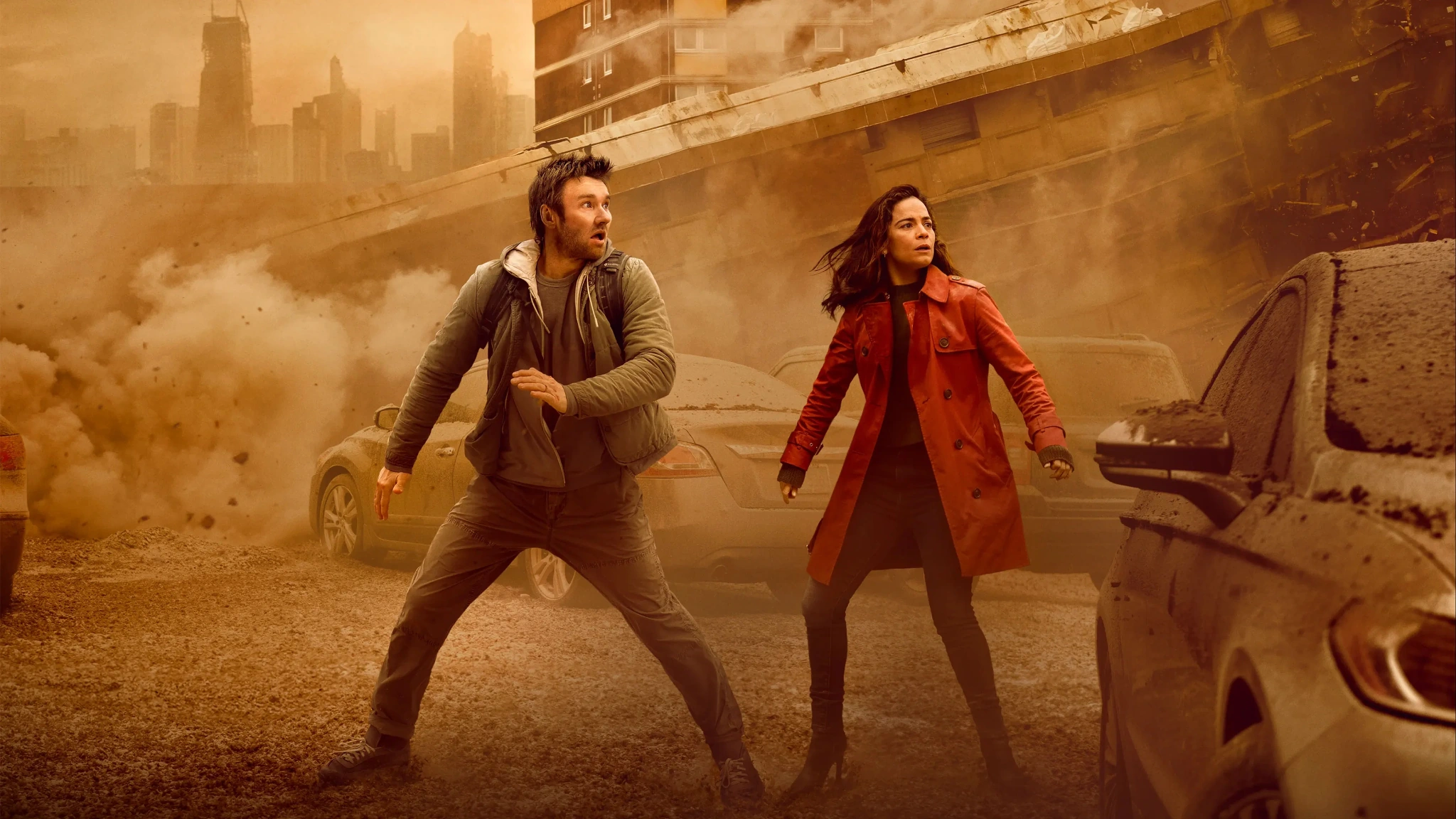
Blair adds a different position. Her experience of fear and harm makes her reservations about expanding the experiment understandable, and her rejection of the Pyramid project gains weight from knowing what can happen when technical capability outpaces an assessment of its consequences.
The reservation remains that the epidemic’s community receives insufficient time before becoming a place to escape. We understand the scale of the catastrophe, but our connection with those living through it is weaker than our connection with the characters passing through. The ethical idea is broad; the dramatic space given to some of its victims is limited.
Leighton and Oluko: Ambition and the Limits of Power
With Leighton, the season tests a temptation greater than recovering a family: gathering knowledge from multiple worlds to improve other people’s lives. The Pyramid gives that ambition physical scale and brings it closer to a project capable of imposing consequences on entire societies.
The problem lies in assuming that possessing a solution gives someone enough knowledge of where it will be applied. Plants that harm another world’s crops and a treatment monopolized by wealth reveal the gap between transferring resources and achieving a fair benefit.
Leighton’s retreat is understandable in direction, but needs a more gradual progression than the final episodes provide. External evidence multiplies quickly, while we need more time with the change in his convictions.
Oluko receives comparison with his counterpart as an insult. The other man’s success becomes evidence of what he believes he was denied, and his refusal to close the project turns into violence that ends with Leighton’s murder.
Dayo Okeniyi gives the confrontation a value beyond the versions’ outward differences. We face two people responding in opposite ways to the knowledge of what they might become.
Set against this is the Jason who helps Daniela at the end and then withdraws. Both confront a life they desire; one respects other people’s lives, while the other tries to seize his chance by force. Comparison reveals character, and the action that follows determines responsibility.
Images, Pacing, and the Distribution of Information
Visually, the season benefits from differences between worlds when it connects them with the characters’ behavior. The reduced digital development of the 1970s world changes the chances of hiding, while Laurel’s house gives healing and waiting a tangible space. The setting here imposes conditions on the story.
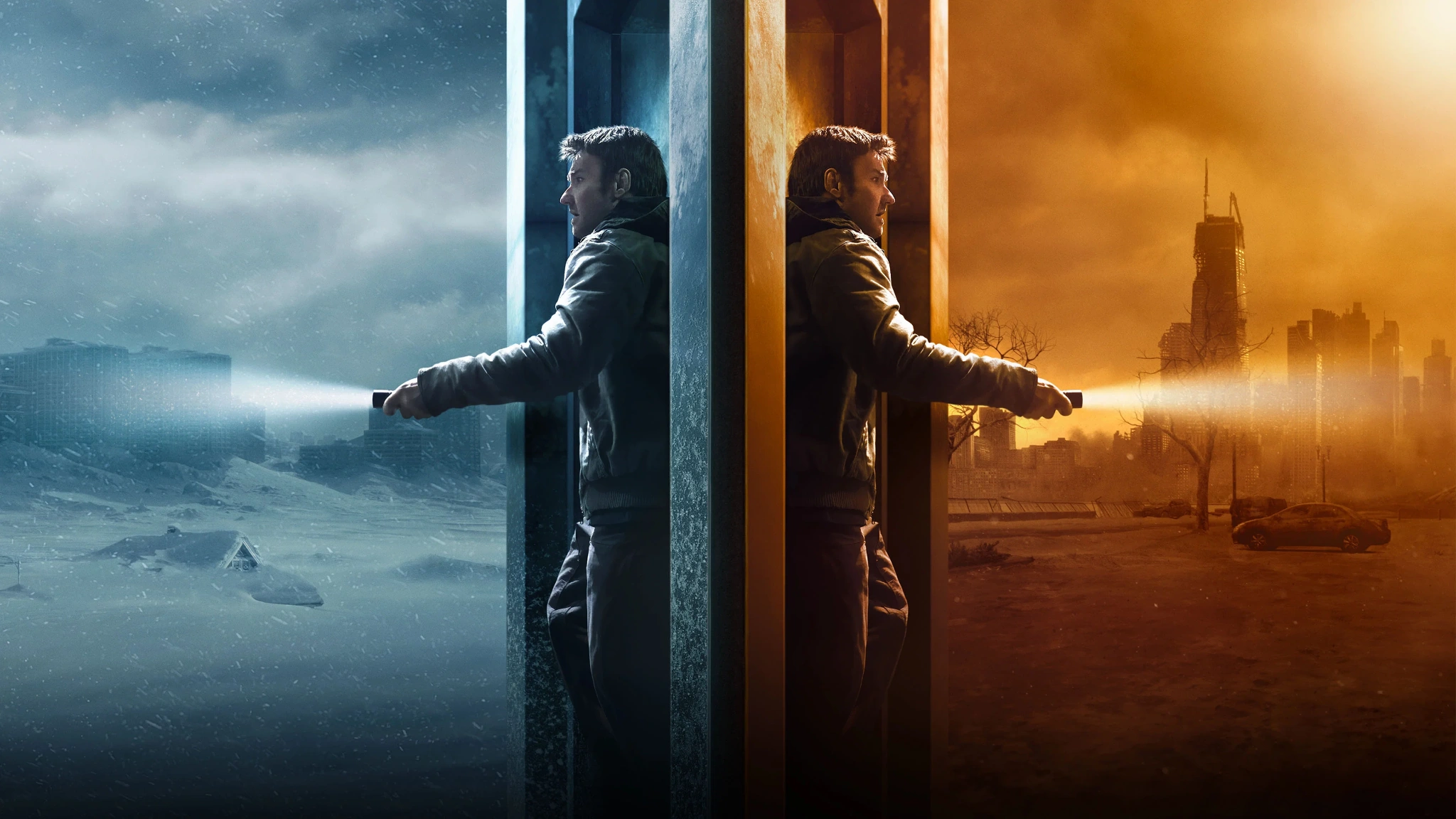
The rule that travel is affected by mental state becomes effective when it intervenes in events. Memories help someone approach a destination, while anxiety disrupts reaching it under time pressure. Feeling has a practical consequence, bringing the scientific idea together with the psychological situation.
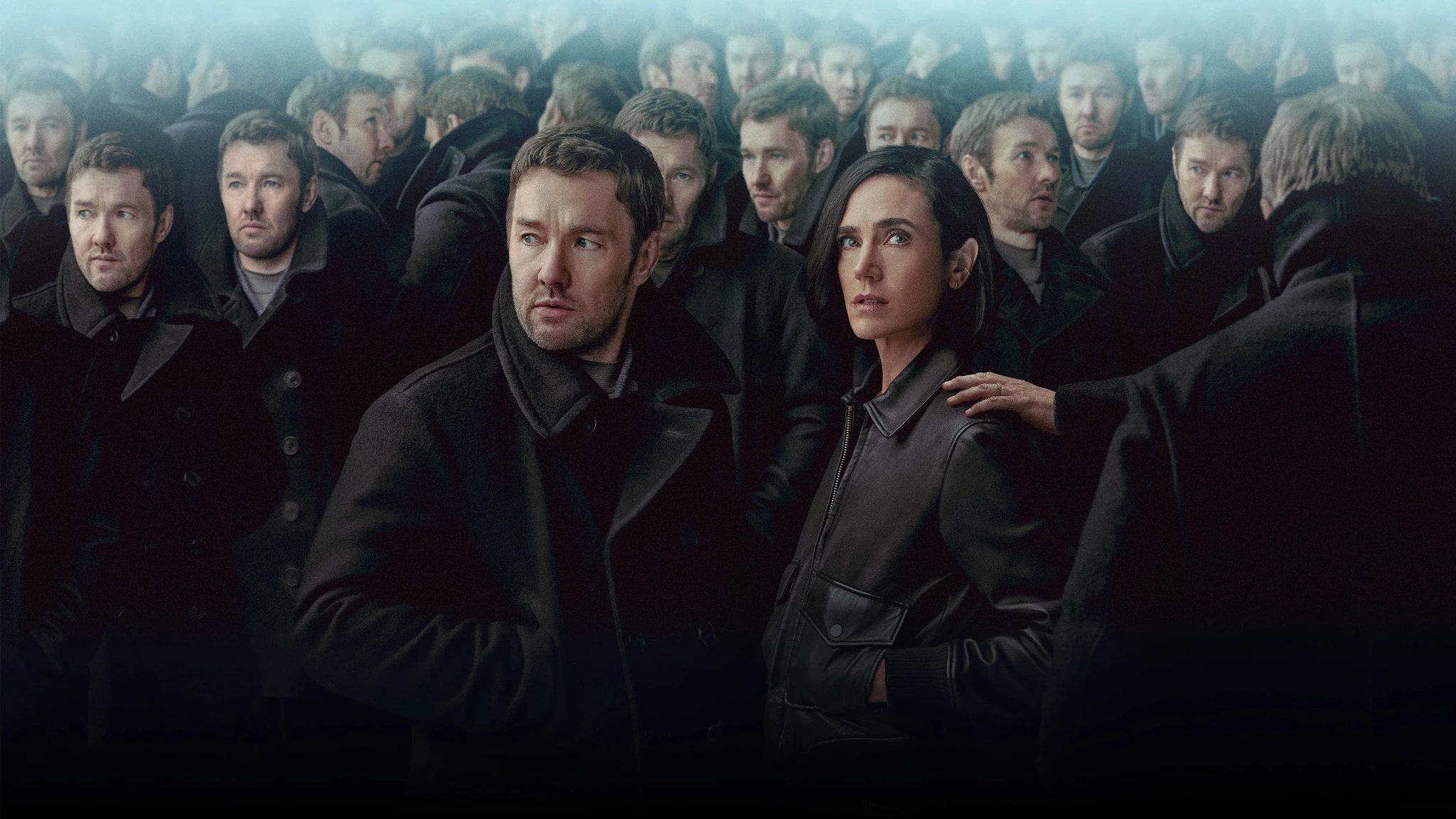
But the number of characters and versions makes moving between them exhausting. Sometimes we are occupied with identifying who stands before us and how much they know before we can care about what they are experiencing. The performances clarify important differences, but cannot alone compensate for the overcrowding of information.
The power of a moment also differs from the precision of the route toward it. Encounters bring characters together at the right time, an opponent drops their guard so an escape can succeed, and information is withheld to delay a revelation. When these devices recur, the arrangement of the plot becomes apparent.
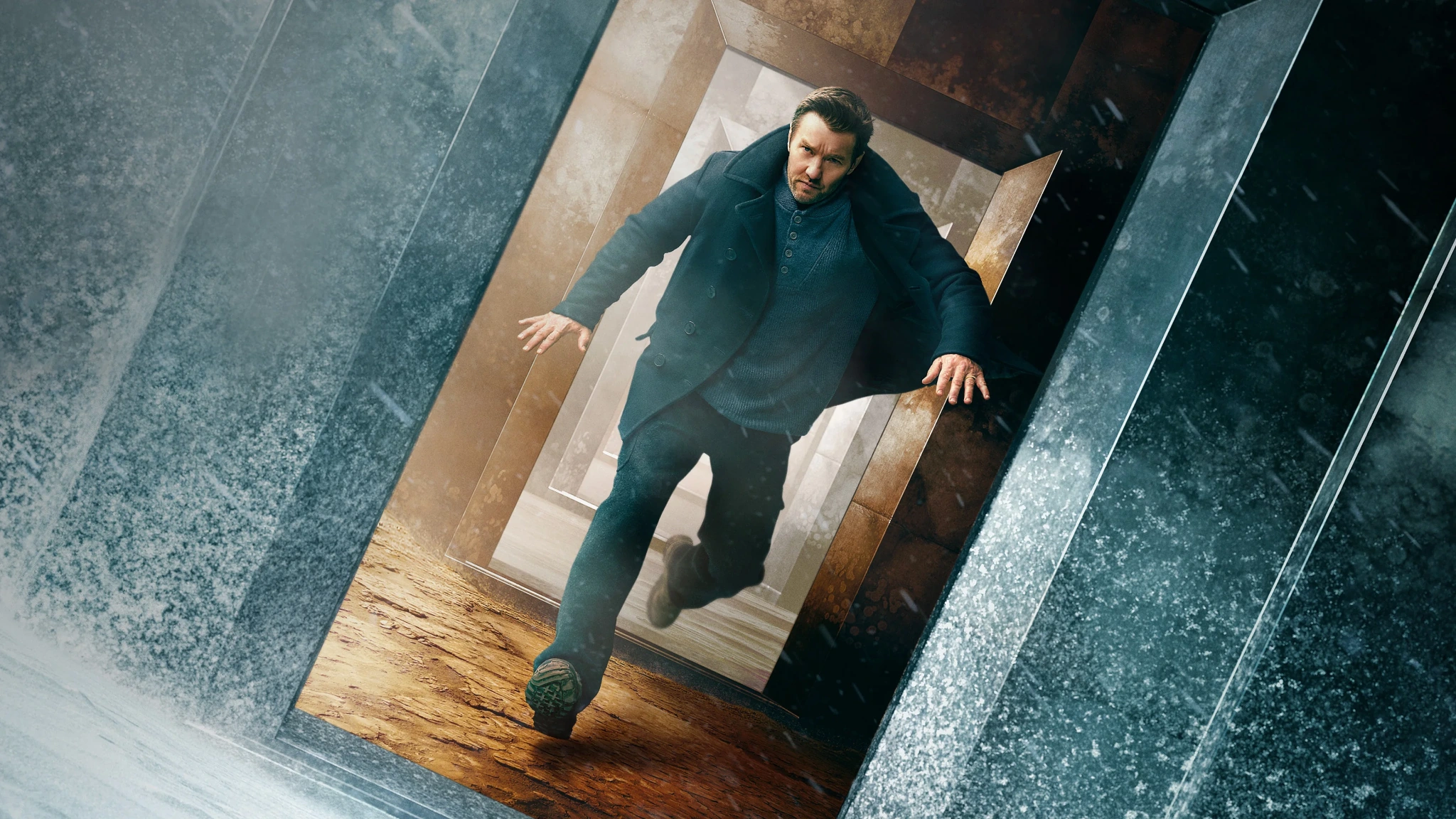
Even the action varies: changing conditions during the pursuits give them variety, but an accumulation of dangers and delays can crowd out understanding of their consequences. The season needs a clearer distribution of information and more space for some transformations to settle before it moves elsewhere.
The Finale: Protective Decisions and Incomplete Knowledge
The finale succeeds because it gathers the storylines around decisions whose consequences conflict. Jason and Blair disable the Boxes, Amanda and Ryan deliver the cure, and Daniela and Charlie try to return. What ends a danger for one team may cut off another’s route to safety.
Jason does not decide to sacrifice his wife and son while knowing their location. He accounts for his companions’ return, but does not know that his family is still using the corridor. He possesses the ability to affect everyone and information that does not include those closest to him.
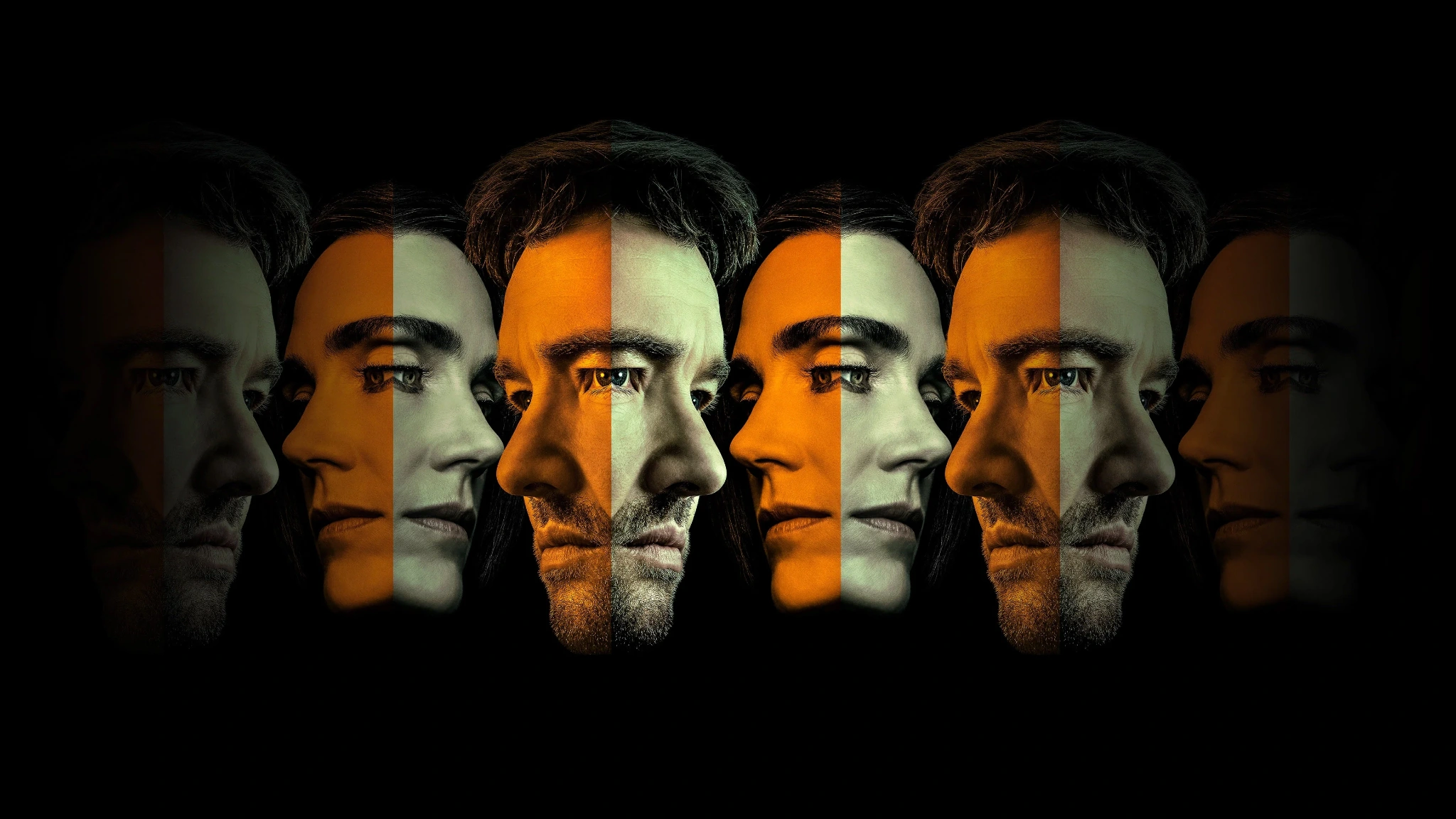
We find this an appropriate outcome for his journey. A man preoccupied with protecting the family misses crucial news about it. His wider responsibility coexists with his failure to communicate, without turning the shutdown into a simple act of evil or selfishness.
But the delay in reading Daniela’s message, followed by the shutdown at the cruelest moment, exposes the ending’s reliance on carefully engineered timing. Its emotional impact is stronger than the precision of some of its setup.
The place Daniela and Charlie have reached remains unknown. Likewise, Oluko’s disappearance through the Pyramid does not establish that the device will become an available means of rescue. These are open possibilities, and any continuation needs to respect the shutdown’s cost if the ending is to retain its weight.
Final verdict
In Closing
The second season is less cohesive than the first, but expands our understanding of its characters. It gives Daniela and Charlie independent desires, tests Jason beyond the role of victim, and makes responsibility for travel extend beyond those using the Box. Its chief strengths are relationships changed by care and time, performances that give the versions different lives, and decisions with an understandable personal price. It is weakened by too many storylines, an uneven distribution of time, and recurring reliance on coincidence and delayed information. We therefore do not see the ending alone as a reason to raise our judgment of the whole season. Its impact matters, but the path toward it remains part of the evaluation, with both its brilliance and its distraction. The best thing the season leaves us with is the recognition that reaching another life can happen quickly, while building a relationship and remaining committed to it require time and repeated choices. When the series gives those choices room, the breadth of its worlds becomes a source of depth. My rating for Season 2: 7.5 out of 10.
Your turn
Did episodes five and eight give the season the depth it needed, or did their distance from the main storylines weaken its cohesion?
AUDIENCE VOTE
Do you agree with the MB rating?
Choose once from this browser. You can change your answer at any time.