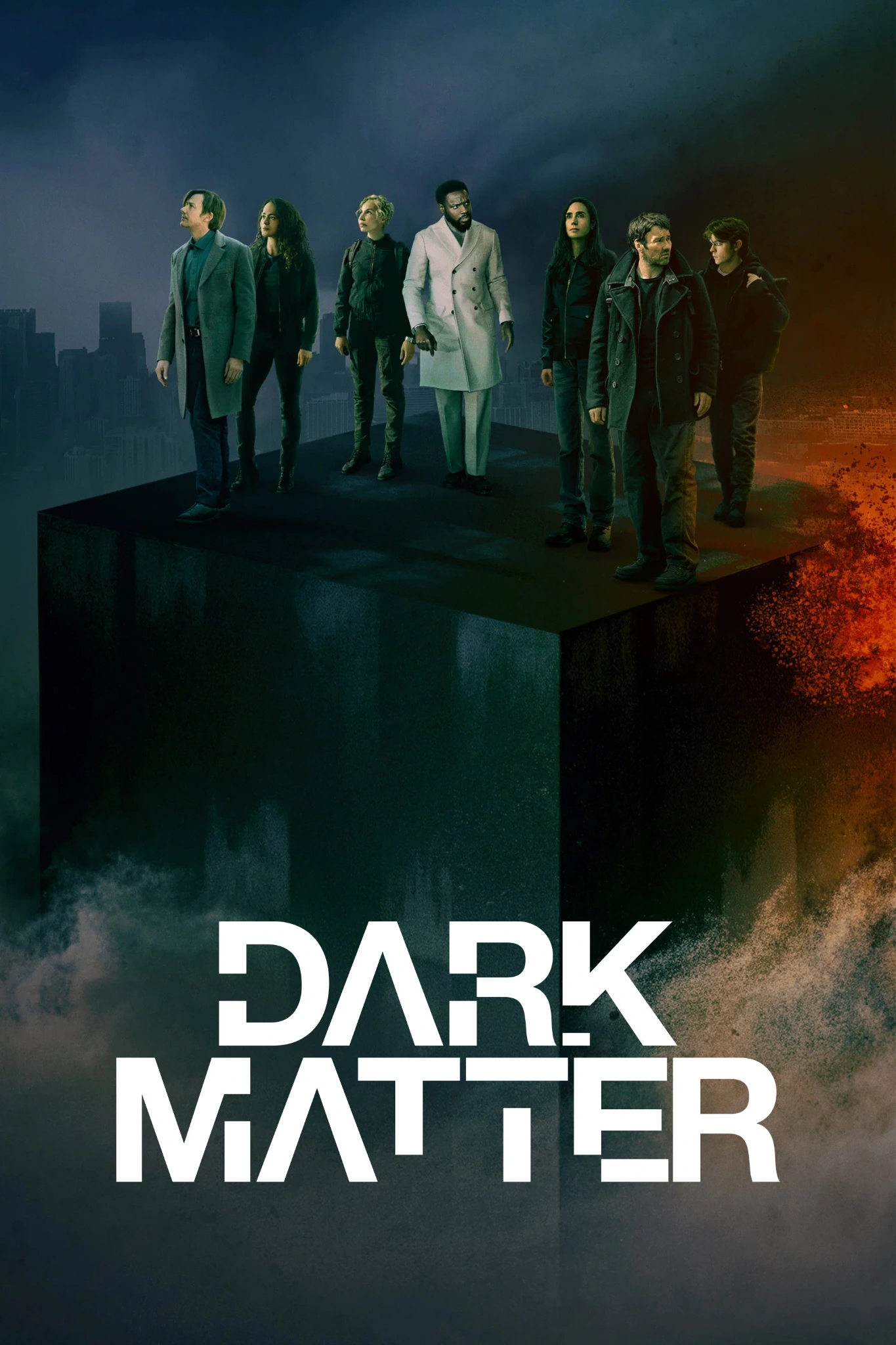
The review
The Finale Finally Comes into Focus
The episode's most significant achievement is giving the conflict a tangible direction. After moving between multiple versions of characters and an ever-expanding range of worlds, we now have an objective that brings many of these threads together: disabling the original Box in the hope that the others will stop working too.
This objective gives the events a coherence they needed. We understand more clearly why Jason, Amanda, Ryan and Blair must meet, and what makes Leighton's project a threat beyond the ambition of a man who wants to expand his invention.
The Pyramid raises the possibility of turning travel between worlds into a large-scale operation. Once moving equipment and resources becomes possible, domination and war become immediate possibilities too. The distance between discovery and exploitation seems very short.
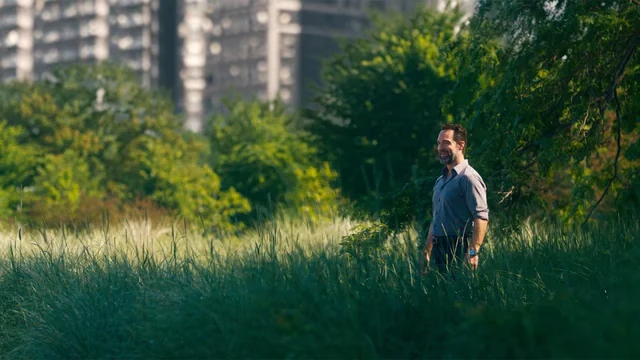
But the episode reaches this convergence through coincidences that are more convenient than they should be. Amanda and Ryan arriving at the right time, followed by Blair turning up in the same place, makes us notice the writing gathering the characters in preparation for the ending.
The need to pick up the pace is understandable, especially in the penultimate episode. Still, stronger connections were needed to make the meeting feel like a natural outcome of the preceding storylines. The dramatic result is useful, but the way it is arranged is less convincing.
Jason Faces a Price He Already Knows
The episode's title promises a technical explanation, but the conversation between the two Jasons gives it a meaning tied to the life the invention consumes.
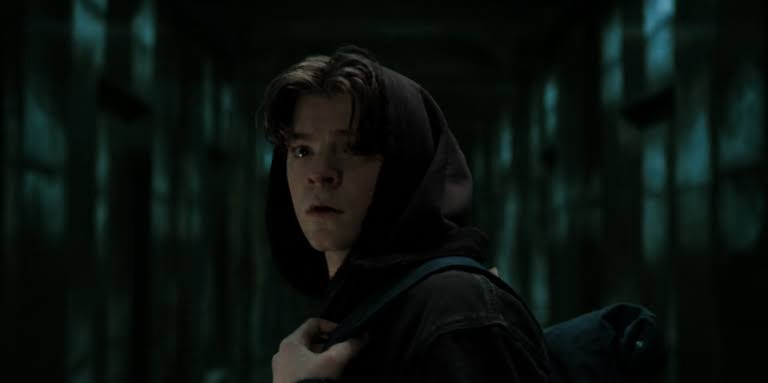
The Jason who built the Box knows what it took to get there. He chose work and prioritized his ambition until scientific success became bound up with losing things he could not replace. Now he sees the other version approaching the same path.
The encounter matters because the warning comes from someone who has already lived through the outcome. Jason faces a possible version of his future, speaking to him and explaining the cost of the path he is taking.
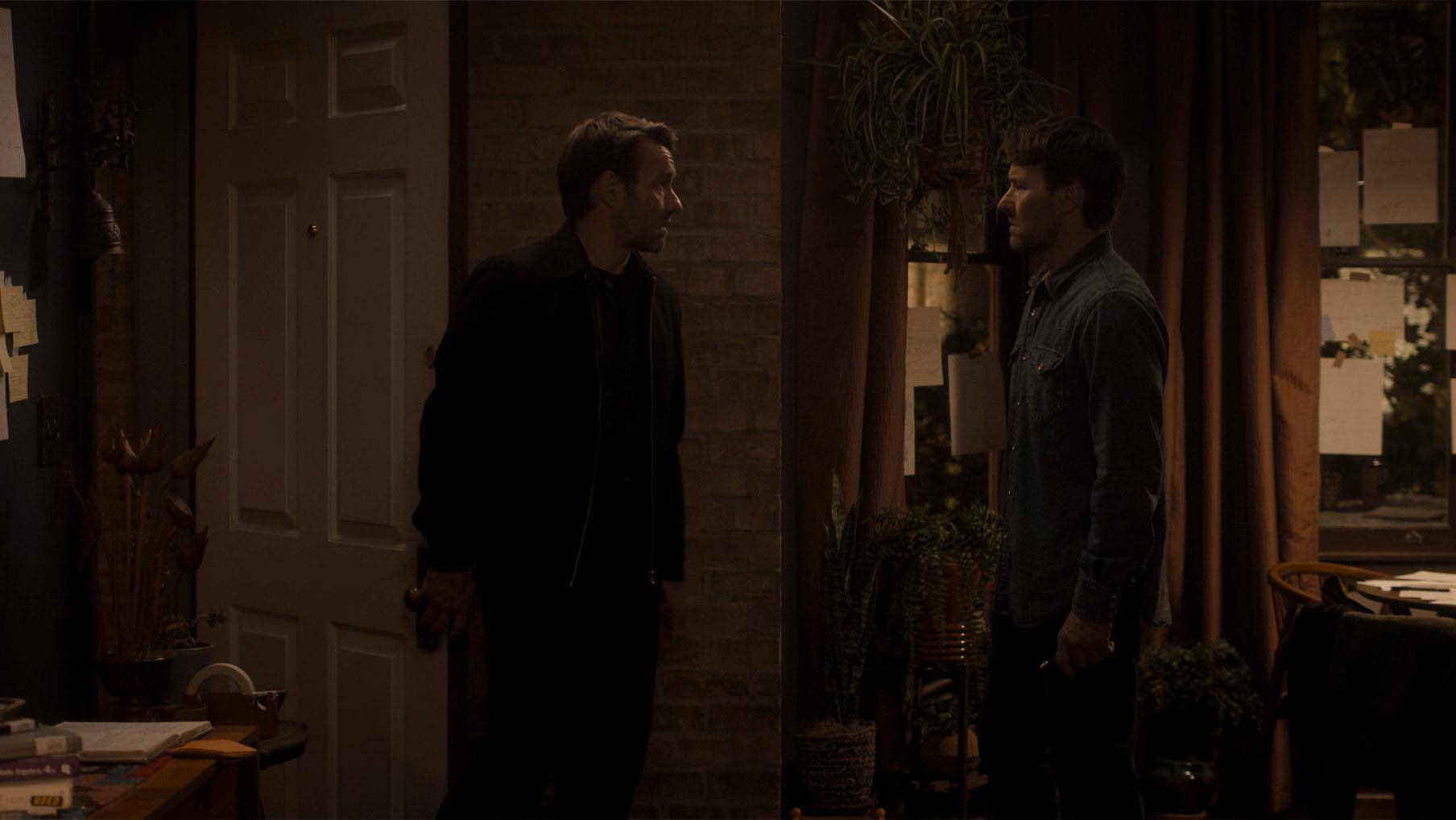
This gives the conversation a tension that goes beyond the question of an apology. It is difficult to separate talk of choices and sacrifice from each version's desire to explain his own life. Even useful advice may carry an attempt to justify what happened or find meaning in the losses.
For us, the scene's most important question concerns Jason himself: how much of his continuing research is for his family, and how much has the research become a personal need he cannot give up?
The episode leaves room for this ambiguity. His interest in the Box is understandable, and its danger demands an attempt to understand it, but his preoccupation consumes the time he was supposed to protect with Daniela and Charlie.
Here Dark Matter succeeds in making science fiction an extension of a familiar problem. Someone can keep saying they work for the people they love while their daily choices take them further away. The Box gives that distance a cosmic scale while retaining a simple, painful emotional root.
Charlie and Max Give the Episode Its Heart
In our view, the episode's best moments come when talk of operating the Box recedes and one brother standing before another becomes the most important event.
Charlie's arrival in a world where Max is alive fulfills a wish he has carried for a long time. But he arrives in a family with its own history and relationships, and meets a brother who knows another version of him. Their meeting therefore requires acknowledgment, followed by a measure of trust, before closeness becomes possible.
Calling the version of Charlie who belongs to this world, together with the photographs the visitor carries, gives Max a clear basis for believing him. The embrace that follows becomes a response to a loss one of them has lived with, while the other learns of its existence for the first time.
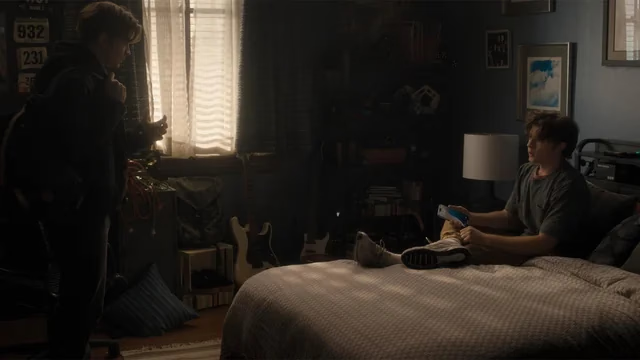
The difference between their experiences makes the scene moving. Charlie arrives carrying years of absence. Max, meanwhile, has to grasp that his seemingly ordinary life represents a distant dream to someone who looks exactly like his brother.
The episode adds a good detail by revealing that Max surviving has not produced a perfect family. The parents in this world love each other, but their preoccupation with their relationship leaves their sons on the sidelines.
This observation gives Charlie's journey a deeper meaning. Finding what he missed reveals a different life with shortcomings of its own. He can be happy to have his brother while also feeling that this home does not offer a complete answer to his pain.
The conversation about the possibility of his parents separating gives him room to express a fear the Box could not resolve. Charlie needs someone to listen and a chance to understand his feelings. Max gives him that chance.
But the decision to return remains open. We remember the advice Charlie received about leaving this world and see that he has not forgotten it, without that meaning he has actually made his choice.
Daniela Takes Action as the Antagonist Drops His Guard
The captivity storyline gives Daniela an active role. She enters the place looking for her son and finds herself with a new version of Jason, in an experience that makes trust extremely difficult.
Her checking his identity before feeling reassured by him fits what she has been through. Physical resemblance is no longer enough to prove safety, and a familiar face may carry as much threat as promise of help.
Nevertheless, the episode allows cooperation to develop between them, based on their shared situation and the emerging differences between this Jason and the versions who frightened her. This detail preserves the series' central idea: similar versions arrive at different ethical positions through their experiences and choices.
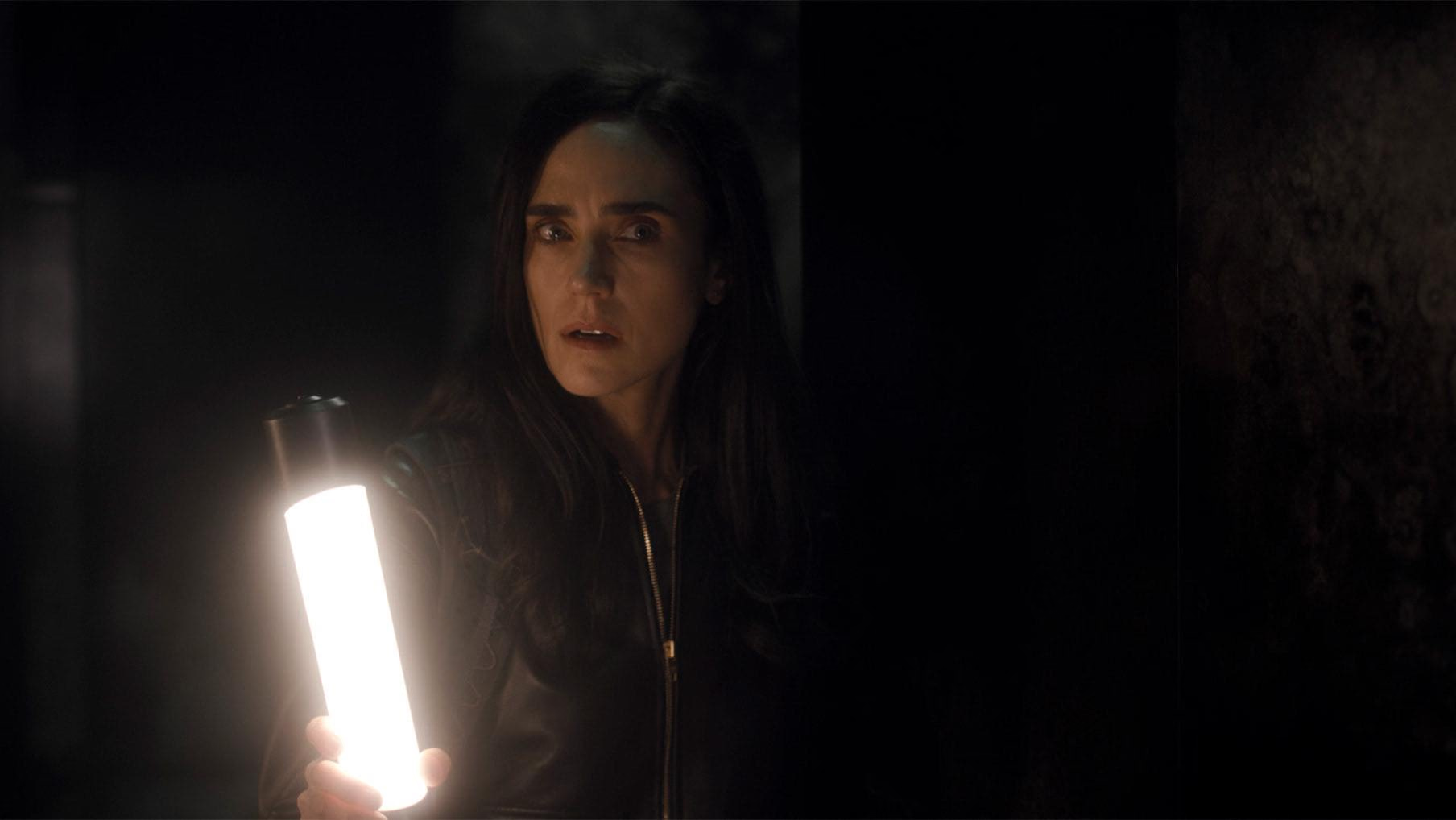
The problem appears in the execution of the escape.
The agent who has spent so long trying to understand the Box behaves with a carelessness that is difficult to reconcile with his position and experience. He lets the two captives take the lead, then rushes into the new world and moves away from his means of returning, as though he has completely forgotten that he is accompanying them under hostile circumstances.
His arrogance explains part of this. He believed he was close to understanding and control. But the scene asks that arrogance to justify an entire series of poor decisions.
The world whose inhabitants are celebrating the approaching end gives the escape a powerful image and a cruel irony. The man reaches the proof he wanted, then realizes that the knowledge has arrived too late to save him.
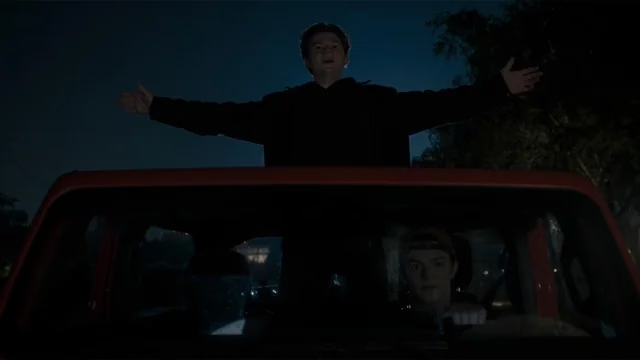
The mechanism by which they reach this world remains unresolved. The episode gives no definitive explanation of who determined the destination or how the consciousness of those inside the Box affected it. The scene therefore remains effective in its outcome and less tightly constructed in its details.
Closing the Box Creates a Real Ethical Problem
Blair's proposal to disable the original Box works well because it makes the solution itself a source of danger.
According to the hypothesis the characters adopt, the Boxes are linked in a way that would allow them to be stopped through the original. But this remains an idea that must be put into practice to be proved, and should not be treated as a rule the episode has confirmed.
Dramatically, the possibility of its success is enough to complicate the decisions.
Amanda and Ryan are still committed to trying to save a world suffering an epidemic. Daniela and Charlie are beyond Jason's reach, and he does not fully understand the predicament of their being away. Disabling the route could prevent a catastrophe, but could also close off opportunities for treatment and return.
This distribution of information creates effective tension. We see a cost that those behind the plan cannot fully calculate. The closer the solution seems, the more dangerous its timing becomes.
Jason's hesitation also keeps the scene from becoming a meeting that simply assigns roles. His concern for others is entangled with his attachment to the discovery itself. This leaves us with a legitimate question about whether the person captivated by this possibility can bring it to an end with his own hands.
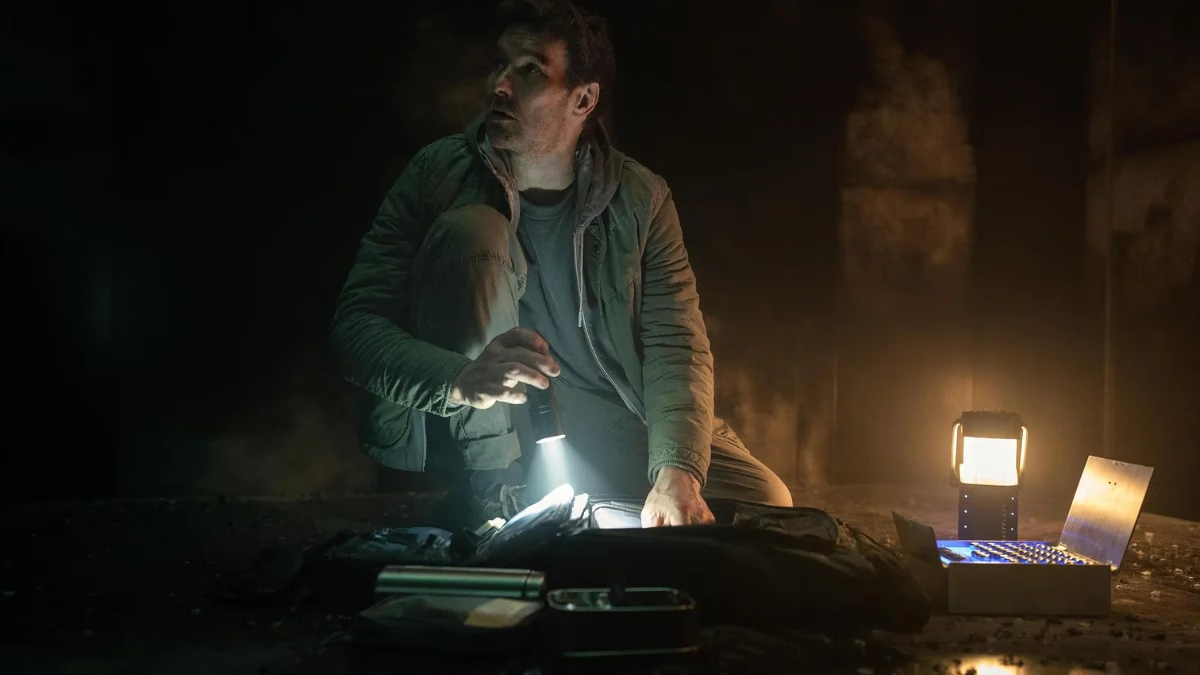
This is one of the episode's most successful ideas, because it gives the coming finale a dilemma that demands a choice and a loss, alongside confronting the immediate danger.
Leighton and an Explanation That Needs More Clarity
The episode also tries to make Leighton reconsider his enthusiasm for the project by confronting him with examples of the dangers of other worlds and the consequences of intervening in them.
The idea suits a character who sees enormous promise in expansion. Witnessing the consequences could shake his belief that the ability to open a route necessarily means it should be opened.
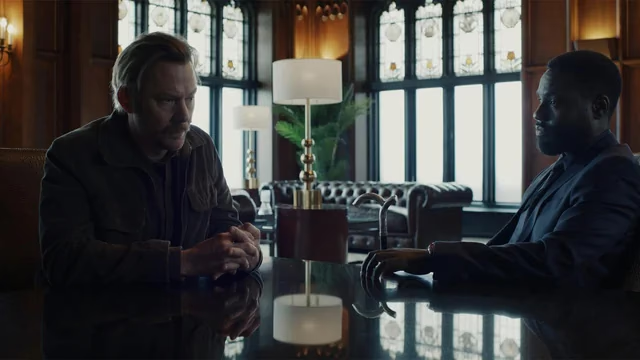
But this storyline is less clear than Charlie's or the encounter between the two Jasons. Equipment, worlds, disasters and information crowd into it, and the link between them and his internal change needs more room.
We understand the general direction: Leighton's awareness of the risks expands. Yet the episode moves through this shift so quickly that his new conviction feels closer to a requirement of the plot than a transformation completed before our eyes.
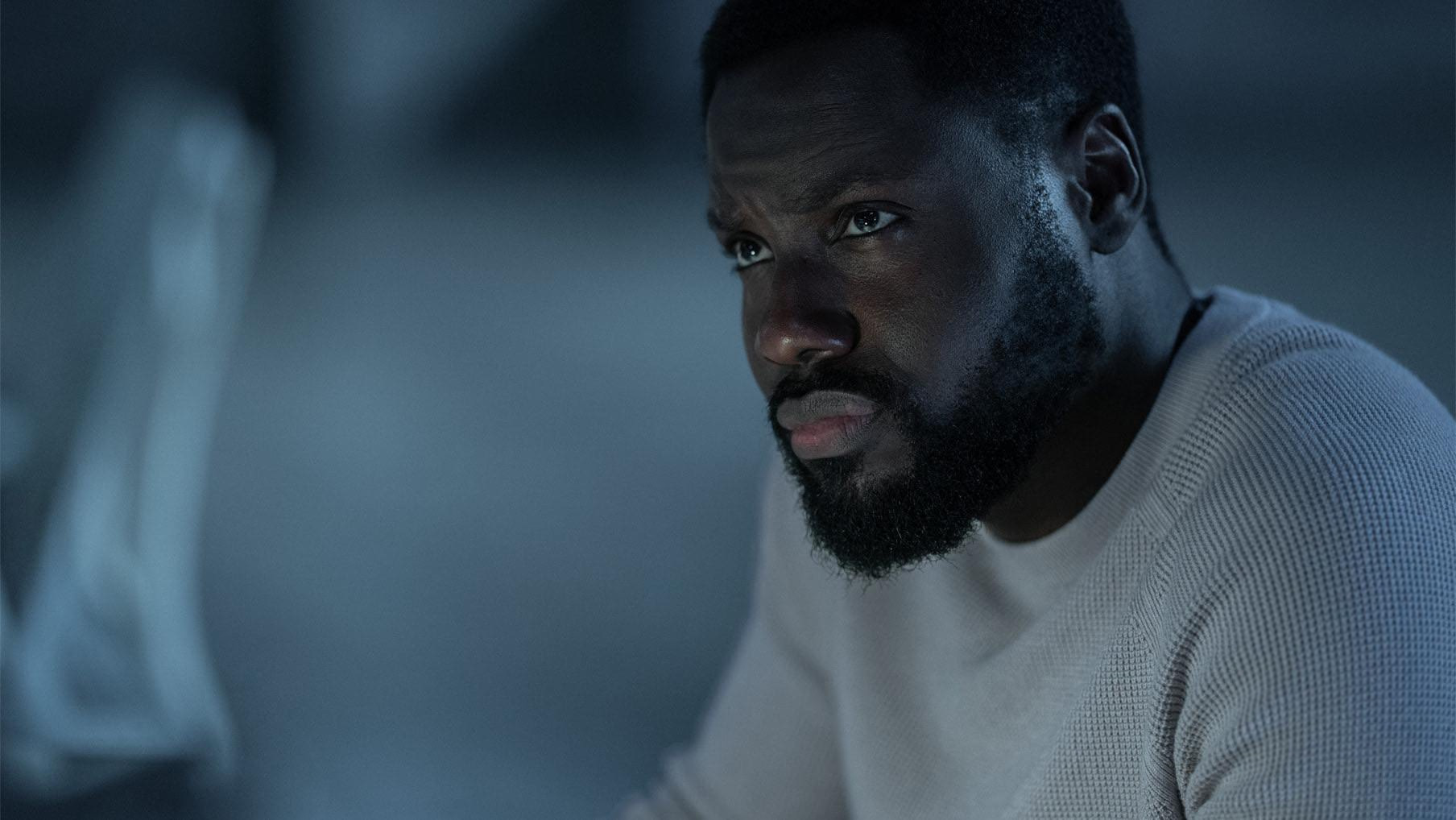
The episode's unevenness becomes clear here. When it gives its characters time to talk and listen, the emotions and ideas come across precisely. When it compresses the stages of a major project into a short space, some transitions become unclear.
Final verdict
Final verdict
Episode nine gives the season an important push before its finale. It gathers most of the threads around a decision with a clear cost, offers a strong encounter between the two Jasons, then finds its best moments in Charlie and Max's meeting. Its main strengths are the clarity of the coming conflict, linking scientific preoccupation with family loss, and giving Charlie an emotional experience that lets him understand his wish rather than merely fulfill it. Its weaknesses are the coincidences that bring the characters together, how easily the agent is overcome, and the speed with which Leighton's storyline handles some of its information and changes. We leave more interested in the finale, but concerned about how much it still has to accomplish. It must reunite the family, test the plan to close the Boxes, and give the choices consequences worthy of their weight. My rating for episode nine: 7.5 out of 10.
Your turn
If closing the Box would prevent a danger threatening many worlds, but might leave members of your family stranded far from you forever, would you be able to close it?
AUDIENCE VOTE
Do you agree with the MB rating?
Choose once from this browser. You can change your answer at any time.