The review
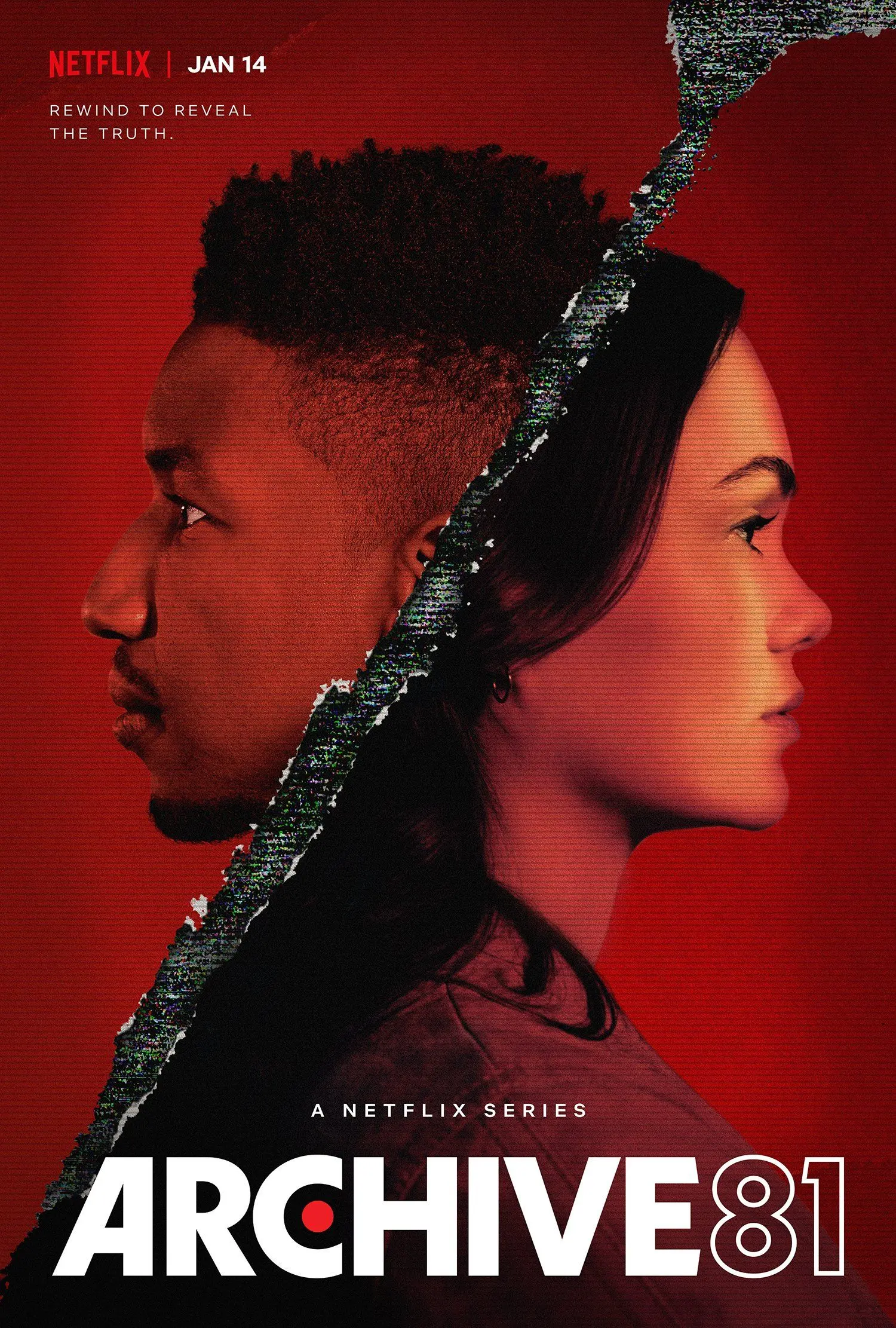
Two timelines facing one another
Every discovery in Melody's footage produces a psychological or physical consequence for Dan. The editing lets a door opened in 1994 appear to answer a question asked in 2021, creating the sensation that the tapes are not only preserving the past but actively communicating with the present.
Dan and Melody do not meet for most of the season, yet their shared isolation forms its strongest relationship. Both search for a missing family connection, distrust the institutions around them and face the temptation of remaining in another world with the person they have lost.
A slow escalation that rewards attention
The opening episodes move carefully, collecting small details rather than relying on immediate shocks. A melody, a damaged frame or an apparently harmless neighbor acquires greater meaning later. That patience allows dread to grow from recognition instead of surprise.
The same density can overwhelm viewers who do not track names, symbols and ritual rules. The mythology becomes increasingly elaborate, but the human motives of grief, guilt and belonging keep it understandable even when its cosmology becomes strange.
A mystery built in layers
The Visser is a mystery of architecture, cult history and buried footage. Melody is both investigator and possible key to the ritual. Dan's professional curiosity becomes personal when he learns that his father treated Melody, while Kaelego expands the story beyond a haunted building into a force outside ordinary time and space.
These mysteries continually reshape one another. An answer about the building creates a question about blood, an answer about blood changes what the recordings mean, and an apparent family coincidence becomes evidence that Dan entered the story long before accepting the assignment.
Blood, the comet and the camera
Melody's Baldung blood makes her a living key, giving ancestry the weight of an inherited cosmic burden. The Kharon comet suggests that astronomical alignment thins the boundary between worlds, connecting ritual horror to a repeating cycle rather than to random evil.
Most intriguing is the idea that recording itself can create or strengthen a doorway. The camera captures what the eye cannot see, while playback turns spectatorship into participation. Film becomes both evidence and séance.
The circle closes around Dan
The screenplay expands in circles: burned tapes reveal a building, the building reveals a cult, the cult reveals another dimension, and the investigation finally carries Dan inside the mystery. A journey that begins with restoration ends with the archivist becoming part of the lost record.
When Dan discovers his father's relationship with Melody, the assignment stops being an external puzzle. His family tragedy, professional obsession and desire to rescue her merge into one motive, making the supernatural climax emotionally credible.
Characters shaped by absence
Dan is written as quiet and withdrawn, and the season lets his isolation accumulate until his psychological fracture feels earned. Melody balances investigative courage with the vulnerability of someone whose missing mother has guided every dangerous choice.
Mark provides an external voice of reason, Jess becomes the human vessel at the center of the ritual, Julia connects blood to maternal absence, and Virgil gives exploitation a corporate face. None replaces the central pair, but each adds a necessary angle to the conspiracy.
Strengths and limitations
The fusion of obsolete media with modern technology creates distinctive found-footage horror. Mirrored timelines sustain suspense, and the mythology remains anchored in recognizable grief. The atmosphere is unusual enough to give the series an identity of its own within Netflix horror.
Its deliberate pace may frustrate some viewers, and the growing volume of ritual information occasionally competes with the drama. Yet the series rarely loses its emotional map, even when the cosmology becomes dense.
Final verdict
Final verdict
Archive 81 creates a double world of mystery and psychological horror, using cosmic entities, ritual belief and family trauma to build a complex but readable narrative web. Its slow rhythm will not suit everyone, yet the final result is one of Netflix's rare horror experiences whose atmosphere, form and emotional mystery feel genuinely inseparable.
AUDIENCE VOTE
Do you agree with the MB rating?
Choose once from this browser. You can change your answer at any time.