The review
A new killer who reminds Dexter of himself
Dexter and Charley continue working through the names left on the list of killers Prater brought together. Their next target is the Jawsplitter, a killer from California known for removing the jaws of his young victims while they were still alive and draining their blood in a deranged attempt to hold on to his youth.
The person who answers the door is JJ, a man in his twenties. Dexter and Charley had been expecting someone much older.
The original killer died two years earlier. His son decided to carry on the legacy, using the same methods and rituals and even keeping his father's belongings.
JJ changes the nature of a confrontation we have come to expect from the series. Dexter cannot treat him as another name on a long list. He has to ask whether the way JJ was raised changes what he deserves and how much of the choice to become a killer was his own.

That is why Dexter asks for a full day to talk to him before making up his mind.
The decision gives the episode time to sit with the question before moving toward the kill. In their conversations, JJ speaks about his crimes with unsettling calm, feels no genuine remorse and makes no effort to present himself as a victim of circumstance.
We learn that JJ killed his own father when the man became a burden and kept his jawbone as a personal souvenir.
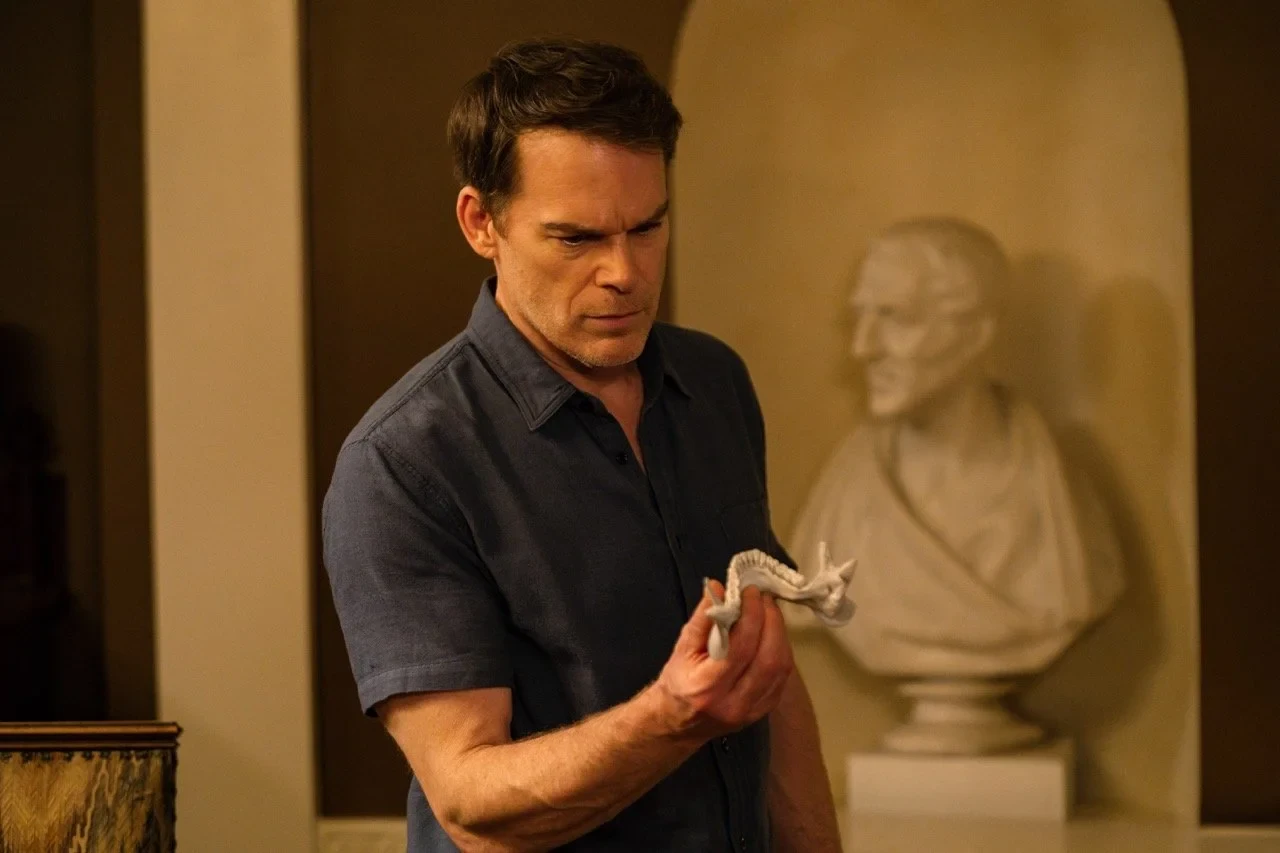
That puts an end to any attempt to understand him purely as a victim of a warped upbringing. He grew up in a world shaped by murder and chose to stay in it. He even went further than his father.
JJ and Harrison, the resemblance that scares Dexter
The episode's strongest choice is to make JJ's story a dark reflection of Dexter's relationship with Harrison.
JJ's father brought his son into his world and taught him to use violence the way he did. Dexter has spent years convincing himself that Harry's code can keep his urges in check and that teaching his son how he thinks, or shielding him from the truth, could spare him the same fate.
JJ makes it harder for Dexter to believe that.
He represents what Harrison might have become if he had grown up with a father who regarded killing as a natural part of life.
The parallel puts a possible consequence in front of Dexter. A father who spends his life trying to contain his own darkness can become someone who passes it on.
Crucially, JJ accepts responsibility for his choices despite his upbringing. That makes him harder to judge and forces Dexter to confront questions about himself.
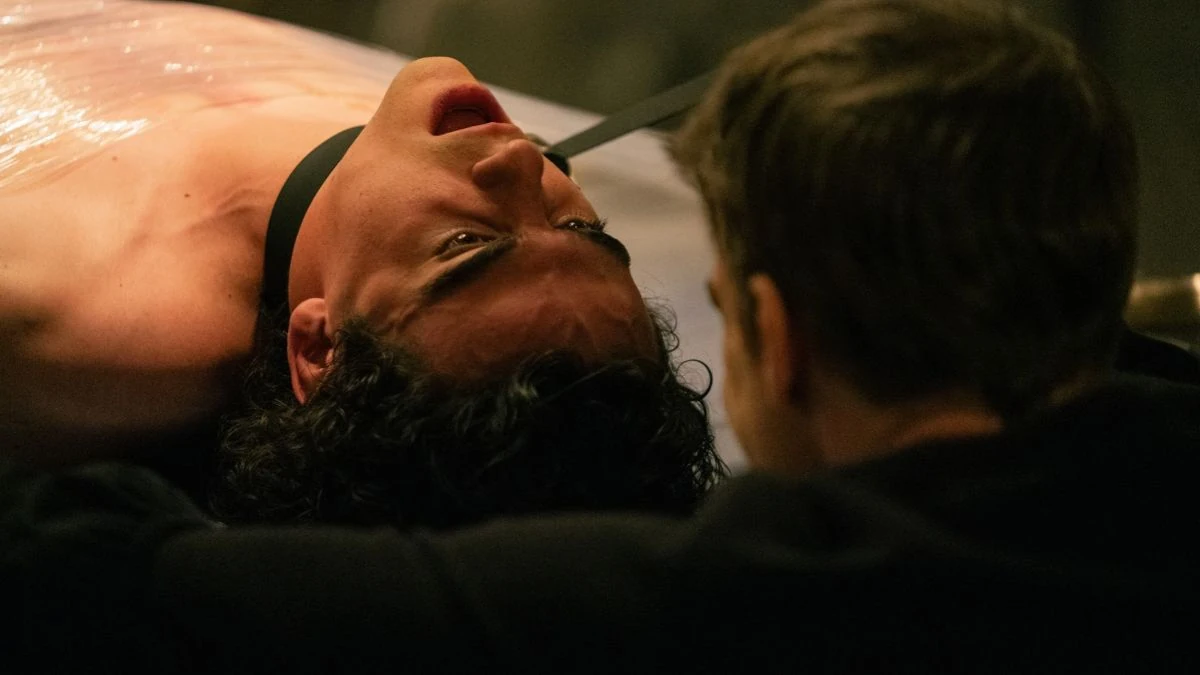
Once Dexter decides he understands who JJ really is, he kills him on the table, echoing the brutality associated with JJ's father.
It is a harsh scene. Dexter's decision carries the weight of what he has learned about JJ and what he fears for his future with Harrison.
The episode leaves questions about the father's and son's responsibility open. Upbringing and circumstance may explain some choices. The people making those choices still have to answer for them.
Dexter and Charley grow closer
Dexter and Charley's relationship continues to develop, and this episode gives it more room than usual.
There has been a connection between them beyond their work from the beginning. Dexter is starting to allow himself to get closer to her, which worries Harry. Given Dexter's past, Harry keeps warning him about starting another relationship.
The complication is that Dexter has found it harder to maintain his usual distance with Charley. He has opened up and begun to feel things he cannot easily control.
Charley is the more pragmatic of the two. She is impatient with his hesitation and brings a different emotional perspective of her own. Her role in the relationship goes beyond pushing back on his decisions.
The writing gives them a chance to build trust and move beyond repeated conversations about Dexter's fear of getting close to someone. Charley also keeps enough to herself to leave us wondering where the relationship may go.
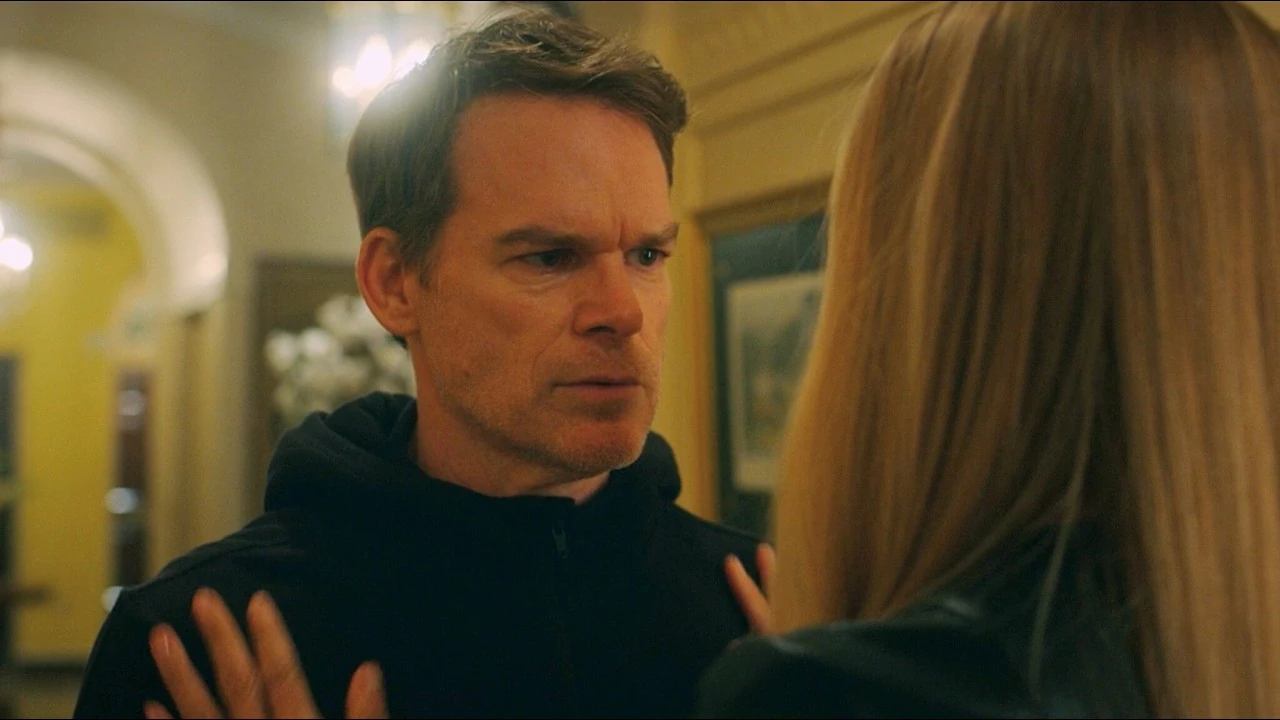
Michael C. Hall continues to play him with a stillness that has become central to his performance. The hesitation and calculation in his eyes when he speaks to JJ or Charley can carry more than the dialogue.
Harrison gets closer to justice and further from it
Harrison's storyline remains one of the episode's most important, especially now that he is working for the NYPD.
He is working with Fiona Mixon on the hunt for the Five Boroughs Killer, and he has a good instinct for dangerous situations. That instinct also makes him reckless in a way that recalls his father's approach to criminals.
We see this when he chases a thief through the subway and the suspect pulls a knife on him.
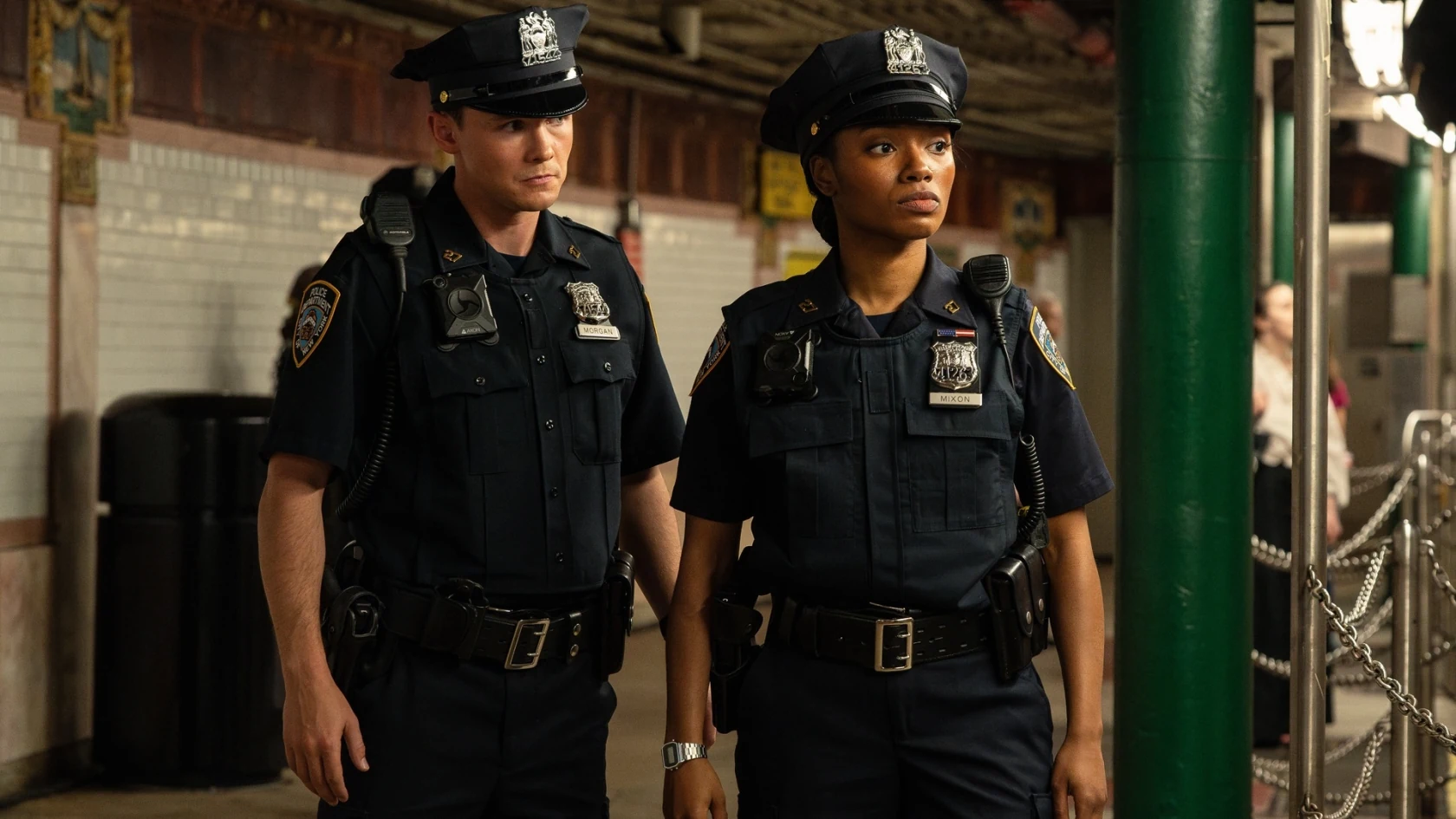
The tension in the scene also serves Harrison's development. He wants to be an officer who delivers justice and is beginning to see how often working within the system can keep him from getting the result he wants.
This is where his choices begin to diverge from his father's.
Dexter knows that some killers will remain beyond the reach of the law. He built a life that lets him grant himself permission to step outside it. Harrison has begun to experience the same frustration and is still trying to work within the system.
There is also progress in their relationship. Dexter is more willing to talk to his son without hiding everything from him, and their conversations feel more natural and intimate.
The honesty gives their relationship a strength it did not have before. Harrison needs someone he can talk to openly. For a long time, his father gave him secrecy instead.
Their growing closeness could bring a new danger.
When Harrison feels the Ripper investigation has hit a dead end within the police, he gives Dexter his blessing to go after the killer and offers to help.
Dexter largely disregards Harry's warnings about keeping his personal life separate from killing and accepts his son's help.
This is one of the most interesting turns in the episode. Dexter is afraid that Harrison will become like him, yet he is the one who gives his son a way into the world he has tried to keep him out of.
The line between protecting Harrison and drawing him into Dexter's world gets harder to see each time.
The Five Boroughs Killer remains a threat
The Five Boroughs Killer, played by Dan Stevens, gets less time in this episode. That is a little disappointing given the scale of the threat he presents.
He remains one of the most interesting parts of the season.
He keeps changing how he kills, knows how to handle the media and provoke the police, and turns the hunt into a game whose rules are his to set.
The episode finally reveals that his name is Lucas and continues to feed us small details that make him more intriguing.
One of his most striking moves is poisoning a victim on the subway, close to where Harrison is.
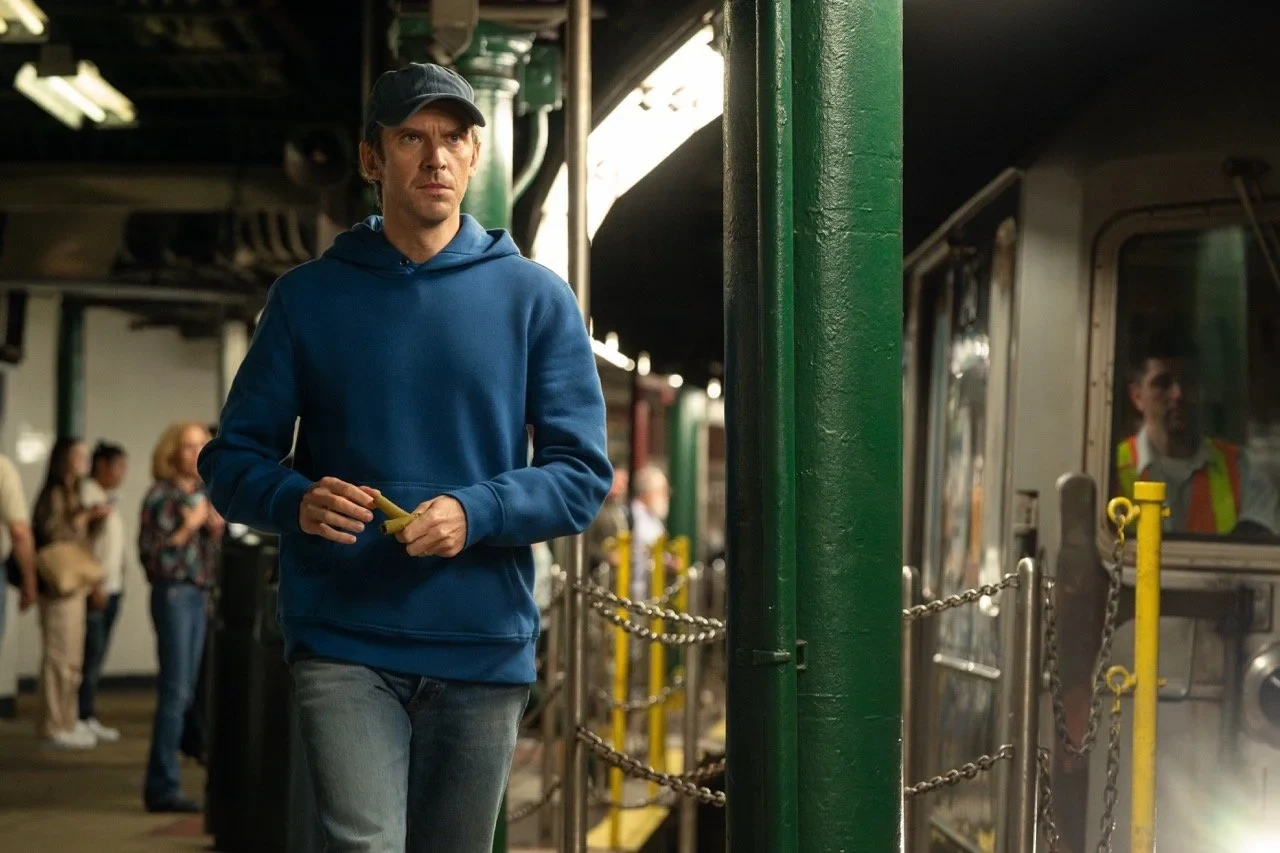
Lucas can carry out his crimes in the middle of the city while the police are still busy following up on the threats he sends them.
Dan Stevens keeps the character compelling. His presence makes us look forward to each appearance, even when the episode gives him less time than he deserves.
Here he operates as a threat that remains in the background while JJ and Dexter's relationship with his son take the lead. The focus makes sense, though the episode could still have made more of Lucas.
Joey Quinn closes in on Dexter
A further development concerns Joey Quinn, who continues investigating Angel Batista's death and trying to establish Prater's connection to what happened.
Dexter can no longer dismiss Quinn as an irritating detective he can easily handle. Quinn is getting closer to important parts of the truth, and his questions have grown more precise and harder to brush aside.
There is more tension between them now, particularly when Quinn goes to the police station to review the evidence recovered from Prater's vault.
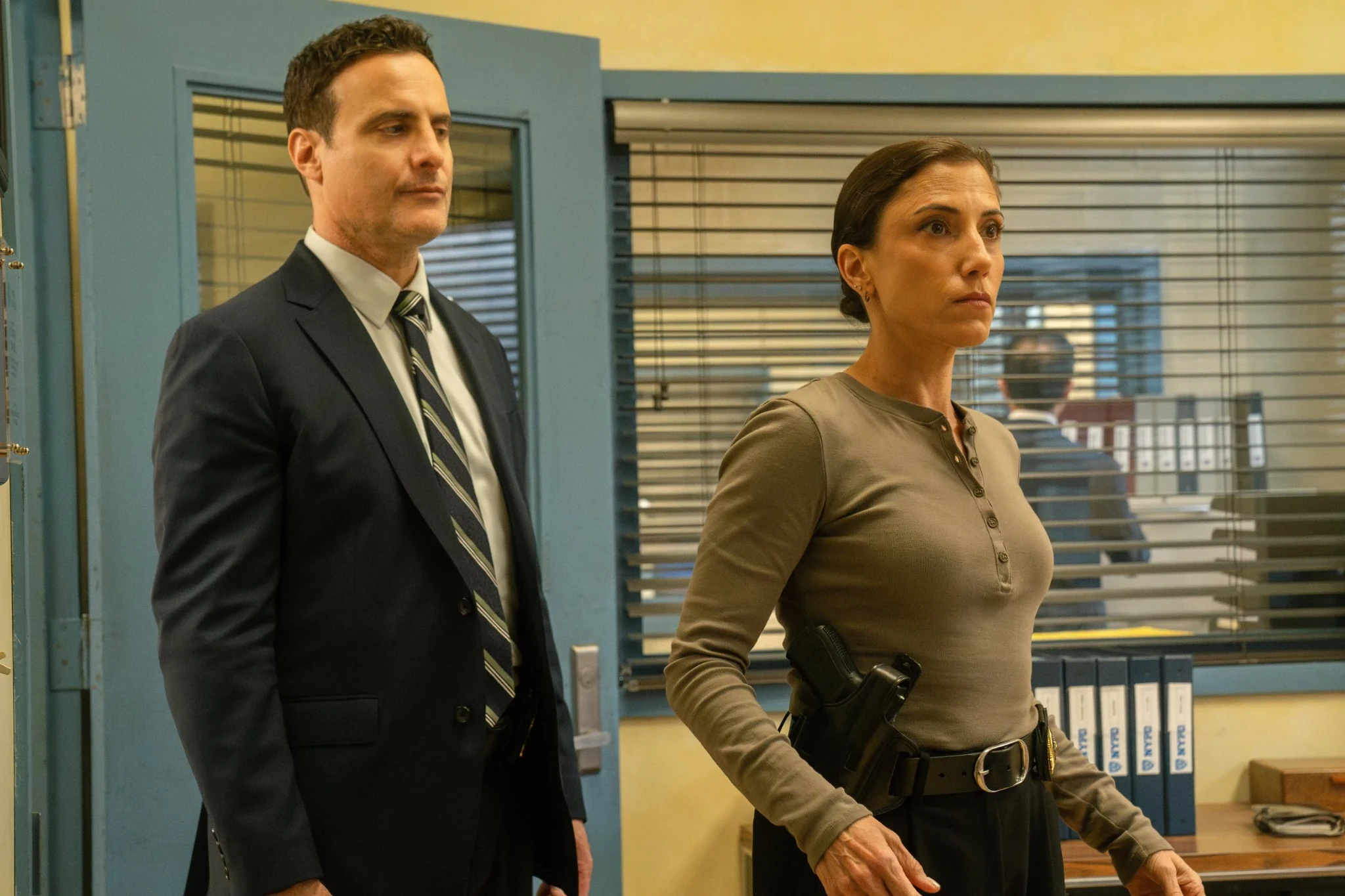
There he finds a box containing some of Batista's belongings, including his familiar hat.
The moment has real emotional weight. It shows how much Batista meant to Quinn and makes clear why finding the truth is now a deeply personal part of the investigation for him.
Desmond Harrington does good work in these scenes, conveying how affected Quinn is while holding on to his composure.
Quinn is becoming a real threat to Dexter because he now has both a personal motive and evidence that could bring him uncomfortably close.
Strong performances in a crowded episode
The episode gives us some strong performances.
Michael C. Hall remains its center of gravity, making the most of the psychological territory opened up by JJ's story. Small changes in his expression are enough to make the conflict within Dexter register.
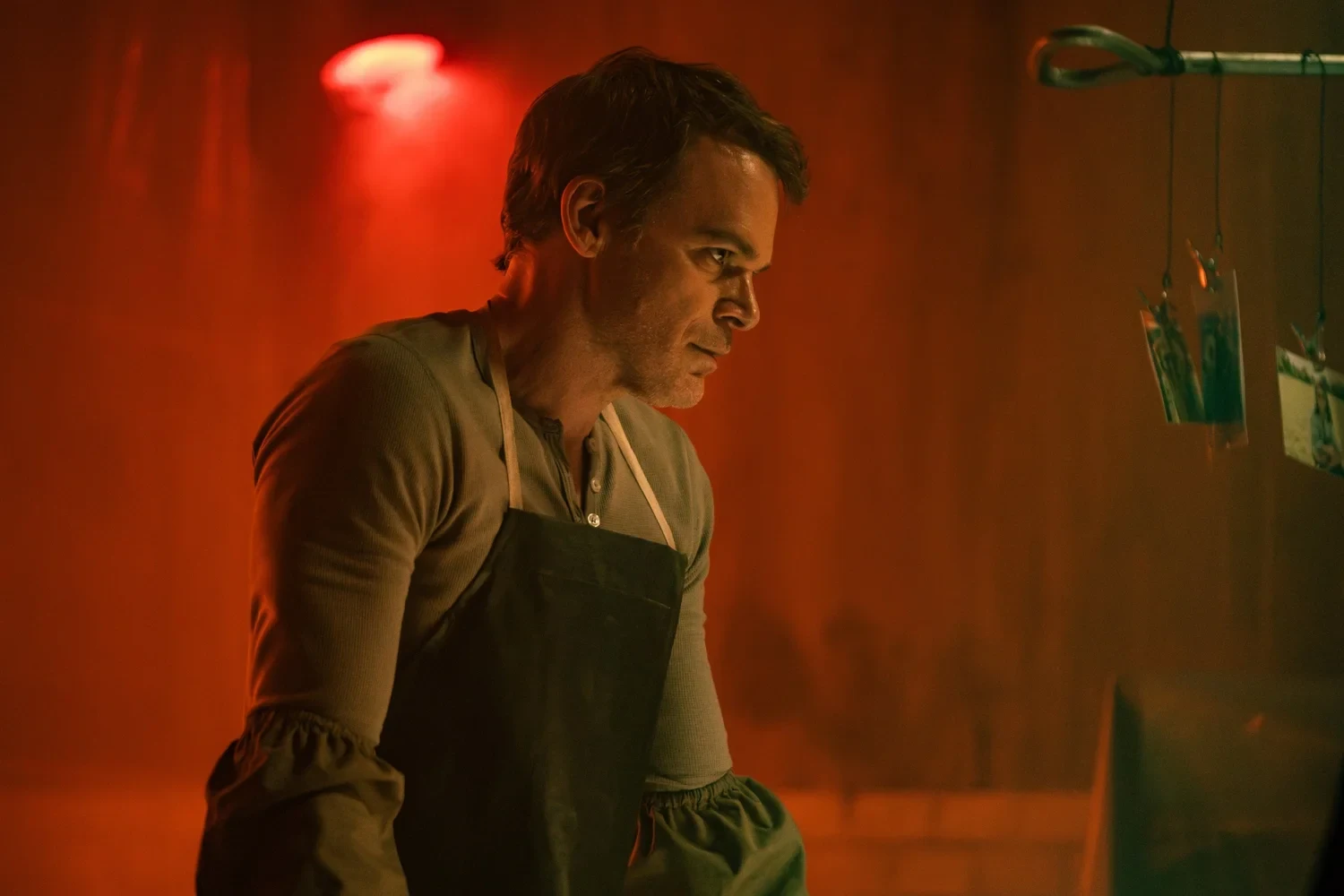
Jack Dylan Grazer is striking as JJ. The speed of his speech, the way he expresses himself and his choice of words are so different from Dexter's deliberate calm that watching the two together is both entertaining and unsettling.
Uma Thurman keeps Charley cool and practical, and Jack Alcott looks more assured as Harrison takes on a new level of responsibility.
The greater problem is how much the episode is trying to cover.
There is JJ's story, the growing relationship between Dexter and Charley, the hunt for the Five Boroughs Killer, Quinn's investigation into Batista's death, the Ripper case and Harrison's relationship with his father.
Every thread is important, and some get far less attention than others.
At times the episode feels like a bridge to what is coming, moving several parts of the story forward and leaving some of them with little room to develop.
The Five Boroughs Killer's reduced presence also makes the balance between them a little weaker as the episode turns inward toward family and psychology.
Even so, Dexter's conversations with JJ give the episode weight beyond its place in a season of chases and crimes.
Final verdict
Final verdict
Young Blood is a good, entertaining episode, especially when it slows down to examine what Dexter is wrestling with. JJ's story tests what fathers leave to their children and where the line falls between growing up around violence and choosing to stay in that world. The strongest choice is to connect that test to Dexter's relationship with Harrison. He wants to spare his son the life he has lived, and he keeps making choices that could lead Harrison into it. The conversations and psychological confrontations are the episode's biggest strength, along with the performances by Michael C. Hall and Jack Dylan Grazer. The crowded story, the uneven pacing and the smaller role for the Five Boroughs Killer hold it back. It is still a good step forward for the relationship between father and son, with stakes that reach beyond Dexter disposing of one more killer.
Your turn
Can Dexter really protect Harrison from the darkness he has lived with, or will bringing his son into the hunt for killers make him repeat his old mistakes?
AUDIENCE VOTE
Do you agree with the MB rating?
Choose once from this browser. You can change your answer at any time.