
The review
Quinn returns: familiar faces and renewed suspicion
Another enjoyable development is the return of Joey Quinn, who now works as a private investigator helping the families of victims murdered by killers connected to Leon Prater.
His appearance outside Dexter’s home recalls their old relationship in Miami, particularly when Quinn raises the possibility that Dexter is the Bay Harbor Butcher. He tries to play the idea down, but keeps returning to it in a way that makes Dexter realize this may be more than idle conversation.
Dexter handles the situation in his usual way, offering to help Quinn with his investigations. This is hardly an innocent act of cooperation: he understands that keeping Quinn close is better than letting him operate beyond his sight.
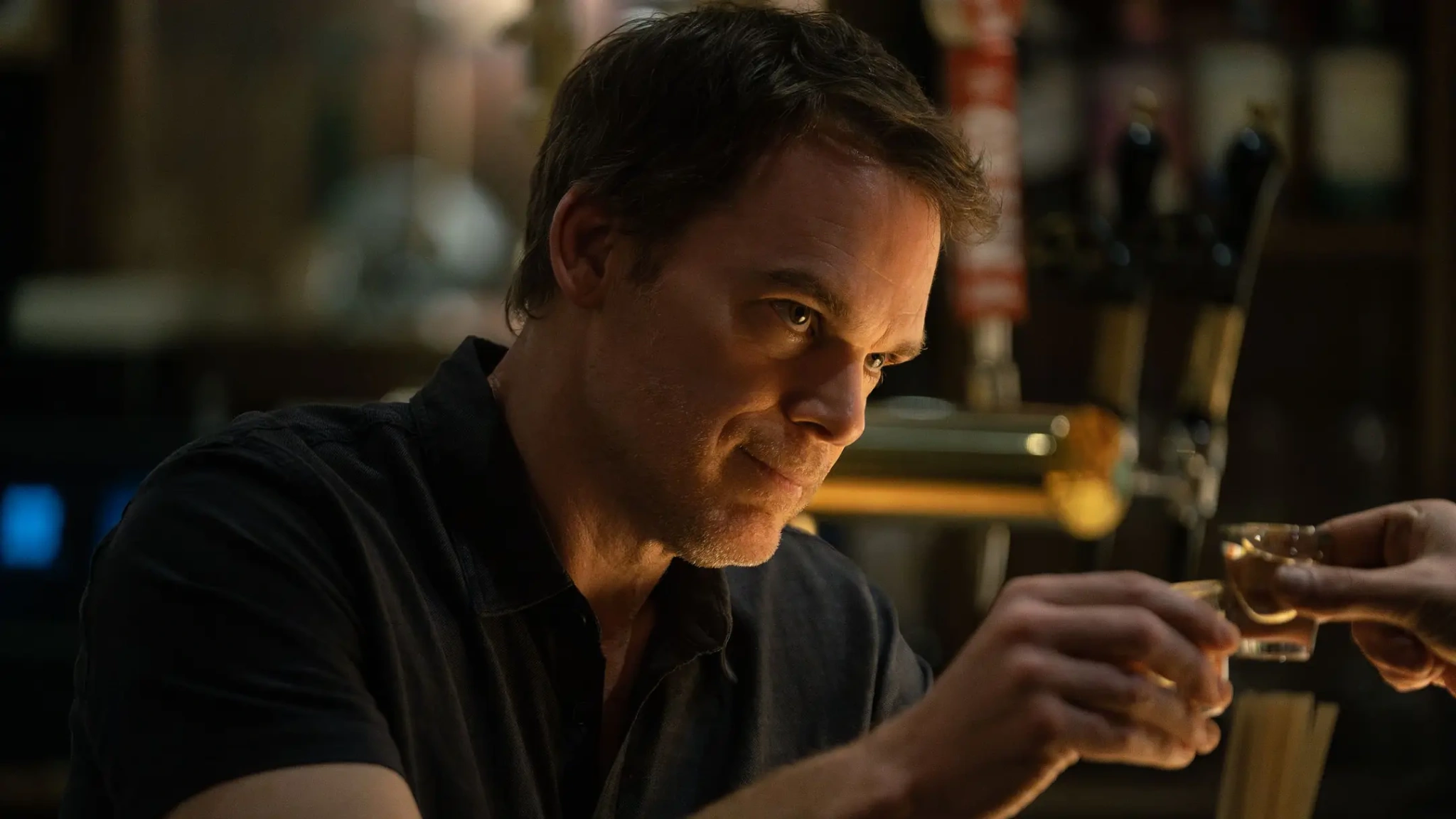
Quinn’s return works in terms of both presence and interaction. There is a clear familiarity between Dexter and the people who knew him in the past, and Desmond Harrington’s return gives these encounters a sense of continuity.
At the same time, this storyline could take a familiar direction, resembling the earlier confrontation between Dexter and Batista, when someone from his past came close to discovering the truth about him.
I do not think the episode has given us enough to conclude that it is repeating the same story, but the similarity is there and deserves attention. It would be better to give this renewed relationship a different path rather than simply repeat the game of suspicion and surveillance we have already seen.

Three killers, three different challenges
The episode grows more crowded as it continues introducing the killers who have become part of Dexter’s new world.
First is Don Framt, suspected of being the New York Ripper. He uses a wheelchair, while his public notoriety has surrounded him with a strange kind of admiration.
His presence is interesting because he does not present an image that is easy to judge. The police are still investigating him, and he maintains his position on the accusations, while the public attention surrounding him makes Dexter jealous.

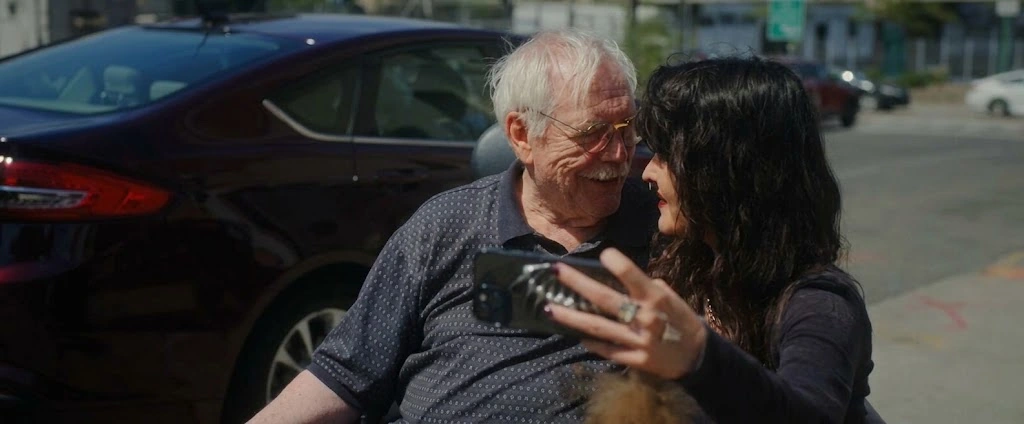
This brings Dexter’s moral problem into sharper focus. He knows that killing Framt could violate his code, especially while the investigation remains open and he is not completely certain of the man’s guilt.
Harrison also asks him to stay away from the case out of respect for Detective Wallace, who considers catching the New York Ripper the most important case of her career.
That leaves Dexter caught between the urge to act according to his nature and his promise to his son to leave the case to the police. More significantly, he has begun debating whether to cross boundaries he once considered fixed.
The second killer, the Sleepy Eyed Stranger, receives a better introduction than simply having his name added to a list of targets.
We learn his frightening method of dealing with his victims: he enters their homes and moves things around, leaving them in a prolonged state of anxiety and doubt before killing them in their sleep.
The scene introducing him is genuinely disturbing. Music by Nine Inch Nails, specifically The Day the World Went Away, helps create an unsettling feeling that suits this killer’s nature.
Gabriel Luna’s performance also relies on a fixed stare and an odd presence, making his appearance one of the episode’s highlights.
The problem is that introducing a character this way raises expectations about what he might offer later, particularly because his methods differ from those of the other killers. The question remains how much room he will receive amid so many competing storylines.
Finally, there is the Five Borough Killer, who continues escalating his crimes after deciding that the police and Dexter are not giving him the attention he believes he deserves.
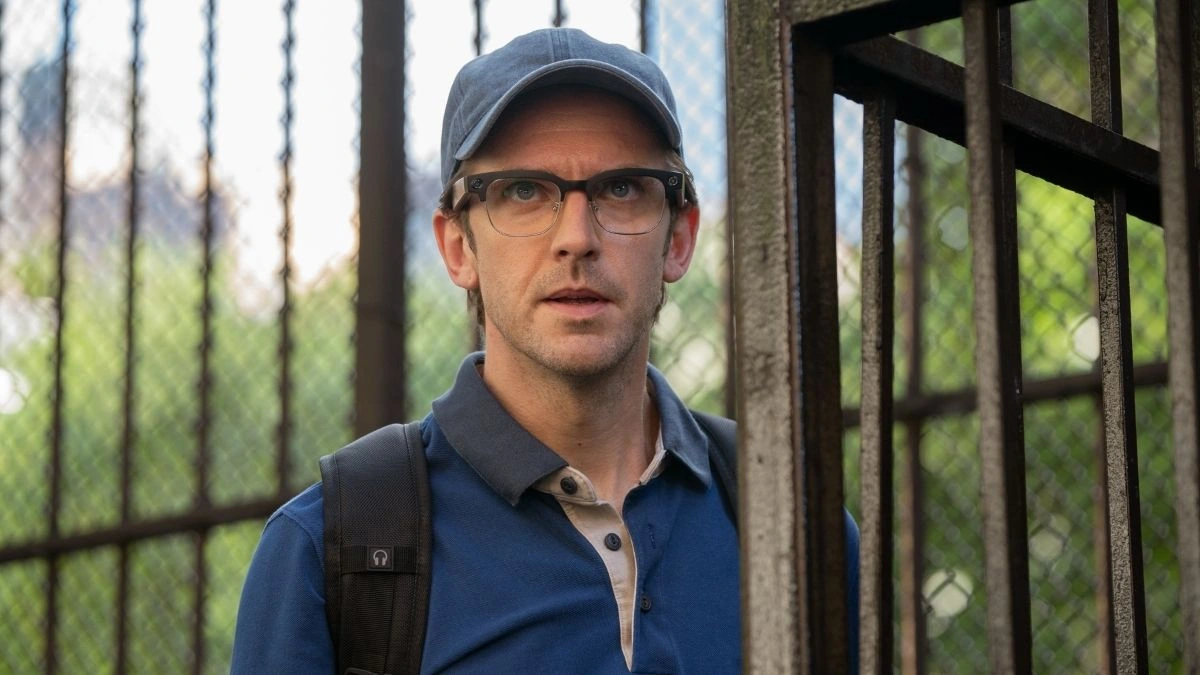
When he calls the police and announces that he will kill someone on Broadway, the threat grows more serious, particularly when the police have to warn the public and increase their patrols.
Dexter and Charley remain unaware of what is happening as they share a dinner charged with personal tension. Suddenly, a body falls from a building nearby, making Dexter realize that the killer has come extremely close.
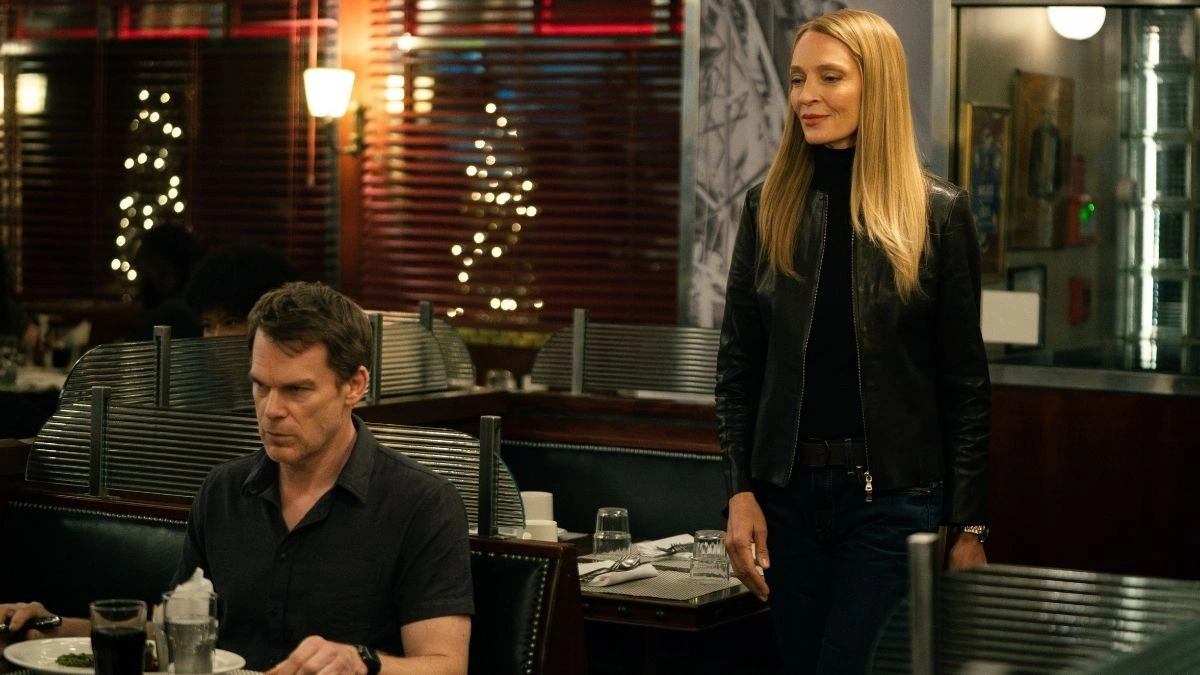
The scene’s timing works because it interrupts a relatively quiet moment with sudden violence, returning Dexter to the focus he lacked at the beginning of the episode.
Notably, despite insisting that two murders are not enough to call someone a serial killer, he decides to stop this killer before there is a third victim.
That contradiction adds a touch of irony, but it also reveals that Dexter has begun treating this as a personal challenge rather than simply another mission.
Performance and pacing: strong moments in a crowded episode
One of the episode’s main strengths is Michael C. Hall’s performance. He continues to play Dexter with a mixture of calm, internal tension, and black comedy.
He can make the character’s sardonic thoughts feel natural while using small expressions to reveal frustration, jealousy, and the need to prove himself.

Jack Alcott also gives a performance that suits Harrison’s new phase, while Uma Thurman lends Charley enough mystery to keep her motives from feeling entirely settled.
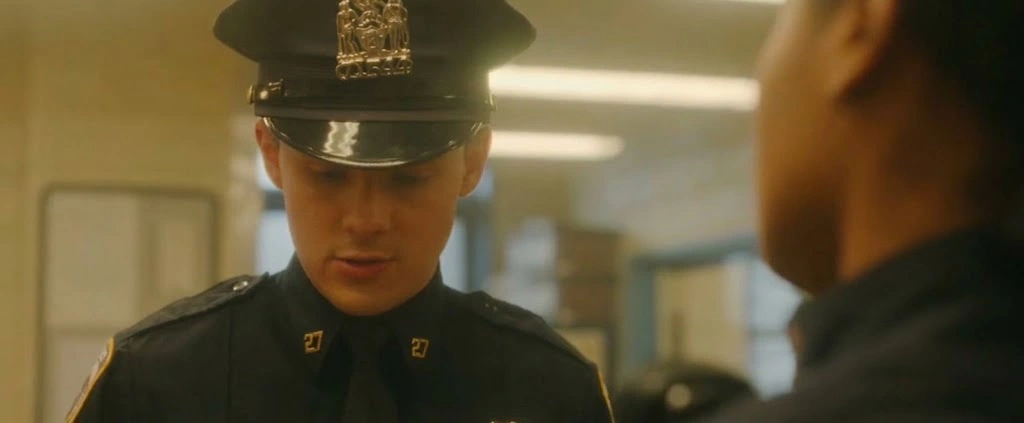
Brian Cox makes good use of Don Framt’s ambiguity, making the character more suspicious, while Desmond Harrington’s return offers clear enjoyment for viewers invested in the show’s old relationships.
James Remar remains an important presence as Harry, the voice guiding Dexter without preventing us from seeing how his son tries to justify his decisions to himself.
The direction successfully builds tension in individual scenes, particularly the sleeping killer’s introduction and the abrupt transition from Dexter and Charley’s dinner to the crime scene on Broadway.

The central problem, however, is not the quality of these moments in isolation, but the way they come together within a single structure.
The episode wants to follow Harrison within the police, develop the pursuit of the Five Borough Killer, bring Quinn back, introduce Framt, begin Dexter’s cooperation with Charley, open the possibility of a new relationship between them, and showcase another of Prater’s killers.
All these ideas have potential, but packing them into one episode makes the main dramatic thread less clear than it should be.
More frustratingly, some stories seem to pause just as they become interesting. The New York Ripper case does not advance enough, Harrison’s storyline lacks a substantial development, and Dexter faces numerous possibilities without a clear sense of how they will connect into a single dramatic trajectory.
That is precisely where the episode falls short: it knows how to make each story interesting, but does not always convince us that those stories are moving together toward a clear goal.
Final verdict
Final verdict
Fallen is an enjoyable episode, with strong scenes and developments worth following. It also gives Michael C. Hall useful room to explore a different side of Dexter beyond hunting killers and carrying out his usual plans. What I liked most was its treatment of a midlife crisis as a crisis of significance and a search for recognition. That idea adds a new contradiction to Dexter’s behavior, bringing him closer to breaking his own code to satisfy his ego. The crowded storylines remain a real problem, however, and some characters and events need more space to grow from intriguing introductions into coherent stories. Ultimately, I see this as a good episode with promising ideas and enjoyable moments for fans of the character, but it has yet to find the right balance between the number of events and their actual development. My rating for episode two: 7.5 out of 10.
Your turn
Does Dexter’s midlife crisis make him more dangerous because he is losing control of his own code, or will his need to feel important push him into mistakes he would never have made before?
AUDIENCE VOTE
Do you agree with the MB rating?
Choose once from this browser. You can change your answer at any time.