The review
A season that changes Clevatess's shape
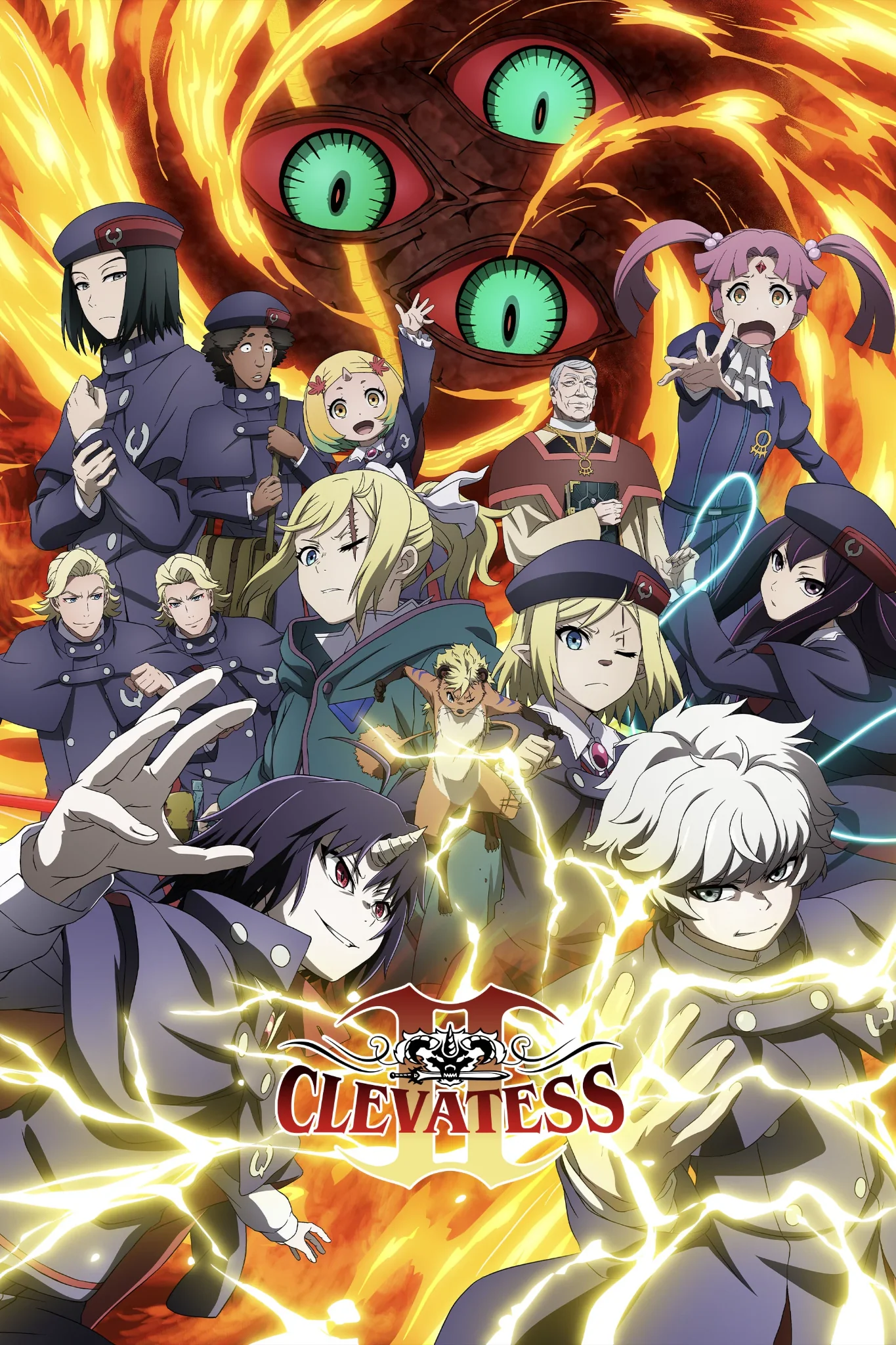
The first striking choice is that season two does not try to repeat what worked before. The atmosphere is still dark and violence remains present, but the shape of the story changes. Moving into an academy could easily have turned the series into a conventional fantasy-school tale full of familiar templates. Clevatess avoids that trap quickly.
The academy is less a place of study than a facade for a corrupt world of experiments, secrets and beings whose real scale humans cannot comprehend. As the season goes on, even the school loses its ordinary form. Mysterious books, monsters, exploited bodies, ancient forces and conflicts reaching far beyond its walls turn the place into something close to a nightmare.
This is one of the season's major strengths: expanding the world does not merely mean adding locations. The new discoveries make us reconsider how that world works in the first place.
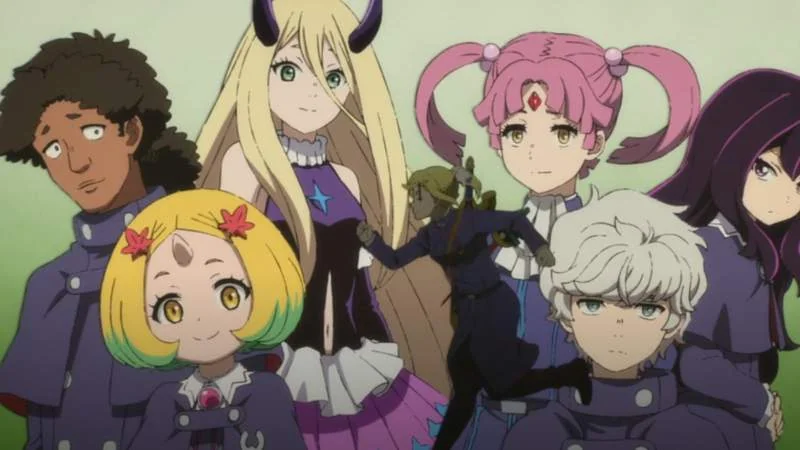
Clevatess is more than a monster waiting to erupt
Perhaps the best part of Clevatess's writing this season is the continuing tension between monster and hero. He is not a kind protagonist secretly hiding a heart of gold, and the series does not tame him so easily. He can still regard humans as lesser beings and speak of killing them with frighteningly cold logic.
At the same time, it has become difficult to believe his claim that Alicia and Luna are merely tools. Nearly everything he does betrays something else. Alicia's disappearance does not feel to him like the loss of a replaceable piece, and he intervenes when others are in danger more readily than he wants to admit. Luna brings out another side of him altogether.
Those contradictions keep him compelling. Make him too human and he becomes another Demon King we know is good underneath. Leave him an uncaring monster and the emotional reason to follow him disappears. Season two understands that balance.
Alicia: suffering finally becomes growth
If anyone pays the greatest price for the story's expansion, it is Alicia. For much of the season she is separated from Clevatess and everyone else. She is turned into a tiny creature, imprisoned, crushed and killed more than once, passing through the absurd and horrifying situations that seem possible only in this series. In some episodes the repetition makes you wonder whether the story has left her stuck for too long.
The surprise is that this experience eventually gains a larger meaning. Her journey is not just about becoming physically stronger. It is about living with a changed identity: a woman who died, returned, became servant to a creature supposed to be humanity's enemy and has changed in body and mind, yet still holds on to the idea that she is a Hero.
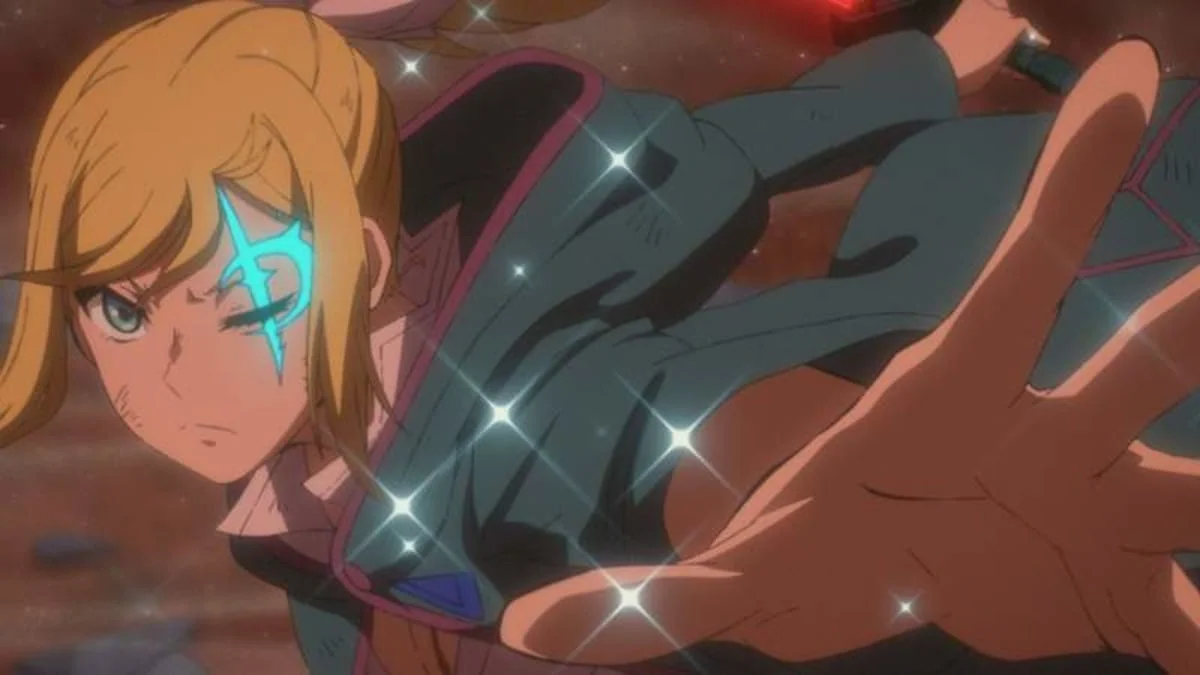
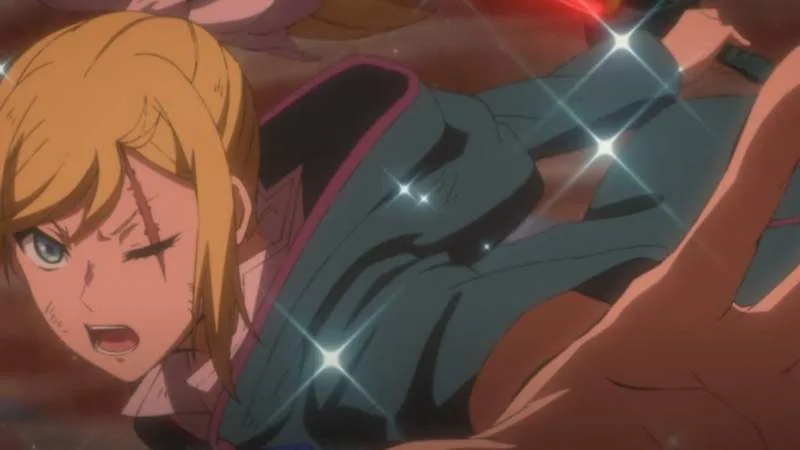
That is why confronting darker versions of herself, and then the life she might have lived with her family, matters more than another ordinary fight. Choosing to return to her painful reality rather than surrender to a perfect illusion sums Alicia up. Her real strength is not that she cannot die; it is that each time she falls, she finds another reason to rise.
Accepting the parts of herself she once feared gives her storyline one of the season's strongest emotional endings.
The problem: the season wants to tell everything
The very ambition that makes the season exciting is its biggest problem. The number of new characters and threads is enormous: students, teachers, princes, political powers, figures from different kingdoms, Dark Beast Lords, Drel's secrets, Toah's history, the True Hero and previously unseen relationships. Every few episodes there seems to be another name to remember or power that rewrites the world's rules.
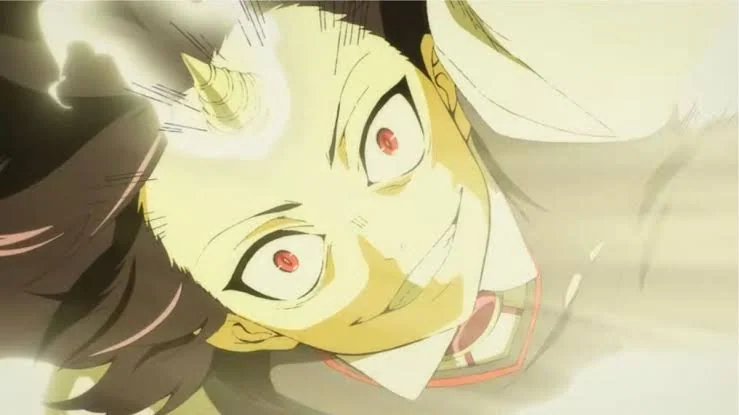
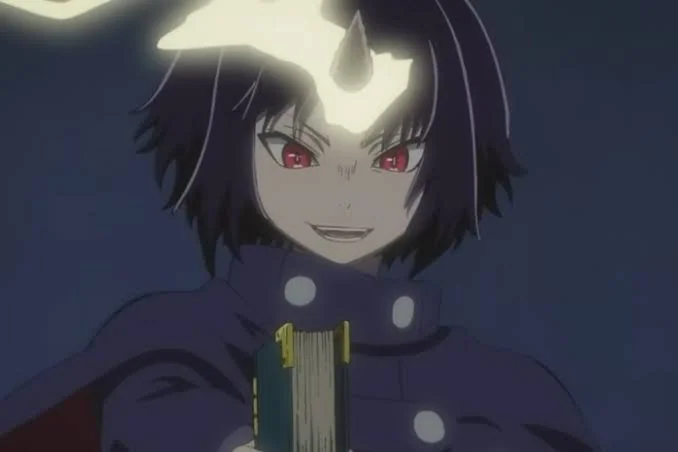
Some arrivals establish their value quickly. Naie makes strong use of her time, in comedy, combat and her increasingly odd relationship with Clevatess. Ray leaves a real impression too: their confrontation is more than a battle, revealing something significant about Shiro and the form Clevatess chose for himself.
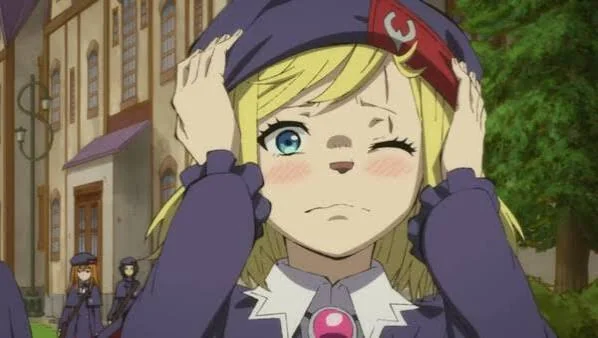
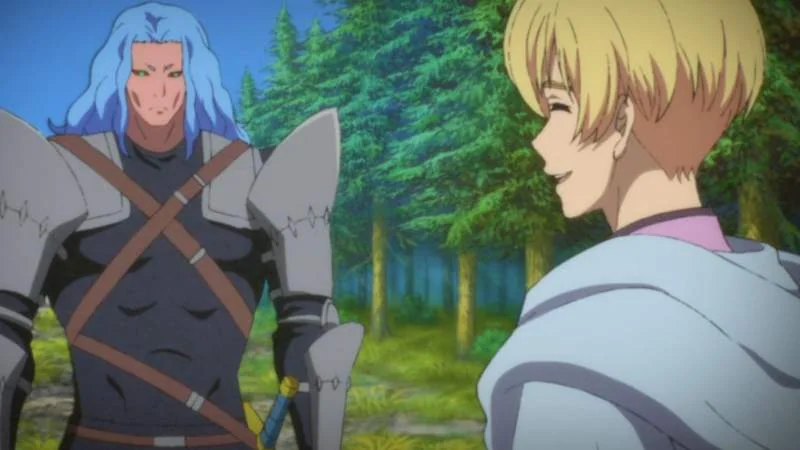
Others pass through long stretches without giving us a clear reason to invest in them. At times the show looks as though it is holding ten stories and trying to keep all of them from falling at once. Fascinatingly, it usually manages—but it comes close to losing control more than once.
Pacing: fun even when it circles in place
The clearest weakness is pacing. For a comparatively long stretch Clevatess remains above the tower while Alicia is imprisoned in her own thread. The two central characters who carry the series are separated, each effectively stuck in the same place, while episodes move among many side stories.
Parts of the story consequently feel as though they are circling in place. Yet the series has enough style and personality to make even that circling enjoyable. You can criticise the construction and minutes later find yourself absorbed by a bloody battle, a black joke or a gloriously strange creature.
That almost describes the season as a whole: it is not always organised, but it is rarely boring.
Its visual identity remains a major weapon
Visually, Clevatess still stands apart from much contemporary fantasy anime. The image has a deliberate roughness, dense colours with an older feel, and something of classic dark fantasy and heavy-metal illustration. It loves flesh, bone, shadow and unnatural creatures, and does not fear ugliness when ugliness belongs in the scene.
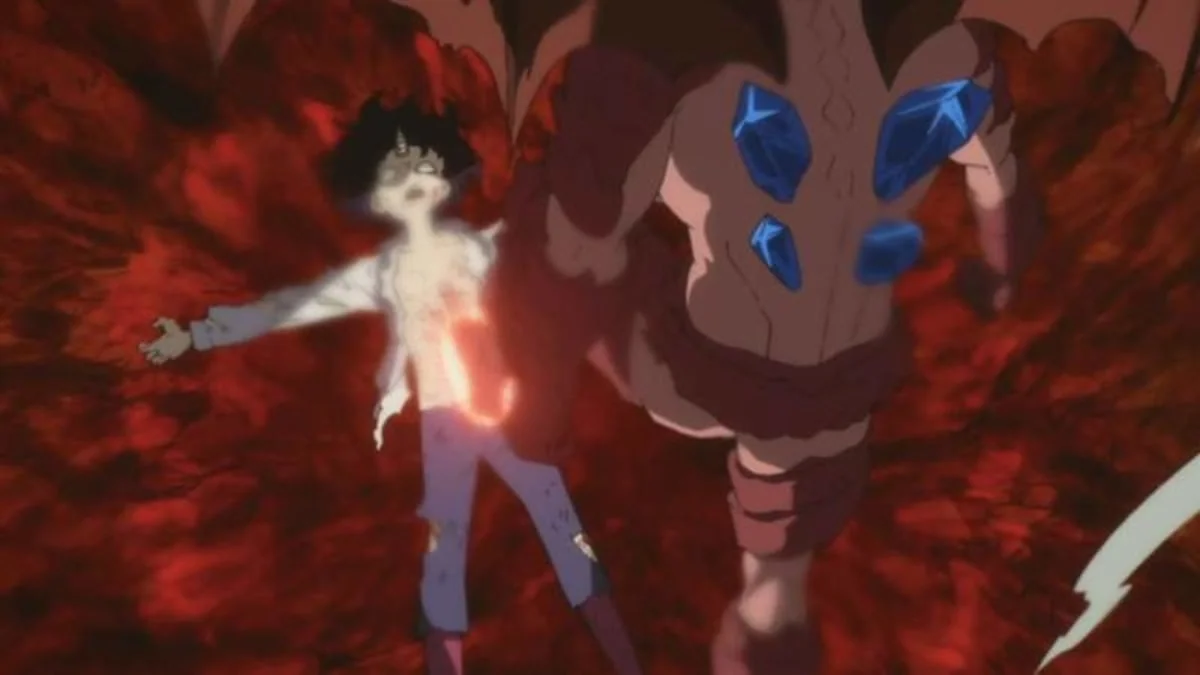
The fight between Clevatess and Ray is among the strongest examples, in movement and in the overwhelming difference between a human and a Dark Beast. The visual standard, however, is not constant across every episode.
Some of Alicia's confrontations use CGI that stands out beside the stronger 2D fights, and a few later episodes show signs of production strain just as the story reaches its biggest revelations. The underlying artistic identity is still too distinctive for the season to feel generic.
Toah and the True Hero reward our patience
The strongest evidence that all this world-building was not pointless arrives near the end. The truth about Toah and the True Hero changes how we understand much of the world's mythology. Rather than a simple tale of a great champion resisting darkness, we uncover a more corrupt and complicated history.
Toah was no ideal kingdom destroyed by evil. It was a system that used heroes within a brutal cycle of violence. The True Hero was not merely a victim of that world; the story gradually reveals how central he was to its fall.
The revelation reframes the question on which the series has rested from the start: who is really a hero? Are humans good simply because they are human, and Dark Beasts evil because they are monsters? What happens when the system supposed to create heroes is more monstrous than those they fight?
Here the wider mythology becomes one of the season's best qualities. The information does not add lore for lore's sake; it asks us to reinterpret heroism itself.
The ending: big answers, bigger questions
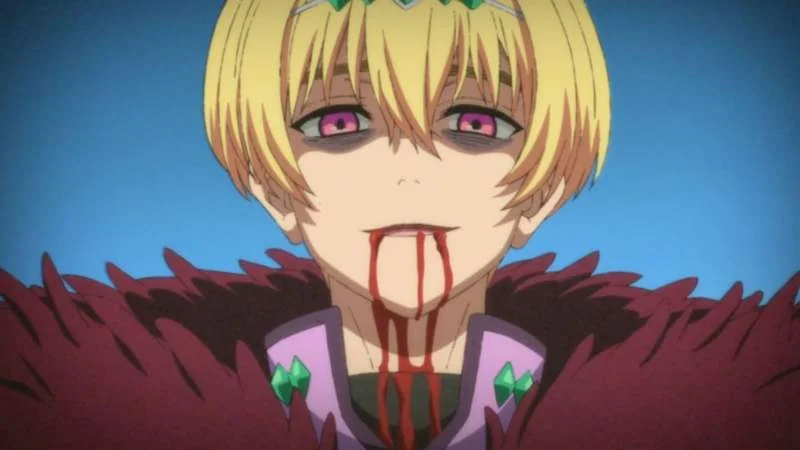
The final episodes try to draw together a huge number of threads in very little time. Alicia reaches a crucial point in her development, while Clevatess's clash with Vorden finally uncovers part of the history the season has been preparing. Seeing an opponent who can actually threaten him is something the story needed: for too long he has seemed untouchable, and that challenge restores danger.
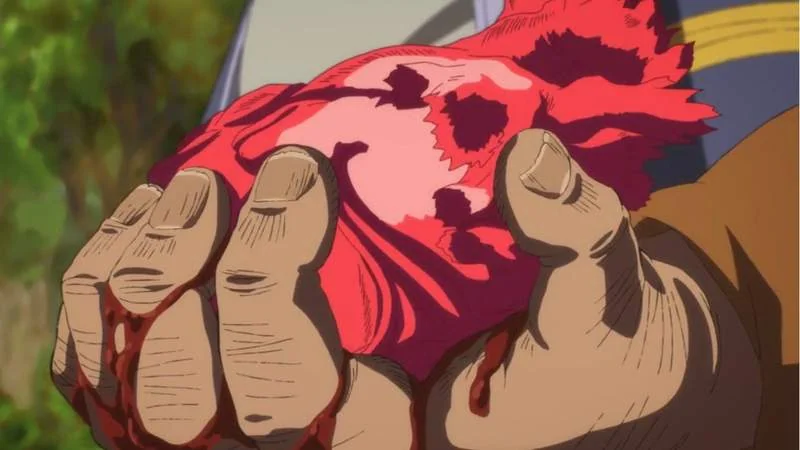
But the finale refuses to stop there. Toah's secret expands, Clevatess's situation changes suddenly, and Jazhak steals Klen's heart before the story leaps five years into the future. It is an effective cliffhanger—and a little frustrating.
The frustration is not that the ending fails. It arrives just when all that preparation finally seems to be turning into answers, only to tell us that much of the answer will come later. Alicia's development closes with a satisfying measure of resolution, while Clevatess and the fate of his world are left in enormous uncertainty.
Strengths and weaknesses
World-building is the season's greatest strength. It makes Clevatess's world feel older, larger and more corrupt than we imagined, gives Alicia one of her most important developments and continues the strange bond between humans and Clevatess without abruptly turning him into a pleasant hero. The visual identity, black humour and violence remain unmistakably its own.
Its biggest weakness is trying to do too much in too little time. The many newcomers and storylines crowd the structure, disrupt the pace and keep the two central characters apart longer than they should be.
Final verdict
Final verdict
Clevatess season two is not as cleanly structured as the first, and does not always reach its predecessor's emotional or bloody peaks. It is bolder. It opens up a world that was already compelling and shows that the first story was only a small part of a much larger picture. At times the mysteries and characters overwhelm the pace, and some ideas need more room. But when Clevatess works, very little anime feels quite like it. Alicia and Clevatess are not only an engaging pair; they are the heart of a strange dark-fantasy journey becoming a larger legend about heroism, power and humanity. My rating: 8/10.
Your turn
After Klen's fate and the five-year jump, how much of what we have seen was only the prologue to the real story?
AUDIENCE VOTE
Do you agree with the MB rating?
Choose once from this browser. You can change your answer at any time.