The review
A genre that refuses one label
The series moves freely between dark comedy, conspiracy thriller and existential drama. A scene can begin as bureaucratic farce and end with genuine danger, while a visual joke may conceal an argument about medicine, power or loneliness. That instability is part of its identity rather than a failure of control.
The tonal switches can nevertheless be demanding. Some comic detours reduce the pressure of the chase, and viewers expecting a conventional thriller may find the rhythm disorienting. The reward is a series whose strangeness feels inseparable from what it wants to say.
The blue mushroom and the price of hope
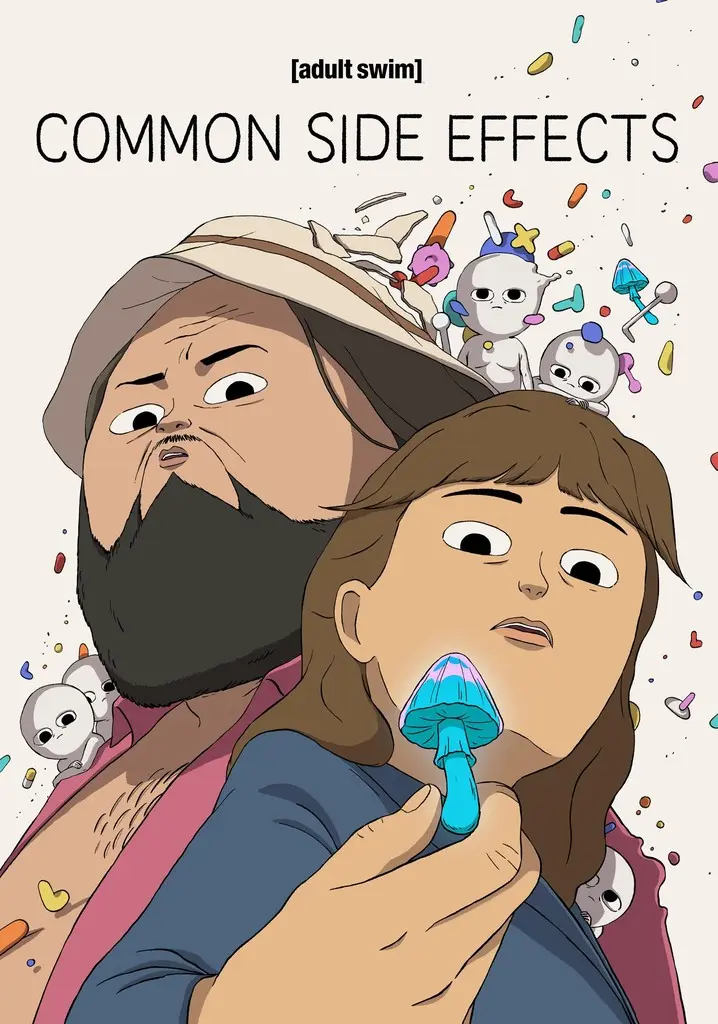
The mushroom is not merely a cure. It represents scientific hope before institutions package, patent and empty it of meaning. Its existence threatens a commercial order built around managing illness rather than ending it, turning a medical miracle into a political weapon.
The central question is brutally simple: if mortality can be defeated, do human beings possess the ethics required to deserve that victory? The series repeatedly suggests that immortality without humanity would only preserve corruption forever.
Marshall, Frances and compromised loyalty
Marshall is the classic apparently mad man who sees the system more clearly than everyone around him. His idealism is inspiring, but his obsession and mistrust make him vulnerable. He wants to save humanity while struggling to remain connected to individual human beings.
Frances gives the conflict its emotional tension. Her affection for Marshall collides with loyalty to the pharmaceutical company and with the security that institution provides. She is neither a simple betrayer nor a clean moral counterweight, but a person pulled apart by incompatible obligations.
Agents dancing beside the end of the world
Copano and Harrington embody the show's absurdist comedy. They can dance to a cheerful song while pursuing the one person who might save the world, allowing ordinary banter and institutional violence to occupy the same frame.
Their humor never completely removes their threat. Instead, it reveals how destructive systems often operate through people who treat extraordinary harm as another routine assignment.
Medicine, consciousness and the marketplace
The series turns treatment itself into a commodity and imagines consciousness as another product ready to be marketed. Hospitals, laboratories and offices become variations of the same machine: every discovery is first measured by ownership and profit, then by its effect on human life.
The satire reaches beyond pharmaceutical companies toward a society desperate for effortless salvation. The problem is not only that corporations steal the cure, but that the public may consume it without confronting the moral illness that made theft inevitable.
An ugly beauty by design
The animation is not conventionally attractive. Uneven faces, slightly distorted bodies and anxious movement create a world that looks permanently unwell. Corporate browns and greys are broken by the living blue of the mushroom, making hope visually impossible to ignore.
When someone consumes the fungus, the image becomes an inward psychological journey. Music also moves between industrial calm and sudden rupture, deepening the feeling that healing can be beautiful, frightening and destabilizing at once.
Strengths and side effects
Its bold philosophy, layered characters, surprising balance of satire and emotion, and inventive visual direction make it one of 2025's most distinctive animated series. It uses a fantastic premise to speak directly about the systems governing real life.
Rapid movement between seriousness and comedy can cause confusion, while a few secondary comic plots weaken the overall tension. Those flaws do not erase the clarity of the show's central diagnosis: a cure cannot save a society unwilling to examine its disease.
Final verdict
Final verdict
Common Side Effects is more than an animated conspiracy thriller. It is a thought experiment that leaves one question after every episode: are we genuinely looking for a cure, or simply trying to ignore the disease? In a world growing more irrational by the day, the series argues that apparent madness may be the only remaining way to stay sane.
AUDIENCE VOTE
Do you agree with the MB rating?
Choose once from this browser. You can change your answer at any time.