The review
An intimate first half with a purpose
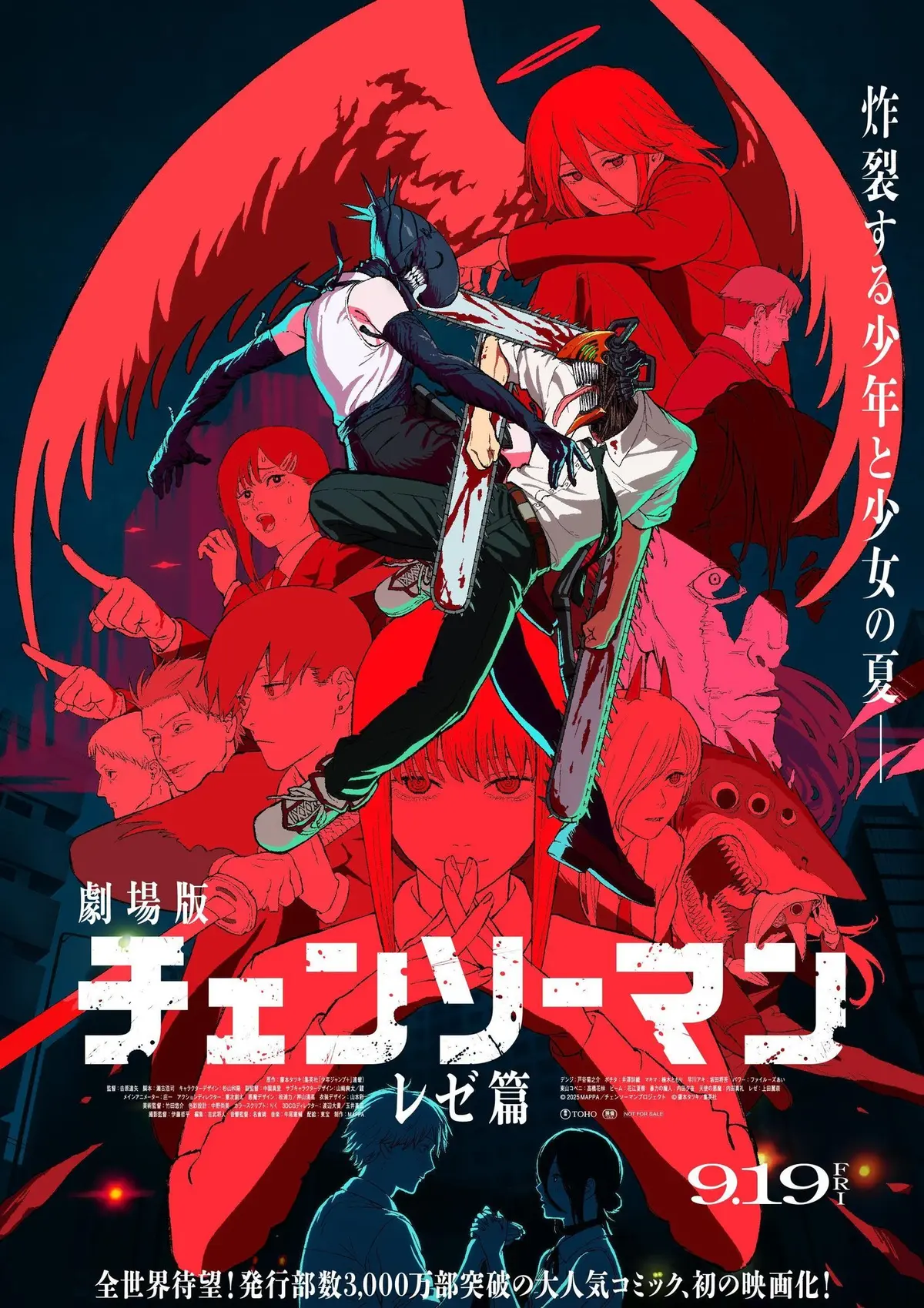
The screenplay assumes knowledge of the first season and spends little time reintroducing the world. That freedom lets it stay close to Denji's vulnerability. He remains emotionally attached to Makima yet is drawn to Reze because she appears to offer something Makima never has: unconditioned warmth, shared awkwardness and the possibility of being seen as a person.
Nearly an hour is devoted to gestures, conversation and everyday spaces. The pacing may test viewers expecting immediate violence, but it is a deliberate investment: every romantic scene becomes safer on the surface and more dangerous underneath. Denji climbs from hunger and basic safety toward affection, only to discover that intimacy can also be weaponized.
The moment love becomes a battlefield
Reze's revelation as the Bomb Devil radically changes image, sound and rhythm. The film opens into brutal action and a wider political conflict involving foreign powers, but it never abandons the relationship. Every explosion carries the contradiction between genuine feeling and assigned mission; the battle is both physical and a refusal to admit what either character wanted.
Denji, Reze and Makima's invisible triangle
Denji is the city mouse: always running toward scraps of comfort while failing to see the system exploiting him. Reze mirrors him more closely than either first realizes: killer and victim, state weapon and adolescent capable of love. Her words remain double-sided, legible as trained seduction and as feelings that become real while she performs them.
Makima barely needs screen time to dominate the structure. Her shadow reminds us that Denji's choices, attachments and imagined escape are already observed. The painful question is not simply whether he loves Reze, but whether someone controlled this completely can recognize a door before it closes.
Visual intimacy, explosive craft
A refreshed color palette gives the film its own identity. Minute body movement and careful framing create visual intimacy in the quiet half; later, the same precision gives the final confrontation speed and destructive scale. Music follows the film's central opposition, treating quiet and devastation as two expressions of the same doomed connection.
Final verdict
Final verdict
Reze Arc ends with a wound in Denji's heart and ours. Its quiet build, political violence and bitter conclusion reveal the human tragedy hidden beneath Chainsaw Man's madness. Viewers new to the series may struggle with its lack of setup, but for those already invested, this is a beautiful, explosive turning point and a warning that Denji's road only grows darker.
AUDIENCE VOTE
Do you agree with the MB rating?
Choose once from this browser. You can change your answer at any time.