The review
Rue remains the season's emotional center
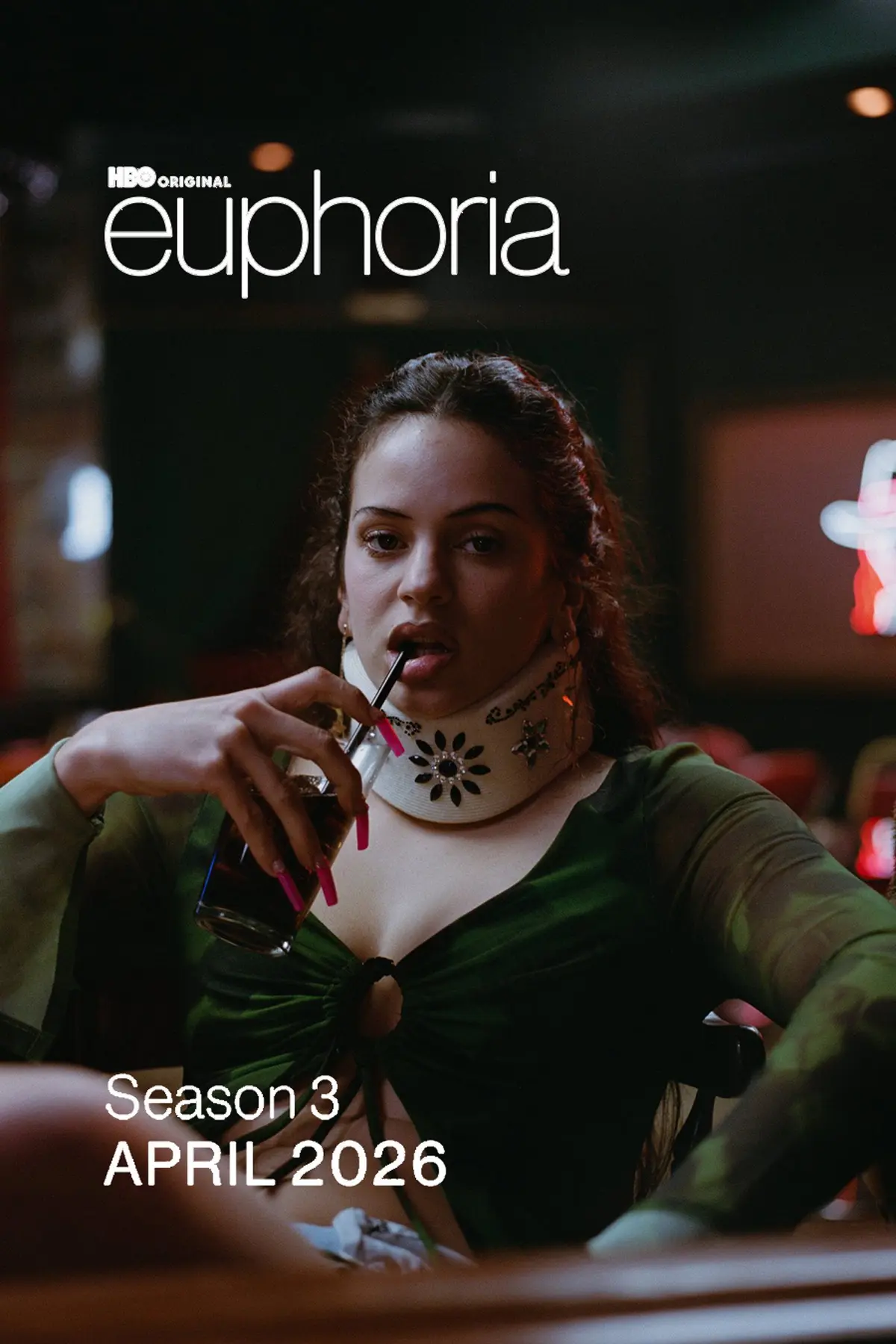
Rue is not trying to reinvent herself so much as win enough space to breathe. Her old choices keep pulling her toward a more dangerous criminal world, and the dramatic line stays clear: the desire to survive against the familiar attraction of falling again.
This is still more than an addiction story. It is the portrait of someone who wants an ordinary life but cannot locate the road to it. The performance carries shame, fatigue and fear without turning them into a speech, allowing Rue's smallest moments to contain more feeling than several of the season's larger plot turns.
A beautiful picture assembled from scattered pieces
The wider plot resembles separate fragments from the same painting. Each strand can be compelling on its own, yet the complete image does not always form. The second half pulls the pieces closer together, but the long, loose opening leaves a drag the season never fully erases.
The strongest passages are Rue's fight to remain alive, her collisions with the criminal world and a final stretch willing to be harsh rather than comforting. Between them sit empty spaces in which characters drift and events feel presented to us instead of lived with us.
Nate, Cassie and Maddy lose some of their dramatic weight
Nate changes from a dominant presence into a man collapsing under debt and fear. The destination is plausible, but the writing and performance do not always make the internal struggle visible; the change can appear to happen around him rather than through him.
Cassie and Maddy move between rivalry and solidarity, jealousy and need. Their relationship offers a genuinely human thread, yet the season rarely gives it enough focus to become the emotional counterweight Rue's story needs.
An ensemble wider than it is deep
Jules is pushed so far toward the margins that the absence feels insufficiently motivated, while new characters enter without leaving an equally strong dramatic mark. The season keeps expanding its perimeter without giving every familiar face a meaningful destination.
This imbalance makes Rue's strength even clearer, but it also exposes how dependent the season has become on one performance and one narrative line. When she is absent, the series can feel populated yet oddly hollow.
Growing up costs the series some of its emotional identity
The season wants to move from the chaos of youth to the weight of adulthood, from the dream to the price. That is a smart progression, and the quieter surface can reflect characters who no longer possess the energy to dramatize every wound.
Yet restraint frequently becomes coldness. Earlier seasons could be excessive, but their feeling was unmistakable. Here the emotion is held so tightly that several scenes pass without leaving the scar they seem designed to create.
A brave ending without full emotional release
The ending refuses easy redemption and leaves the characters facing what they have become. That courage suits a series whose central promise has always been that survival is complicated and healing incomplete.
The cost is a shortage of emotional release. After a long and difficult journey, the season offers neither a real breath nor a satisfying goodbye. The choice is honest, but honesty alone does not entirely replace dramatic fulfilment.
Direction that whispers, sometimes too softly
The direction is calmer on the surface and turbulent underneath. It trades shock for slow pressure, bringing the camera close enough to share the characters' suffocation. In its best moments, that patience lands with precision.
At other times the whisper becomes too faint. A scene can look mature and controlled while passing without force, as though it is being exhibited rather than experienced. The new restraint is purposeful, but not consistently powerful.
Beautiful images that occasionally seek admiration
The cinematography remains tactile: colors turn washed-out or violently saturated according to mood, while shadow in Rue's scenes communicates what dialogue cannot. Rooms, clutter and narrow spaces operate as an unspoken account of fatigue and pressure.
The visual confidence occasionally slips into display. Certain shots appear designed to be admired more than understood, catching the eye while escaping the heart. The production design is more disciplined, using each environment as an extension of the person trapped inside it.
Performance becomes the shelter when the story falters
Rue's performance does not imitate pain; it lives inside it, making the viewer a companion to every relapse and attempt to stand. Elsewhere the ensemble fluctuates: some actors ignite individual scenes, then disappear before their work can become a full arc.
The editing shares that instability. It can cut sharply and create genuine danger, then linger until momentum drains away. This uneven rhythm reinforces the season's central contradiction: individual moments remain powerful while the complete movement feels less certain.
Final verdict
Final verdict
Euphoria's third season stands in an unsettled middle ground: neither a clear failure nor a complete success. Its attempt to grow with its characters is intelligent, Rue's story remains powerful and the ending is admirably unwilling to lie about recovery. Yet the fractured plotting, uneven pace, marginalization of important characters and loss of some of the show's earlier emotional heat prevent the season from becoming what it might have been. It is a story about falling when the fall grows older, pain when it becomes quiet and survival that never arrives whole, honest in its core, even when incomplete in its form.
Your turn
Did the season's quieter, more mature tone deepen the characters, or did it take away the emotional identity that made Euphoria distinctive?
AUDIENCE VOTE
Do you agree with the MB rating?
Choose once from this browser. You can change your answer at any time.