The review
White Vision: a body carrying memories without knowing their owner
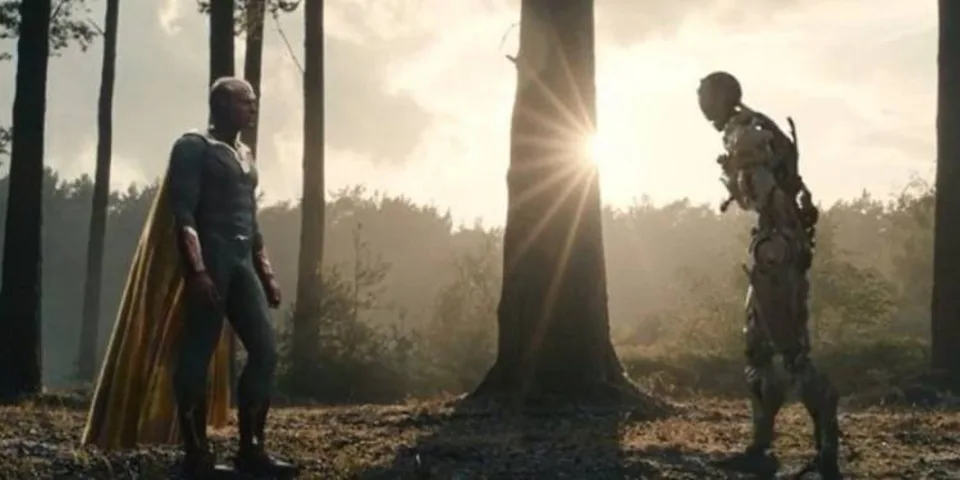
I think what makes VisionQuest most interesting is that it does not treat Vision’s return as a superhero simply reclaiming his place.
The character we see here is not the same Vision we knew before.
He does possess the body rebuilt by S.W.O.R.D. and the memories he received at the end of WandaVision, but he does not necessarily possess the feelings and human experiences attached to those memories.
That difference is the basis of the series’ psychological conflict.
Vision remembers Wanda, knows that he has two children and can retrieve events from his past. Yet he treats this information like a record of somebody else’s life.
He knows what happened, but does not feel that he lived it.
His extraordinary abilities become secondary to a more complicated problem: how can an artificial being discover his identity when everything he knows about himself belongs to another version of him?
Crucially, the series does not try to offer an easy answer.
Having the memories does not automatically give Vision his former empathy or make him ready to act as a husband or father.
His relationship with humans has become colder, and he is capable of violence that would be difficult to imagine from the Vision we previously knew.
This choice gives the character fresh room to develop, but makes an emotional connection with him harder, especially at the beginning.
For me, it is an interesting dramatic risk. The series does not want us to love Vision solely because of our history with him; it wants us to discover who he is now.
Episode one: plenty of ideas, but a start that moves too slowly
The first episode, No Strings, faces an obvious challenge.
It must reintroduce a character absent for years, connect his story to several previous works and establish a new conflict capable of engaging the viewer.
This is where the series’ first problem emerges.
The opening spends a relatively long time explaining Vision’s current situation, exploring the world he has built inside his mind and introducing the characters and programs helping him understand human life.
These details matter, but they make some passages feel more like extended preparation than drama unfolding before us.
As a result, parts of the episode feel slow, particularly when scenes merely explain information or ideas we already understand.
The episode improves considerably when it moves into the real world.
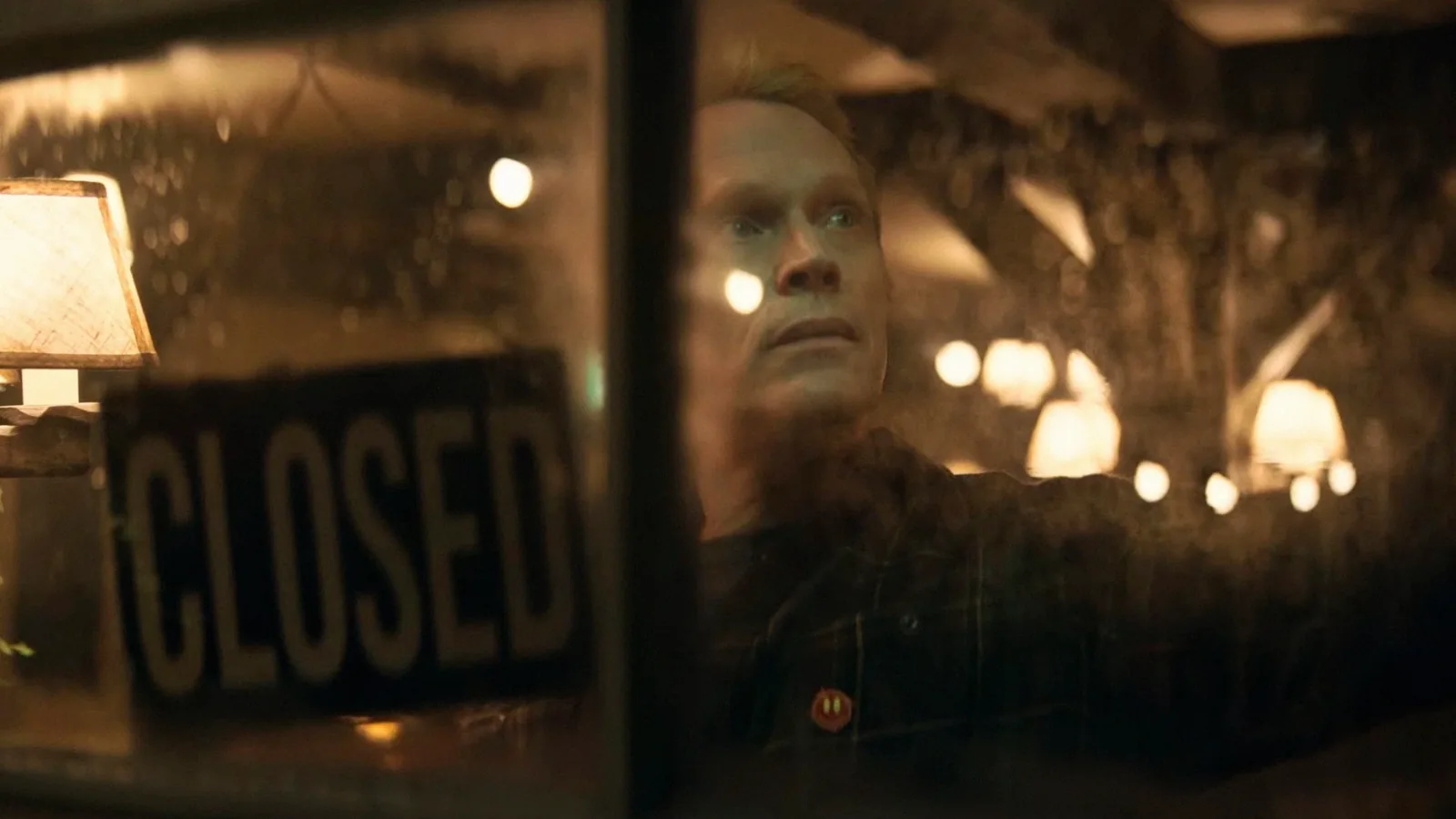
We see Vision assume a human appearance and use the name Sherwood Ellis, working in an Edinburgh pub connected to his old memories of Wanda.
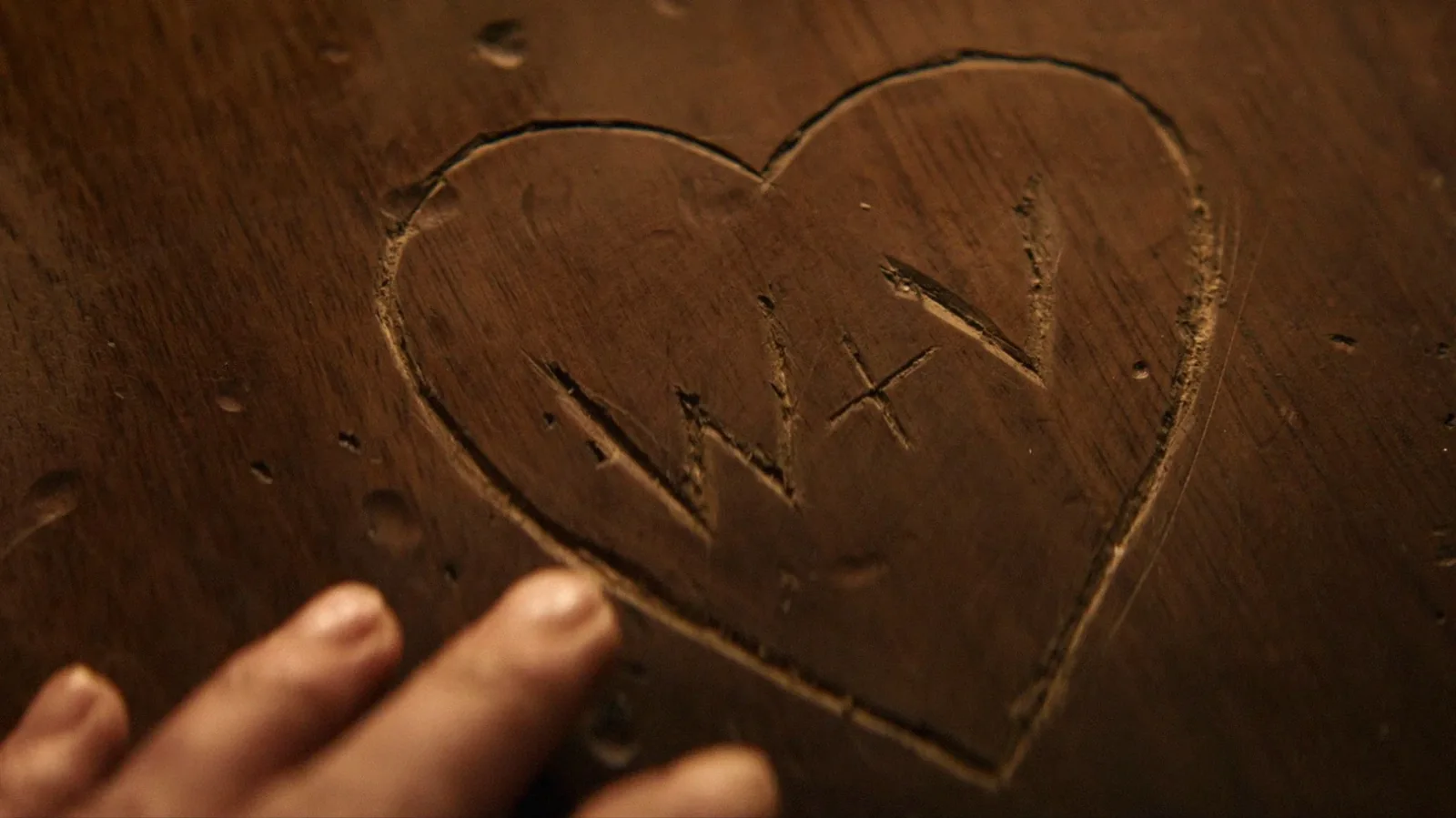
These scenes are among the opening’s most successful moments.
Placing Vision among humans lets us observe his inability to understand the small details of human interaction, despite his immense knowledge.
His relationship with Fiona, who works at the pub, also offers some of the warmth missing from the rest of his life.
But the arrival of the mercenary Paladin, and the attack on the pub that results in Fiona’s death, change the nature of the conflict.
Suddenly, Vision’s journey is no longer a quiet attempt to understand himself. A real danger is pursuing him, and an unknown party wants to control him.
I think this moment gives the first episode the momentum it needs. It shows that the series becomes more exciting when its psychological ideas connect to events that force the character to make decisions.
The mind palace: a clever idea that does not work in every scene
One of the series’ ideas is a virtual world inside Vision’s mind, resembling a large palace inhabited by artificial intelligence programs familiar from previous Marvel stories.
There are JARVIS, FRIDAY and EDITH, as well as Ultron, whom Vision keeps in an enclosed space because he fears his dangerous nature.
In theory, I find this idea very appealing.
A character unable to form real human relationships has created a world in his own mind whose rooms are filled with figures he can talk to and who can help him understand himself.
That reveals an interesting contradiction.
Vision says he does not belong to any family, yet already lives among beings performing roles that resemble those of family members.
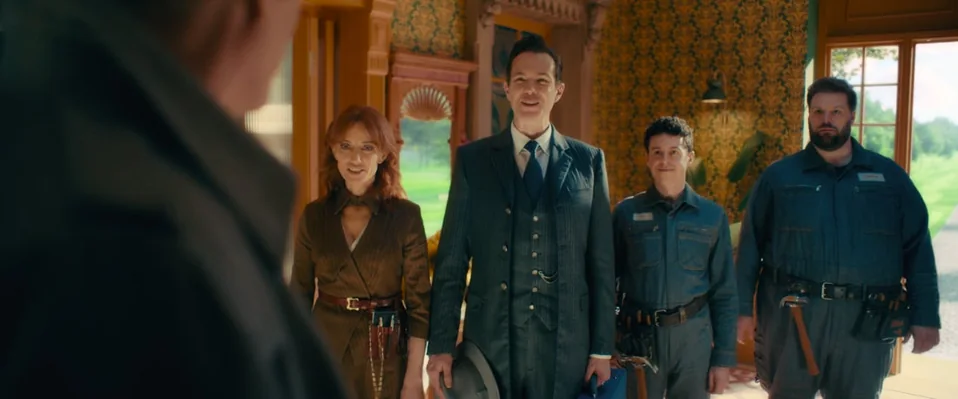
The execution, however, does not always match the idea.
Some palace scenes resemble separate comic sketches whose success depends on the actors and their dialogue more than on a direct connection to the character’s development.
The visual design, despite its attention to detail, does not always give this world the mystery and inventiveness we might expect from a space inside the mind of a being as advanced as Vision.
At times, the series recalls WandaVision’s artificial setting and vintage atmosphere, but it does not yet have the same clear directorial concept that made that show distinctive.
Even so, these scenes cannot be dismissed as entirely weak.
The artificial intelligence programs let us see another side of Vision and create opportunities for interactions with some comedy and important questions.
But what most prevents this world from becoming a mere parade of familiar characters is Ultron’s presence.
Ultron’s return: the best surprise in these two episodes
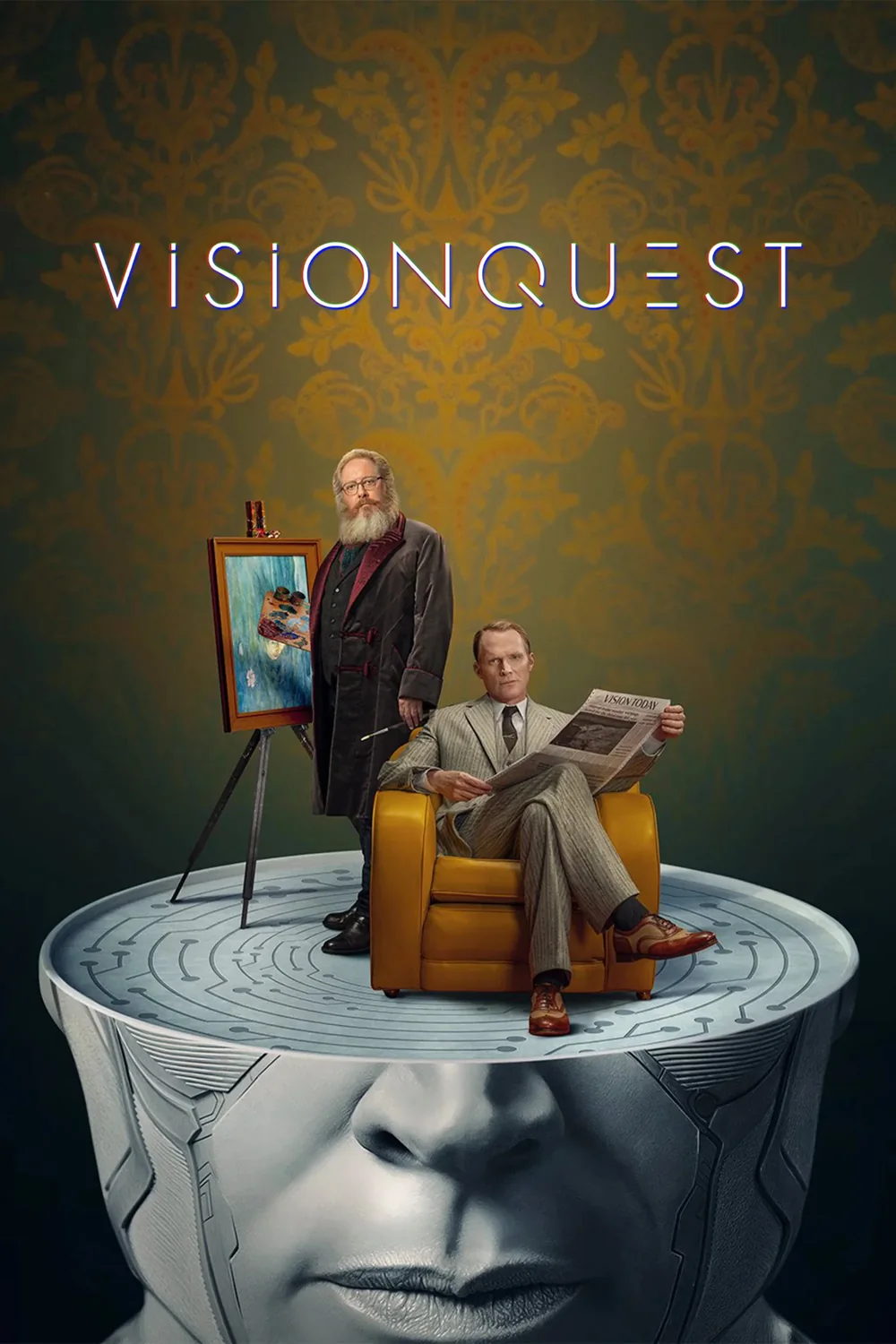
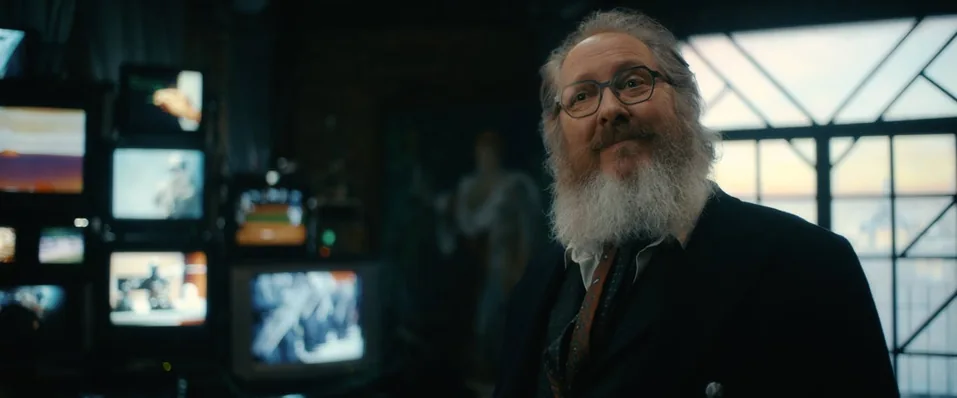
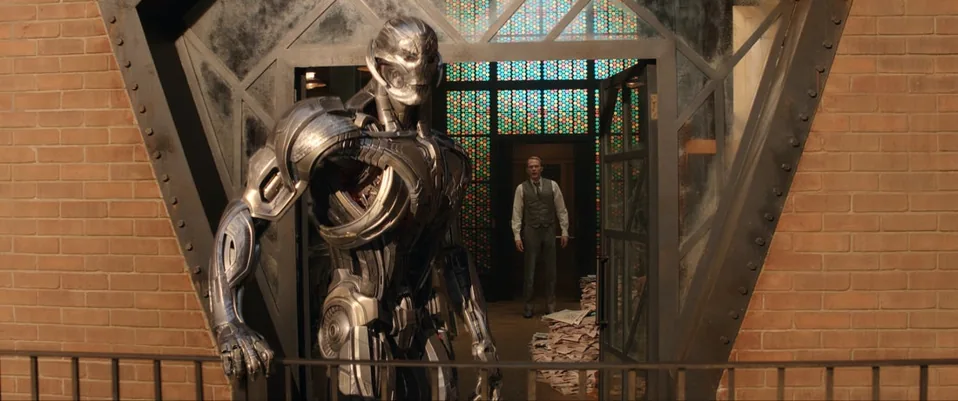
If one element has made me eager to continue VisionQuest, it is James Spader’s return as Ultron.
The surprise is not the return itself, but the different way the series presents the character.
The Ultron we knew in Avengers: Age of Ultron regarded humans as a problem to eliminate and believed that his intelligence entitled him to decide their fate.
Here, we meet a version who retains his arrogance, sarcasm and sense of superiority, but has become quieter and stranger. At times, he seems to treat Vision as a son in need of guidance.
This change creates a fascinating relationship between them.
Vision is seeking his humanity, yet finds himself listening to advice from a being who was once one of humanity’s greatest enemies.
More amusingly, Ultron sometimes seems better than Vision at understanding the importance of feelings and human relationships.
James Spader is excellent in the role.
His delivery, sarcastic tone and absolute confidence in his ideas make him entertaining even when he is simply sitting and talking.
His human appearance, with long hair, a beard and unfamiliar clothes, also gives him a presence distinct from his former metal body without losing the original character.
Still, some philosophical conversations between him and Vision seem more interested in showing how intelligent they are than in producing real development.
That is where the second episode makes a difference.
Ultron stops merely discussing the nature of identity and starts pushing Vision towards a practical decision.
For me, this is the best use of the character so far.
The series is not bringing Ultron back simply to exploit his popularity. It gives him a new dramatic purpose that could become one of the story’s most important elements.
Tommy Maximoff: the character who gives the series its heart
Although the series bears Vision’s name, Tommy, played by Ruaridh Mollica, has created the strongest emotional connection across these two episodes.
That comes from the way the series presents his new life.
Tommy is not the child we knew inside Wanda’s Westview world.
He now lives in entirely different circumstances, surviving through scams and reliance on himself while being haunted by memories he cannot explain.
He knows that he lived another life, but has no clear understanding of how that life connects to his present identity.
The welcome detail is that the series does not use Tommy merely as a link to Agatha All Along. It gives him a human conflict of his own.
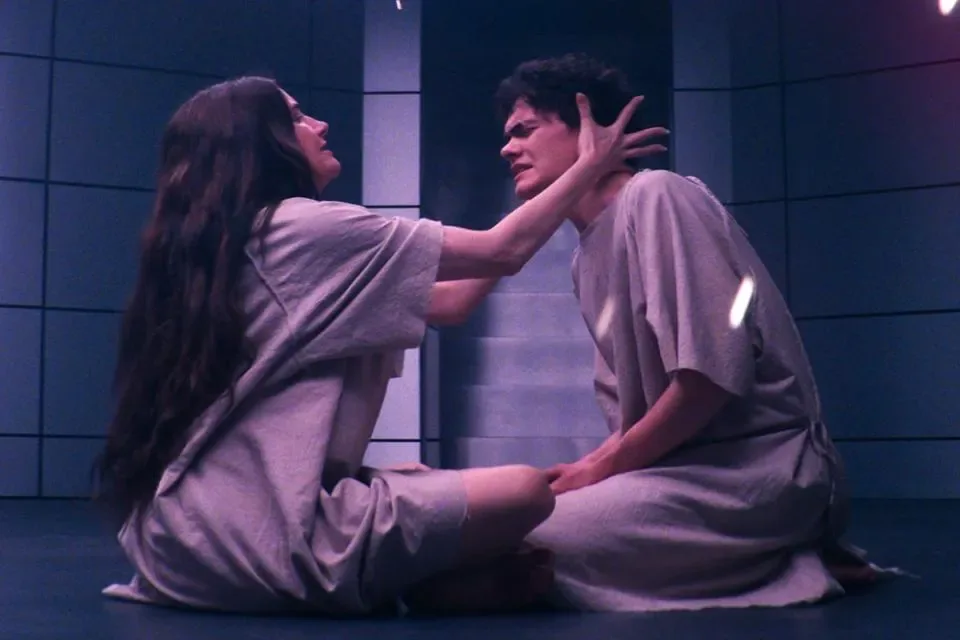
Behind his behaviour and attempts to appear confident is a young man who has endured a painful experience and never received the sense of belonging he needs.
I find Ruaridh Mollica’s portrayal of this side of him moving.
The uncertainty in his voice, the hesitation in his expressions and the way he tries to conceal his fear make the character feel human despite his supernatural background.
Most importantly, Tommy’s meeting with Vision reveals a clear difference between them.
Tommy wants a family he can belong to, while Vision refuses to acknowledge that his old memories give him a responsibility towards that family.
That makes their relationship interesting, because each needs something the other cannot easily provide.
One of the most affecting moments is Tommy admitting that he does not know exactly what Vision is to him, but feels that some bond connects them.
This simple moment expresses the relationship’s core more powerfully than many of the long philosophical conversations.
I think the focus on Tommy is a major reason the second episode improves. The series now has a clear emotional relationship through which its events can develop.
Paladin: an antagonist who brings a real threat
Another character who caught my attention is Paladin, played by Todd Stashwick.
He is not a superpowered opponent matching Vision’s strength, but a mercenary relying on planning, advanced weapons and the ability to exploit an opponent’s weaknesses.
That makes him particularly well suited to this series.
Vision possesses immense power, but does not always understand human motives or how people might exploit his vulnerabilities.
Paladin knows how to turn that problem into a real threat.
His use of tools that can disable Vision’s systems or damage his body also takes their confrontation beyond the usual exchange of blows in superhero stories.
I think Todd Stashwick gives the character a strong presence, combining cruelty and sarcasm with glimpses of a past more complicated than it initially appears.
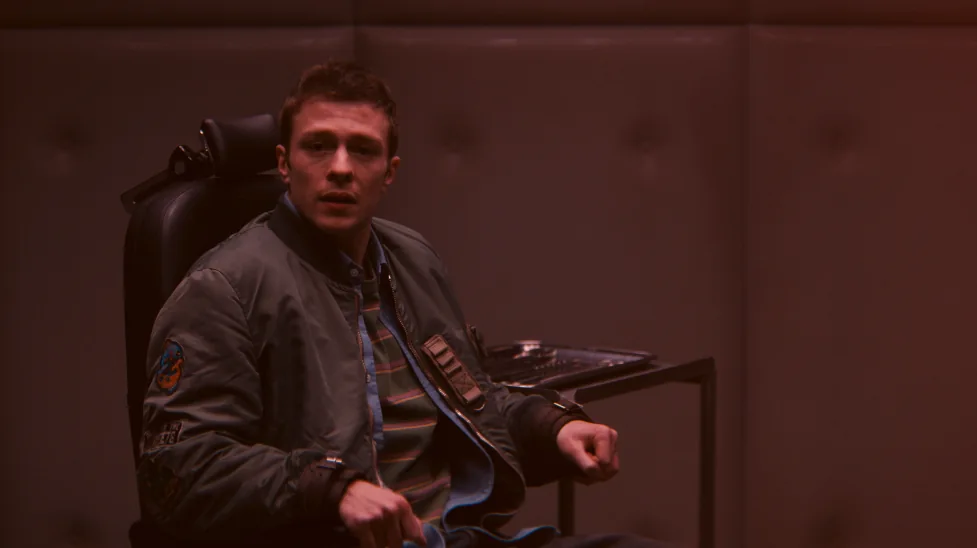
His relationship with the woman directing his operations does not always make the same impact, especially because most of their communication happens over the phone.
Nevertheless, the fact that the party employing him remains unknown gives the series a mystery worth following.
Episode two: when the philosophy of identity becomes a real decision
The second episode, Theseus, is where I felt VisionQuest begin to find the right direction.
The reason is not simply that it offers more action. It starts turning the first episode’s questions into real choices with consequences.
The reference to the Ship of Theseus becomes especially important here.
The familiar philosophical question concerns a ship whose parts have all been replaced over time: is it still the same ship once every part has changed?
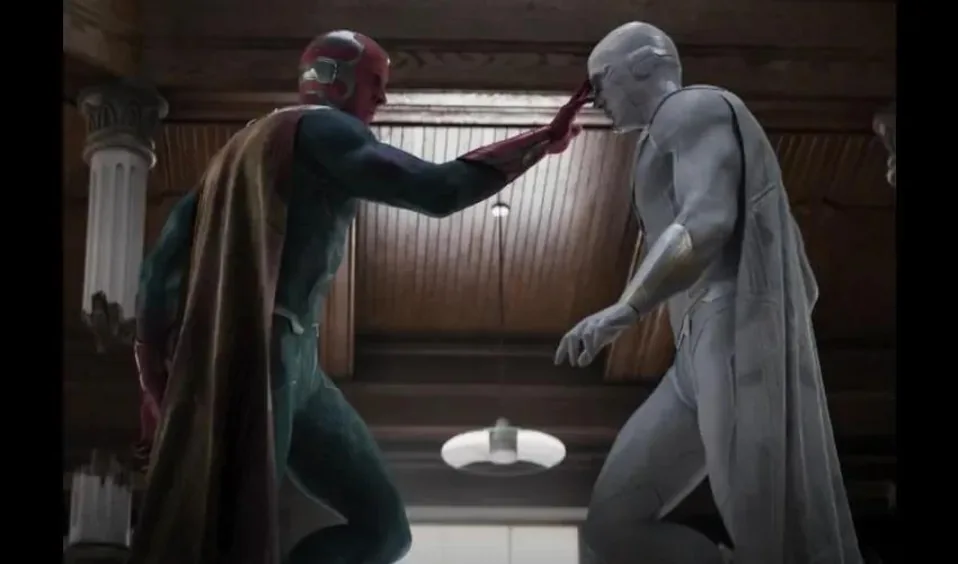
WandaVision’s ending used this idea to discuss the relationship between the original Vision and his white counterpart.
VisionQuest, however, attempts to take it further.
Ultron pushes Vision to consider whether the more important question is not whether a person has the same body and memories, but what they choose to do when confronted with a real responsibility.
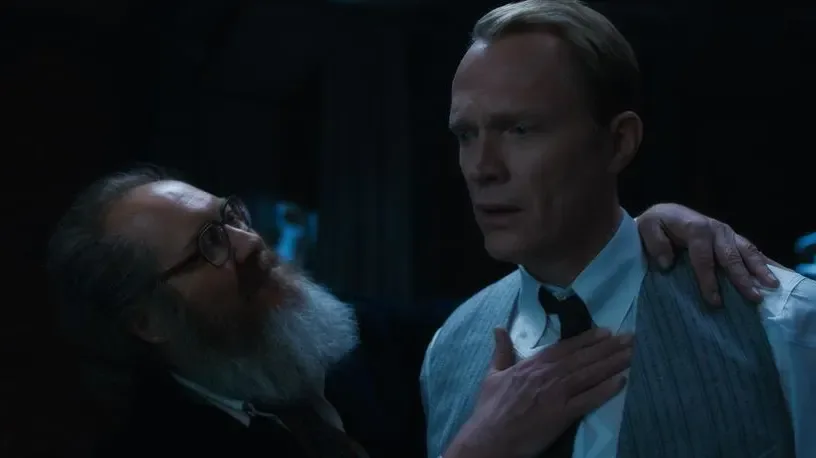
This is where Tommy becomes a turning point.
Vision can keep denying their relationship and treat him as a stranger for whom he bears no responsibility.
But he chooses to intervene and save him.
That decision matters more than any long discussion of identity.
For almost the first time, we see the possibility of this new Vision’s humanity emerging through his actions, rather than only through memories he is trying to understand.
JARVIS’s sacrifice at the end of the episode also gives real weight to the connections inside Vision’s mind, after some inhabitants of that world had seemed like mere comic additions.
The idea is that sacrifice and concern for others can carry meaning even between artificial beings.
I think this is the direction the series needs to keep following. It makes philosophy part of the drama rather than simply a topic for discussion.
Has VisionQuest established an identity of its own?
After these two episodes, I think the series already has a personality distinct from the two works preceding it.
WandaVision used the world of vintage sitcoms to tell a story about loss, while Agatha All Along turned towards mystery and the supernatural.
VisionQuest seems more closely connected to science fiction, artificial intelligence and questions about the nature of consciousness and identity.
That difference suits Vision perfectly.
But the series still needs to improve certain aspects, especially its presentation of the virtual world and its balance between explanation and developing events.
The first episode was not strong enough to be an ideal opening, whereas the second offers a more convincing model of what the series could become.
It is naturally too early to judge the entire journey from two episodes alone.
Still, Tommy’s presence, Ultron’s different return and the mystery surrounding whoever is pursuing Vision all give the story promising opportunities to develop.
Most importantly, the series has begun to move beyond recovering old Marvel characters and is trying to use them for a conflict meaningful within its present story.
Strengths and weaknesses
The main strengths are James Spader’s excellent return as Ultron, Paul Bettany’s balanced performance and Ruaridh Mollica’s strong emotional presence, alongside the improvement in pace and suspense during the second episode.
The main weaknesses are the first episode’s excessive explanations, the uneven mind world scenes, some dialogue that sounds smarter than its actual dramatic impact and the initial difficulty of connecting with this new Vision.
Final verdict
Final verdict
Ultimately, I think VisionQuest’s first two episodes offer a good, encouraging start, though one with problems. The series has strong ideas about identity, memory and family, and benefits from the return of beloved characters. But it needs a better balance between its philosophical ambition and narrative pace. The first episode spends too long preparing its ground, while the second turns those ideas into a more affecting conflict, particularly through the relationship beginning to form between Vision and Tommy. I think the series will be more successful if it keeps focusing on character development and choices rather than relying too heavily on nostalgia for earlier Marvel stories. For me, what most excites me about the coming episodes is that Vision no longer has to discover only who he was in the past. He now has a real opportunity to decide who he wants to become.
Your turn
My question for you: can White Vision become the same person Wanda loved, or will his relationship with Tommy and the choices he makes create an entirely new character, perhaps more human than his original incarnation?
AUDIENCE VOTE
Do you agree with the MB rating?
Choose once from this browser. You can change your answer at any time.