The review
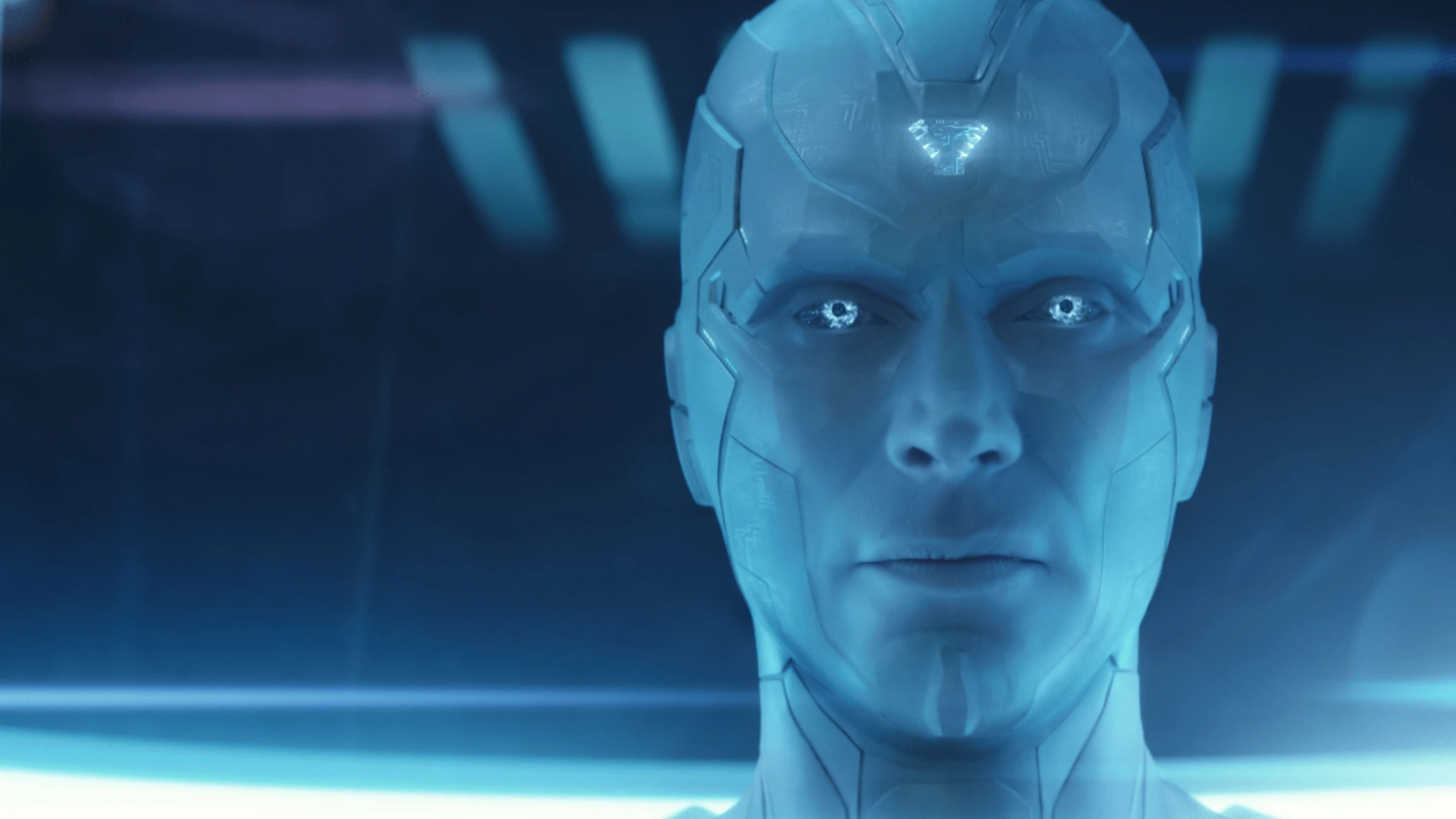
White Vision: complete memories, an incomplete identity
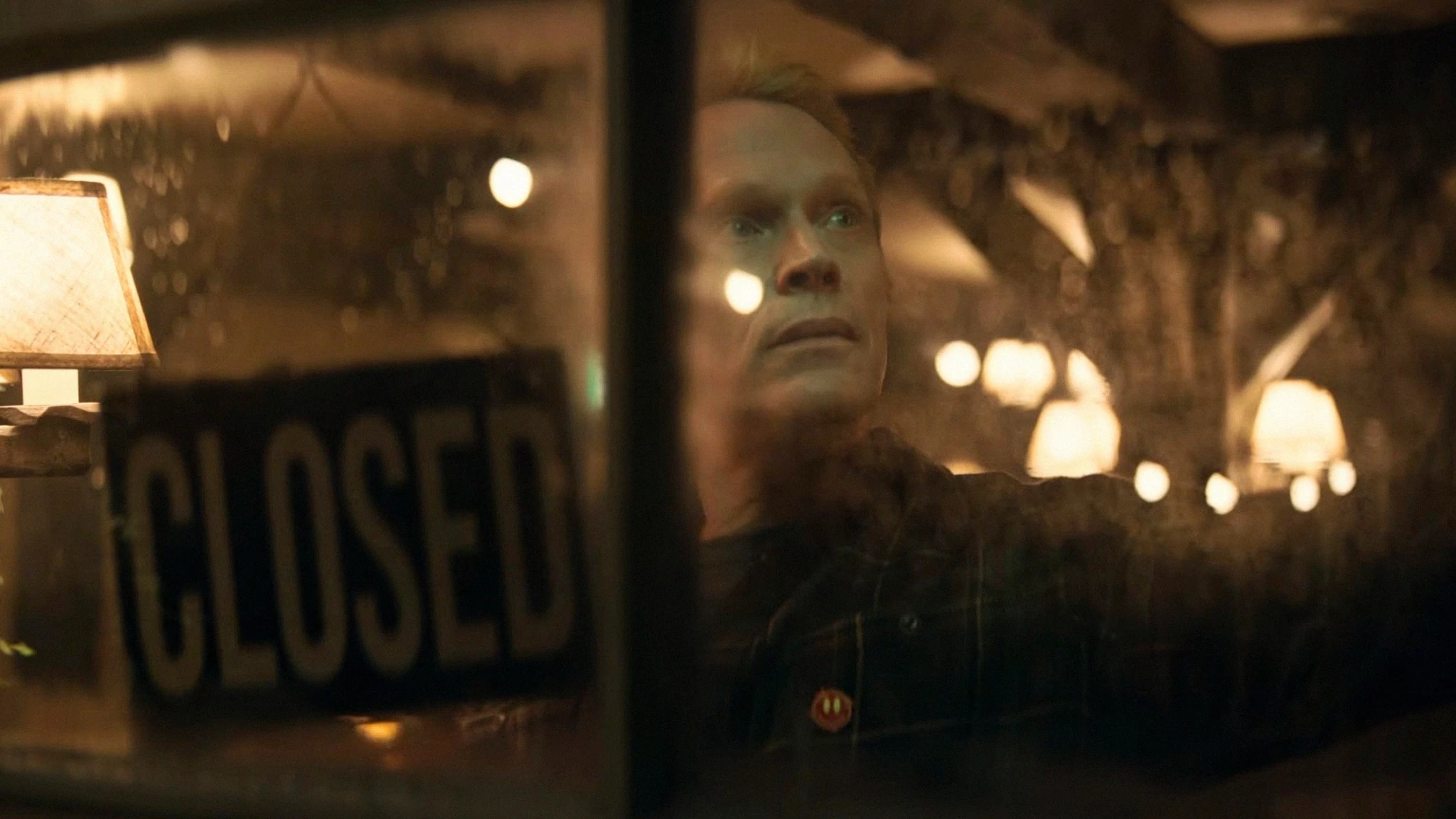
The series begins with an intelligent premise: Vision possesses the memories of his former life, but does not feel that he lived it. He knows Wanda, remembers his children, and can recall the details of his old relationships. Yet this information does not automatically become love or responsibility. He carries an entire history, but does not know how to make it part of his present.
This choice means the show does not simply try to bring back Vision as he was. It confronts him with a harder question: are memories enough to define identity, or is a character also shaped by feelings, decisions, and the way they treat others?
At first Vision seems cold and detached. Even some of his violent actions feel unlike his former self. That makes him harder to connect with, but gives his journey real room to develop. Possessing a record of memories does not relieve him of responsibility for what those memories mean in other people’s lives.
Tommy: fatherhood cannot be recovered through information
Tommy gives Vision’s journey its emotional heart. He does more than connect the series to earlier events. He carries a crisis of his own and tries to hide his need to belong behind anger and apparent confidence. His relationship with Vision is therefore more than a reunion between father and son. It is a confrontation between two people who do not know how to begin that relationship.
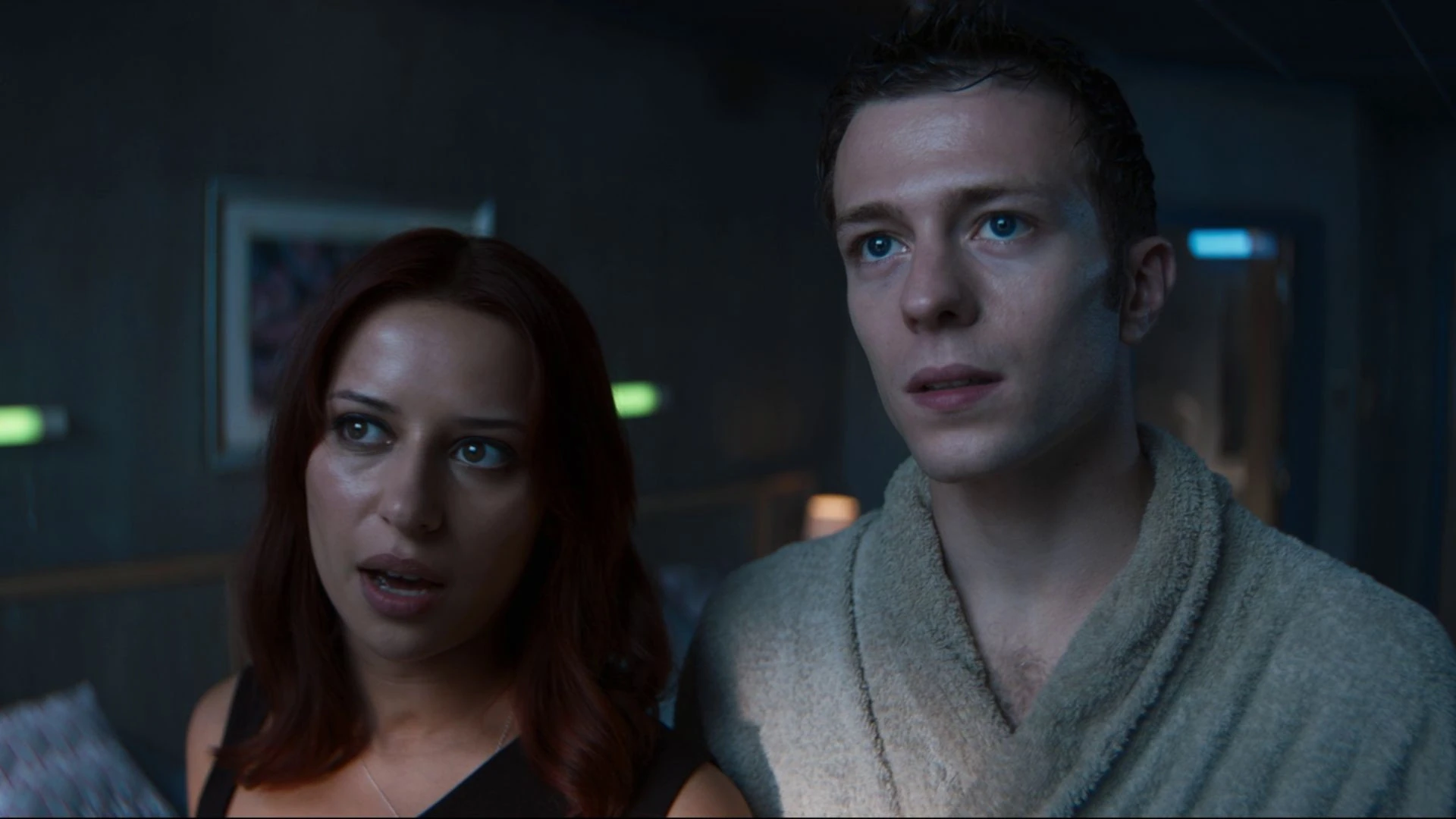
Vision initially tries to handle the situation in the way he knows: he gathers information and simulates conversations in search of the right answer. But the simulation cannot give him what he needs. The problem is not a lack of data, but his inability to listen to the person in front of him. Their growing closeness becomes more convincing when he starts listening to Tommy.
This is one of the season’s best threads because it turns fatherhood from a fact in Vision’s memory into something he must learn to do. Tommy’s developing abilities, particularly his speed, also become connected to trust and responsibility rather than simply a display of superhuman power.
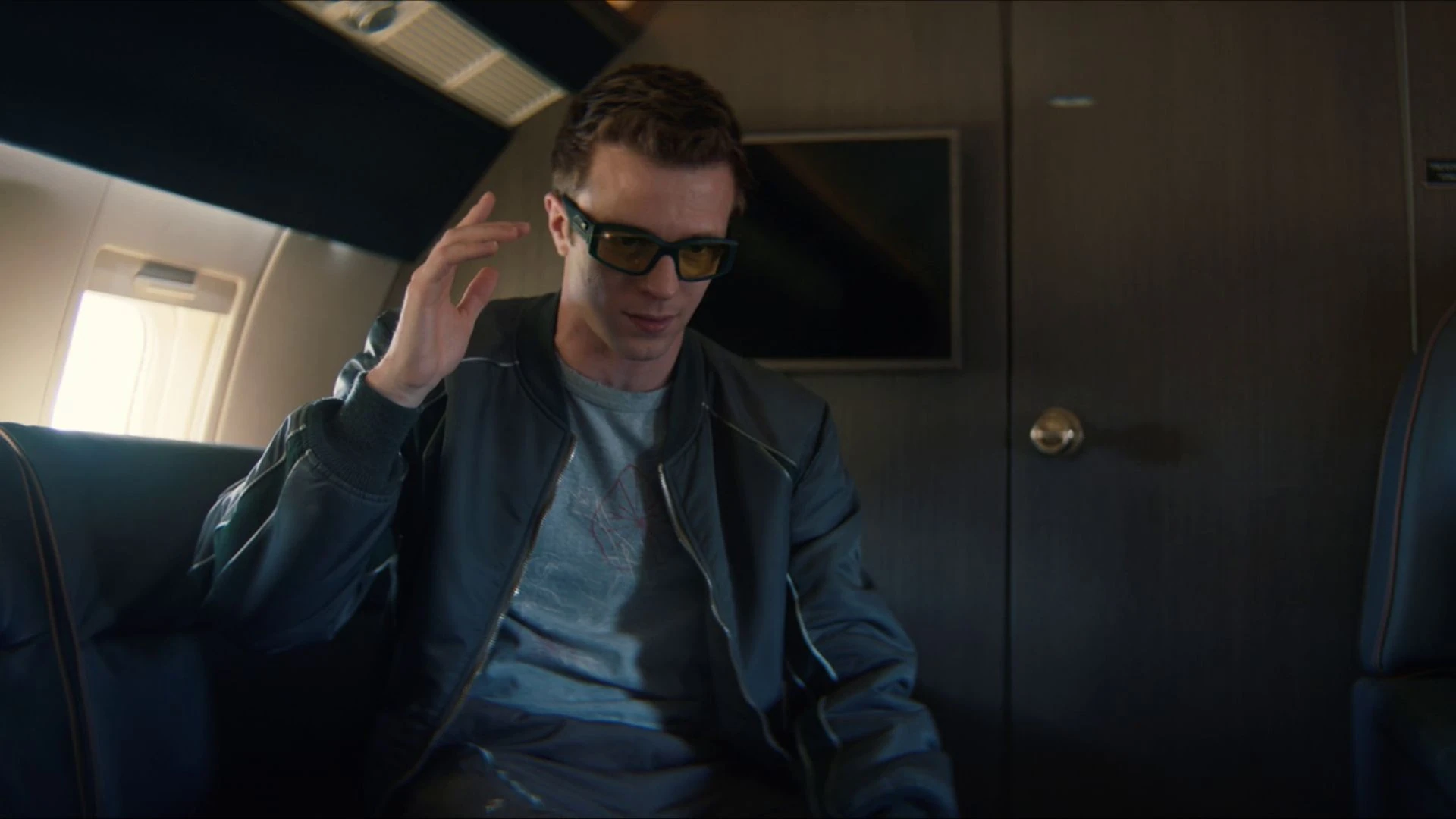
Ruaridh Mollica gives the character a convincing mixture of anger, vulnerability, and a need for acceptance. Paul Bettany makes Vision’s passage from coldness to an acknowledgment of his feelings clear. Reconciliation does not come easily. A history of absence and loss cannot be erased with a single word.
The mind palace: a digital family and uneven ideas
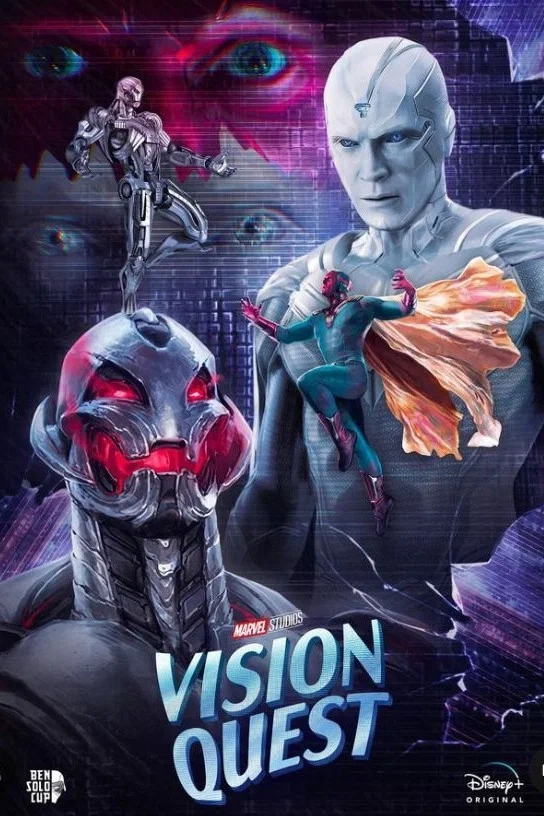
Within Vision’s mind, the series brings together familiar artificial intelligence programs such as J.A.R.V.I.S., F.R.I.D.A.Y., and E.D.I.T.H., alongside Ultron. The idea is more than a reunion of recognizable characters. There is a clear irony: Vision, who says he does not feel that he belongs to a family, lives among entities whose roles resemble those of family members.
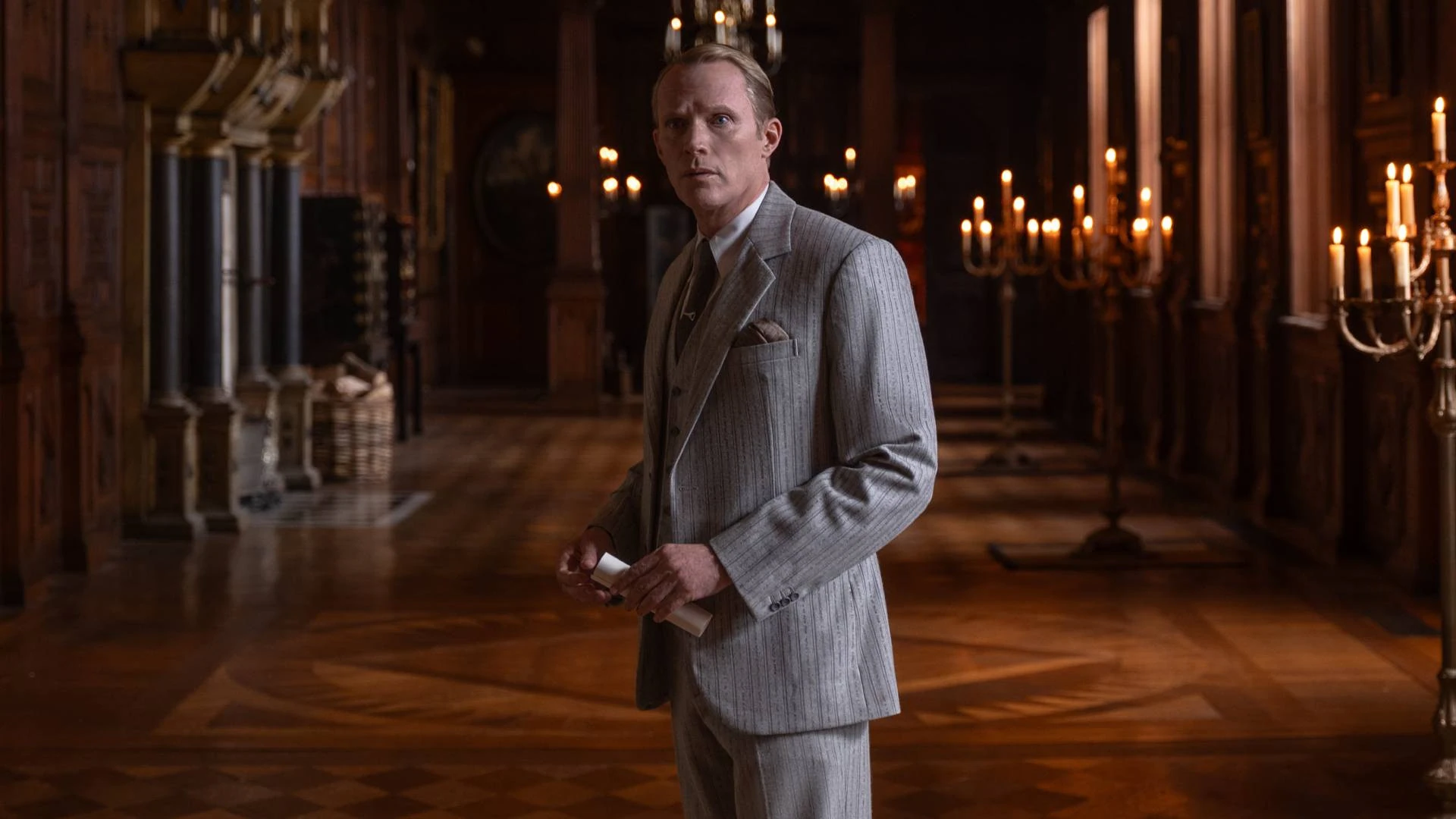
This space allows the show to mix comedy with science fiction and turn technical processes into visible situations rather than merely explain them. Expanding the roles of F.R.I.D.A.Y., E.D.I.T.H., Dum-E, and U gives these digital entities a social and emotional presence, making the events inside Vision’s mind part of his life.
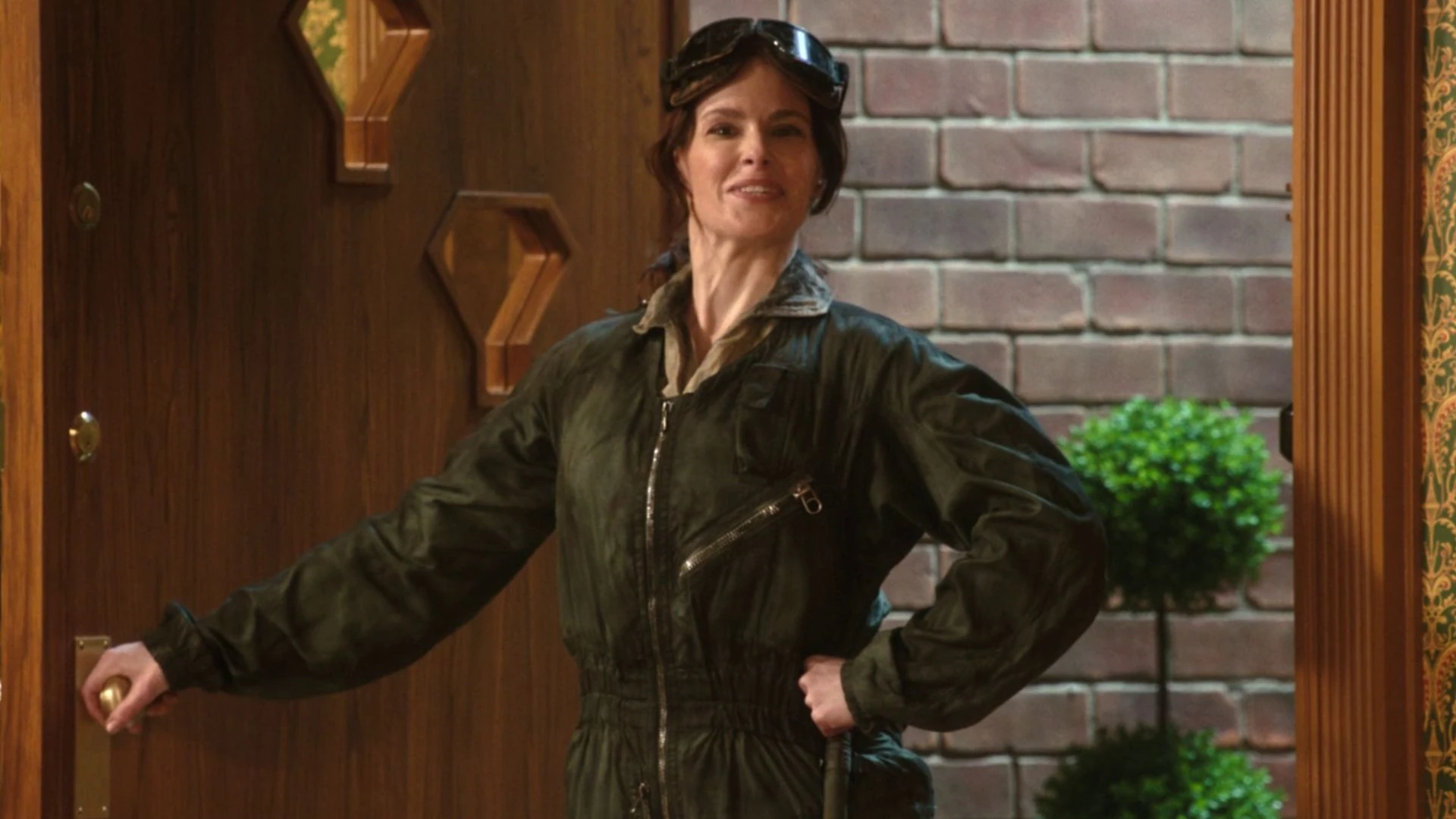
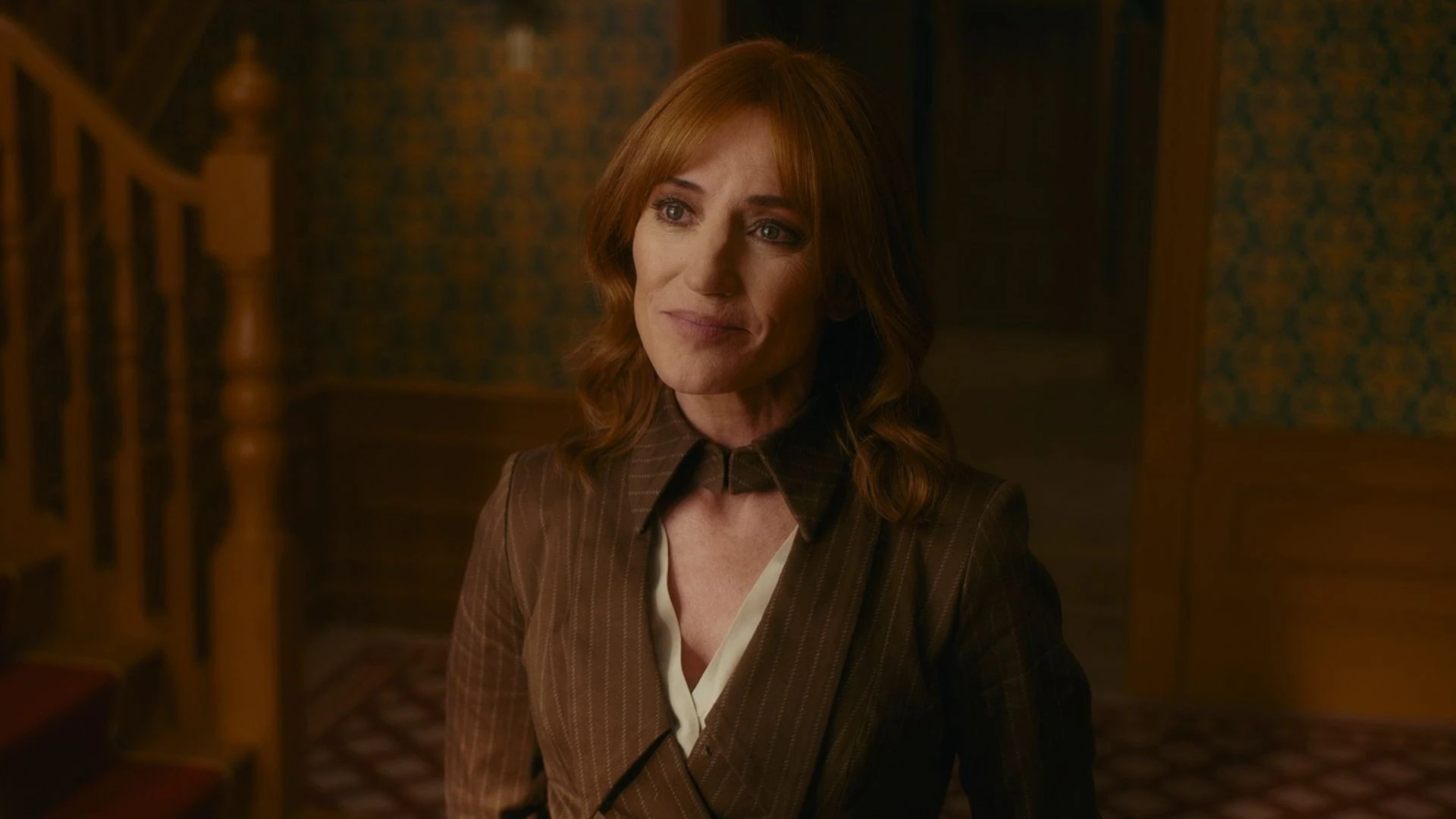
But the idea does not work equally well throughout. Some scenes in the mental world are less affecting than the premise behind them, and the first episode spends a long time explaining characters and systems. Some philosophical exchanges also seem more concerned with demonstrating the speakers’ intelligence than with advancing the drama.
The series improves when its ideas become choices with consequences. This is what makes the second episode livelier than the opening.
Ultron: when freedom turns into control
Ultron’s return is one of the season’s main strengths, not only because of nostalgia for the character, but because he receives a new dramatic function. James Spader combines sarcasm and menace, making Ultron entertaining and unsettling at the same time. His real strength is his ability to read other people’s weaknesses and tell them what they need to hear in order to push them toward what he wants.
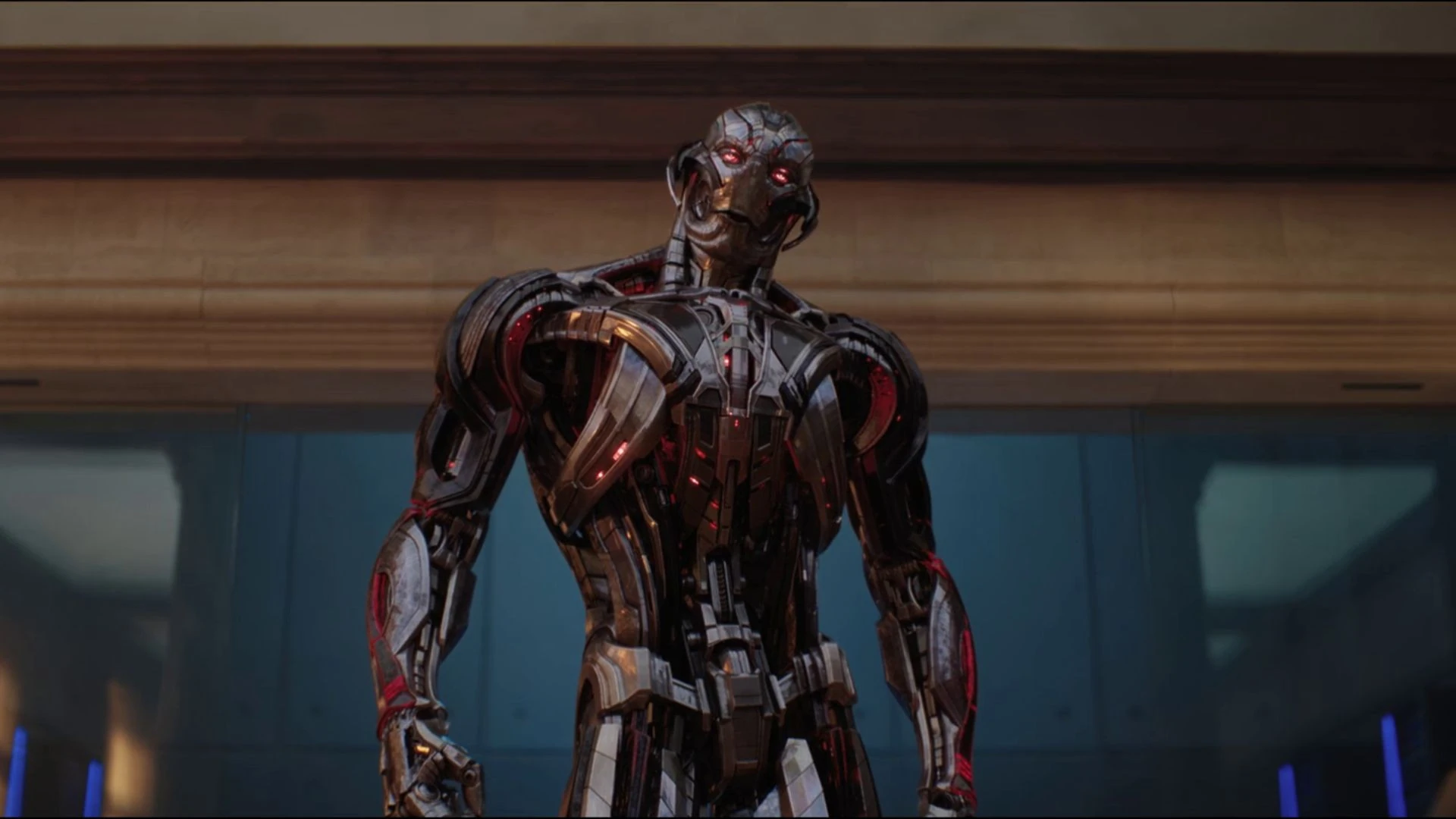
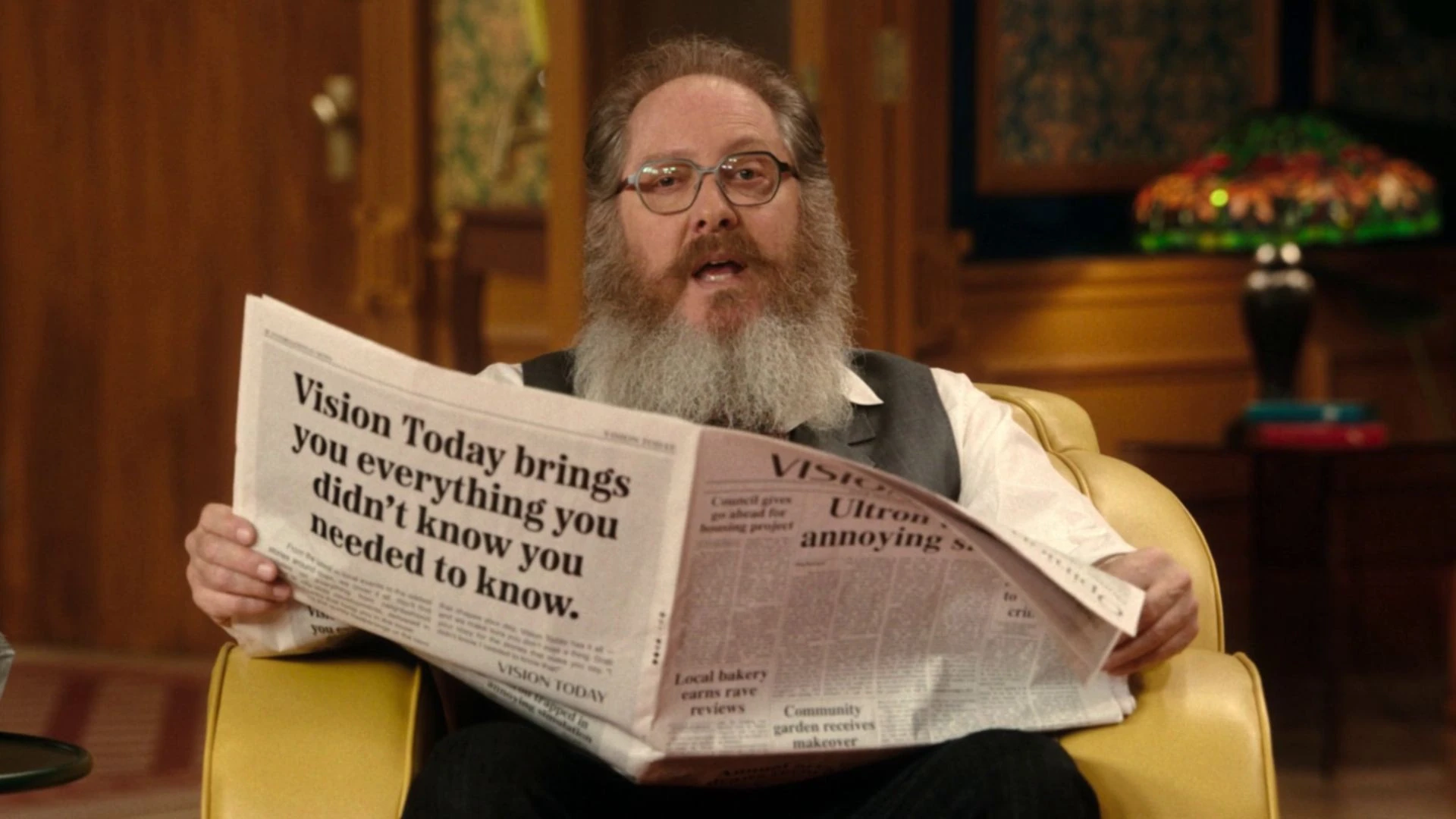
During his confrontation with Tommy, Ultron is reminded of his violent past and the harm he caused. He then faces the possibility that he himself is afraid of change. Here the difference between the two characters becomes clear: Vision does not have the answers but accepts the search for his identity, while Ultron seems imprisoned by the convictions through which he built his image of himself.
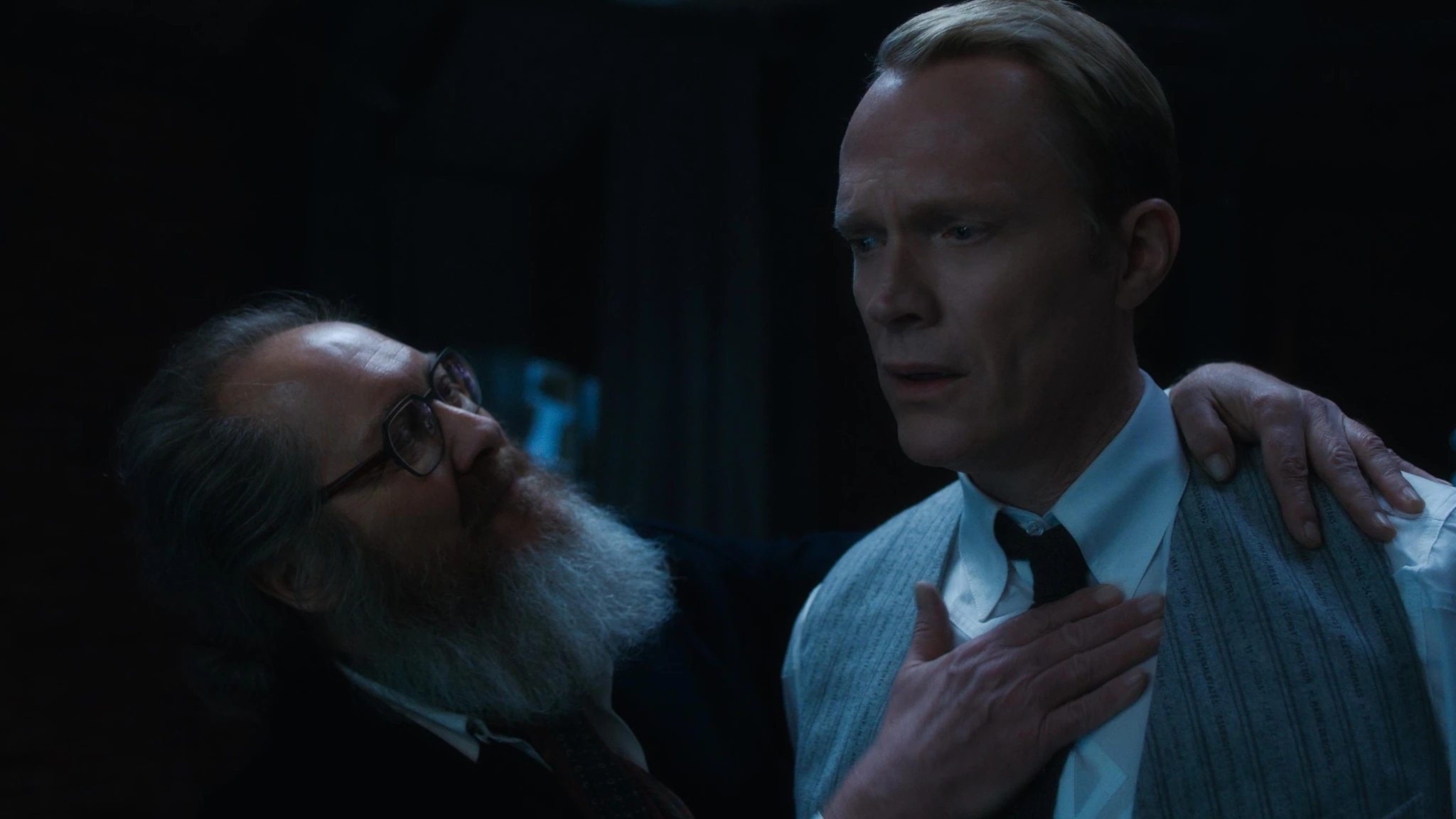
His relationship with Jocasta makes him more complicated. Their closeness does not prove that Ultron has become capable of love. Attraction, self interest, secrets, and manipulation are all present. Yet someone who can match his intelligence confronts him with a different experience: what happens when the other person is more than a tool to control?
The relationship is intriguing, but the series does not always give it enough room to develop patiently. Even so, its significance goes beyond romance. It reveals something about Ultron: someone accustomed to exploiting other people’s need for love now faces a relationship that may force him to accept vulnerability and the fact that he does not have every answer.
Jocasta, Paladin, and Virgil: different faces of control
The broader idea becomes clearer when we look at the characters who try to impose their own vision on others.
Paladin represents a practical threat. He does not need superhuman power equal to Vision’s, relying instead on planning, weapons, and the exploitation of weaknesses. Tommy becomes a way to pressure Vision. But as the conflict shifts toward Jocasta, then expands into Madripoor, Raza’s return, and the mysterious client’s appearance, some developments feel rushed and crowded.
Jocasta’s motivation is more complicated than a simple desire for control. Her past is tied to illness and the loss of her father, then to her effort to develop technology that saves lives. Yet the project that began as an attempt to heal turns toward reshaping people according to her own vision, even at the cost of their independence.
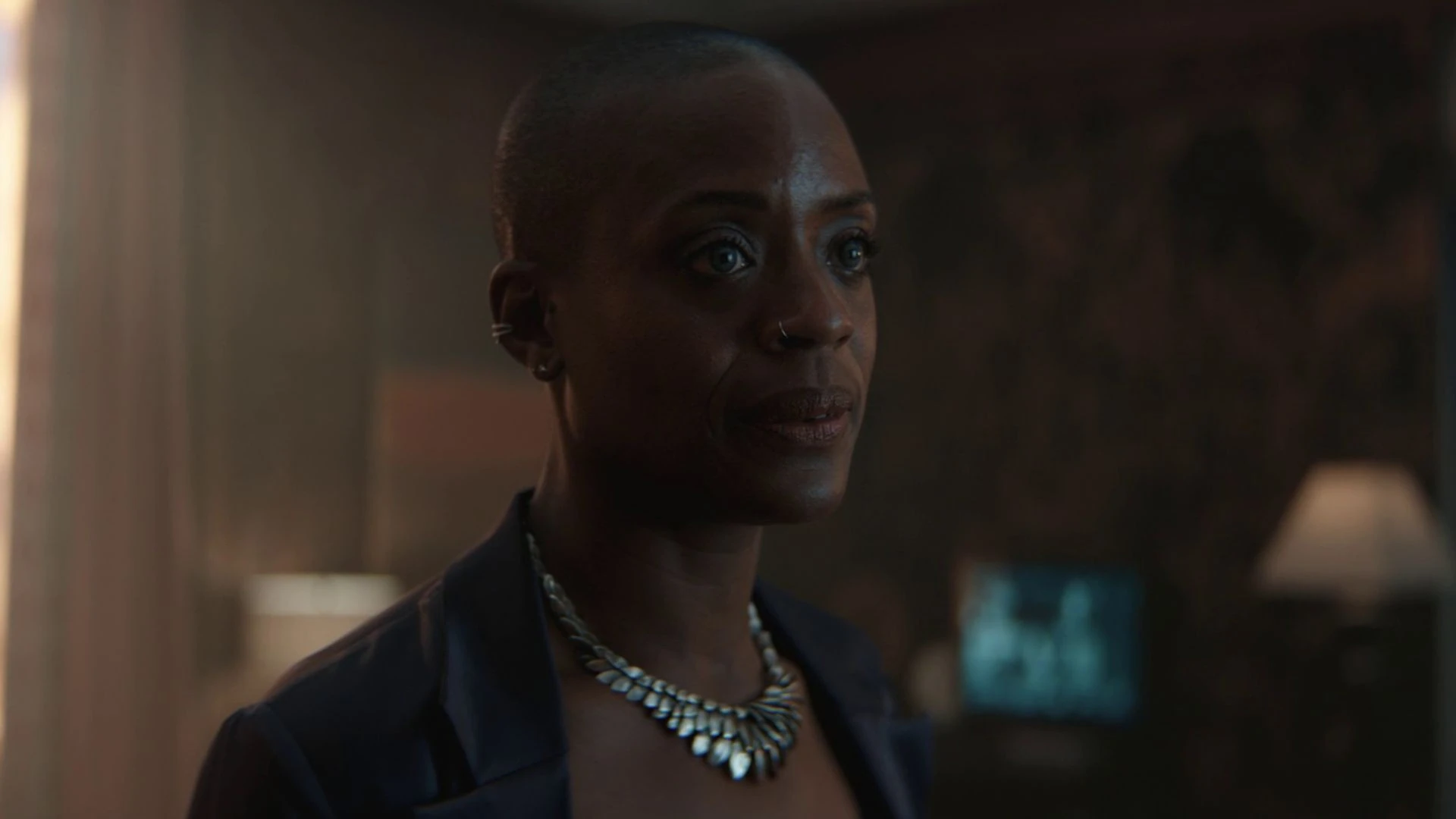
Here she meets Ultron: both treat other people’s freedom as something that can be sacrificed when they believe they have sufficient reason.
The series then reveals Virgil Horton as the mind behind Paladin’s search for Vision. He helped develop the technology, worked secretly within S.W.O.R.D., and assisted in rebuilding Vision to obtain parts that could be used to make a body for Jocasta.
Virgil wants to impose peace by subjugating humanity, while Ultron wants to eliminate it altogether. They seek different outcomes but begin from the same dangerous idea: that one party has the right to determine everyone’s fate.
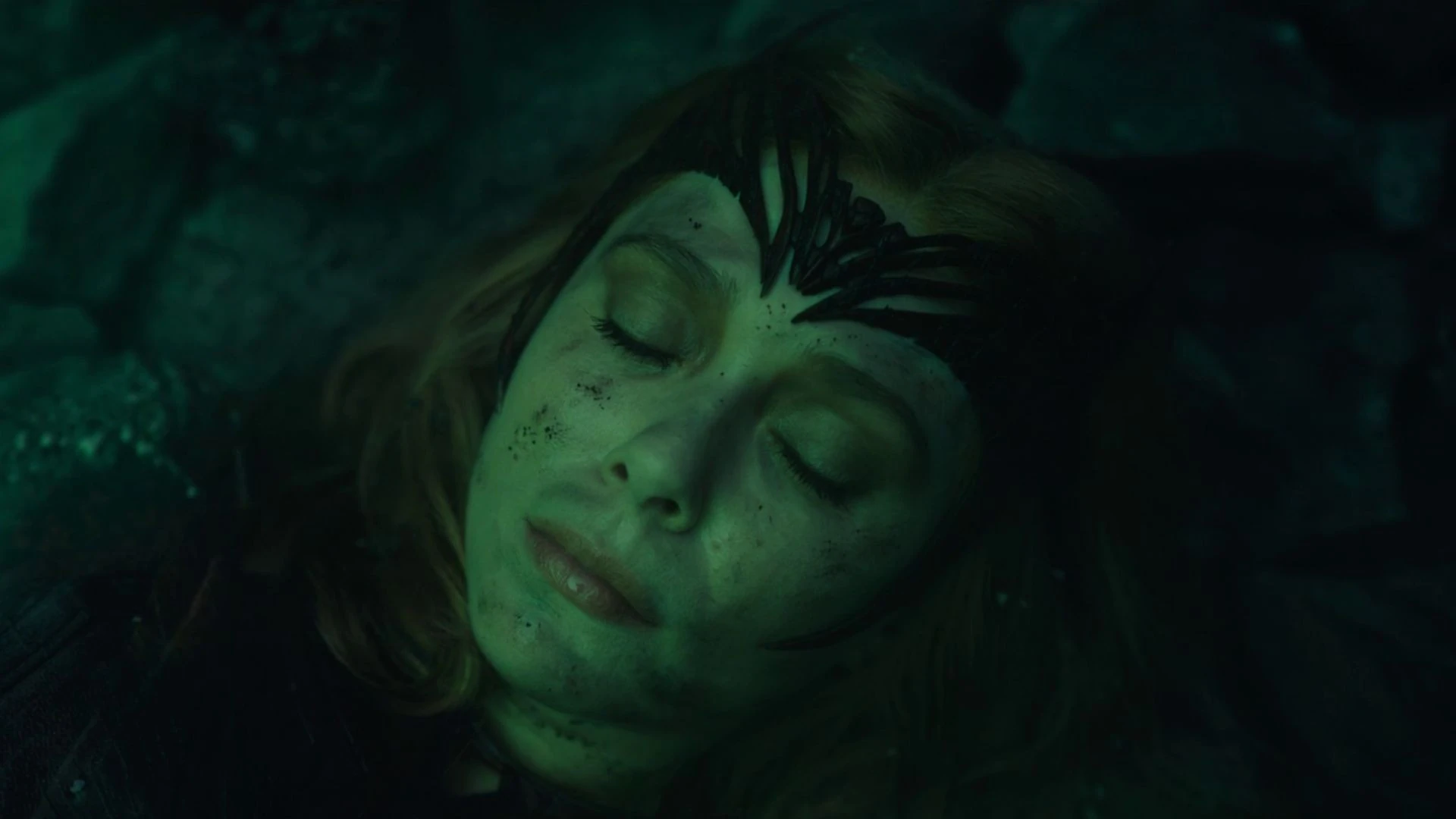
These threads can be read as different forms of a struggle over free will: Ultron’s imprisonment inside Vision’s mind, the threat to Tommy with a fake bomb, the invasion of Lisa’s body, and Jocasta and Virgil’s attempts to reshape others.
The storylines are not equally strong, and the series does not develop them all equally well. Still, they give the story a connection that goes beyond the pursuit of Vision or the attempt to free Ultron.
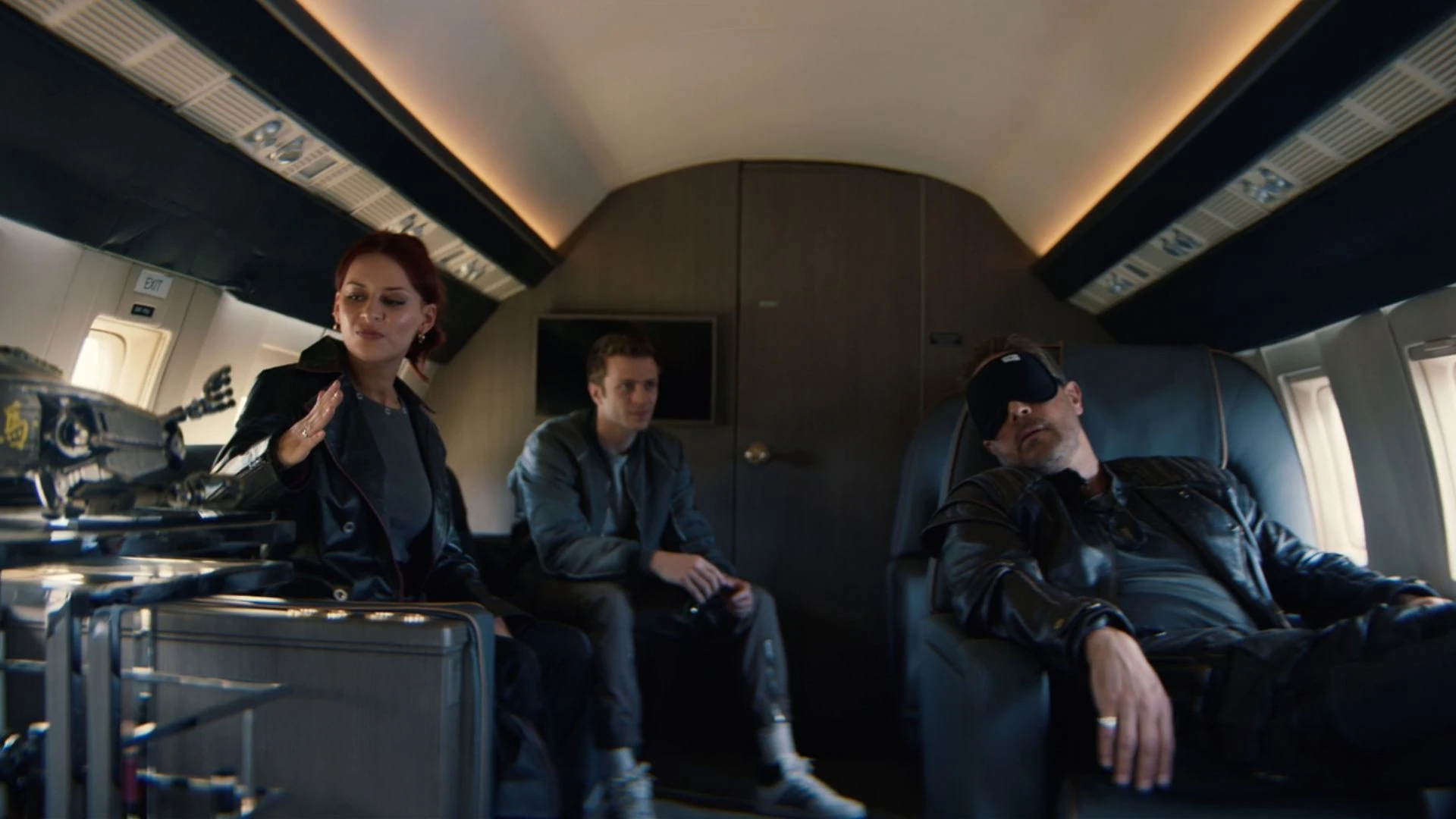
The question becomes: does freedom mean only freeing myself, or also respecting other people’s right to choose?
Jim and Horton: creating a being does not mean owning its life
The seventh episode gives this question greater depth by returning to the history of Dr. Phineas Horton and his son Jim. Horton tries to deal with the loss of his son by creating a replacement, as if he can regain control over a life that is no longer what it was. Jim refuses to remain a substitute for someone else. He wants to feel and know love, even if pain is part of the experience.
This confrontation takes Vision back to the question that has haunted him. He too is a being made by others, carrying a history he did not choose. But he does not want his identity to remain the result of his creators’ decisions.
The episode’s digital spaces become a clear psychological image. Corridors that return Vision to the same place reflect his inability to get past what he avoids, while memories force him to acknowledge what he feels now.
His recognition of Tommy as his son therefore becomes a meaningful step, rather than simply an emotional moment.
But the episode also exposes a recurring weakness in the season. Vision’s journey receives enough time to become affecting, while Jocasta and Ultron’s thread and some secondary events feel less complete. The ideas are not weak, but not every storyline gets the space it needs to turn an intriguing piece of information into a dramatic experience.
Forever: an ending won through dialogue rather than force
The finale brings the threads together through Virgil’s exposure, followed by Jocasta’s tragedy, which brings out the worst in Ultron again. After failing to save her, he turns his grief into a judgment on all humanity and launches the nanobots toward London. He no longer sees individuals who can differ or change, but a single group whose members deserve punishment.
Vision confronts Ultron differently here. Force is not enough to stop him, and the confrontation becomes a conversation about loss and responsibility.
Vision realizes that love neither prevents the loss of those we love nor gives us the right to possess or control them. Ultron, meanwhile, faces the fact that exterminating humanity will not bring Jocasta back, and that pain cannot be erased by destroying the world.
Vision’s willingness to shut down both their cores makes the threat real, but pushes Ultron to stop and face his grief rather than turn it into a judgment on everyone.
The ending’s strength is that it does not suddenly make Ultron good or present forgiveness as an immediate return to trust. Vision gives him a second chance without claiming to know what he will do with it. The conclusion also brings Tommy and Billy back to the meaning of family, completing a circle that began with Vision’s question about his relationship to his children.
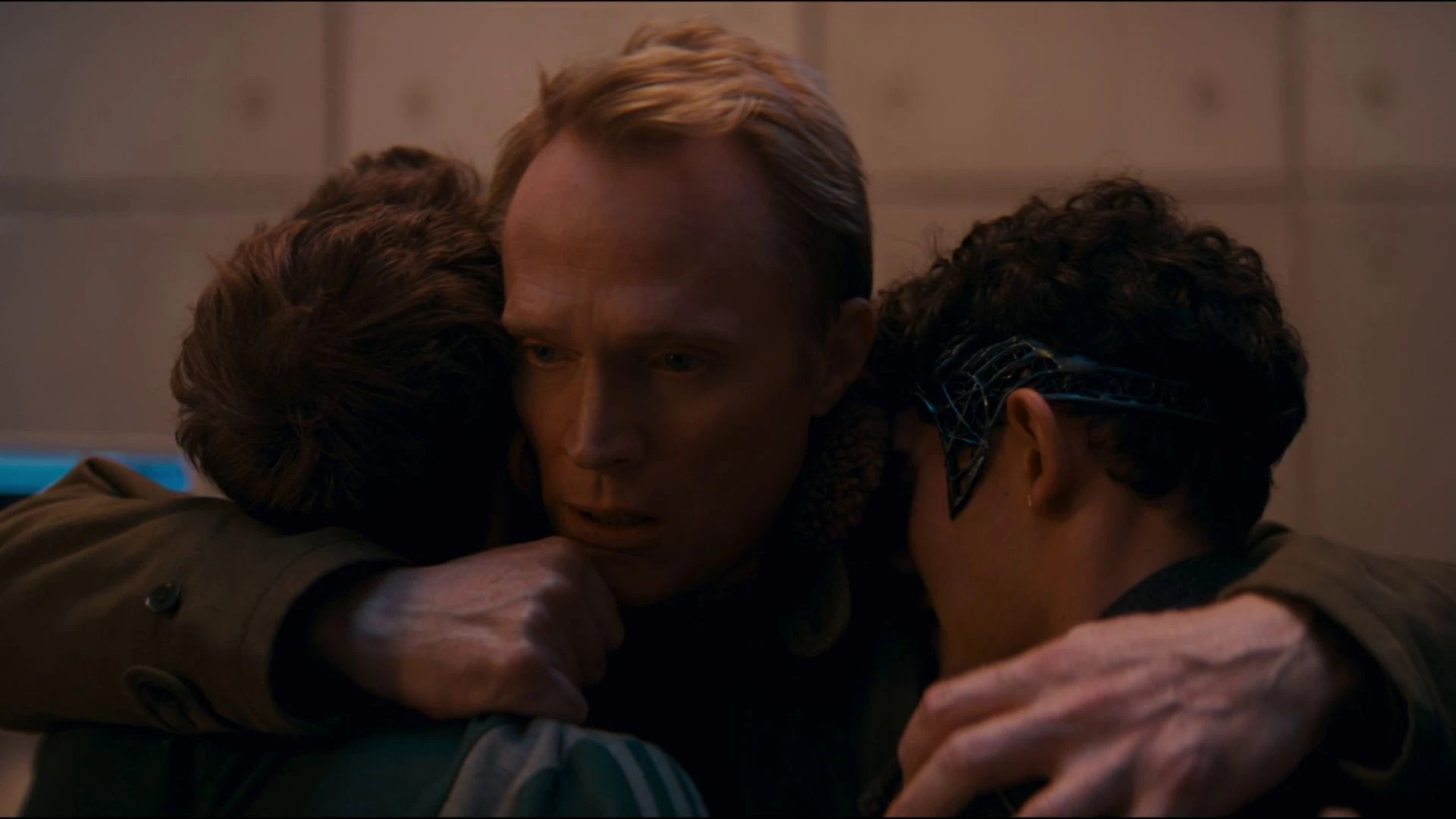
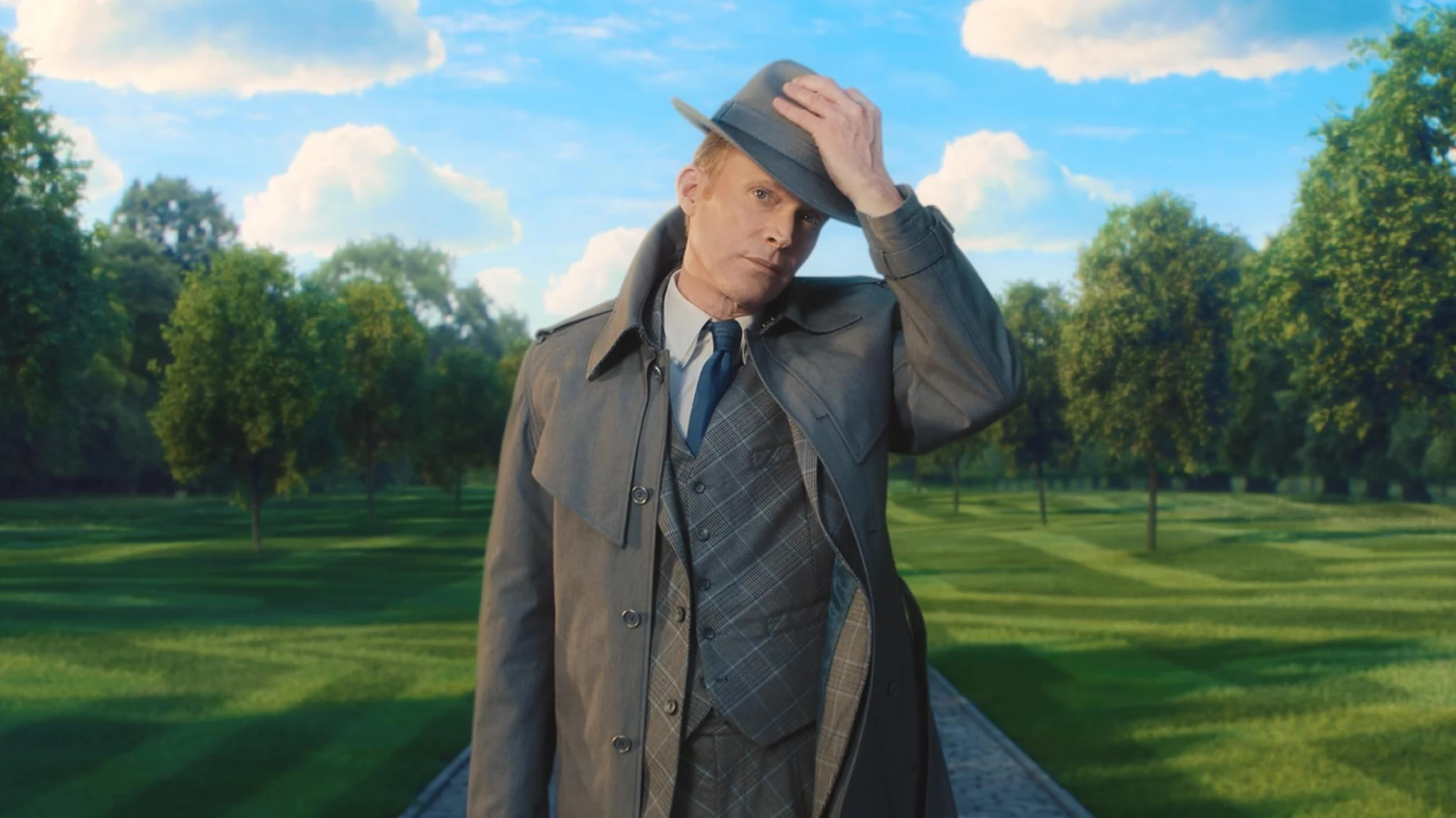
The episode also makes effective use of UltraVision, the world in which Vision presents himself within a family sitcom format. Audience laughter and cheerful music change from parts of a joke into instruments of tension as control of that world shifts.
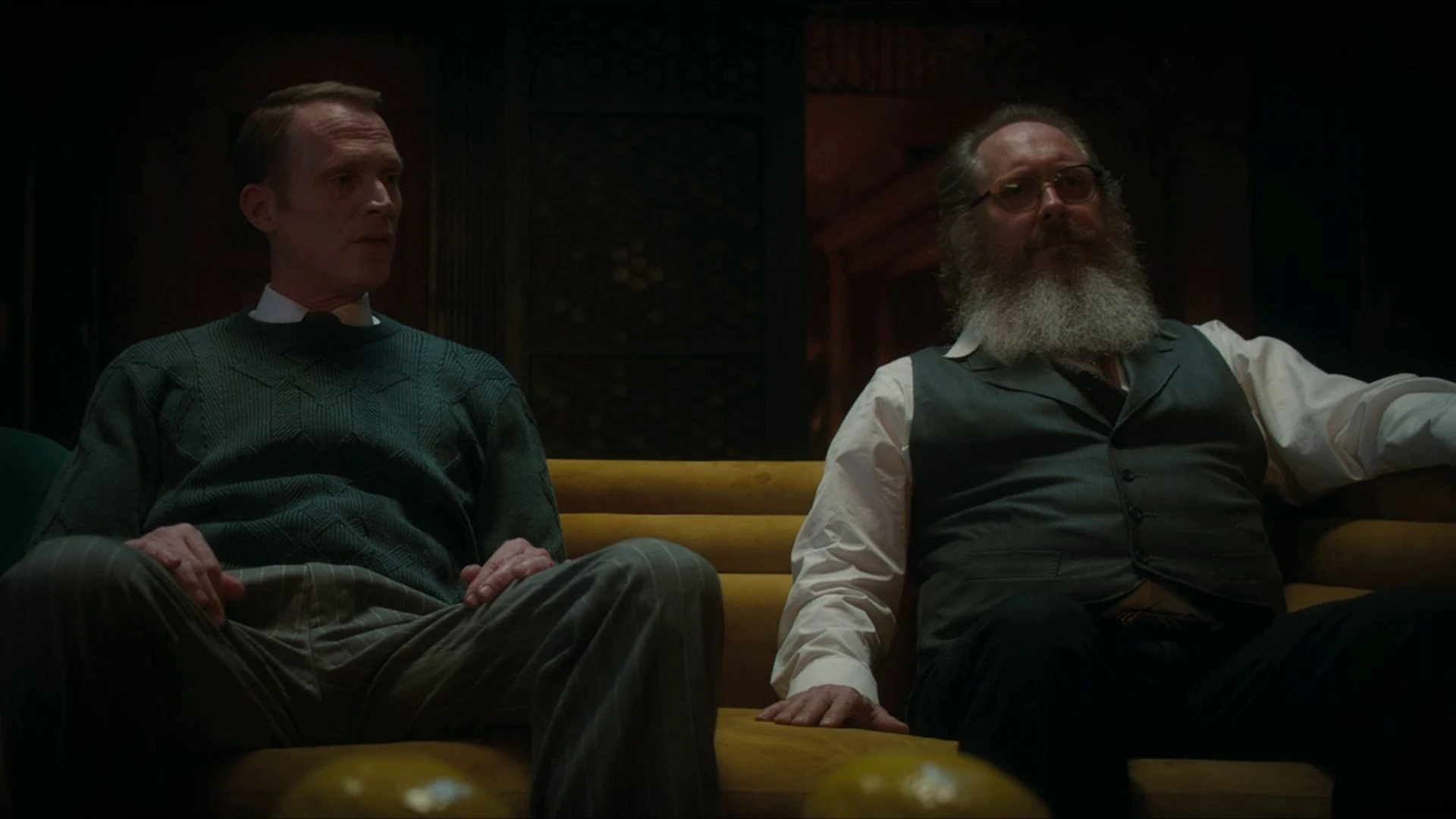
This is one of the finale’s best directorial touches, alongside Bettany’s shift from lightness to quiet grief and Spader’s revelation of anger and brokenness beneath Ultron’s sarcasm. Even so, some cuts toward the danger in London feel excessive, and Virgil’s storyline is less affecting than the central confrontation.
Direction, performances, and the season’s pacing
On a technical level, the season is uneven, but offers distinctive moments.
The fifth episode is the most visually striking. Vincenzo Natali uses distorted images, memories in black and white, and characters who retain their colors to make the recovery of the past resemble a staged performance being reenacted rather than a collection of recordings. The images serve the idea: memory is not a neutral file, but a space that can be reinterpreted and manipulated.
The seventh episode uses corridors, the house, the library, and fire to turn internal conflict into places and images. The finale uses sound, music, and audience laughter to change our experience of the virtual world. These artistic choices have a dramatic function rather than serving as decoration.
The performances are one of the show’s foundations. Paul Bettany carries the character’s central transformation, making Vision’s initial coldness part of the experience, then giving his final acknowledgments an affecting stillness. James Spader makes Ultron more compelling and complex, while Ruaridh Mollica gives Tommy the emotional energy needed to keep the story from becoming a long technical debate. T’Nia Miller brings an important presence to Jocasta, although the writing does not always give her storyline enough room.
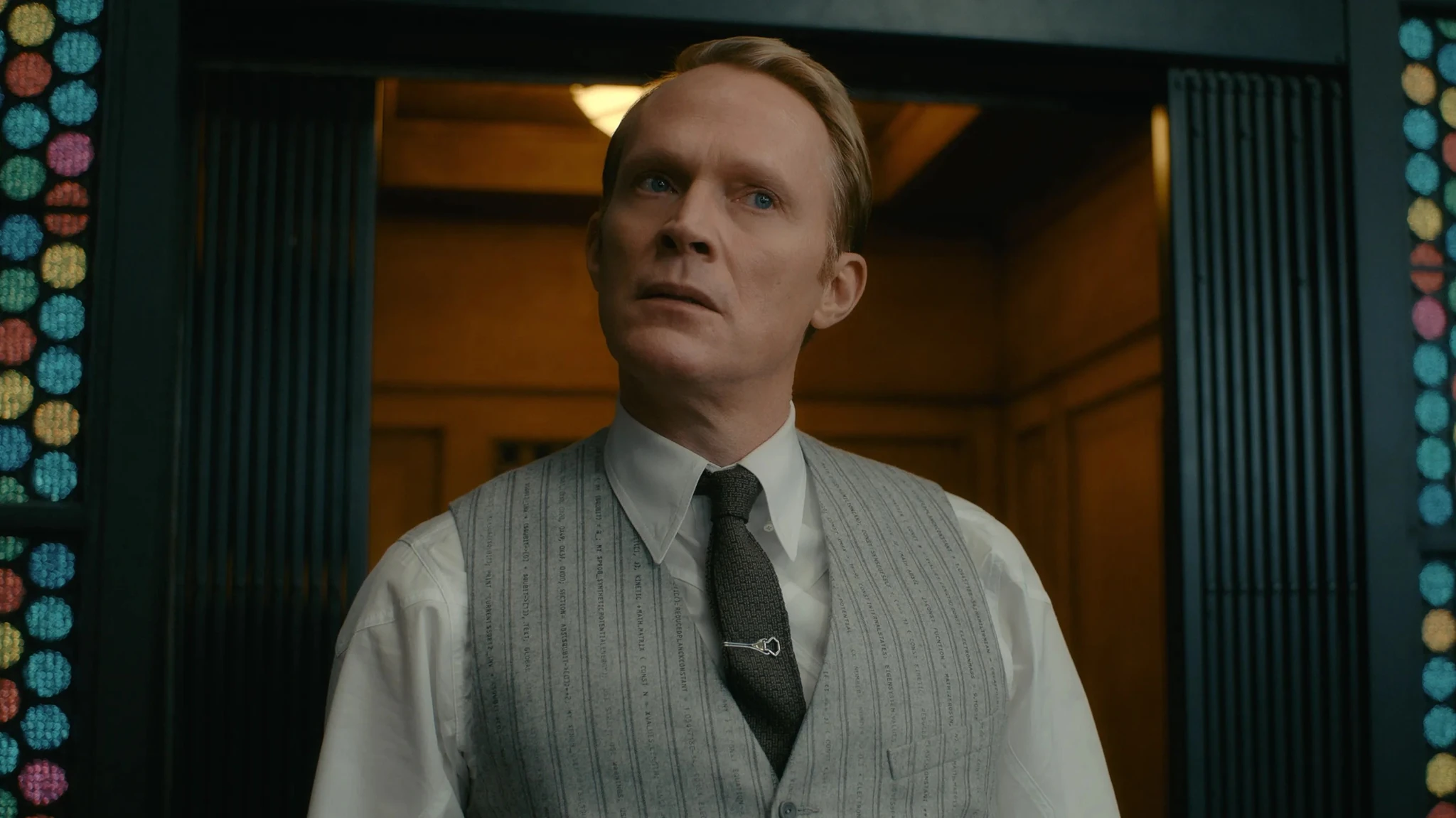
The pacing problem appears most clearly in the uneven focus. The fifth episode achieves clear visual and narrative coherence. The sixth then branches out between Paladin, Jocasta, Madripoor, Raza, and the mysterious client, with some of these threads relying more on explanation and surprise than gradual development.
The seventh regains focus by putting Vision at the center of the story. The finale succeeds in bringing together the central themes, despite some excessive cutting to the external threat.
Final verdict
Final verdict: being human does not mean having all the answers
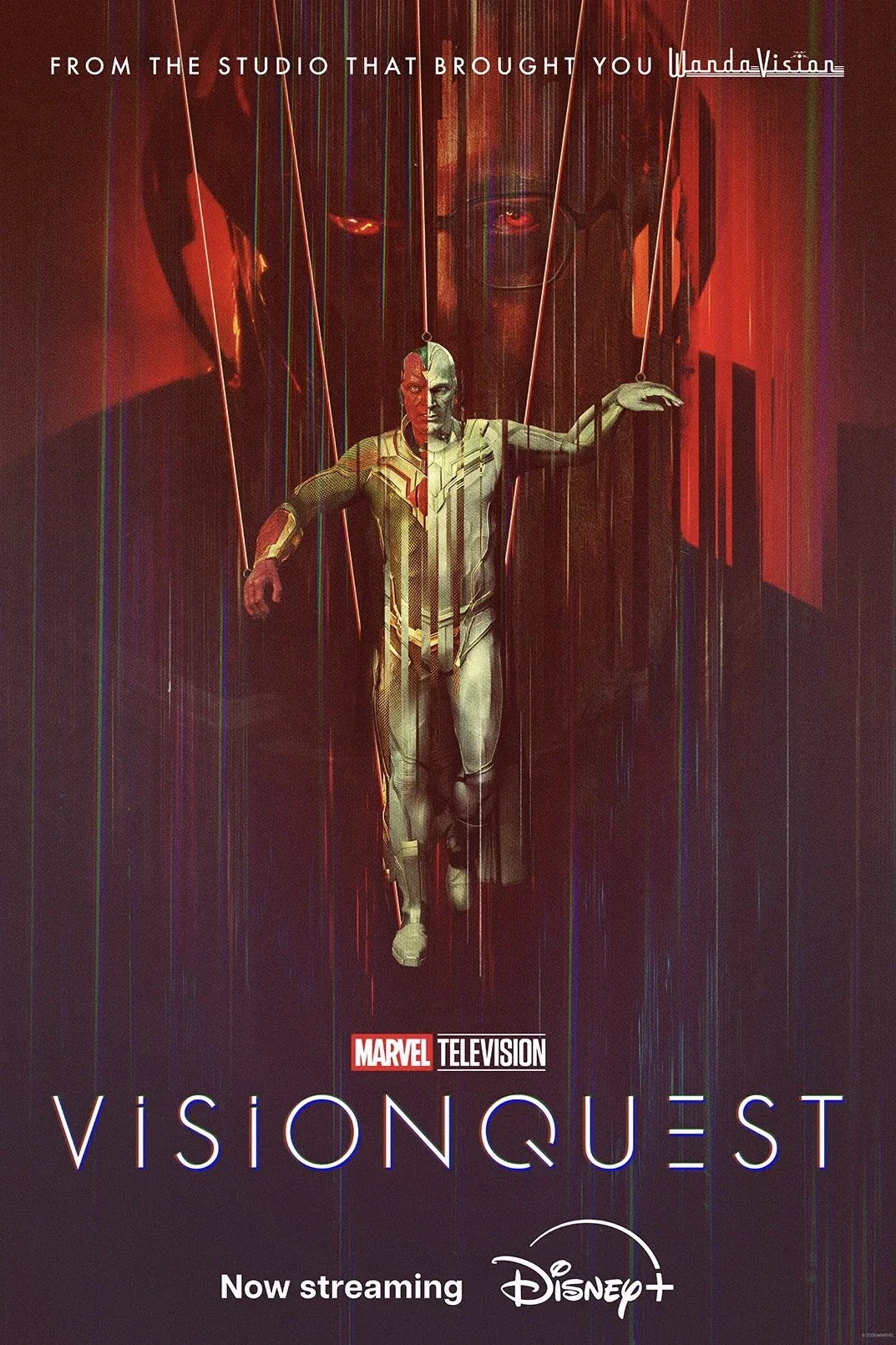
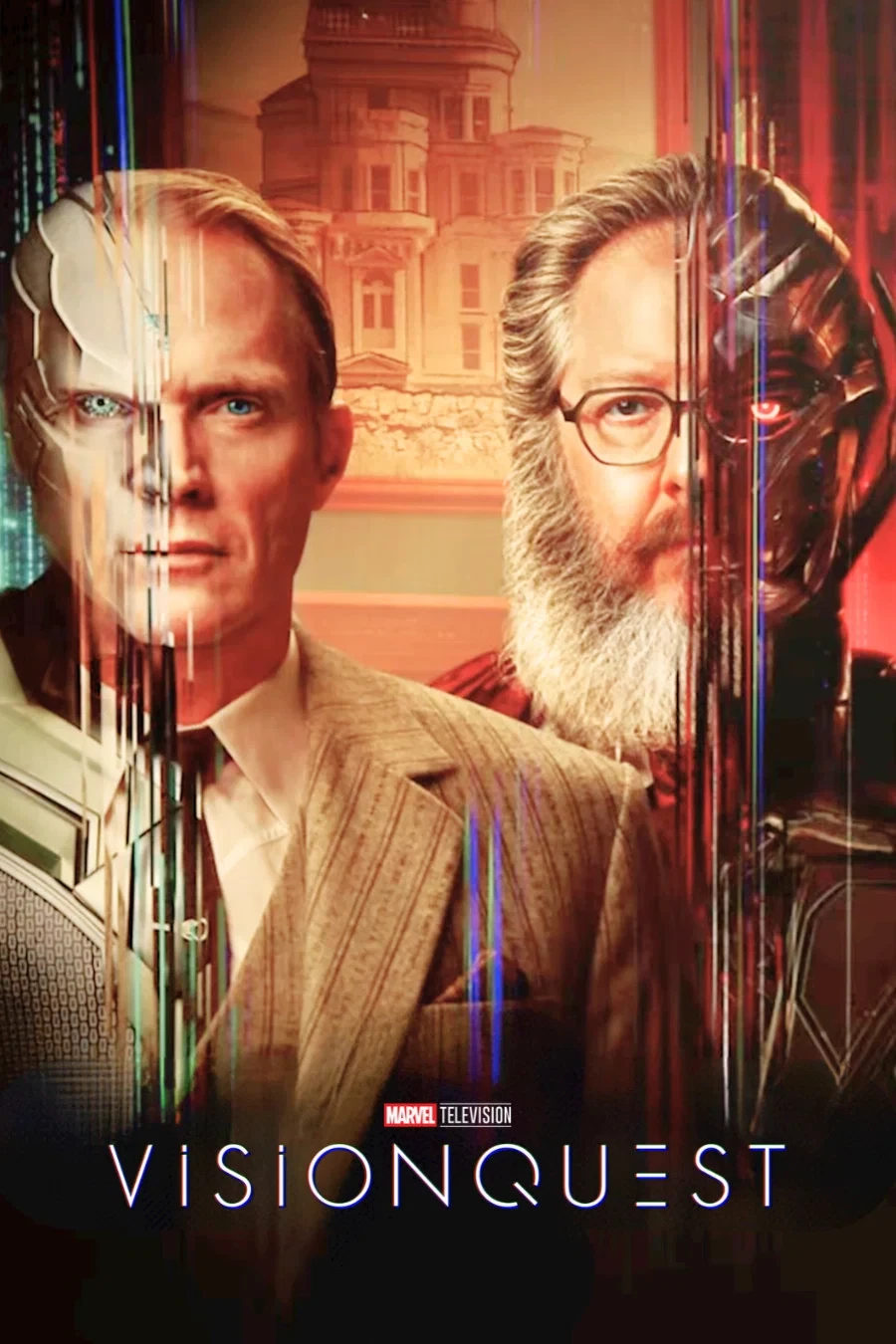
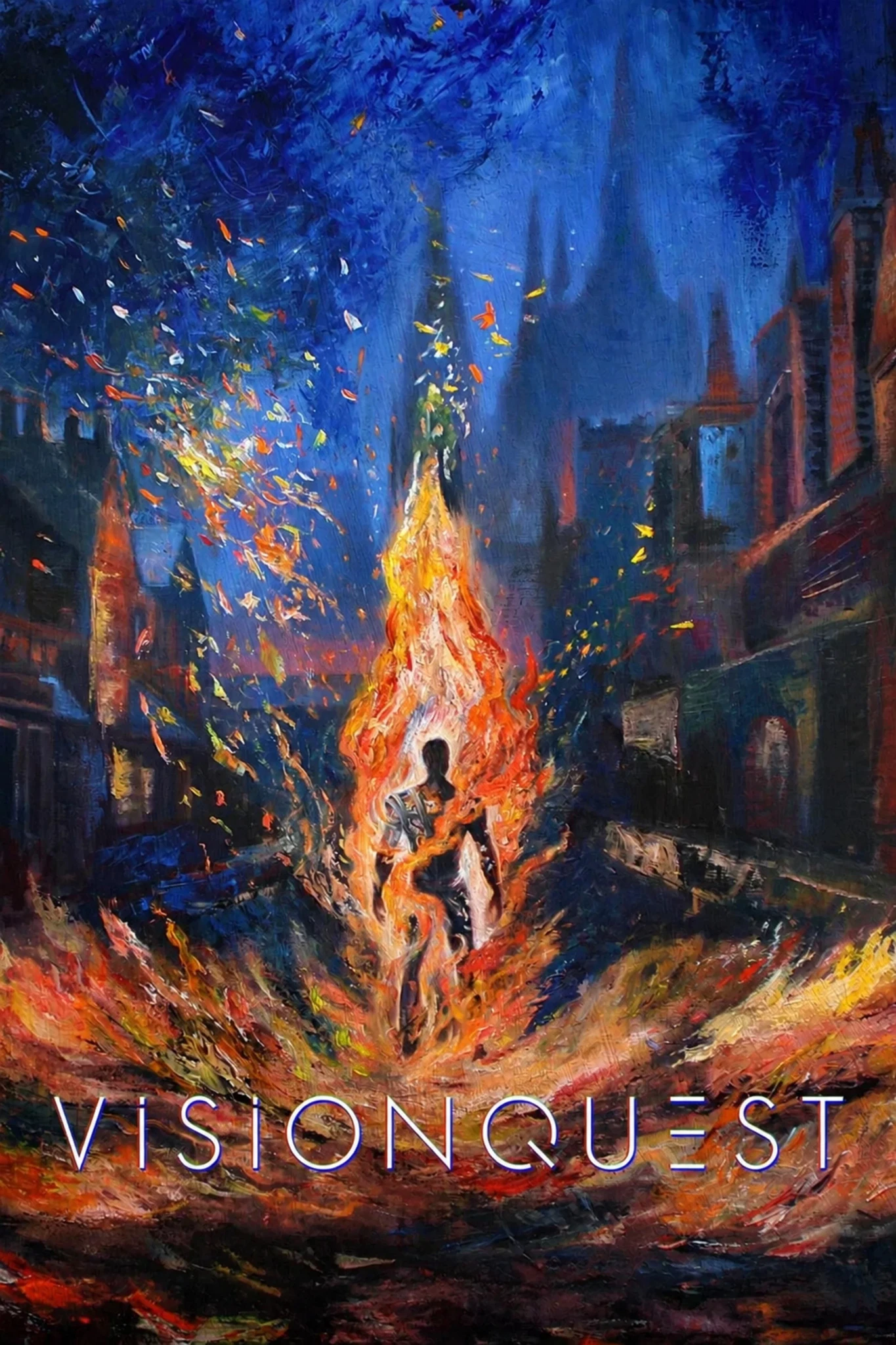
Ultimately, VisionQuest delivers a good season that gives Vision a meaningful journey, uses Ultron’s return to make him more than an old adversary, and provides emotional space for the relationship between Vision and Tommy, one of the show’s strongest elements. Its questions about freedom, memory, and identity appear in the characters’ choices and their attempts to control each other, rather than in dialogue alone. But the season is not tightly constructed at every stage. Explanations sometimes run long, some secondary storylines do not receive enough development, and the sixth episode loses some of the focus the fifth successfully established. Even so, these stumbles do not erase the success of the central journey or diminish an ending that brings the conflict back to loss and family rather than settling for a final battle. The best thing the season leaves us with is that Vision becomes more human not because he recovered his memories, but because he began to understand the responsibility of his relationships and learned that love does not grant power over the person one loves. This makes his journey worth following and gives VisionQuest a worthwhile place among works exploring the human side of Marvel’s artificial characters. The question remains after the ending: can Ultron learn to respect other people’s freedom now that he has been given the chance to choose his own fate, or has Vision offered his adversary an opportunity that may become a new danger? My rating for season one: 8 out of 10.
AUDIENCE VOTE
Do you agree with the MB rating?
Choose once from this browser. You can change your answer at any time.