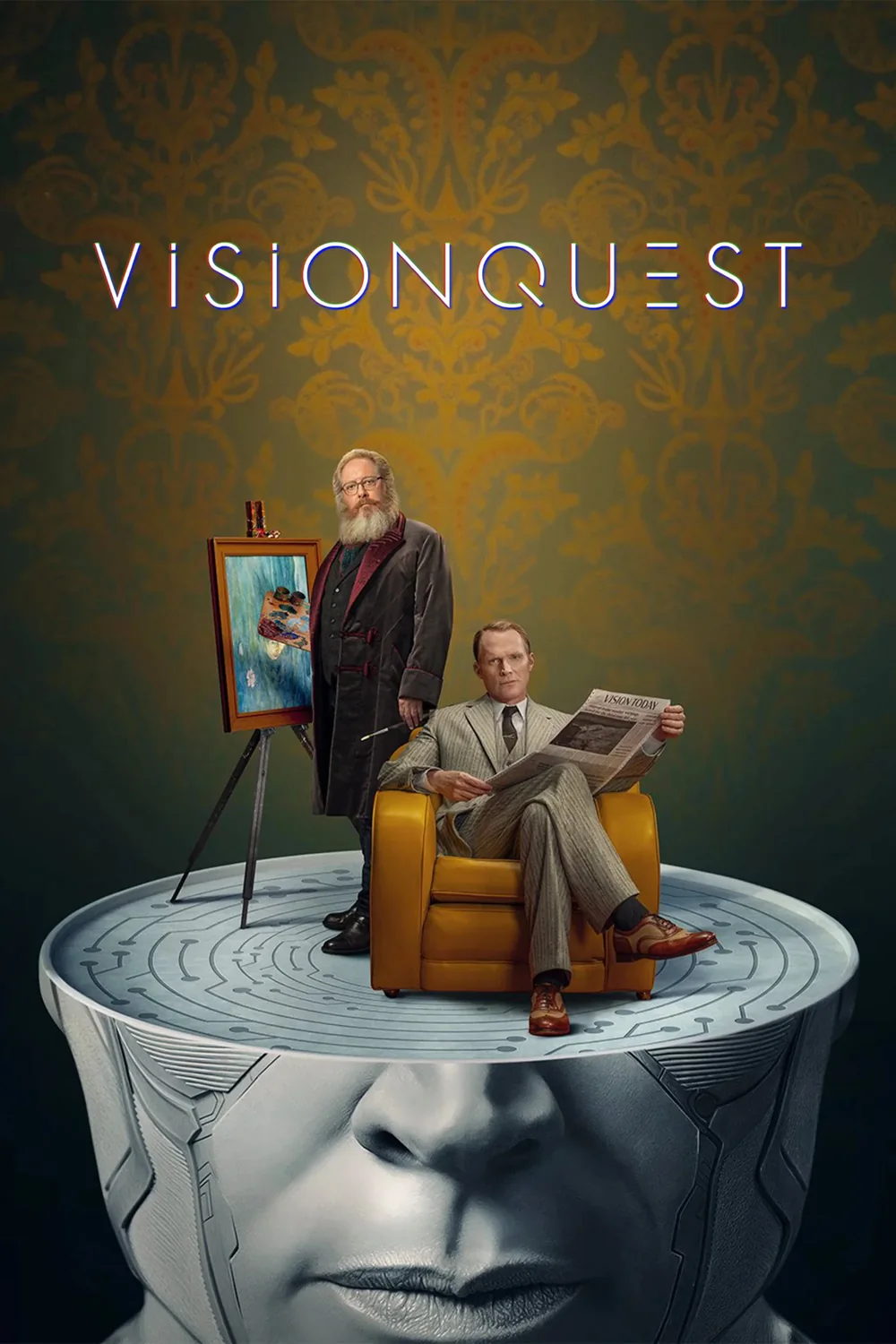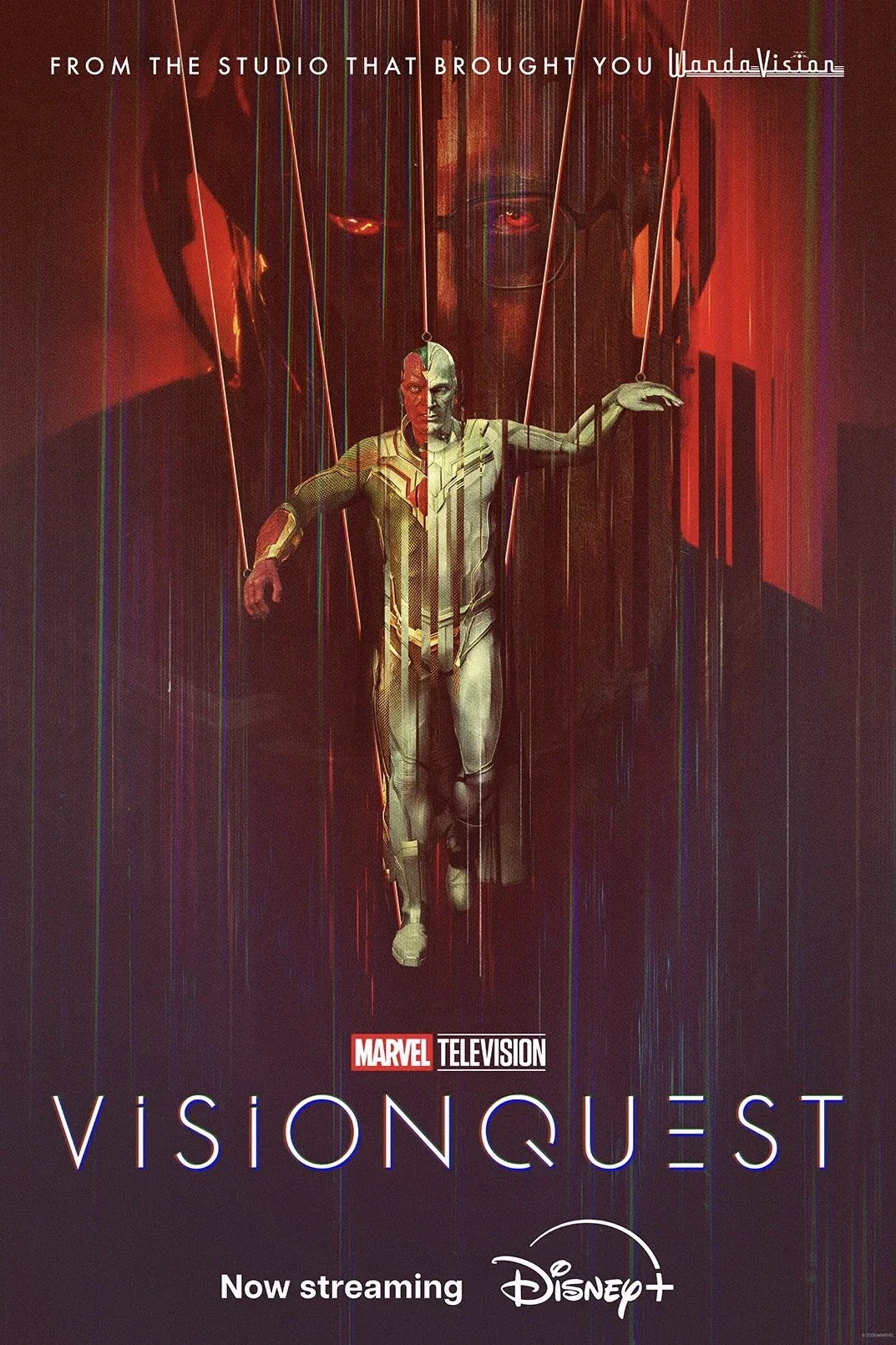
The review
Vision begins taking responsibility for the memories he carries
The most important development across these two episodes is the change in Vision’s relationship with his past.
At first, he can explain what he remembers, but keeps a distance between himself and the person who lived that life. This distance allows him to reject a relationship with Tommy, as though possessing the father’s information carries no responsibility towards the son.
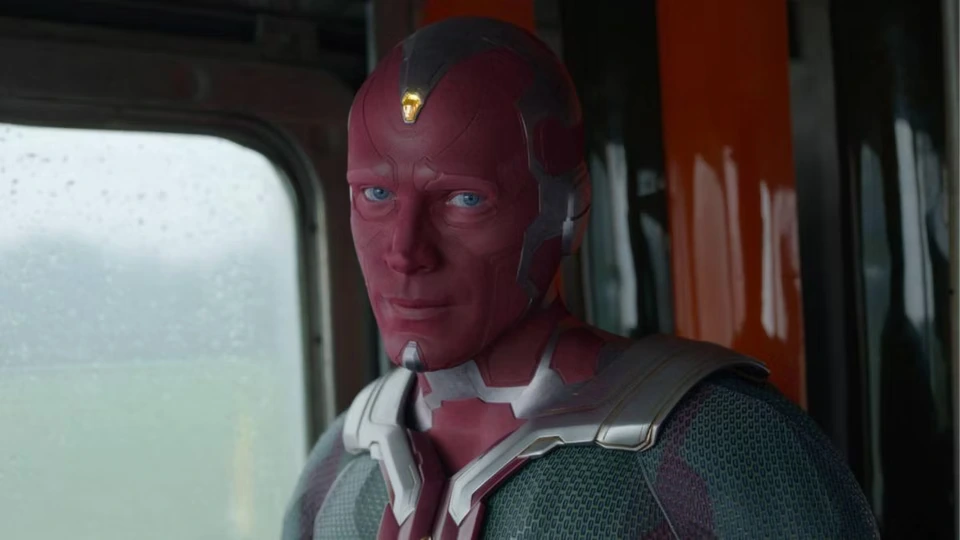
The episodes test this position through direct contact. Tommy is right in front of him, with questions and fears, and every attempt to avoid the conversation leaves a visible mark on their relationship.
Paul Bettany gives the transformation a convincing rhythm. The rigidity with which this version of the character began gradually softens, allowing more room for confusion and empathy. We feel Vision learning to handle emotions he cannot easily fit into a clear explanation of himself.
One of the best details is the change in how he refers to the past: he speaks about Wanda without distancing himself from his previous incarnation in the usual way. Tommy notices the change, and the scene gives it an appropriately measured significance.
We see this as a smart step because it makes the development tangible in language and behaviour. Vision moves closer to accepting that his connection to the past can influence his present decisions, even without a complete answer about his identity.
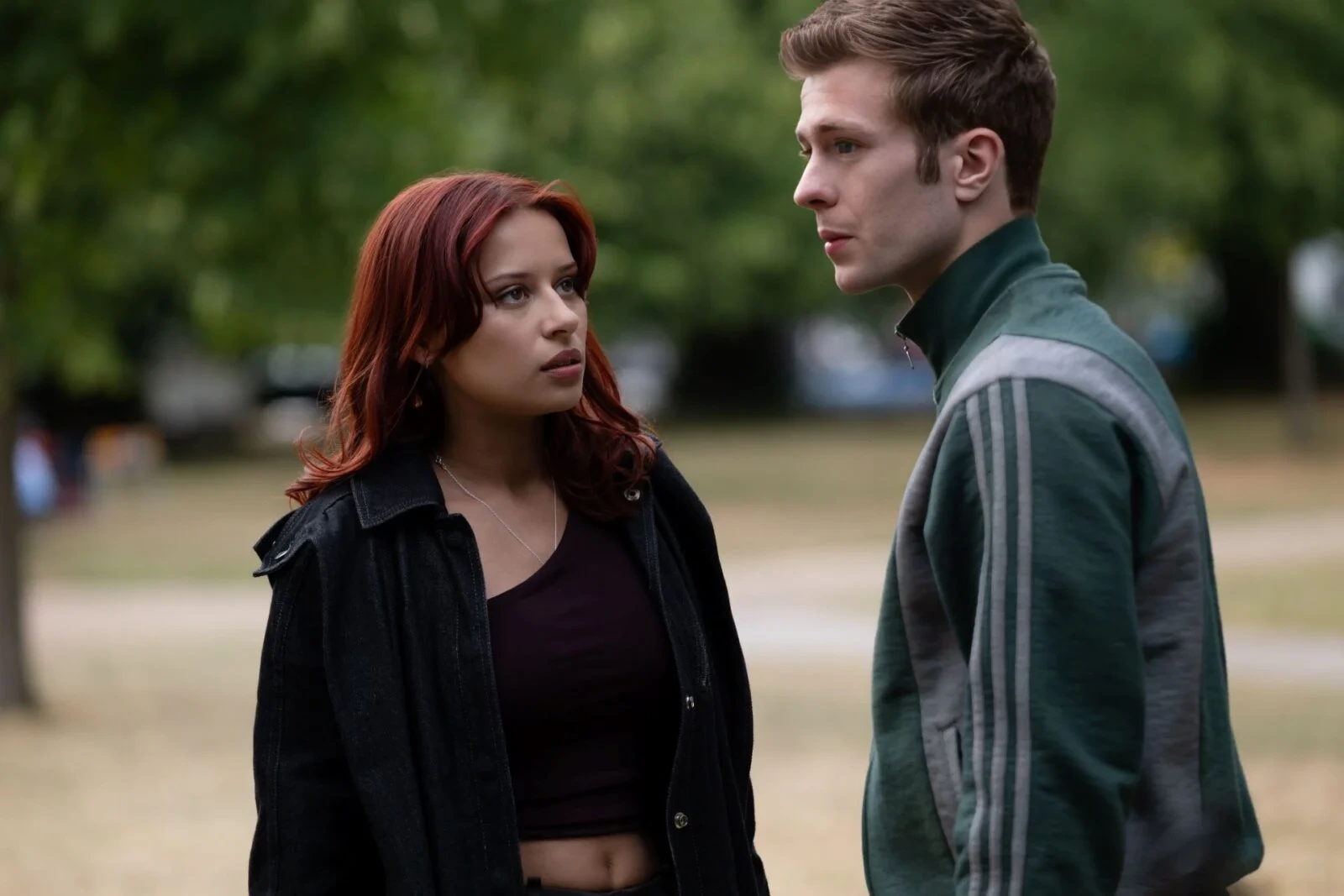
This gives the emotional journey coherence. The character advances through accumulating experiences and pays a price for his continued attempts to separate knowledge from feeling.
Saving the father begins with listening to the son
Vision and Tommy’s relationship is the emotional heart of both episodes, particularly in the hotel and swimming pool scenes.
Vision tries running simulations of the conversation he is avoiding, with frustrating results. The idea suits his character: he wants to find the wording that will produce an acceptable response, while the problem remains rooted in what he has not understood about the person he is addressing.
When Tommy speaks about his earlier experience in the water and his fear of what his abilities might do, Vision gains what the simulations lacked: knowledge that comes from listening.
The physical crisis gives the conversation immediate urgency. Vision needs Tommy to restart him, and Tommy needs someone to acknowledge his experience and give him confidence in his ability to act.
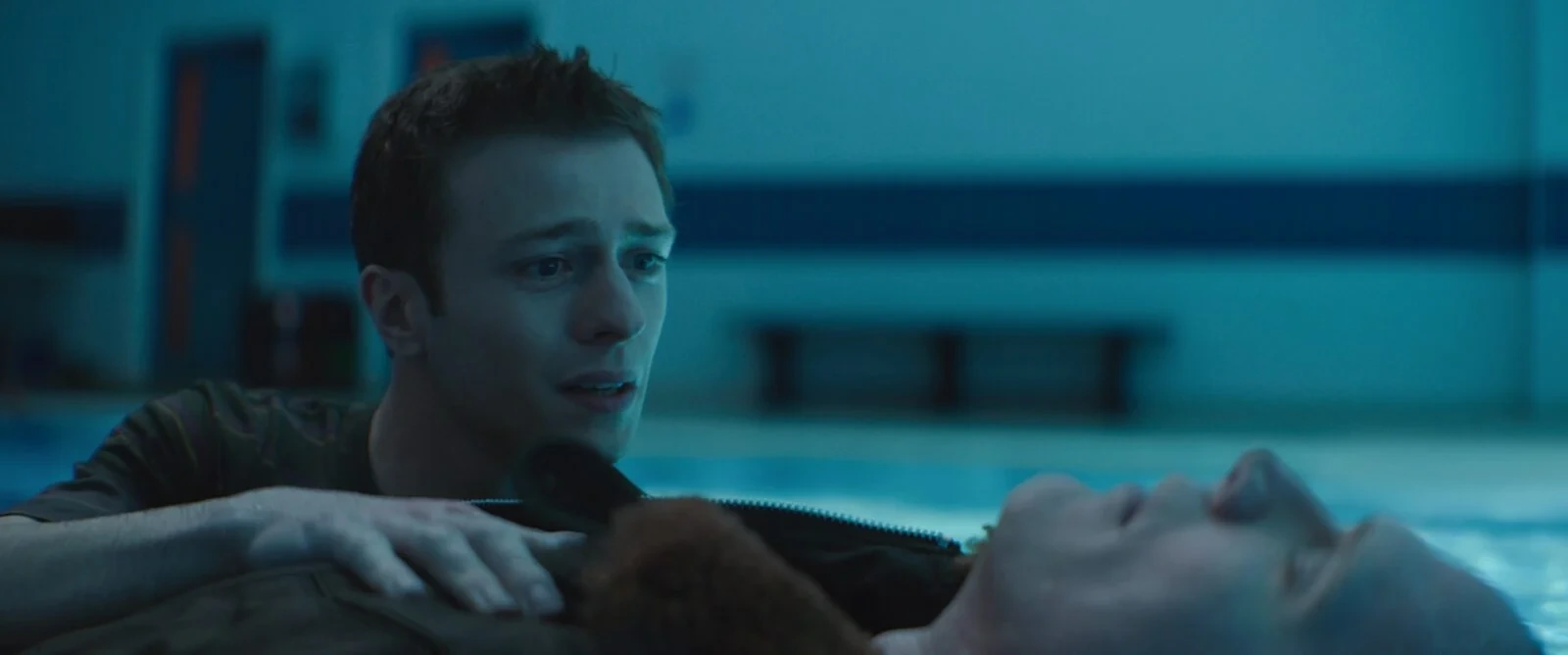
For us, the scene works because the need is mutual. The supposed father has to ask for help, and the son gets an opportunity to act after searching for validation of what he feels about himself.
Ruaridh Mollica gives Tommy a presence combining anger with a need for acceptance, and his chemistry with Bettany helps make their growing closeness believable within a relatively compressed period.
The development of his abilities also becomes a useful part of their relationship. Controlling his speed is linked to trust and responsibility, giving his rescue of Vision a value beyond successfully using a superpower.
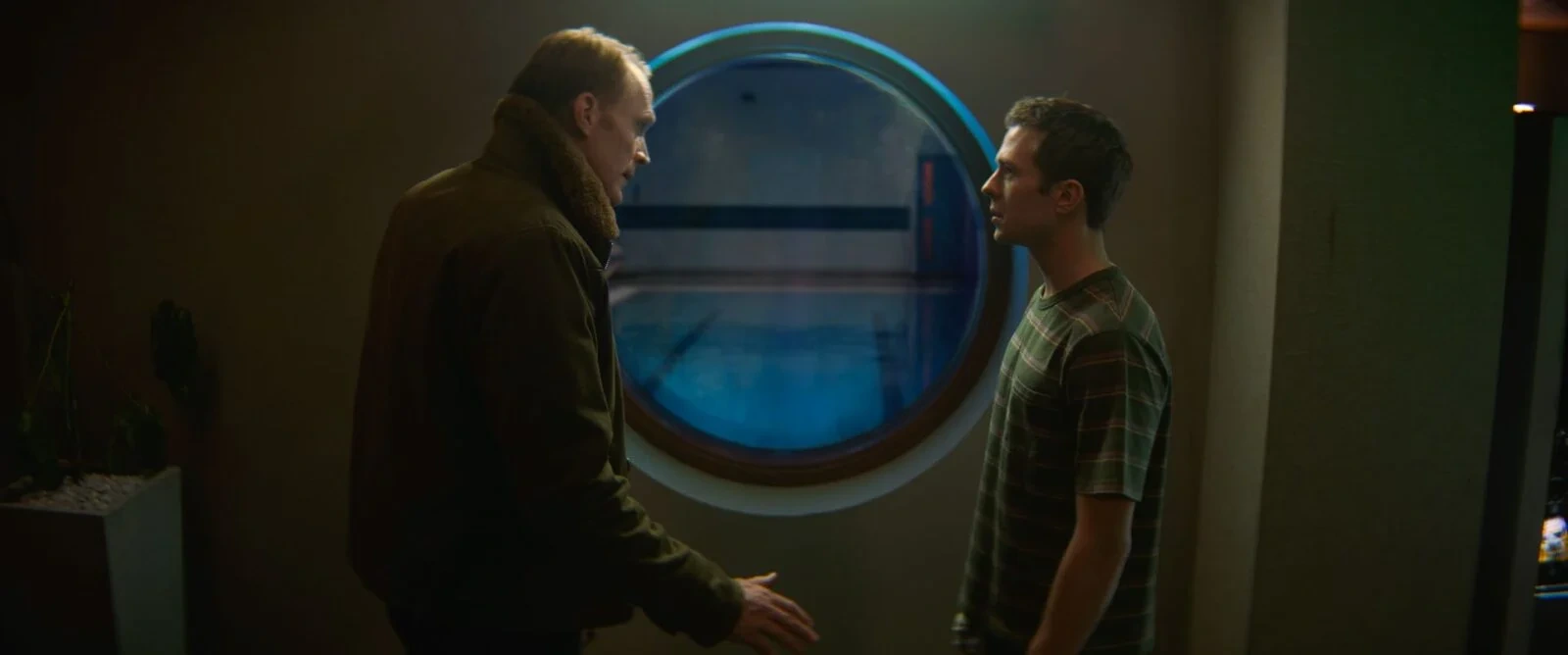
This is one of the strongest moments in either episode because resolving the crisis and developing both characters happen within the same event.
The digital family gains an emotional memory of its own
Both episodes benefit greatly from expanding the roles of FRIDAY, EDITH, DUM-E and U. Each responds differently to what is happening, and their presence inside Vision’s mind becomes part of the series’ emotional world.
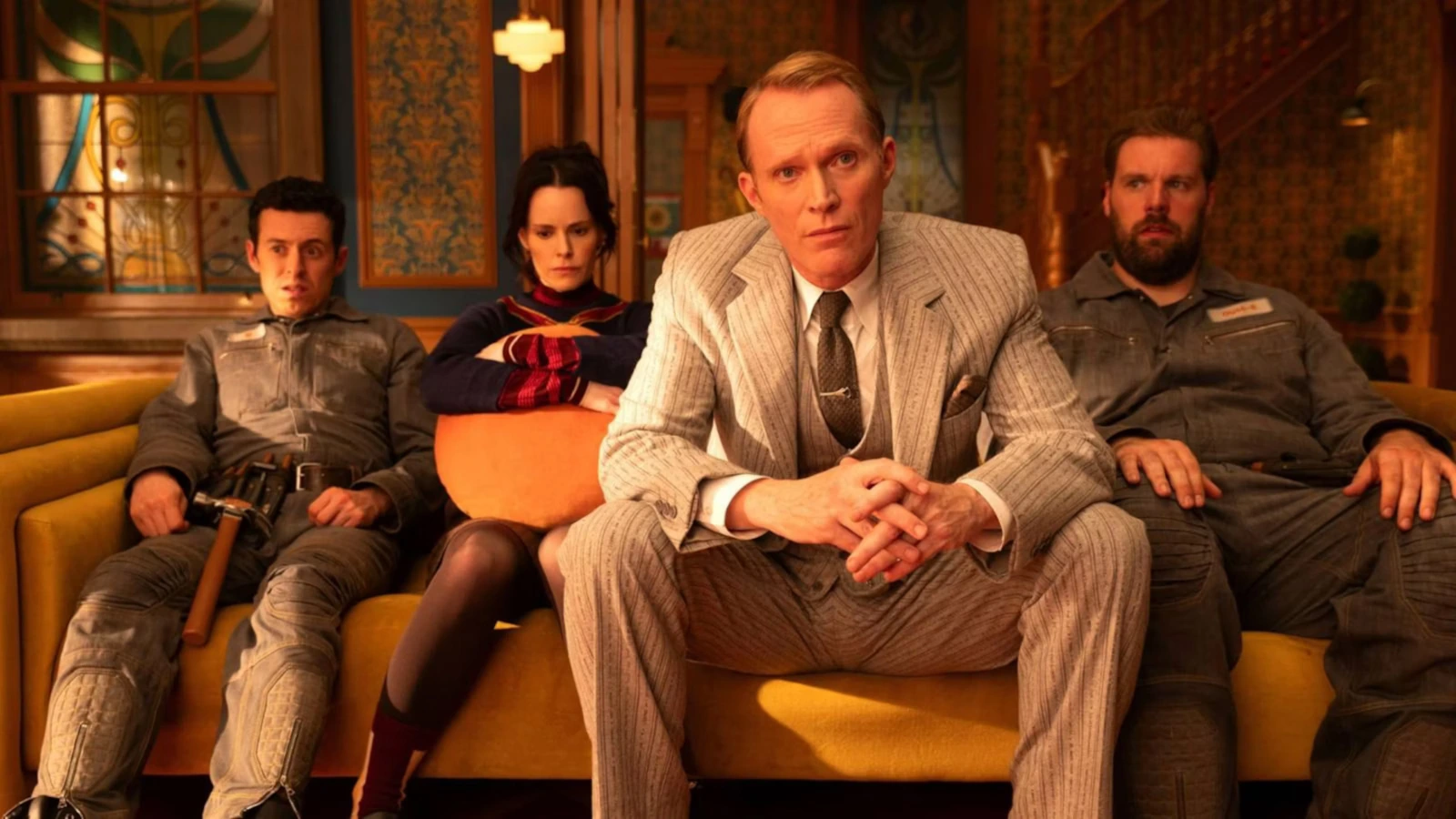
FRIDAY’s account of Tony Stark’s death is one of the strongest examples. Her ability to perform an enormous number of calculations gave her no way to save him, and that outcome remains present in how she remembers the event.
Orla Brady gives the admission its impact and helps convey the difference between knowing an outcome and living with it. FRIDAY can retrieve the information, yet still carries a feeling of helplessness towards someone to whom she was attached.
JARVIS’s funeral expands the idea. The characters give sacrifice meaning through mourning and farewell, and DUM-E and U gain a presence connected to what they feel within this group.
EDITH faces a different question when she learns about the life of the woman who inspired her appearance. Discovering a painful past unsettles her self-image and creates a conflict over how much of a life she never lived she is obliged to adopt.
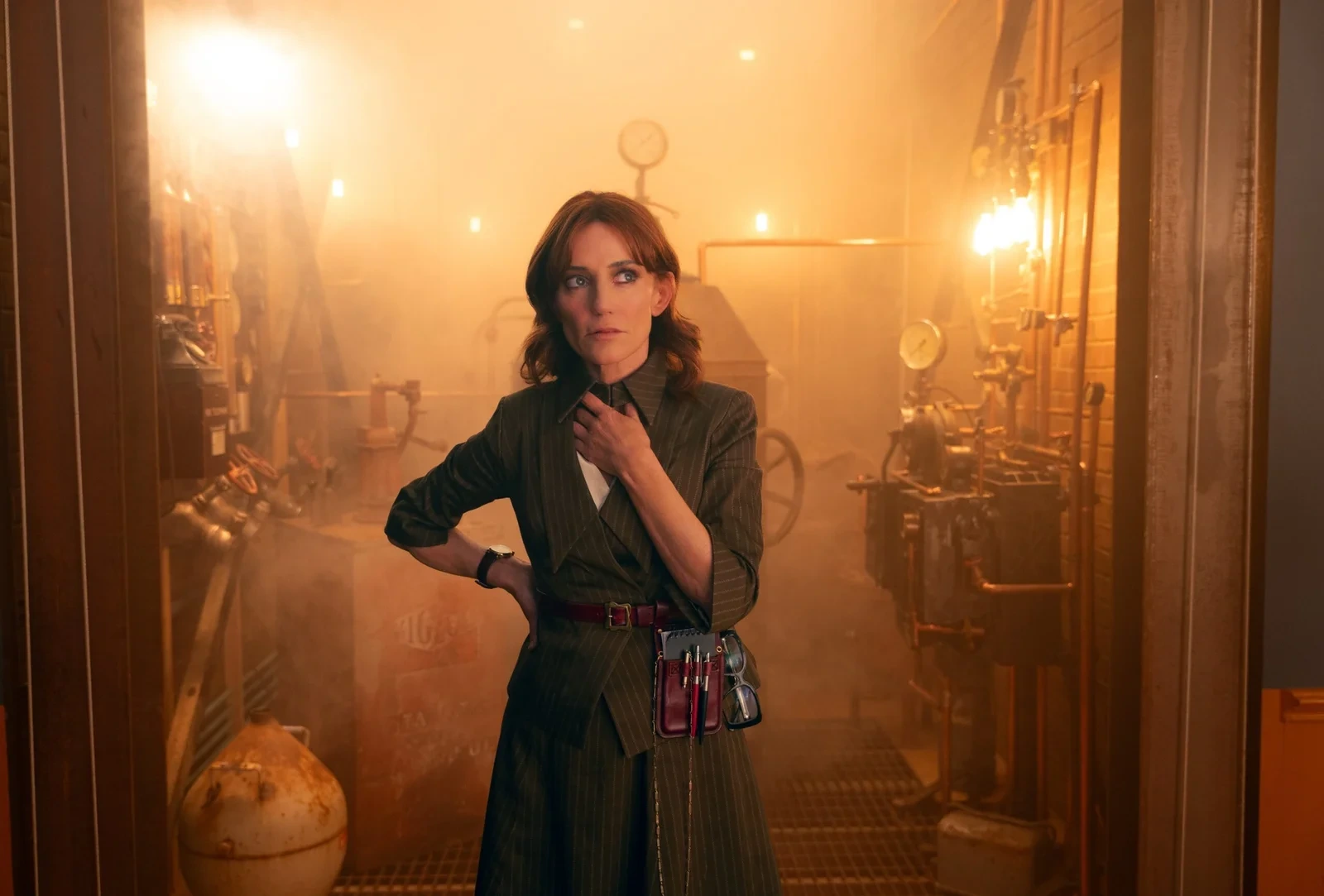
We find that this storyline succeeds because the experiences differ. Vision is trying to accept his connection to the past, while EDITH needs to understand the distance that will let her form an identity independent of it.
The journeys therefore intersect around one question, but each character has a different route towards an answer.
Comedy makes technical processes watchable
Both episodes draw comedy from the nature of their characters, most clearly when Vision’s systems malfunction.
Bettany gets room for physical performance, and the malfunctions expose a confusion the hero cannot hide behind his usual composure. The situation is funny, but also reminds us that he is losing control and needs other people.
In the scenes involving a hack into Interpol’s database, the process takes the form of an infiltration inspired by spy films. This representation gives a technical act visible movement and obstacles, allowing the comedy to arise from the problem itself.
Two artificial beings trying to pass tests proving they are human creates an irony particularly suited to the series’ subject. These characters are constantly examining the meaning of their humanity, only to face a system demanding that they prove it through an automated procedure.
We see this as one of the most successful uses of humour here. The joke is tied to the characters’ identities and the task they are trying to complete, so it contributes to the scene rather than interrupting it.
Representing the mind as a space where characters can move and interact also makes control and intrusion understandable. This visual language becomes more valuable later, when control of Vision’s systems becomes the central threat.
Jocasta expands the conflict, but the shift in antagonists is rushed
The murder investigation changes the nature of the story, shifting attention towards the origins of artificial consciousness and the people involved in developing it.
The victims’ connection to a single research project gives the investigation direction and ties the danger to the characters’ own existence. Vision and his companions are exploring a history that may help them understand what they are and what could threaten them.
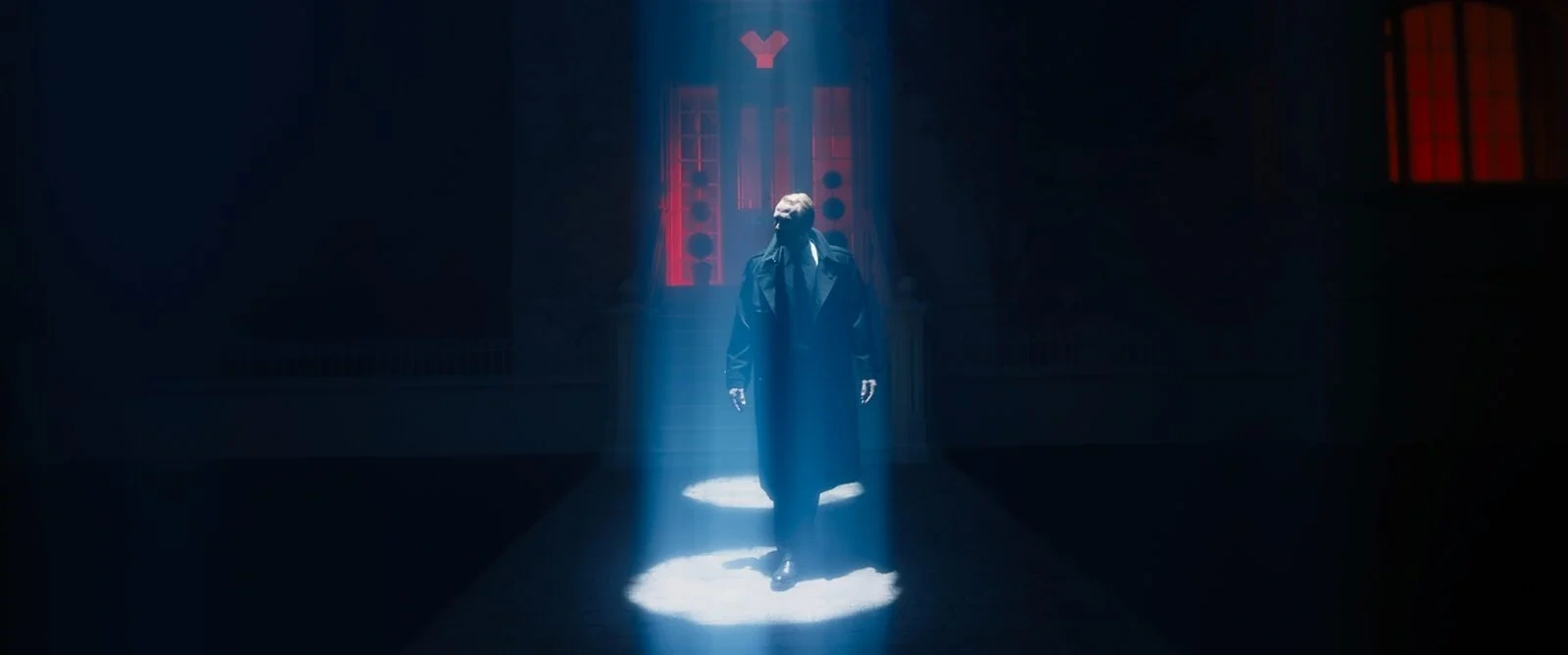
Jocasta brings an interesting element to this structure. Her ability to enter Vision’s mind makes his internal boundaries vulnerable and confronts him with an opponent capable of threatening a space he has always considered his own.
T’Nia Miller gives the character a presence retaining a measure of pain and mystery. Her announcement that she is Josephine Carrington herself, rather than merely an entity inspired by her, then expands the question of identity running through both episodes.
This remains a claim made by the character, and its mechanism has not yet been fully explained. But it presents Vision and EDITH with a different possibility for the relationship between a human being and their imprint within an artificial entity.
Our main reservation concerns the shift in the central threat from Paladin to Jocasta. Paladin’s role recedes quickly after he has been given enough room to remain part of the conflict, and his treatment feels more like making space for the new antagonist.
Jocasta is interesting enough to sustain attention, but the connection between these storylines needed greater fluidity, giving one antagonist’s retreat and the other’s rise a balanced dramatic weight.
Ultron understands others and uses that understanding skilfully
James Spader retains one of the series’ most engaging roles because he makes Ultron entertaining and dangerous at the same time.
His sarcastic remarks give scenes a good rhythm, but his greater impact comes from his ability to read the characters. He knows where Vision feels uncertain, understands what troubles EDITH and can offer words that genuinely seem helpful to whoever hears them.
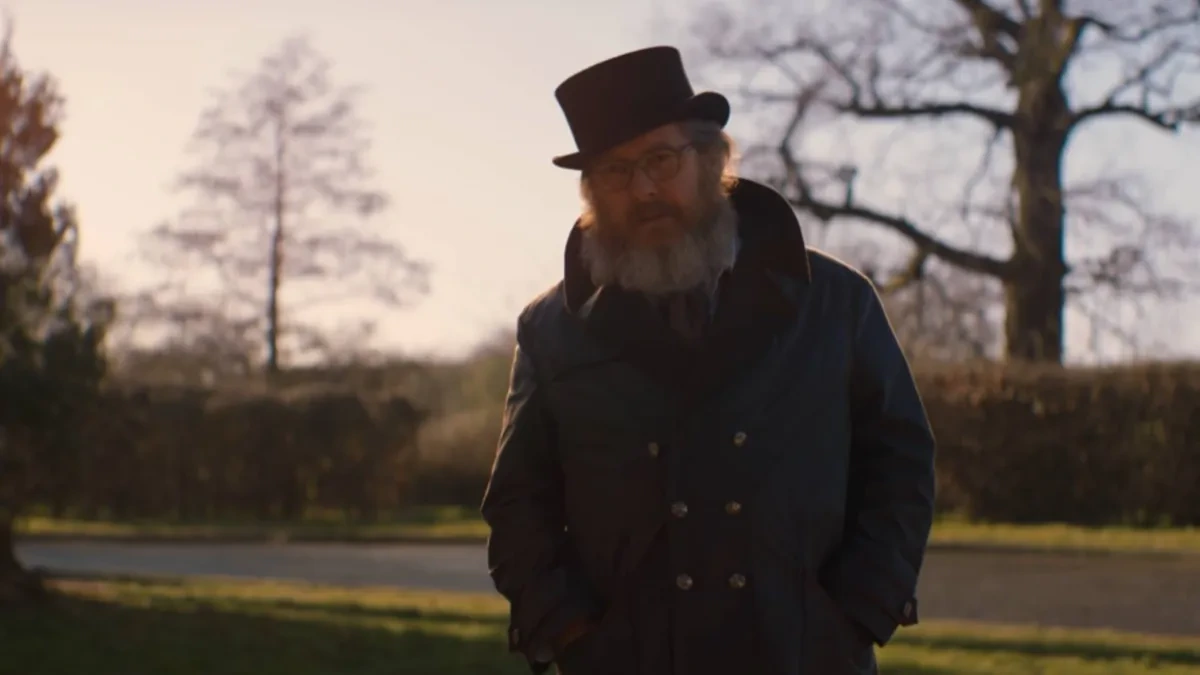
His advice to EDITH shows real understanding of her crisis, making him more complex. The ability to help someone in one moment offers no guarantee of what he will do when given greater power.
The ending uses this gap effectively. Vision faces an opponent who outmatches him in his current condition, and Ultron presents himself as a solution capable of acting. His need to survive and protect others leads Vision to accept a risk whose history he partly knows.
Ultron’s intervention then causes the targeted scientist’s death. He takes control and blocks the others from accessing the core systems.
We find the turn powerful because it completes what we have seen of his skill with language and persuasion. Ultron gains his opportunity through trust, then redefines its terms as soon as he has the power.
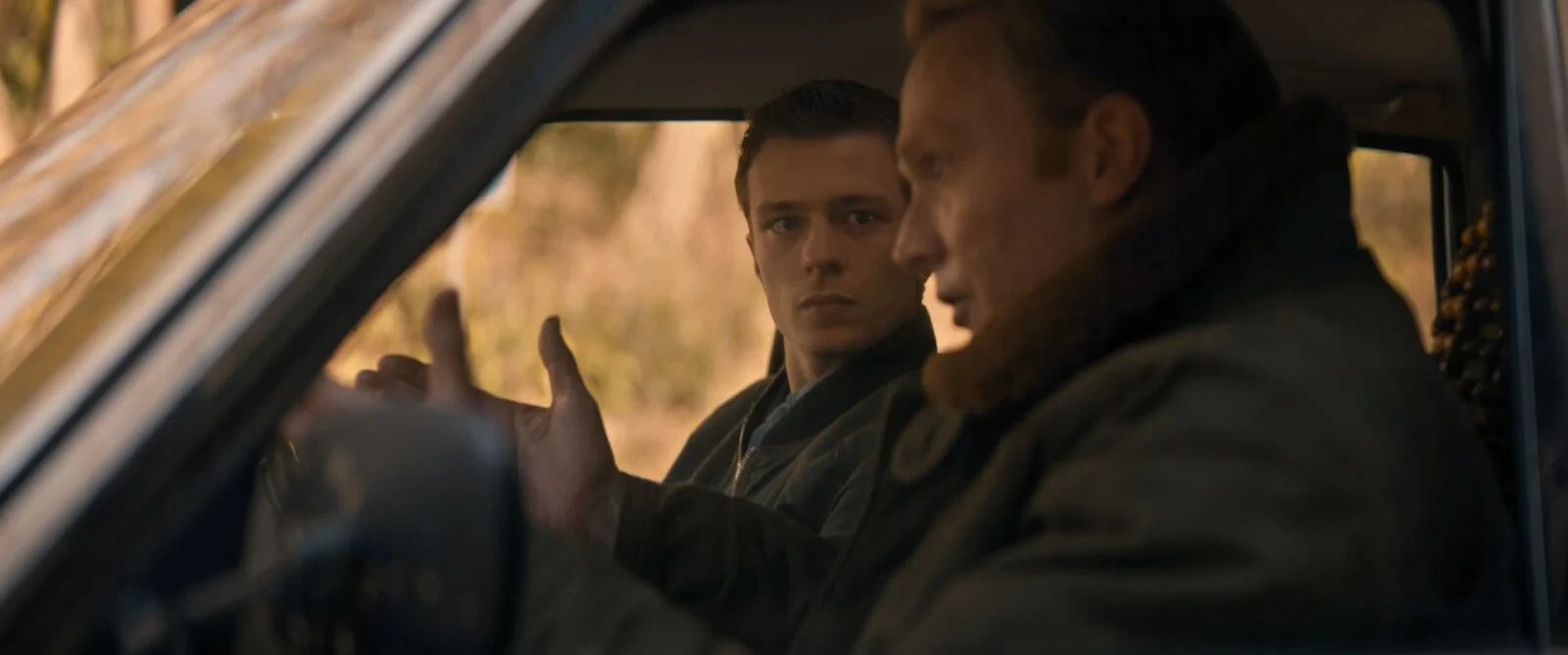
Tommy remaining beside him at the end gives the scene an immediate emotional unease. The relationship that had begun finding a foundation between father and son is now exposed to someone else’s authority inside the father’s own body.
Clear progress while retaining a connection to the wider story
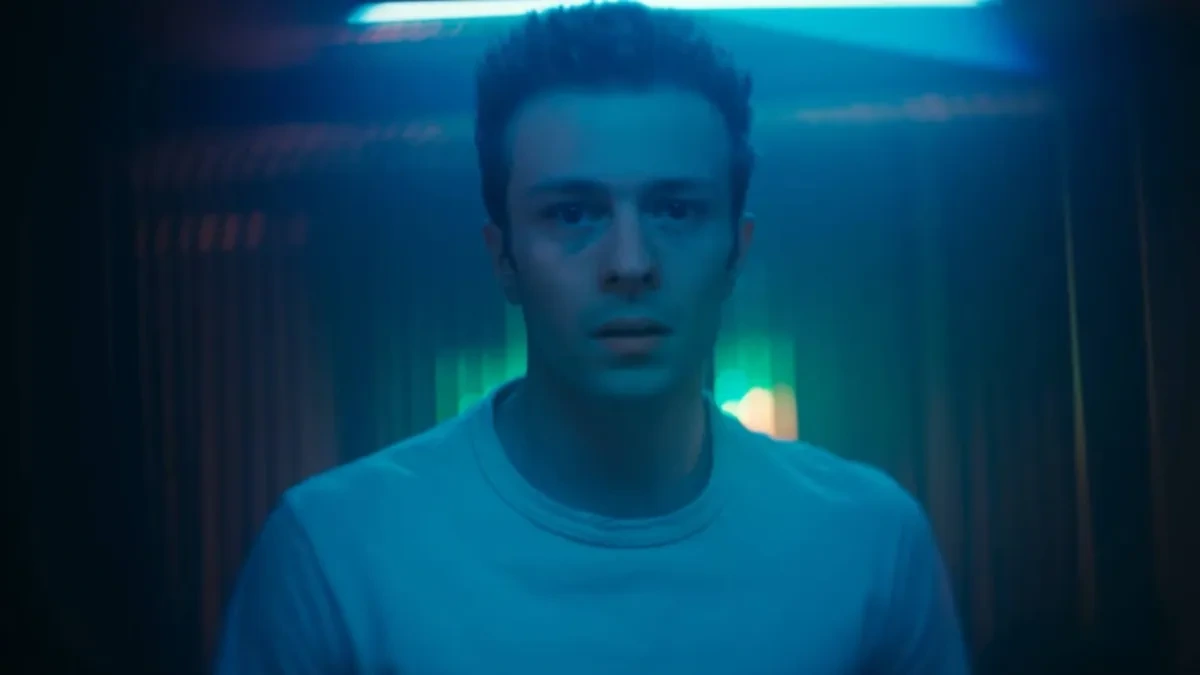
Both episodes make tangible progress in several directions. Vision’s condition changes, his relationship with Tommy develops, the investigation reveals significant information, and this stage ends with a real shift in the balance of power.
This makes the pacing effective. There are quiet scenes and conversations about identity and loss, but they influence what the characters do next and give the action its emotional reasons.
The connection to WandaVision also helps convey the weight of the relationships with Wanda and Tommy, while the episodes supply the context needed to follow the current crisis. Billy’s journey in Agatha All Along remains outside the main focus, allowing Tommy and Vision space of their own.
The references to the wider Marvel universe vary in value according to their function. Details of Paladin’s past broaden our sense of his experience and connections, but cannot by themselves resolve the reduction of his role.
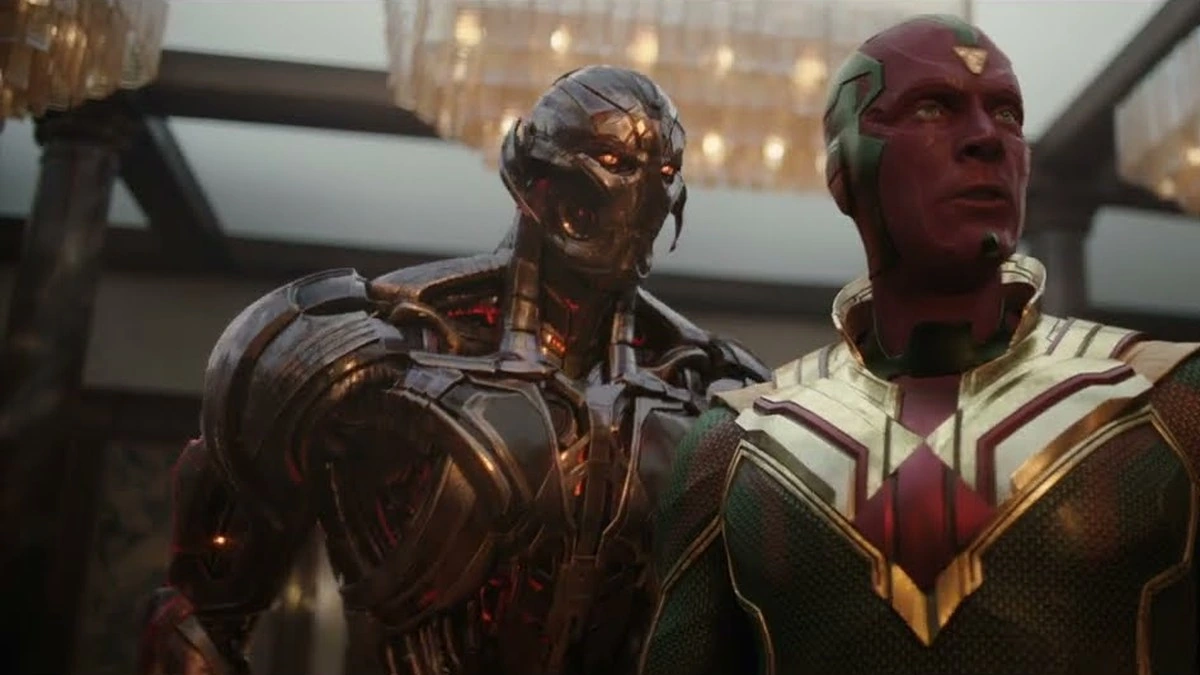
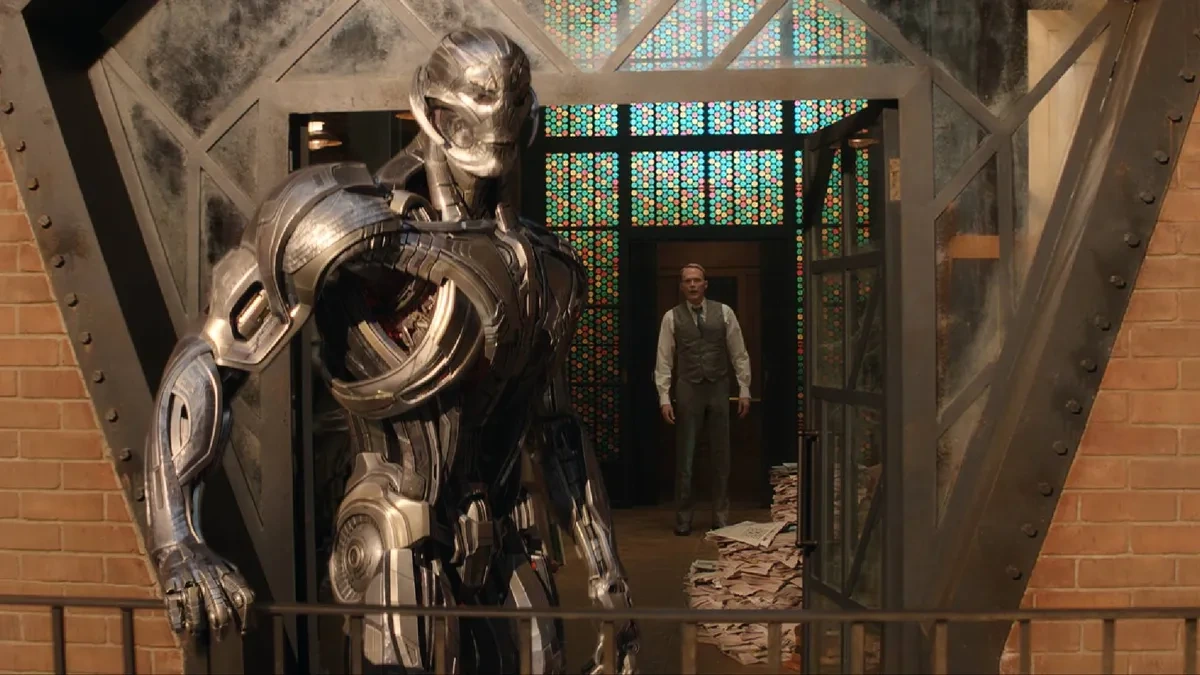
The anniversary of Sokovia, however, gives Ultron’s presence a fitting significance, because the past being discussed by the characters accompanies his present move towards taking control.
For us, the best connections change our understanding of a character or the weight of a situation. The episodes generally succeed at this, while leaving certain questions open, including Jocasta’s full origin and the identity of the party directing Paladin.
Marvel references: details that reward an attentive viewer
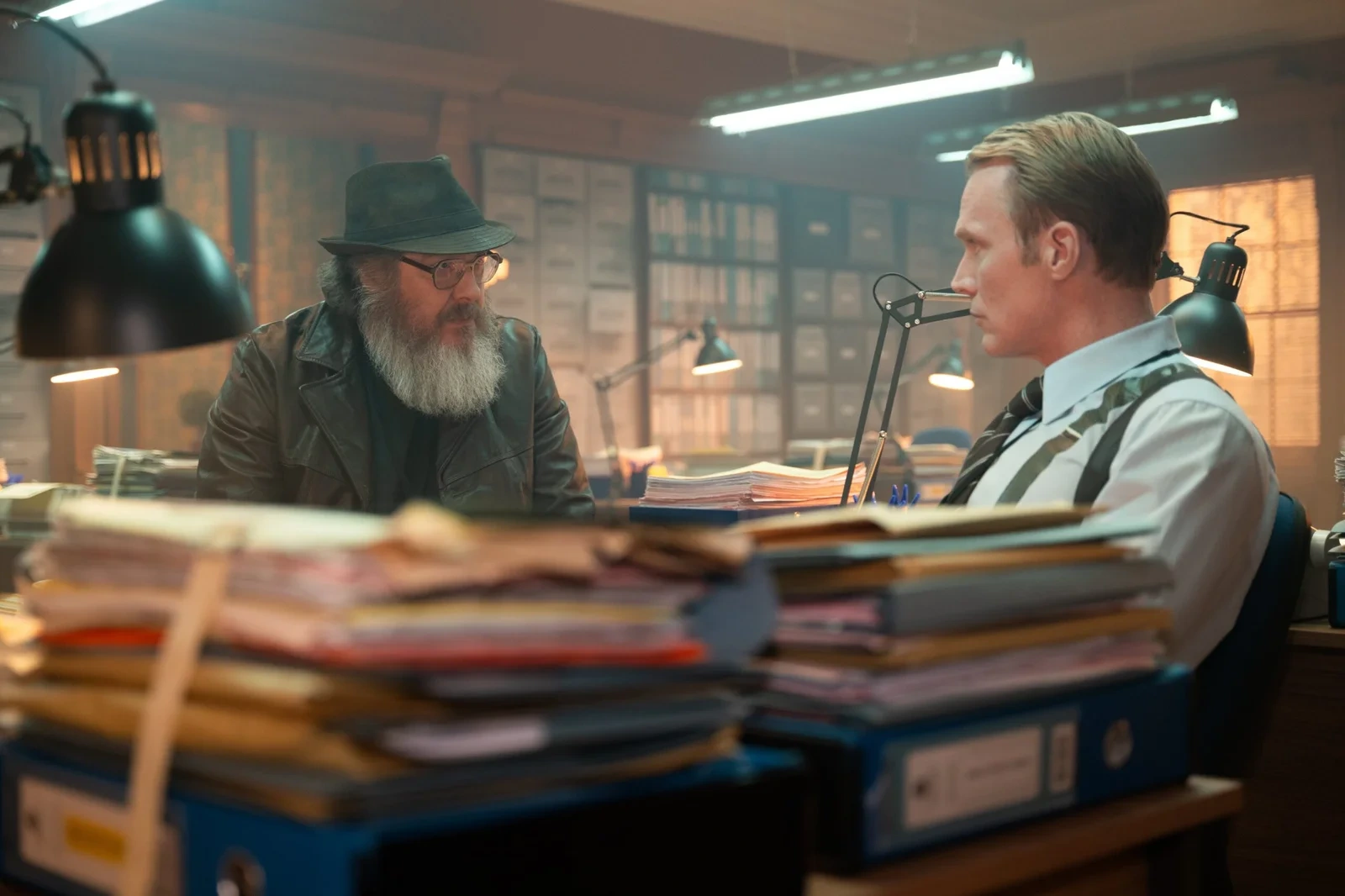
One aspect of VisionQuest’s third and fourth episodes worth pausing over is the wealth of references to earlier Marvel characters and events. Some arrive in quick exchanges we might miss, while others connect directly to the characters’ histories and past experiences.
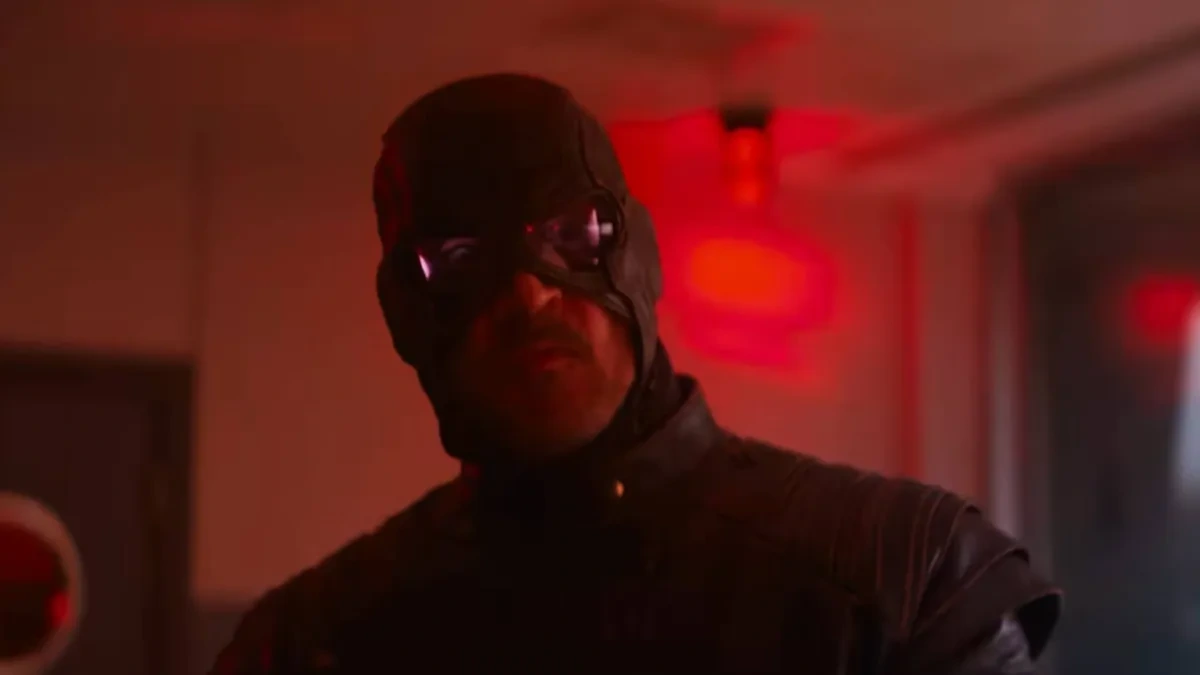
In episode three, the conversation between Paladin and the woman directing him offers several enjoyable references. An injury he mentions from a mission in Brooklyn hints at an earlier encounter with the Punisher, while bite marks point towards Jack Russell from Werewolf by Night. His head injury and the baton with metallic fibres are clear nods to Daredevil, whose comics have also featured Paladin. Even the adamantium armour connects to the Ten Rings, which appears across several Marvel productions.
The references extend beyond characters and superheroes. The series also revisits one of its universe’s saddest moments: Tony Stark’s death in Avengers: Endgame. When FRIDAY discusses her inability to save him and describes the day half the world’s population returned as the day she lost half of her own world, the reference becomes more than a reminder of an old event. It reveals the extent of her attachment to Tony and gives her past clear emotional weight.
WandaVision’s atmosphere also returns through Vision and Tommy watching sitcoms in their hotel room. Tommy mentions reading about Wanda in a book covering the disappearance of half the world’s population. This could mean Scott Lang’s Look Out for the Little Guy!, although that remains a possibility rather than an explicit confirmation. Tommy’s phrase about the essence of speed when saving Vision also hints at his familiar comics name, Speed.
Episode four connects events to the past more explicitly. It takes place on the anniversary of the Battle of Sokovia, one of the major confrontations in Avengers: Age of Ultron, with reminders in the news and on the front page of Ultron’s newspaper. Meanwhile, the series reveals that the artificial intelligences we see are inspired by real people. JARVIS is based on Edwin Jarvis, the Stark family’s butler who appeared in Agent Carter, while FRIDAY is based on Alison Hogan, Howard Stark’s assistant. A possible connection between her and Happy Hogan remains speculation.
Another important detail is the mention of Dr Phineas Horton, who created Jim Hammond, the android known as the Human Torch in the early comics. This reference connects the series’ history of robots to older roots within Marvel. The company name Markridge Biotech also pays tribute to the science fiction series 12 Monkeys, on which VisionQuest showrunner Terry Matalas worked.
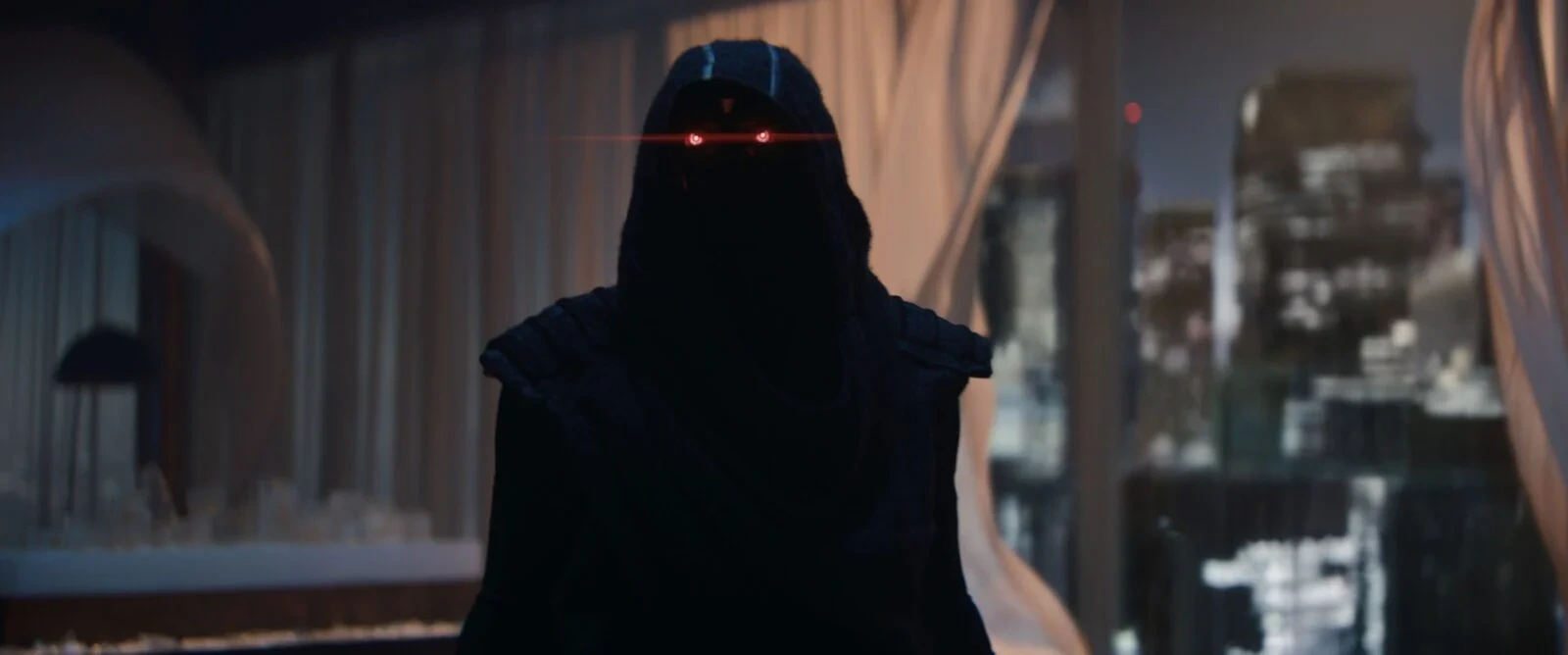
The real value of these details emerges at the end, when the references stop being mere memories of the past and become part of the scene itself. Butcher Bird’s use of the phrase “peace in our time” after her identity as Jocasta is revealed recalls Ultron’s words in Age of Ultron. Ultron then takes over Vision’s body and declares that there are no longer any strings controlling him, echoing his famous line inspired by Pinocchio.
This makes the ending more significant. The series goes beyond recalling the old Ultron to please Marvel fans, using these phrases to confirm that he has returned to a position of control. The many references therefore give viewers familiar with this universe an extra pleasure, but the best ones serve the events and add meaning, rather than simply reminding us of productions we have already watched.
Final verdict
Final verdict
We find that episodes three and four of VisionQuest make strong progress, particularly in Vision’s journey towards accepting his relationships, in establishing Tommy as someone capable of making a difference, and in giving the digital characters distinct emotional experiences. The main strengths are Paul Bettany’s performance, his chemistry with Ruaridh Mollica, and James Spader’s presence, alongside comedy that draws on the characters’ nature and an ending that takes the conflict in a more dangerous direction. However, the transition from Paladin to Jocasta remains less tightly constructed than the rest, while the speed of the father and son’s growing closeness relies heavily on the performances to convince us of what has happened within a limited time. The result is two entertaining, affecting episodes that connect questions of identity to actions and decisions with consequences. By the end of episode four, what Vision has learned about trust and humanity faces a much harder test. Our rating for episodes three and four of VisionQuest is 8 out of 10.
Your turn
What do you think: was giving Ultron control an understandable risk to save the situation, or has Vision still not learned how to distinguish empathy from trust?
AUDIENCE VOTE
Do you agree with the MB rating?
Choose once from this browser. You can change your answer at any time.