02 / The review
11 CHAPTERSScreenplay and dialogue
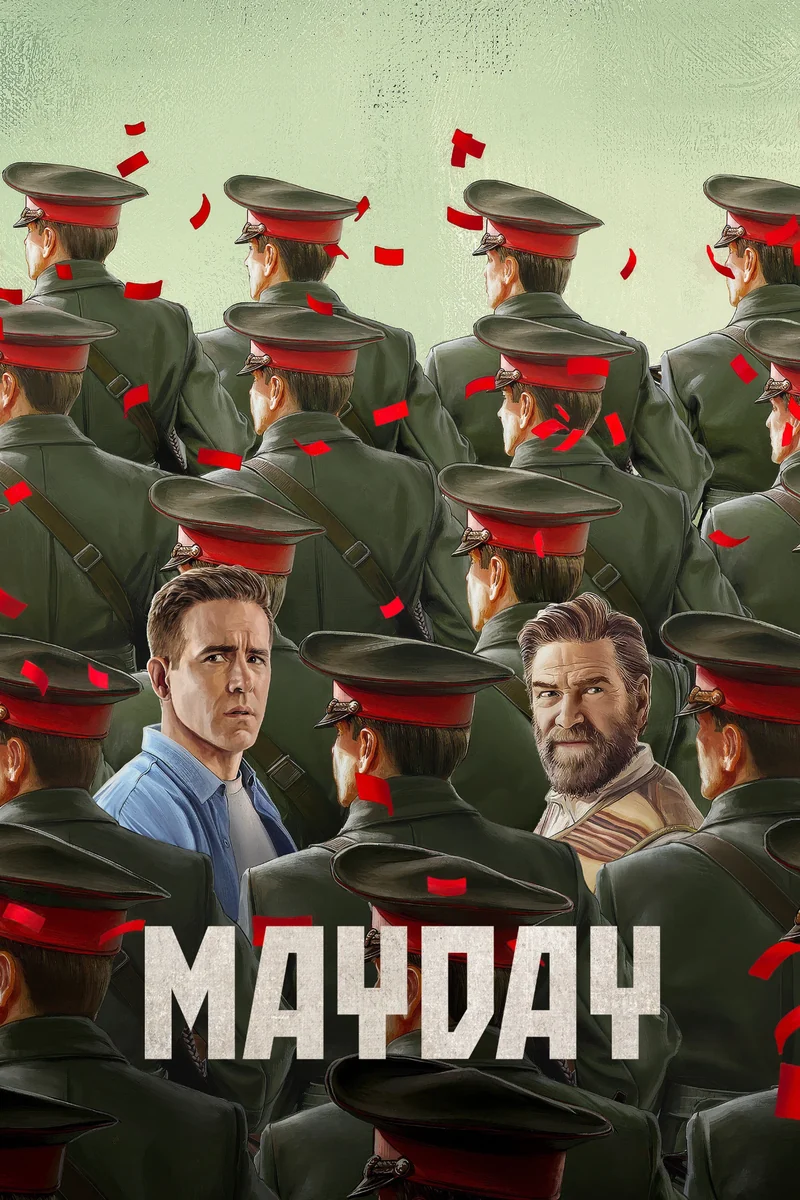
The central problem is not that the film is technically poor, but that it does not know exactly what it wants to be. Is it an adventure comedy about two men from enemy countries forced to cooperate? A political film criticizing the United States and the Soviet Union? A story about friendship and changing one's beliefs? A social film about accepting difference? Or a message against the use of dangerous materials in military facilities?
It tries to be all these things at once, and that is precisely where the confusion begins. The story of an American pilot falling behind the Iron Curtain and having to depend on a Soviet man who wants to escape to America could have been an excellent basis for a smart adventure comedy.
Instead of concentrating on that idea, the screenplay insists on loading the film with so many messages and issues that some become closer to direct speeches than drama arising naturally from the characters.
Troy and Nick… the film's strongest idea
The screenplay has one clear strength: Troy and Nick's relationship. It is the film's real heart. Initially, we have an American convinced that his country represents the best possible model and a Soviet man fascinated by almost everything American. Nick watches Top Gun, dreams of living in the United States and treats American culture as an ideal picture of life.
That could have created a very clever irony: the Soviet man dreams of America while the American begins to discover that America is not the ideal place he believed it to be. This is the best idea in the entire film. The problem is that the screenplay does not trust it enough and starts surrounding it with numerous political and social layers.
Troy discovers that his government is willing to abandon him when rescuing him becomes politically costly. He also learns that his image of Soviet people was wrong. This transformation could have been deeply meaningful if it had developed gradually, but the film frequently has its characters directly tell viewers what they should have been allowed to understand themselves. That is a major writing problem. The best cinema does not constantly explain the idea; it lets you see it and reach your own conclusions.
Political messaging… when the adventure stops for a speech
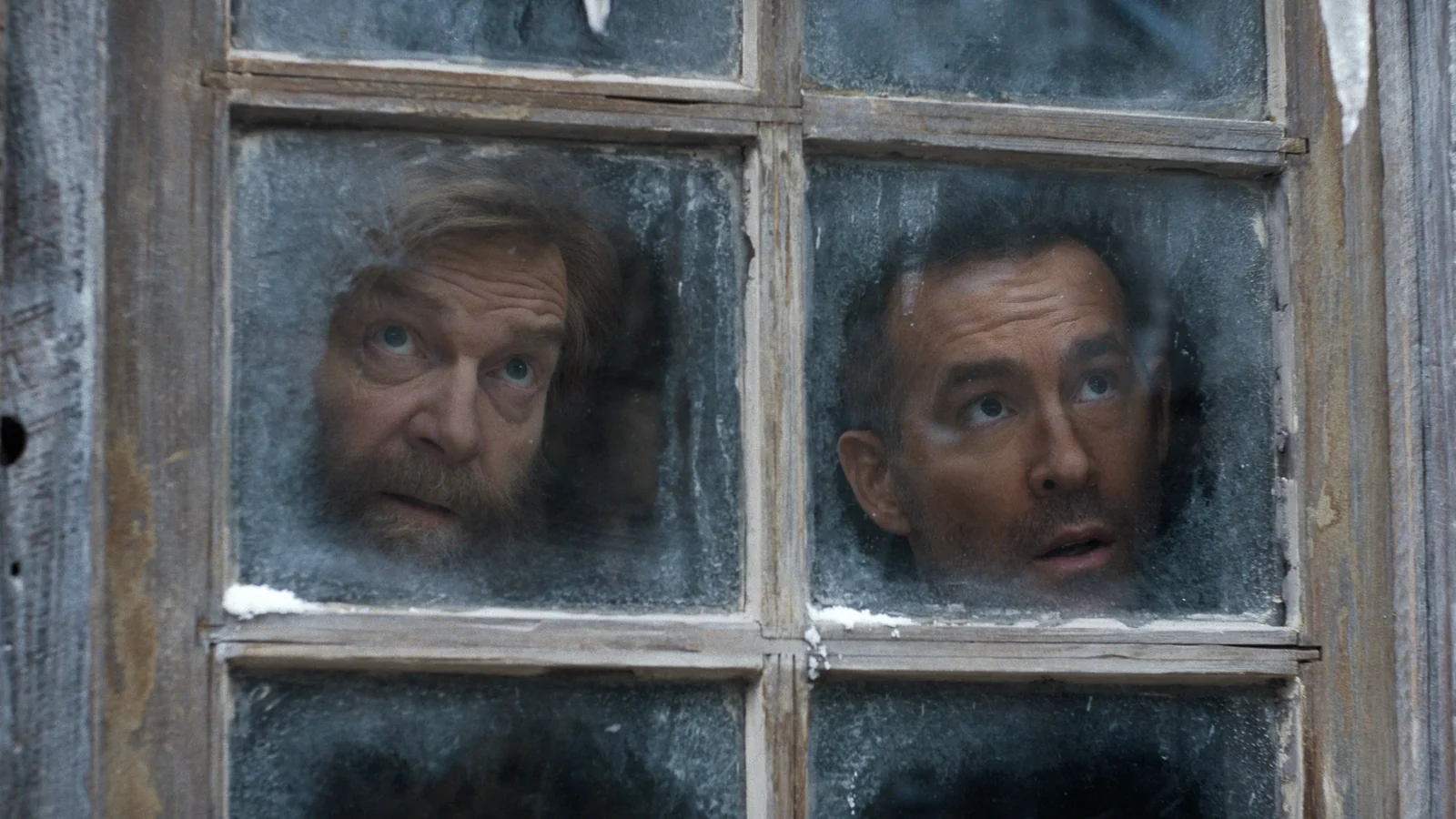
This brings me to what I find most irritating. The film wants to say that both the United States and the Soviet Union have their flaws, and that the propaganda governments present does not reflect the whole truth. There is nothing wrong with that idea in principle. On the contrary, it could have been one of the film's greatest strengths. But the way it enters the screenplay makes it feel forced, direct and tedious.
The film criticizes Soviet repression while also criticizing the American government for hypocrisy, military policies and the use of asbestos in military facilities. Instead of making these issues a natural part of the characters' journey, some scenes become platforms for delivering messages.
The clearest example is the asbestos storyline connected to Troy's father. The issue itself matters, but its introduction feels as though the screenplay suddenly stops being an adventure film to announce, 'And now we need to discuss this issue.' That damages both the pacing and the dramatic cohesion.
The same applies to Anna's identity and her relationship with her father. The film uses this story for several purposes at once: showing Soviet repression, developing Nick and giving Troy a role in repairing the father-daughter relationship. The problem is that these elements sometimes feel like instruments of political messaging rather than organic parts of the story.
Friendship and changing beliefs
One thing the film does reasonably well is Troy and Nick's relationship. Troy begins as someone very self-assured, sometimes arrogant, and convinced that America is the best model. Nick is almost the opposite: a Soviet man who has lived inside the system but become fascinated by America.
There is an appealing irony here. Each man begins by viewing the other's country through an idealized or distorted image, but the journey forces them to reconsider. This is the idea the whole film should have been built around.
Over time, Troy changes not because someone gives him a political lecture, but because he experiences things himself. He meets Soviet people and discovers that they are not simply enemies. Nick, meanwhile, discovers that the America he dreamed of is not necessarily the real America. The film improves when it talks about people and weakens when it starts lecturing.
Comedy and the chemistry between the leads
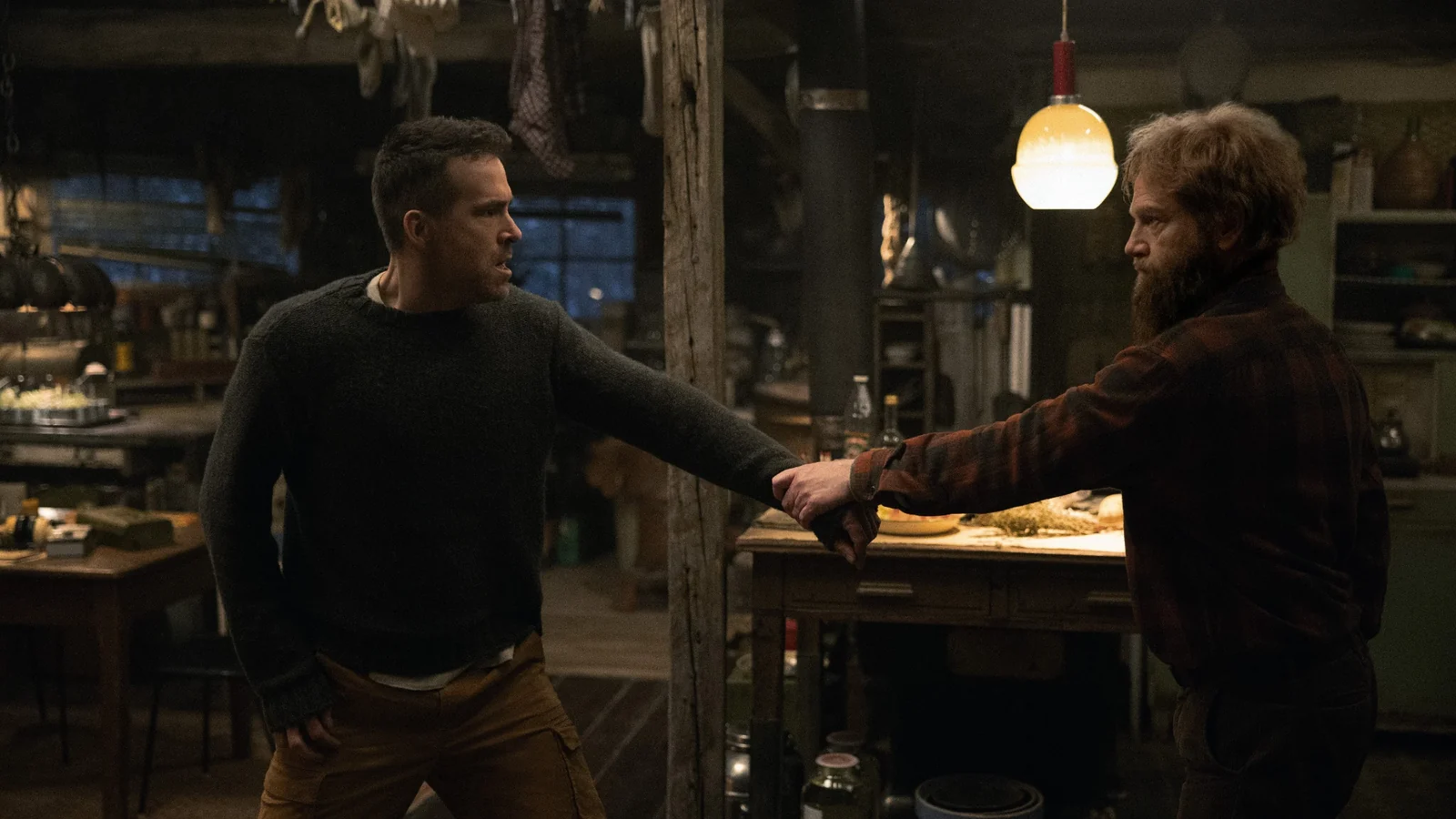
Ryan Reynolds' presence automatically raises the audience's expectations for comedy, but the film deliberately tones down his usual style. The decision is understandable: using a character identical to his earlier roles would have made the film even more predictable. Yet the result is that it loses some of the comic weaponry that might have given it a distinctive personality.
Kenneth Branagh, in contrast, gives a quieter performance, which is one of the film's best choices. He does not try to compete with Reynolds comedically. He plays Nick with clear seriousness, allowing some situations to become funny on their own, especially through his exaggerated love of American culture.
Some jokes, however, feel artificial, as though they were added to the screenplay later. Reynolds and Branagh have a good relationship on screen, but it never reaches the level of the classic pairings the film tries to evoke. Mayday wants to be a modern version of old buddy comedies, but lacks the chemistry or comic writing that would make this partnership exceptional.
Volkov… a villain from a familiar mold
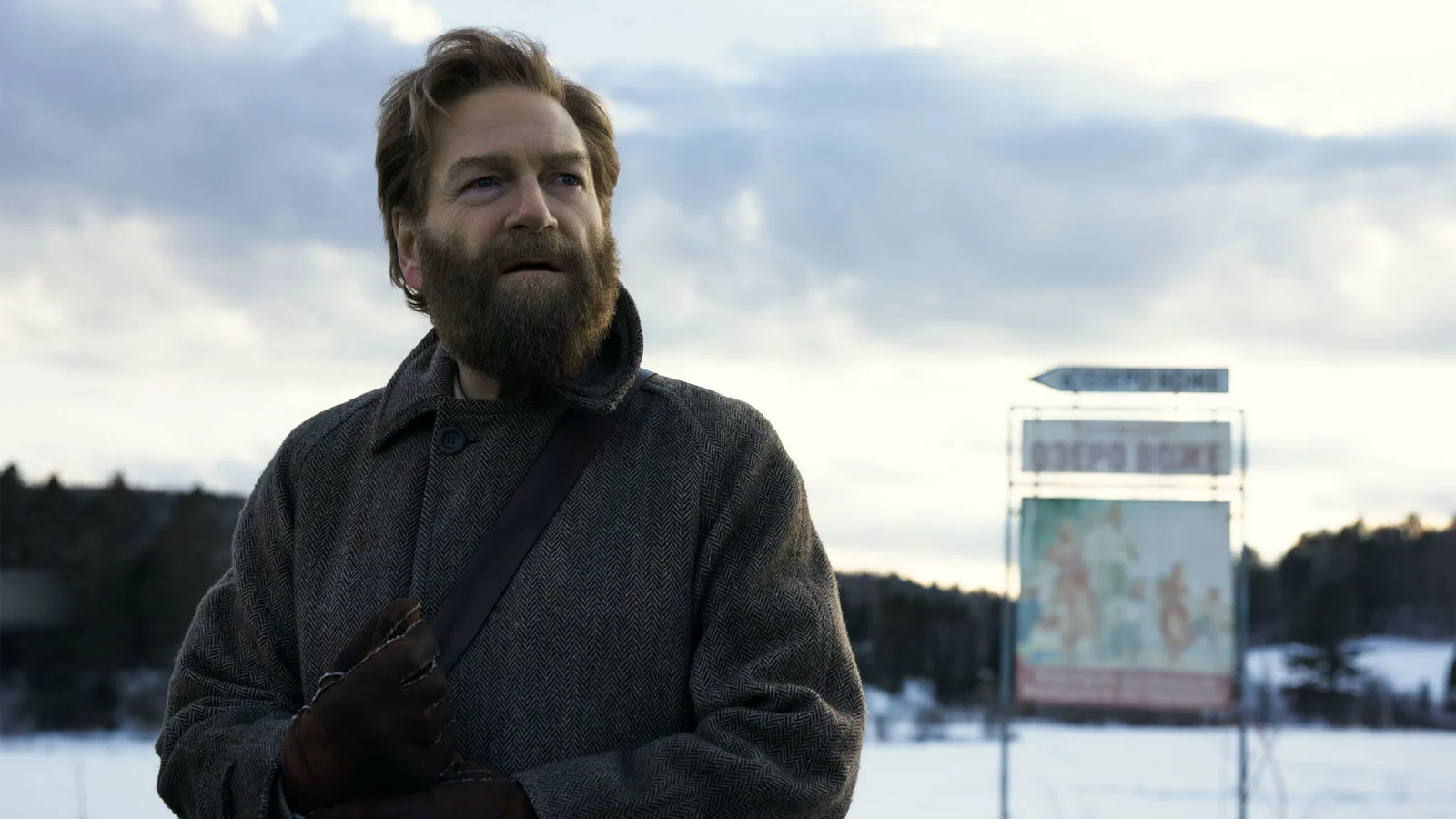
For me, Volkov is one of the film's most stereotypical characters. He seems almost molded from the villains of old Cold War films: he wants war, wants bloodshed, wants to turn Troy's mission into an international crisis, and believes everyone can be bought or threatened.
Having a character like this is not inherently a problem, but the film gives him too little depth. He becomes merely a tool for moving the plot forward. That is unfortunate, because the conflict could have been more compelling with a more complicated villain, or one who represented the system in a less cartoonish way.
The performances
Ryan Reynolds gives a performance less dependent on his usual persona, which is a positive in itself. At the same time, that deprives the film of some of the comic energy audiences expect from him.
Kenneth Branagh is, for me, the stronger of the two. He plays Nick seriously and lets the comedy grow from the character himself, particularly his sometimes naive admiration for America.
Maria Bakalova's presence matters dramatically, but her character is not given enough space to become truly independent of her function in the plot. Some characters therefore remain closer to tools for advancing a message than fully realized people.
Propaganda and our picture of the world
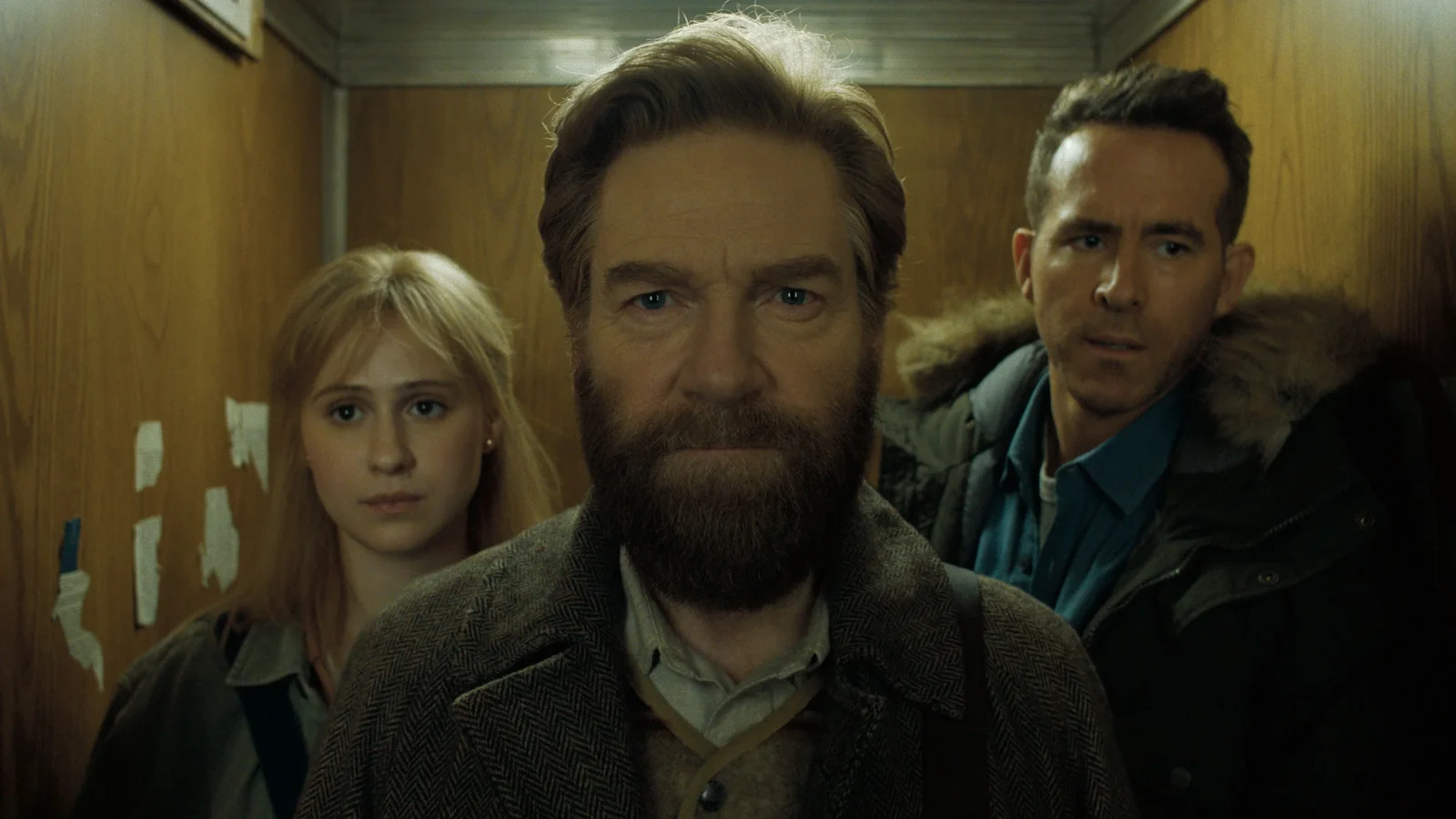
If I had to reduce the entire film to one successful idea, it would be this: What happens when two people discover that the picture propaganda has painted for them is not reality? It is an excellent idea.
Nick loves America because he knows it through films, products and popular culture. Troy loves it because he grew up believing it represents freedom, strength and justice. Then both discover that the truth is more complicated.
That idea gives the film real value. Unfortunately, instead of trusting it and developing it intelligently, the film insists on adding more messages until it loses its focus.
The biggest problem with the ending
The ending tries to bring all the messages together at once. Troy saves Nick, stands up to his government and takes a position against the use of asbestos, while Nick fulfills his dream of reaching America. A scene after these events then reaffirms the friendship that has developed between them.
The idea is emotional and clear, but also very predictable. From the moment Troy begins to change his view of his country, it is easy to tell where the ending is heading. You do not get a real surprise, just an outcome you have been expecting for a long time.
Is the film worth watching?
For me, Mayday is not a disaster, but an average film that does not offer enough to stand out. There are good action scenes, acceptable chemistry between Ryan Reynolds and Kenneth Branagh, and a clever idea about political propaganda and the idealized images governments construct of themselves.
All of that gets lost in a screenplay trying to say too many things at once. Worse still, most of those ideas are delivered directly and repetitively instead of leaving viewers room to discover them for themselves.
If you want a light action film with some comedy, you may find enough here to pass a couple of hours without too much boredom. If you are expecting a smart, distinctive take on Cold War films or a genuinely fresh perspective, I think you will be disappointed.
Direction… capable action without a distinctive identity
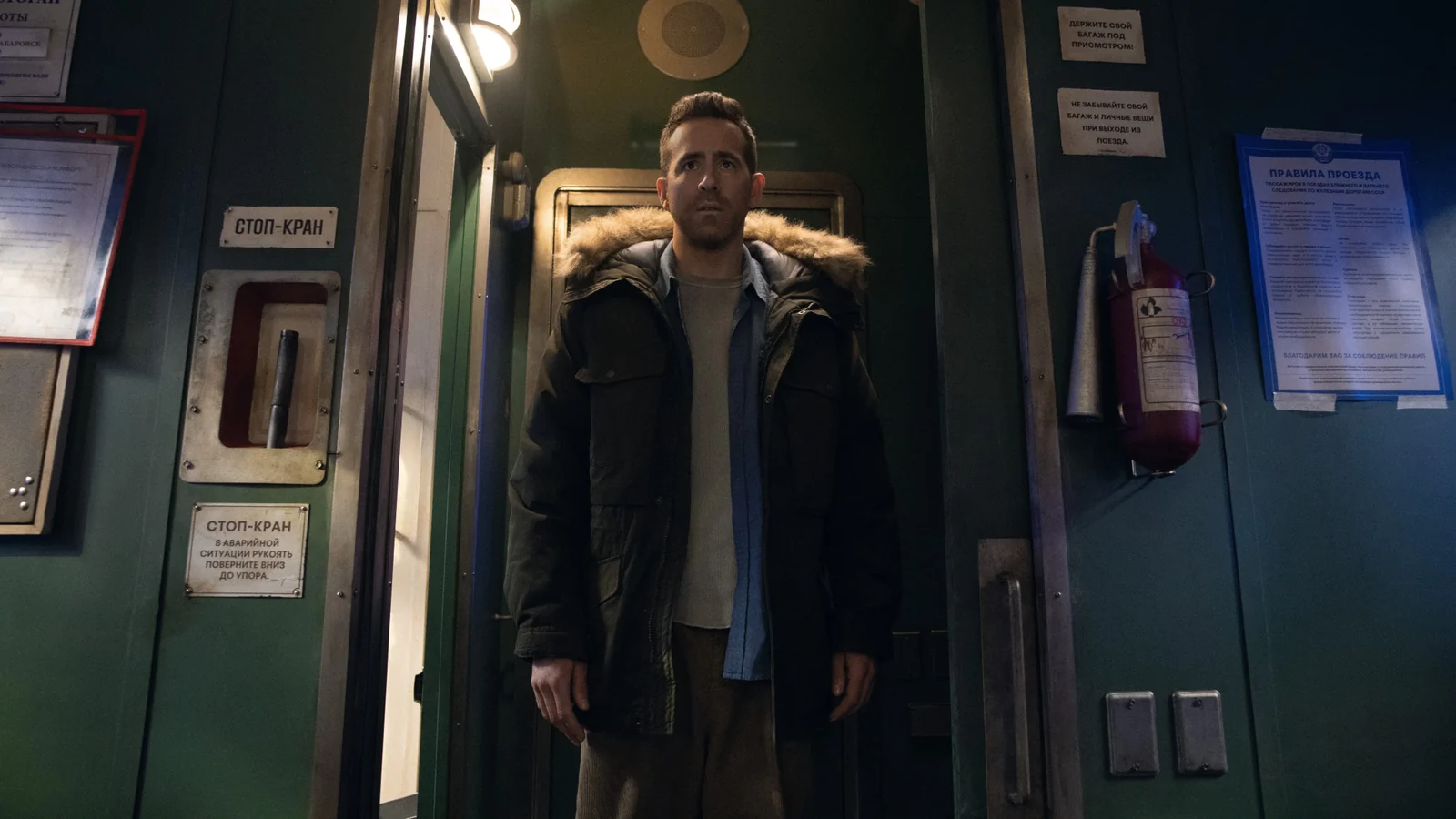
The direction is stronger than the writing. There is clear attention to action, chases and physical confrontations. Overhead shots during some fight scenes give the images a good visual energy, and several action sequences are enjoyably designed.
Troy's parachute descent, the train chase, the pursuit involving the nuclear missile vehicle and the final confrontation aboard the plane are particular examples. These sequences make the film entertaining in its faster moments.
The problem is that the direction cannot conceal the screenplay's conventional nature. A scene may be well shot and a chase may move quickly, but you ultimately feel that you have seen this sort of thing before. That brings us back to the central problem: the film is competent, but lacks personality.

03 / Final verdict
Final verdict
Mayday had all the ingredients to be entertaining and distinctive, but settles for being average and repetitive. The central idea is good, the leads have potential and the action serves its purpose, yet the screenplay scatters its attention across comedy, politics, social issues and direct messages. The result is a film I did not like, not because it entirely lacks good moments, but because its fundamental problems come from the writing choices themselves. It wants to criticize American and Soviet propaganda, yet sometimes falls into the trap of its own propagandistic rhetoric. It wants to be an entertaining adventure, but offers nothing new. It wants to be political, but handles some issues directly and heavily. It wants to be about friendship, but that friendship could have been more affecting with deeper characterization. In short, it is repetitive, without real innovation, and weighed down by political and social messages that weaken its focus more than they enrich it. It is not bad on every level, but it is certainly not the film its premise or stars suggest. You can watch it, enjoy some chases and situations, and then finish without any lasting impression. It could have been much smarter, lighter and more entertaining if it had trusted its central friendship and idea, and stopped trying to turn every scene into a political message.
AUDIENCE VOTE
Do you agree with the MB rating?
Choose once from this browser. You can change your answer at any time.