
The review
The screenplay chooses its answer
The series' defining decision is how it presents Lizzie Borden. Instead of leaving open whether she killed her father and stepmother, as the historical case and her acquittal do, the drama makes her the killer. We no longer watch a mystery that asks who did it. We watch someone apparently trapped in a suffocating home become capable of terrible violence.
This makes the drama clearer while weakening its true-crime dimension. Much of the original case's fascination comes from the absence of a definitive answer about the killer. The series abandons that uncertainty early and asks a different question: what might drive its version of Lizzie to murder?
Lizzie's transformation and the cost of sympathy
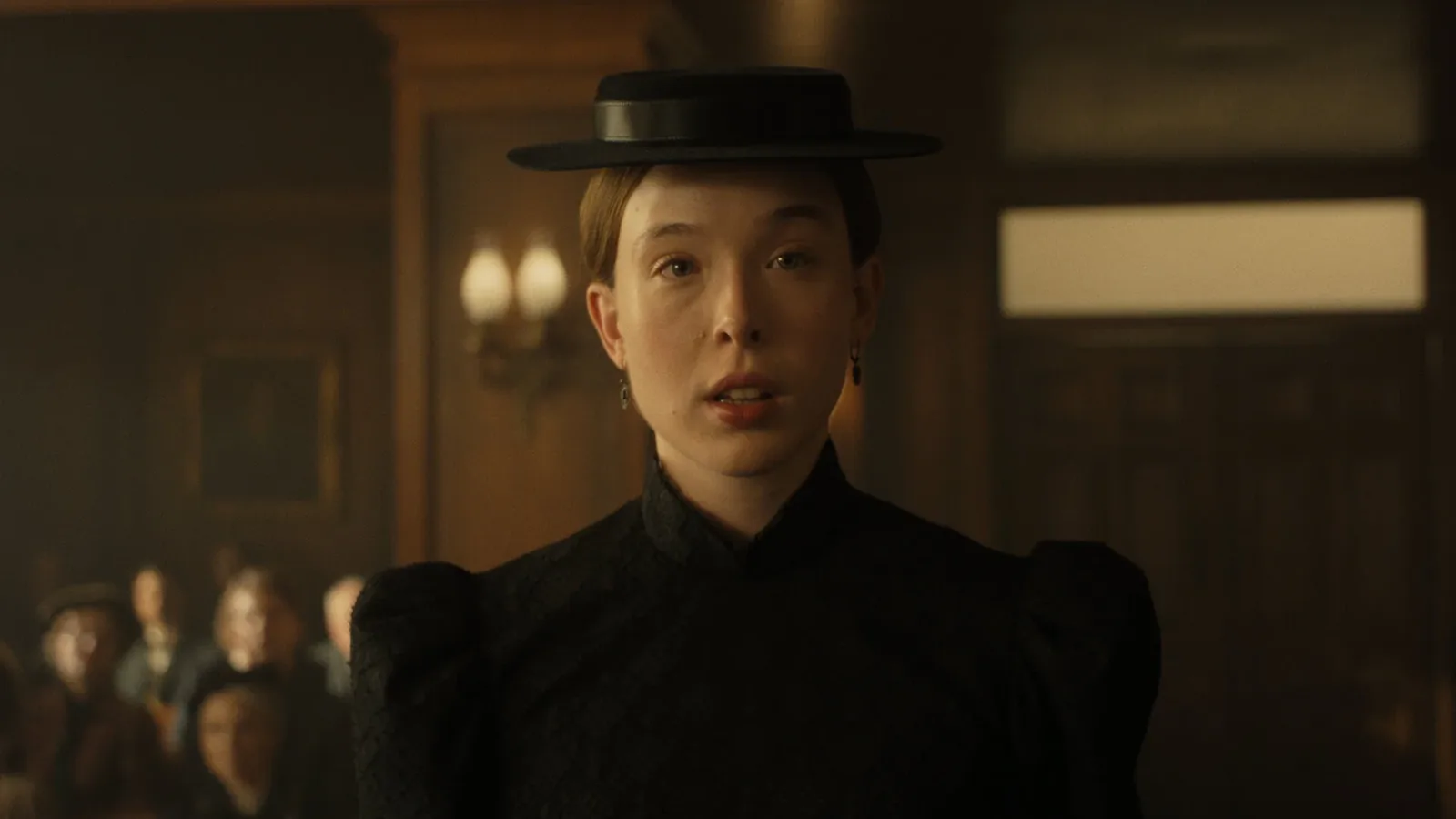
Ella Beatty has the hardest job in the cast: Lizzie must seem vulnerable, socially awkward and emotional while remaining frightening when her violent side surfaces. The change is not abrupt. The series roots it in her constant sense of being unwanted: Abby treats her harshly, Andrew is distant, and she cannot find a comfortable place in her community.
Bridget Sullivan then enters her life and offers something rare: a listener who treats her as a person worthy of care. Yet the writing takes a risk by working so hard to explain Lizzie that her circumstances can feel like a convenient explanation for her crimes. Understanding a motive is different from turning everyone around her into villains until her violence seems almost inevitable. The series does not always maintain that distance.
Bridget: love, influence and danger
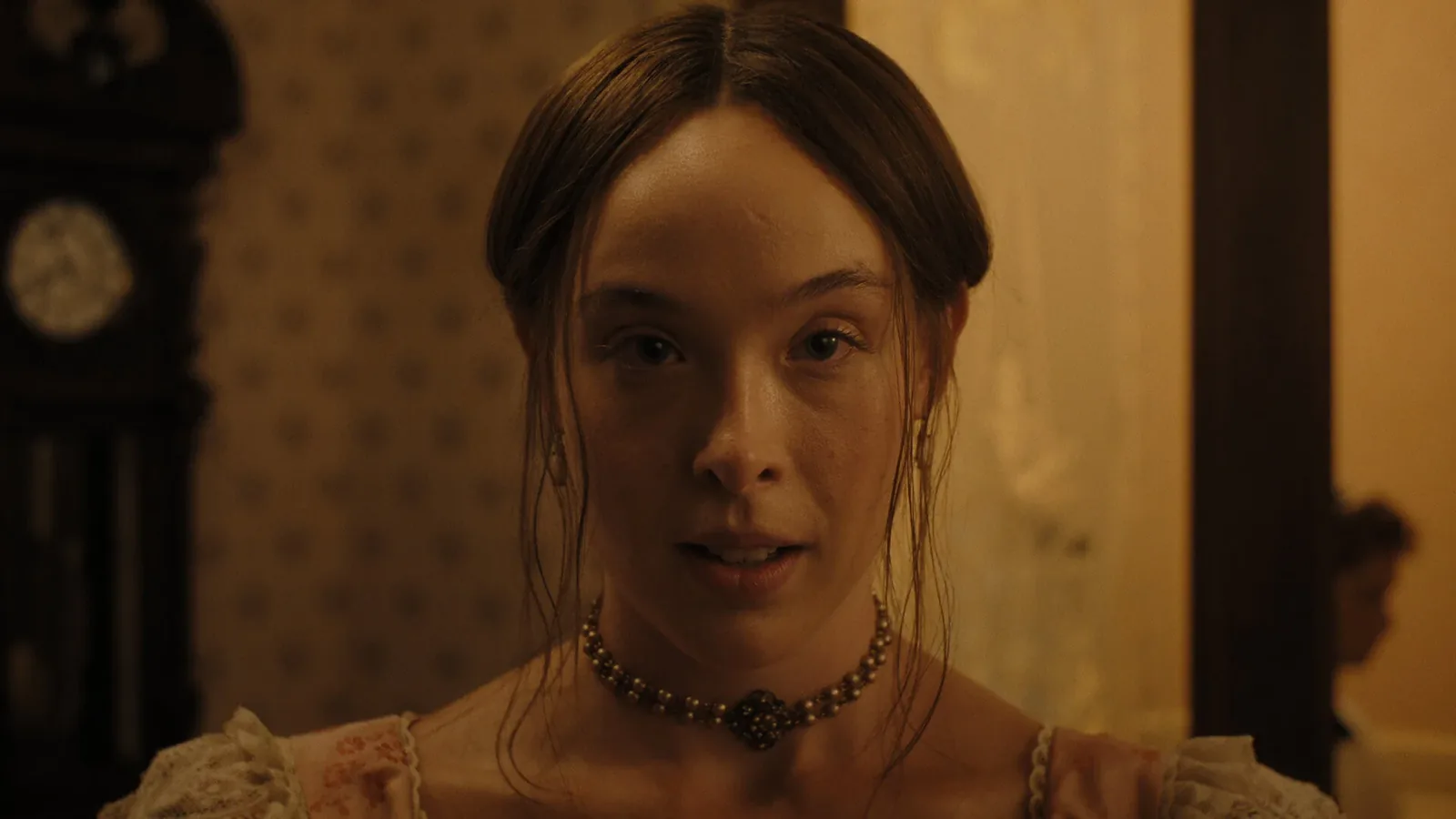
Bridget is more interesting than a supporting maid. She is independent and assured, and her growing closeness to Lizzie becomes a romantic relationship. More crucially, the series gives her considerable influence over Lizzie's choices, including encouragement to remove her parents and escape her present life.
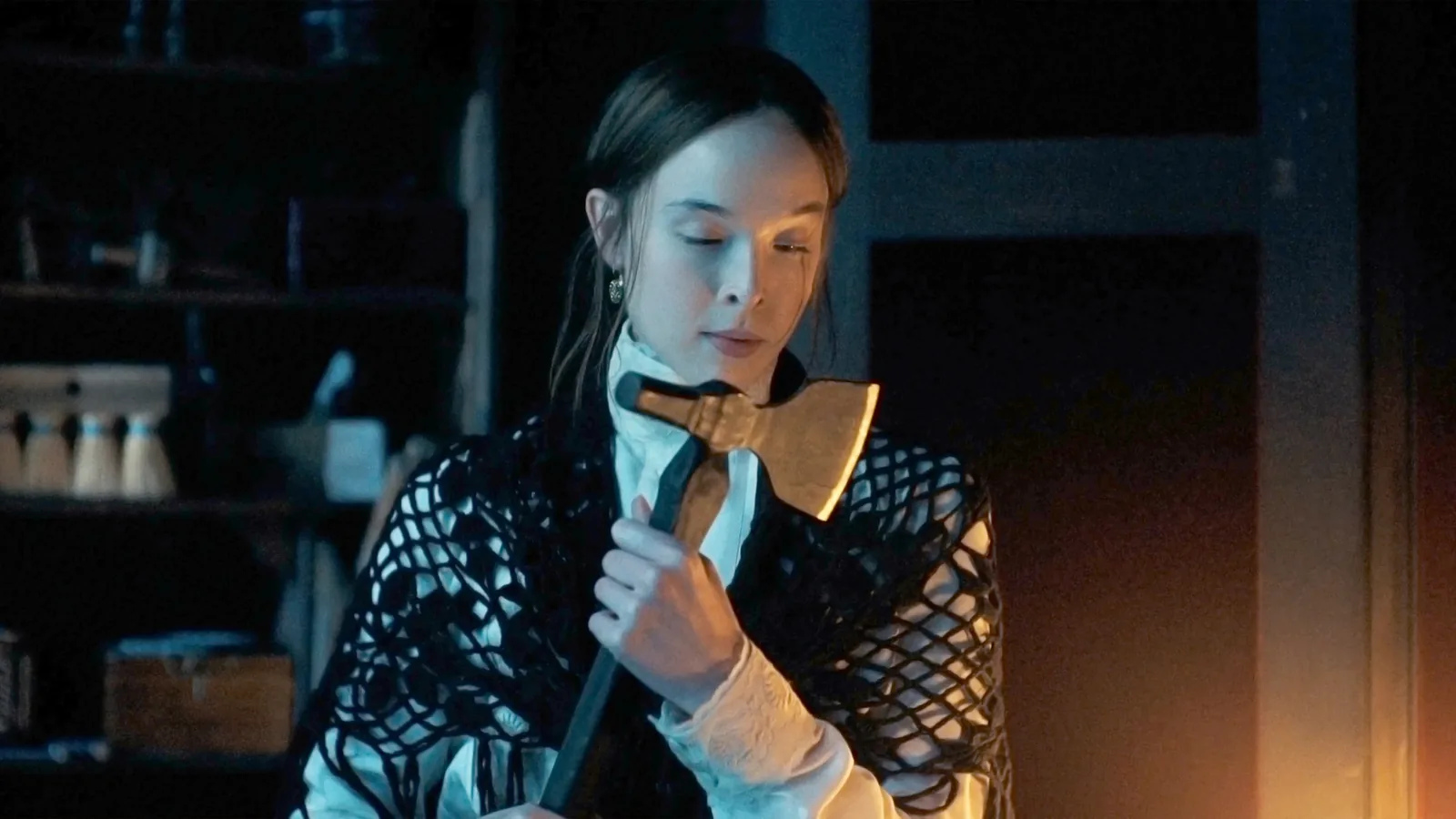
Their bond thus involves affection, psychological pressure, self-interest and fear, along with a crime that will alter both lives. Treating it simply as a love story would miss the tension that makes their scenes compelling.

Báthory as Lizzie's mirror
Vicky Krieps plays not only Bridget but Elizabeth Báthory in another historical strand. Bridget introduces Báthory's story to Lizzie, who begins to recognize parallels with her own life. Báthory becomes a psychological mirror rather than a detached historical diversion.
It is a strong idea whose execution can be too direct. The series repeatedly explains how stories of violence pass between women and how those subjected to harsh systems may become sources of violence themselves. The connection is intriguing, but it does not always need to be stated so plainly.

The first murder changes everything
Before Andrew and Abby are killed, Bridget is abused by Bertha Manchester, and Lizzie decides to kill her. The event becomes a test of the central relationship. Both women enter the situation, but Bridget freezes once real violence begins while Lizzie continues.
A shared idea is no longer a shared capacity to act. This moment establishes that Lizzie is not merely being pushed by someone else; she is making her own decisions. It complicates the earlier effort to explain her violence through the cruelty of the people around her.
Andrew and Abby: a household shaped for the plot
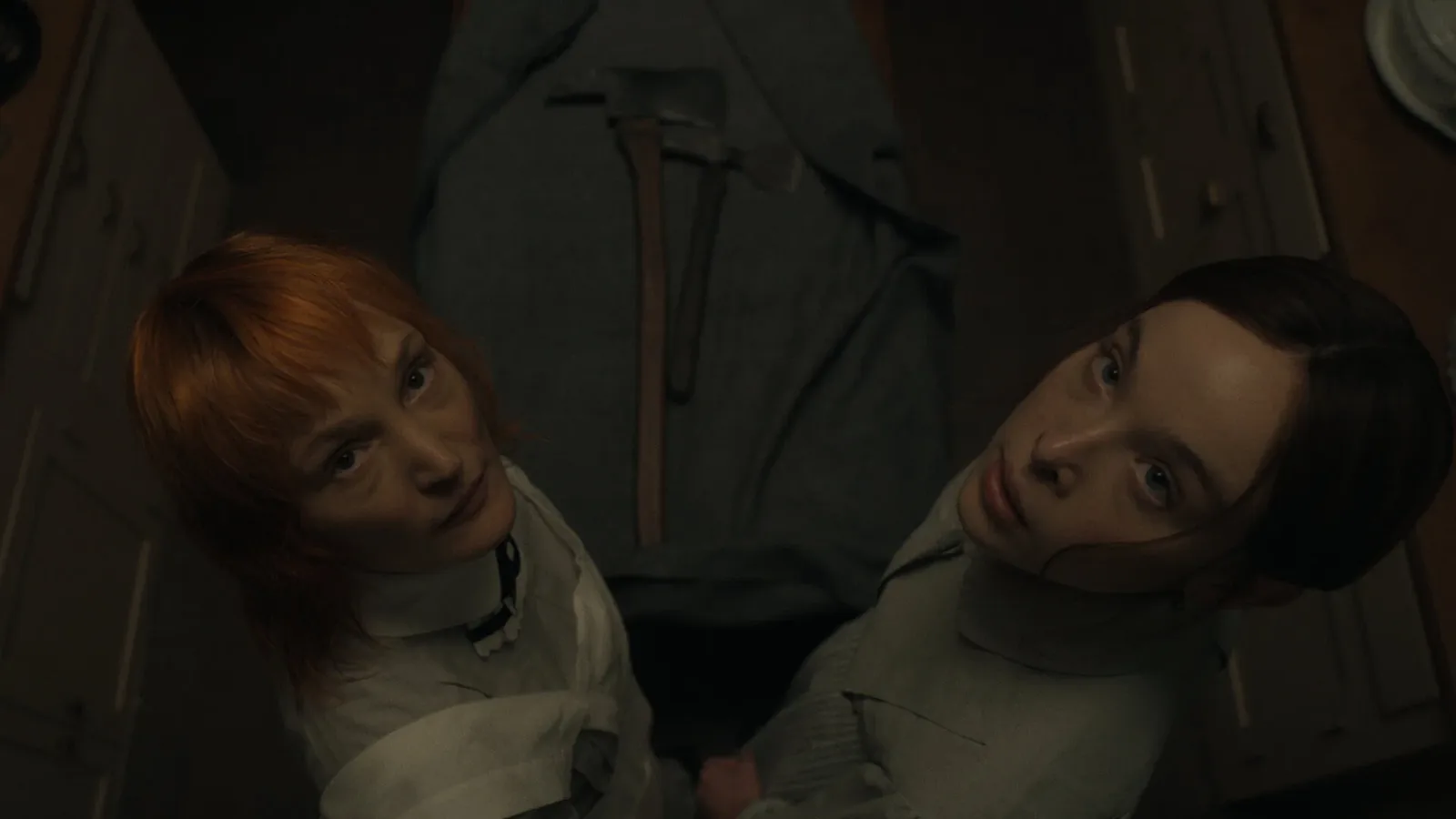
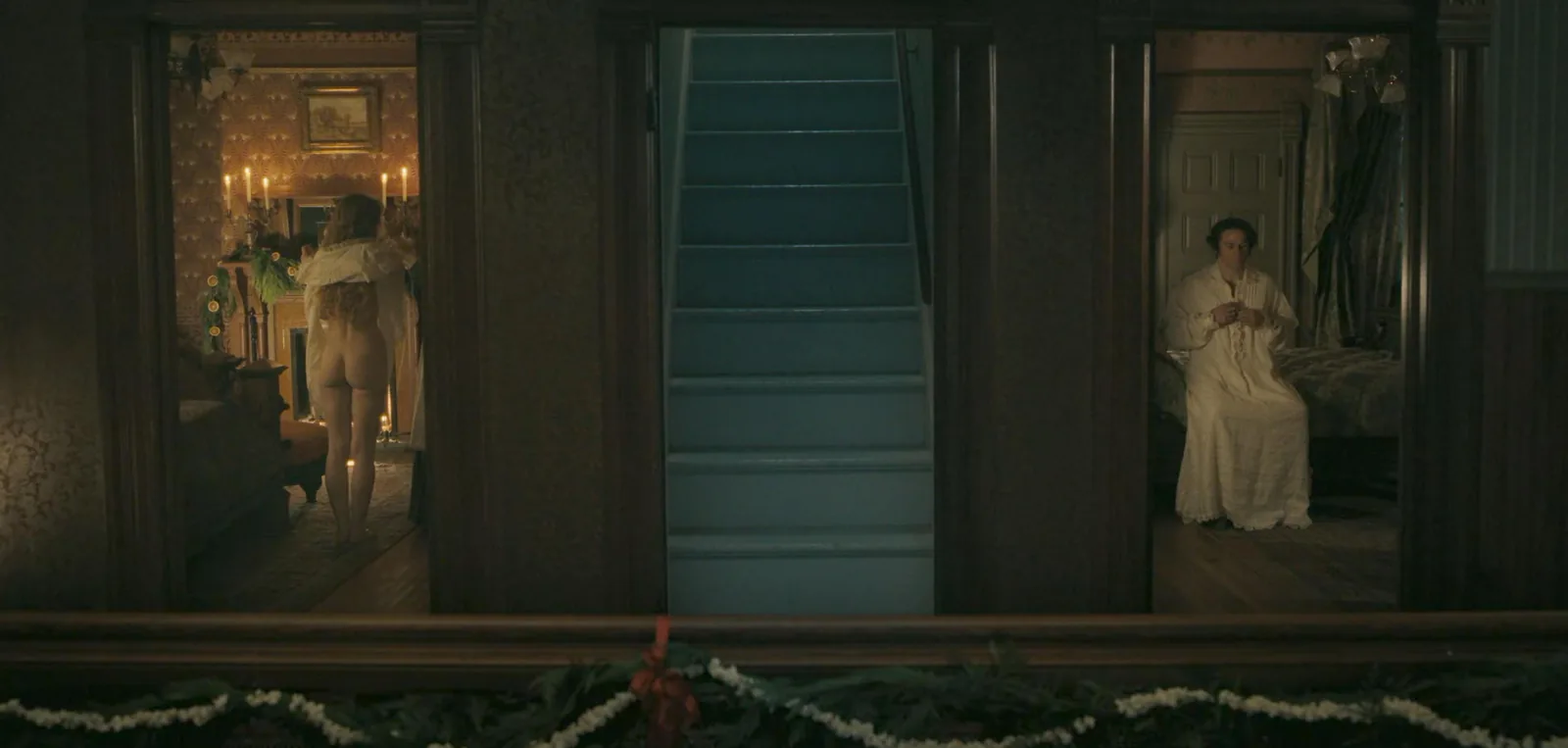
One of my largest reservations is the severity with which the series portrays Andrew and Abby Borden. Abby is almost constantly contemptuous of Lizzie; Andrew seems cold, selfish and distant from his daughters. The purpose is evident: make the house so oppressive that Lizzie's desire to escape feels understandable.
Yet this dramatic portrait should not be mistaken for established history. The series shapes people who actually existed around the needs of its plot, and the motives it assigns them are interpretations. That is permissible in historical fiction, but the real names and real case make the distinction especially important to viewers.
The killings and the performance of innocence
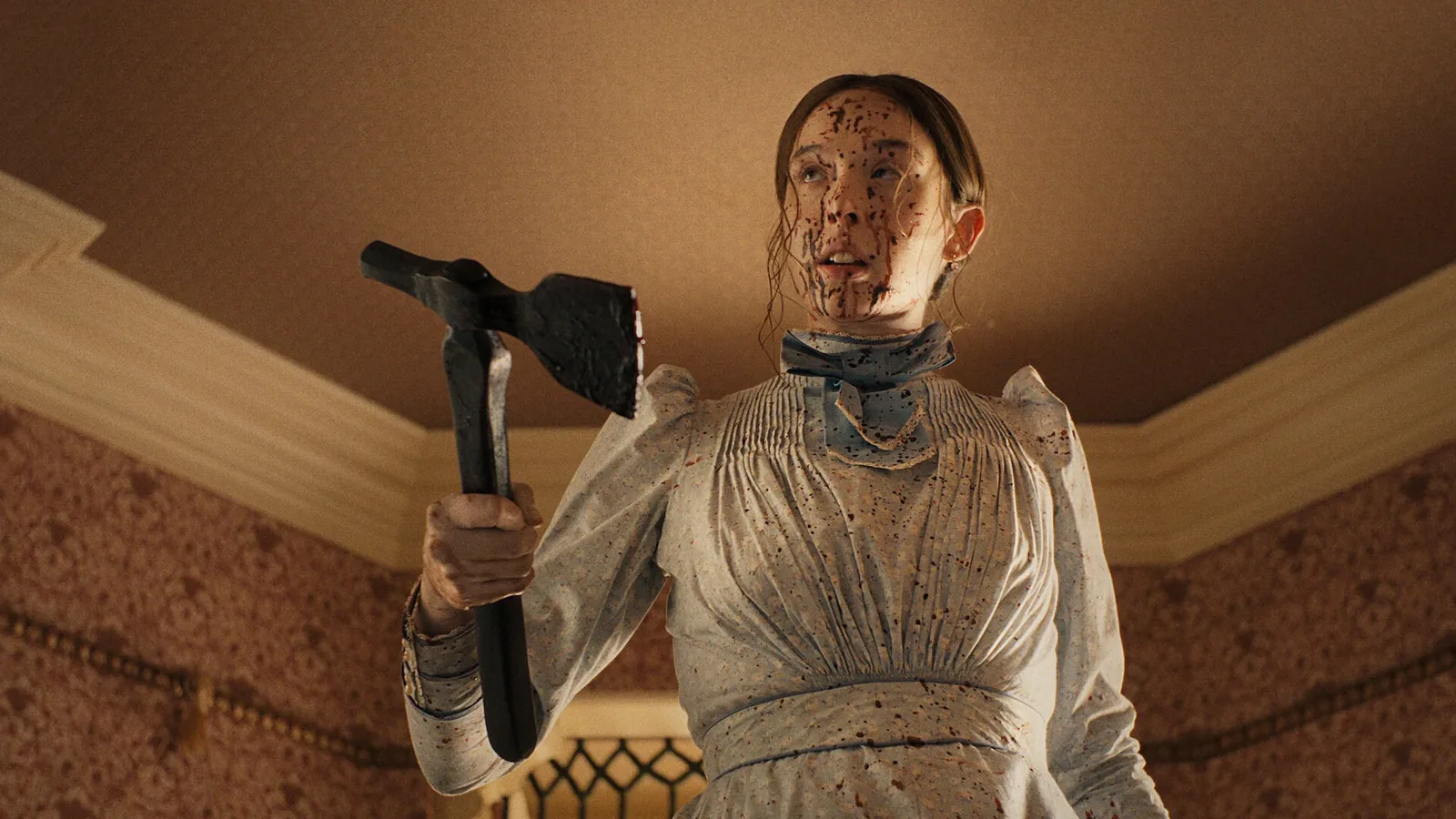
When the story reaches August 4, 1892, it leaves no room for ambiguity: its Lizzie kills Abby first, then Andrew. We see the cleanup, the excuses and the effort to dispose of evidence. In dramatic terms this is the peak the series has been building toward, but what follows interests me more than the acts themselves.
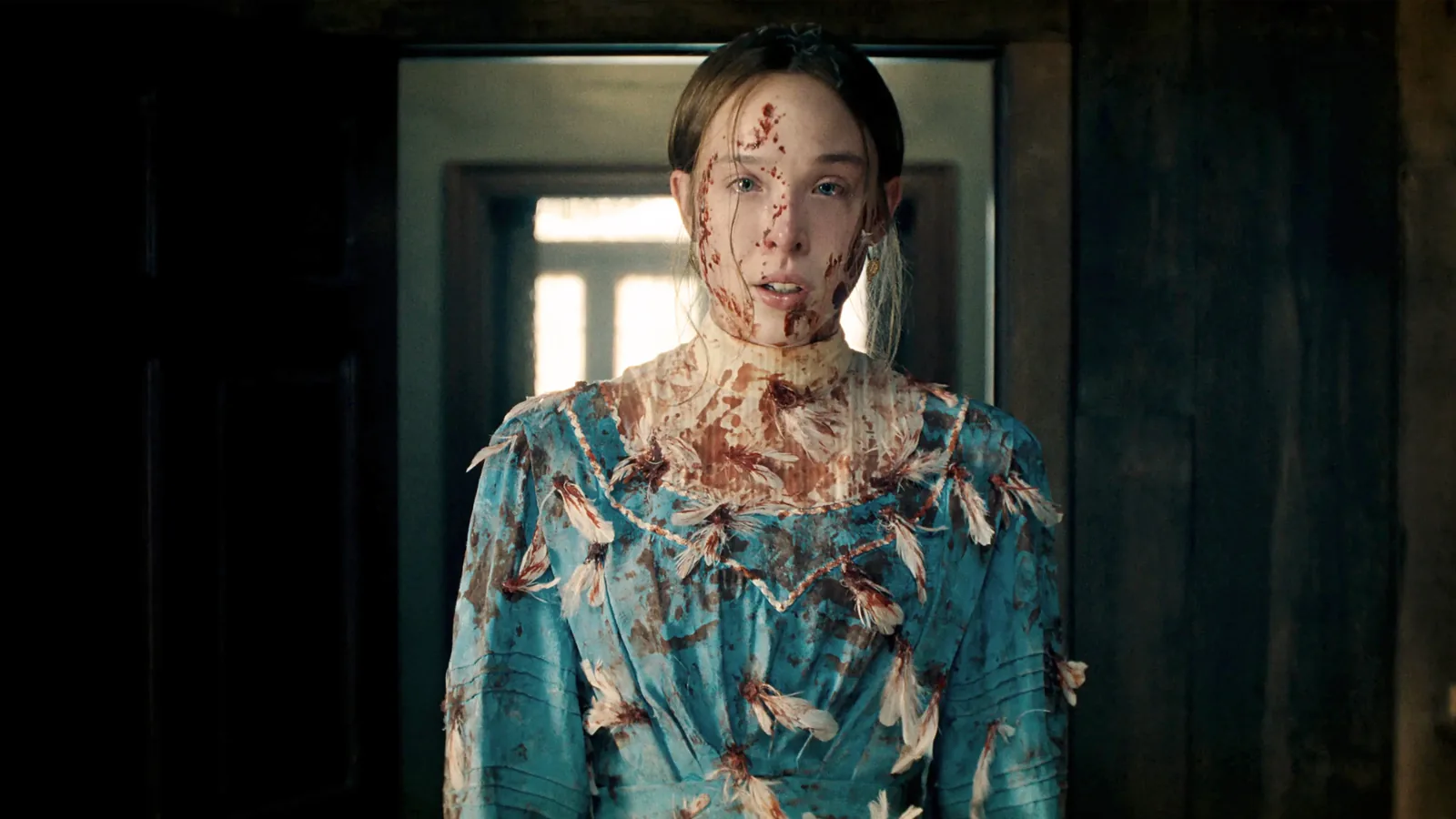
Lizzie must now perform the part of an innocent woman before police, society and court. The conflict shifts from physical violence to deception and the control of appearances. Here the series finds a sharper question: whose account will other people believe?
Nance O'Neil and the trial as theater
The arrival of actress Nance O'Neil adds a clever dimension. In the series, she understands that the case will be shaped not only by what happened inside the house but by how Lizzie appears to others. She teaches her where to look, when to appear frightened and when to seem weak.
The courtroom becomes a stage without literally being one. Lizzie does more than defend herself in words: she presents a version of herself. The series uses that performance to explore how a public image can shape a community's understanding of truth.

Emma's doubts
Emma has less screen time than the central figures, yet becomes significant near the end. She is not fully persuaded of her sister's innocence at first, but her response shifts during the trial. The series connects that change directly to the way Lizzie has learned to present herself.
I understand why this may feel exaggerated: it gives emotional impact considerable weight in the trial's course. At the same time, it serves the drama's interest in acting, impressions and the distance between a convincing image and a proven truth.
Three periods, one ambitious comparison
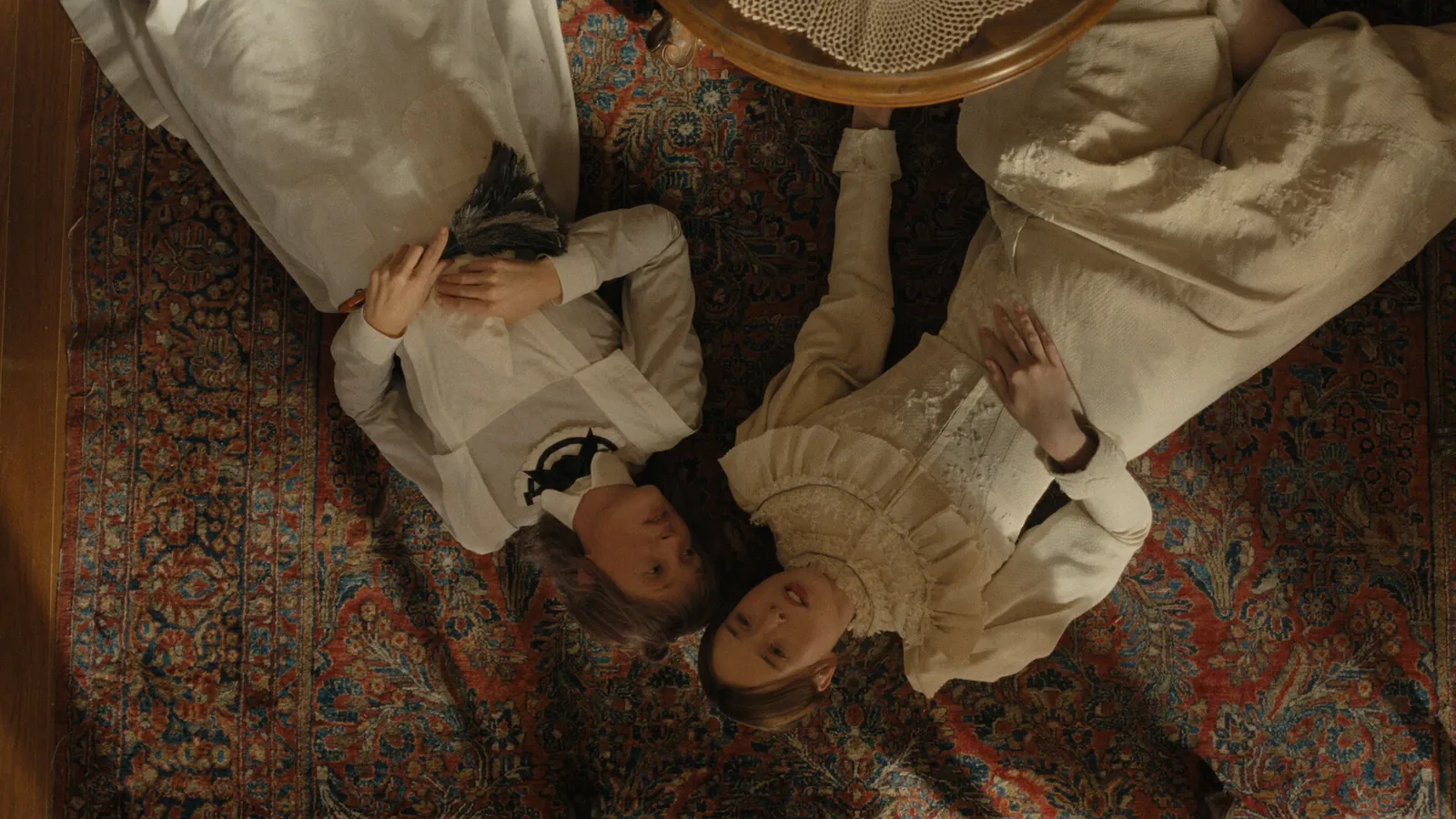
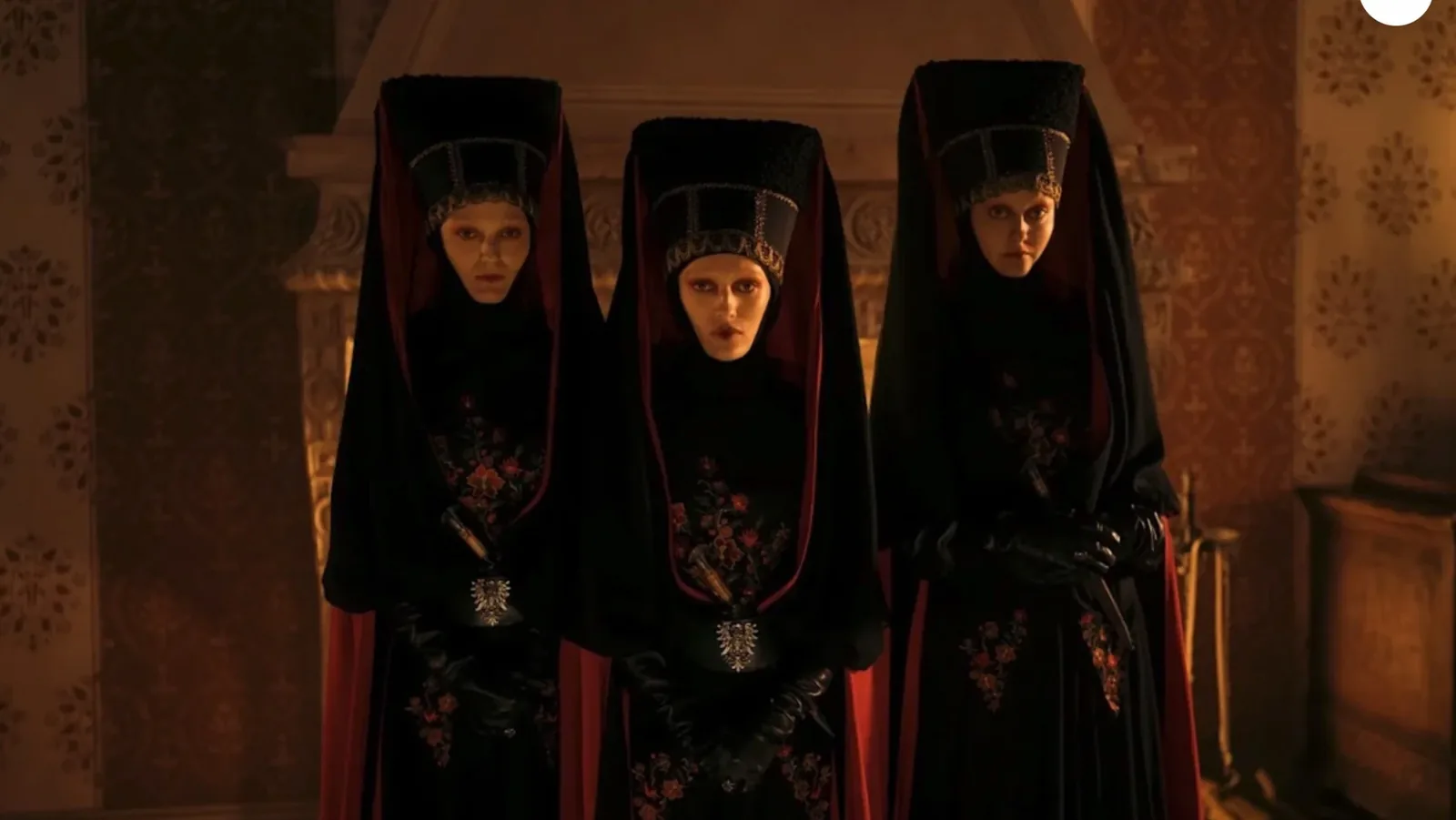
The narrative does not stay in 1892. Elizabeth Báthory's strand reaches centuries into the past, while Aileen Wuornos appears in a later twentieth-century timeline. By connecting three women across different eras, the series tries to examine both violence and the ways society regards women who commit it.
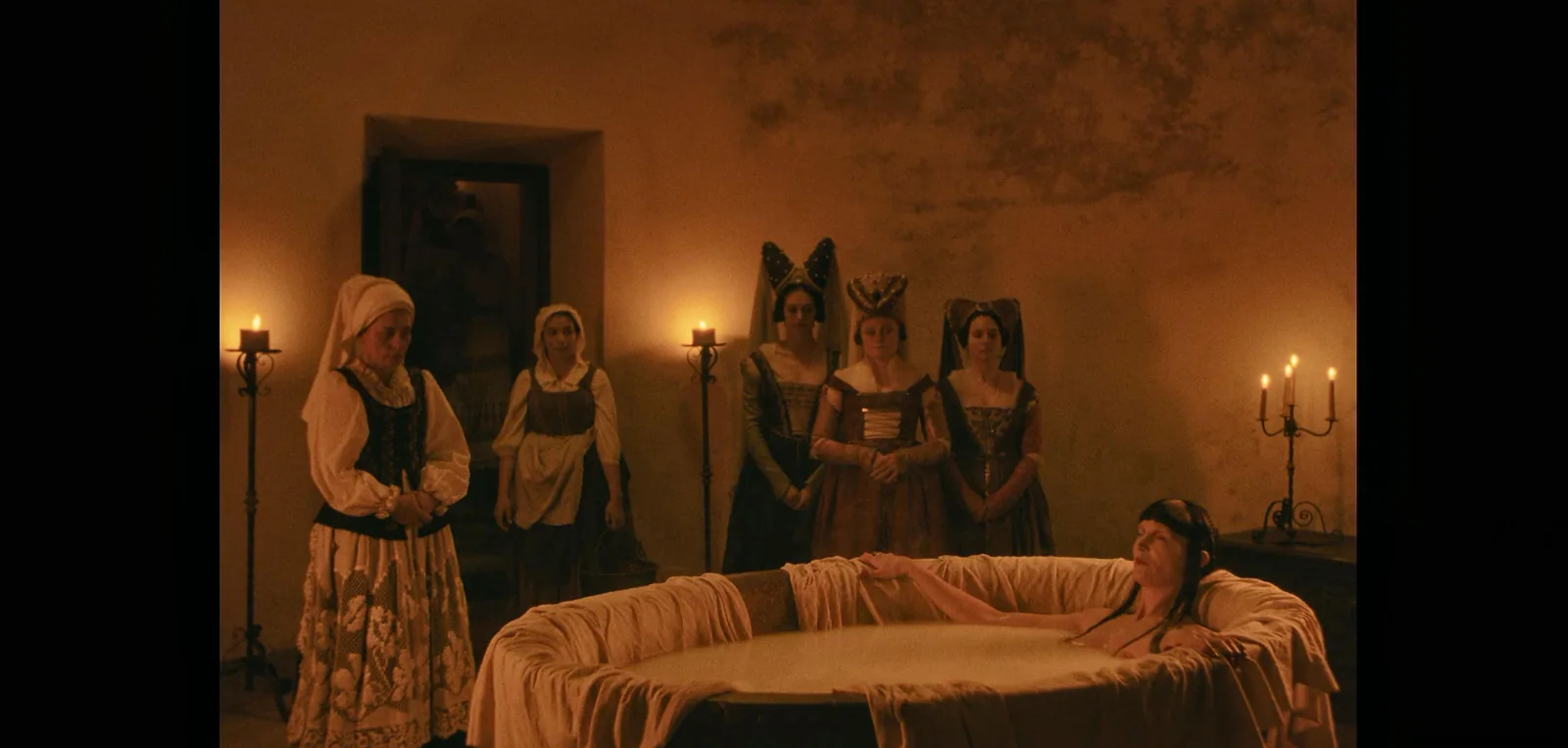
This ambition sometimes works beautifully, but at other times the series tries to say too many things at once. Lizzie's case could sustain an entire season alone. The additions create further layers while also pulling focus away from the house, the relationship with Bridget and the investigation.
Aileen Wuornos and a different fate
Sarah Paulson's Aileen Wuornos is more than a cameo. The series uses her to compare the treatment different violent women receive from the law and society. Aileen admires Lizzie as someone who escaped punishment, while her own fate was radically different.
The comparison is among the season's most discussable ideas, yet it is sometimes spelled out too emphatically. Giving the viewer a little more room to draw that conclusion independently could have made it more powerful.

The cast holds the season together
Performances are a major strength. Ella Beatty carries a character who must remain recognizably human even as the drama makes her capable of terrible crimes. Vicky Krieps gives Bridget a strong presence and adds another layer in the Báthory strand.
Charlie Hunnam makes Andrew deliberately repellent, a portrayal clearly shaped around this particular drama. Rebecca Hall plays Abby with considerable severity, even if the writing sometimes pushes her toward a flatter figure than I would have liked. Paulson lends weight to Aileen's story despite its distance from the main plot.
Historical fact against dramatic invention
If we watch The Lizzie Borden Story as a drama inspired by a historical case, there is much to admire: compelling figures, strong acting and an ambitious way of connecting different eras. Anyone expecting a precise reconstruction of the Borden case, however, faces a serious problem.
The series reimagines major elements of the historical case, including family dynamics, motives and surrounding events. I therefore find it more useful to approach it as speculative drama employing historical names and events, rather than as an account establishing what really happened. Its clear answer about the killer belongs to the fiction it has chosen to tell.
Structure: when the detours help and hurt
Moving among Lizzie and Bridget, Báthory and Aileen prevents the trial story from becoming entirely predictable and gives the season variety. But lengthy departures from Lizzie's central thread cost it momentum. The richest drama is already inside the Borden home and in the investigation that follows.
The other periods work best as brief reflections of the main story, not when they compete for its attention. The season's strongest elements are Lizzie, Beatty's performance, her complicated bond with Bridget and the question of who controls the public account after a crime. Its weaknesses are excessive changes to the facts, relatives written too harshly, uneven secondary timelines and themes explained more often than necessary.
Final verdict
Final verdict
The season succeeds most as a dark psychological drama and less as true-crime reconstruction. Its cast is excellent, and bringing Lizzie Borden, Elizabeth Báthory and Aileen Wuornos together gives it a distinct identity. Its liberties with history, however, are central to the experience, not a minor detail. I found the season engaging and worth discussing, though it might have been stronger had it trusted the unresolved Borden case more and reshaped fewer characters and events to make its argument.
Your turn
Did turning Lizzie Borden's case into an openly speculative drama make the story more compelling, or did the series lose part of its power by moving so far from the historical case?
AUDIENCE VOTE
Do you agree with the MB rating?
Choose once from this browser. You can change your answer at any time.