The review
When power can no longer protect the family
The episode opens with a small inconvenience that ends in a crime that tells us almost everything about Conrad Harrigan. His cards are declined at a petrol station, and he kills the attendant, who has no control over his accounts.
The scene might look like a gratuitous display of cruelty. It reveals both how little Conrad can bear an ordinary person telling him something is beyond his control and how quickly he punishes the most vulnerable person in front of him for a crisis that began elsewhere.
A personal humiliation widens into a political crisis. Properties belonging to the family are raided and accounts are frozen after its empire is linked to terrorist networks. The power they lived on suddenly leaves them helpless. Money stops moving, communication dries up, and simply getting away becomes much harder.
This is where the episode makes good use of the danger. As more armed men close in, the family loses the very means of influence that let its members act as though the law applied only to other people.
When we return to Conrad, he talks about the dead attendant as if he can see him. The gap between his capacity to kill and his inability to face the images of his victims tells us enough about what he is experiencing.
Maeve’s response is more disturbing still. She gives him the comfort he needs to justify the violence and avoid taking responsibility. Her tenderness shields his brutality from accountability.
A safe house for a family that knows no safety
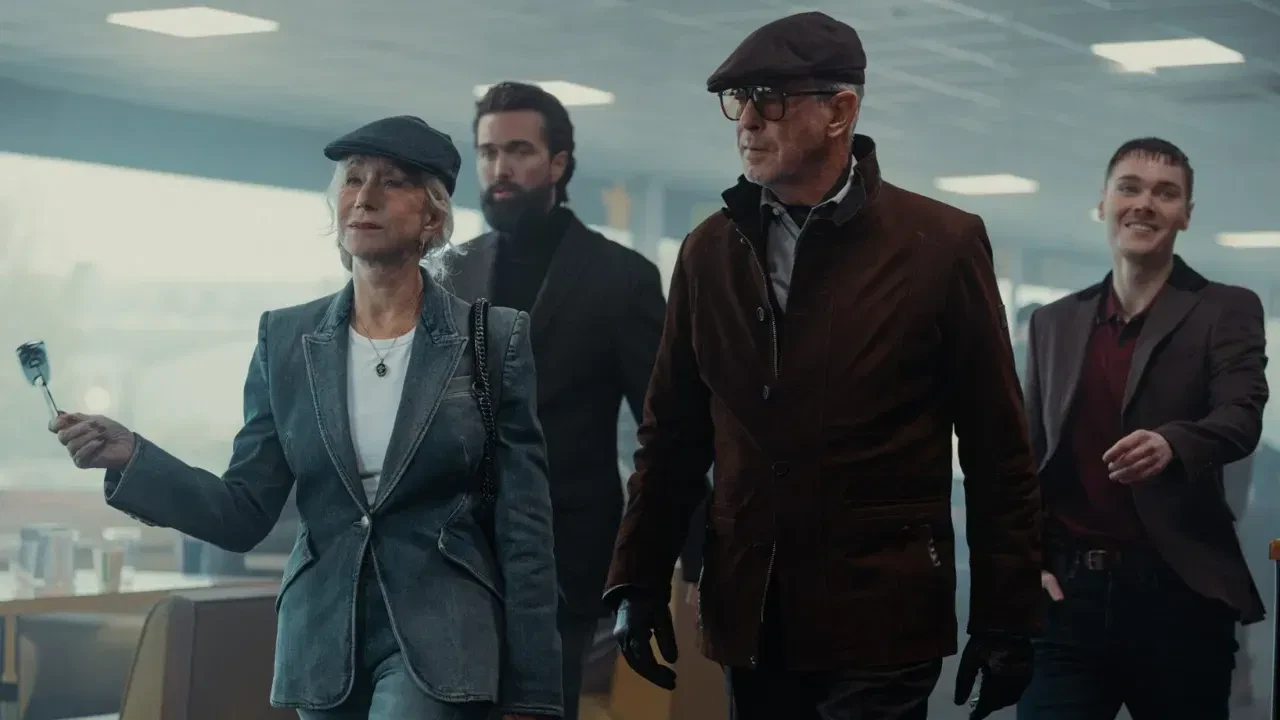
The safe house reveals how much of the danger already lives within the walls.
Jan and Gina arrive hoping they have put some distance between themselves and the Harrigans. Soon the very same room becomes a meeting place for people who distrust one another.
Bella considers a redistribution of power. Kevin is prepared to sacrifice Conrad, Maeve, and Eddie, and everyone is looking for a deal that will save them even if it sinks the others. The conversation turns into an armed threat all on its own.
The scene between Kevin and Bella is the most revealing. The gunshot during the argument has a lasting effect because Kevin’s later apology offers so little reassurance. When he admits that he was aiming at her head, we understand the kind of relationship he is asking her to keep living in.
The scene holds Kevin’s vulnerability and dangerousness together. Each remains his own responsibility.
Seraphina gives the family a chance to survive by revealing the diamonds she has been holding. The choice she makes matters as much as the value of the stones.
She knows how corrupt this family is and dreams of changing its order. When its collapse becomes a real possibility, she finds she cannot abandon the people in it.
Most of the characters are caught in that trap. They want out of the family system and then help save it because they cannot imagine a place for themselves outside it.
Harry wins the battle before the shooting starts
Harry is the best at working within that trap and the least willing to acknowledge its cost.
He calls Kat and offers her the diamonds, the family’s location, and his future services. He makes it sound like surrender while carefully controlling who knows what.
Kat hears a promise of betrayal. Conrad hears a promise of a settlement that will keep his empire alive. Harry manages the plan that will move each of them where he wants them.
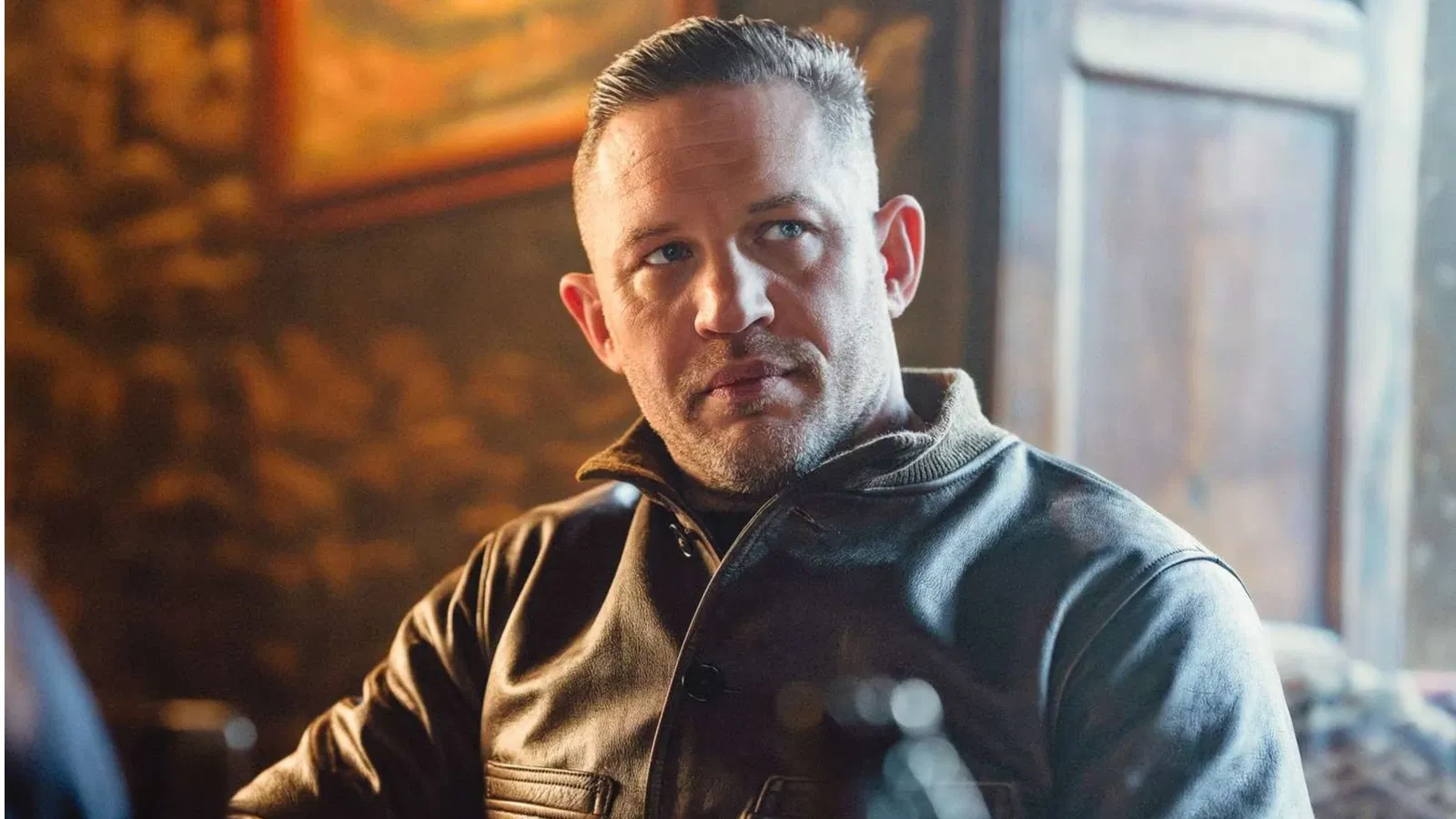
The clever part is that Harry gives them the real location once he has turned the house into a trap.
Frankie and his men arrive confident that the house’s defences are exposed. They run into a prepared counterattack, gas that limits their movement, and armed people waiting for them.
Harry turns his ability to anticipate an opponent against Frankie, who ends up a prisoner with no control over what happens next.
Meanwhile, the diplomatic bag Kat thinks carries the spoils of her victory turns into potential evidence against her.
The diamonds come through the official delivery network. Flight records could link the ambassador to receiving illicit goods from a designated terrorist entity.
Then Donnie’s head turns up inside the shipment. A seemingly private deal becomes something that would be difficult to defend if made public.
This is the episode’s best reversal. Kat used the power of the state to squeeze the family. Harry uses the same power’s protected channels to threaten her position.
Cutting between the bag’s transfer and the raid on the house gives the episode momentum. We watch two opponents who believe they are almost in control and wait for the moment each will discover how far the balance of power has shifted.
The surprise works because the pieces were already there. The diamonds, the contents of the box, the weapons, and the address deliberately given away have all been set up for this moment.
A satisfying victory that comes too easily
What makes Harry’s victory satisfying also costs the confrontation some of its credibility.
The story has built Frankie up as a genuine threat, yet he ends up with almost no room to disrupt the plan. Kat loses her ability to resist remarkably quickly.
Harder to accept is how easily the investigations and pressure from the state stop once Kat is threatened. The episode can account for it through intervention from higher up. Moving from a full legal and political siege to the family returning to its headquarters still happens faster than the crisis warrants.
Harry’s ability to plan is credible. The episode lays several pieces of groundwork for his manoeuvre.
It is the weakness of his opponents and of the institutions involved that makes the solution feel too close to perfect.
When the protagonist becomes the only person who always knows the next move, there is less room for surprise in the way he wins, however entertaining the details remain.
The performances reveal what power conceals
The characters and performances keep much of the tension alive.
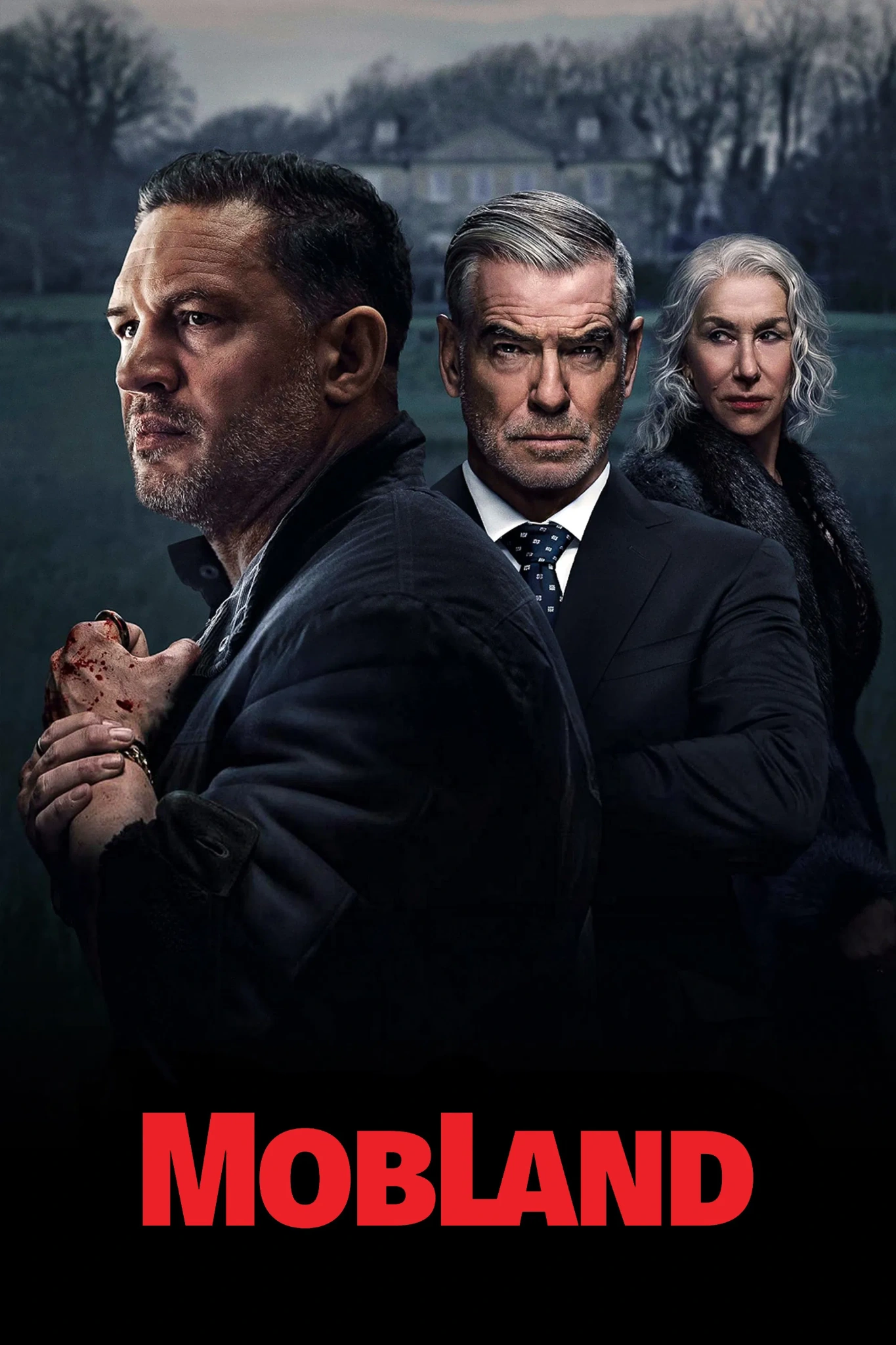
Tom Hardy gives Harry the presence of a man accustomed to winning by keeping his nerve and choosing his words sparingly. The call with Kat is stronger for how little outward emotion it takes to shift the balance of power.
Pierce Brosnan makes Conrad’s impulsive attack on the attendant and his later fear of the images of the people he has killed feel like two expressions of the same power losing its balance.
Helen Mirren has a harder task in the scene where she comforts him. Maeve feels intimately human in her closeness to Conrad even as she calmly defends an inhuman logic.
Even in captivity Frankie tries to laugh off defeat. That verbal resistance preserves something of his stubbornness, though the confrontation that came before it was still too weak.
The scenes between Kevin and Bella give the family a psychological texture that goes beyond the threats they trade.
The week that never began
The ending then strips the victory of its meaning.
After saving the family, all Harry asks for is a week with Jan and Gina. Even that modest request annoys Conrad, as though the man who kept everyone alive had no right to spend a few days away from them.
An employer’s reluctance to grant time off reveals how thoroughly the job has become a form of servitude. Harry can barely reclaim his own time or his home.
Before the explosion, Jan promises Gina they will never return to this place.
The promise matters because of the different ways they have come to see Harry’s world. Gina takes his offer to teach her how to survive in it as a sign of closeness to her father. Jan sees another way for the danger to reach her.
What begins as a disagreement about parenting reaches a deeper question. Can Harry’s love protect his family, or does it pull them further into the life he claims to be shielding them from?
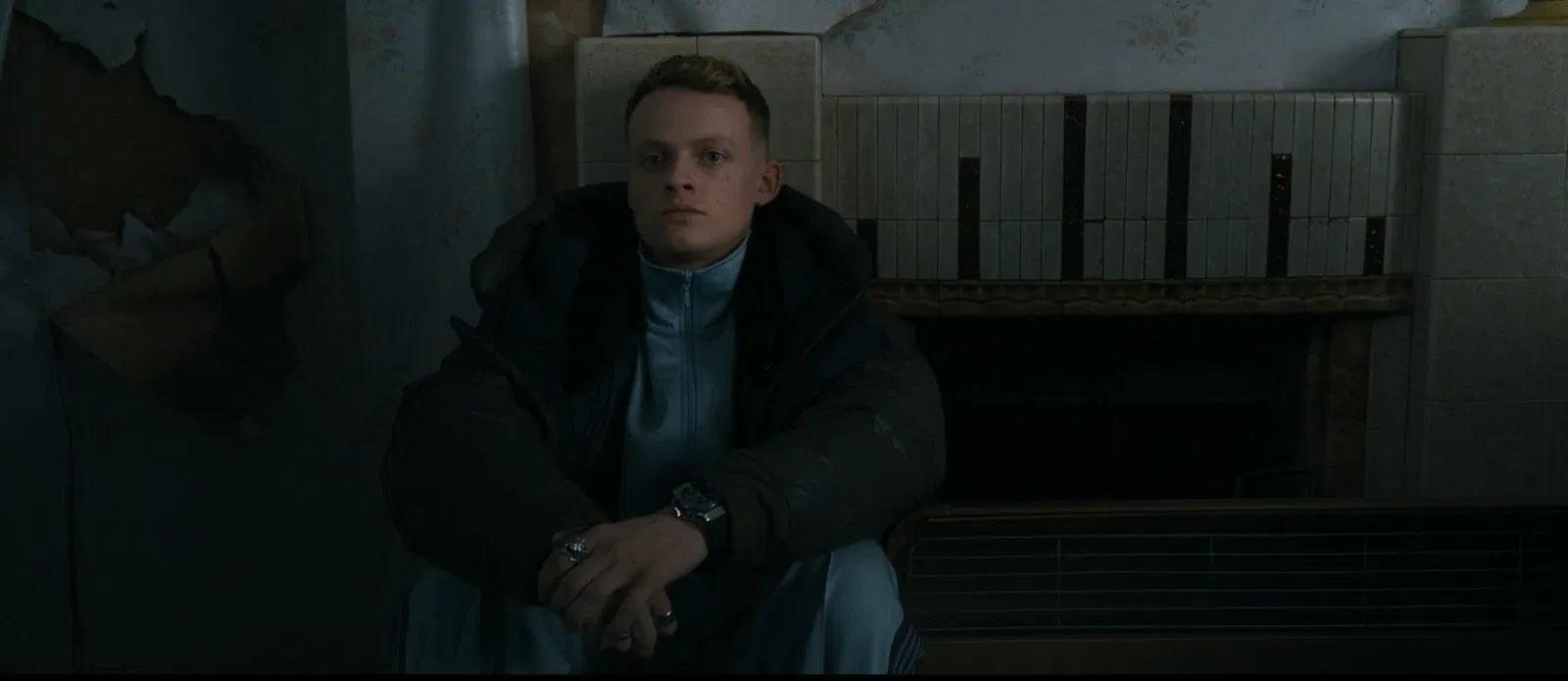
Following Maeve’s instructions to target Harry, Eddie plants explosives in the car. He got them from Paul through pressure and threats.
Mad Dog identifies Eddie while following the Medusa case, then calls and threatens him. Eddie loses his composure, drops the detonator, and the car explodes with Jan inside.
The distinction between what the episode confirms and what it leaves us fearing matters here.
Eddie plants the bomb, and the dropped detonator causes the explosion. What the call establishes about Mad Dog is the threat he makes to Eddie. His involvement in the blast or in any plan aimed at Jan remains unproven.
More importantly, Jan’s fate remains unresolved.
We see Jan in the car before the explosion and Gina outside, moving afterwards. The episode leaves the question of Jan’s death open.
The prospect is bleak, and certainty will have to wait for conclusive evidence.
That uncertainty sharpens the impact of the scene. In the final moments, Harry faces something none of his usual manoeuvres can settle.
This brings the episode’s central parallel into focus.
Harry turns the safe house into a carefully planned trap for Frankie. The bomb planted in his own car escapes his notice even though he is a few steps away from it.
Harry can control a confrontation with an external threat. What defeats him grows directly out of his loyalty to a family that lets its own members plot his death.
He has saved the very system that leaves him exposed and may end up destroying his private life.
Which queen actually fell?
The Queen Is Dead has several possible readings. The episode leaves its queen open to interpretation.
Kat falls from her political position. Jan may have paid with her life for a conflict she wanted to leave behind. Maeve, who gave the order to target Harry, keeps her place in the family.
Some of these readings are more certain than others. Together, they give the title a bitterness that the fall of a single adversary could never carry.
The cruellest possibility is that the woman who wanted out of this world pays the highest price, while the woman who drove others to commit the crime remains able to exercise her power.
Final verdict
Final verdict
Overall, the finale has a strong central irony, effective confrontations, and performances that give the characters a life beyond the criminal plot. The fall of Harry’s rivals and the end of the investigations come too quickly. His apparent immunity to setbacks sometimes makes his victory predictable. What makes the ending more than a showcase for Harry’s ingenuity is the catastrophe it sets before him. A phone call, a deal, and a perfect plan are all powerless in the face of it. Harry has managed to get the Harrigans back into their home. Getting his own family safely out of it is beyond anything he can promise.
Your turn
Will Harry realise that his loyalty to the Harrigans has become the greatest danger to the family he was trying to protect?
AUDIENCE VOTE
Do you agree with the MB rating?
Choose once from this browser. You can change your answer at any time.