The review
Gina in Frankie’s hands... a revenge equation with no easy retreat
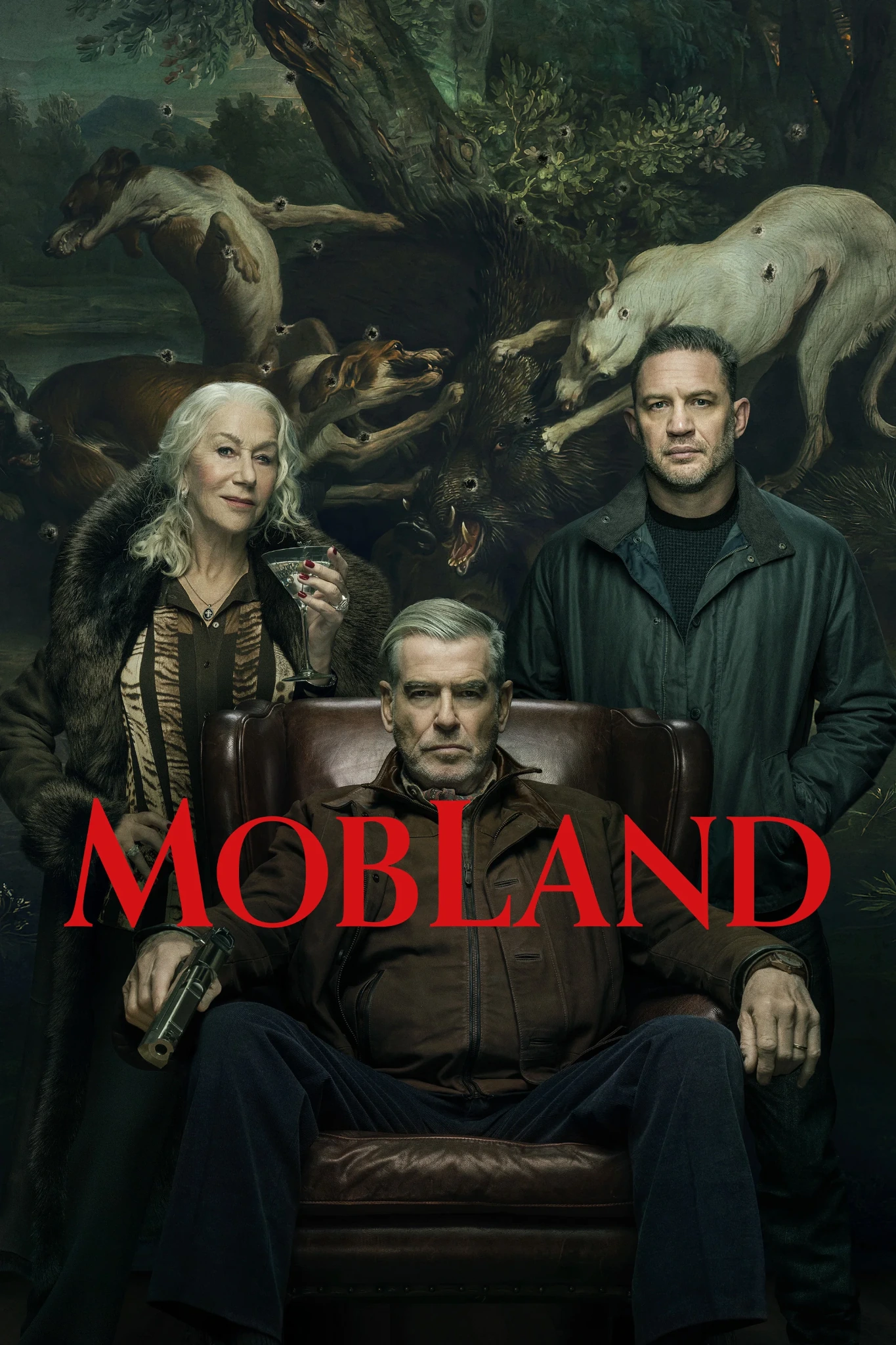
The episode’s significance begins with the direct consequence of an earlier decision by Harry, when he ordered the killing of Frankie’s son Michael.
That decision was more than another blow in the war between the two sides. It took the conflict to a more dangerous level, because Frankie was no longer facing merely a man threatening his criminal interests, but the person responsible for his son’s death.
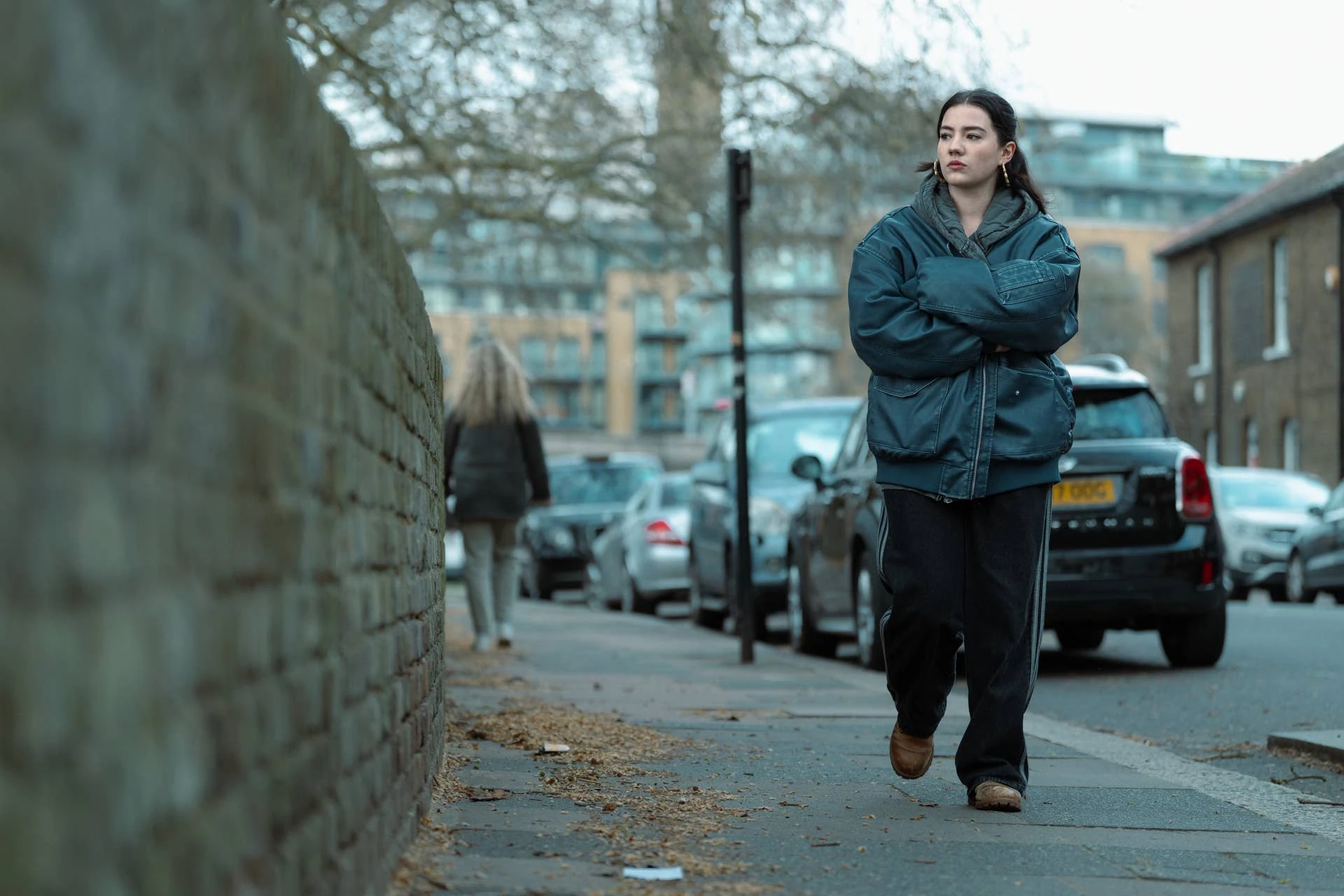
When Harry’s daughter Gina falls into Frankie’s hands, the conflict rests on two losses that are not yet equivalent: a son who has already been killed, and a daughter whose life is under threat.
This is a very strong dramatic starting point.
The viewer knows that Harry is willing to make harsh decisions to protect his family, but also knows that Frankie has a personal reason for revenge that cannot be reduced to money or territorial control.
The question then becomes: what does Frankie really want?
Does he want to make Harry suffer in the same way? Does he want to use Gina to force his submission? Or is he seeking an outcome beyond immediate revenge?
Each possibility could lead to a very different confrontation.
The problem arises, however, if Frankie possesses this advantage and then gives up using it without a clear return.
Drama does not require a father to take revenge by killing his son’s killer’s daughter. He could certainly choose a more complicated path. But it needs to make us understand why he chose that path, particularly after making Michael’s death a central reason for escalating the war.
The panic room... when a place of protection becomes a prison
One of the most interesting details in Frankie’s storyline is the way the episode presents the place where Gina is being held.
We see him in a house that looks ordinary and comfortable, while a television news report discusses an armed confrontation. At the same time, Frankie is busy preparing a drink in the kitchen before leading us to a bookcase that conceals a secret room.
This movement from familiar domestic details to a place of captivity carries a clear visual irony.
Here is a man who moves easily between two worlds: one in which he appears to live a comfortable, orderly life, and another in which he imposes his authority through violence and threats.
Even better, the room supposedly designed to protect the homeowner from danger becomes a means of taking away someone else’s freedom.
The location’s value therefore extends beyond being an intriguing secret setting. Its purpose is completely reversed.
Frankie holds the keys to safety, while Gina is the one who needs to survive.
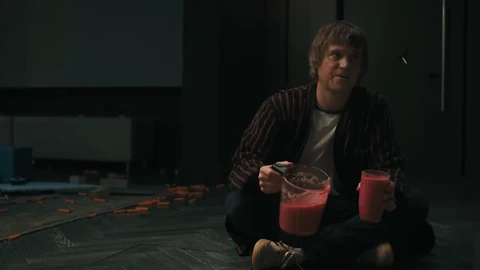
Her response when she throws the drink in his face gives her a small but important moment of rebellion.
She cannot change the balance of power inside the room, but at least she refuses to treat Frankie as someone deserving admiration or silent fear.
That behavior prevents the scene from reducing her entirely to the role of a frightened victim.
But the success of this moment also depends on its consequences. Gina’s defiance becomes more valuable when it affects how Frankie treats her, rather than remaining a provocative gesture before the usual threats resume.
Harry... when does his ability to survive become a problem?
One of Harry’s greatest attractions as a character is that he does not handle crises in the way we expect of a man surrounded by so much violence.
He prefers to control his emotions and usually looks for a weakness he can exploit rather than entering a direct confrontation.
That makes his presence different from that of many characters around him.
But the series faces a growing challenge with this character.
Every time Harry escapes a seemingly impossible situation, the writers need to present a more complicated one and make his means of survival equally convincing.
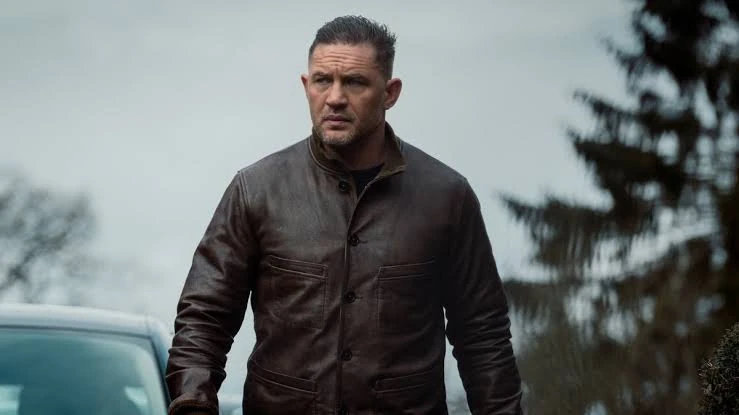
The problem becomes more apparent in his confrontation with Frankie.
If Harry has lost the leverage he previously held following Michael’s death, and his daughter is now in his adversary’s hands, what card does he have left to play?
He could have a plan the series has not yet revealed, agreements whose details we do not know, or knowledge that makes killing him a threat to other parties’ interests.
All of that is possible.
But a character’s ability to survive should not replace an explanation of how he survives.
There is a difference between Harry being more intelligent than his adversaries and those adversaries making illogical decisions so that he remains on top.
In the latter case, the protagonist’s success no longer feels like an earned victory. It becomes inevitable because the series will not allow him to lose.
That weakens the suspense, even if the confrontations remain enjoyable while we watch them.
Frankie and Kat... do we know who really makes the decisions?
An important aspect of this conflict is that Frankie is not necessarily the character with final authority over every decision.
Kat’s presence opens up a different possible explanation for some of his behavior.
Perhaps Frankie wants revenge on Harry but cannot pursue it in the way he wants because larger interests govern his relationship with Kat.
If the suggestions that Kat wants to make use of Harry are correct, Frankie’s refusal to kill him could become a political decision within the criminal world rather than an inexplicable act of leniency.
That interpretation deserves consideration.
But it does not automatically solve the problem.
The viewer needs to sense this constraint on Frankie and understand the interest that forces him to restrain his revenge.
If we have to invent an explanation after the confrontation simply because the decision we saw seemed illogical, the problem remains in how the conflict is presented.
That brings us to another issue.
Frankie has a distinctive presence thanks to his outward calm and provocative way of dealing with danger. But continuing to use him as Harry’s direct adversary for too long could leave the conflict repeating the same pattern of confrontations and threats.
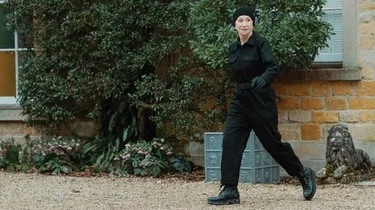
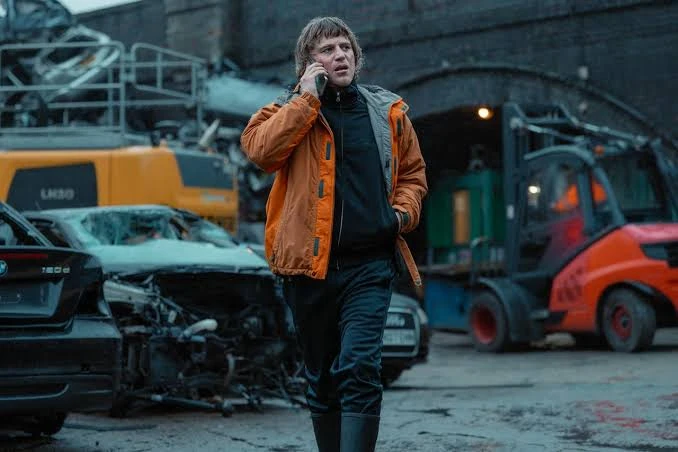
Shifting attention toward Kat could therefore be useful, provided she does not become an easy solution that allows characters to retreat from major decisions without facing the consequences.
If Frankie is merely an instrument in a larger plan, that fact needs to add a new understanding of his behavior rather than become a belated excuse for every unconvincing decision.
Jan and Gina... do the characters act, or does the plot move them?
Another observation concerns how the danger facing Gina is constructed.
The delay connected to Jan getting ready to leave, followed by Gina going out at a dangerous time, raises a question about how logical the characters’ behavior is after everything the family has experienced.
It is natural for characters to make mistakes, even when their lives are under threat.
A character who behaves with complete rationality at all times can also seem artificial.
But a convincing dramatic mistake needs to arise from the person’s nature, circumstances, or what the person knows.
When a character appears to delay or ignore an obvious danger solely so that the next disaster can happen, we start to see the writer’s decision rather than the character’s.
This is the real test of how Jan is written.
The problem is not that she does not always listen to Harry. She has every right to question the decisions of a man who hid essential truths from her for years.
But her objections should have an understandable logic, even when they lead to the wrong outcome.
Likewise, Jan cannot bear all the responsibility for Gina being put in danger while Harry himself seems less cautious than the circumstances demand, particularly when he allows his daughter to move around at a time when he knows Frankie is seeking revenge.
More importantly, Jan needs a dramatic role that goes beyond being someone Harry constantly has to rescue.
Gina already serves part of that function. If both characters’ purpose is limited to putting Harry in new crises, each will lose something of her independence.
Family relationships can give the series real depth, but they need characters with choices and motivations of their own, rather than mere devices for putting the protagonist in danger.
The confrontation in the pub... can a powerful scene overcome weak logic?
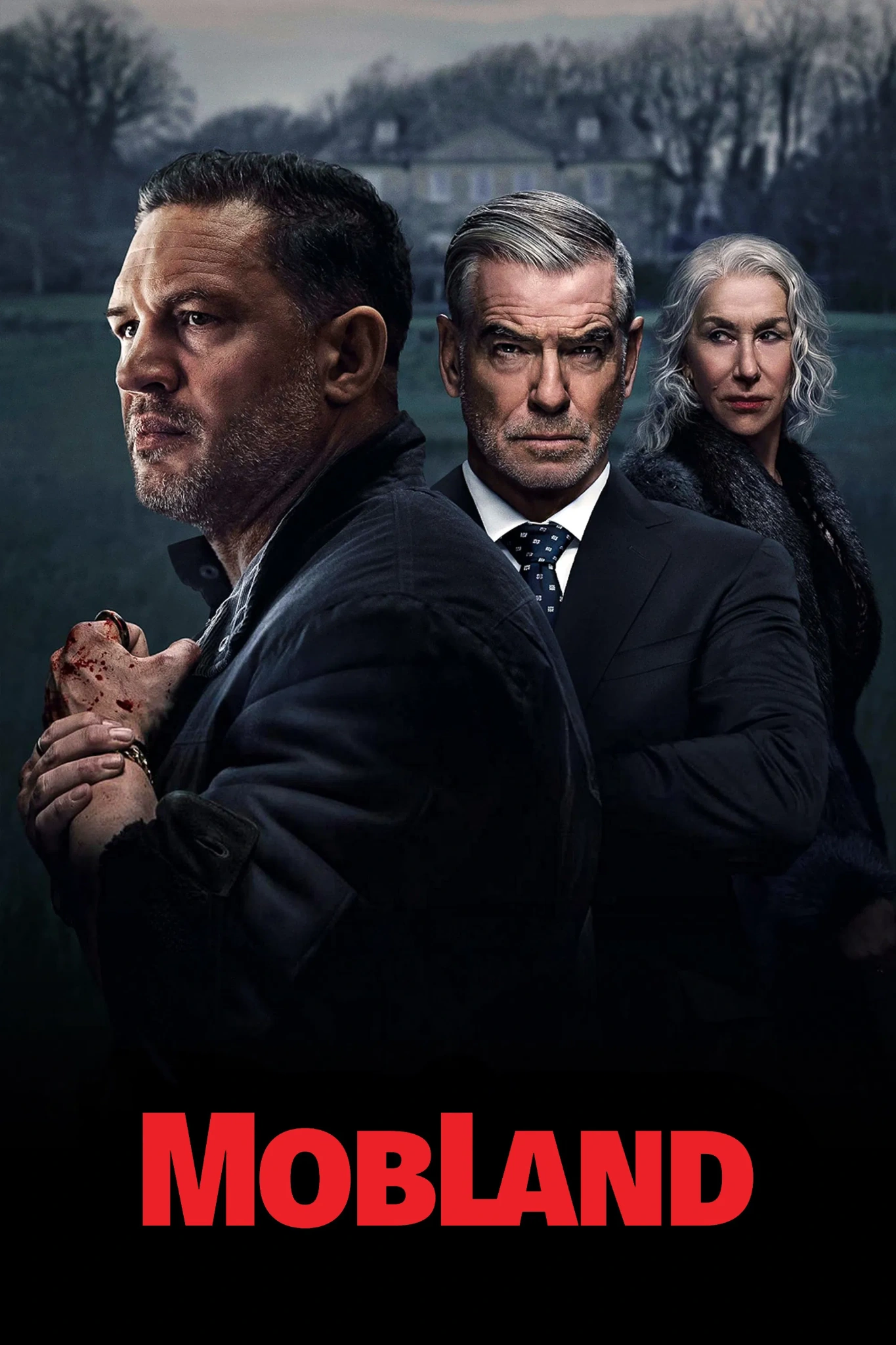
The confrontation between Harry and Frankie presents the toughest test of the conflict’s logic in this episode.
The situation should involve a clear imbalance of power. Frankie holds a hostage of enormous importance to Harry and has a personal motive for revenge.
Yet the confrontation ends with Harry walking away without appearing to possess a clear negotiating advantage proportionate to the danger of the situation.
This may give us an exciting scene, particularly because we are used to watching Harry remain calm in front of people who could kill him.
But we must ask: why do the circumstances allow this outcome?
If the confrontation takes place somewhere Frankie does not have enough protection around him, the question concerns not only Harry’s courage, but also Frankie’s preparedness to face someone whose dangerous capabilities he knows very well.
If Frankie never wanted to kill him in the first place, why not? What is he trying to obtain from the meeting?
The series does not need to answer every question directly in the dialogue.
But it does need to plant enough clues for the outcome to make sense when we think about it after the scene ends.
That is the difference between a scene that captures our attention for a few moments and one that retains its power when we examine its logic.
The scene may succeed in delivering enjoyment and tension, but that does not remove the reservation about how the conflict moves into its next stage.
The penultimate episode... a real test of the season’s consequences
These observations carry greater weight because this is the season’s penultimate episode.
At this stage, it is not enough to know that the characters face new dangers. We need to see how earlier dangers have changed their positions, relationships, and ability to act.
Michael’s death should not simply provide a reason for another confrontation between Harry and Frankie, and Gina’s kidnapping should not become a crisis that ends without an impact proportionate to its seriousness.
Meanwhile, Eddie’s efforts to prove his worth within the Harrigan family continue, while Maeve and Conrad pursue their own interests.
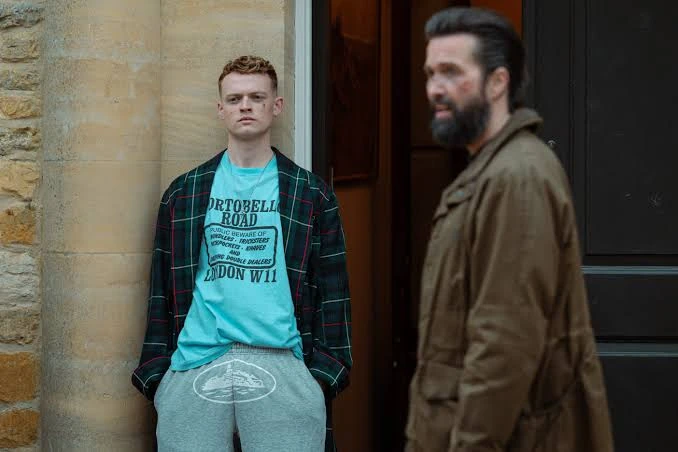
Here we see the contradiction that makes the series’ dramatic world interesting.
Some characters use violence to secure their position within the family, while others use their adversaries’ relatives to gain influence.
In both cases, family ties become part of the machinery of power.
But the strength of that idea depends on its consequences.
Violence that does not change relationships, and threats that leave neither loss nor impact, gradually lose their ability to provoke anxiety.
The approaching finale therefore presents an important test: can the series turn its accumulated conflicts into real changes, or will it settle for a larger confrontation that postpones resolution until another season?
Final verdict
Final verdict
Episode nine has strong elements of conflict, foremost among them the personal confrontation between Harry and Frankie, the use of Gina as leverage, and the growing possibility that Kat will influence the course of this war. The juxtaposition of quiet domestic life and criminal violence in Frankie’s scene gives the threat a different character, while Gina’s behavior allows us to see some resistance in a situation where she lacks control. The main reservation, however, concerns the logic of the decisions, particularly when an adversary has strong reasons for revenge and a clear advantage yet seems unable to turn them into a convincing outcome. What determines the success of these confrontations is therefore not their apparent danger, but how much we believe that the characters act according to their own interests and motivations rather than the need to keep the protagonist safe until the end of the season. The series does not necessarily need to kill one of its main characters to make its threats serious. But survival itself needs to be an outcome the character earns, rather than a guarantee the viewer receives in advance. Our question for you: can Frankie’s refusal to settle his confrontation with Harry be explained by a larger plan led by Kat, or is the series giving Harry plot armor that weakens his adversaries’ credibility? My rating for episode nine: 7.5 out of 10.
AUDIENCE VOTE
Do you agree with the MB rating?
Choose once from this browser. You can change your answer at any time.