The review
A New Refuge Gives Seraphina a Different Kind of Influence
Arriving at Priyanka and Charlton’s home in Mallorca puts the Harrigans in a position of dependence on others, now that their known properties are vulnerable to attack.
This move matters because Seraphina provides the route to safety and can offer something the family urgently needs. Her place within it gains practical value, allowing her to take the initiative after a period of doubt about her loyalty.
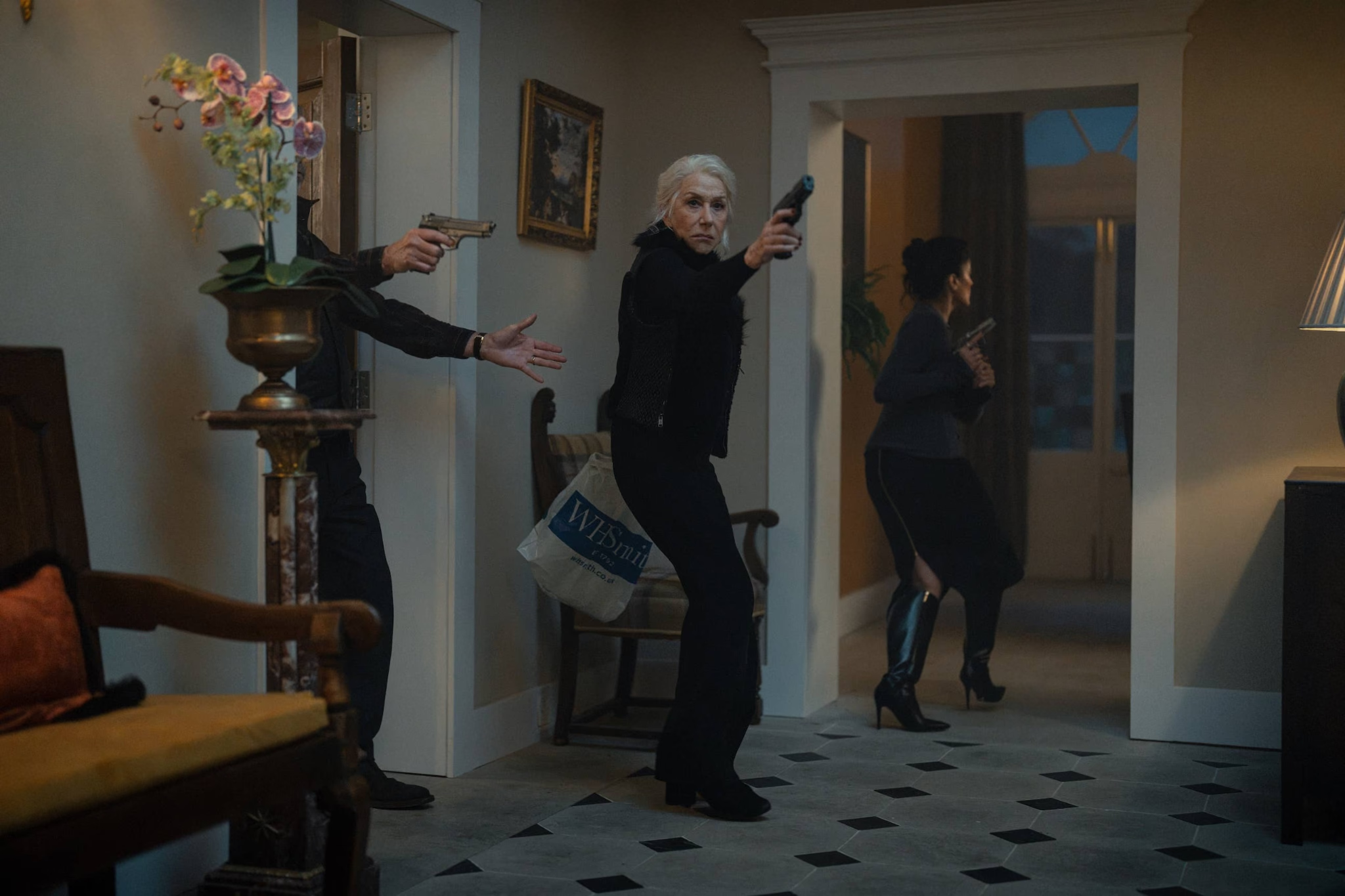
Her account of playing a double game remains open to scrutiny, however. Harry offers Conrad a more complex reading: Seraphina was undecided, then chose to stand with the family when the attack became imminent.
We find this reading appropriate to the character because it leaves room for self-interest, fear, and belonging together. Saving the family does not automatically erase what came before, but gives Conrad a reason to reassess his daughter’s place.
Priyanka’s presence also gives Maeve’s discomfort a personal dimension, mixing anxiety over power with the history of relationships within the family.
The setting thus serves a useful dramatic purpose. A family accustomed to receiving others on its own terms is now the guest of people with resources. Its reactions reveal how hard it finds this change to accept, even when it needs help.
Harry and Gina Provide the Episode’s Strongest Emotional Moments
Harry’s scenes with Gina do the most to bring us closer to him in this episode.
After what happened in Kenmare, Gina needs to understand why her father was there: did he come for her, or in response to the Harrigans’ needs? Her question strikes at a fundamental contradiction in his life, because his work and the protection of his family have become so intertwined that they are difficult to separate.
Tom Hardy gives the conversation a convincing transition from a man capable of inspiring fear to a father trying to explain and apologize. Harry knows how to act in the face of immediate danger, but here he needs to convince his daughter that she comes first.
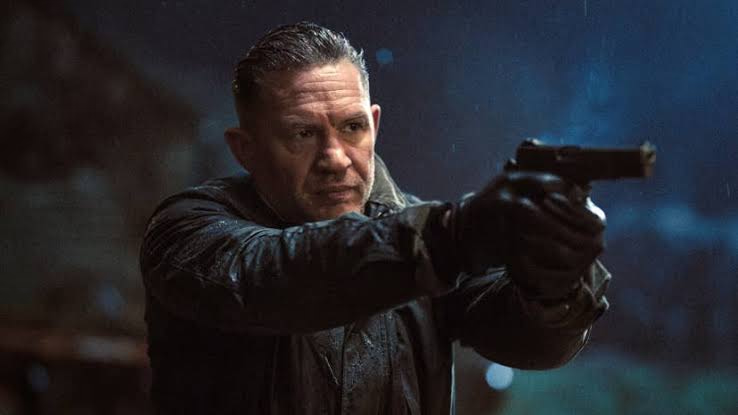
The conversation is strongest when it presents his long service to the family from his own perspective: he says he never had the choice he wants to give Gina, and that what he did was supposed to make a different life possible for her.
We see both sincere love and a predicament in this explanation. He presents his connection to the Harrigans as a means of protecting her, yet it is also what places her close to their dangers.
His threat to Maeve if she puts Gina in danger again gives these words a practical boundary. He tries to impose a line on the family that his service to it must not cross.
Their embrace gives the relationship an earned moment of closeness, while leaving Gina’s future choices open. She understands her father better, and that is a clear emotional step the episode has genuinely achieved.
Seraphina’s Offer Collides with Conrad’s Image of His Empire
The proposed alliance with Charlton is one of the episode’s elements with the greatest potential to develop the conflict. Seraphina tries to combine the other side’s resources and connections with the influence Conrad has built on the ground.
This gives her ambition to inherit the business a basis that can be debated. She offers a vision for its operation and wants to prove that she has something to contribute to the family’s future.
Conrad’s refusal reveals how important independence is to his self-image. He recalls his rise with Maeve, insisting that their enterprise remain a family business and that he fight the war relying on what he has built.

This sensitivity is understandable, but the episode does not give his alternative position enough substance. The family has just emerged from a crisis that exposed its vulnerability, so refusing help requires a plan that convinces us he can bear the consequences.
His insistence consequently feels closer to protecting a name and an image than to a decision whose practical advantages we can clearly see. This fits his stubbornness, but risks making the conflict circle the same obstacle repeatedly.
Maeve deepens this impasse by belittling Seraphina’s attempt, while her conversation with Eddie reveals the limits of the image she tries to maintain for him. She discovers his lie about Medusa, exposing the gap between his performance of a criminal identity and his ability to bear what it requires.
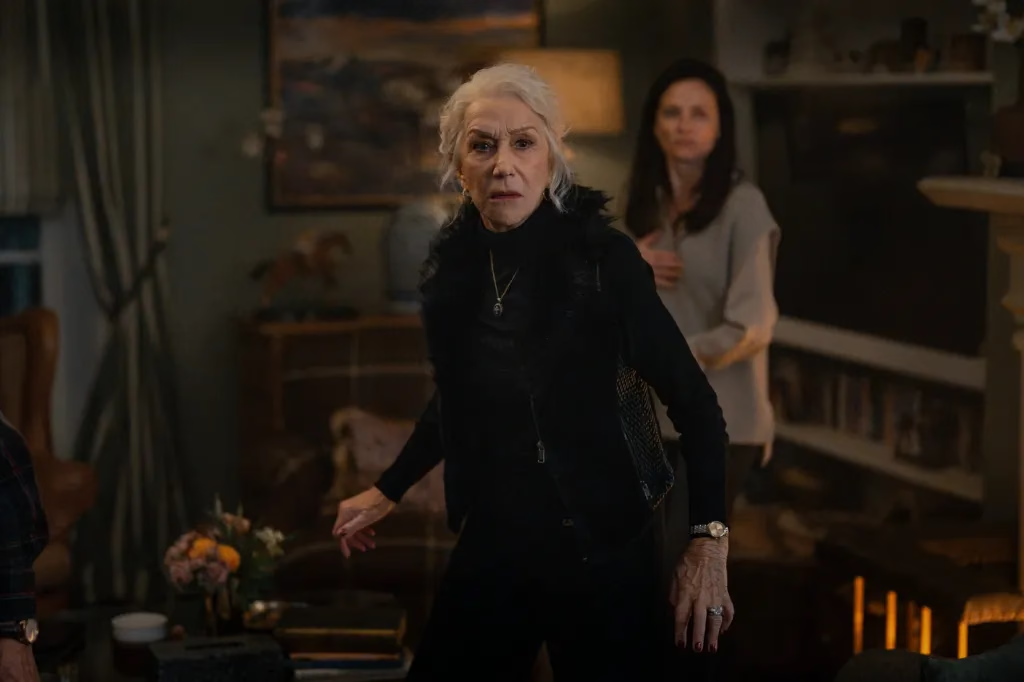
The episode brings these contradictions together well, but needs to give them consequences beyond renewed hostility within the family.
Kevin Endures the Same Humiliation Without Enough Change
Kevin is one of the characters whose crisis the episode seems to understand, yet cannot find a new step for.
He tries to find out what Seraphina is planning and is excluded from the conversation. He tries to get closer to Bella, but the distance between them remains. Even when he wants to speak to Harry, a more urgent crisis pushes him to the sidelines.
These moments accumulate to clarify his position within the family: he does not receive the recognition he wants and does not yet have the power to demand it.
But the clarity of this idea becomes a problem when it is demonstrated repeatedly without change. We need a decision from him, or an outcome brought about by this pressure, for the storyline to develop rather than merely expose the same wound.
The conversation with Bella is an example. Kevin’s question about what she wants him to do regarding Eddie opens the door to a direct confrontation, but the scene ends without a definite outcome, leaving the impression that the conversation began and then stopped before reaching anything that would change it.
For us, this is one of the episode’s weakest parts. Marginalization can build sympathy for a character, but needs a response that gives him agency within the story. Repeated helplessness makes the wait feel longer than the development we receive.
Frankie Reveals His Cruelty, and Colin Reveals the Nature of His Fascination
Frankie remains an effective presence because he can turn other people’s failures into a direct threat against them.
Killing Conrad’s dogs makes his revenge personal and confirms that targeting the family extends to what is connected to it. The scene’s purpose is clear, although its cruelty does more to confirm what we know about him than to add a new dimension.
More intriguing is his meeting with Colin. The information concerning Jojo exposes contradictions in the account they received, casting doubt on their continued reliance on intermediaries.
Johnny Flynn gives Frankie a presence in which practical calculation and violent impulsiveness sit side by side. Colin must prove why he remains useful after his mistake has become costly.
But Colin’s admission of his sexual fascination with proximity to criminals and danger takes the relationship into stranger territory. We understand that money and self-interest alone do not explain his attachment to this world, and that closeness to violence gives him personal gratification.
This addition explains an aspect of his behavior, but needs development to become more than a shocking surprise within the scene. Its potential strength lies in its effect on his decisions and the limits of his loyalty, beyond its strangeness alone.
Using Jan as a means of luring Harry links this storyline directly to the other family’s crisis and gives Frankie’s threat a clear direction as the ending approaches.
Jan Tries to Reclaim Her Choices and Moves Deeper into Violence
Jan’s ending is the episode’s most significant actual change, moving her from someone others try to use to someone making an irreversible decision.
The exposure of Donnie’s role undermines her sense of independence. A relationship she thought belonged to her alone becomes part of the conflict surrounding Harry, and the deception hurts more because his earlier warning has proved correct.
We read her refusal of protection as connected to this crisis. Accepting Harry’s intervention may feel to her like admitting that she has failed to escape his orbit, even as she tries to distance herself from him.
But this creates a dramatic difficulty that needs care. Her suspicion of his intentions persists despite receiving reassurance about Gina, and she then moves to confront Donnie herself. Betrayal explains the anger, but the transition to deciding to kill him still needs a clearer progression.
Nevertheless, her shocked expression after killing Donnie gives the scene important value. She does not look as though she has achieved comfortable control over her life; what she has done leaves an impact beyond the moment of revenge.
This may drive her to seek Harry’s help in dealing with the consequences, a possibility that raises again the contradiction she is trying to escape. Her decision may have been an attempt to reclaim her agency, but it could increase her dependence on the very world she wanted to leave.
The Episode Needs a Greater Return on Its Time Spent in Conversation
The quiet after the attack gives the episode a useful opportunity to reassess relationships, and Harry and Gina’s scenes show that pausing the action can produce affecting development.
The other storylines do not yield the same return, however. Some conversations reaffirm stubbornness, marginalization, or struggles for status without changing their terms enough.
This also appears in Kavanagh’s storyline. The investigation reaches a clearer understanding of Finch’s murder, but her removal then weakens the pressure this discovery could have placed on the family at this stage.
This turn may have later consequences, but its effect within the episode is limited, especially given the time spent building the storyline.
We see the problem as one of how progress is distributed. The episode moves the characters to a new place and gives some relationships good moments, but leaves other elements close to where they were.
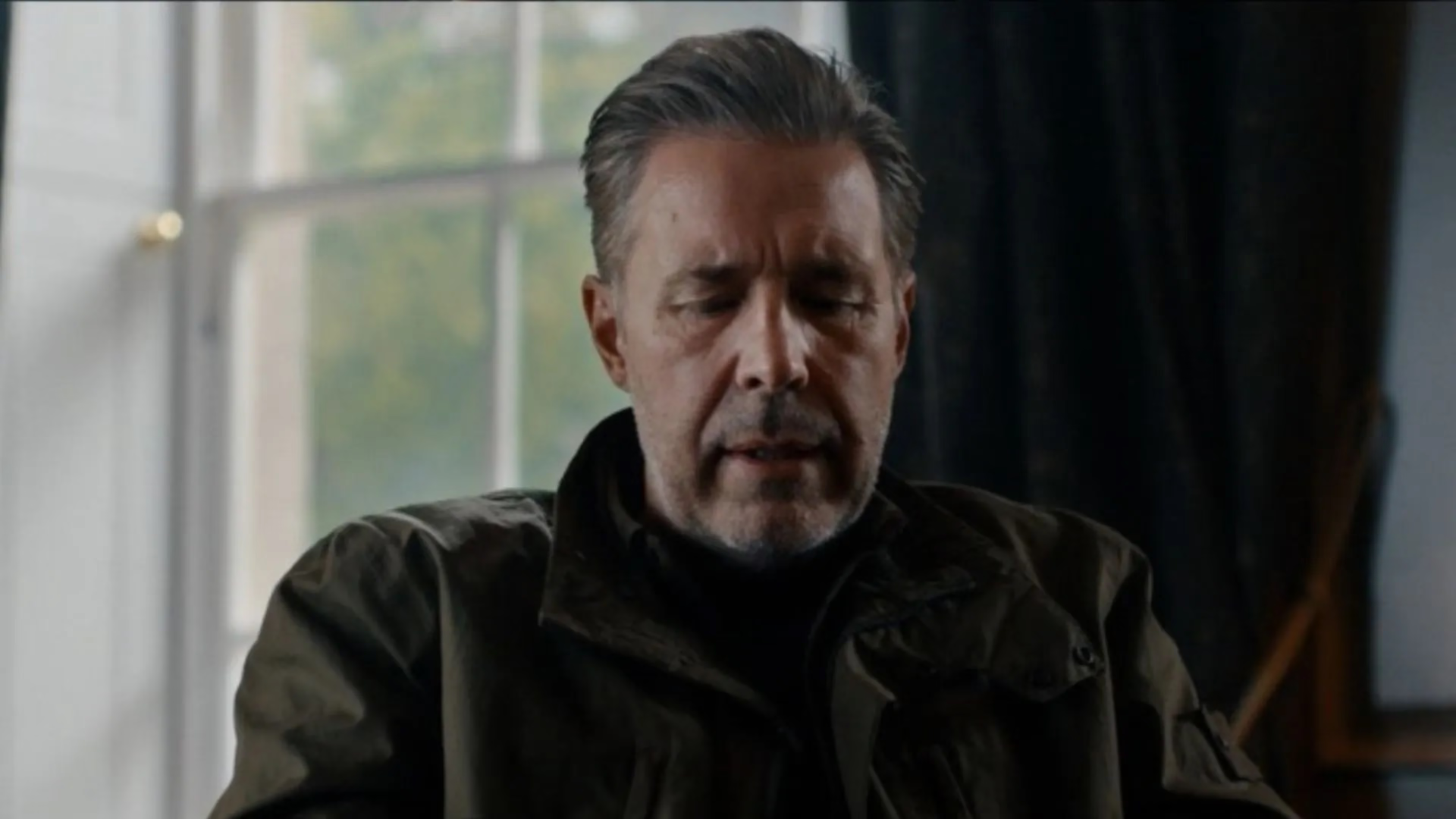
That is why Jan’s ending lands more strongly than most of what precedes it. There is a decision, a consequence, and a sense that the situation has changed. If the other storylines had received a similar degree of development, the overall pacing would have been more convincing.
Final verdict
Final verdict
The sixth episode of MobLand’s second season offers strong personal moments, particularly in Harry’s relationship with Gina. It benefits from Tom Hardy and Johnny Flynn’s presence and an ending that gives Jan a more consequential role in the conflict. Seraphina’s offer also raises an important question about the Harrigans’ future and Conrad’s ability to accept a solution that does not come entirely from under his own authority. On the other hand, the episode is weakened by the repetition of Kevin’s predicament, the continuing cycle of stubbornness and belittling others without sufficient consequences, and the investigation’s limited payoff. Jan’s escalation also needs more space to make its steps feel more connected. The result is a middling episode elevated by the strength of some of its scenes. It leaves us interested in the ending’s consequences, but does not give every storyline progress proportionate to the space it occupies. My rating for Episode 6: 7.5 out of 10.
Your turn
What do you think: was Jan’s killing of Donnie an attempt to regain control of her life, or the step that will bind her more closely than ever to Harry’s world?
AUDIENCE VOTE
Do you agree with the MB rating?
Choose once from this browser. You can change your answer at any time.