The review
The Harrigans are no longer one family
The episode's most important revelation is not that the Harrigans face powerful enemies, but that they no longer know how to face them together.
Conrad wants to regain control through force.
Kevin tries to prove he can lead, while continuing to make decisions that cause those around him to doubt his ability.
Maeve seems more interested in moving people according to her own calculations than in calming the conflict.
Harry alone tries to treat the crisis as a problem requiring rational management, rather than a contest to establish who holds power.
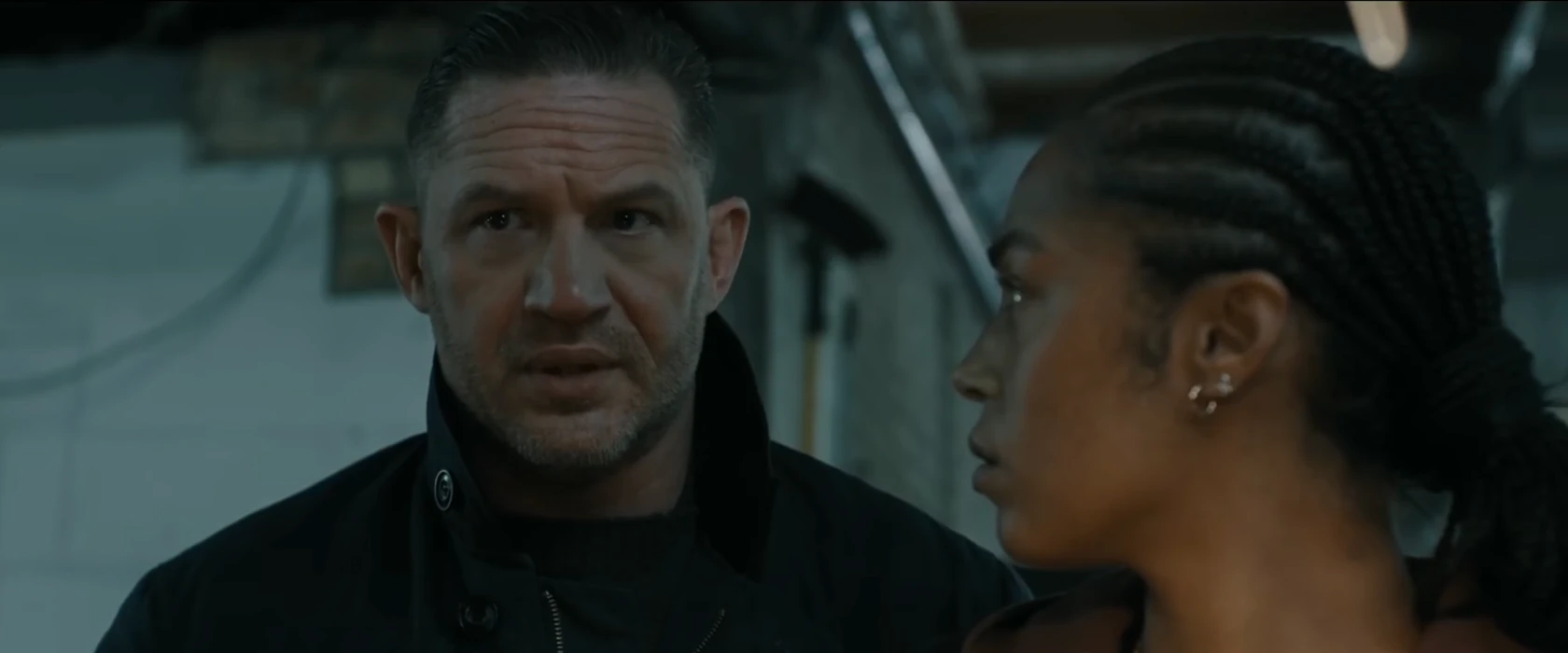
These differences create stronger tension than most direct confrontations with Frankie.
When Conrad demands that Harry choose between him and Kevin, he is asking for more than a declaration of loyalty. He is forcing the man who kept their empire together for years to acknowledge that the family has split into two camps.
The irony is that Conrad needs Harry more than ever, but treats him as someone who must constantly be tested.
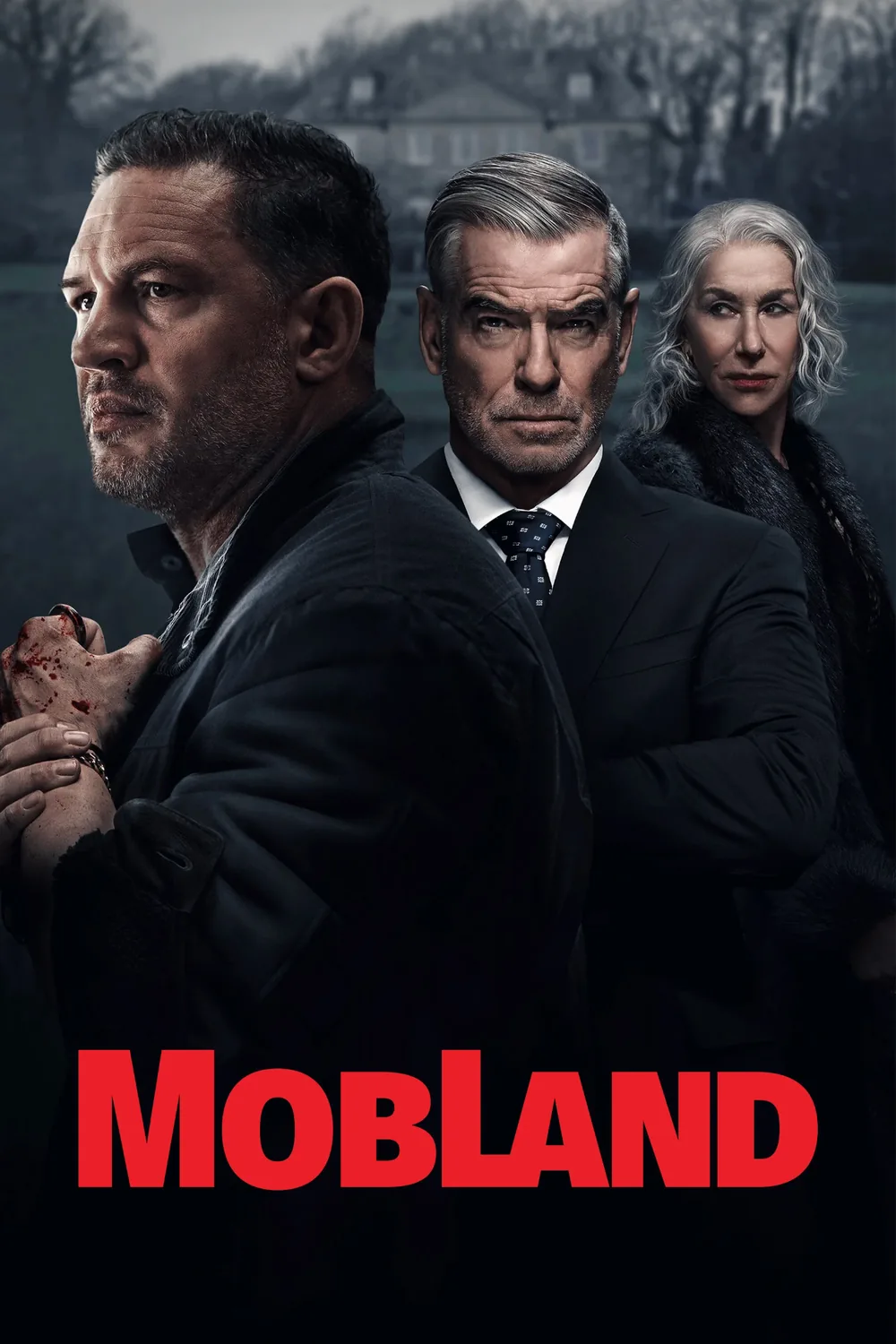
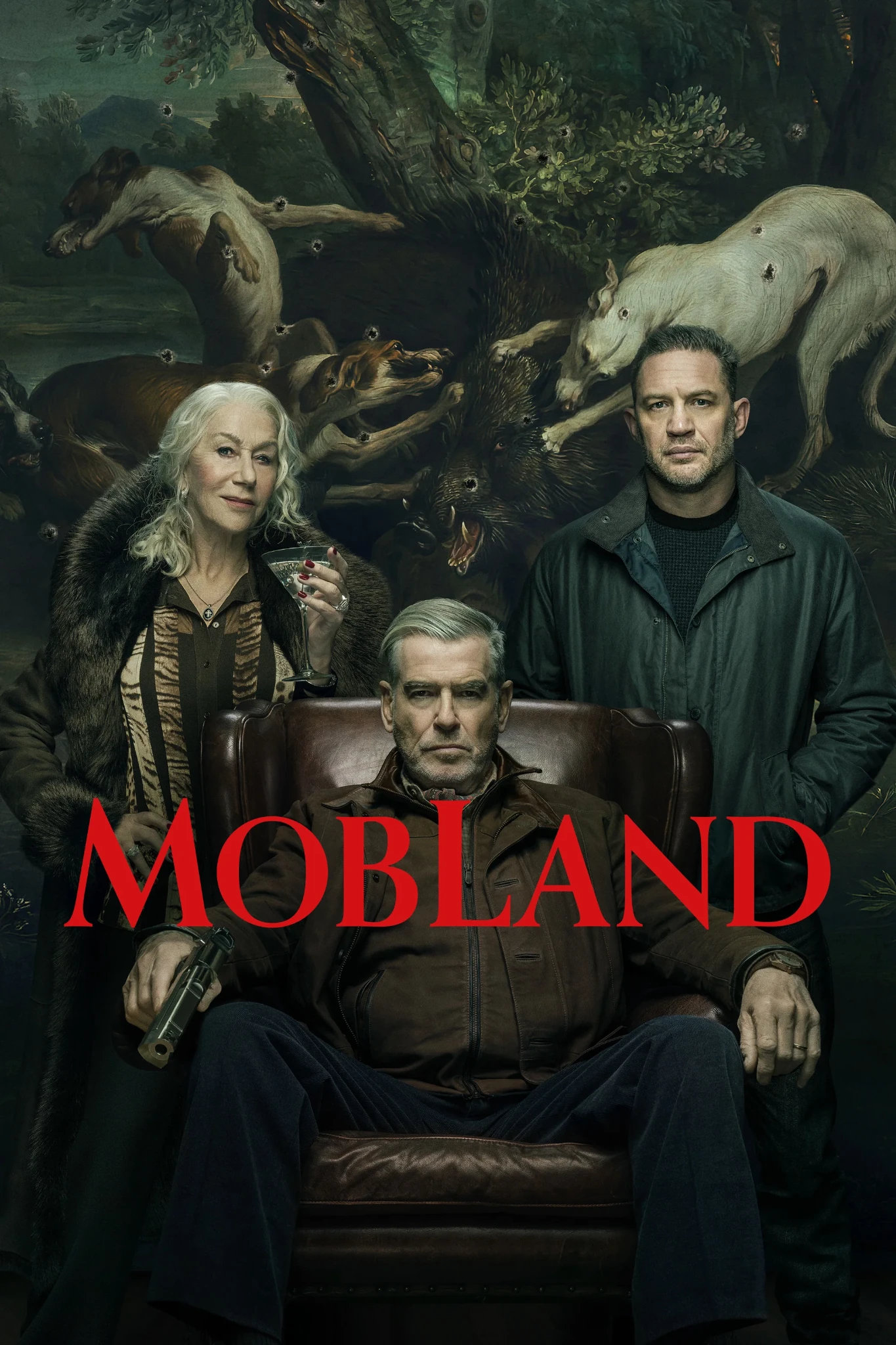
Pierce Brosnan reveals an excellent side of the character here.
Conrad still has the presence of a man accustomed to issuing orders and being obeyed. Behind that presence, however, we see someone who feels his authority slipping away.
Every objection sounds like an insult.
Every suggestion of retreat sounds like an admission of weakness.
Kevin's position does not improve even in his own home.
Bella confronts him with a painful truth: pointing his gun at Frankie while she was captive could have got her killed.
She sees no bravery in it, only further proof that he is unready to lead.
The scene matters because Kevin is losing more than his father's confidence. He is losing the trust of those closest to him.
Harry's insistence on a truce between the two sides therefore makes complete sense.
He knows the empire cannot survive an external attack while its leaders compete to destroy one another from within.
But the episode leaves us with a more troubling question: can this family still be repaired at all?
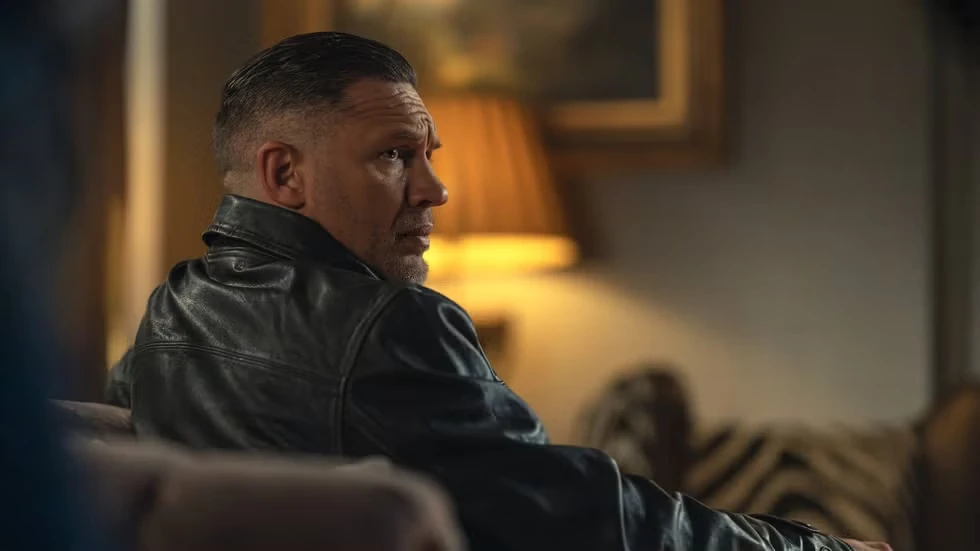
Harry Da Souza: the man who makes killing an administrative procedure
If I had to choose the scene that defines Harry in this episode, it would be his confrontation with Finch.
Not because of the violence itself.
Because of how Harry reaches his decision.
The police are getting closer to discovering evidence tampering, and Kavanagh notices details suggesting that someone on the team interfered with the investigation.
Finch, Harry's man inside the police, has become a danger where he once provided protection.
Harry does not act on suspicion alone.
He arranges a jewelry store robbery, leaves evidence linking it to the Harrigans, and waits to see whether the information reaches Finch.
When it does not, he understands that his man no longer has the access he once did.
This is more than a clever plot device.
It shows how Harry's mind works.
He does not need a direct confrontation or a loud threat to discover the truth.
He creates a test, observes the outcome and makes his decision.
Then comes the most disturbing scene.
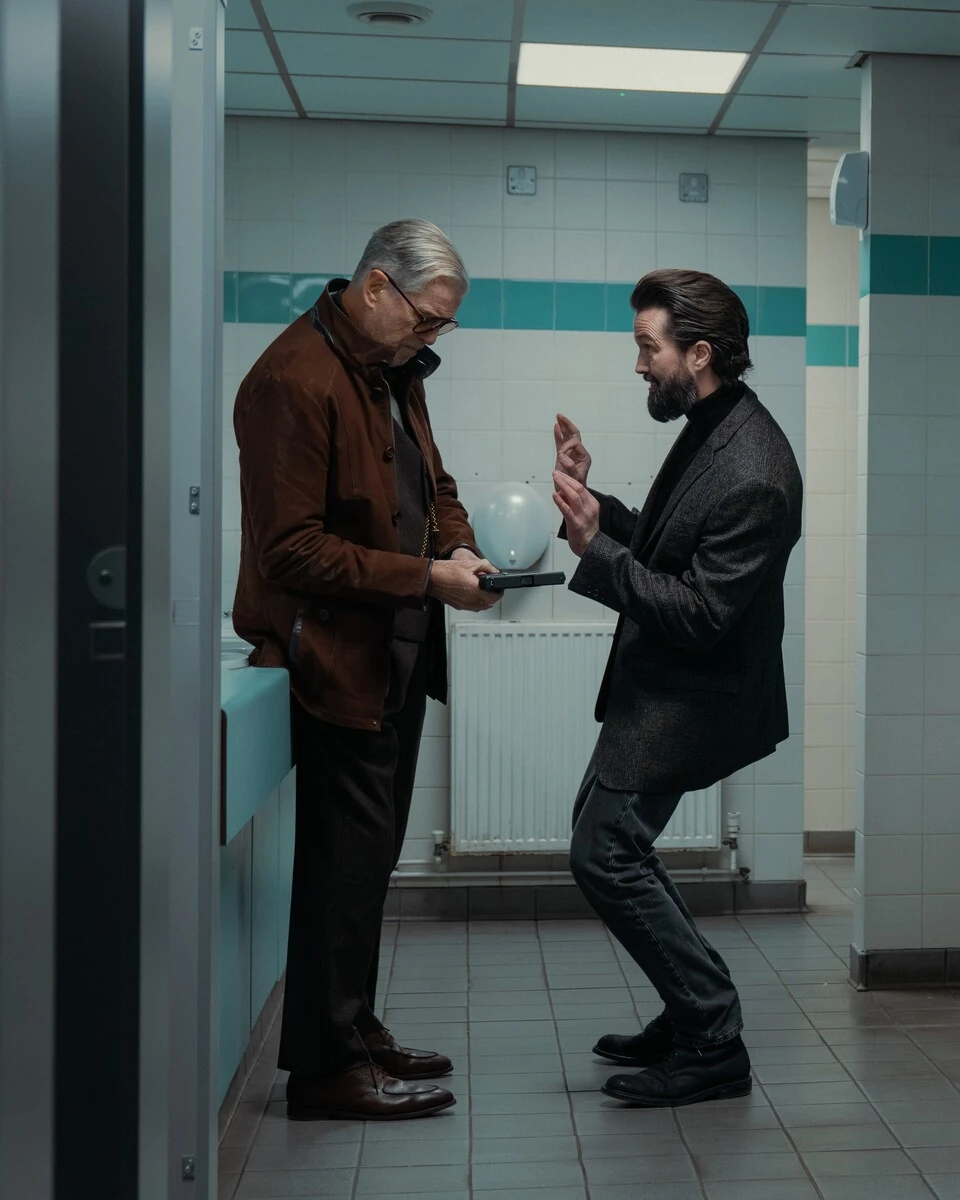
Finch knows what awaits him and searches for any means of survival, while Harry's calm handling of it makes him seem almost more cruel.
Even when Harry mentions the possibility of continuing financial support for Finch's wife, it does not feel like genuine mercy.
It feels like a man separating the ending of a life from honoring certain obligations arising from their work together.
The threat becomes a death arranged to look like suicide.
What is frightening is that Harry does not seem angry.
He does not enjoy the scene like Frankie, or lose control like Conrad.
He simply carries out what he considers necessary.
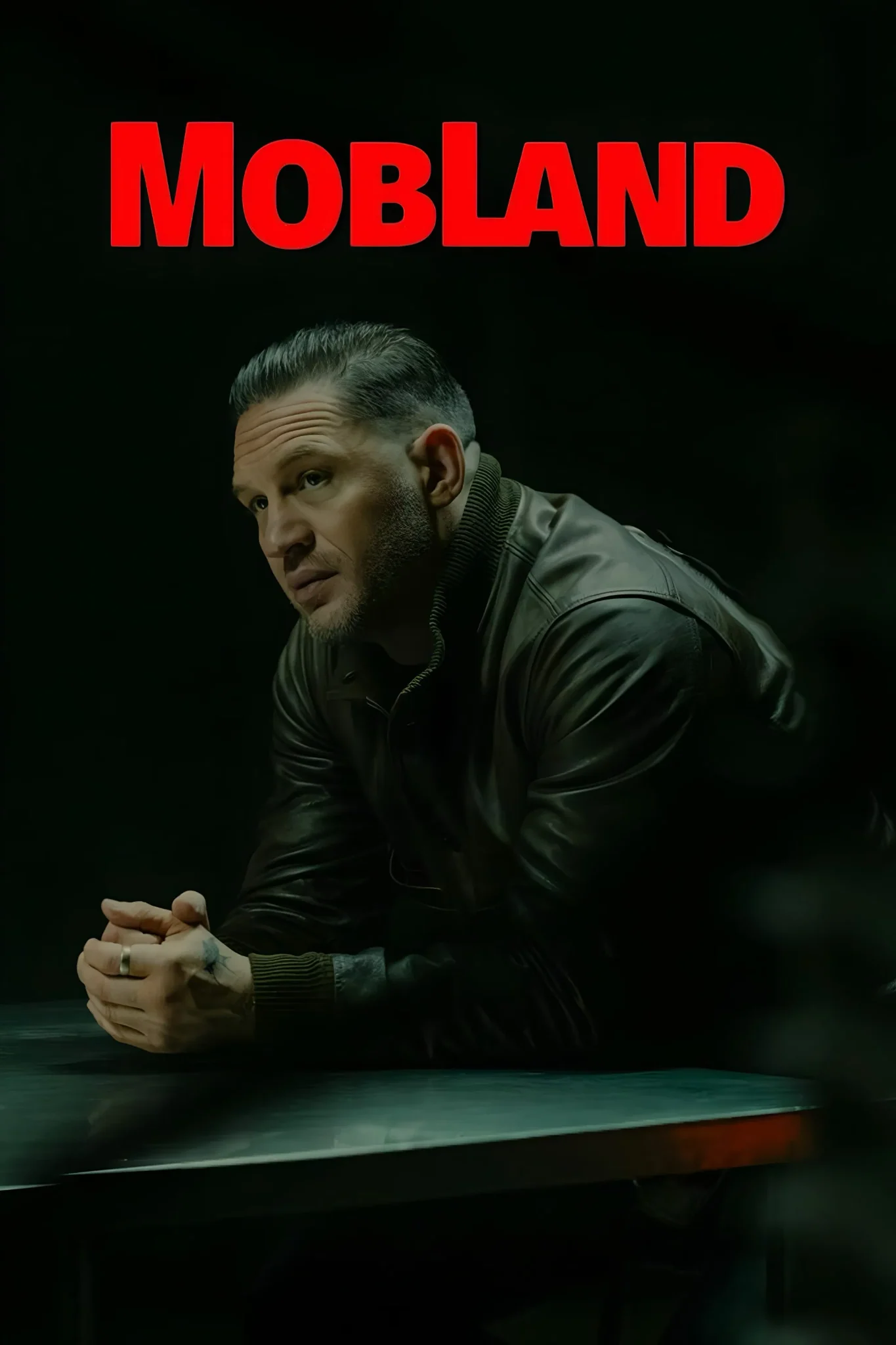
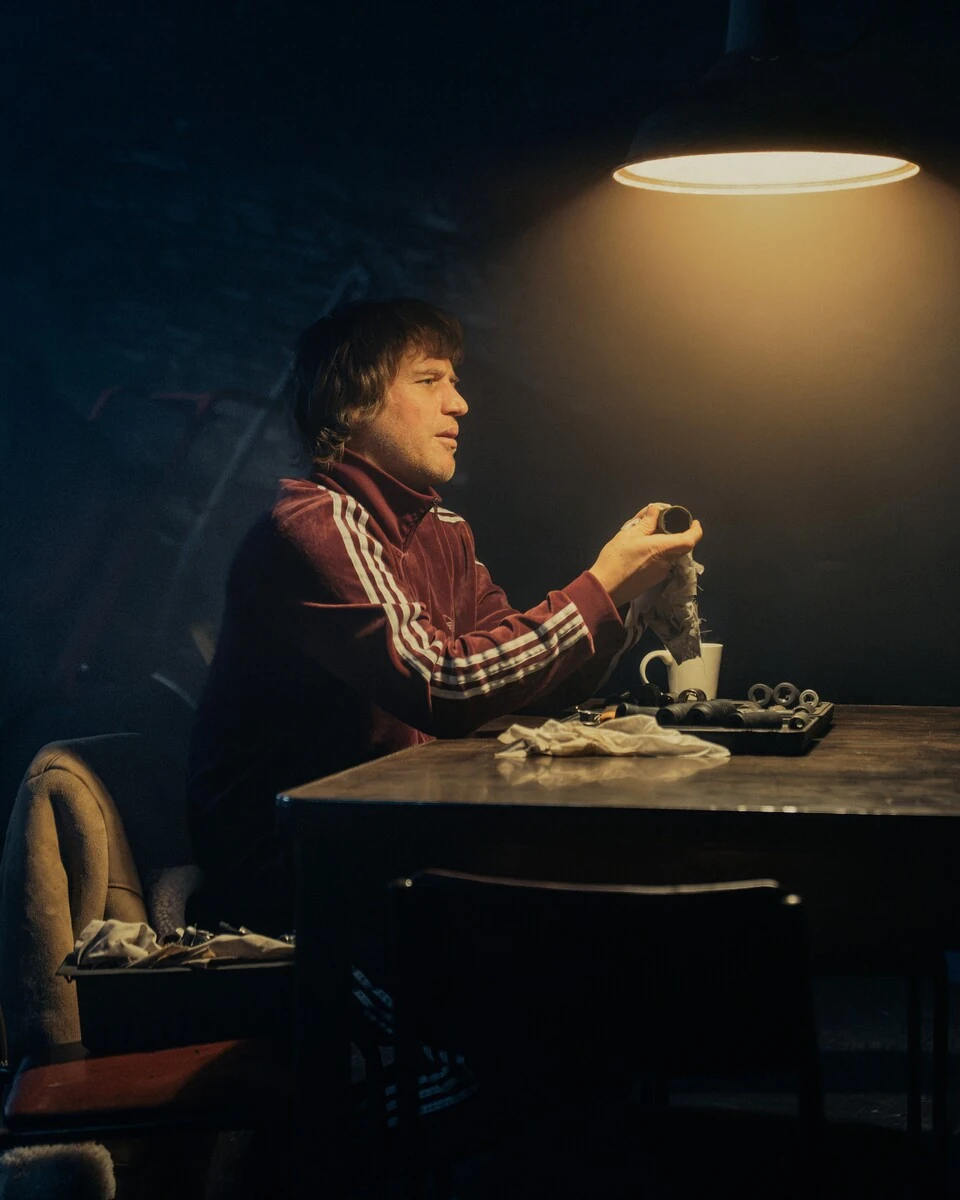
Tom Hardy excels in this territory because he makes silence part of the threat. His gaze, the timing of his answers and his stillness before the other man's collapse give Harry authority without showmanship.

What I appreciate more is that the episode does not turn that competence into moral heroism.
This is an extremely effective man, yes, but one willing to dispose of someone who worked with him for years once that person becomes a risk.
That makes his loyalty a more complicated question.
Is Harry truly devoted to the Harrigans, or has he become so devoted to his role within the family that he can no longer imagine another life?
Conrad chooses war at the worst possible moment
The difference between Harry and Conrad becomes clearest at the episode's end.
While Harry tries to contain the crisis and open a path to an internal truce, Conrad decides the time has come to answer Frankie directly.
He raids one of Frankie's business sites, shoots at his men and takes one captive.
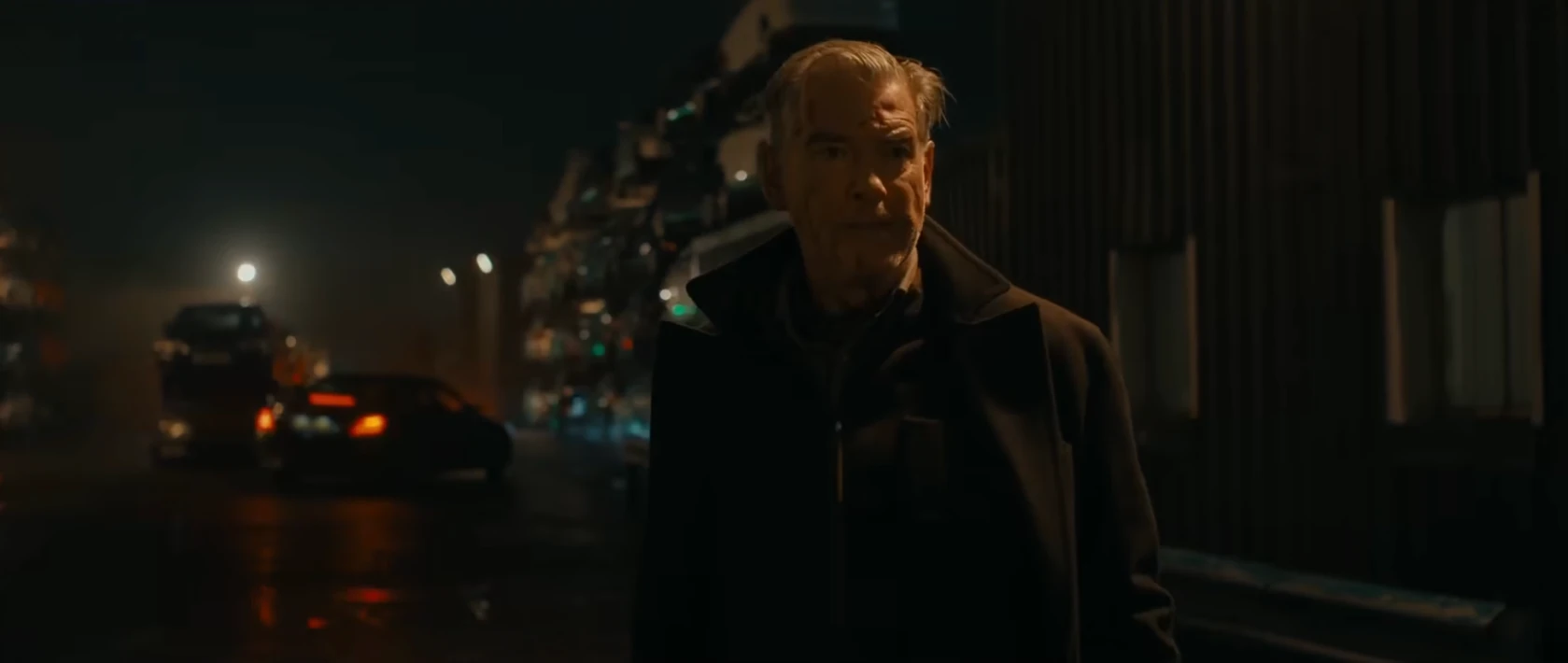
This is not simply an action scene required to end the episode with a bang.
It is a decision that changes the nature of the conflict.
Until now Harry has tried to preserve room for negotiation and calculation. Conrad turns the confrontation into an open war that will be difficult to retreat from.
The problem is that the scene gives Conrad a temporary feeling of control, while he may actually have exposed his family to greater danger.
Paul's presence adds an important dimension.
Paul carries personal anger after Fergus's death. The violence is therefore more than obedience to Conrad's orders: it is an outlet for pain that has found nowhere else to go.
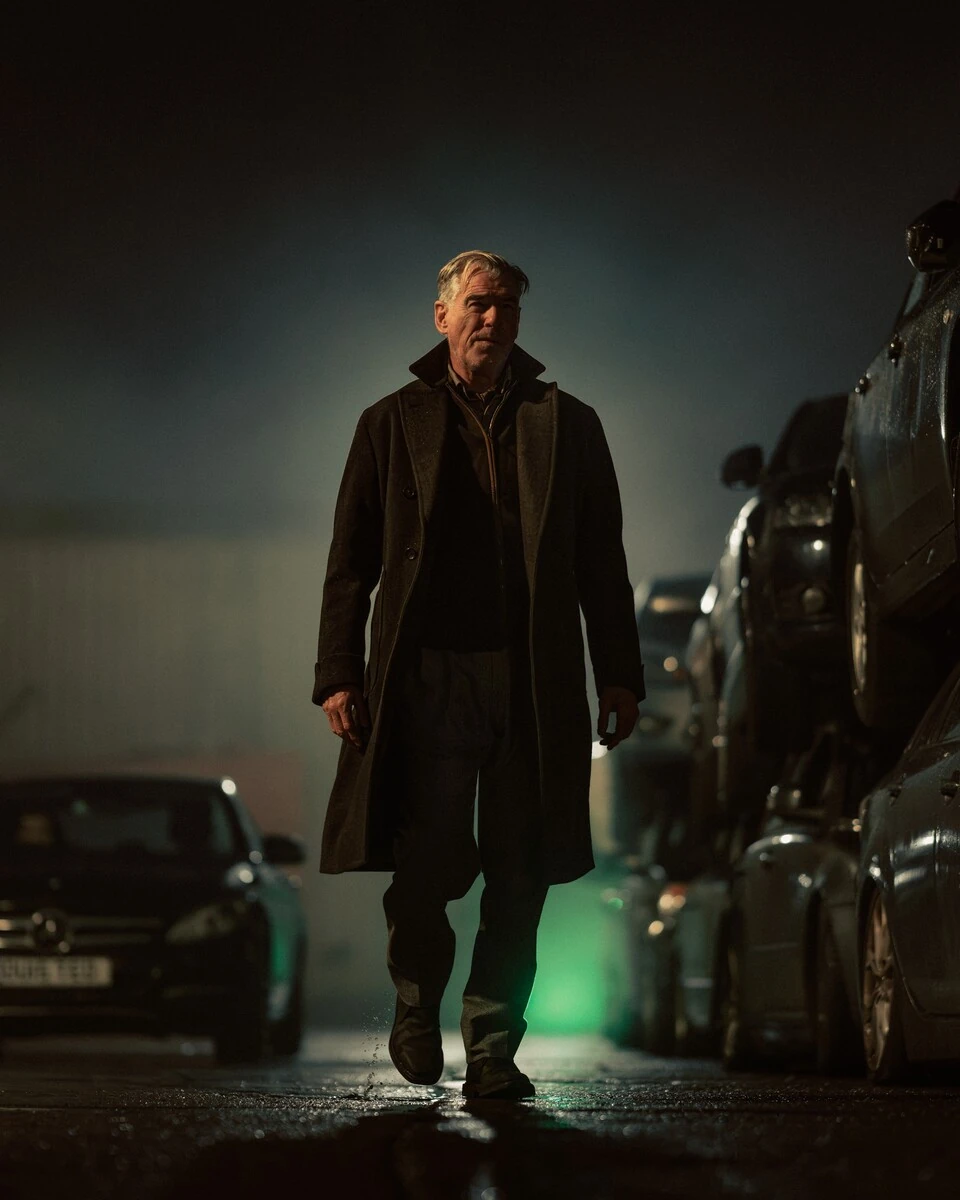
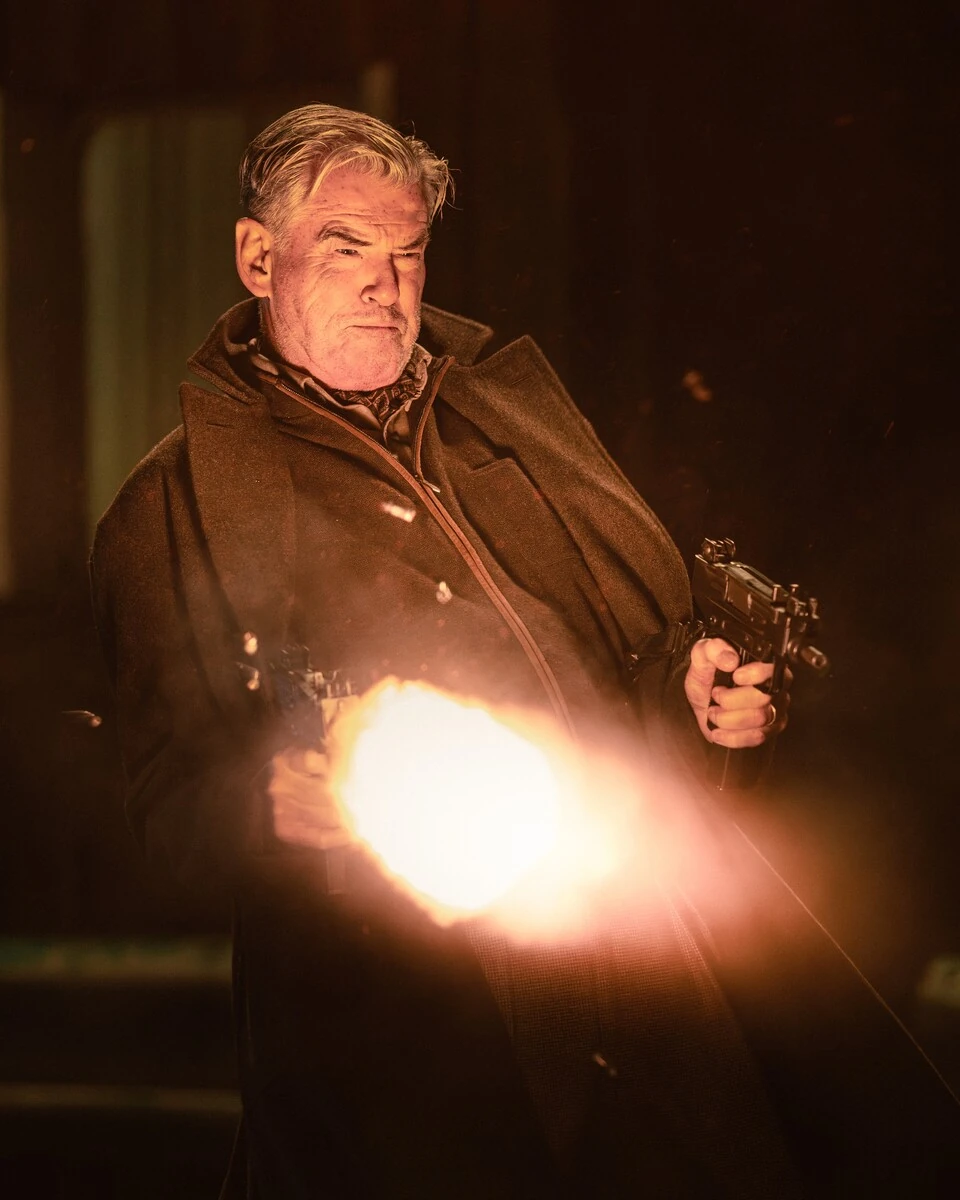
That is one of the episode's strengths. Escalation grows from the characters' personalities and wounds, rather than simply increasing the body count.
Ironically, Frankie has succeeded in provoking precisely the behavior Harry was trying to prevent.
I therefore find the ending very strong, despite its offering neither side a clear victory.
Maeve knows more than she says
Maeve remains one of the least predictable characters.
The episode gives her moments of cruel black humor while showing that her calculations extend beyond what the others understand.
A bottle of antifreeze in Conrad's private bathroom opens a troubling possibility.
Especially because some of its contents are missing.
The episode does not confirm that Maeve used it to poison him, so this cannot be treated as a fact.
What matters is that Conrad also starts regarding his wife as a possible threat.
Elsewhere, Maeve sends Eddie and Gina to Ireland on a mysterious assignment without revealing its true purpose.
Strangely, she seems to accept Gina accompanying him despite previously objecting to their relationship.
This change is not enough to explain her intentions, but makes the trip more worrying.

I like that the episode does not reveal all Maeve's cards. I do have reservations about mysterious plans continuing to accumulate without tangible results.
Mystery is attractive when it appears to be moving toward something specific, rather than becoming a way to postpone answers indefinitely.
Seraphina: betrayal becomes an opportunity
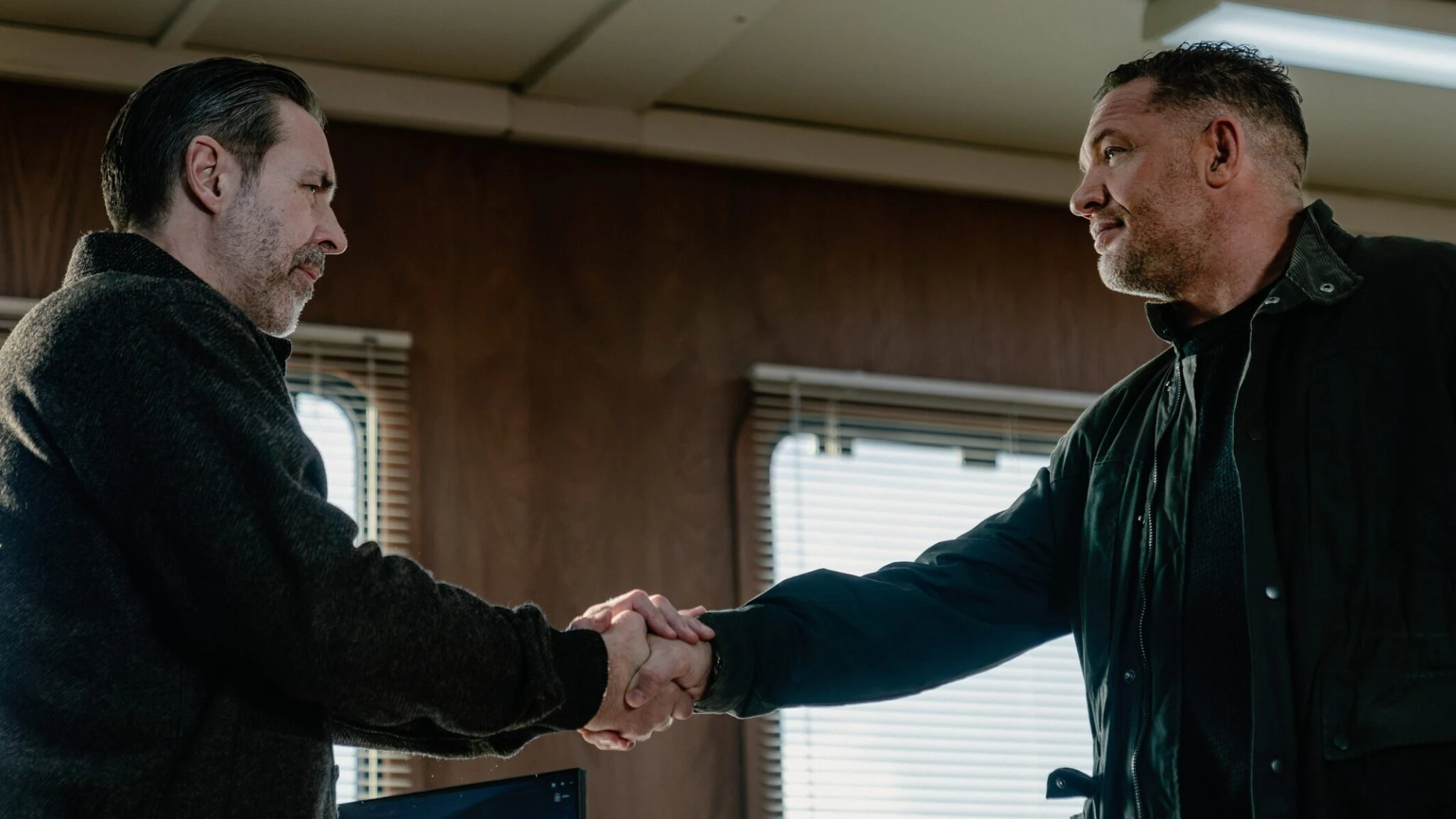
Harry's meeting with Seraphina is one of the episode's best quiet confrontations.
Harry knows she cooperated with Kat McAllister. Seraphina knows that discovery could cost her life.
Instead of killing her, however, he decides to use her.
The decision fits him perfectly.
Seraphina believed the Harrigans were heading for collapse and that accepting Kat's offer might be the only way to protect her future.
She is not acting solely from greed or revenge. She has lost faith in the family's ability to survive.
Her logic intersects interestingly with Harry's, particularly because he previously came close to accepting Kat's offer himself.
The difference is that he can now turn Seraphina's betrayal into a source of information.
That does not make her loyal to him.
She is trapped between two people who know she can betray them, either of whom could dispose of her if their trust runs out.
Mandeep Dhillon conveys that tension effectively, particularly the shift from fear of Harry's decision to temporary relief when he offers another chance.
I think this storyline will matter most through the choices Seraphina must make, rather than only through the information she can pass on.
Frankie finds a route into Harry's private life
Frankie Cooper understands something crucial about his opponent.
Harry can handle professional dangers with detachment, so attacking him conventionally may not be enough to unsettle him.
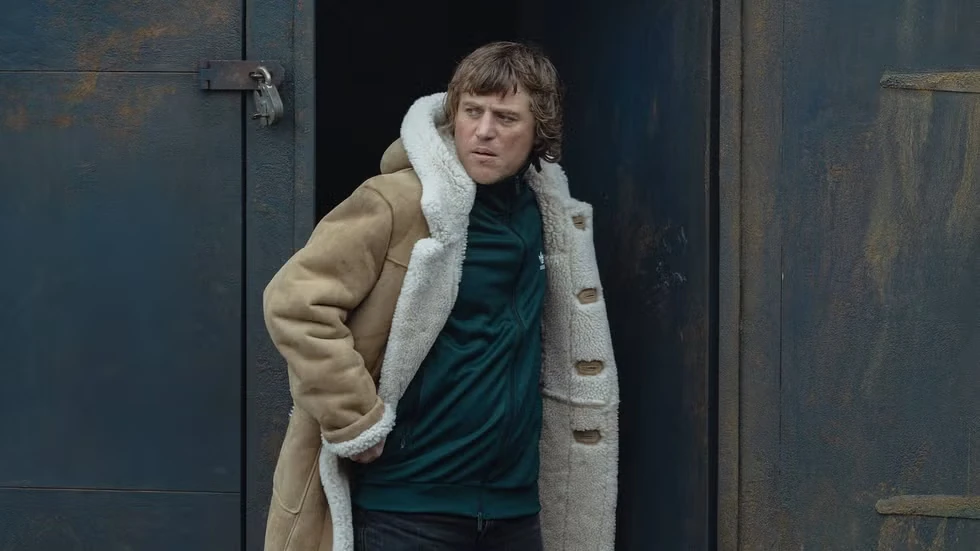
His private life is different.
Jan is trying to build a new relationship after her marriage's collapse, unaware that Donnie, the man who approached her, is connected to the operation targeting Harry.
That gives her storyline an unsettling quality.
She believes she has found a private space away from Harry's criminal world, when her relationship has itself become part of the conflict.
When Frankie sends Harry an intimate recording of Jan, the message is clear: the attack is no longer limited to money, influence and armed men.
Frankie can reach the people Harry cares about.
For me, that is more dangerous than the explosion whose aftermath opens the episode.
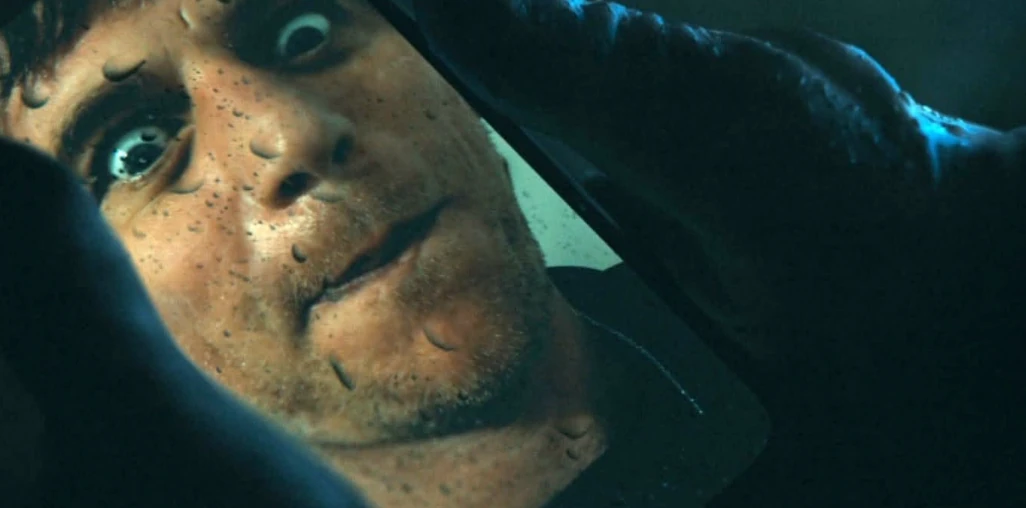
Harry can repair a destroyed site or conceal a crime's traces. He cannot handle an emotional intrusion in the same way.
The episode has not yet shown how he will respond, and wisely avoids rushing the answer.
The compelling question is whether the man who built his strength on controlling his feelings will retain that control when his personal life becomes a battlefield.
The pace and black humor restore MobLand's spirit
One of my favorite elements is the return of black humor amid the tension.
It is particularly evident in Maeve's behavior and cruel remarks about Fergus, where laughter itself reveals how disturbed the family's relationships have become.
This blend of dark comedy and crime gives MobLand a distinctive personality.
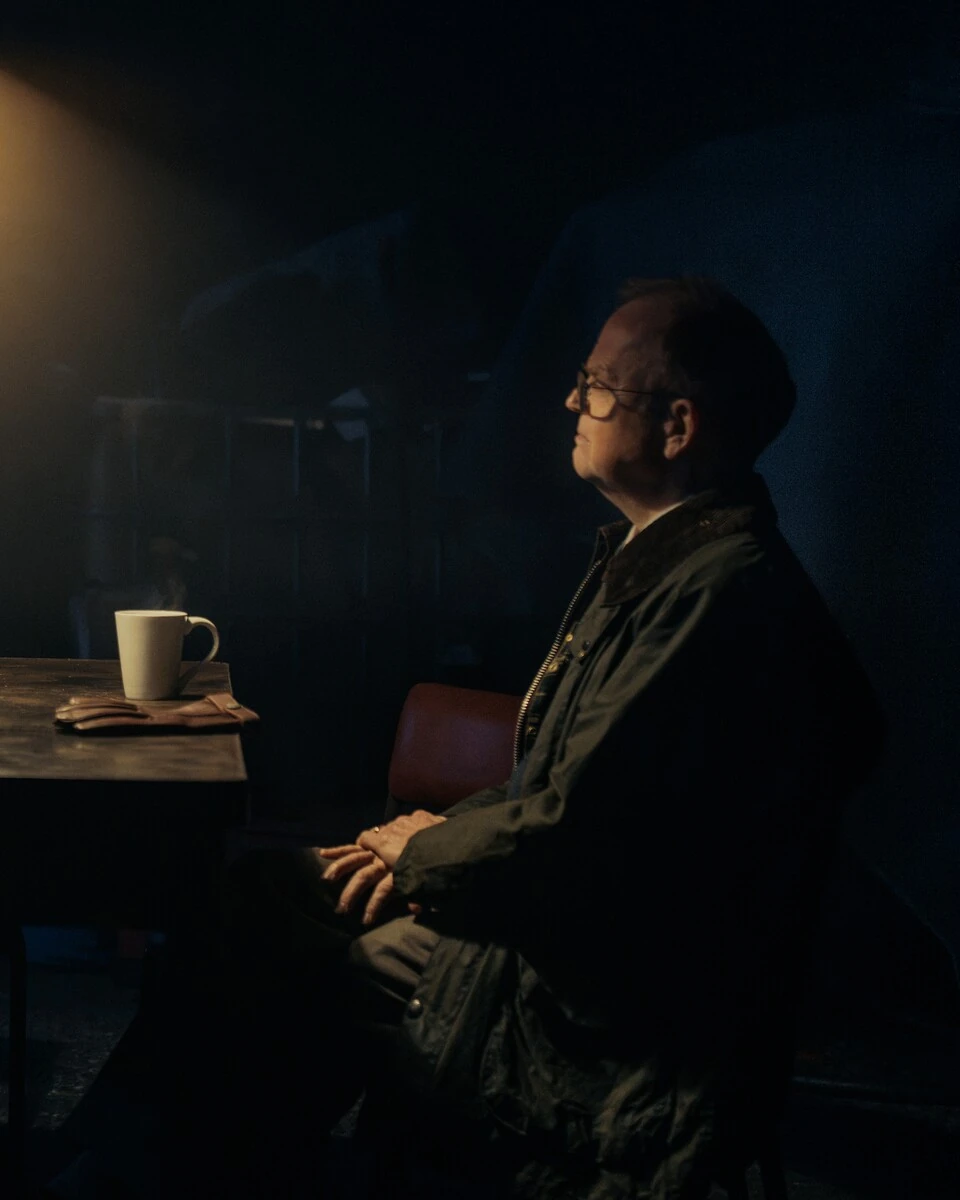
The series need not keep firing guns to make its characters frightening. Sometimes a brief family conversation is enough to suggest that the person at the table may be more dangerous than the armed men outside.
The discussion of Harry's past and military service also adds context without fully explaining his cruelty. That is better than reducing the man to a single experience.
Even so, the episode really is crowded.
We have the police crisis, Kat's maneuvers, Seraphina's betrayal, Eddie and Gina's journey, Harry's collapsing marriage, the tension between Conrad and Kevin, and Frankie's escalation.
Each storyline has potential importance, but some lack room to breathe.
That is the construction's greatest weakness.
The episode knows how to create tension, but sometimes moves to another source of it before allowing the first to leave its full impression.
Nevertheless, the final escalation makes the crowding largely acceptable, because these crises appear to be approaching a single point of collision.
Strengths and weaknesses
The episode's strengths are Tom Hardy's presence, tension within the Harrigan family, the use of betrayal and information as weapons, Pierce Brosnan's performance, black humor and the escalating conflict with Frankie.
Its main weaknesses are crowded subplots, mysteries that continue without clear progress, and developments that set up future events rather than achieving a complete dramatic outcome within the episode itself.
Final verdict
Final verdict
MobLand's fourth episode of season two recovers the strength that makes this world entertaining to watch. There is no attempt to transform the series or present something radically different. It makes good use of what it already has: dangerous characters, relationships full of betrayal and a struggle for power that nobody can fully control. For me, its most distinctive achievement is beginning to change Harry's place in the story. Until now we have become accustomed to seeing him as the man who arrives when things go wrong and knows how to put them back on course. Here, the crises no longer wait for him to repair them. They multiply faster than he can contain them and approach his own private life. That makes the episode more important than the apparent scale of its events suggests. I do not think it is perfect or that every storyline receives enough room. It does achieve its main purpose: restoring the sense that the Harrigans face a confrontation capable of changing the balance of power completely. Above all, it makes me eager for what comes next, not just to discover who defeats Frankie, but to see how long Harry can keep protecting people who appear unwilling to protect themselves.
Your turn
Will Harry remain loyal to the Harrigans despite everything that is happening, or could the attack on his private life finally give him a reason to turn against them?
AUDIENCE VOTE
Do you agree with the MB rating?
Choose once from this browser. You can change your answer at any time.