The review
Harry becomes part of the problem he solves
The season begins with Harry leaving a couples therapy session because Conrad needs him to deal with another crisis. It is a small scene that puts the central relationship in front of us right away. A man who can change a witness’s testimony, spot betrayal in a passing gesture, and act at gunpoint cannot stay in the room long enough to listen to his wife until the end of the session.
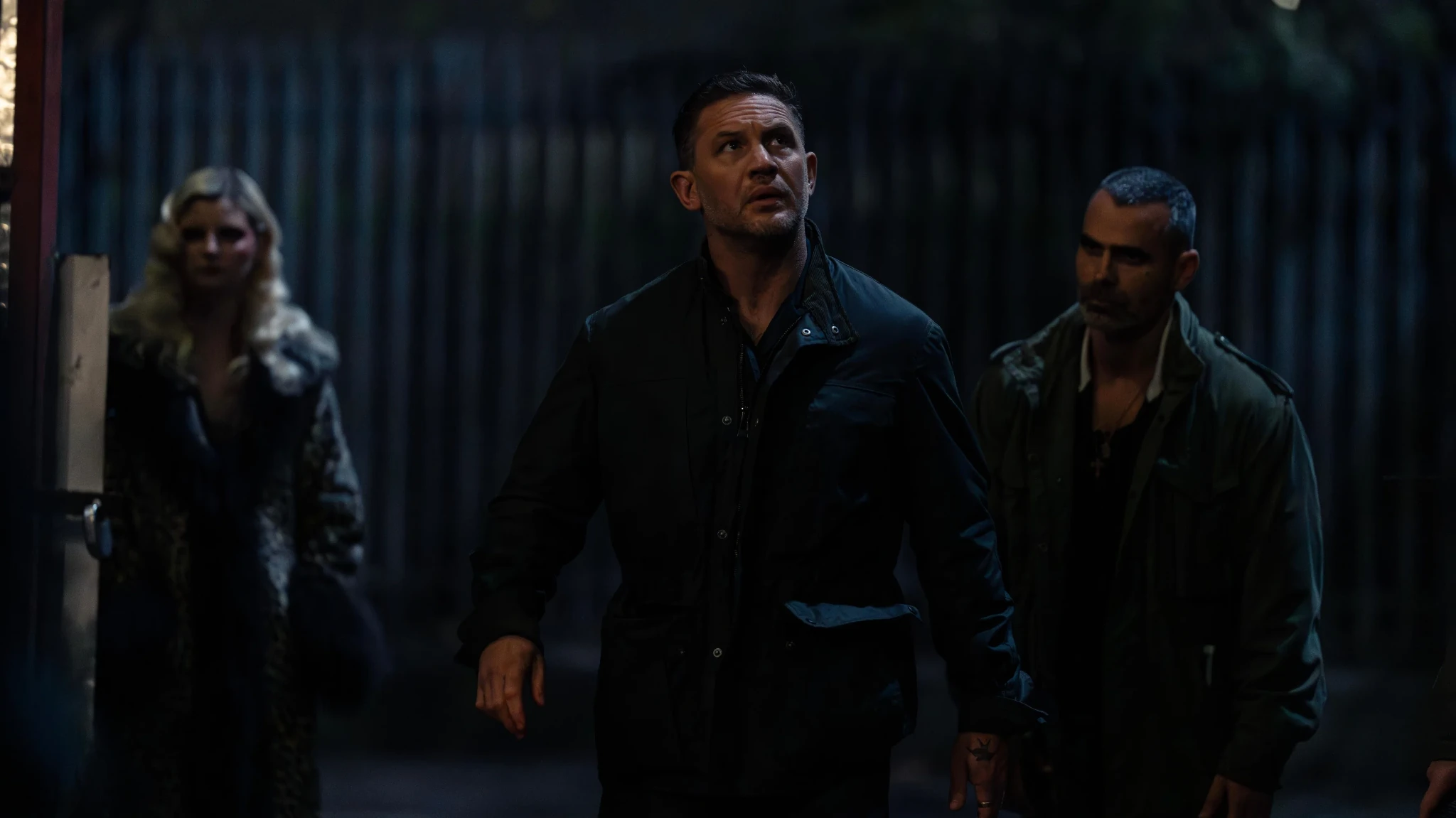
Throughout the season, Harry is dealing with the consequences of other people’s crimes and creating new ones through his own decisions. He gets rid of Finch when his connection with the police becomes dangerous, handling the killing with professional detachment. He later brings about the death of Frankie’s son Michael, whose life had been valuable leverage. The logic of deterrence is understandable. It is harder to see every move Harry makes as unavoidable.
Watching Harry exercise his skill gives way to asking what that skill is doing to him. His loyalty to Conrad extends well beyond the job. One way to read his decision to stay is as an attachment to a place that gives him importance and authority he cannot imagine giving up. The series leaves room for that interpretation, especially when Harry can picture another life for Jan and Gina and still cannot take the same step himself.
Conrad and Maeve fear the people closest to their power
Conrad’s weakness is that he cannot tell when to stop using violence, even as his capacity for it remains intact. The conflict begins with a show of force at the dog track, continues in the decisions he makes against Frankie’s men, and reaches the point where he kills a petrol station attendant because his cards are declined. Each crisis calls for more restraint, and he treats each one as a test of his authority.
The revelation that Conrad has a condition that affects his assessment of risk and control of impulses adds an unsettling dimension to the character. He remains responsible for his cruelty. In one of his best scenes, he tries to open up to Kevin about his fear and the family’s future. He ends that moment of closeness by threatening his son with a gun. He wants trust and cannot bear what it would require of him.
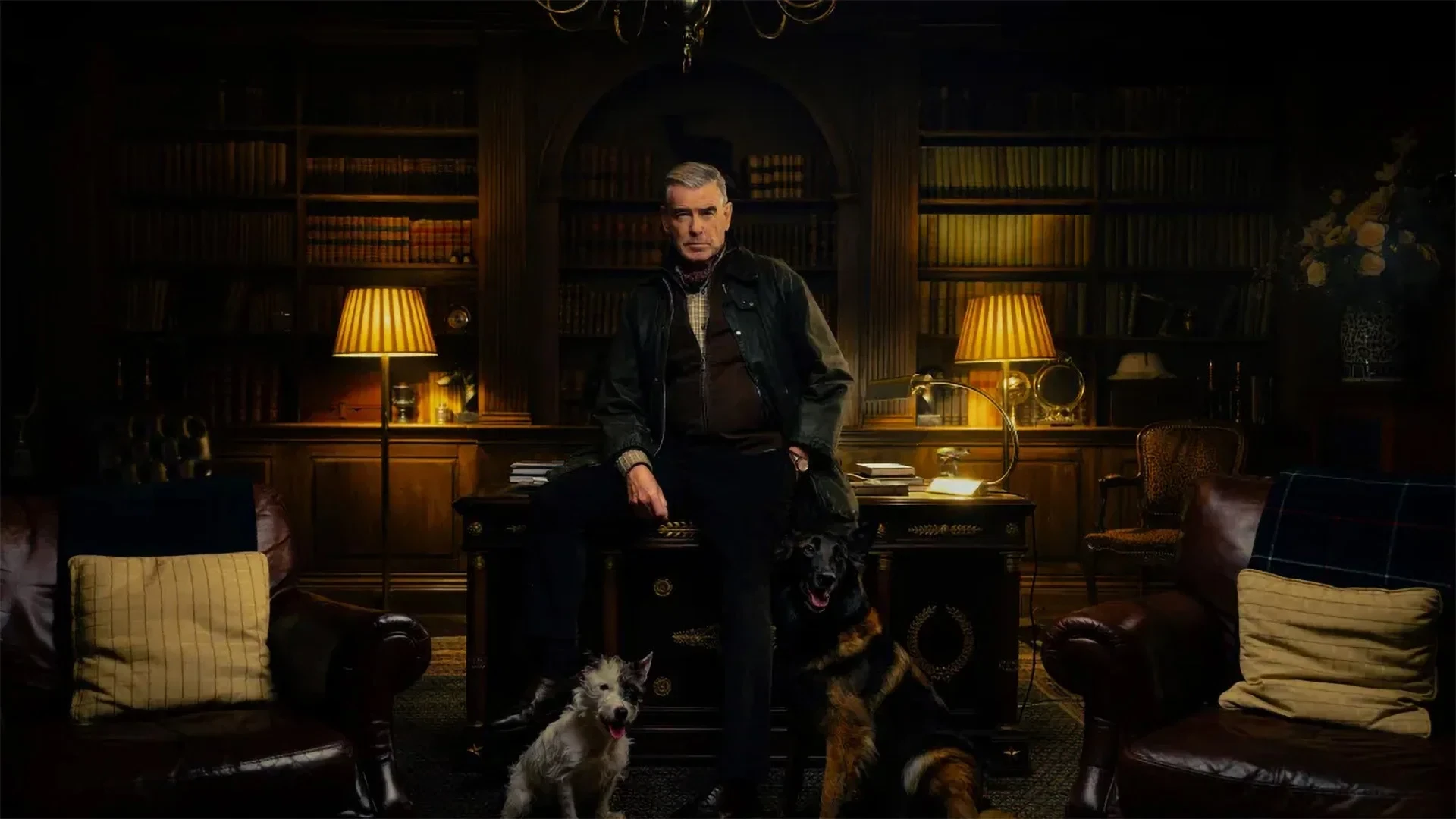
Maeve exercises a quieter, more manipulative kind of authority. She makes Eddie prove that he belongs through a series of cruel tests, pushing him to kill Medusa and later directing him to target Harry. She lets him feel that he is learning to lead while making him more dependent on her approval. The tenderness she can show Conrad as he faces the images of his victims makes her more complicated. She understands other people’s fear and rarely lets that understanding get in the way of causing harm.
The heirs and the right to choose
The succession crisis asks who will take Conrad’s seat and whether anyone can devise a different way of ruling. Kevin tries to free himself from his father’s authority, carrying the effects of the humiliation he has endured into his decisions and his relationship with Bella. When he is repeatedly pushed aside with too little change, an important wound in the character becomes a weakness in the writing. The drama needs a new consequence, and it keeps returning to the same pain.
Seraphina takes a more practical approach to ambition. She deals with Kat, proposes partnerships and financial options, and eventually brings forward the diamonds that help save the family. Her desire for influence is bound up with concern for the future of the household she wants to change. The season is at its best here, with a character who tries to make her own decisions even as others expect her to wait for permission.
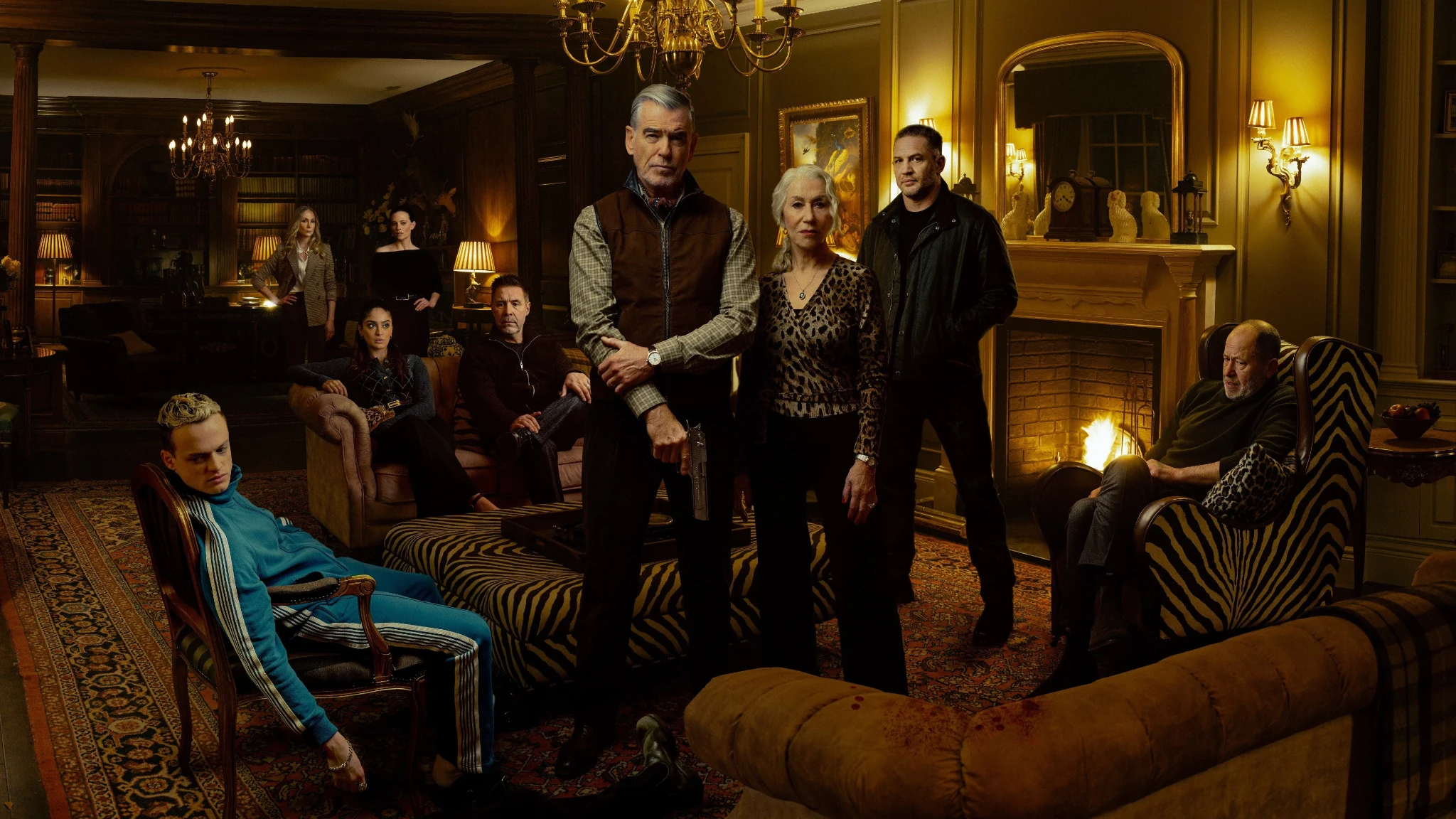
Eddie reveals the bitterest side of inheritance. Eager to prove himself worthy of his name, he takes on tests beyond his ability, draws Gina in, and eventually turns his violence against Harry himself. The power used to control Eddie is the power he has learned to wield, in whatever direction Maeve points him. He is still dependent on her.
Rivals who know how to read relationships
Kat, Colin, and Frankie give the season a conflict with a different texture from the usual criminal confrontation. Kat uses political influence and connections inside the operation. Colin sees an advantage in putting pressure on Harry from several directions at once. The simultaneous attacks on people and places linked to him are more convincing than simply sending in more gunmen.
Frankie makes an unusual entrance with an everyday look, quiet sarcasm, and a proposal that sounds like a reorganisation of a failing empire. He brings force to bear on the Harrigans while taking advantage of their own admission that their leadership has become a liability. The approach peaks first in the family meeting that ends in an explosion and again in the casino confrontation, where knowledge and weapons compete to set the terms of the encounter.
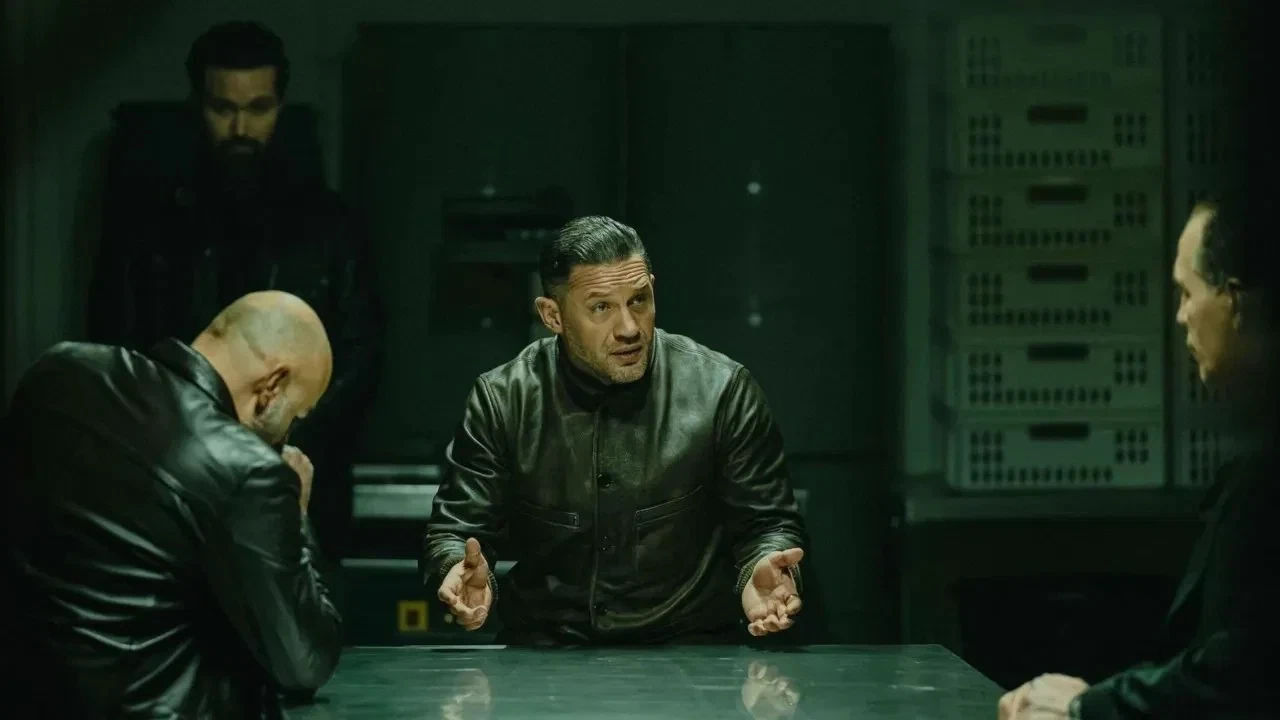
The season is less consistent in how sharp it allows its rivals to be. We gradually learn that Frankie needs Kat’s approval and that his impulsiveness can make him less calculating than he appears. Those are good limits for the character. Some encounters with Harry go further, with Frankie making choices that are convenient for his opponent’s survival. The writing does not always give us enough reason for that retreat.
The war reaches Jan and Gina, the people Harry means to protect
One of the most affecting stories is Jan trying to leave a marriage that has kept her in the shadow of crimes she never chose. Donnie enters her life through what seems to be a personal relationship, showing how Harry’s enemies can follow her even if she leaves him. When she discovers the deception and kills Donnie, she briefly regains the ability to act for herself while moving closer to a world she wanted to leave. Her decision to kill him still needs more psychological groundwork.
Gina has her own idea of what protection means. When Harry offers to teach her how to survive in his world, she hears him acknowledging her. Jan hears a threat to her daughter’s future. As Gina gets involved with Eddie and falls into Frankie’s hands, what is at stake becomes clear. Harry loves them. The question is whether he can give the people he loves a choice free of the secrets of his work.
These relationships give the criminal conflict a human cost and expose a weakness in the writing. Jan and Gina sometimes act when the plot needs to put them in danger, with too little in their circumstances to make the timing convincing. The family story deserves more agency for both women, who keep being used to test Harry’s competence.
Where the suspense and performances work best
The season is structurally strongest when its different storylines increase the same pressure. Crosscutting between the early attacks shows the impossibility of Harry being everywhere. Putting Eddie and Gina’s predicament alongside the assault on the family headquarters builds tension by spreading the danger across locations. At the casino, a conversation becomes a game in which every new piece of information changes the balance.
Some of the season’s strongest scenes are conversations. Harry with Jan, Conrad with Kevin, and Maeve confronting Eddie reveal things an armed encounter could never tell us. The dark humour gives the series a distinctive tone, especially when the aftermath of a crime becomes a routine task. At times it risks making the violence feel less consequential.
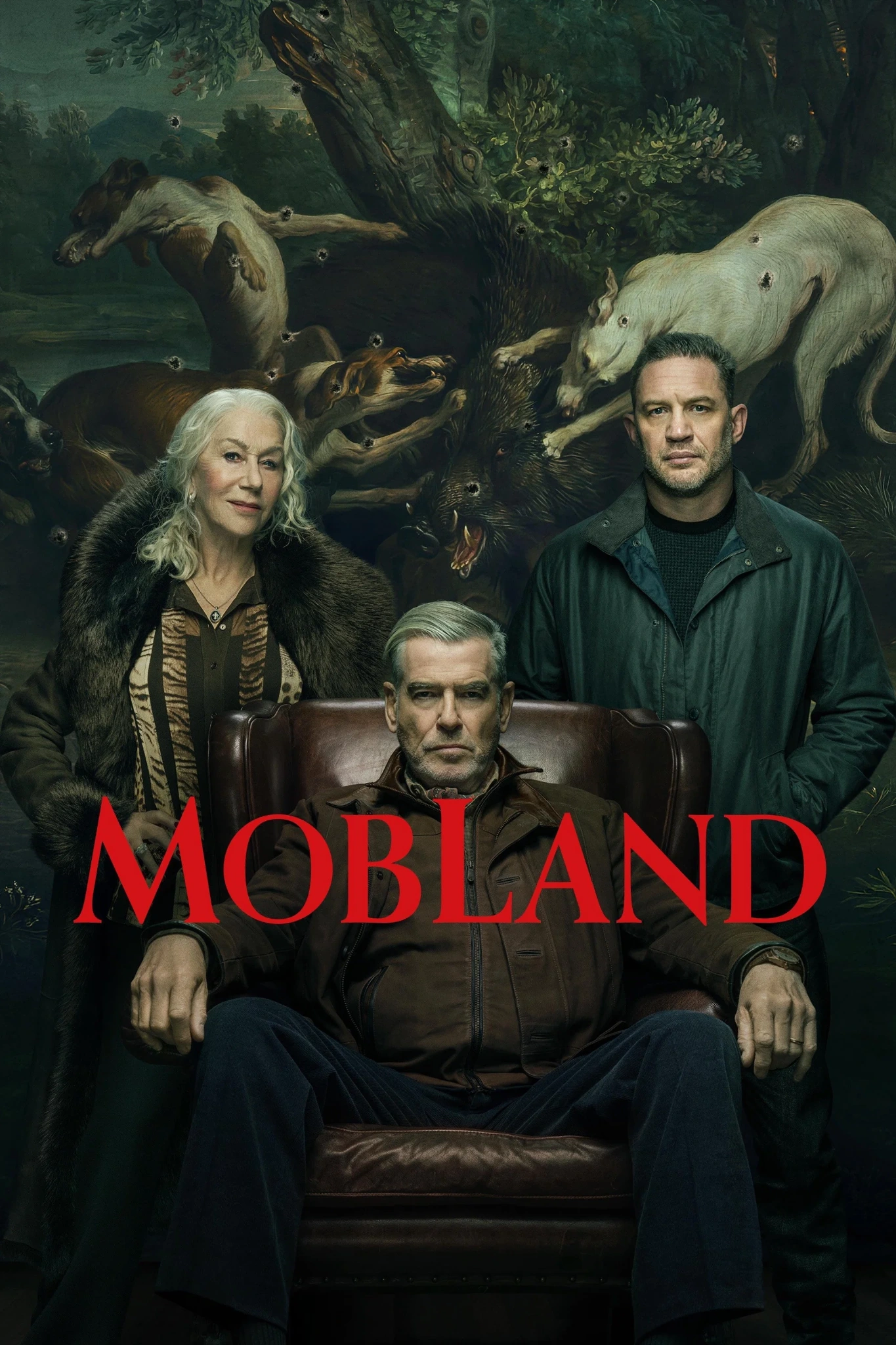
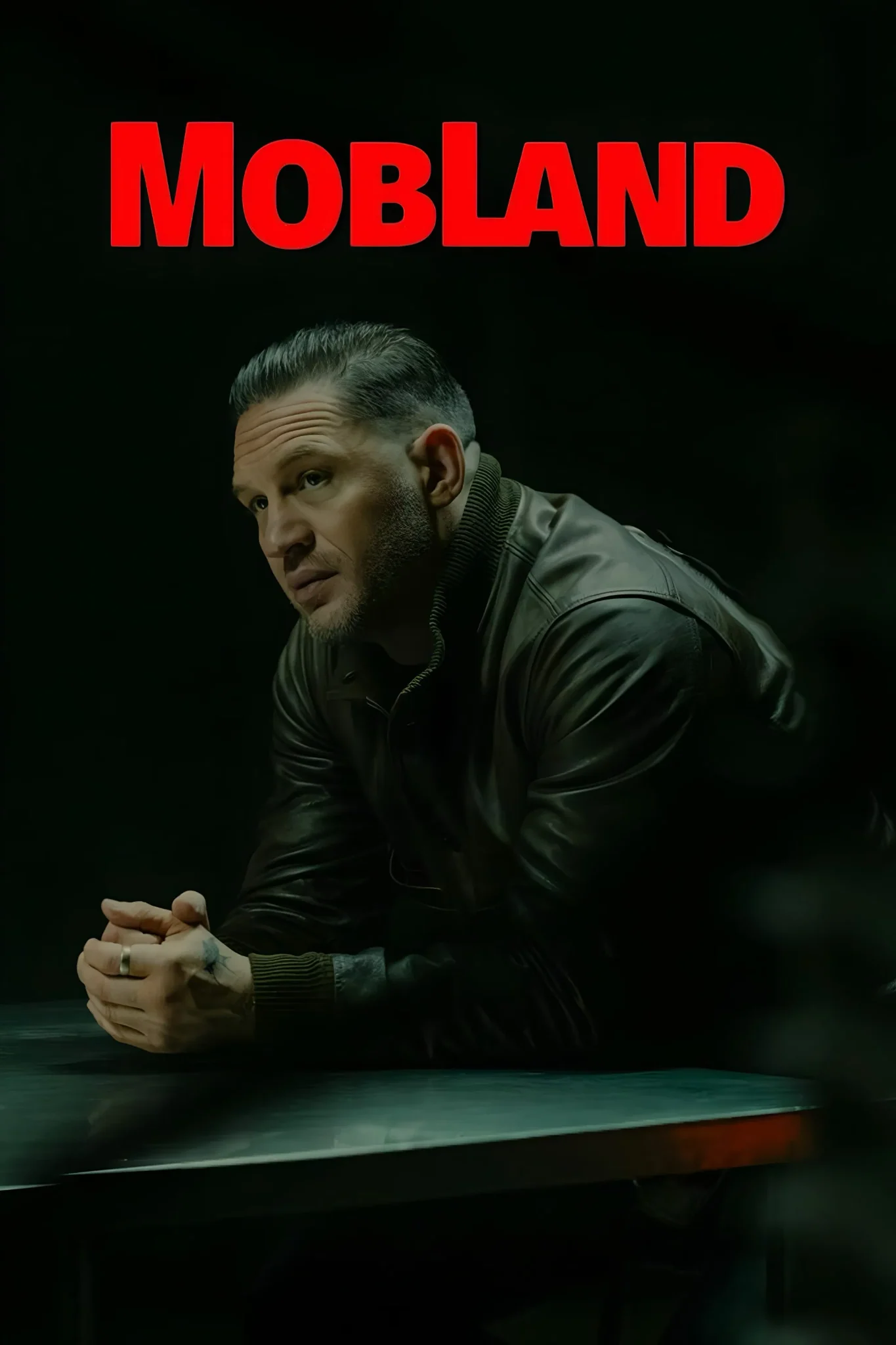
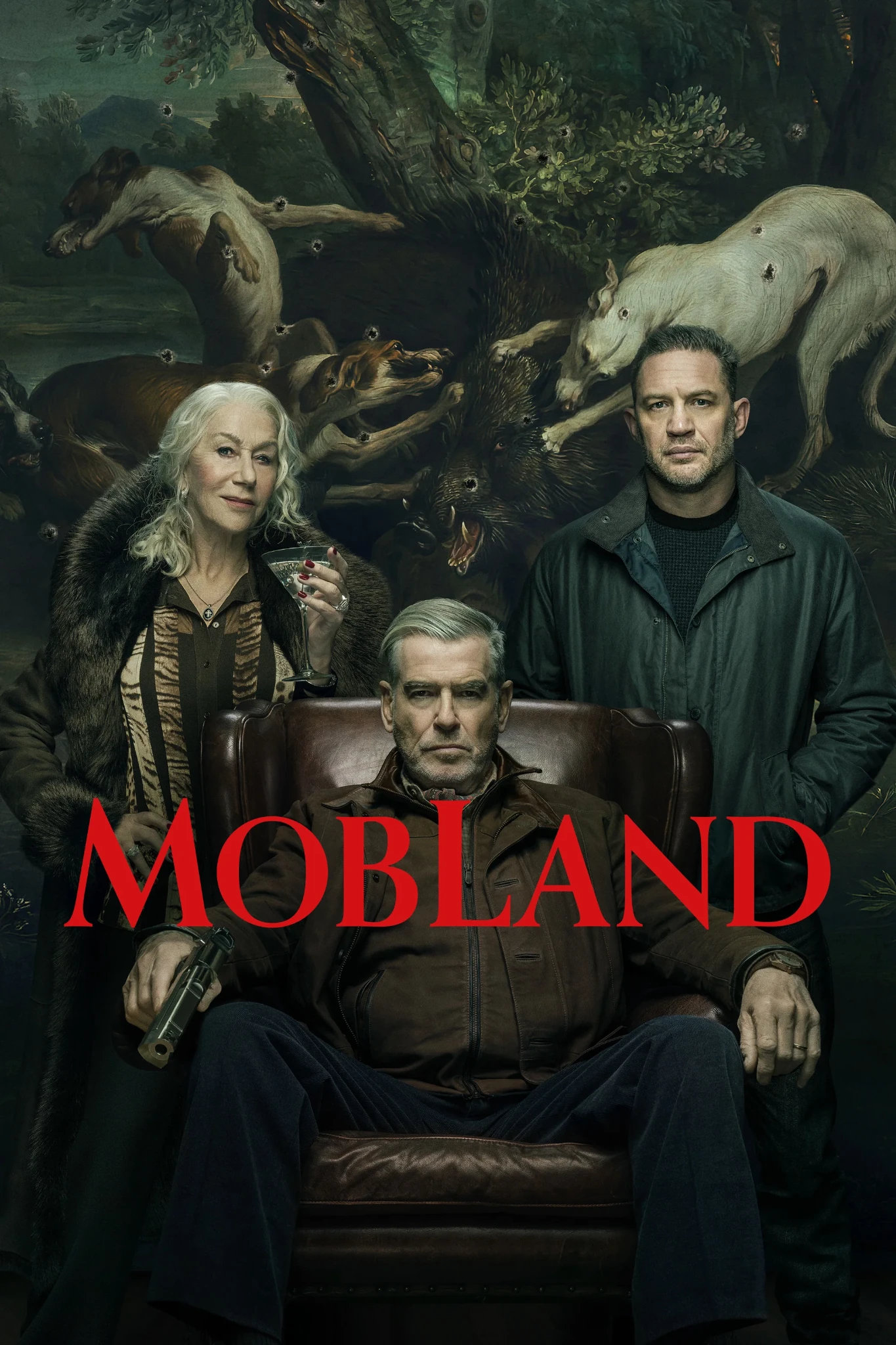
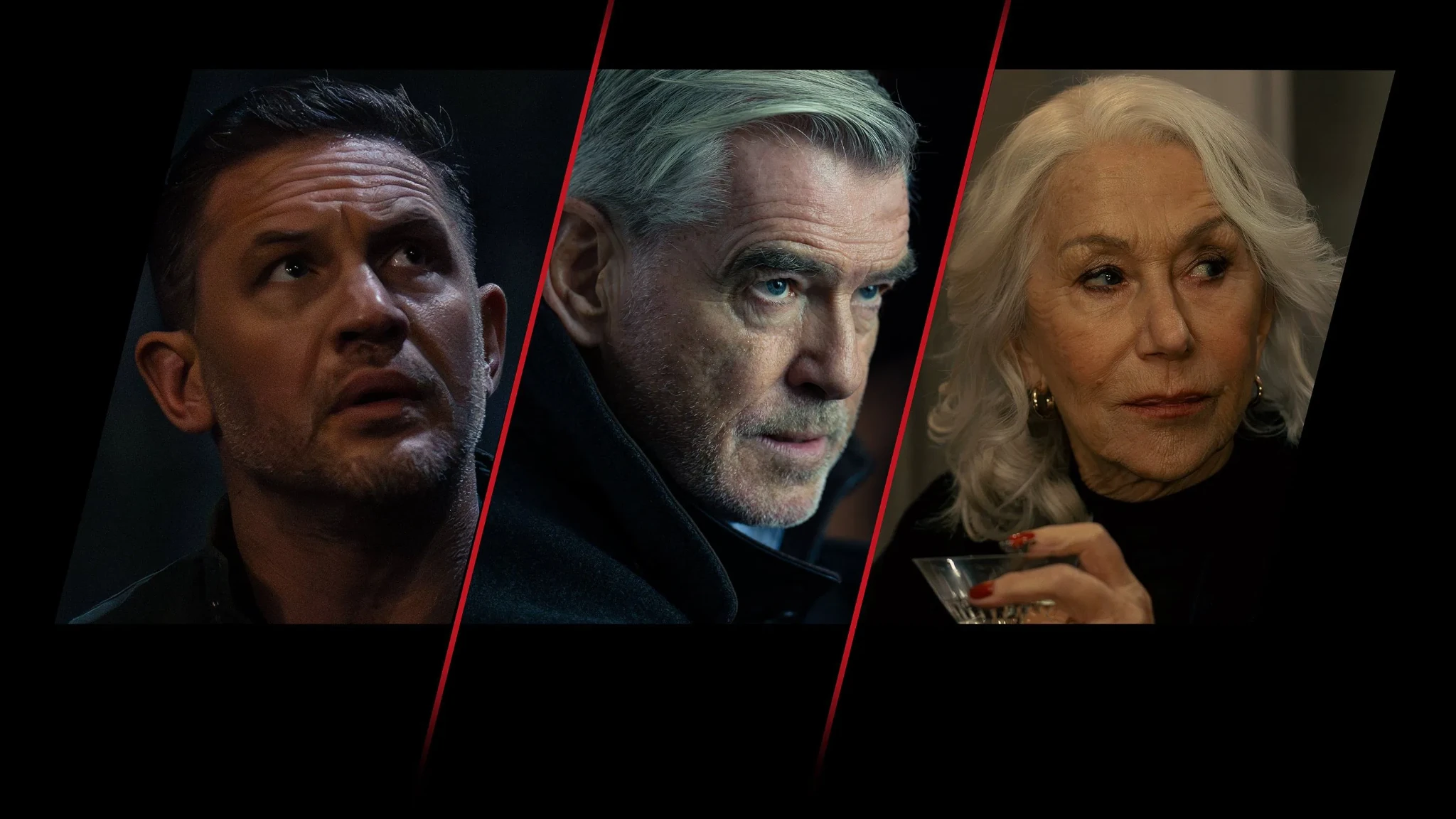
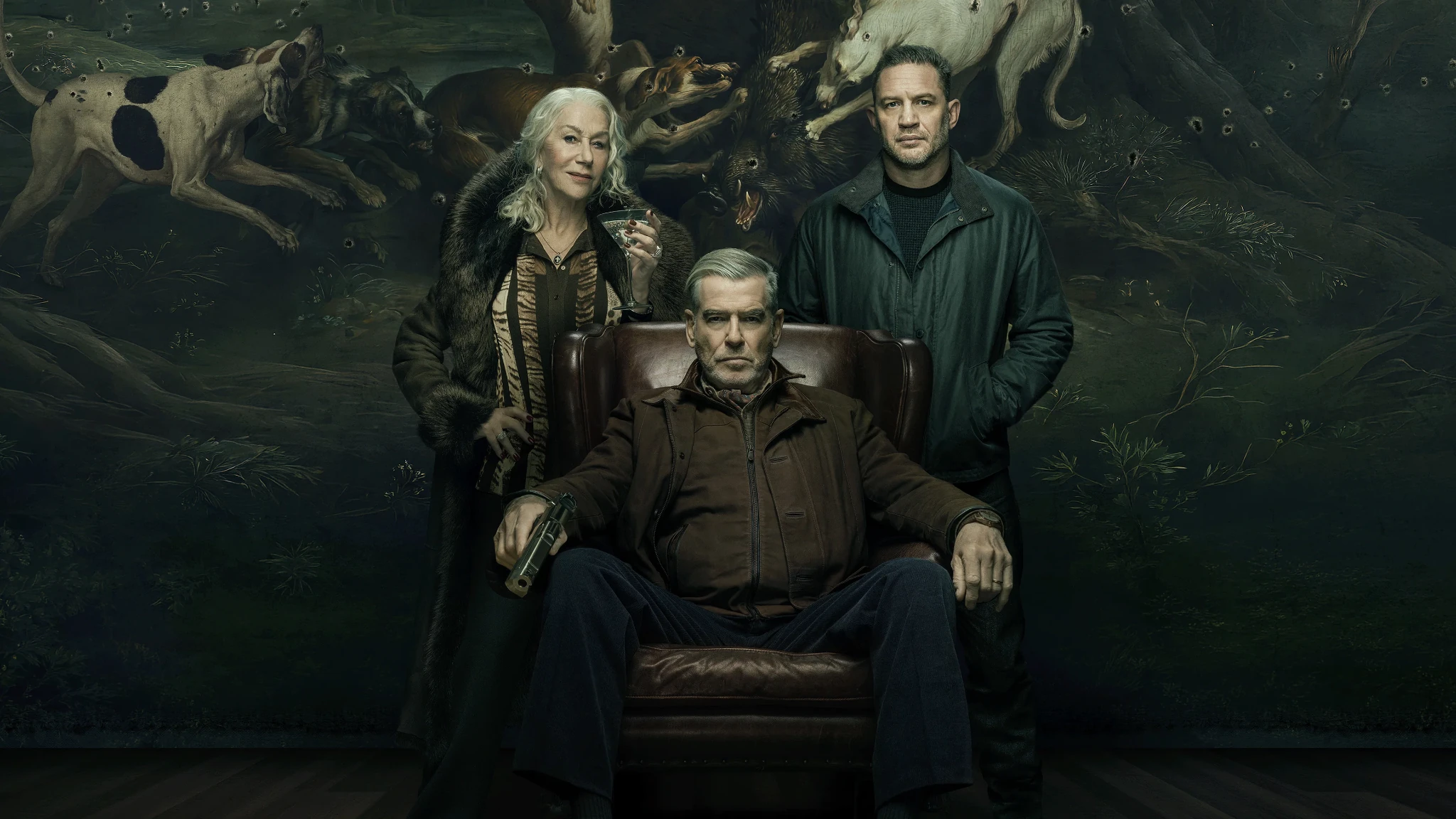
Tom Hardy remains the strongest presence. Harry’s glances and low voice let weariness and menace coexist. Pierce Brosnan gives Conrad a fragility that lives alongside his arrogance, while Helen Mirren makes Maeve’s calm another expression of cruelty. Johnny Flynn gives Frankie a provocative confidence that begins to crack when he loses control. Those differences give each character a distinct voice and the dialogue scenes real weight.
When does survival start to feel guaranteed?
Our main reservation is how little the outcome sometimes reflects the scale of the threat. Most of the main characters survive the siege of the family headquarters. After Gina’s kidnapping, Harry gets out of his confrontation with Frankie more easily than their motives for revenge and the balance of power would suggest. The finale comes up with a smart diplomatic trick, then brings Kat down and stops the investigations so quickly that the price of the solution feels too small for the preceding crisis.
Danger can feel credible when choices have consequences and the people around Harry are allowed to be as intelligent as he is. The pacing also suffers when episodes labor the same stubbornness or postpone the effects of decisions, then hurry on to a new confrontation. The season knows how to build anticipation. It is less reliable at giving that anticipation a proportionate payoff.
An ending that saves the empire and leaves the real question open
In the finale, Harry turns Kat’s own leverage against her. He uses the diamonds and the diplomatic transport network to make the deal itself a threat to her position, while turning the safe house into a trap for Frankie. The victory grows out of information and preparations established before the confrontation. There is real pleasure in watching Harry at his best.
After all of that, he asks for a week with Jan and Gina. Even that brief time away from work seems hard for Conrad to accept. Then the bomb Eddie planted blows up the car. Jan was inside before the explosion, and her fate remains uncertain, though the outlook is bleak. The shock carries the most brutal consequence of Harry’s decision to keep serving a family that allows one of its own to try to kill him.
We can now look back at the season’s opening differently. The therapy session Harry could not finish, the chance he kept putting off to step away, and the week that never began all measure the distance between a man who can protect a criminal organisation and one struggling to protect his life outside it. His intelligence has been working for the wrong people all along.
Final verdict
Final verdict
For us, the second season of MobLand is strongest in its characters, their entangled relationships, the escalation of their conflicts, and the way family power offers both security and danger. The protection the writing affords some characters, the uneven pacing, and a few too easily resolved confrontations keep it from reaching a higher level. It remains a gripping crime drama with the performances, psychological insight, and affecting moments to make us care about its consequences.
Your turn
Can Harry really leave the Harrigans once they pose a direct threat to his own family, or has saving them become the only role he knows how to play?
AUDIENCE VOTE
Do you agree with the MB rating?
Choose once from this browser. You can change your answer at any time.