The review
A chase told out of order
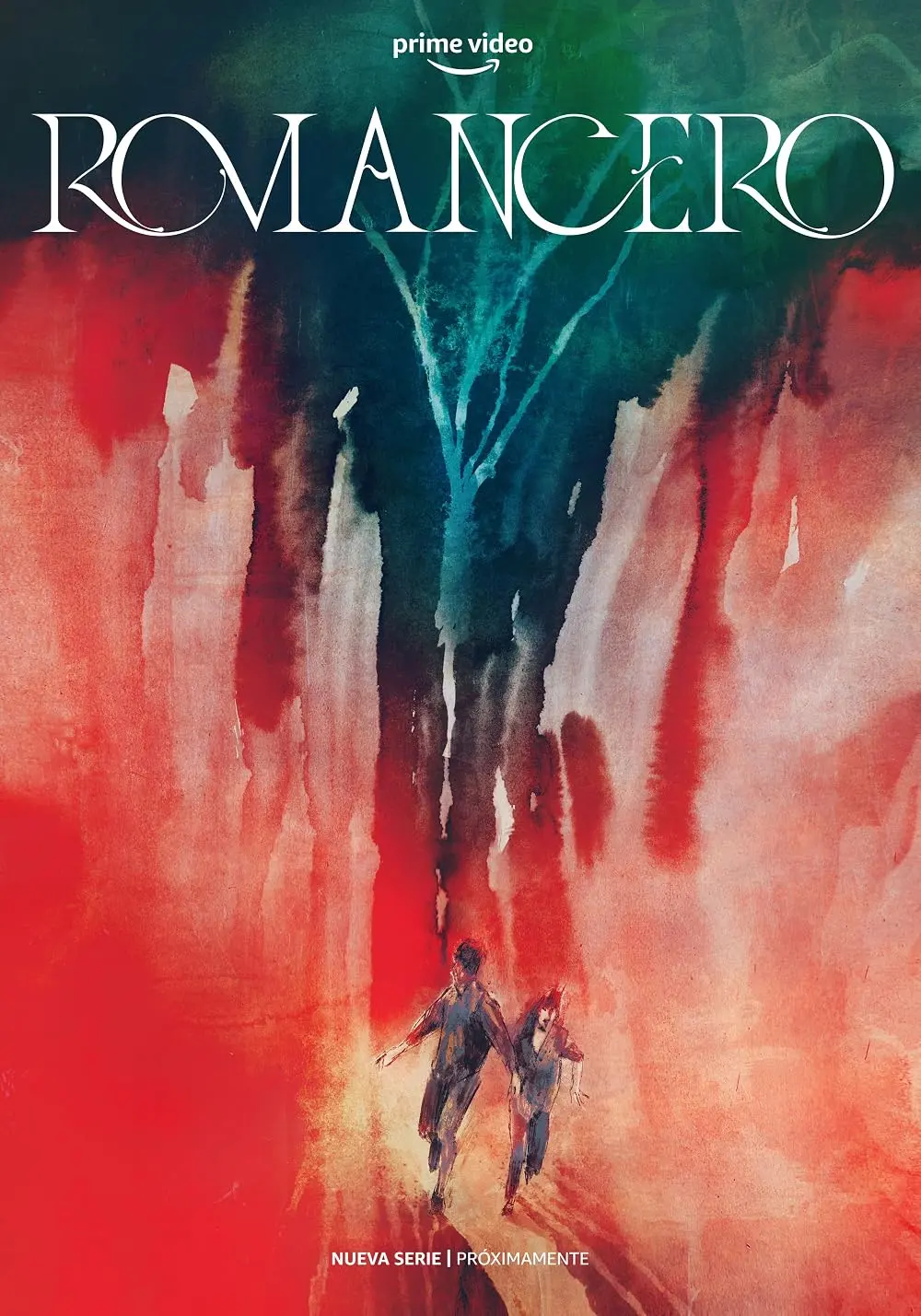
The story begins close to its crisis, with Cornelia and Jordán already running from the law after a killing. Past and present are then rearranged piece by piece to reveal why they are together and what pushed them into flight. The structure creates immediate urgency and invites the viewer to assemble the missing history.
The method also becomes the series' first weakness. Jumps between periods and places are not always clearly motivated, leaving major emotional turns without enough preparation. Instead of deepening mystery, some gaps make character development and supernatural logic unnecessarily difficult to follow.
Cornelia and Jordán: survival in two forms
Cornelia is introduced as a child shaped by psychological and social violence. Her relationship with blood gives her the outline of a vampire, but the series is more interested in the moral cost of survival than in a conventional monster. Harm becomes something she may reproduce because every humane option has been stripped away.
Jordán carries a more visible innocence despite his place inside the crime. His lost childhood, rebellion and vulnerability create a useful contrast with Cornelia, yet his responses do not evolve as fully as the danger around him. The bond between them remains emotionally promising without always receiving the development it needs.
Social horror beneath the folklore
Myth, blood-drinking creatures and supernatural pursuit are interwoven with poverty, racism, the treatment of migrants and corrupt authority. The brutal policeman Diego Sorroche becomes a human expression of the same predatory world as the creatures, suggesting that monstrosity is not limited to the fantastic.
This political layer gives the series ambition, but its symbols are sometimes explained or staged too bluntly. Scenes of institutional violence can feel designed to state the message rather than let it emerge from character and consequence. At the same time, key supernatural rules remain vague, creating an uneven balance between overstatement and omission.
Andalusia as a nightmare landscape
The arid Andalusian environment is one of the production's strongest assets. Empty roads, dry trees and exposed land dwarf the two children and turn open space into another form of confinement. The exterior world mirrors their inner desolation rather than offering escape from cramped interiors.
The direction frequently places faces inside narrow frames and uses shadow to express divided identity, especially around Cornelia. The repetition is purposeful but excessive: more variation in the wide exterior compositions could have made the landscape an even more active participant in the chase.
Strong craft with uneven control
Close shots, rapid fragments of eyes and faces, restrained effects and heavy sound design allow the supernatural to enter reality gradually. The photography is detailed and professional, and the dark score gives the early escape sequences urgency without relying only on jump scares.
Yet the cold grading sometimes drains the landscape of necessary life, and visual consistency declines in parts of the later episodes. The editing supports the non-linear design when transitions create meaningful contrast, but abrupt shifts can also make the already dense mythology harder to read.
Performances carrying unfinished characters
Elena Matić gives Cornelia quiet strength and an expressive physical presence, allowing fear and isolation to register without constant dialogue. Sasha Cócola makes Jordán both rebellious and fragile, helping the central relationship retain warmth even when the screenplay leaves parts of his inner change unexplored.
Ricardo Gómez gives Diego Sorroche a convincingly abusive authority, while Belén Cuesta, Julieta Cardinali and the supporting cast strengthen the atmosphere within limited space. The ensemble often suggests more complicated people than the compressed six-episode narrative can fully reveal.
Final verdict
Final verdict
Romancero feels like traveling through a fogbound maze: full of tension, striking images and meaningful social anger, but also burdened by fractured storytelling. It will reward viewers drawn to difficult supernatural horror, while frustrating anyone seeking a clear, steadily developed narrative. A little more time and structural discipline could have turned its mysteries into something far more powerful.
AUDIENCE VOTE
Do you agree with the MB rating?
Choose once from this browser. You can change your answer at any time.