The review
An opening that makes details matter
We meet the Jackal disguised as an older German cleaner. His appearance, voice and movement make the identity he assumes convincing before he removes what conceals his face and reveals the man we follow for the rest of the season.
It is an effective introduction because it establishes his ability through action. We see someone who can pass among others under a different identity, carry out his task and leave. But he also kills those who stand in his way, so we recognize his cruelty at the same time as we admire his precision.
The assassination of a politician in Munich brings the case to the attention of British intelligence. The enormous distance from which he makes the shot leads specialists to doubt whether it was possible, and gives weapons expert Bianca Pullman a reason to enter the investigation.
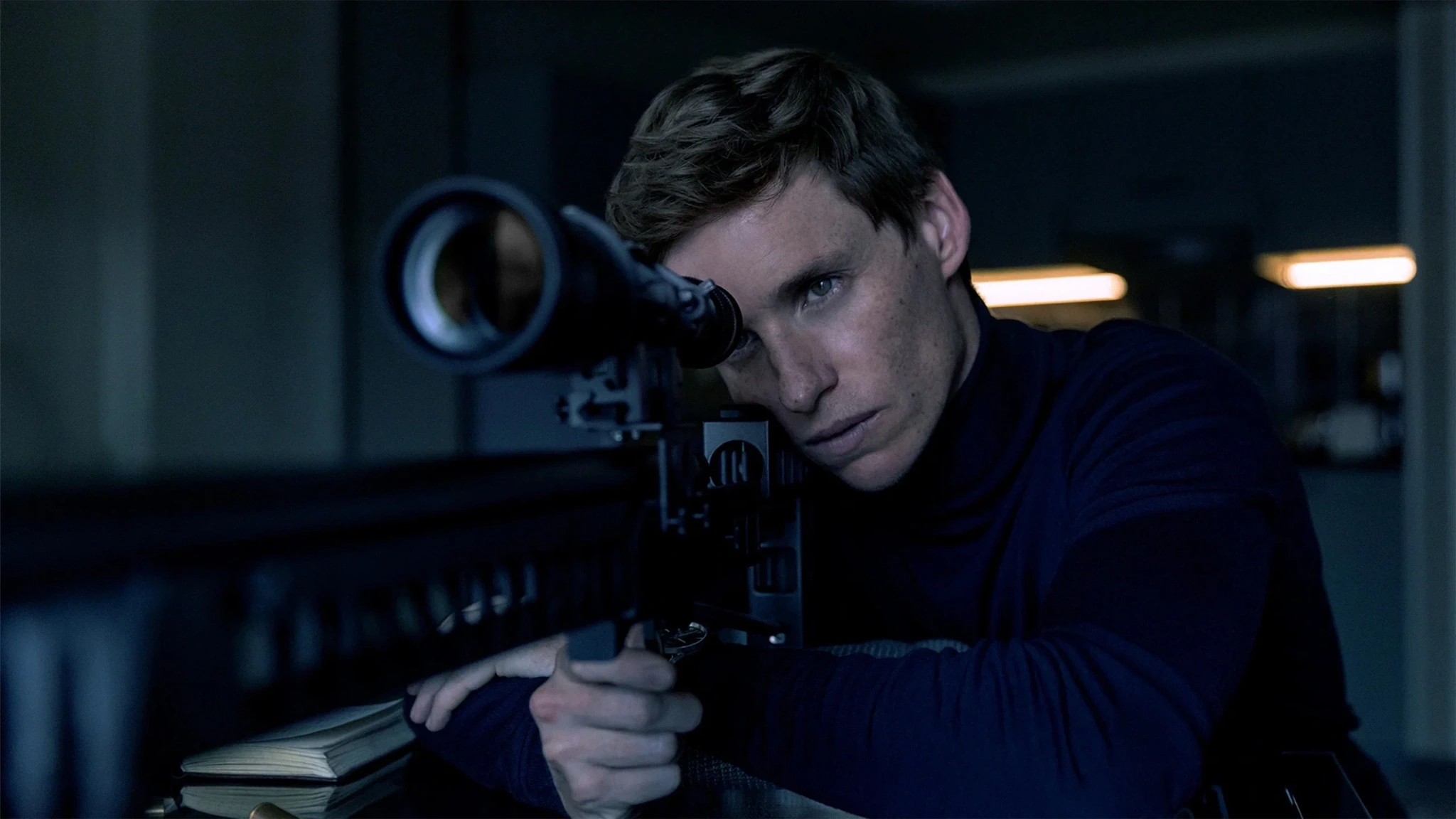
Suspense here depends on waiting. We follow the preparations, see the possibility of the plan being exposed, then wait for the moment when everything might collapse. Even when we expect him to survive, checkpoints and situations that threaten his identity can still provoke anxiety.
The series succeeds in making the mission’s details worth following. Its early success also raises our expectations: after presenting a man of such precision, it makes us more alert to any later behavior that falls short of the standard it promised.
Eddie Redmayne convinces us with more than one face
Redmayne’s greatest contribution is the difference between the people the Jackal plays through his disguises. His voice, movement and presence change, making the temporary identity more than a new face. Makeup, cinematography and editing work with the performance to complete the transformation.
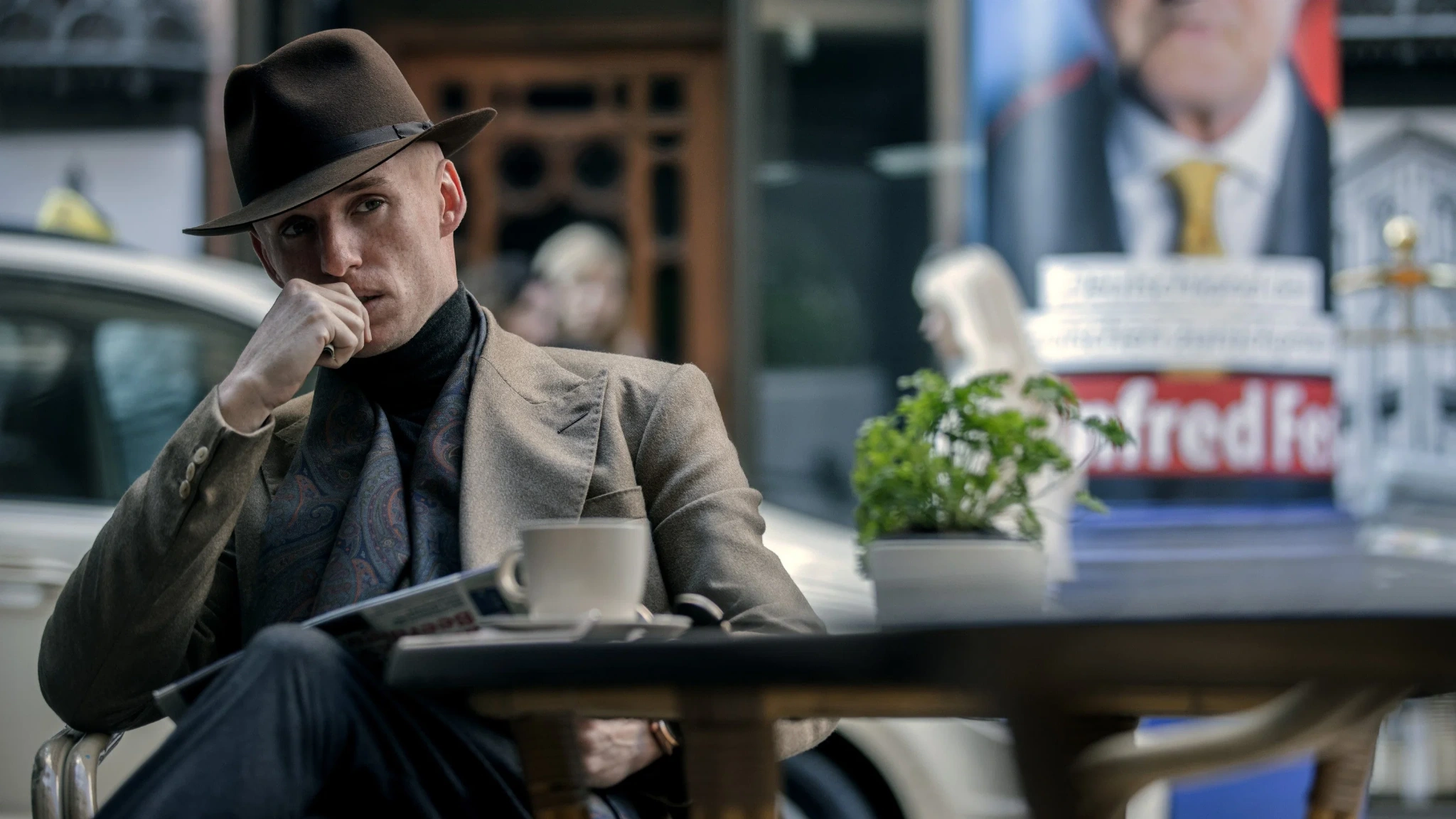
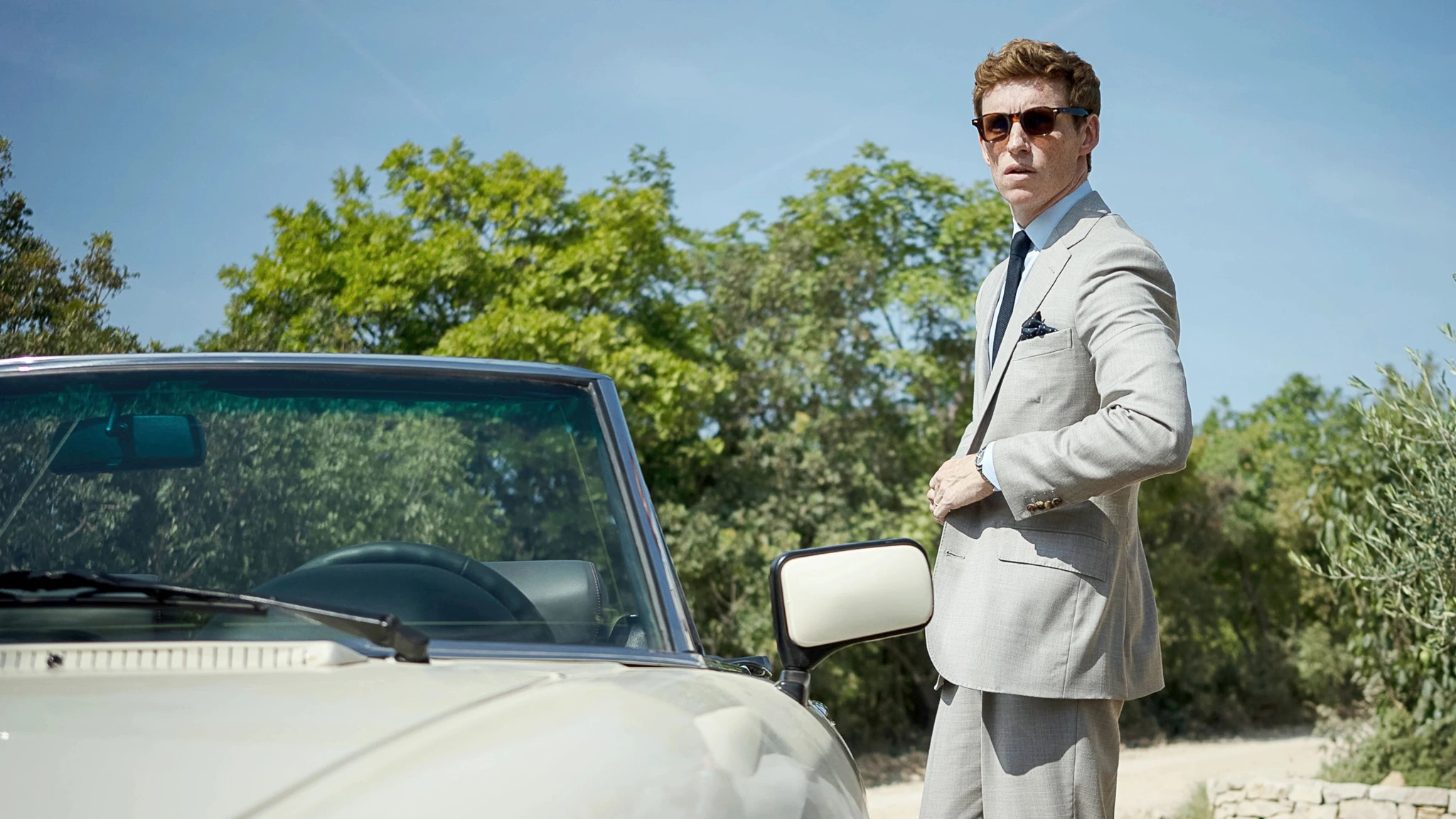
When he is alone at work, the actor conveys a coldness and concentration suited to a killer who approaches his task with professional precision. He does not need to show enjoyment of violence to become frightening. His willingness to use it and then continue what he was doing is enough.
When he returns to his wife and son, his manner changes again. He becomes warmer and closer, convincing us that his concern for his family is real. This makes the character interesting, because affection in one part of his life does not prevent cruelty in another.
But repeating the scenes of putting on and removing disguises gradually reduces their impact. We understand the skill from the beginning, and not every return to it adds a new discovery. Sometimes the series continues displaying what it has mastered instead of using it to move into a more exciting situation.
The return to his military past reveals aspects of his formation and the development of his skill. But it explains how he became capable of doing the work more than it explains all his reasons for choosing it. Part of his personality remains obscure despite the long time we spend with him.
Family adds a great deal, then repeats itself
The Jackal lives in Spain with Nuria, played by Úrsula Corberó, and their child. His family knows him as Chris, while he conceals the nature of his work. This detail gives him a life he wants to return to and makes continued lying part of his relationship with those he loves.
The home matters because it changes the image of a solitary killer with nothing beyond his assignment. We see a man who has something to lose but keeps working. Money alone does not seem enough to explain his persistence, especially given his comfortable life. His mastery of the profession and his desire for it are part of the problem.

On the other side, Bianca struggles to balance her work with her husband and teenage daughter. Her preoccupation with the pursuit extends into the home, leaving her family to bear the consequences of a decision they did not make.
The comparison works when it shows how attachment to work pushes the needs of those closest to a person into the future. It weakens when the conversations return to the same objection and each person then resumes the same behavior without sufficient change.
The storyline involving Nuria’s brother is an example of expansion that does not offer enough in return for the time it takes. Some of Bianca’s confrontations with her husband could also have been reduced without weakening our understanding of their problem.
Adding family is a useful choice, but a scene’s value depends on what it reveals or changes. Once we understand the effect of absence and lies, we need development in the relationship rather than repeated reminders that work is damaging it.
Bianca needs room beyond the pursuit
Bianca enters the story confident in her expertise and determined to find the Jackal despite the difficulty of reaching him. Lashana Lynch clearly conveys her stubbornness and sharpness. She seems capable of making hard decisions and facing confrontation when matters become complicated.
But her persistence comes with a willingness to cross boundaries and expose others to harm. The series gives her mistakes with serious consequences, making her pursuit of the killer involve victims who cannot be ignored simply because her aim is to catch him.
This is suitable material for a complicated character, yet the writing does not use it equally well throughout the season. We often return to Bianca following a lead, meeting an obstacle, expressing her anger and starting again. The situation repeats more than her understanding of what she is doing changes.

This reveals the unequal opportunities given to the series’ two leads. Redmayne moves among identities and situations that let him vary his performance, while Lynch remains in similar states of determination and frustration. It does not seem fair to hold the actress alone responsible for that repetition.
The moral comparison between investigator and killer also becomes less effective when it merely shows that both harm other people. What matters more is how their motives differ, how each justifies their decisions and what changes once the consequences emerge. The season gives us some of this, but sometimes returns to the same comparison after its point has become clear.
Interests larger than either side of the chase
Writer Ronan Bennett brings Frederick Forsyth’s story into a modern world where technology, wealth and power overlap. A later assignment concerns a technology businessman, played by Khalid Abdalla, whose plan threatens to expose financial networks and powerful interests.
This choice gives the target significance beyond himself. Some parties want to protect their interests, while others carry out decisions they do not make themselves. The story extends from the wealthy to politicians and officials, then to those who directly bear the work and its risks.
The idea broadens our understanding of the pursuit. The Jackal sells his skill, and Bianca works within an agency with its own calculations, while interests exist that neither controls. Both take pride in their ability to complete a task, but expertise does not necessarily give either command of the whole picture.
This is one of the most successful aspects of the update. It adds a clear reason for the danger and links the operation’s success or failure to what powerful people are trying to conceal. The personal confrontation between the killer and the investigator pursuing him remains appealing, but its surroundings prevent the story from becoming only a contest of skills.
Strong scenes and mistakes that draw attention
The season offers enjoyable variety in its action scenes, from a car chase in Croatia to an assignment involving a concert in Estonia and a pursuit on horseback near Budapest. Differences in location and the nature of each confrontation renew the tension, giving some episodes strong moments even when their other stories slow down.
The greater strength is that the action is mostly clear. We can follow what the characters are doing and understand the danger approaching them without darkness hiding details or rapid cutting confusing the scene. That clarity lets tension grow from the situation itself.
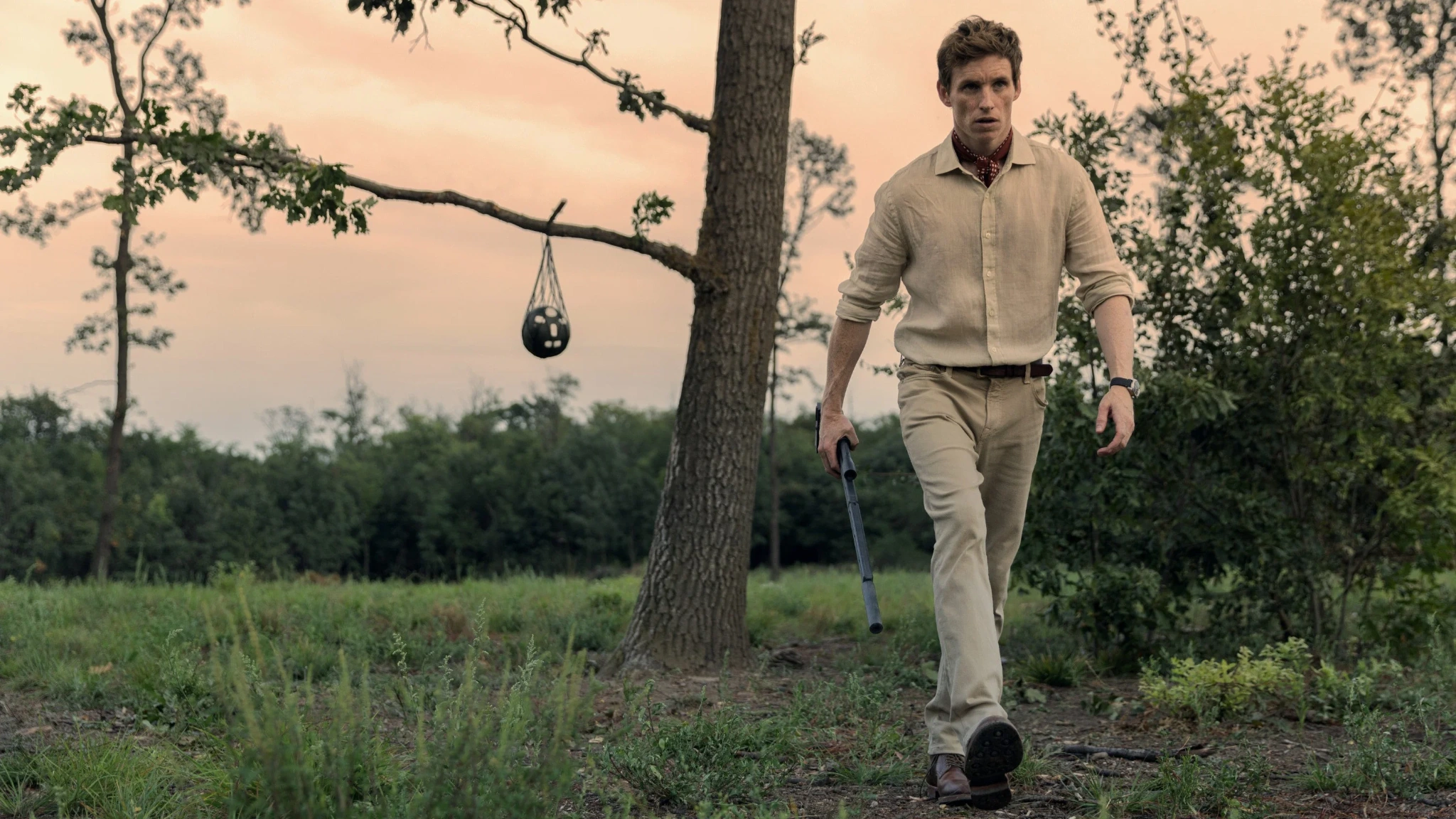
Director Brian Kirk also uses mirrors repeatedly, suiting characters who hide parts of themselves. Reflections remind us of the difference between the face a character presents and what we know about them, particularly fitting the Jackal’s life of appearing under different identities.
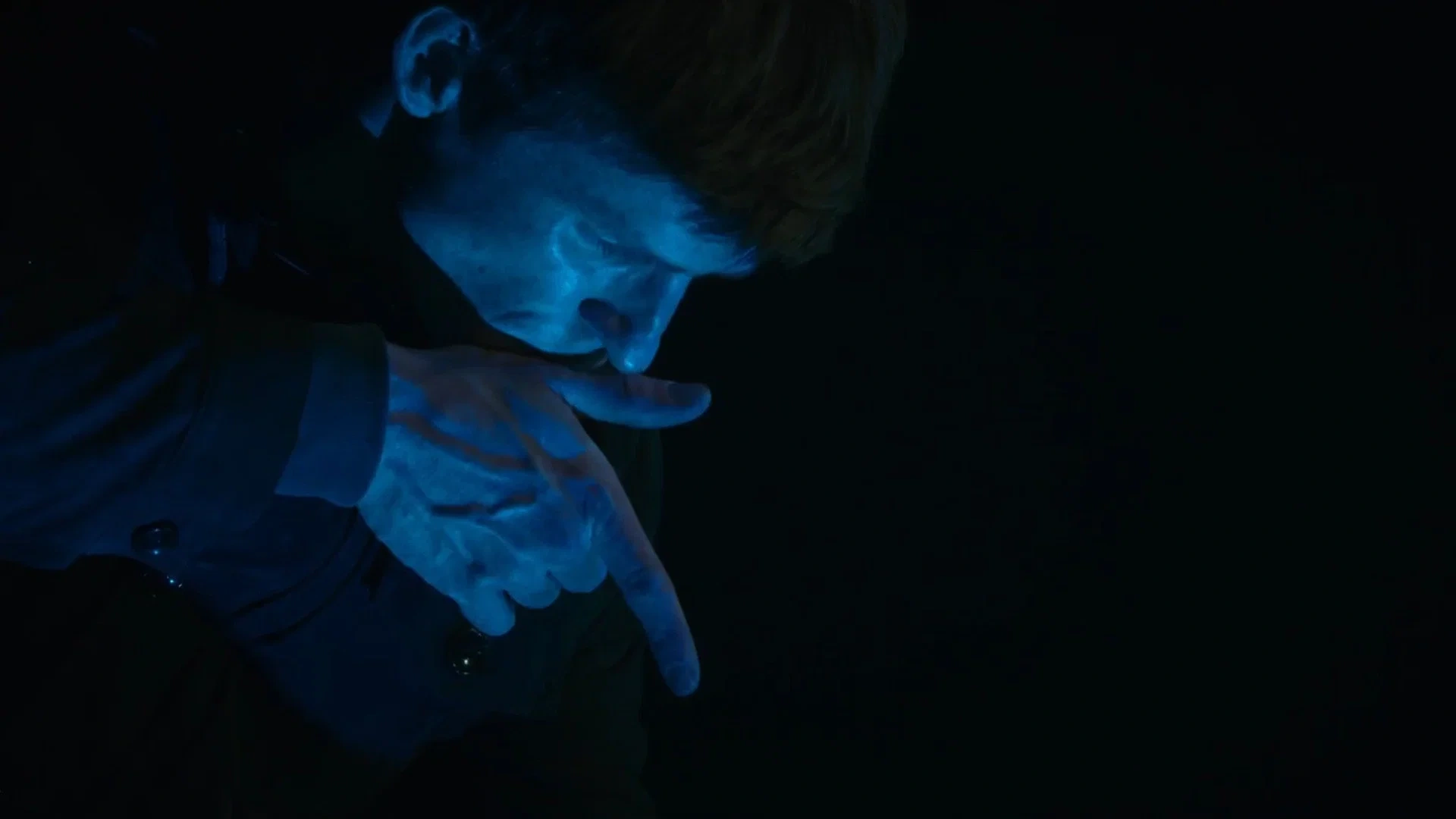
But care with presentation does not prevent problems in the details. Phones are repeatedly discarded carelessly in a series that asks us to scrutinize tracking methods and the concealment of identity. These actions therefore become harder to overlook than they might be in a story less concerned with procedure.
Some developments likewise seem driven more by the need to keep events moving than by our belief in them. This does not spoil every suspense scene, but it weakens confidence in the precision that was such an important source of the opening’s strength.
Final verdict
The verdict on season one
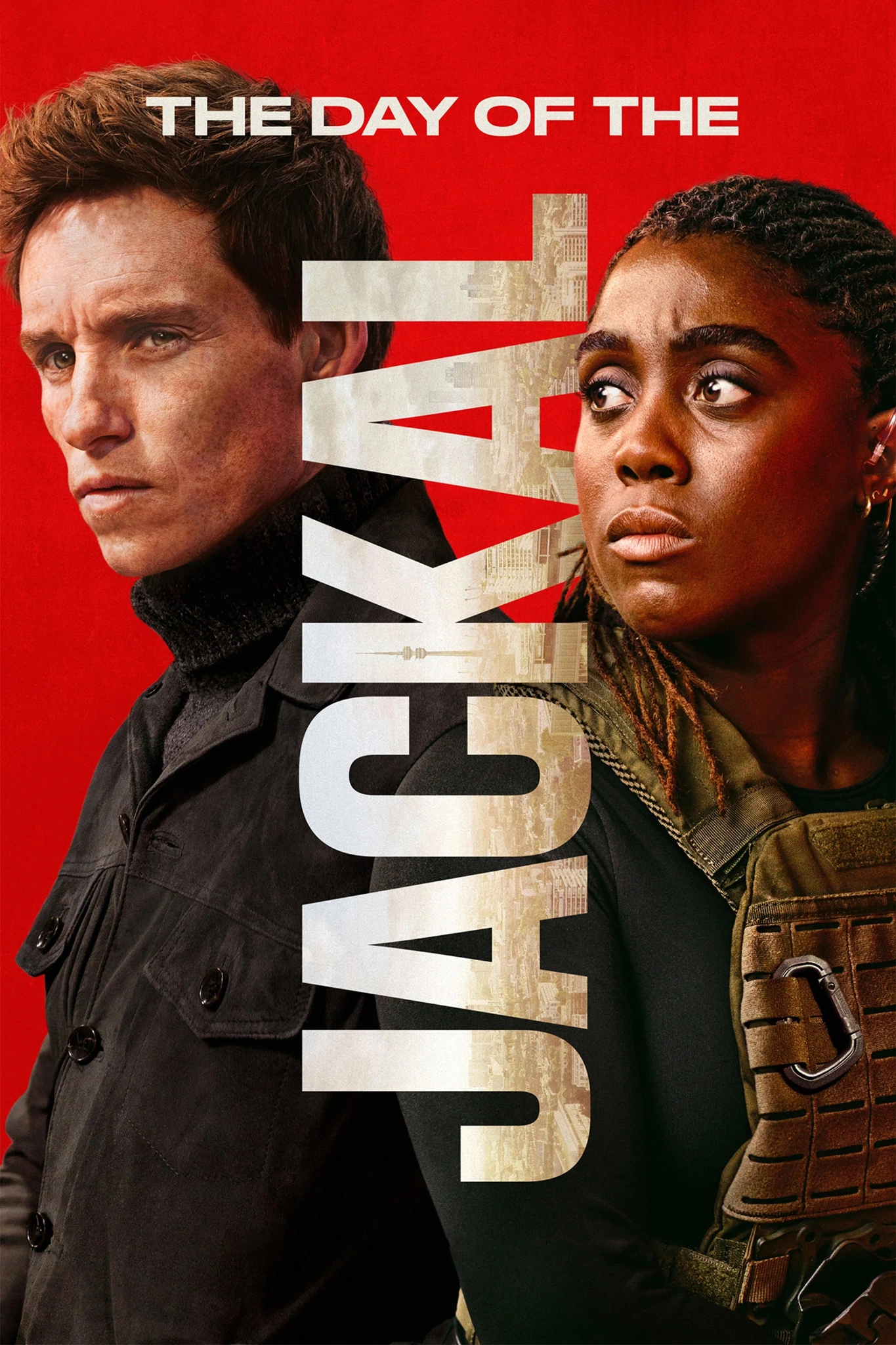
The Day of the Jackal delivers an enjoyable season at its best, led by Eddie Redmayne’s performance and his ability to combine professional cruelty with warmth at home. The missions, disguises and escapes from exposure give the series strong suspense, while the clarity of its action and the quality of its execution keep us watching. Not all the side stories need the space they receive, however. Some family disputes repeat, Bianca remains confined to a limited set of situations for too long, and the accuracy of certain details declines as the season progresses. The expansion gives the characters lives outside the pursuit, a valuable addition. But it needed a more careful choice of which scenes deserved to remain. We see a good season with excellent moments; shortening it would have strengthened their impact and reduced the distance between them. My rating for season one: 8 out of 10.
Your turn
Now we ask you: did family life bring you closer to the Jackal and Bianca, or did it slow the pursuit without adding enough?
AUDIENCE VOTE
Do you agree with the MB rating?
Choose once from this browser. You can change your answer at any time.