The review
A two-part return to adventure
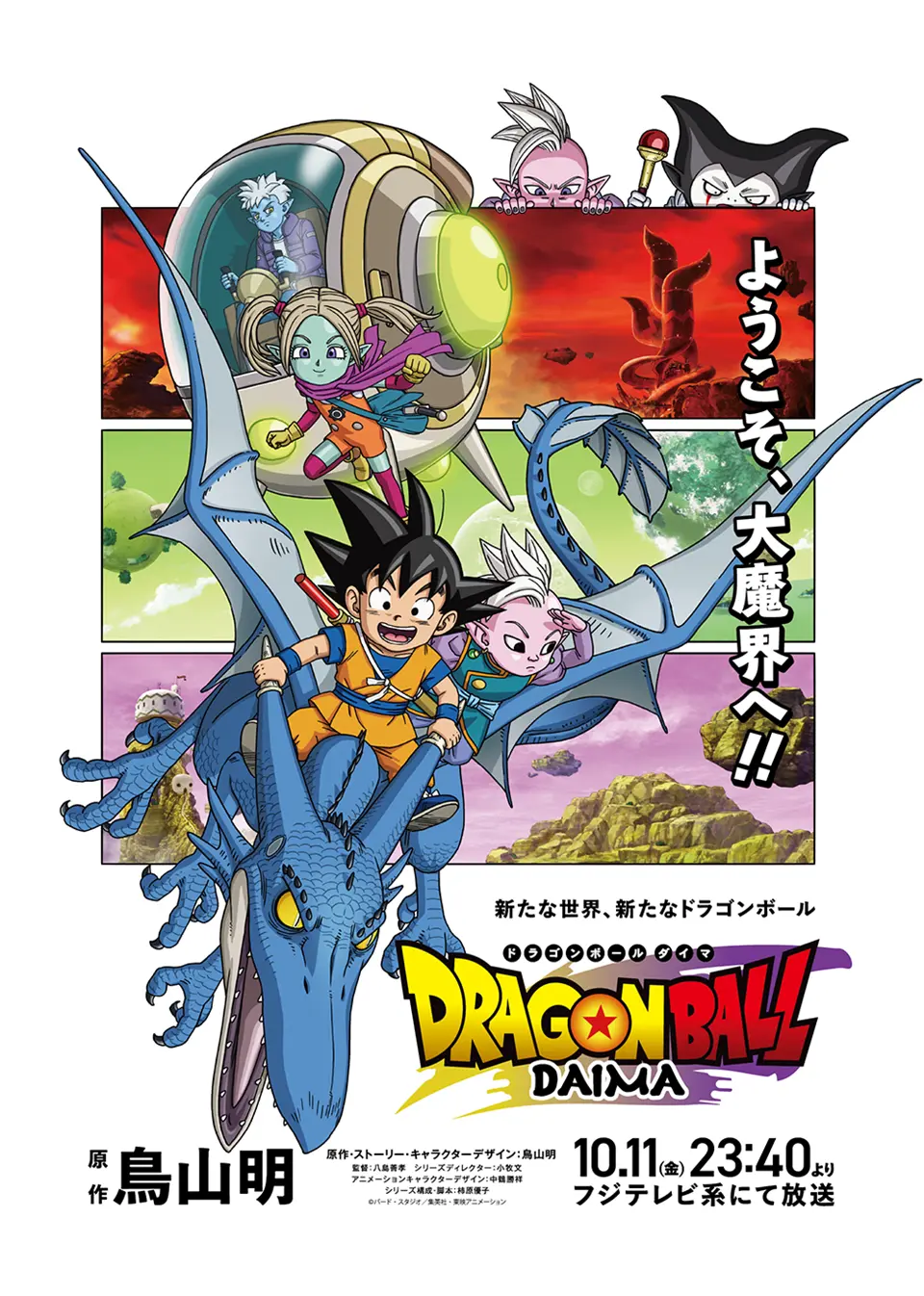
The first ten episodes introduce the Demon Realm, its social order and the comic consequences of becoming small. The second half accelerates toward Majin Kuu, Majin Duu and the true antagonistic design. This division gives the season a clear sense of discovery before combat, although the middle occasionally feels as if details were being assembled while the journey was already underway.
Childhood as a review of the franchise
The transformation is more than a physical gag. It strips away the intimidating presentation of icons and returns them to wonder, impatience and play. The Demon Realm's three regions, political hierarchy and corrupted inheritance reflect a franchise looking back at the consequences of the power it has accumulated.
Dialogue is direct and often comic, with unusual vulnerability from Vegeta and questions of identity and fate becoming more pronounced late in the season. Some transformations arrive with insufficient story justification, but the emotional intent is clear: revisit the beginning with characters whose hearts have aged even when their bodies have not.
Direction that makes every blow readable
Warm color, detailed backgrounds and lively staging give the Demon Realm a distinct fantasy identity. Fights favor readable trajectories and physical consequence over indistinguishable speed lines, while freer 360-degree camera movement in the strongest late episodes gives classic Dragon Ball force a modern cinematic clarity.
The mix of hand-drawn work and digital support is generally energetic, especially in facial comedy and transformation sequences. A few side episodes display weaker backgrounds and reuse action from altered angles, revealing the limits of a production that otherwise looks carefully loved.
Voices, rhythm and music of a final journey
The cast preserves each hero's personality while making the smaller bodies feel playful rather than imitated. New characters such as Glorio and the Majins arrive with immediately recognizable vocal identities. Editing is stable at the beginning and end but crowds the middle, where several episodes drift from the central quest.
Music is among the season's strongest elements, balancing adventurous lift with the melancholy of farewell. The opening grows more affecting as the journey deepens, and battle themes give the final confrontations scale without abandoning the playful spirit.
Final verdict
Final verdict
DAIMA is not merely a side quest; it is a warm letter to Dragon Ball's audience and to Toriyama's original spirit of discovery. Rushed passages, underexplained transformations and the absence of beloved figures keep it from perfection, but as a self-contained adventure it recovers wonder, humor and beautifully staged action. The bodies change; the heart is unmistakably the same.
AUDIENCE VOTE
Do you agree with the MB rating?
Choose once from this browser. You can change your answer at any time.