The review
Cathy is not a puzzle to solve
The series' best decision is not to turn Cathy into a secret heroine or an innocent victim. She manipulates, hurts, kills, abandons her children and uses people when she needs them. Yet it also refuses to present her as evil that appeared from nowhere. From a young age she learns how quickly the world can turn against her and how often men treat her as something to own or control. Beauty, attention, desire and secrets become tools of protection and power.
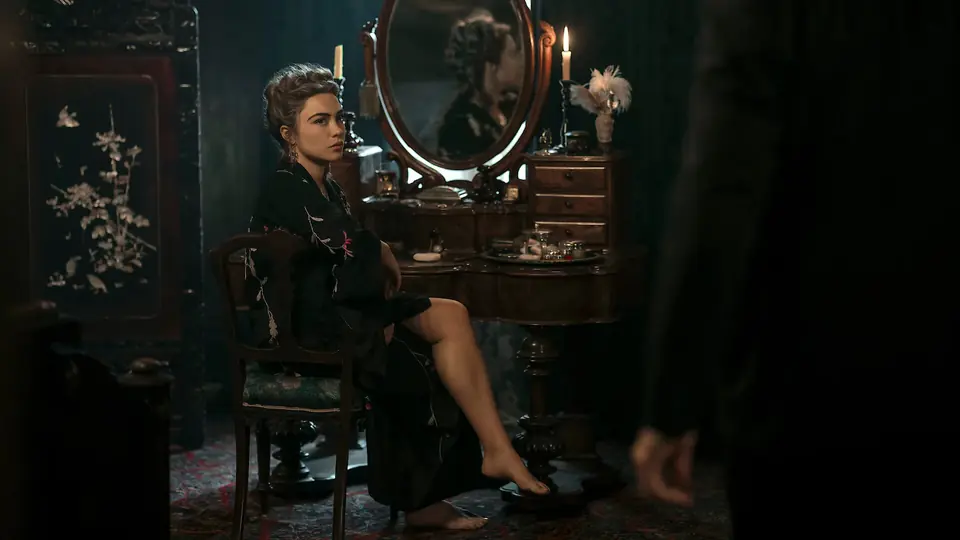
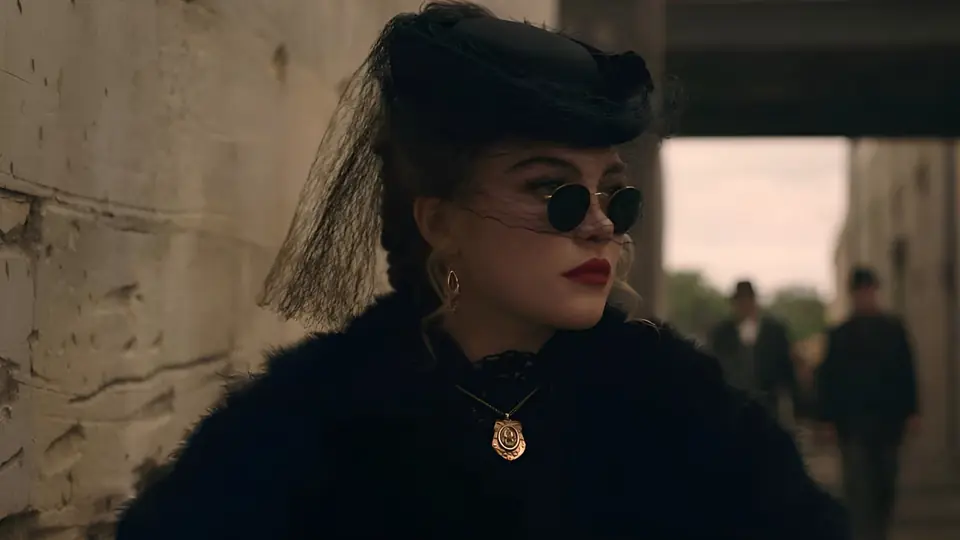
Understanding how she arrived here does not justify her actions. It is far more interesting than treating her as a monster without explanation. The cost is that explaining so much can lessen the mystery that once made her frightening. At times the series comes too close to blaming her environment for everything, when Cathy's most interesting quality is that she is also a person making choices. That tension leads to the work's central idea.
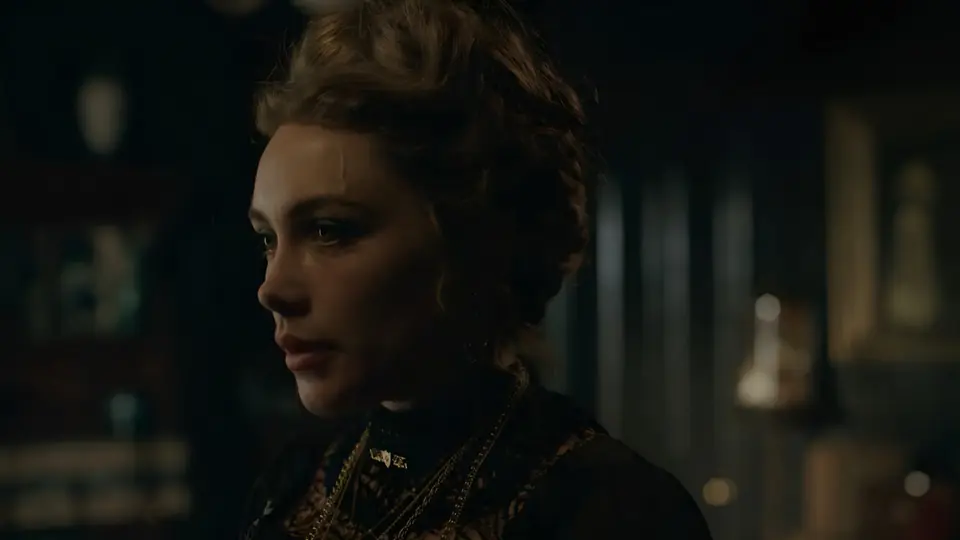
We are not prisoners of what we inherit
At the center of East of Eden is a struggle between inheritance and choice. Adam and Charles carry the effects of their relationship with their father. Adam repeats some of that history as a parent. Cal fears that the darkness inside him is something inherited and inescapable. Cathy too behaves as if something fixed within her separates her from everyone else. But the series keeps returning to a more important thought: what we inherit shapes us without passing a final verdict on us.
Cal becomes crucial in the second half because unlike Cathy he truly fears what he sees in himself. He gets angry, feels jealous and makes mistakes, but does not accept any of these as a written fate. His struggle makes him one of the most human characters here. The bond between generations is therefore the engine of the story rather than historical background. The question is not just what our parents did, but what we will do with what they left inside us.
Florence Pugh dominates the series
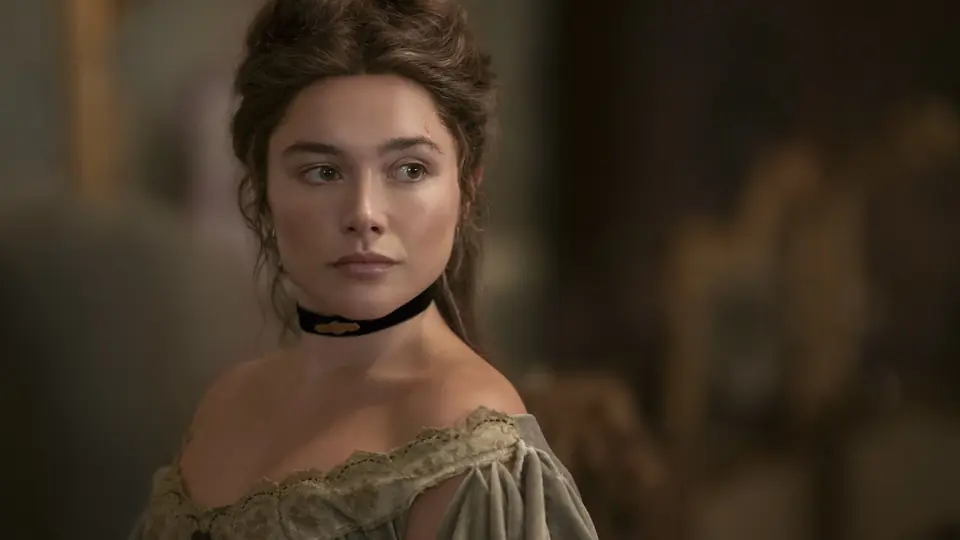
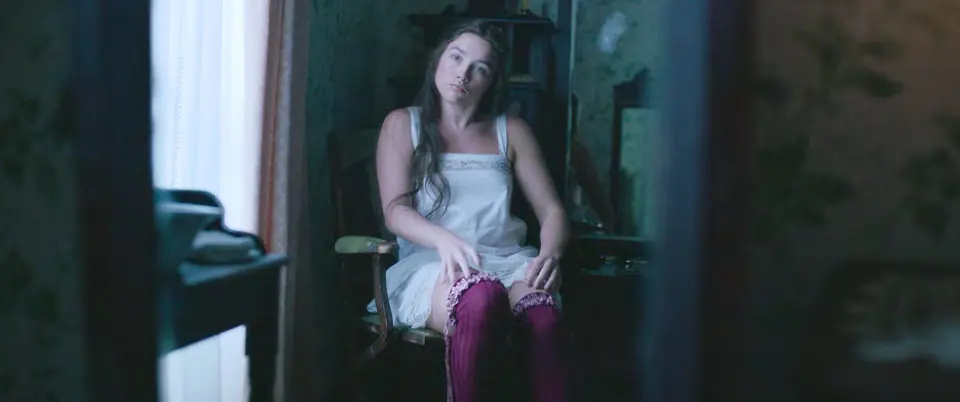
Pugh is clearly the strongest element, and her performance is not built on constant outbursts. Much of Cathy lives in the small details: her posture, her look, the face she selects for the person opposite her, and the way her body changes when she is alone and need not perform. She watches every room for power and for ways to shift it. She is not the same person with Adam, Charles, or the people she fears and needs.
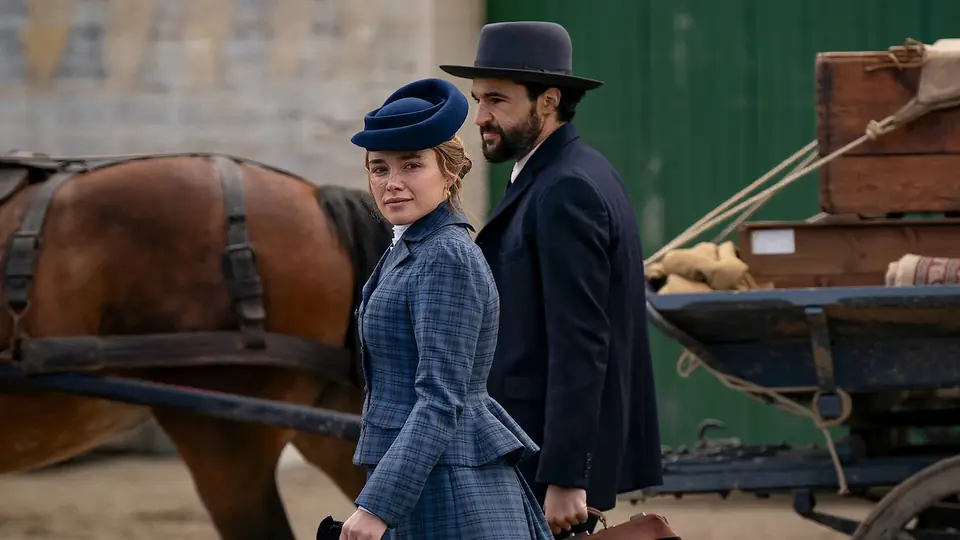
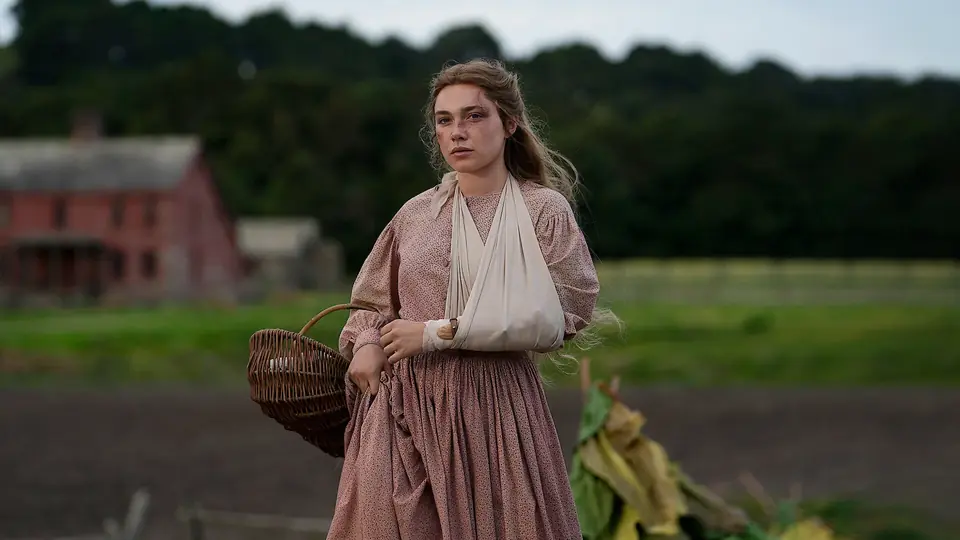
When Cathy loses control, the change is immediately visible. Pugh can make her terrifying without raising her voice and, in another moment, reveal a glimpse of the woman who existed before she became so hard. The series never demands that we love Cathy; it only needs us to keep watching her. That is more than enough.
Charles deserved more room
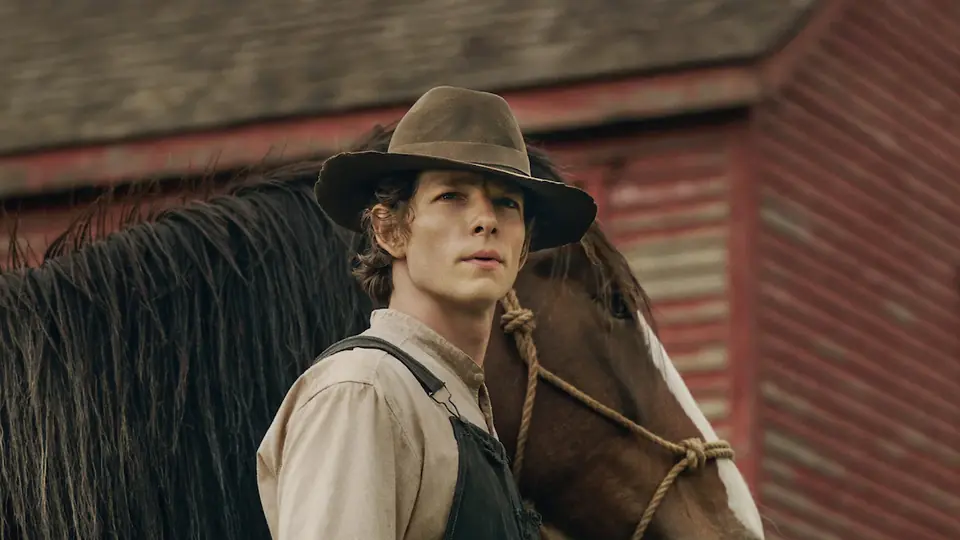
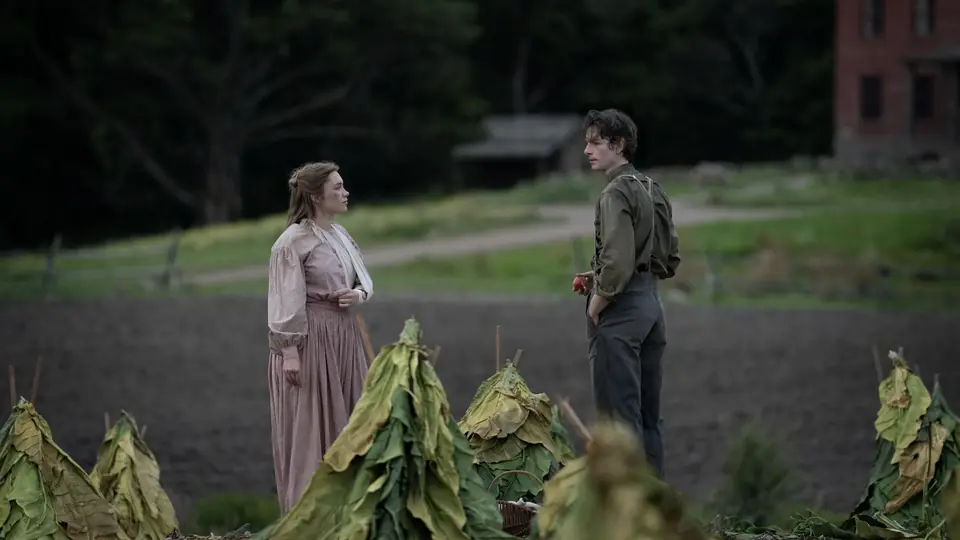
Cathy and Charles have one of the most compelling relationships because they understand something in each other that Adam cannot reach. Charles recognizes the darkness in Cathy quickly because he knows a version of it in himself. Mike Faist and Florence Pugh make their encounters tense. Faist's Charles is violent and angry, but not merely the bad brother: he is intelligent, feels inadequate and still carries the hurt of a childhood shaped by favoritism.
He watches Adam receive affection and respect even when Charles believes he has not earned them. That bitterness becomes part of how he sees the world. I wish the show gave him more time. Every appearance suggests someone who could carry a whole story, then the plot moves away. The spark between him and Cathy often feels stronger than the relationship between Cathy and Adam.
Adam is the triangle's weakest side
Adam is essential to the story but less compelling as a dramatic character. Christopher Abbott does good work with material that gives him less complexity than Cathy or Charles. Adam is often closer to an idea: the decent man who wants to see goodness and refuses to recognize what is plainly in front of him because his image of the world depends on it. That matters to the plot without always making him interesting to watch.
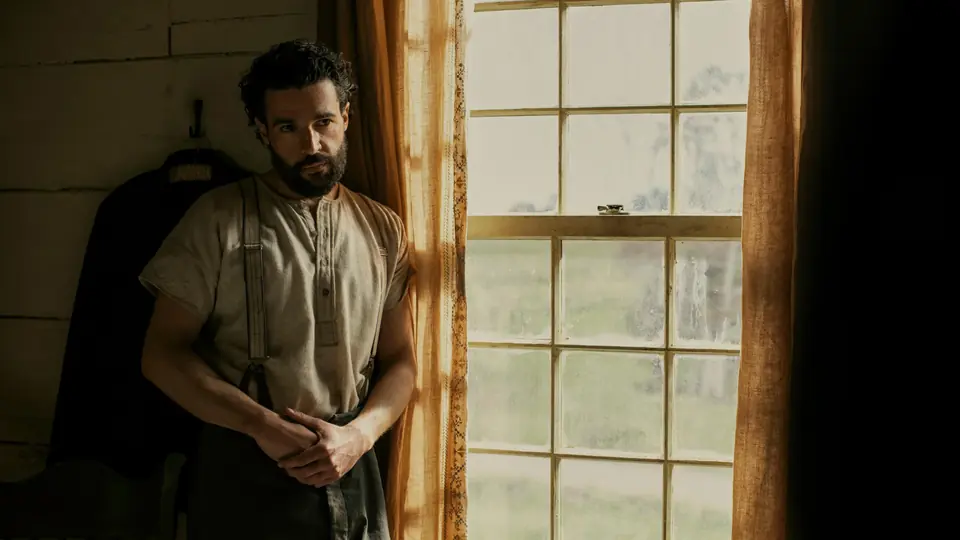
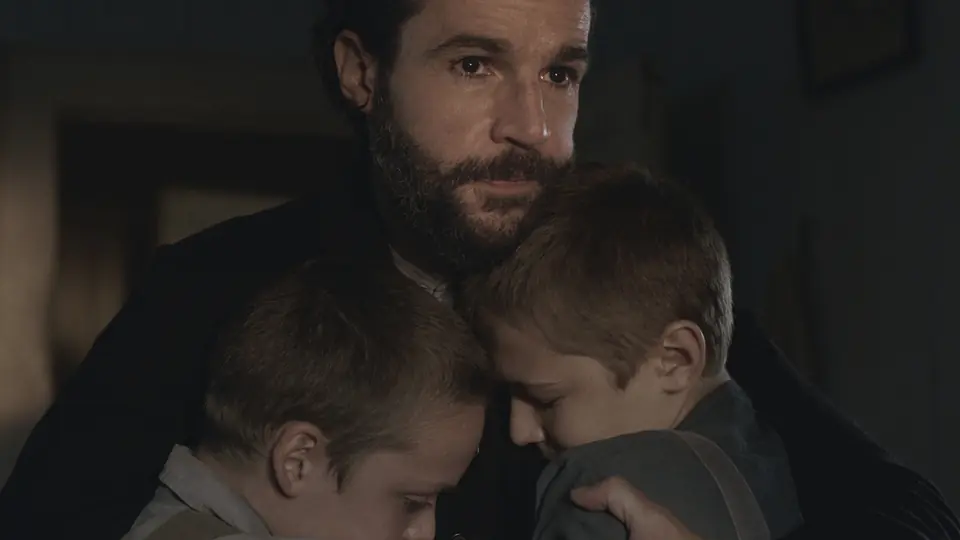
As a father, his most revealing quality is how he repeats his family's mistakes. He favors one son, fails to see Cal fully and conceals truths in the name of protection. Yet when he is alone, away from the stronger personalities, the show's energy drops. This is less a failure of Abbott's performance than of a character around whom the others move more forcefully than he does himself.
The second generation gives the story new life
The series changes when Cal and Aron take the foreground, but that shift arrives too late. Joseph Zada makes Cal convincing despite the limited time. He loves his brother and envies him; loves his father and feels rejected by him; wants to be good and fears what he sees within himself. His struggle is not only with Cathy or Adam but with the notion that blood has already decided his fate.
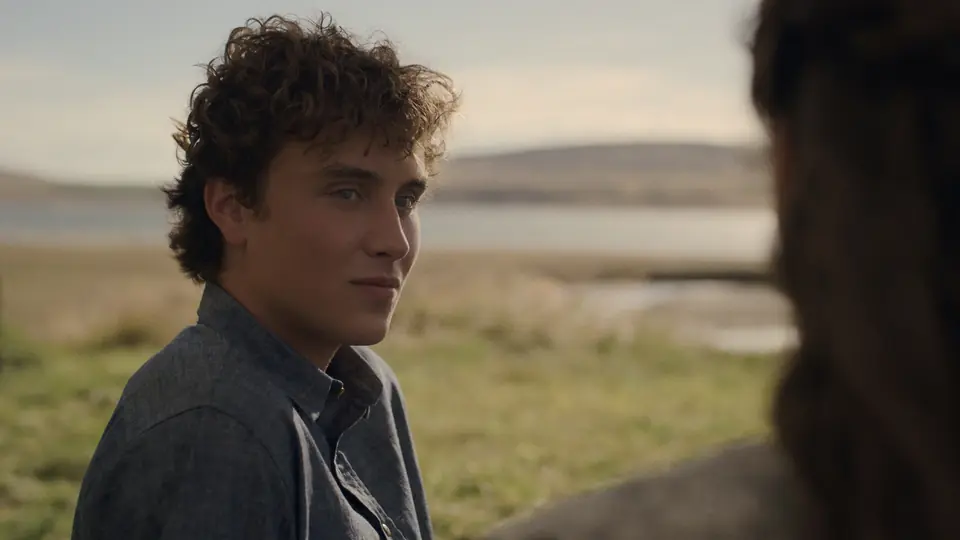
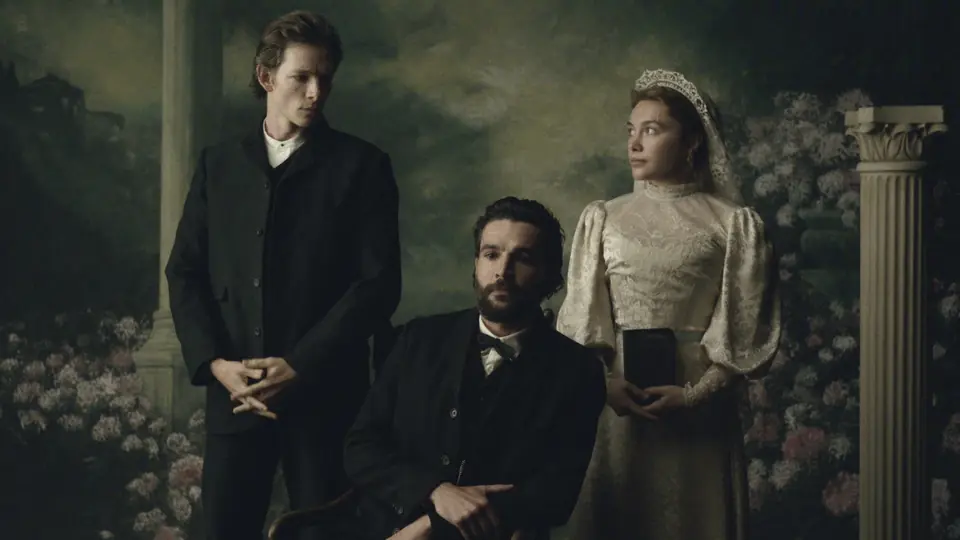
Aron carries the other side of that relationship. He has the idealized image, yet being placed on a pedestal can leave someone fragile when reality does not match what he believes. Genuine affection and genuine rivalry coexist between the brothers. It is a rich dynamic, but the show reaches it and then starts to run.
Lee is the story's quiet heart
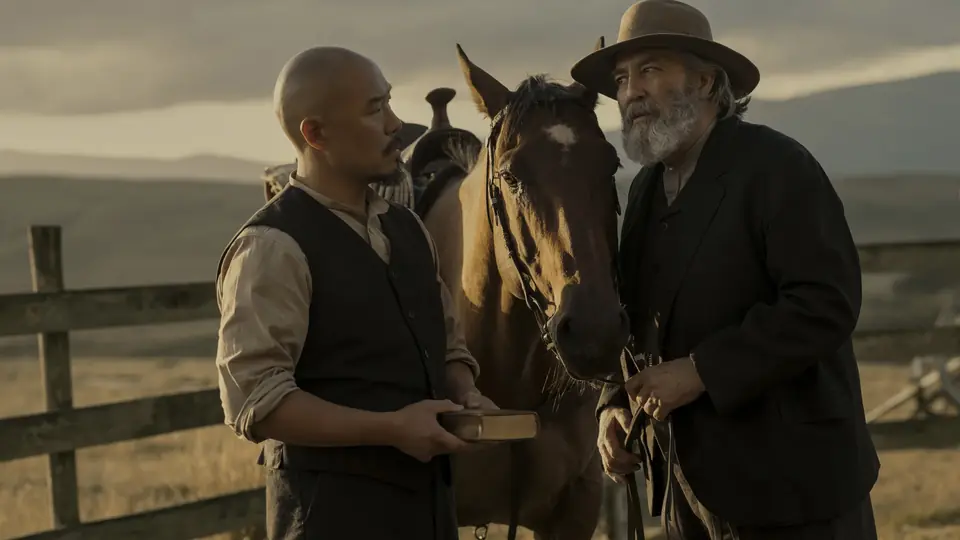
Amid so much anger, jealousy and regret, Lee brings balance. Hoon Lee's performance needs no showy entrance. Lee sees this family more clearly than its members see themselves, helps raise the boys while Adam is lost in his troubles, and tells the truth without making every disagreement a contest for power.
His bond with Cal makes him far more than another person in the household. He is among the few who let Cal feel seen without judging him beforehand. Cal spends much of the story worrying that he is bad before he has chosen anything. Lee offers another possibility: recognize the darkness within you, then choose not to let it lead.
Seven episodes are not enough for this family
The story is larger than the space given to it. Spending so long with Cathy at the start has clear benefits, but by the time the show reaches Cal, Aron and much of the next generation, there is too little time left. Relationships turn, secrets emerge and crises peak while we still need to live longer with these people. The ending is not without impact; it simply falls short of what it could have achieved.
There is a difference between understanding why someone collapses and feeling that we have lived with them through the road to that collapse. The finale sometimes gives us more of the former. Other people and families also have sharply reduced roles. Centering Cathy gains tremendous depth for her, but loses some of the width of the world surrounding her.
A beautiful world concealing cruelty
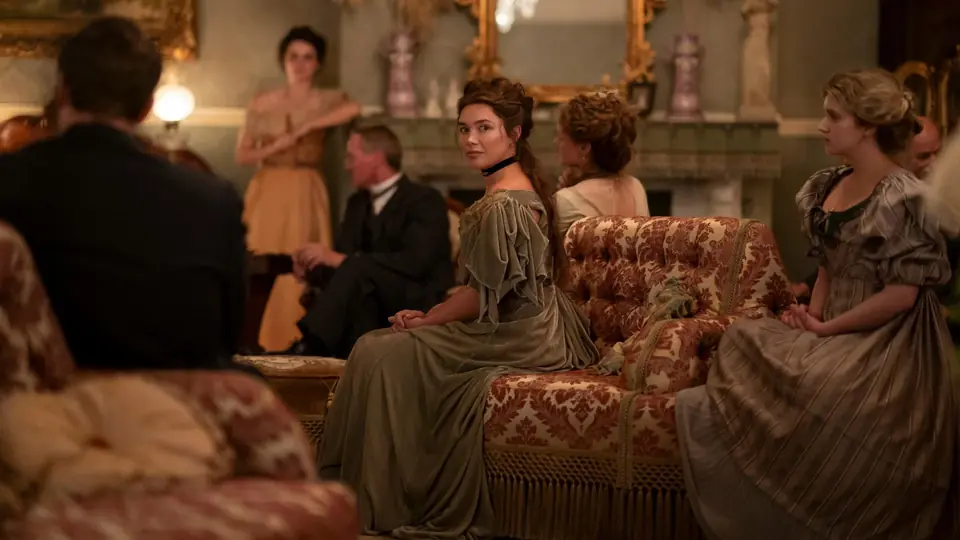
The series delivers a rich period setting without making costumes and sets the point of the exercise. Places, clothing and small details give different decades a sense of weight. Some houses and landscapes are warm, though the relationships inside them are anything but calm. Outside beauty does not make a family healthy, and quiet does not mean that the people in it are well.
The design also smooths the jumps across years in a story that changes its center more than once. It looks like a large and careful production, but its finest moments usually come when it closes a room around two people and lets the acting do the rest.
Strengths and weaknesses
The series is strongest in Florence Pugh's performance, its more complicated portrayal of Cathy without removing her cruelty, and the work of Mike Faist, Joseph Zada and Hoon Lee. Its central idea of choice against family inheritance gives those performances a purpose. Its weaknesses are the imbalance between Cathy and the other characters, Adam's relative thinness, and the hurried last two episodes. Seven episodes do not give every branch of the family the same weight.
Final verdict
Final verdict
East of Eden is ambitious and does not carry every one of its ideas with equal force, but succeeds with the person it chose as its center: Cathy Ames. It does not absolve her and has no need to. It refuses to reduce her to one word, giving Florence Pugh a character who can be cruel, frightening, wounded and fully aware of her actions at once. That focus also makes her absence felt: others receive less depth, and just as the next generation's story truly begins, time runs out. Still, its final idea holds. Family gives us names, memories, mistakes, fear, perhaps even tendencies we dread. It does not choose for us who we will become. My rating for season one: 8 out of 10.
Your turn
Did the focus on Cathy make this version deeper and more compelling, or did it come at the expense of Adam, Charles and the Trask family's second generation?
AUDIENCE VOTE
Do you agree with the MB rating?
Choose once from this browser. You can change your answer at any time.