The review
A new home that already feels cursed
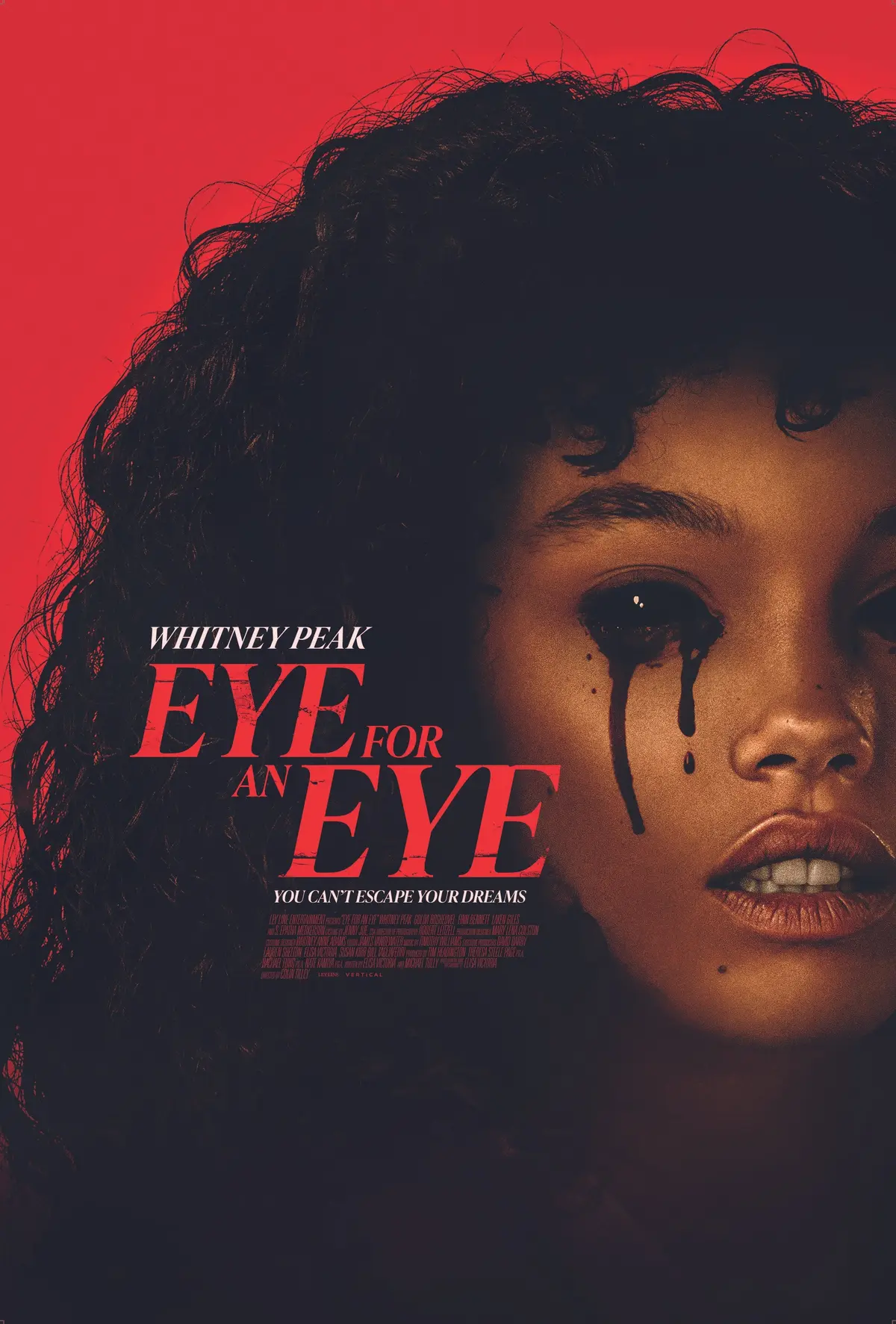
Anna relocates from Brooklyn to rural Florida after the death of her parents, moving in with her grandmother May. The old house, thick forest, stagnant water and unnatural quiet make the move feel less like a new beginning and more like an entrance into a place governed by secret rules.
The premise of a local legend, a mysterious tree and a dream creature punishing cruel people is familiar. The movie becomes more interesting only when it refuses to make Anna completely innocent and connects the external curse to a failure she is already trying not to face.
Her crime is doing nothing
The screenplay's most important choice is that Anna does not attack Connor herself. Sean commits the violence while Julie watches and records it, but Anna freezes and fails to stop what she knows is wrong. The curse therefore judges action and passive complicity together.
That decision immediately gives Anna more complexity than the standard horror heroine. Her guilt begins before the supernatural punishment, so her journey is not simply about surviving. She must admit that disgust without action did not protect the victim and did not absolve her.
Mr. Sandman: a powerful image, a simple mythology
Mr. Sandman is the visual heart of the film, but not its most complex character. The story gradually reveals that he was once Vincent, a visually impaired child who used glass eyes and was tormented by classmates. Their cruelty led to his death, transforming him into a figure who punishes later acts of bullying.
The origin gives the monster an emotional motive and ties the curse directly to old violence. Yet it remains a straightforward equation: a victim of abuse returns to punish abusers. The imagery and concept are affecting, but the mythology never reaches the psychological complexity it promises.
Punishment expands beyond the bully
Sean is the direct aggressor, Julie participates through watching and filming, and Anna observes in horror without acting. By marking all three, the film asks whether moral responsibility belongs only to the person who inflicts harm or also to those who make that harm possible through silence.
The film does not develop this into a deep philosophical debate, but it turns the question into effective horror. Anna cannot defend herself by saying she did nothing, because doing nothing is precisely the failure that placed her inside the curse.
Guilt, sacrifice and empathy
Once Anna understands the curse, she tries to accept a physical cost comparable to Connor's suffering and breaks her own arm. The story then stops being only a chase and becomes an attempt to face responsibility rather than escape it.
The final encounter works because Anna does not defeat Vincent through force. She finds his glass eyes and returns them to him, approaching the source of the curse with empathy. Her mark disappears and her sight is spared, suggesting that survival comes from understanding the wrong and accepting responsibility, not from overpowering the monster.
May and Patty deserved more space
The history between sisters May and Patty contains some of the film's richest dramatic material. May's need for attention and her cruelty toward her sister created an old resentment, while the revelation that Patty wrote May's name on the tree connects family jealousy to the same cycle of punishment.
May spending fifty years waiting to regain her sight should carry enormous weight. Instead, the sisters' history is used mostly to move the plot toward its ending. Their rivalry mirrors Vincent's story and could have deepened the movie's ideas about resentment, retaliation and the wounds people preserve for decades.
Whitney Peak carries the psychological decline
Whitney Peak helps the film by refusing to over-explain Anna. Grief, fear and exhaustion appear through her gaze, movement and relationship with the landscape. As the nightmares and sleep deprivation accumulate, her physical presence changes before the script needs to say anything.
S. Epatha Merkerson and Golda Rosheuvel add dramatic weight to May and Patty, especially whenever decades of jealousy and resentment surface. Their performances also make the limited exploration of the sisters feel like an even larger missed opportunity.
Final verdict
Final verdict
Eye for an Eye is stronger as an audiovisual nightmare than as a tightly developed story. Its best decision is refusing to make Anna completely innocent: her failure is not cruelty but silence when somebody else needed help. The final solution is also more interesting than simply killing a monster, because it asks the heroine to confront the source of pain and respond with empathy. The film could have been much deeper if it gave Vincent, May and Patty more space, but its atmosphere, dream imagery and central moral question make it worth watching.
Your turn
Did Anna deserve punishment because she failed to help Connor, or should the curse have targeted only Sean and Julie?
AUDIENCE VOTE
Do you agree with the MB rating?
Choose once from this browser. You can change your answer at any time.